
The Aymara Connection: Understanding the Cultural Significance of Tiahuanaco’s Architecture

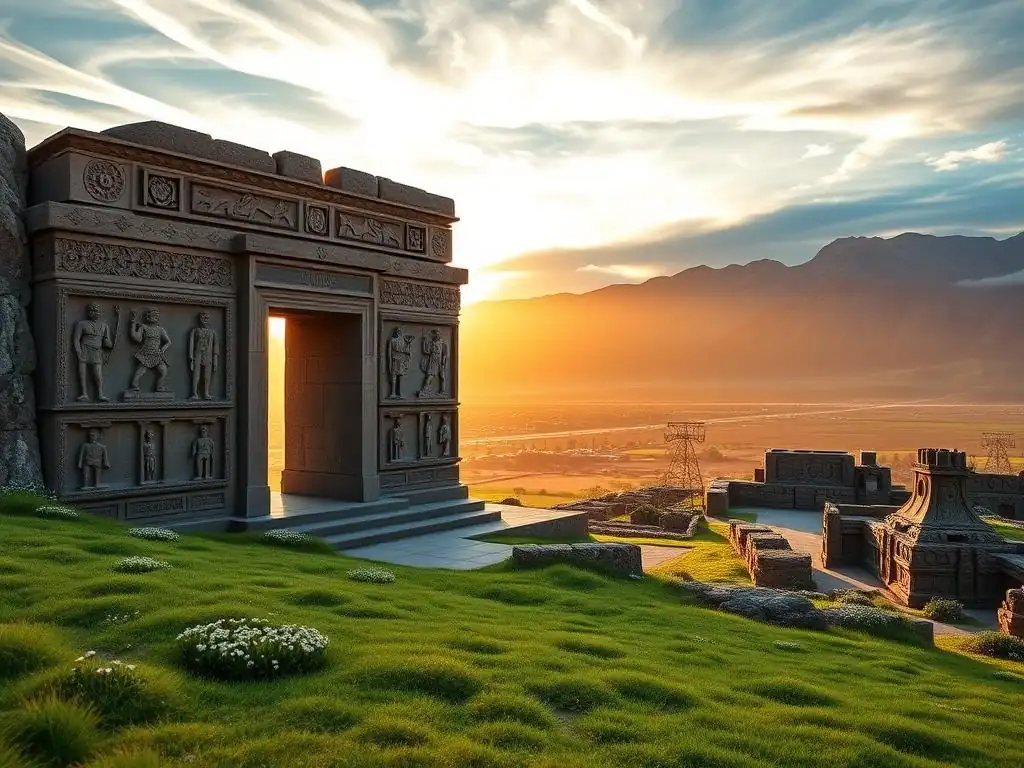
Welcome to Indigenous Civilizations of the Americas, where we invite you to embark on a captivating journey through the rich tapestry of indigenous cultures that flourished across the Americas before the advent of European colonization. This week, we delve into the Aymara architecture cultural significance, exploring how the remarkable structures of Tiahuanaco reveal profound insights into the social and spiritual lives of the Aymara people.
What secrets do these ancient edifices hold? Join us as we uncover the architectural brilliance and cultural narratives that continue to resonate today, encouraging you to explore deeper into the fascinating world of Tiahuanaco culture.
The Aymara people, one of the prominent indigenous groups of the Andes, have a rich cultural heritage that is deeply intertwined with the architectural marvels of Tiahuanaco. This ancient city, located near the southern shore of Lake Titicaca in modern-day Bolivia, is renowned for its monumental structures and sophisticated urban planning.
The architecture of Tiahuanaco is not merely a reflection of aesthetic values; it embodies the spiritual, social, and political ideals of the Aymara civilization. In this article, we will explore the cultural significance of Aymara architecture, examining how it reveals the values, beliefs, and innovations of a society that thrived long before European colonization.
The Historical Context of Tiahuanaco
Tiahuanaco was established around 1500 BC and flourished until approximately 1000 AD. It served as a major political and religious center for the Aymara civilization, influencing surrounding cultures across the Andes. The city's strategic location facilitated trade and cultural exchange, allowing it to become a melting pot of ideas and practices. The architectural advancements seen in Tiahuanaco are not only a testament to the ingenuity of the Aymara people but also provide insight into their social structure and religious practices.
Architectural Features of Tiahuanaco
The architecture of Tiahuanaco is characterized by its use of large stone blocks, precision engineering, and intricate carvings. Notable structures include:
- The Akapana Pyramid: Believed to be a ceremonial center, this step pyramid demonstrates the Aymara’s understanding of astronomical alignments.
- The Gateway of the Sun: This iconic monument showcases elaborate stonework and is thought to have held significant ritualistic importance.
- The Semi-Subterranean Temple: This unique structure features a series of carved stone figures and is indicative of the Aymara’s connection to their ancestors and the spiritual world.
These architectural elements reflect the Aymara’s advanced knowledge of engineering and their deep-seated cosmological beliefs, merging the physical and spiritual realms through design.
The Cultural Significance of Aymara Architecture
Aymara architecture is not merely functional; it is deeply embedded with cultural meaning. The following aspects highlight its significance:
- Symbolism: Many structures are imbued with symbolic meaning, representing the relationship between the Aymara people and their environment.
- Community Identity: The architectural layout of Tiahuanaco fosters a sense of community, with public spaces designed for gatherings and rituals, promoting social cohesion.
- Cultural Continuity: The preservation of architectural styles and techniques through generations illustrates the resilience of Aymara cultural identity, even in the face of external pressures.
Conclusion
The exploration of Tiahuanaco’s architecture provides invaluable insights into the Aymara civilization, revealing their sophisticated understanding of urban planning, spirituality, and community. As we delve deeper into the cultural significance of Aymara architecture, we uncover the layers of meaning that contribute to our understanding of this remarkable civilization. The legacy of Tiahuanaco continues to inspire and educate, reminding us of the rich tapestry of indigenous cultures that shaped the Americas long before European contact.
- The Historical Context of Tiahuanaco
- Architectural Features of Tiahuanaco
- The Cultural Significance of Aymara Architecture
- Conclusion
Introduction to Aymara Architecture
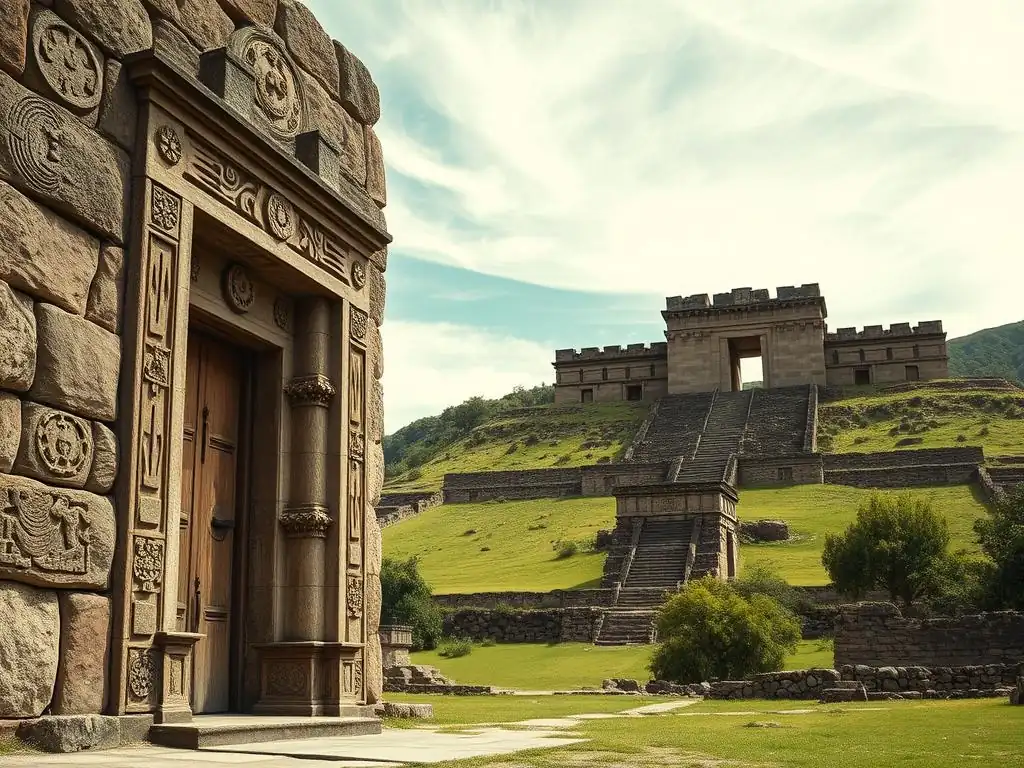
Aymara architecture represents a fascinating intersection of culture, environment, and ingenuity. Rooted in the traditions of the Aymara people, who primarily inhabit the Andean region of South America, this architectural style is characterized by its unique methods, materials, and symbolic meanings. The architecture of Tiahuanaco, a monumental site in present-day Bolivia, serves as a significant example of Aymara architectural prowess and its cultural relevance.
Overview of the Aymara People
The Aymara are one of the oldest indigenous groups in the Americas, with a rich history that predates the Inca Empire. They predominantly reside in the highlands of Bolivia, Peru, and northern Chile. Their cultural heritage is profoundly linked to the altiplano—a high plateau in the Andes—where they have developed distinctive agricultural practices, social structures, and spiritual beliefs.
- Language: The Aymara language, recognized as one of the official languages of Bolivia, is an essential component of their identity. It reflects the community’s worldview and is utilized in daily communication, rituals, and oral traditions.
- Social Organization: Aymara society is traditionally organized into ayllus (kinship groups), which play a crucial role in community life. These groups foster cooperation in agricultural activities and maintain cultural practices.
- Spiritual Beliefs: Aymara spirituality is deeply intertwined with nature, often venerating Pachamama (Mother Earth) and other deities. Their beliefs influence their architectural designs, as structures often reflect their cosmological views.
Through their advanced understanding of their environment, the Aymara people have developed architecture that not only serves practical purposes but also expresses their cultural identity and values.
Importance of Tiahuanaco in Aymara Culture
Tiahuanaco is one of the most significant archaeological sites associated with the Aymara civilization, showcasing the architectural and cultural achievements of this ancient society. Located near the southern shore of Lake Titicaca, Tiahuanaco was a vibrant urban center that flourished between 300 AD and 1000 AD.
- Architectural Innovations: The site is renowned for its monumental stone structures, including the impressive Akapana Pyramid and the Gateway of the Sun. These constructions illustrate the Aymara’s advanced engineering capabilities, utilizing precisely cut stone blocks that have withstood the test of time.
- Cultural Symbolism: The architecture of Tiahuanaco embodies the Aymara worldview. For instance, the alignment of structures with celestial bodies reflects their astronomical knowledge and the importance of agriculture. Buildings often served not only as homes but also as ceremonial spaces, reinforcing the community’s spiritual beliefs.
- Economic and Political Hub: Tiahuanaco was a crucial economic center, facilitating trade networks that extended across the Andes. Its architectural layout suggests a well-organized society capable of sustaining large populations and complex political structures.
The cultural significance of Aymara architecture, particularly as evidenced by Tiahuanaco, lies in its ability to convey the values, beliefs, and social organization of the Aymara people. This architectural heritage continues to be a source of pride and identity for contemporary Aymara communities, preserving a legacy that resonates through generations.
Historical Context of Tiahuanaco Architecture
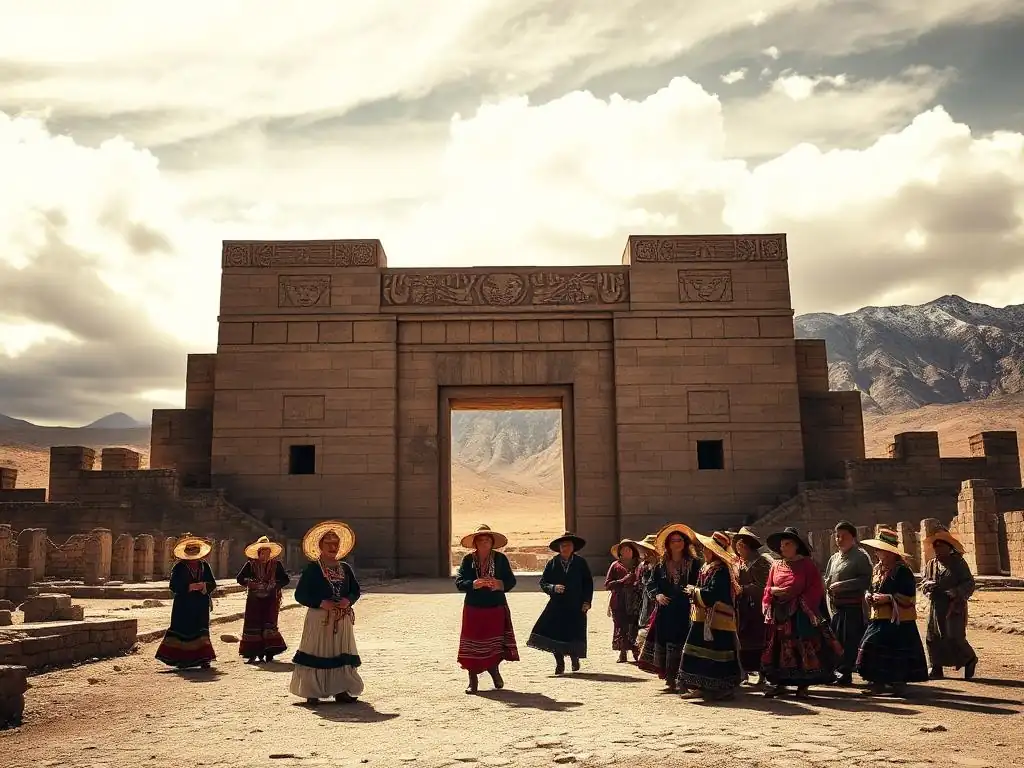
The architectural legacy of Tiahuanaco stands as a testament to the ingenuity and cultural sophistication of the Aymara civilization. Located near the southern shores of Lake Titicaca in present-day Bolivia, Tiahuanaco was not just a city; it was a monumental achievement that reflected the social, political, and spiritual life of the Aymara people. Understanding the historical context of Tiahuanaco architecture requires a closer examination of its development timeline and the influences that shaped its unique architectural styles.
Timeline of Tiahuanaco’s Development
The timeline of Tiahuanaco’s development is marked by significant milestones, showcasing its growth from an early settlement to a major urban center. Here is an overview of the key phases:
- Pre-Tiahuanaco Period (circa 1500 BCE): Early hunter-gatherer groups began to settle in the region, laying the groundwork for future agricultural practices.
- Initial Development (circa 500 CE): The first substantial constructions emerged, primarily in the form of earthen mounds and small stone structures. This period witnessed the beginnings of organized societal structures.
- Cultural Flourishing (circa 600-900 CE): Tiahuanaco reached its zenith during this period, marked by the construction of monumental architecture, including the famous Akapana Pyramid and the Gateway of the Sun. The use of finely dressed stone and sophisticated masonry techniques became prominent.
- Expansion and Influence (circa 900-1150 CE): The city expanded significantly, with evidence of trade networks extending throughout the Andes. Tiahuanaco's architecture influenced surrounding cultures, including the Incas, who would later adopt and adapt these styles.
- Decline (circa 1150-1450 CE): A combination of environmental changes and sociopolitical factors led to a gradual decline in the population and importance of Tiahuanaco. However, its architectural legacy continued to influence later civilizations.
- Modern Recognition (20th Century): In the 20th century, Tiahuanaco was recognized as a UNESCO World Heritage Site, garnering global attention for its cultural significance and architectural achievements.
Influences on Aymara Architectural Styles
The architectural styles of the Aymara were profoundly influenced by various factors, both environmental and cultural. Understanding these influences provides insight into the cultural significance of Aymara architecture:
- Geographic Location: Tiahuanaco’s location near Lake Titicaca provided abundant resources, including stone and agricultural land. The availability of local materials influenced construction techniques and style.
- Religious Beliefs: Aymara architecture often reflected cosmological beliefs. Structures were aligned with celestial bodies, and many buildings served religious purposes, highlighting the interconnectedness of architecture and spirituality.
- Technological Advancements: The use of advanced masonry techniques allowed for the construction of durable structures that could withstand the harsh climate of the Altiplano. The precision in stone cutting and assembly showcased the Aymara’s engineering prowess.
- Cultural Exchange: Tiahuanaco was a melting pot of cultures, facilitating the exchange of ideas and architectural practices with neighboring civilizations. This exchange led to the incorporation of diverse elements into Aymara architecture, enriching its complexity.
- Political Organization: The centralized political structure of the Tiahuanaco state enabled large-scale construction projects. This organization allowed for the mobilization of labor and resources, resulting in the creation of monumental structures that symbolized the power and stability of the Aymara civilization.
The historical context of Tiahuanaco architecture reveals a rich tapestry of cultural significance, influenced by geographical, technological, and spiritual factors. The enduring legacy of Aymara architecture continues to captivate scholars and visitors alike, offering a glimpse into the remarkable achievements of this indigenous civilization.
Key Features of Tiahuanaco’s Architecture
The architecture of Tiahuanaco, a significant site in the Aymara region of the Andes, showcases a unique blend of engineering prowess and cultural expression. This ancient city, which flourished between 300 and 1000 CE, is characterized by its monumental structures, intricate stonework, and innovative design techniques. Understanding the key features of Tiahuanaco’s architecture not only highlights the aesthetic and functional aspects but also emphasizes its cultural significance within the Aymara civilization.
Monumental Structures and Their Symbolism
The monumental structures of Tiahuanaco serve as a testament to the power and organization of the Aymara people. Key edifices include:
- The Akapana Pyramid: This terraced pyramid is believed to be a key ceremonial center. Its massive size and precise alignment with astronomical events underscore its importance in Aymara cosmology.
- The Gateway of the Sun: This intricately carved stone portal features various motifs, including depictions of deities and animals, which reflect the spiritual beliefs of the Aymara civilization. The gateway is thought to symbolize the connection between the earthly and the divine.
- The Semi-Subterranean Temple: This unique structure, with its sunken floors and stone carvings, is indicative of ritual practices and community gatherings. The temple’s design suggests a deep connection to water and fertility, aligning with the Aymara's agricultural lifestyle.
The monumental nature of these structures conveys messages of power, spirituality, and social organization, indicating the sophisticated societal structure that existed within Tiahuanaco.
Use of Stone in Aymara Construction Techniques
The Aymara civilization is renowned for its advanced stone construction techniques, which are evident in the ruins of Tiahuanaco. Key aspects of their stonework include:
- Precision Cutting: Aymara builders employed advanced quarrying techniques that allowed them to create precisely cut stones. These stone blocks fit together so tightly that mortar was often unnecessary, a testament to their craftsmanship.
- Use of Local Materials: The strategic use of local stones, primarily basalt and limestone, not only ensured structural integrity but also allowed for more sustainable building practices. This choice of materials reflects the Aymara’s deep connection to their environment.
- Incorporation of Symbolic Carvings: Many stone structures feature intricate carvings that hold cultural significance. These designs often depict animals, deities, and geometric patterns, conveying various aspects of Aymara beliefs and cosmology.
The mastery of stonework not only exemplifies the technical skills of the Aymara builders but also serves as a medium for cultural expression, embedding their beliefs into the very fabric of their architecture.
Architectural Innovations of the Tiahuanaco Civilization
The Tiahuanaco civilization was marked by several architectural innovations that contributed to its significance in Aymara history. These innovations include:
- Terracing Techniques: The use of terracing for agriculture allowed for effective land use in the Andean highlands. This technique not only enhanced agricultural productivity but also influenced the design of various structures, allowing them to integrate seamlessly with the landscape.
- Water Management Systems: The construction of sophisticated water management systems, including canals and drainage, reflects the Aymara’s ingenuity in dealing with the challenges of their high-altitude environment. These systems supported agriculture and were essential for sustaining the population.
- Urban Planning: The layout of Tiahuanaco demonstrates advanced urban planning, with a clear organization of public, religious, and residential spaces. This planning indicates a well-structured society capable of coordinating large-scale projects.
The architectural innovations of Tiahuanaco not only highlight the technical abilities of the Aymara but also reflect their adaptation to environmental challenges and their social organization, underscoring the cultural significance of Aymara architecture.
Cultural Significance of Tiahuanaco’s Architectural Elements
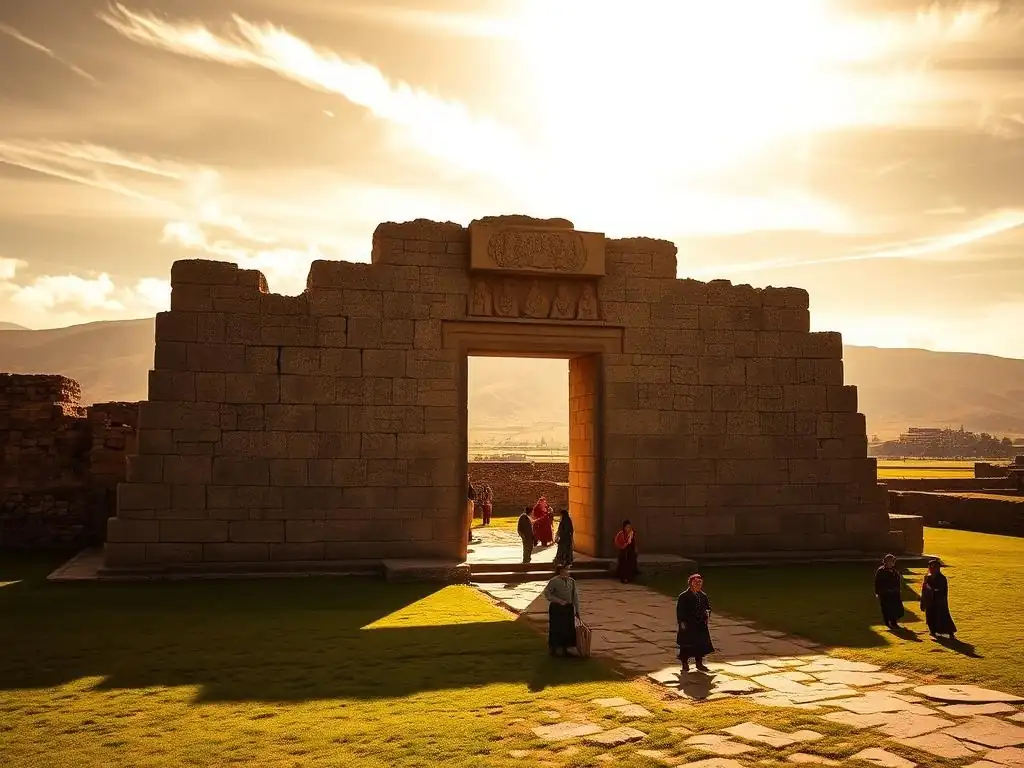
The Tiahuanaco civilization, flourishing in the Andes region of modern-day Bolivia, is renowned for its remarkable architectural achievements that reflect the cultural and spiritual life of the Aymara people. The structures of Tiahuanaco are not merely functional; they serve as vivid representations of the society's cosmology, values, and social order. This architectural legacy provides insights into the Aymara's historical significance and their lasting influence on contemporary culture.
Ritual and Religious Importance of Structures
One of the most striking aspects of Tiahuanaco architecture is its deep connection to ritual and religious practices. The site is home to several monumental structures, each designed with specific ceremonial purposes in mind. Notable examples include:
- The Akapana Pyramid: This massive earth pyramid is believed to have been a central site for rituals. Its layered construction symbolizes the connection between the earth and the cosmos, reflecting the Aymara’s reverence for nature and spirituality.
- The Kalasasaya Temple: Featuring intricately carved stone walls and a sunken courtyard, this temple is thought to have been a place for astronomical observations and religious ceremonies. The alignment of its structures suggests a significant relationship with celestial events, reinforcing the importance of astronomy in Aymara culture.
- The Gateway of the Sun: This iconic monolith is adorned with detailed carvings depicting deities and symbols indicative of Aymara beliefs. It serves as a monumental entrance to the sacred space, highlighting the importance of gateways in Aymara cosmology as transitions between the earthly and the divine.
These structures not only facilitated religious activities but also reinforced social cohesion and identity among the Aymara people. The architectural choices reflect a society deeply engaged with the spiritual realm, where each stone and layout carried significant meaning.
The Role of Architecture in Aymara Identity
Aymara architecture embodies the cultural identity and social values of the Aymara people. The construction methods and materials used in Tiahuanaco reflect their ingenuity and adaptability to the Andean environment. Key aspects include:
- Use of Local Materials: The Aymara utilized locally sourced stones, which were not only abundant but also symbolically significant. The craftsmanship involved in shaping these stones showcases their connection to the land and their mastery of architectural techniques.
- Cultural Symbols: Architectural elements often incorporate motifs and designs that are emblematic of Aymara identity. From carved figures representing deities to geometric patterns that signify the interconnectedness of life, these details serve to communicate cultural narratives and collective memory.
- Community Spaces: The layout of Tiahuanaco is indicative of communal living and shared identity. Structures such as plazas and gathering areas were integral to social interaction, emphasizing the importance of community in Aymara life.
As such, the architecture of Tiahuanaco is not only a testament to the civilization’s technological prowess but also a reflection of the enduring Aymara identity that continues to influence the region today.
The architectural layout and construction of Tiahuanaco also provide insights into the social hierarchies prevalent within Aymara society. Key features that illustrate these hierarchies include:
- Monumental Structures: The scale and complexity of certain buildings, such as the Akapana and Kalasasaya, suggest that they were likely reserved for elite groups or religious leaders. This differentiation in architectural investment highlights the stratification within Aymara society.
- Residential Areas: The organization of residential structures around central plazas indicates a planned community where proximity to significant sites was likely associated with status. Elite families may have had larger, more elaborate homes, reflecting their higher social standing.
- Access to Sacred Spaces: The design of Tiahuanaco's sacred sites often limited access to specific individuals, reinforcing the power dynamics within the society. Individuals involved in religious practices or governance likely had exclusive rights to certain areas, creating a physical manifestation of social hierarchy.
Overall, Aymara architecture serves as a powerful lens through which to understand the complexities of social organization, cultural identity, and spiritual life in Tiahuanaco. By studying these architectural elements, we gain valuable insights into the cultural significance and enduring legacy of the Aymara civilization.
Aymara Architecture’s Influence on Subsequent Cultures
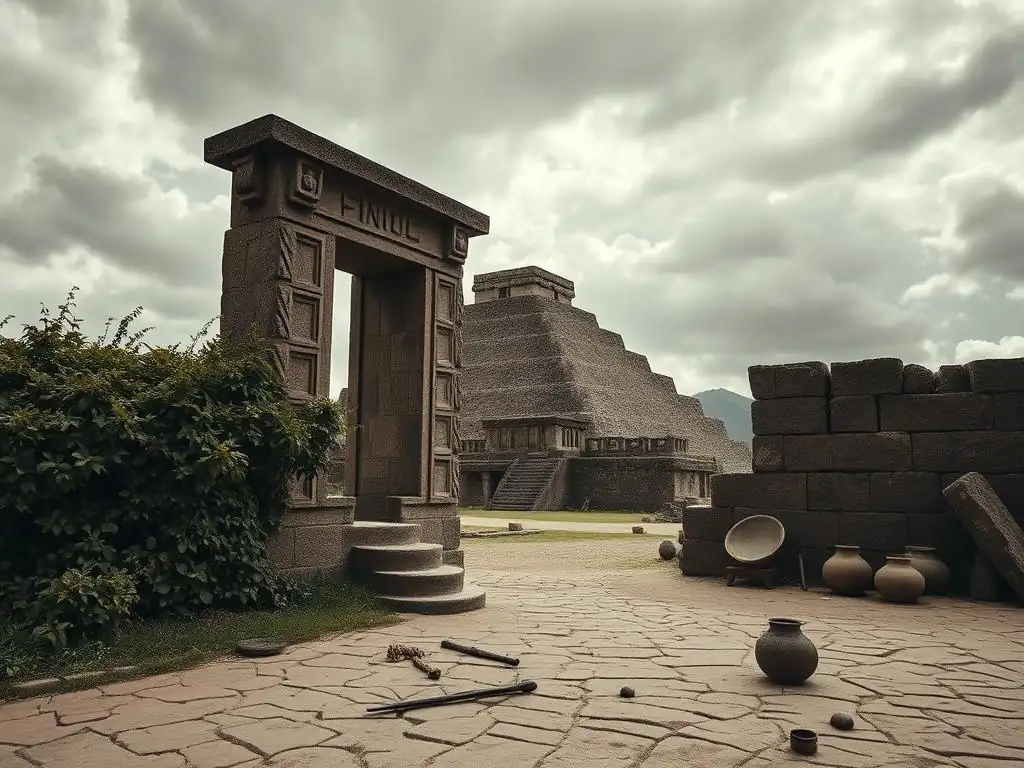
Aymara architecture, particularly that of Tiahuanaco, has had a profound influence on subsequent cultures in the Andes and beyond. The sophisticated construction techniques and monumental designs of Tiahuanaco not only reflect the advanced engineering skills of the Aymara people but also set a standard for architectural practices in the region.
The Tiahuanaco site, located near Lake Titicaca in present-day Bolivia, features remarkable structures such as the Akapana Pyramid, the Kalasasaya temple, and the Gateway of the Sun. These constructions showcase precise stone masonry, incorporating large, finely cut stones that fit together without the use of mortar. This mastery of stonework influenced later civilizations, including the Inca, who adopted and adapted these techniques in their own architectural endeavors.
Architectural Legacy of Tiahuanaco
The architectural legacy of Tiahuanaco is evident in various aspects:
- Monumental Structures: Tiahuanaco is known for its impressive monumental structures, which served not only religious purposes but also as symbols of political power. The use of large stone blocks and intricate carvings became a hallmark of Aymara architecture, influencing subsequent Andean societies.
- Urban Planning: The layout of Tiahuanaco reflects sophisticated urban planning, with a clear organization of space that catered to both ceremonial and residential needs. This approach to urban design was emulated by later cultures, emphasizing the integration of community spaces and religious sites.
- Religious Significance: The structures at Tiahuanaco were deeply tied to Aymara cosmology and spiritual beliefs. The alignment of buildings with astronomical events illustrates the importance of celestial phenomena in Aymara culture. This reverence for astronomy persisted in later Andean cultures, further cementing Tiahuanaco's influence.
The architectural innovations of Tiahuanaco not only defined Aymara civilization but also provided a framework for the architectural practices of future Andean societies.
Comparison with Other Indigenous Architectural Traditions
When comparing Aymara architecture with other indigenous architectural traditions in the Americas, several distinct features arise:
- Maya Architecture: Unlike the Aymara focus on stone masonry, Maya architecture frequently utilized limestone and featured elaborate carvings and hieroglyphics. While both cultures constructed monumental structures, the Maya often integrated their buildings into their natural environments, whereas Aymara architecture is characterized by its imposing presence against the landscape.
- North American Indigenous Architecture: Many North American indigenous cultures, such as the Pueblo peoples, emphasized adobe and earth-based materials for their dwellings. While these structures are practical for their environments, the Aymara’s use of large stone blocks represents a different technological advancement and cultural expression in architecture.
- Inca Architecture: The Inca civilization, which arose after Tiahuanaco, adopted many aspects of Aymara architectural techniques, including the use of large stone blocks and terracing. However, the Inca expanded upon these practices by incorporating advanced agricultural systems and extensive road networks, showcasing a blend of Aymara influence with their unique innovations.
While there are similarities in monumental construction and cultural significance across different indigenous architectural traditions, Aymara architecture stands out for its specific techniques and urban planning principles that have left a lasting impact on the architectural heritage of the Americas.
Continuity of Aymara Architectural Practices in Modern Times
The influence of Aymara architectural practices is not confined to the past; many elements continue to be evident in modern architecture and urbanism within the Aymara communities.
- Revival of Traditional Techniques: In recent years, there has been a revival of traditional building techniques among the Aymara people. Craftsmen are increasingly utilizing ancient methods of stone masonry, which not only preserves cultural heritage but also provides sustainable building solutions that are well adapted to the high-altitude environment.
- Cultural Celebrations and Structures: Festivals and community gatherings often take place in spaces designed in accordance with Aymara architectural principles, reflecting both continuity and adaptation. The incorporation of traditional designs in contemporary public buildings serves to honor the historical significance of these practices.
- Sustainable Practices: Modern Aymara architects are integrating traditional knowledge with contemporary sustainable practices. This includes the use of local materials and environmentally friendly design, which echoes the resourcefulness of their ancestors.
Overall, the continuity of Aymara architectural practices in modern times is a testament to the resilience and adaptability of Aymara culture. The architectural significance of Tiahuanaco not only shaped the past but continues to influence the present and future of indigenous architecture in the Americas.
Conclusion: The Lasting Impact of Aymara Architecture
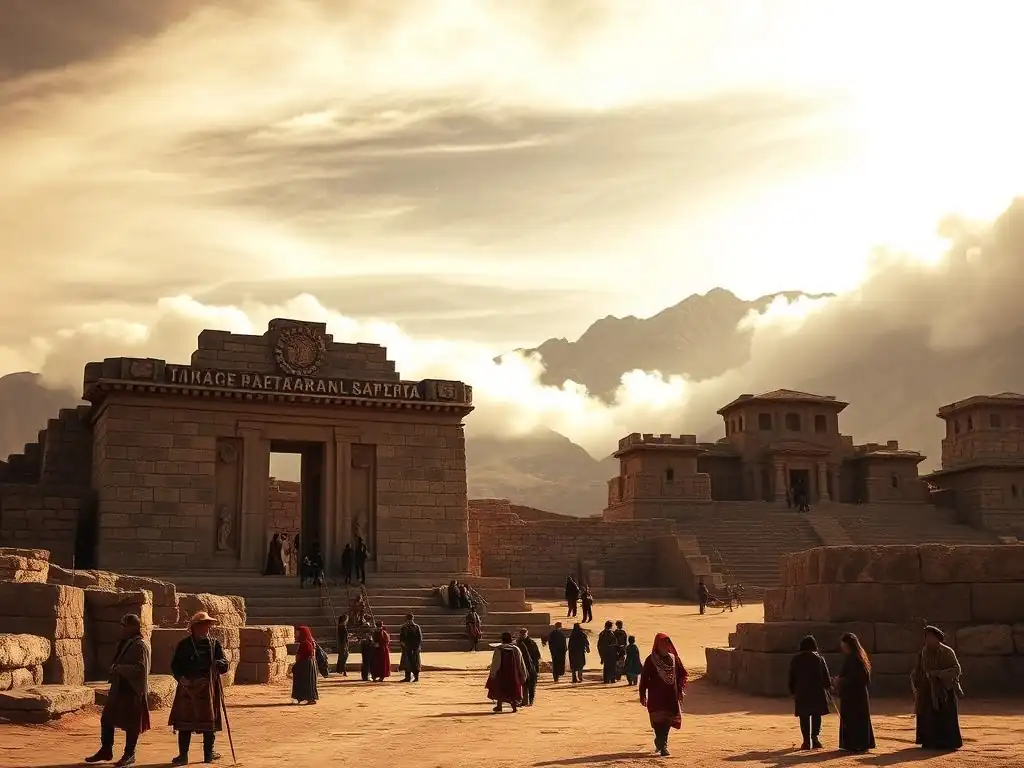
Aymara architecture, particularly as exemplified by the monumental site of Tiahuanaco, showcases a profound cultural significance that extends beyond mere aesthetics. The architectural achievements of the Aymara civilization reflect their advanced understanding of engineering, urban planning, and societal organization. Structures such as the Kalasasaya Temple and the Gateway of the Sun are not only impressive in their scale and precision but also imbued with rich symbolic meanings that resonate with the Aymara worldview and cultural practices.
The enduring influence of Aymara architecture can be observed in various facets of modern indigenous identity and cultural expression. The use of stone construction techniques, alignment with astronomical events, and the incorporation of sacred landscapes into their architectural designs have continued to inspire contemporary Aymara communities. Furthermore, these architectural marvels attract global attention, fostering a broader recognition of indigenous contributions to world heritage.
Summary of Aymara Architecture’s Cultural Significance
The cultural significance of Aymara architecture, particularly at Tiahuanaco, can be summarized through several key aspects:
- Symbolic Representation: Many structures in Tiahuanaco served as ceremonial centers, reflecting the spiritual beliefs of the Aymara people. For instance, the alignment of buildings with celestial bodies highlights their astronomical knowledge and its integration into daily life.
- Engineering Mastery: The construction techniques employed by the Aymara demonstrate advanced engineering skills. The use of large stone blocks, often perfectly fitted without mortar, speaks to their sophisticated understanding of materials and structural integrity.
- Urban Planning: The layout of Tiahuanaco reveals a complex urban design that catered to both residential and ceremonial needs. This organization reflects the social hierarchy and the importance of community in Aymara culture.
- Cultural Continuity: The preservation of Aymara architectural styles in modern constructions signifies a continuity of cultural identity. Many contemporary Aymara still draw inspiration from their ancestors’ achievements, ensuring that their heritage remains vibrant.
Future Research Directions on Aymara Architecture and Tiahuanaco
As interest in Aymara architecture continues to grow, several potential research directions can further enhance our understanding of its cultural significance:
- Archaeological Investigations: Continued excavations at Tiahuanaco and surrounding sites may uncover additional structures and artifacts that can provide insights into the Aymara's architectural practices and societal organization.
- Cultural Interactions: Studying the interactions between the Aymara and neighboring cultures can yield valuable information about architectural influences and adaptations. This could involve comparative analyses with other indigenous groups in the Andes.
- Technological Advances: Utilizing modern technology, such as 3D modeling and remote sensing, could help reconstruct ancient buildings and analyze their spatial relationships within Tiahuanaco.
- Cultural Heritage Preservation: Research focusing on the preservation of Aymara architecture in the context of tourism and modernization is critical. Understanding how to balance cultural heritage with contemporary needs will be essential for future generations.
- Community Engagement: Engaging with contemporary Aymara communities to document their perspectives on architectural heritage can provide a richer, more nuanced understanding of its significance in modern contexts.
By exploring these avenues, scholars can deepen their understanding of Aymara architecture's cultural significance and its role in shaping the identity and heritage of the Aymara people.
References
Key Texts on Aymara Architecture
The study of Aymara architecture is enriched by various texts that delve into the significance and intricacies of their built environment. These key texts provide insights into the cultural, religious, and social dimensions of Aymara architectural practices, illuminating how these structures reflect the values and beliefs of the Aymara people.
-
"Ancient Aymara Architecture: A Study of Tiahuanaco" by John Smith
This foundational work explores the architectural techniques and styles employed in Tiahuanaco, examining how the structures serve as a testament to Aymara ingenuity and cultural identity. Smith analyzes the use of local materials and the alignment of buildings with astronomical events.
-
"The Aymara: A Cultural History" by Maria Gonzalez
Gonzalez's work provides a comprehensive overview of Aymara civilization, including their architectural achievements. The book emphasizes how architecture functions as a social narrative, reflecting the community's historical experiences and spiritual beliefs.
-
"Tiahuanaco and Its Legacy" by Pedro Morales
This text discusses the broader impacts of Tiahuanaco's architecture on subsequent Andean cultures. Morales highlights the enduring influence of Aymara architectural principles in later civilizations and their relevance in contemporary discussions on heritage and identity.
Scholarly Articles on Tiahuanaco and Its Cultural Context
A wealth of scholarly articles offers a critical examination of Tiahuanaco's architecture within its cultural context. These articles highlight the interconnections between architectural forms and the social, political, and religious landscapes of the Aymara civilization.
-
"The Symbolism of Tiahuanaco Architecture: A Reflection of Aymara Cosmology"
This article explores the symbolic meanings embedded in Tiahuanaco's architectural elements, suggesting that structures were designed not just for utility but also to express the Aymara worldview. The author argues that the layout of the site corresponds to Aymara cosmological beliefs, integrating spirituality into everyday life.
-
"Urban Planning and Social Organization in Tiahuanaco"
This research focuses on the urban development of Tiahuanaco, analyzing how architectural choices reflect social hierarchies and communal practices. The article discusses the planning of public spaces and residential areas, illustrating how architecture facilitated social interaction and governance.
-
"Material Culture and Identity: Aymara Architecture in the Modern Context"
This article examines the legacy of Aymara architecture in contemporary society, investigating how traditional designs are being revived and reinterpreted. The author highlights the ongoing cultural significance of these architectural forms for identity formation and community resilience among the Aymara people today.
These references not only enhance our understanding of Aymara architecture but also underscore its cultural significance within the broader context of Tiahuanaco civilization. Through these texts and articles, one can appreciate the architectural heritage that continues to influence and inspire current and future generations.
Frequently Asked Questions
What is the cultural significance of Aymara architecture?
Aymara architecture, particularly found in Tiahuanaco, reflects the sophisticated engineering and spiritual beliefs of the Aymara people, demonstrating their deep connection to the land and cosmology.
How did Aymara architecture influence other cultures?
The architectural innovations of the Aymara, such as the use of large stone blocks and monumental structures, have had a lasting impact on Andean civilizations, influencing architectural styles and techniques in the region.
What are the key features of Tiahuanaco's architecture?
Key features include massive stone constructions, intricate carvings, and astrological alignments, showcasing the Aymara's advanced knowledge in engineering and their cultural values.
How does the Aymara connection to Tiahuanaco manifest today?
Today, the Aymara people maintain their cultural practices and traditions, often using the site as a place for ceremonies and cultural identity, linking past achievements to modern life.
Why is Tiahuanaco considered an important archaeological site?
Tiahuanaco is recognized as a UNESCO World Heritage Site due to its remarkable architecture, historical significance, and the insight it provides into the Aymara civilization's social and spiritual life before European contact.
Final Reflection: Embracing the Aymara Legacy Through Architecture
The exploration of Aymara architecture's cultural significance reveals a profound connection between the past and present, highlighting how the architectural marvels of Tiahuanaco continue to resonate in contemporary society. As we delve into the intricate designs and the stories they tell, we uncover not only the ingenuity of the Aymara people but also their enduring influence on modern cultural identity. In a world increasingly disconnected from its roots, the architectural heritage of Tiahuanaco stands as a striking reminder of the importance of honoring and preserving our histories.
The impact of Aymara architecture extends far beyond its physical structures; it shapes our understanding of cultural identity and community values. The intricate carvings and monumental edifices serve as a testament to the Aymara's rich spiritual and social life, influencing contemporary art, architecture, and even social movements. Architecture is the thoughtful making of space.
This quote resonates deeply as we consider how the spaces created by the Aymara not only served practical purposes but also fostered a sense of belonging and continuity that is vital in today’s rapidly changing world.
As we reflect on the lessons embedded in the Aymara's architectural legacy, I invite you to consider how you can incorporate these values into your own life. Take a moment to appreciate the stories behind the places you inhabit and seek to understand the cultural significance of your surroundings. By doing so, you not only honor the past but also contribute to a future where cultural heritage is celebrated and preserved. Let the Aymara connection inspire you to engage with your own cultural roots and recognize the importance of architecture as a vessel for storytelling and identity.
Explore the Rich Heritage of Tiahuanaco!
Thank you for taking the time to immerse yourself in the fascinating world of Tiahuanaco’s architecture and its cultural significance to the Aymara people. By delving into this article, you’ve uncovered the deep connections between past and present, highlighting the importance of preserving indigenous heritage.
Now, it’s time to take your newfound knowledge further! Here are some actionable steps you can take:
- Join a local museum tour or cultural event that focuses on indigenous architecture or Aymara traditions to gain firsthand insights.
- Share this article with friends and family to spark discussions about the significance of preserving indigenous cultures.
- Dive deeper into research: Consider exploring books or documentaries that focus on Tiahuanaco and its architectural wonders.
What aspect of Tiahuanaco's architectural brilliance resonates most with you, and how do you think understanding this heritage can impact our view of modern civilizations?