
Debunking Myths: The Realities of Slavery in Indigenous Cultures of the Americas

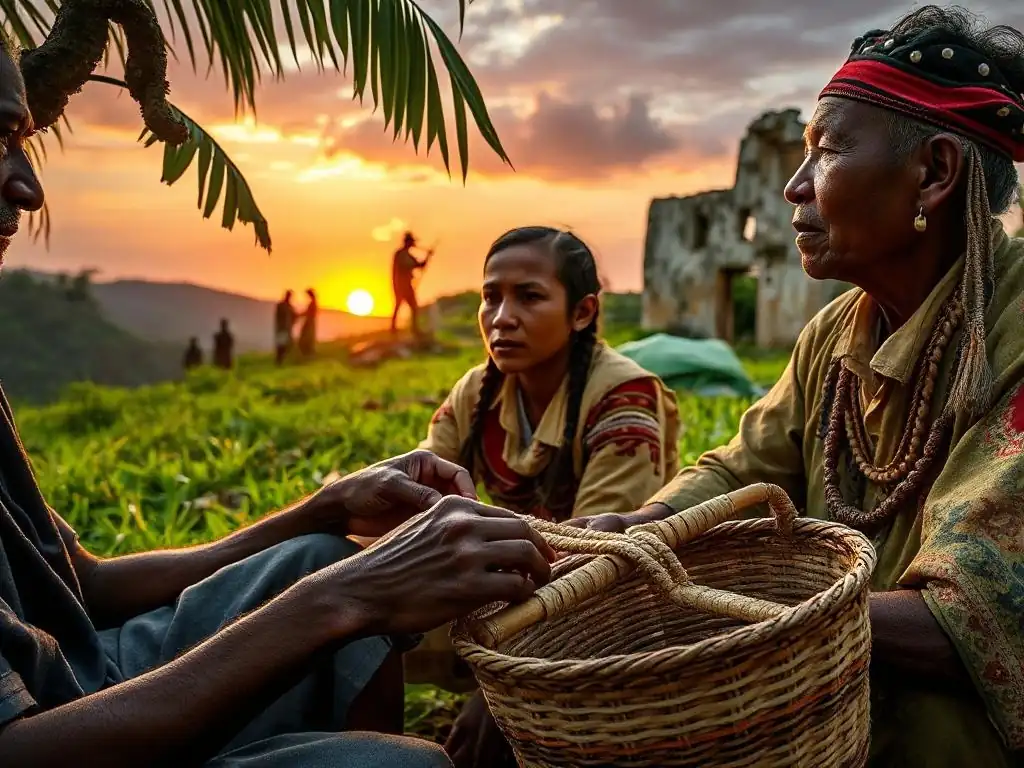
Welcome to Indigenous Civilizations of the Americas, where we embark on a captivating journey through the rich tapestry of diverse indigenous cultures that flourished long before European colonization. Here, we invite you to explore the nuanced achievements, intricate societies, and enduring legacies of these vibrant communities.
In our featured article, "Debunking Myths: The Realities of Slavery in Indigenous Cultures of the Americas," we unravel the complexities surrounding indigenous cultures and slavery myths, challenging preconceived notions and shedding light on historical truths. Join us as we delve deeper into these compelling narratives, igniting your curiosity and enriching your understanding of the past.
Introduction to Indigenous Cultures and Slavery Myths
The rich tapestry of indigenous cultures across the Americas offers a profound understanding of the social structures, traditions, and values that thrived long before European colonization. However, the historical narratives surrounding these cultures often become distorted, leading to widespread myths about slavery that obscure the realities of indigenous practices. This article aims to unpack these misconceptions, providing a nuanced perspective on how slavery was understood and practiced within various indigenous societies. By examining these myths, we can appreciate the complexities of indigenous cultures and challenge the oversimplified comparisons to European practices of slavery.
Overview of Indigenous Cultures in the Americas
Indigenous cultures in the Americas are incredibly diverse, encompassing hundreds of distinct groups across North, Central, and South America. From the intricate social hierarchies of the Aztecs and Maya to the communal living styles of the Plains tribes, these societies exhibited a wide range of practices and beliefs. Key characteristics include:
- Social Structures: Many indigenous societies operated within complex social frameworks, including clan systems, matrilineal and patrilineal descent, and ceremonial leadership roles.
- Economic Systems: Economic practices varied significantly, ranging from trade networks to subsistence agriculture, reflecting the varying environments and resources available.
- Cultural Traditions: Indigenous cultures maintained rich traditions of storytelling, art, and spirituality, deeply connected to their understanding of the world and their place within it.
Understanding these cultures is essential for contextualizing the practices and beliefs surrounding slavery and servitude.
Importance of Understanding Myths Surrounding Slavery
Addressing the myths surrounding slavery in indigenous cultures is crucial for several reasons:
- Historical Accuracy: Correcting misconceptions helps to establish a more accurate historical narrative that honors the experiences and practices of indigenous peoples.
- Cultural Respect: A deeper understanding fosters respect for indigenous cultures, recognizing their unique systems of labor and social organization rather than framing them through a colonial lens.
- Contemporary Relevance: Exploring historical practices of slavery can illuminate ongoing issues related to race, identity, and social justice within indigenous communities today.
By demystifying these narratives, we can promote a more informed and respectful discourse about the legacies of indigenous cultures.
Common Myths About Slavery in Indigenous Cultures
The following sections will delve into three prevalent myths regarding slavery in indigenous cultures, highlighting their inaccuracies and the historical realities they obscure.
Myth 1: Indigenous Peoples Practiced Slavery Like Europeans
One common misconception is that indigenous peoples practiced slavery in the same manner as Europeans. However, the indigenous understanding of servitude often differed significantly:
- Purpose and Structure: Indigenous systems of servitude were frequently tied to warfare, social status, or economic necessity rather than a race-based system for labor exploitation.
- Integration and Freedom: Many indigenous cultures had practices that allowed for the integration of captives into their societies, often granting them rights and opportunities for social mobility.
Myth 2: All Indigenous Societies Engaged in Slavery
Another myth posits that all indigenous societies practiced slavery. In reality, practices varied widely:
- Diverse Practices: While some groups may have engaged in forms of servitude, others had different methods for dealing with conflict or labor needs, such as mutual aid or adoption.
- Regional Variations: The geographical and environmental context played a significant role in shaping whether and how societies engaged in practices akin to slavery.
Myth 3: Slavery in Indigenous Cultures Was Identical to Transatlantic Slavery
The final myth suggests that slavery among indigenous cultures bore a close resemblance to the transatlantic slave trade. This is misleading for several reasons:
- Scale and Impact: The transatlantic slave trade involved millions of individuals forcibly removed from their homelands, resulting in profound societal disruptions that were not mirrored in indigenous practices.
- Cultural Context: The motivations, practices, and social implications of slavery in indigenous cultures were shaped by their unique histories, worldviews, and social structures, making direct comparisons inappropriate.
By addressing these myths, we can foster a more nuanced understanding of slavery within indigenous cultures and appreciate their distinct historical contexts.
Historical Context of Slavery in Indigenous Civilizations
Slavery has existed in various forms across indigenous cultures of the Americas long before European contact. Understanding the historical context is crucial to debunking the myths surrounding slavery in these societies. Many pre-Columbian civilizations had complex social hierarchies where servitude was often tied to warfare, economic necessity, and social status rather than the racial ideologies that would later emerge with European colonialism.
In Mesoamerica and the Andes, for example, conquering societies would often take captives from defeated enemies, integrating them into their social structures. These captives could be forced into labor or become part of the household of the conquerors. This practice was not limited to a single culture but was widespread among various indigenous societies, each adapting the concept of servitude to fit their unique cultural frameworks.
Moreover, the term "slavery" as understood today does not always align with how indigenous cultures viewed servitude. In many cases, those who were captured were not considered property but rather individuals who had a role within the social and economic systems of their captors. Understanding these nuances is vital for a comprehensive view of slavery in indigenous cultures.
The Role of Warfare and Captivity in Indigenous Societies
Warfare played a significant role in shaping the dynamics of captivity and servitude among indigenous peoples. Many indigenous cultures engaged in warfare for various reasons, including territorial expansion, resource acquisition, and social prestige. Captives taken during these conflicts were often integrated into the victor’s society, which could include taking on roles as laborers, artisans, or even members of the household.
In societies such as the Aztecs, captives were sometimes used in ritual sacrifices, emphasizing a spiritual dimension to their captivity. However, not all captives faced such dire fates; many were assimilated and could eventually rise in social status. This fluidity contrasts starkly with the rigid and racially based systems of slavery that would develop in European colonies.
Additionally, the social structures of many indigenous cultures allowed for the possibility of captives to earn their freedom or become full members of the community over time. This process of integration often involved cultural exchange and adaptation, further complicating the simplistic narratives surrounding indigenous slavery.
Forms of Servitude and Bondage in Indigenous Cultures
The forms of servitude and bondage practiced in indigenous cultures were diverse and often differed significantly from the chattel slavery that would later characterize European colonies. While some forms of servitude involved forced labor, others were more akin to indentured servitude, where individuals agreed to work for a certain period in exchange for protection, marriage, or other social benefits.
In many cases, individuals could enter servitude voluntarily due to debt, social obligations, or the desire for protection, particularly in times of conflict or famine. This type of servitude was often temporary and included specific rights and responsibilities, highlighting the complexities of labor relations in indigenous societies.
Furthermore, certain indigenous groups practiced forms of reciprocal labor, where community members worked together for mutual benefit. This communal approach contrasts sharply with the exploitative nature of European slavery, underscoring the significant differences in how labor and servitude were understood and enacted in indigenous cultures.
The Realities of Slavery in Indigenous Cultures
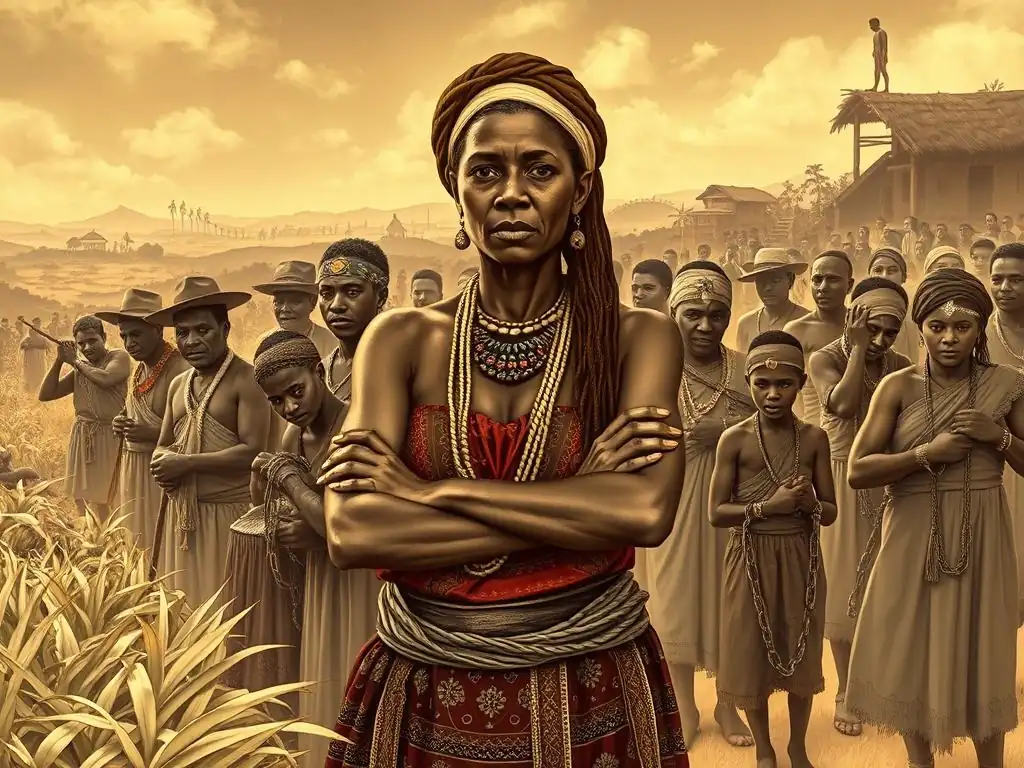
The realities of slavery in indigenous cultures reflect a multifaceted understanding of servitude that cannot be reduced to a single narrative. While there were certainly instances of bondage and forced labor, these practices were often embedded within a broader social and cultural context that emphasized community and reciprocity.
Economic and Social Structures of Indigenous Societies
Indigenous societies had diverse economic systems that shaped their practices regarding servitude. Many relied on agriculture, trade, and resource management, which influenced how labor was organized. For example, among the Iroquois, communal land ownership fostered a system of shared labor, reducing the need for a permanent underclass.
Social hierarchies existed but were often fluid, allowing for movement between different status levels. Captives, depending on their skills and the needs of the community, could find their place within the social fabric, challenging the notion of a monolithic slavery experience in these cultures.
Moreover, the economic structures often encouraged cooperation rather than exploitation. For instance, communal labor projects were essential for large-scale agricultural production, and everyone in the community, including those in servitude, played a vital role in ensuring the group’s survival and success.
Differences Between Indigenous Slavery and European Models
One of the most significant differences between indigenous slavery and European models lies in the perception and treatment of enslaved individuals. In European colonial contexts, slavery was often racially based, with the enslaved viewed as property without rights. In contrast, many indigenous cultures did not view captives as property but rather as individuals who could potentially integrate into their communities.
Additionally, the practice of slavery among indigenous peoples was often temporary, with opportunities for captives to gain freedom or improve their social status. This is starkly different from the hereditary nature of European slavery, where the status of being enslaved was often passed down through generations.
Indigenous systems often included rights for captives and a path to reintegration, which challenges the stereotype of a uniform and brutal experience of slavery. Understanding these differences is crucial in forming a more nuanced perspective on the realities of slavery in indigenous cultures.
The Impact of Colonization on Indigenous Practices of Slavery
The arrival of European colonizers dramatically changed the landscape of indigenous practices concerning slavery and servitude. Colonization introduced new economic structures, social hierarchies, and ideologies that fundamentally altered existing systems. European settlers often imposed their models of slavery, which were based on racial superiority and absolute ownership, disrupting indigenous practices that had previously been more integrated and reciprocal.
As European powers expanded their territories, many indigenous groups found themselves trapped between traditional practices and the new demands of colonial economies. The introduction of European-style plantations and the demand for labor led to the exploitation of indigenous peoples and the reinforcement of oppressive systems of servitude that mirrored those imposed on African slaves.
Ultimately, colonization not only changed the dynamics of slavery within indigenous cultures but also contributed to the erasure of traditional practices and the imposition of foreign ideologies. This transformation has lasting implications, as many contemporary discussions about slavery and indigenous cultures continue to be influenced by these historical shifts. Understanding this impact is essential for addressing the myths surrounding indigenous slavery and recognizing the resilience of indigenous cultures in the face of colonization.
Case Studies of Indigenous Cultures and Their Practices
Understanding the complexities of slavery and servitude within indigenous cultures requires careful examination of specific case studies. Each indigenous group had its unique societal structures, beliefs, and practices, shaping their approaches to servitude. These case studies highlight the diversity and nuances of these practices, challenging the common myths associated with indigenous cultures and slavery.
Case Study 1: The Aztecs and Their Approach to Enslavement
The Aztec civilization, which flourished in central Mexico from the 14th to the 16th centuries, had a sophisticated system of social stratification that included forms of servitude. While the term "slavery" often evokes images of brutal oppression, the Aztecs had a more nuanced understanding.
- Types of Enslavement: The Aztecs practiced a form of servitude that included both voluntary and involuntary servitude. Individuals could sell themselves into servitude to pay off debts or to secure a better life. Others were captured in warfare and could be used for labor or human sacrifice, reflecting the rituals central to Aztec spirituality.
- Rights of Slaves: Importantly, Aztec slaves (known as "tlacotin") had certain rights. They could own property, marry free individuals, and even earn their freedom through various means. This indicates a level of agency that contradicts the notion of absolute bondage often associated with slavery.
- Cultural Context: The Aztec worldview framed servitude within a cosmic order, where labor was seen as a contribution to the greater society. This perspective complicates the simplistic narratives of oppression, illustrating a system where social roles were deeply interwoven with cultural identity and religious beliefs.
Case Study 2: The Iroquois Confederacy and Different Forms of Servitude
The Iroquois Confederacy, composed of the Mohawk, Oneida, Onondaga, Cayuga, Seneca, and later the Tuscarora nations, presents another case study that sheds light on indigenous practices concerning servitude.
- Clan Structure and Kinship: Within the Iroquois, social organization was clan-based, and kinship played a crucial role in determining relationships. Captives taken during intertribal conflicts could be adopted into clans, allowing them to integrate into the society rather than being subjected to lifelong servitude.
- Forms of Servitude: The Iroquois distinguished between different forms of servitude, including adoption, which was a means of integrating captives, and more traditional roles that involved labor for the community. This flexibility illustrates that servitude was not merely a matter of coercion but could also be a pathway to belonging within the community.
- Cultural Significance: The Iroquois practice of allowing captives to join their clans highlights their emphasis on social cohesion and the importance of community ties over rigid hierarchies. This cultural approach counters the prevailing myths about indigenous cultures being solely defined by oppressive practices.
The Legacy of Misunderstanding Indigenous Slavery
The examination of indigenous cultures and their practices of slavery reveals a complex legacy that continues to influence modern perceptions. Misunderstandings rooted in historical narratives often overshadow the realities of these societies.
How Myths Have Influenced Modern Perceptions
Common myths about indigenous slavery have perpetuated stereotypes and misconceptions. For instance, the notion that all indigenous societies practiced slavery in a uniform, brutal manner overlooks the rich diversity of cultural practices and social structures. These myths can result in a skewed understanding of indigenous histories, leading to generalizations that fail to acknowledge the complexities of individual cultures.
The framing of indigenous practices within a Eurocentric lens often leads to the misrepresentation of their societal norms. By emphasizing narratives that align with modern concepts of slavery, the unique contexts and purposes behind indigenous practices are obscured, fostering a legacy of misunderstanding.
The Importance of Accurate Historical Narratives
Recognizing the need for accurate historical narratives is vital for understanding the realities of indigenous cultures. By delving into case studies and acknowledging the diversity of practices, scholars and educators can foster a more nuanced appreciation of indigenous societies.
Accurate representation not only honors the history of these cultures but also supports contemporary discussions about rights, identity, and social justice among indigenous populations today. Understanding the complexities of servitude within indigenous cultures allows for a more informed dialogue about their legacies and contributions, counteracting the myths that have long persisted.
Conclusion: Reevaluating Indigenous Cultures and Slavery Myths
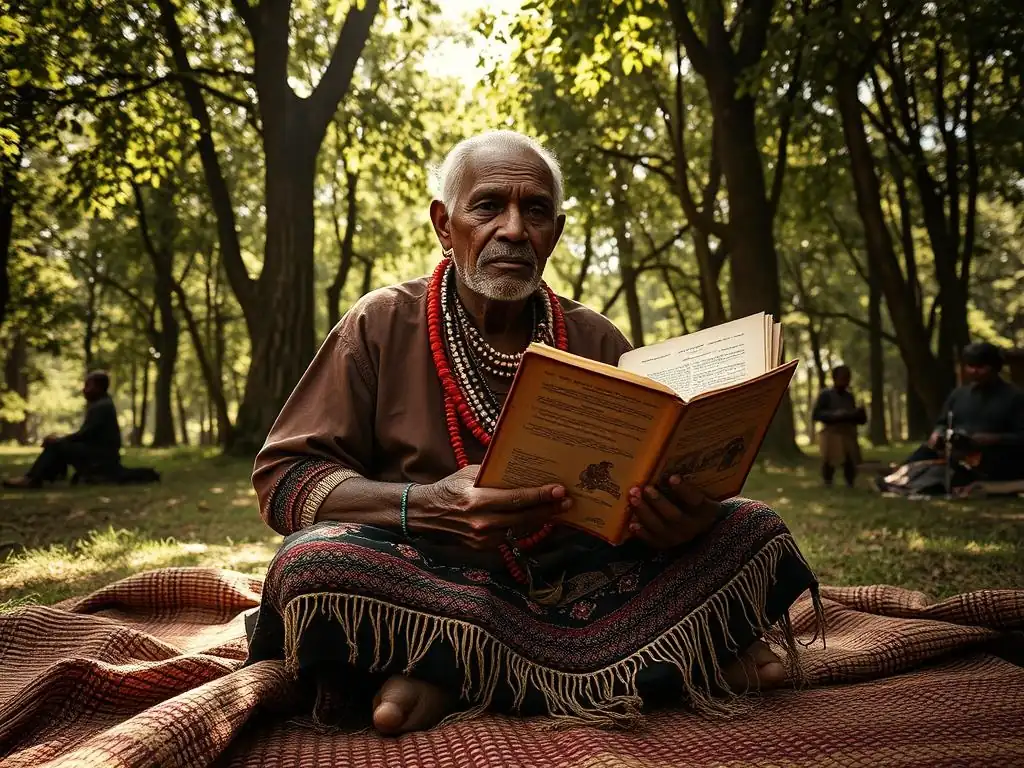
The complex realities of slavery and servitude within indigenous cultures in the Americas challenge the oversimplified and often misleading narratives that have circulated over the years. Many myths perpetuate the idea that indigenous societies were monolithically peaceful or that they did not engage in practices akin to slavery. In fact, various indigenous cultures had their forms of social stratification and servitude that were deeply influenced by their unique environmental, social, and cultural contexts.
By examining these societies through a critical lens, we can begin to appreciate the diversity of practices and beliefs that existed. For instance, some indigenous groups practiced forms of temporary servitude or captivity that were often tied to warfare and social alliances rather than the chattel slavery seen in European contexts. Recognizing this complexity helps dismantle harmful stereotypes and fosters a more nuanced understanding of indigenous cultures and their historical experiences.
Call to Action for Further Research and Education
As we move forward in our exploration of indigenous cultures and the myths surrounding slavery, it is crucial to encourage further research and education on this topic. Scholars, educators, and students alike should delve into the rich histories of indigenous peoples, utilizing a variety of sources that include oral traditions, archaeological findings, and contemporary indigenous perspectives.
- Engage with Indigenous Scholarship: Seek out works authored by indigenous scholars who provide insights rooted in their lived experiences and cultural contexts.
- Support Indigenous Voices: Participate in educational initiatives that prioritize indigenous teachings and methodologies.
- Promote Interdisciplinary Approaches: Embrace research that combines history, anthropology, sociology, and other fields to create a holistic understanding of indigenous societies.
By committing to ongoing education and research, we can better appreciate the realities of indigenous cultures and contribute to debunking myths that have persisted through time.
Emphasizing the Importance of Indigenous Voices in Historical Narratives
The historical narratives surrounding indigenous cultures and slavery cannot be fully understood without centering the voices of indigenous peoples themselves. Indigenous perspectives provide invaluable insights into their histories, social structures, and the impacts of European colonization.
Incorporating indigenous voices into historical discourse is essential for several reasons:
- Authenticity: Indigenous peoples are the primary custodians of their histories, and their narratives are essential for an accurate understanding of their cultures and experiences.
- Agency: Highlighting indigenous voices empowers these communities, recognizing their agency in shaping their own stories rather than being passive subjects of history.
- Healing and Reconciliation: Acknowledging the truths of indigenous experiences can foster healing and reconciliation, allowing for a more respectful relationship between indigenous and non-indigenous communities.
By emphasizing indigenous voices, we ensure that historical narratives are richer, more accurate, and more reflective of the diverse experiences that shaped the Americas long before European contact. This approach not only honors the past but also enriches our understanding of contemporary issues facing indigenous communities today.
- Introduction to Indigenous Cultures and Slavery Myths
- Common Myths About Slavery in Indigenous Cultures
- Historical Context of Slavery in Indigenous Civilizations
- The Realities of Slavery in Indigenous Cultures
- Case Studies of Indigenous Cultures and Their Practices
- The Legacy of Misunderstanding Indigenous Slavery
- Conclusion: Reevaluating Indigenous Cultures and Slavery Myths
- Call to Action for Further Research and Education
- Emphasizing the Importance of Indigenous Voices in Historical Narratives
- What are some common myths about slavery in indigenous cultures of the Americas?
- How did European colonization impact indigenous practices of slavery?
- What were the social structures of indigenous cultures regarding slavery?
- How can understanding the realities of slavery in indigenous cultures help combat myths?
- Where can I find more information on indigenous cultures and slavery myths?
Frequently Asked Questions
What are some common myths about slavery in indigenous cultures of the Americas?
Many myths suggest that indigenous peoples did not practice any form of slavery. In reality, various indigenous cultures did have systems of servitude and social hierarchies that included enslaved individuals.
How did European colonization impact indigenous practices of slavery?
European colonization intensified existing practices of slavery among indigenous cultures, as colonizers exploited and expanded these systems for their own economic gain, often leading to devastating consequences for indigenous peoples.
Many indigenous societies had complex social structures where slavery was a component. These structures varied widely, with some cultures integrating enslaved individuals into their communities, while others treated them as property.
How can understanding the realities of slavery in indigenous cultures help combat myths?
By acknowledging the realities of slavery, we can challenge misconceptions and promote a more nuanced understanding of indigenous cultures and their histories, ultimately fostering greater respect for their heritage.
Where can I find more information on indigenous cultures and slavery myths?
For a comprehensive exploration, visit the website "Indigenous Civilizations of the Americas," which offers insights into the diverse cultures and addresses common myths surrounding slavery in these societies.
Final Reflection: Unraveling the Truth Behind Indigenous Cultures and Slavery Myths
The exploration of slavery within Indigenous cultures of the Americas reveals a complex tapestry of history that challenges prevailing narratives. In our contemporary society, where discussions about race, heritage, and historical injustices are more pertinent than ever, understanding the realities of Indigenous slavery is crucial. The myths surrounding this topic not only obscure the truth but also perpetuate stereotypes that hinder genuine dialogue and reconciliation. It is essential to confront these misconceptions head-on, as they shape our understanding of both the past and the present.
Clearly, the impact of these myths extends beyond mere historical inaccuracies; they influence cultural perceptions and social dynamics today. The ongoing struggle for Indigenous rights and recognition is deeply intertwined with how we interpret and acknowledge their histories. As we dismantle these myths, we pave the way for a more nuanced understanding of Indigenous cultures and their resilience. History is not a burden on the memory but an illumination of the soul.
This quote encapsulates the importance of recognizing the truth behind Indigenous experiences, allowing us to honor their narratives and contributions to our shared history.
As we reflect on the lessons from this article, I invite you to engage with the complexities of Indigenous histories in your own life. Consider how you can challenge misconceptions in your community and advocate for a more accurate representation of Indigenous cultures. By embracing this responsibility, we not only honor the past but also contribute to a more equitable future. Let us strive to be informed allies, amplifying Indigenous voices and ensuring that their stories are told with the respect and authenticity they deserve.
Unveil the Truth: Take Action Against Historical Myths!
Thank you for engaging with our article on the realities of slavery in Indigenous cultures of the Americas. Your interest helps shine a light on an often-overlooked aspect of history, enriching your understanding and appreciation of Indigenous civilizations.
Now, let's turn that knowledge into action! Here are some steps you can take:
- Join a local discussion group or online forum to share what you've learned and engage in meaningful conversations about Indigenous history and culture.
- Explore additional resources to expand your knowledge; consider reading books or watching documentaries that delve deeper into the subject.
- Share this article with friends and family to spread awareness and challenge common myths surrounding Indigenous peoples and their histories.
What myth about Indigenous cultures surprised you the most? How will you use your newfound knowledge to foster understanding and inspire change in your community?