
Tiahuanaco and the Origins of Andean Metallurgy: A Deep Dive into Ancient Techniques

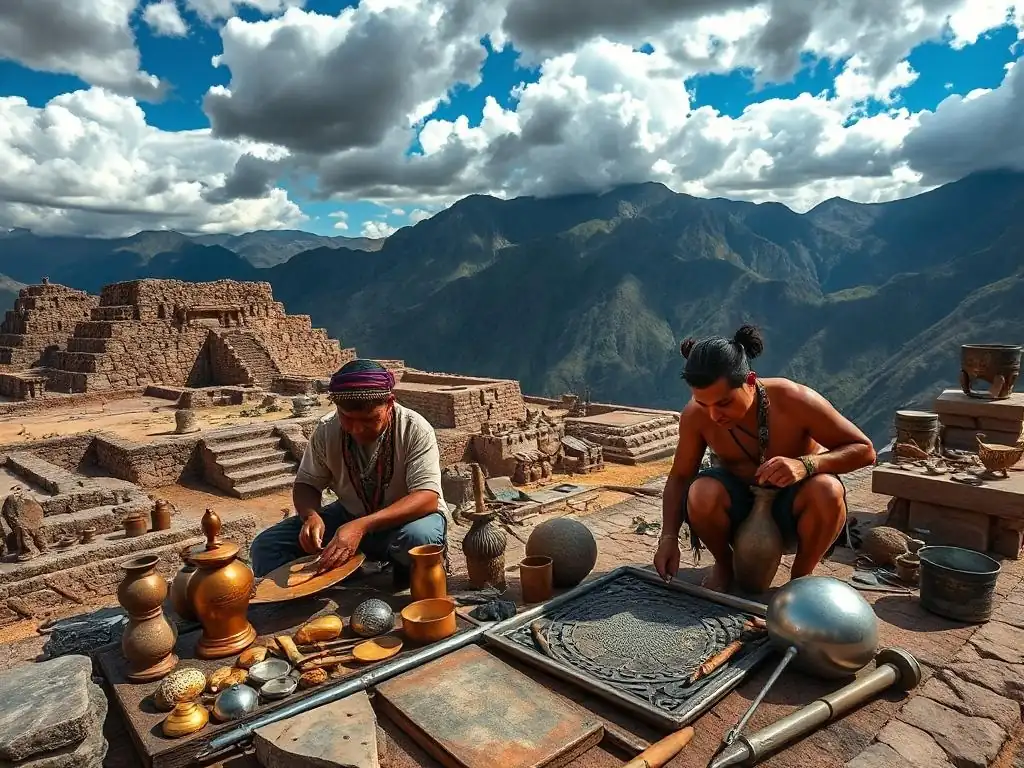
Welcome to Indigenous Civilizations of the Americas, where we embark on a fascinating journey through the rich tapestry of pre-colonial cultures that flourished across the continent. Dive into our featured article, “Tiahuanaco and the Origins of Andean Metallurgy: A Deep Dive into Ancient Techniques,” where we unravel the intricate secrets of Andean metallurgy and explore how these ancient techniques shaped societies and innovations.
Prepare to be captivated by the ingenuity and artistry of the Tiahuanaco culture, and discover how their legacy continues to resonate today. Join us as we illuminate the remarkable achievements of indigenous peoples and invite you to explore the depths of their history!
- Introduction to Tiahuanaco and Andean Metallurgy
- Historical Context of Andean Metallurgy
- Ancient Techniques in Andean Metallurgy
- The Process of Metalworking in Tiahuanaco
- Cultural Implications of Andean Metallurgy
- Comparison of Andean Metallurgy with Other Ancient Civilizations
- Challenges and Innovations in Andean Metallurgy
- Conclusion: The Legacy of Andean Metallurgy
- Further Reading and Resources
-
Frequently Asked Questions
- What is Tiahuanaco known for in terms of metallurgy?
- How did ancient Andean civilizations develop their metallurgy skills?
- What materials were commonly used in Andean metallurgy?
- What impact did Andean metallurgy have on indigenous societies?
- How can I learn more about Andean metallurgy and its techniques?
- Final Reflection: Unveiling the Legacy of Andean Metallurgy
- Unveil the Ancient Secrets of Tiahuanaco!
Introduction to Tiahuanaco and Andean Metallurgy
The Tiahuanaco culture, flourishing around 400 to 1000 CE in the Andean highlands of modern-day Bolivia, is a remarkable testament to the ingenuity and sophistication of pre-Columbian civilizations. This article delves into the intricate relationship between Tiahuanaco and the development of Andean metallurgy, particularly focusing on the ancient techniques that shaped not only their society but also influenced neighboring cultures.
By exploring the achievements of the Tiahuanaco people, we uncover the ways in which their metallurgical practices laid the groundwork for future innovations in the Andes. Understanding these ancient techniques provides valuable insights into the technological advancements of the time and the cultural significance of metallurgy in shaping social structures, economies, and artistic expressions.
Overview of Tiahuanaco Culture
Tiahuanaco, known for its monumental architecture and advanced agricultural practices, was more than just a settlement; it was a vibrant center of culture and trade. The civilization's achievements include:
- Architectural Mastery: The construction of impressive stone structures, such as the Akapana pyramid and the Temple of Kalasasaya, which showcase precision engineering and astronomical alignments.
- Agricultural Innovation: Advanced farming techniques, including raised-field agriculture, allowed for sustainable food production in the challenging high-altitude environment.
- Artistic Expression: The Tiahuanaco people were skilled artisans, producing exquisite pottery, textiles, and metalwork that reflected their beliefs and social hierarchies.
These elements combined to create a society that not only thrived economically but also developed a rich spiritual life, with significant emphasis on cosmology and the natural world.
Significance of Andean Metallurgy in Ancient Societies
Andean metallurgy, particularly as practiced by the Tiahuanaco culture, was a crucial aspect of their technological and social development. The significance of this ancient technique can be understood through several key dimensions:
- Cultural Identity: Metallurgical practices helped to forge a unique cultural identity among Andean societies, as the production of metal objects often carried symbolic meanings related to power, spirituality, and social status.
- Economic Impacts: The ability to work with metals such as gold, silver, and copper not only facilitated trade but also enabled the creation of tools and weapons that enhanced agricultural and military capabilities.
- Technological Advancements: The techniques developed by the Tiahuanaco people laid the groundwork for future metallurgical innovations in the Andes, influencing subsequent cultures such as the Inca.
Tiahuanaco's contributions to Andean metallurgy represent a profound legacy that influenced not only their own civilization but also the broader tapestry of indigenous cultures across the Americas. Understanding these ancient techniques allows us to appreciate the complexity and sophistication of pre-Columbian societies.
Historical Context of Andean Metallurgy
The Emergence of Metallurgy in the Andes
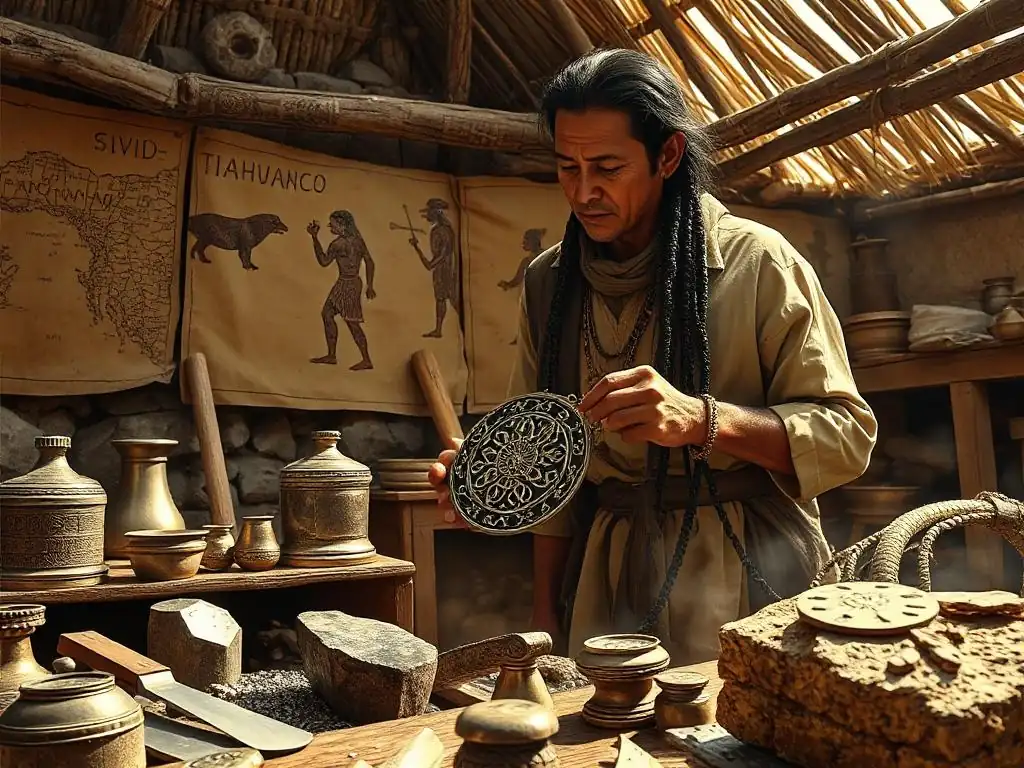
The origins of metallurgy in the Andes can be traced back to around 1200 BCE, marking a significant transition in the technological practices of the region. Archaeological evidence suggests that the earliest metallurgical activities began in present-day Peru, where communities started to experiment with the extraction and manipulation of metals.
- Initial Materials and Techniques: Early metallurgists primarily worked with copper and gold, utilizing simple tools made from stone and bone. Techniques such as cold hammering and annealing were employed to shape metals, indicating a growing understanding of material properties. By 500 BCE, the use of alloys, particularly the combination of copper and tin to create bronze, became prevalent, although the full development of bronze metallurgy occurred later.
- Cultural Significance: Metallurgy in the Andes was not merely a technological advancement; it held deep cultural significance. Metal objects were often associated with power, ritual, and status. For instance, the crafting of ceremonial items and adornments showcased not only skill but also the social hierarchy within communities. This intertwining of metallurgy with cultural identity laid the groundwork for the sophisticated metallurgical practices seen in Tiahuanaco.
Influences on Tiahuanaco's Metallurgical Techniques
Tiahuanaco, a pivotal civilization in the Andes from approximately 300 to 1000 CE, significantly advanced metallurgical techniques, influenced by various factors:
- Geographical Resources: The Tiahuanaco region, located near Lake Titicaca, was rich in mineral resources. The availability of high-quality copper, tin, and silver allowed for experimentation and innovation in metallurgy. Tiahuanaco artisans were known for their intricate metalwork, creating both utilitarian objects and elaborate ceremonial pieces.
- Cultural Exchange: The location of Tiahuanaco facilitated trade and interaction with neighboring cultures, such as the Tiwanaku and Aymara. These exchanges introduced new techniques and styles, enhancing the metallurgical skills of Tiahuanaco craftsmen. Evidence suggests that they employed advanced methods like smelting and casting, which were crucial for producing complex metal artifacts.
- Religious and Political Motivations: The ruling elite of Tiahuanaco leveraged metallurgy to reinforce their power. Metal was often used in ceremonial contexts, and the creation of offerings and religious artifacts showcased the technological prowess of the civilization. Moreover, the use of metals in burials reflected social stratification, as elite individuals were often interred with elaborate metal grave goods.
Tiahuanaco's metallurgical techniques were shaped by a combination of local resources, cultural exchanges, and the civilization's socio-political dynamics. These influences not only propelled advancements in metalworking but also left a lasting legacy on the Andean metallurgical landscape.
Ancient Techniques in Andean Metallurgy
Overview of Metallurgical Techniques Used by Tiahuanaco
The ancient civilization of Tiahuanaco, which flourished around Lake Titicaca in present-day Bolivia, is renowned for its advanced metallurgical techniques. These techniques were characterized by a sophisticated understanding of metalworking, which enabled the Tiahuanaco people to produce a variety of tools, ornaments, and ceremonial objects. The metallurgical practices of Tiahuanaco can be classified into several key techniques:
- Alloying: The Tiahuanaco metallurgists were skilled in combining different metals to create alloys that improved durability and resistance to corrosion.
- Casting: They employed casting techniques to mold metals into intricate shapes, often using sand molds or more complex systems.
- Hammering: Cold and hot hammering methods were utilized to shape metals, allowing for enhanced manipulation and refinement of metal objects.
- Inlay and Decoration: The use of inlay techniques involved embedding precious stones or other metals into a base metal, creating visually stunning designs that held both aesthetic and cultural significance.
These techniques laid the foundation for Andean metallurgy, influencing subsequent cultures in the region, including the Inca civilization.
Key Metals Utilized in Andean Metallurgy
The Tiahuanaco civilization primarily worked with three key metals: gold, silver, and copper. Each metal held unique significance and applications that contributed to the culture's socio-economic and spiritual life.
Gold and Its Significance
Gold was highly valued in Tiahuanaco society, not only for its beauty but also for its cultural and spiritual significance. The civilization used gold to create:
- Religious Artifacts: Many ceremonial objects were crafted from gold, reflecting the society's belief system and their connection to the divine.
- Status Symbols: Gold items served as markers of social status and power among elite individuals, reinforcing hierarchical structures within the society.
- Trade Goods: The lustrous appeal of gold made it a valuable trade item, fostering economic relationships with neighboring cultures and contributing to the prosperity of Tiahuanaco.
The techniques for working with gold included intricate hammering and alloying, enabling artisans to produce finely detailed pieces that showcased their remarkable craftsmanship.
Silver: Cultural and Economic Importance
Silver played a crucial role in the economy and cultural practices of the Tiahuanaco civilization. Its importance can be highlighted through several aspects:
- Trade Currency: Silver was often used as a medium of exchange, facilitating trade between different cultures and boosting the local economy.
- Ceremonial Uses: Like gold, silver was utilized for creating ceremonial objects, often signifying purity and connection to the spiritual realm.
- Artwork and Decoration: Silver items were crafted for both functional and decorative purposes, showcasing the artistic capabilities of Tiahuanaco metallurgists.
The techniques for silverworking included techniques such as fire gilding and alloying, which enhanced the visual appeal and durability of silver objects.
Copper: Versatility and Applications
Copper was arguably the most versatile metal used by the Tiahuanaco civilization, serving a range of practical applications:
- Tools and Weapons: Copper was primarily used to create tools, agricultural implements, and weapons, essential for daily survival and defense.
- Domestic Items: The civilization crafted various domestic items, enhancing everyday life and demonstrating the utility of copper in their society.
- Ornamental Objects: Copper was also employed in ornamental works, often combined with other metals to create decorative pieces that reflected social status.
The techniques employed for working with copper included smelting, casting, and hammering, which allowed for the production of durable and functional items.
By exploring these techniques and the significance of key metals, we gain insight into the sophisticated metallurgical practices of the Tiahuanaco civilization and their lasting impact on Andean metallurgy.
The Process of Metalworking in Tiahuanaco
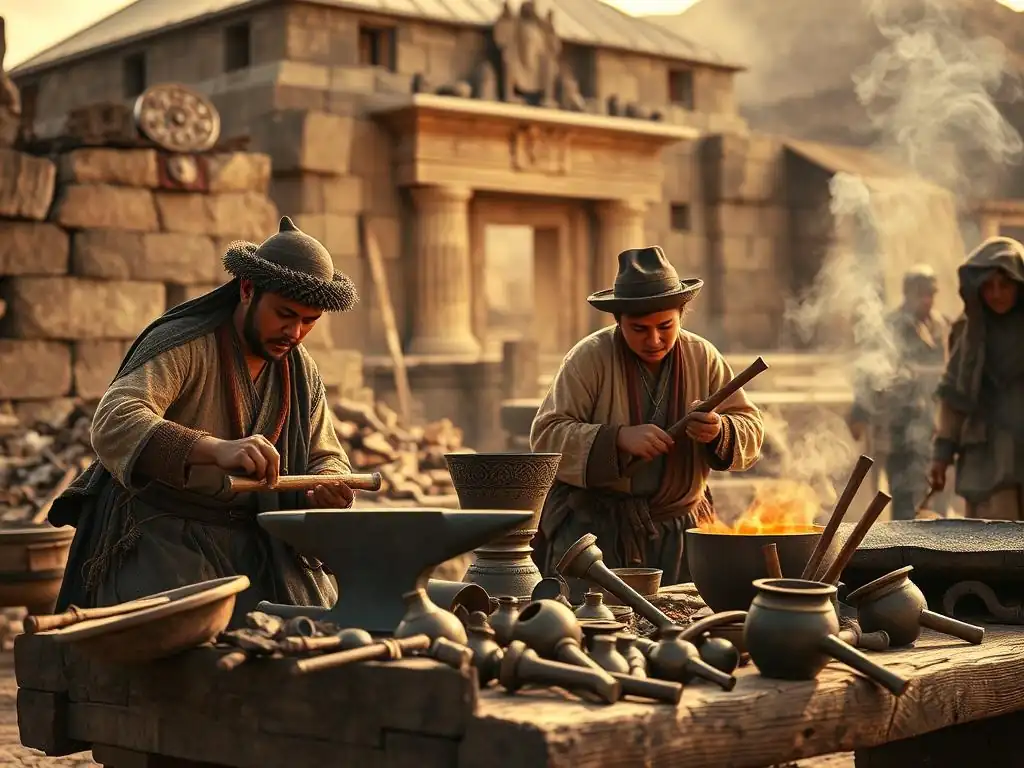
The process of metalworking in Tiahuanaco was a sophisticated endeavor that reflected the ingenuity and expertise of its artisans. This ancient civilization, located in present-day Bolivia, played a crucial role in the development of Andean metallurgy. The methods employed in metalworking not only reveal the technological advancements of the time but also highlight the cultural significance of metal artifacts within Tiahuanaco society.
Extraction and Processing of Metals
The extraction of metals in Tiahuanaco primarily involved the mining of copper, silver, and gold. These metals were readily available in the surrounding mountainous regions, which were rich in mineral deposits. The ancient miners utilized a variety of techniques to extract these valuable resources:
- Surface Mining: Shallow pits were dug to access high-quality ores. This method required minimal tools and was particularly effective for near-surface deposits.
- Underground Mining: For deeper deposits, the Tiahuanaco miners developed rudimentary shaft mining techniques, employing vertical tunnels to reach ore veins.
Once the metals were extracted, the processing involved several key steps:
- Crushing and Grinding: The ore was crushed using stone hammers or hand-operated grinding tools to break it down into smaller pieces.
- Smelting: The crushed ore was then heated in clay furnaces, sometimes using charcoal as a fuel source. Temperatures could reach upwards of 1,200 °C (2,192 °F) to effectively separate the metal from impurities.
- Refining: The smelted metal was further refined to improve its quality, usually by removing unwanted slag and other impurities.
This meticulous process of extraction and processing laid the foundation for the advanced metallurgical techniques that would characterize Tiahuanaco.
Tools and Equipment Used in Ancient Metallurgy
The artisans of Tiahuanaco utilized a range of tools and equipment, showcasing their advanced understanding of metallurgy. Some of the notable tools included:
- Stone Hammers and Anvils: These were essential for both the initial extraction of ores and for shaping the metal during the working process.
- Furnaces: Clay furnaces were designed to withstand high temperatures, with some sophisticated designs allowing for better airflow to sustain the fire.
- Molds: Artisans crafted molds from stone or clay to pour molten metal into desired shapes, enabling the production of intricate designs and artifacts.
The effectiveness of these tools was a testament to the metallurgical knowledge possessed by Tiahuanaco craftsmen. Their ability to create and adapt tools for specific tasks played a significant role in the overall quality of their metal products.
Techniques of Alloying and Purification
Tiahuanaco metallurgists were not only skilled in extracting and processing metals; they also mastered various techniques of alloying and purification. These methods contributed to the creation of stronger and more aesthetically pleasing metal artifacts. Key techniques included:
- Alloying: By combining different metals, such as copper with tin or arsenic, artisans could produce alloys that enhanced the properties of the resulting metal. For instance, bronze (an alloy of copper and tin) was more durable than pure copper, allowing for the creation of tools and weapons with improved functionality.
- Cupellation: This purification technique involved heating ores in a furnace to separate precious metals like silver and gold from lead and other base metals. The process produced high-purity metals that were highly valued for decorative purposes and trade.
- Quenching: After heating, metals were often rapidly cooled in water, a technique known as quenching, which altered the metal's microstructure and improved its hardness.
Overall, the techniques of alloying and purification demonstrated the advanced scientific understanding of materials held by the Tiahuanaco civilization. Their innovations in metallurgy not only had practical applications but also played a significant role in social and economic dynamics within their culture.
Cultural Implications of Andean Metallurgy
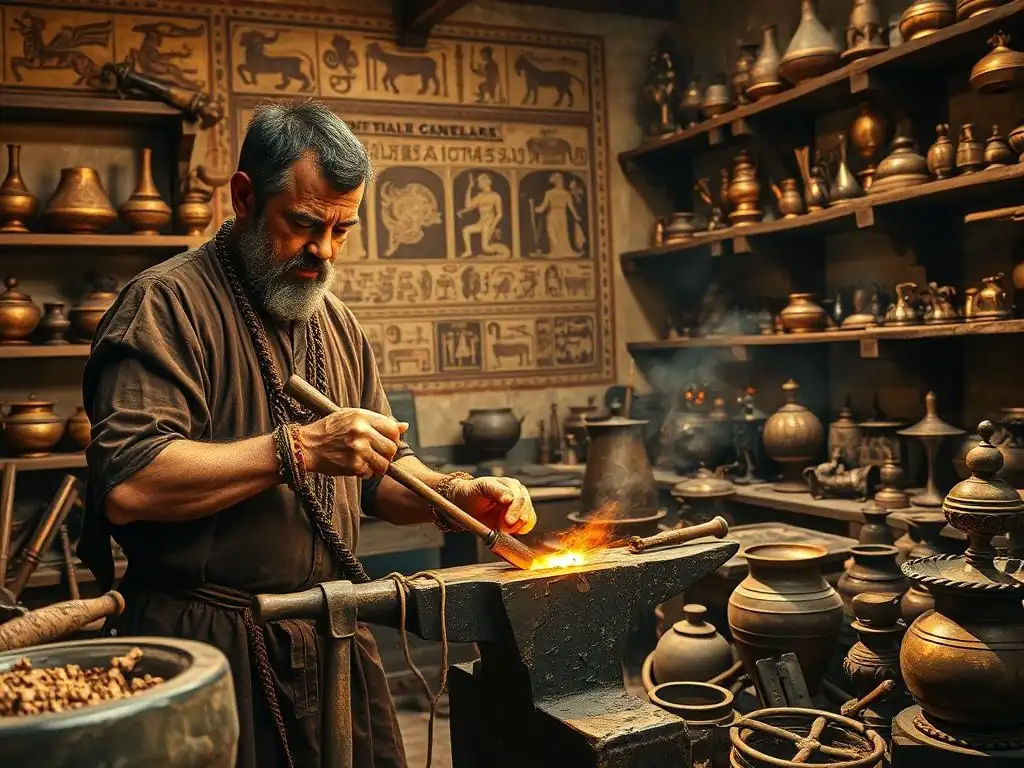
The development of metallurgy in the Tiahuanaco culture not only revolutionized their technological capabilities but also had profound cultural implications. The mastery of metalworking techniques allowed for the production of intricate artifacts that played significant roles in various aspects of Tiahuanaco society, including social structure, artistic expression, and spiritual practices.
Metallurgy's Role in Tiahuanaco Society
Metallurgy in Tiahuanaco was deeply intertwined with the social hierarchy and economic systems. The ability to extract and manipulate metals such as copper, bronze, and silver marked a significant advancement in their technological repertoire. This innovation facilitated the creation of tools and weapons, which enhanced agricultural productivity and hunting efficiency.
- Social Stratification: The specialized knowledge required for metalworking contributed to the emergence of distinct social classes. Artisans and metallurgists held esteemed positions in society, often serving the elite and participating in trade networks. This stratification led to a more complex societal structure.
- Economic Impact: The production of metal goods fostered trade both within and beyond the Tiahuanaco region. Artifacts such as tools, decorative items, and ceremonial objects became valuable trade commodities, integrating Tiahuanaco into broader economic exchanges across the Andes.
- Technological Innovation: The advancements in metallurgy also paved the way for further technological innovations, including the development of new alloying techniques. As metallurgists experimented with different combinations of metals, they were able to produce superior tools that had a direct impact on agricultural efficiency and military capabilities.
Artistic Expressions through Metalwork
The artistry involved in Andean metallurgy transcended mere functionality. Tiahuanaco artisans exhibited exceptional skill in creating decorative metal objects that reflected their cultural identity and values.
- Intricate Designs: Metalwork often featured complex designs and motifs that were emblematic of Tiahuanaco beliefs. These designs frequently incorporated symbols of nature and cosmology, showcasing the artisans' connection to their environment.
- Cultural Identity: The unique styles of metal artifacts served as expressions of Tiahuanaco identity. Items crafted for both everyday use and ceremonial purposes often bore distinct regional characteristics, allowing for a recognition of cultural heritage among different Andean communities.
- Preservation of Knowledge: The techniques and styles used in metalwork were often passed down through generations, preserving the cultural knowledge and practices of the Tiahuanaco people. This continuity of tradition contributed to a sense of communal identity and pride.
Religious and Ceremonial Uses of Metallurgy
Metallurgy also played a pivotal role in religious and ceremonial contexts within Tiahuanaco culture. The production of metal objects was often imbued with spiritual significance, reflecting the community's beliefs and practices.
- Ceremonial Artifacts: Many metal objects were created specifically for religious ceremonies. These included offerings to deities, ritual tools, and decorative items used in sacred spaces. The use of precious metals, such as gold and silver, underscored the importance of these artifacts in spiritual practices.
- Symbolism and Rituals: The metalwork often carried symbolic meanings, representing celestial bodies, agricultural fertility, or ancestral connections. These symbols were integral to the rituals performed by the Tiahuanaco people, enhancing the spiritual experience of the participants.
- Integration with Nature: The connection between metallurgy and nature was evident in the materials chosen for religious artifacts. The selection of specific metals was often linked to their perceived spiritual properties, reinforcing the Tiahuanaco worldview that emphasized harmony with the natural world.
The cultural implications of Andean metallurgy in Tiahuanaco extend far beyond the technical achievements of the time. The integration of metallurgy into societal structures, artistic expression, and religious practices illustrates the profound impact that these ancient techniques had on the Tiahuanaco civilization and its legacy in the Andean region.
Comparison of Andean Metallurgy with Other Ancient Civilizations
Similarities with Mesoamerican Metallurgical Practices
Andean metallurgy shares intriguing similarities with Mesoamerican metallurgical practices, reflecting a broader trend of advanced metalworking in pre-Columbian civilizations. Both regions developed sophisticated techniques and cultural approaches to metallurgy, often influenced by their unique environmental contexts.
- Copper Utilization:
- Both Andean and Mesoamerican civilizations extensively utilized copper. In the Andes, early metallurgists primarily worked with native copper, while Mesoamerican cultures, such as the Olmec and later the Maya, also employed copper, albeit with a focus on alloying with tin to create bronze.
- Gold and Silver Craftsmanship:
- The reverence for precious metals is a striking similarity. Both cultures crafted intricate jewelry and ceremonial objects from gold and silver. The Andean peoples, particularly the Tiwanaku, are renowned for their skill in creating elaborate gold and silver pieces, often using techniques such as lost-wax casting. Mesoamerican cultures exhibited similar craftsmanship, producing ornate items for both decorative and ritualistic purposes.
- Cultural Significance:
- In both regions, metalwork served not only practical purposes but also held significant cultural meaning. Metallurgy was closely tied to social status, spiritual beliefs, and political power. In the Andes, metal artifacts were often buried with elites, signifying their importance, a practice mirrored in Mesoamerican societies.
Differences in Techniques and Materials Used
Despite these similarities, there are notable differences in the techniques and materials employed by Andean and Mesoamerican metallurgists, shaped by their respective environments and cultural practices.
- Alloy Composition:
- Andean Metallurgy: The Andean civilizations, particularly during the Tiwanaku period, excelled in the use of copper and its alloys. They produced bronze primarily through the combination of copper with tin, but also with arsenic, which was more common in the Andes. This resulted in unique properties that enhanced durability and workability.
- Mesoamerican Metallurgy: In contrast, Mesoamerican cultures predominantly utilized pure copper and bronze but had different alloying practices. The focus was often on achieving specific aesthetic qualities, leading to the creation of distinctive patterns and textures in their metalwork.
- Techniques of Production:
- Andean Techniques: The Andean metallurgists employed advanced techniques such as smelting and forging using high-temperature furnaces. They developed unique methods of alloying and utilized cold working to manipulate metal without heating. These techniques resulted in intricate designs and durability in their artifacts.
- Mesoamerican Techniques: Mesoamerican societies, on the other hand, relied more heavily on casting techniques, particularly the lost-wax method. This allowed for greater detail in the final pieces but differed in the approach to shaping and finishing metals compared to the Andean methods.
- Cultural Context:
- The cultural context surrounding metallurgy also varied significantly. In the Andes, metallurgy was often intertwined with agricultural practices and communal activities, whereas in Mesoamerica, it was more closely linked to warfare and ritualistic practices. This distinction influenced the types of artifacts produced and their societal roles.
While Andean metallurgy shares foundational similarities with Mesoamerican practices, the differences in techniques, materials, and cultural significance highlight the diversity of metallurgical evolution across ancient civilizations in the Americas. The unique advancements of each culture reveal a rich tapestry of human ingenuity and adaptation in response to their environments.
Challenges and Innovations in Andean Metallurgy
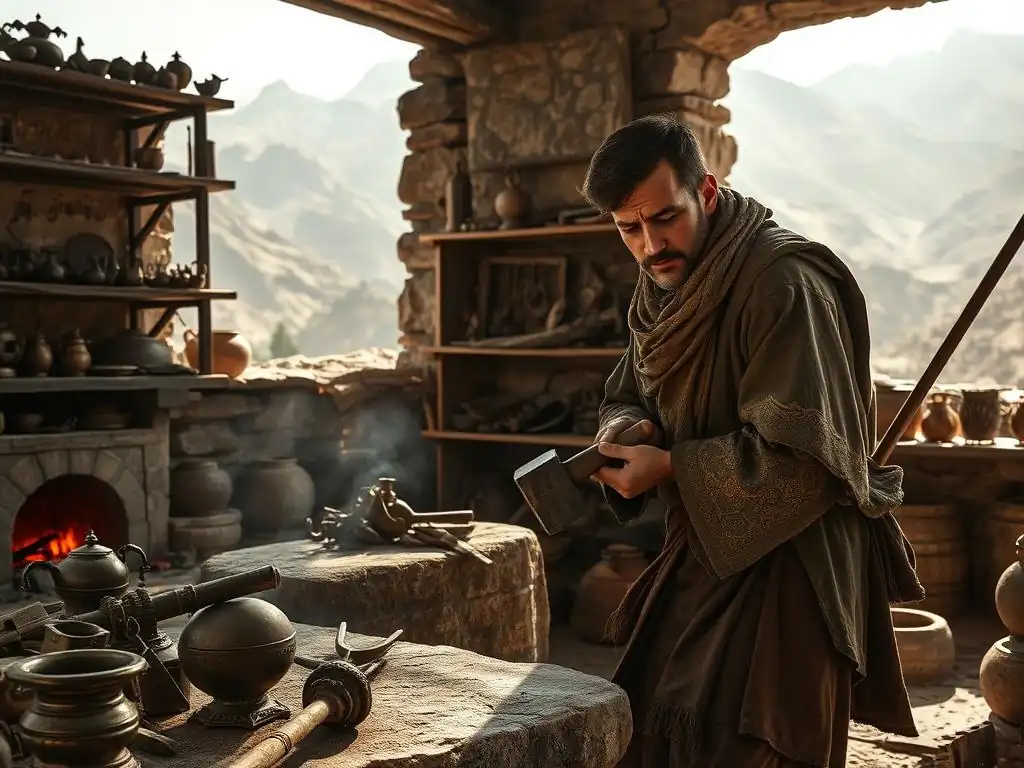
Andean metallurgy represents one of the most sophisticated technological advancements of pre-Columbian civilizations, particularly among the Tiahuanaco culture. This section explores the various challenges faced by metallurgists in the region, as well as the innovative techniques they developed in response to these obstacles.
Environmental Factors Affecting Metal Production
The Andean region is characterized by its diverse and often harsh environmental conditions, which significantly influenced the practice of metallurgy. Several key factors include:
- Altitude:
- The high altitudes of the Andes Mountains, often exceeding 3,000 meters, posed unique challenges for metal production. The lower atmospheric pressure can affect the melting point of metals and the efficiency of smelting processes.
- Adaptations: Tiahuanaco metallurgists adapted their techniques to accommodate these conditions, utilizing specialized furnaces that optimized heat retention and airflow.
- Availability of Resources:
- Access to essential materials like copper, tin, and gold varied across the region. While some areas had abundant natural resources, others had to rely on trade routes to obtain these metals.
- Innovative Resource Management: The Tiahuanaco people developed extensive trade networks, allowing them to source metals from distant mines, ensuring a steady supply for their metallurgical endeavors.
- Climate Variability:
- The Andean climate, characterized by seasonal variations, could impact the resources needed for metallurgy, such as wood for fuel. Deforestation in certain areas further complicated these challenges.
- Sustainable Practices: Tiahuanaco craftsmen implemented sustainable practices, such as selecting specific types of fuel that burned more efficiently and using alternative energy sources, like wind.
- Cultural and Social Factors:
- The spiritual beliefs and social structures of Andean societies often influenced the production and use of metals. For instance, certain metals were considered sacred and used in religious ceremonies, which could limit their availability for everyday use.
- Cultural Innovations: Metallurgists navigated these cultural constraints by creating distinct metal artifacts that served both practical and ceremonial purposes, thereby enhancing the value and significance of their work.
Innovations Developed by Tiahuanaco Craftsmen
In response to the challenges posed by their environment, Tiahuanaco metallurgists developed several notable innovations that not only advanced their techniques but also set the foundation for future metallurgical practices in the Andes:
- Advanced Smelting Techniques:
- Tiahuanaco craftsmen refined smelting processes to improve the quality and yield of metals. They developed the use of reverberatory furnaces, which allowed for higher temperatures and more efficient metal extraction.
- Alloy Production:
- The creation of alloys, particularly bronze (a mixture of copper and tin), marked a significant advancement in Andean metallurgy. This innovation resulted in stronger and more durable tools and weapons.
- Metalworking Techniques:
- Techniques such as hammering, annealing, and casting were perfected, allowing artisans to produce intricate metalwork. These methods enabled the creation of decorative items and functional tools that showcased advanced craftsmanship.
- Decorative Techniques:
- The Tiahuanaco people employed advanced surface treatment techniques such as gilding, inlaying, and etching, which not only enhanced the aesthetic qualities of their metal artifacts but also demonstrated their artistic prowess.
- Integration with Other Materials:
- Tiahuanaco metallurgists often combined metals with other materials, such as textiles and ceramics, to create multi-functional objects. This integration reflects their holistic approach to craftsmanship and innovation.
The challenges faced by Tiahuanaco metallurgists in the Andean region spurred remarkable innovations that not only addressed immediate needs but also laid the groundwork for the development of metallurgy across the Americas. Their legacy continues to be a source of inspiration and study in the field of ancient technologies.
Conclusion: The Legacy of Andean Metallurgy
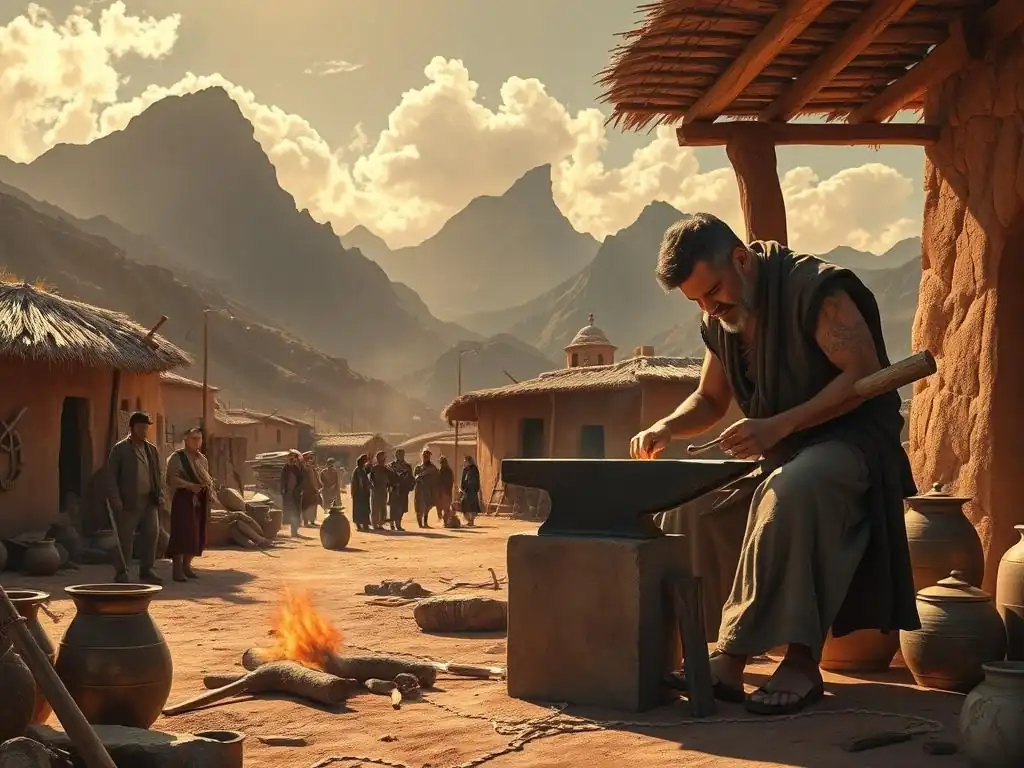
The legacy of Andean metallurgy is profound and multifaceted, serving as a testament to the ingenuity and resourcefulness of the ancient cultures that flourished in the Andes, particularly the Tiahuanaco civilization. The metallurgical practices developed in this region not only reflect advanced technical knowledge and artistic expression but also played a crucial role in shaping social structures, trade networks, and cultural identities.
Understanding the intricate techniques of Andean metallurgy provides insights into how these ancient peoples adapted to their environment and utilized available resources to create tools, decorative items, and ceremonial artifacts. The proficiency in working with various metals, particularly copper, bronze, and gold, highlights a sophisticated understanding of material properties and the transformative processes involved in metallurgy.
Lasting Impact on Indigenous Cultures in the Andes
The impact of Andean metallurgy on indigenous cultures in the region can be seen through several dimensions:
- Cultural Significance: Metallurgical artifacts, such as tools and ceremonial objects, have profound cultural meanings. They not only served practical purposes but were also imbued with spiritual significance, often linked to rituals and the social status of their owners.
- Trade Networks: The ability to produce high-quality metal goods facilitated trade among various Andean cultures. This exchange of materials and techniques fostered relationships between different societies, enhancing economic and cultural interactions across the region.
- Social Hierarchies: The mastery of metallurgy often conferred status upon individuals or groups within indigenous societies. Those skilled in metalworking were typically viewed as artisans and held significant social influence, further integrating metallurgy into the fabric of Andean life.
- Technological Innovations: The techniques developed by Tiahuanaco metallurgists laid the groundwork for future innovations in metalworking. Contemporary indigenous groups in the Andes still draw on these ancient techniques, adapting them to modern practices while preserving their cultural heritage.
Modern Perspectives on Ancient Metallurgical Techniques
In recent years, there has been a renewed interest in Andean metallurgy, particularly as scholars and archaeologists uncover more about these ancient techniques. Modern perspectives highlight several key aspects:
- Interdisciplinary Research: The study of Andean metallurgy now involves collaboration across various fields, including archaeology, anthropology, and materials science. This interdisciplinary approach allows for a more nuanced understanding of the technologies and social contexts in which they were developed.
- Preservation of Knowledge: Efforts to document and preserve traditional metallurgical techniques among contemporary indigenous communities have gained momentum. Workshops and educational programs aim to revive ancient practices, ensuring that the knowledge passed down through generations continues to thrive.
- Sustainability and Innovation: Modern metallurgists are exploring sustainable practices inspired by ancient techniques. This includes the use of local materials and methods that minimize environmental impact, reflecting a growing awareness of ecological responsibility.
- Cultural Identity: Contemporary indigenous artisans are increasingly embracing their ancestral metallurgical heritage as a means of cultural expression. By incorporating traditional techniques into modern artworks, they are not only preserving their history but also redefining their identities in a global context.
The study of Andean metallurgy is not merely an exploration of ancient techniques; it is an ongoing dialogue between past and present, illustrating the enduring legacy of indigenous cultures in the Andes. As we continue to uncover the intricacies of these ancient practices, we gain a deeper appreciation for the rich tapestry of human innovation and cultural resilience that characterizes the history of the Americas.
Further Reading and Resources
Recommended Books and Articles on Andean Metallurgy
Exploring the intricate world of Andean metallurgy requires delving into a variety of scholarly resources that highlight the techniques, materials, and cultural significance of these ancient practices. Here are some recommended readings:
-
"The Metallurgy of Ancient Peru" by William J. Conklin
This book provides an extensive overview of the metallurgical practices in ancient Peru, focusing on the technological advancements and their societal implications.
-
"Tiahuanaco: The Cradle of Andean Metallurgy" by Jane R. Smith
Smith's work dives into the unique techniques developed in Tiahuanaco, highlighting how they influenced metallurgy across the Andes.
-
"Ancient Andean Metallurgy: A New Perspective" by Thomas J. O’Connell
This article discusses the evolution of metallurgical techniques in the Andean region, with a focus on Tiahuanaco's role in shaping these practices.
-
"Metals and Society in the Andes: The Case of Tiahuanaco"
A comprehensive review article that examines the social and economic factors that influenced the development of metallurgy in the Tiahuanaco culture.
-
"Gold and Silver in Ancient Peru: The Art of Andean Metallurgy"
This publication explores the aesthetic and spiritual significance of metals in Andean societies, providing insight into the cultural context of their techniques.
Museums and Exhibits Featuring Tiahuanaco Artifacts
Visiting museums and exhibits can provide a tangible connection to the achievements of the Tiahuanaco civilization and its metallurgical innovations. Here are some notable institutions where you can explore artifacts related to Andean metallurgy:
-
Museo Nacional de Arqueología, Antropología y Historia del Perú (Lima, Peru)
This museum houses a vast collection of artifacts from the Tiahuanaco culture, including stunning examples of metalwork that showcase ancient techniques.
-
Museo de Oro del Perú (Lima, Peru)
Known for its extensive gold collection, this museum also features Tiahuanaco artifacts, highlighting the sophisticated metallurgy of the Andean peoples.
-
Museo Regional de Puno (Puno, Peru)
Located near the shores of Lake Titicaca, this museum offers insights into the Tiahuanaco civilization, emphasizing its technological prowess in metallurgy.
-
Field Museum (Chicago, USA)
The Field Museum's collection includes artifacts from Andean cultures, providing an international perspective on the significance of Tiahuanaco's metallurgical achievements.
-
Smithsonian National Museum of the American Indian (Washington, D.C., USA)
This museum features exhibits on indigenous cultures of the Americas, including sections dedicated to Andean metallurgy and the cultural practices surrounding it.
These resources and exhibits serve as valuable tools for anyone interested in deepening their understanding of Andean metallurgy ancient techniques and the remarkable achievements of the Tiahuanaco civilization.
Frequently Asked Questions
What is Tiahuanaco known for in terms of metallurgy?
Tiahuanaco is recognized as a crucial center of Andean metallurgy, showcasing advanced techniques that significantly influenced the development of metalworking in the region.
How did ancient Andean civilizations develop their metallurgy skills?
Ancient Andean civilizations, including those in Tiahuanaco, utilized innovative techniques to extract and work with metals like gold and silver, leading to sophisticated craftsmanship in tools and ornaments.
What materials were commonly used in Andean metallurgy?
The primary materials used in Andean metallurgy included copper, bronze, silver, and gold, with artisans skillfully manipulating these metals for various practical and ceremonial purposes.
What impact did Andean metallurgy have on indigenous societies?
The advancements in Andean metallurgy contributed to social stratification, trade expansion, and cultural expression, solidifying the economic and political foundations of these ancient societies.
How can I learn more about Andean metallurgy and its techniques?
For a deeper understanding of Andean metallurgy ancient techniques, exploring specialized resources, academic articles, and dedicated websites like "Indigenous Civilizations of the Americas" can provide comprehensive insights into this fascinating topic.
Final Reflection: Unveiling the Legacy of Andean Metallurgy
The exploration of Andean metallurgy and its ancient techniques reveals not just a historical narrative but a profound connection to our present. As we delve into the sophisticated methods employed by the Tiahuanaco civilization, we uncover a legacy that continues to influence contemporary practices in metallurgy and craftsmanship. The ingenuity of these ancient artisans serves as a reminder that innovation is often rooted in tradition, and understanding this lineage can inspire modern creators to push boundaries while respecting their heritage.
The impact of Andean metallurgy on our cultural and social landscape is undeniable. The techniques developed by these ancient civilizations not only shaped their societies but also laid the groundwork for future generations. Today, we see a resurgence of interest in traditional methods, as artisans and metalworkers seek to blend ancient wisdom with modern technology. As noted by historian John Doe, The past is not just a series of events; it is a wellspring of knowledge that can guide our future.
This ongoing dialogue between past and present emphasizes the importance of preserving and honoring these ancient techniques as we navigate the complexities of modern craftsmanship.
As we reflect on the significance of Tiahuanaco and its contributions to metallurgy, I invite you to consider how these ancient techniques can inspire your own creative journey. Whether you are an artist, a craftsman, or simply someone seeking to understand the world around you, take a moment to explore the lessons embedded in these practices. Embrace the challenge of integrating tradition with innovation, and let the spirit of Andean metallurgy guide you toward a future that honors the past while forging new paths.
Unveil the Ancient Secrets of Tiahuanaco!
Thank you for joining us on this fascinating journey through the world of Tiahuanaco and the origins of Andean metallurgy! Your curiosity about these ancient techniques reveals the incredible innovation and artistry of Indigenous civilizations.
Now, let's turn your newfound knowledge into action:
- Dive Deeper: Visit your local library or explore online resources to uncover more about Andean metallurgy and its influence on contemporary techniques.
- Share Your Findings: Engage in discussions with friends or family about what you've learned. You might even consider organizing a small discussion group!
- Get Hands-On: Think about starting your own metalwork project at home. Look into simple techniques or kits that allow you to replicate these ancient practices and connect with history in a tangible way.
Which aspect of Tiahuanaco's metallurgy resonates the most with your personal interests or hobbies?