
Contemporary Aztec Art: Bridging the Past and Present

Campo_por_completar
- Introduction to Contemporary Aztec Art History
- Historical Context of Aztec Art
- Characteristics of Contemporary Aztec Art
- Notable Contemporary Aztec Artists
- The Role of Contemporary Aztec Art in Cultural Identity
- Contemporary Aztec Art Exhibitions and Events
- Challenges Facing Contemporary Aztec Artists
- The Future of Contemporary Aztec Art
- Conclusion: Bridging Past and Present Through Art
- References
-
Frequently Asked Questions
- What is the focus of the article "Contemporary Aztec Art: Bridging the Past and Present"?
- How does contemporary Aztec art reflect historical influences?
- What are some key achievements of indigenous cultures in the Americas?
- How does the article relate contemporary art to the concept of cultural heritage?
- Why is understanding contemporary Aztec art significant today?
- Final Reflection: Embracing the Legacy of Contemporary Aztec Art
Introduction to Contemporary Aztec Art History
Contemporary Aztec art serves as a vibrant testament to the rich cultural legacy of the Aztec civilization, bridging the historical achievements of the past with the dynamic expressions of modern creativity. This art form is not merely a continuation of ancient traditions; instead, it reflects a confluence of influences, adapting to contemporary contexts while honoring ancestral roots.
As we delve into the intricate tapestry of Contemporary Aztec art history, we will explore its definitions, significance, and the vital role that Aztec heritage plays in shaping modern artistic practices within indigenous communities. Understanding these elements not only enriches our appreciation of contemporary art but also highlights the resilience and adaptability of indigenous cultures in the face of changing times.
Definition of Contemporary Aztec Art
Contemporary Aztec art can be defined as the artistic expressions that draw inspiration from the traditions, symbols, and themes of the ancient Aztec civilization while integrating new techniques, materials, and modern narratives. This art form encompasses various mediums, including:
- Visual Arts: Paintings, sculptures, and installations that reflect Aztec motifs and philosophies.
- Textiles: Weaving and textile arts that incorporate traditional patterns and contemporary designs.
- Performance Arts: Dance, theater, and music that revive ancient practices and convey modern messages.
The essence of Contemporary Aztec art lies in its ability to connect the past with the present, allowing artists to express their identity and cultural heritage while addressing contemporary issues. This fusion creates a unique dialogue that resonates with audiences both within and beyond indigenous communities.
Importance of Aztec Heritage in Modern Art
The heritage of the Aztec civilization plays a crucial role in the evolution of modern artistic practices among contemporary artists. By embracing their ancestral legacies, artists are not only preserving cultural narratives but also addressing the complexities of identity in a post-colonial world. Key aspects of this significance include:
- Cultural Identity: Aztec heritage provides a sense of belonging and pride for contemporary artists, allowing them to express their unique cultural identities while engaging with broader societal themes.
- Social Commentary: Many modern artworks serve as a critique of historical injustices and a reflection on contemporary social issues, such as environmental concerns, cultural appropriation, and the preservation of indigenous rights.
- Revitalization of Traditions: Artists often incorporate traditional techniques and materials into their work, revitalizing ancient practices and ensuring their continuity for future generations.
In essence, the importance of Aztec heritage in modern art is not just historical; it is a living, breathing influence that informs the artistic landscape today, showcasing the enduring spirit of a civilization that continues to inspire and transform.
Historical Context of Aztec Art
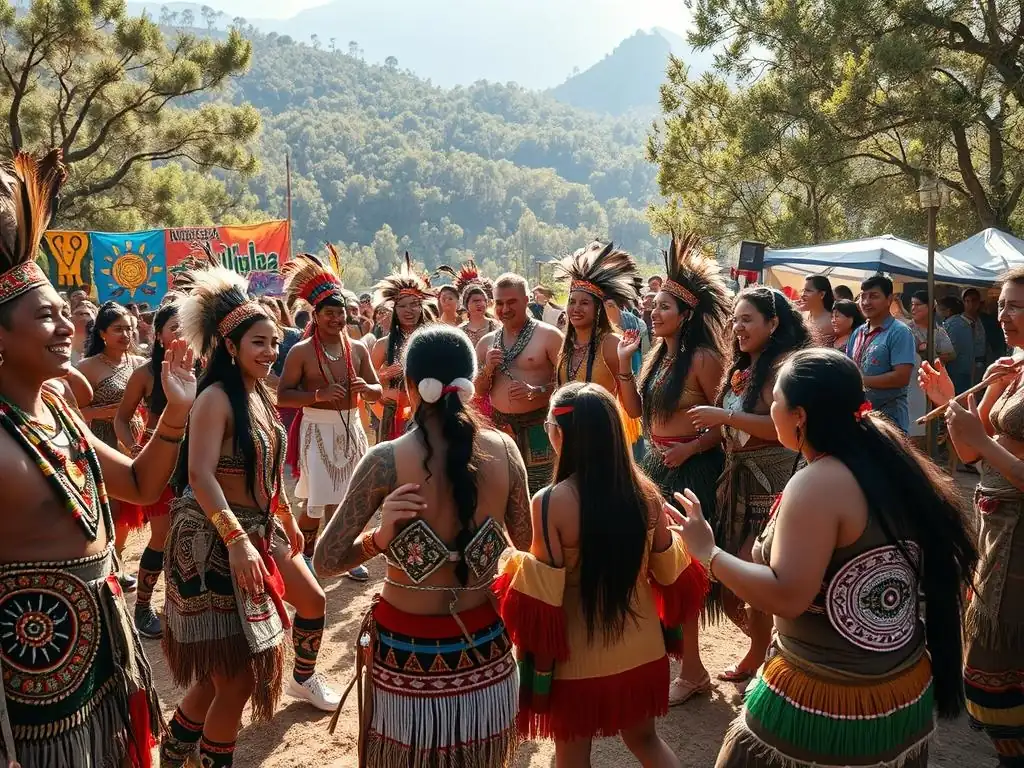
Understanding contemporary Aztec art requires a deep appreciation of the historical context from which it emerges. The Aztec civilization, flourishing from the 14th to the 16th centuries, was characterized by a rich tapestry of artistic expression that encompassed various forms, including sculpture, painting, and textile work. This artistic heritage has significantly influenced contemporary expressions, creating a bridge between the past and present.
Overview of Traditional Aztec Art Forms
Traditional Aztec art is renowned for its intricate designs and symbolic meanings. Key art forms included:
- Sculpture: Aztec sculpture was often monumental, featuring deities, historical figures, and representations of nature. Notable examples include the colossal stone heads of the Olmec and the intricate carvings found in the Templo Mayor.
- Codices: These were pictorial manuscripts that served as historical records and religious texts. They utilized a combination of images and symbols to convey stories and important events, such as the Codex Mendoza, which documents the Aztec tributes and society.
- Pottery and Textiles: The Aztecs produced highly decorated pottery, often adorned with intricate patterns and motifs. Textiles were equally important, featuring vibrant colors and complex designs, which were used in clothing and ceremonial purposes.
- Painting: Murals and painted artifacts provided insights into Aztec mythology, daily life, and rituals. The use of bold colors and geometric patterns characterized their painting style, often depicting scenes of gods, nature, and society.
These art forms were not merely decorative; they played significant roles in religious and societal contexts, reflecting the values, beliefs, and identity of the Aztec people.
The Influence of Pre-Columbian Culture on Contemporary Artists
Contemporary Aztec art history is profoundly shaped by the legacies of pre-Columbian culture. Many modern artists draw inspiration from traditional themes, techniques, and materials, creating works that resonate with their ancestral heritage. Key influences include:
- Revival of Traditional Techniques: Contemporary artists often adopt ancient methods, such as stone carving and pottery making, to create new works that honor their roots. This revival fosters a sense of continuity and respect for the craftsmanship of their ancestors.
- Symbolism and Identity: Many contemporary artworks incorporate traditional Aztec symbols, such as the eagle, jaguar, and serpent, which serve as representations of identity and cultural pride. Artists use these symbols to connect with their heritage while addressing modern themes such as social justice and cultural resilience.
- Fusion of Old and New: Contemporary Aztec artists frequently blend traditional styles with modern aesthetics, utilizing contemporary media like digital art, graffiti, and installation art. This fusion allows them to communicate their cultural narratives in a way that resonates with today’s audiences.
- Cultural Commentary: Art plays a crucial role in addressing contemporary issues faced by indigenous communities. Many artists use their work to comment on themes such as colonization, environmental concerns, and the preservation of indigenous languages and traditions.
The interplay between traditional Aztec art forms and contemporary artistic expressions creates a dynamic dialogue that reflects the ongoing evolution of Aztec identity and culture. This rich history not only informs contemporary practices but also ensures that the legacy of the Aztec civilization continues to thrive in modern times.
Characteristics of Contemporary Aztec Art
Contemporary Aztec art is a vibrant manifestation of cultural identity, blending traditional elements with modern influences. Emerging from the rich heritage of the Aztec civilization, today's artists draw inspiration from historical narratives, indigenous practices, and contemporary societal issues. This art form serves not only as a means of expression but also as a pivotal tool for cultural preservation and community engagement. Below are some defining characteristics of contemporary Aztec art.
Key Themes and Motifs in Modern Aztec Art
- Cultural Heritage:
- Many contemporary Aztec artists incorporate traditional symbols such as the sun, jaguar, and feathered serpent. These motifs are often reinterpreted to reflect modern sensibilities while honoring their ancestral roots.
- Social Commentary:
- Modern works frequently address current social and political issues, including identity, land rights, and environmental concerns. Artists use their pieces to critique modern society and advocate for the rights of Indigenous peoples.
- Fusion of Styles:
- Contemporary Aztec art often merges traditional techniques with modern art forms such as graffiti, digital art, and installation pieces. This fusion creates a dynamic visual language that resonates with both young and older generations.
- Revitalization of Language and Symbols:
- Many artists emphasize the importance of Nahuatl, the language of the Aztecs, integrating it into their art. This practice not only preserves the language but also reinforces cultural identity.
- Community and Collaboration:
- Artists frequently collaborate with community members to create public art projects that celebrate Aztec culture. These projects aim to foster community pride and educate the public about Indigenous history.
Techniques and Mediums Used in Contemporary Works
Contemporary Aztec artists utilize a diverse range of techniques and mediums that reflect both traditional craftsmanship and modern innovation:
- Painting and Muralism:
- Many modern Aztec artists paint murals that tell stories of their heritage. These large-scale works often incorporate bold colors and intricate patterns, making them accessible to the public and serving as a visual narrative of cultural pride.
- Sculpture:
- Artists create sculptures using materials such as clay, stone, and recycled materials. These pieces often reinterpret ancient forms or celebrate contemporary themes, providing a tactile connection to both history and modernity.
- Textiles:
- Weaving and textile arts remain significant in contemporary Aztec art. Artists produce vibrant fabrics that reflect traditional designs, often using sustainable practices that honor the Earth.
- Digital Art:
- With the rise of technology, many contemporary Aztec artists are embracing digital mediums. This includes digital illustration, video art, and graphic design, allowing for innovative storytelling that reaches wider audiences.
- Performance Art:
- Performance is increasingly recognized as a powerful medium for expressing Aztec culture. This includes traditional dance forms, rituals, and contemporary performances that explore themes of identity and resistance.
By blending these diverse techniques with deep cultural narratives, contemporary Aztec art continues to evolve, bridging the past and present while fostering a sense of community and identity among Indigenous peoples in the Americas.
Notable Contemporary Aztec Artists

Profiles of Influential Artists in Contemporary Aztec Art
Contemporary Aztec art is not just a revival of ancient techniques but a vibrant expression of modern identity, culture, and social commentary. Several artists are leading this movement, each contributing to the rich tapestry of Contemporary Aztec art history. Here are some notable figures:
-
Francisco Toledo
Known for his mastery in various mediums, Toledo is a pivotal figure in contemporary Mexican art. His work often incorporates elements of indigenous culture, weaving traditional themes with modern issues. His pieces reflect a deep respect for nature and the indigenous heritage of Mexico.
-
Rufina Tamayo
A contemporary painter and sculptor, Tamayo has gained recognition for her innovative use of traditional Aztec motifs blended with modern aesthetics. Her vibrant colors and intricate designs pay homage to Aztec history while addressing contemporary themes, such as identity and cultural resilience.
-
María Izquierdo
An influential figure in the Mexican art scene, Izquierdo's work often reflects her indigenous roots, exploring themes of gender, identity, and culture. Her paintings serve as a bridge between past and present, showcasing how indigenous influences can manifest in modern art.
-
Arturo Herrera
Herrera's work, which includes large-scale murals and installations, often incorporates Aztec symbols and narratives. His art challenges viewers to reconsider the relevance of these symbols in today's society, making significant contributions to the discourse of Contemporary Aztec art history.
These artists not only preserve the legacy of their ancestors but also adapt and reinterpret it, ensuring that Aztec culture remains a vital part of contemporary artistic expression.
Contributions of Women Artists to Aztec Art History
Women have played a crucial role in the evolution of Contemporary Aztec art, often bringing unique perspectives and innovative approaches to their work. Here are some key contributions from female artists:
-
Cultural Preservation and Innovation
Women artists frequently focus on preserving traditional techniques while infusing their work with contemporary themes. Their art often reflects personal narratives, community issues, and cultural identity, bridging the gap between the past and present.
-
Themes of Empowerment and Identity
Many female artists tackle themes related to feminism and empowerment within the context of indigenous identity. By addressing social issues through their artwork, they create a platform for dialogue around gender roles in both traditional and contemporary societies.
-
Collaboration and Community Engagement
Women artists often engage in collaborative projects that involve their communities, thus fostering a sense of belonging and shared heritage. This not only strengthens community ties but also ensures that the stories and experiences of indigenous women are represented in art.
-
Recognition and Exhibitions
Increasingly, women artists are gaining recognition in galleries and exhibitions, highlighting their significant contributions to Contemporary Aztec art history. Initiatives aimed at promoting female artists are helping to elevate their voices and ensure their stories are told.
The contributions of women artists to Contemporary Aztec art are invaluable, enriching the art form with diverse perspectives and ensuring the continuation of cultural narratives in the modern age.
The Role of Contemporary Aztec Art in Cultural Identity
Contemporary Aztec art serves as a vital link between the rich history of the Aztec civilization and the present-day identities of Indigenous communities in Mexico. This art form not only reflects the aesthetics and philosophies of pre-colonial times but also encapsulates the experiences, struggles, and aspirations of modern Indigenous peoples. Through various mediums such as painting, sculpture, textile design, and performance art, contemporary Aztec artists navigate the complexities of cultural identity, offering a narrative that honors their ancestors while addressing current social issues.
Art as a Reflection of Modern Indigenous Identities
Contemporary Aztec art has evolved to incorporate both traditional motifs and modern influences, creating a unique tapestry that expresses the hybrid identities of Indigenous artists. This artistic expression often addresses themes of resilience, spirituality, and social justice, reflecting the ongoing struggles faced by Indigenous communities in Mexico today.
- Symbolism and Heritage: Artists frequently utilize symbols from Aztec mythology and history, such as the serpent, the sun, and various deities, to forge a connection to their heritage. For instance, the use of vibrant colors and intricate patterns in textile art may echo traditional designs, serving both as an homage and a declaration of cultural pride.
- Personal Narratives: Many contemporary Aztec artists draw upon personal and ancestral stories, weaving them into their works to highlight the importance of storytelling in Indigenous cultures. This practice not only preserves history but also empowers the community by validating their experiences and perspectives.
- Political Commentary: In recent years, contemporary Aztec art has increasingly become a platform for political expression. Artists are using their work to comment on issues such as land rights, environmental degradation, and cultural appropriation, engaging with both local and global audiences. This activism through art fosters a sense of solidarity among Indigenous peoples while educating others about their ongoing struggles.
The Impact of Contemporary Art on Aztec Community Revitalization
The resurgence of contemporary Aztec art has played a significant role in revitalizing cultural practices within Indigenous communities. This revitalization can be observed in several key areas:
- Cultural Education: Contemporary artists often host workshops and exhibitions that educate younger generations about traditional art forms, techniques, and cultural significance. This transfer of knowledge helps to preserve Indigenous identities and fosters pride among youth.
- Community Engagement: Art projects often involve community collaboration, allowing members to participate in the creative process. This inclusivity strengthens community bonds and encourages collective identity, which is essential for cultural survival.
- Economic Opportunities: The growing appreciation for contemporary Aztec art has opened new avenues for artists to sell their work, attend art fairs, and participate in international exhibitions. The economic benefits of art can contribute to community development, enabling better access to resources and opportunities.
Contemporary Aztec art is not merely an artistic endeavor; it is a powerful vehicle for cultural expression and community revitalization. By bridging the past with the present, it plays a crucial role in shaping modern Indigenous identities and advocating for the rights and recognition of Indigenous peoples in today’s society. Through this lens, the contemporary Aztec art history emerges as a dynamic narrative that continues to evolve and inspire.
Contemporary Aztec Art Exhibitions and Events
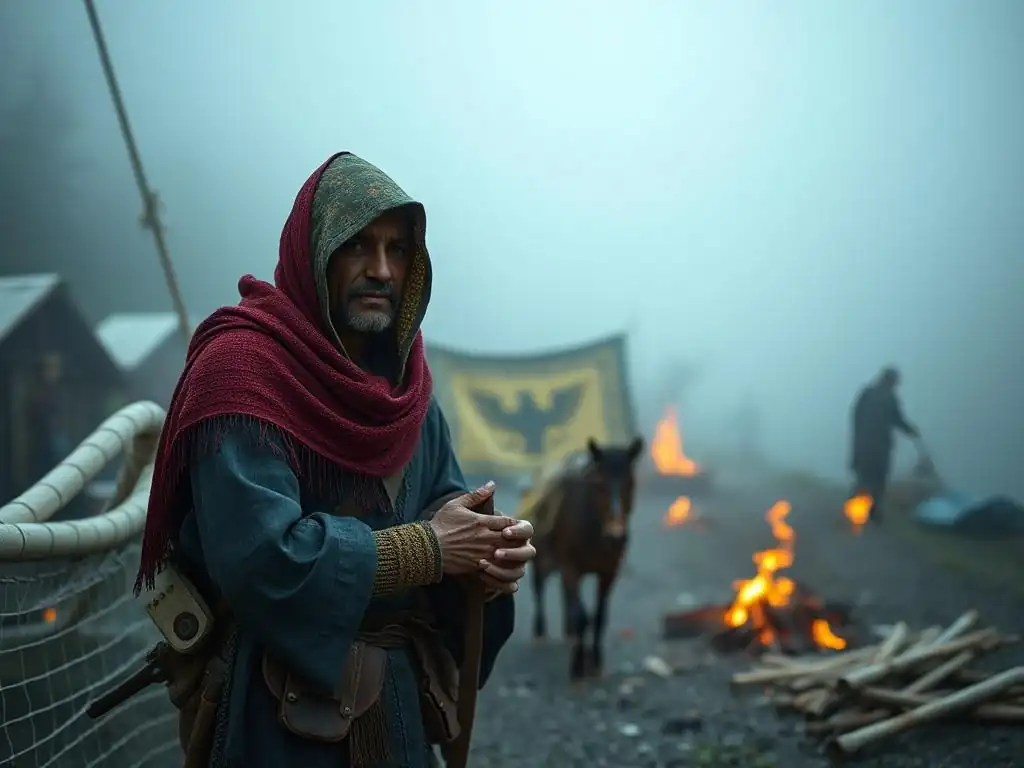
The vibrant landscape of contemporary Aztec art is increasingly showcased through various exhibitions and events across the Americas. These platforms not only highlight the creativity of modern indigenous artists but also serve as vital spaces for cultural exchange, education, and community engagement. Through exhibitions, audiences gain insight into the rich tapestry of Aztec heritage and its evolution in contemporary contexts.
Major Art Shows Featuring Contemporary Aztec Artists
Contemporary Aztec artists have gained significant recognition in major art shows, where their works are celebrated for blending traditional themes with modern techniques. Notable exhibitions include:
- The Smithsonian National Museum of the American Indian: This institution often features works by contemporary Aztec artists, showcasing pieces that reflect on identity, history, and cultural resilience.
- Los Angeles County Museum of Art (LACMA): LACMA has hosted exhibitions that include contemporary indigenous art, spotlighting Aztec artists who incorporate pre-Columbian motifs and narratives into their work.
- The Museum of Contemporary Art, Chicago: This venue frequently showcases the works of contemporary Aztec artists, providing a platform for dialogues about heritage and modernity.
Key highlights from these exhibitions often include:
- Art Installations: Interactive and immersive installations that invite viewers to engage with Aztec history and culture.
- Paintings and Sculptures: A fusion of traditional Aztec symbols and contemporary styles, reflecting the artists' personal narratives.
- Performance Art: Live performances that incorporate traditional music, dance, and storytelling, creating a multi-sensory experience.
These exhibitions not only celebrate artistic accomplishments but also serve as educational tools, fostering a deeper understanding of the ongoing relevance of Aztec culture in today's society.
The Role of Art Festivals in Promoting Aztec Culture
Art festivals play a crucial role in promoting contemporary Aztec art and culture. These events provide a vibrant atmosphere where artists, performers, and audiences converge, celebrating indigenous heritage and contemporary expressions.
- Cultural Festivals: Events such as the Festival de la Cultura Maya or the Oaxaca Jazz Festival often feature sections dedicated to Aztec art and artists, allowing for the exploration of traditional practices in a modern context.
- Workshops and Presentations: Many festivals include workshops led by contemporary Aztec artists, where participants can learn about traditional techniques such as textile weaving, pottery, and painting. These hands-on experiences help preserve cultural knowledge while promoting contemporary artistic expressions.
- Community Engagement: Festivals serve as a platform for indigenous communities to connect, share, and celebrate their cultural heritage. The participation of contemporary Aztec artists helps bridge the gap between generations, ensuring that traditional narratives continue to inspire new artistic endeavors.
Contemporary Aztec art exhibitions and festivals not only highlight the rich artistic legacy of the Aztec people but also foster community engagement and cultural pride. By creating spaces for dialogue and creativity, these events play a pivotal role in ensuring that the history and spirit of Aztec culture thrive in modern times.
Challenges Facing Contemporary Aztec Artists
Contemporary Aztec artists face a myriad of challenges as they navigate the complex landscape of modern art while striving to preserve their cultural identity. These challenges can be broadly categorized into cultural appropriation and economic and political barriers. Both facets significantly impact the ability of artists to express their heritage authentically and sustainably.
Issues of Cultural Appropriation in Modern Art
Cultural appropriation remains a contentious issue for contemporary Aztec artists. This phenomenon occurs when elements of a marginalized culture are adopted by individuals or groups from a dominant culture, often without permission or respect for their original context. For Aztec artists, this can manifest in various ways:
- Misrepresentation of Symbols: Many contemporary artworks incorporate traditional Aztec symbols and motifs. However, when these symbols are used without understanding their significance, it can lead to misinterpretation and dilution of cultural meaning. For instance, the use of the Aztec calendar in commercial products often strips it of its sacred context.
- Commercial Exploitation: Major brands and artists sometimes exploit Aztec art styles for profit, sidelining the original creators. This commodification can undermine the authenticity of the work and limit the economic benefits to the actual communities that produce the art.
- Voices of the Marginalized: When artists from dominant cultures create works inspired by Aztec themes, they may overshadow the voices of indigenous creators. This not only perpetuates stereotypes but also limits the visibility of authentic contemporary Aztec art.
To combat these issues, many artists advocate for greater awareness and education surrounding cultural sensitivity, encouraging consumers and creators alike to understand the importance of context when engaging with indigenous art forms.
Economic and Political Barriers for Indigenous Artists
Economic and political barriers significantly hinder the progress and recognition of contemporary Aztec artists. These challenges include:
- Limited Access to Funding: Many indigenous artists struggle to secure funding for their projects. Traditional funding sources often favor mainstream art forms, leaving indigenous creators at a disadvantage. This lack of financial support can stifle creativity and limit the ability to create and showcase art.
- Market Representation: Contemporary Aztec artists often find it challenging to penetrate mainstream art markets. Galleries and exhibitions may overlook their work, favoring more commercially viable or familiar art styles. This can limit opportunities for exposure and sales, making it difficult for artists to sustain their practice.
- Political Marginalization: The socio-political landscape often places indigenous communities at a disadvantage. Policies that fail to protect indigenous rights and cultural heritage can exacerbate the struggles faced by artists. Moreover, the lack of representation in governance can affect the allocation of resources and support for indigenous arts.
- Cultural Stereotypes: Ongoing stereotypes about indigenous peoples can impact how contemporary Aztec art is perceived. Art that is seen as too traditional may be dismissed, while more innovative works might be critiqued for not adhering to cultural norms. This duality creates a challenging environment for artists trying to navigate their identities within contemporary frameworks.
While contemporary Aztec artists work tirelessly to bridge their rich cultural heritage with modern artistic expressions, overcoming challenges related to cultural appropriation and socio-economic barriers is essential for fostering a thriving artistic community. Addressing these issues will not only benefit the artists themselves but will also enrich the broader cultural landscape by ensuring that indigenous voices are heard and respected.
The Future of Contemporary Aztec Art
The future of Contemporary Aztec art is an exciting landscape shaped by innovation, cultural preservation, and the evolving identity of indigenous communities. As artists draw inspiration from their ancestral heritage while integrating modern techniques and themes, they are forging a unique path that honors the past and embraces the present. This dynamic interplay is not just a continuation of traditions but a reimagining of them in a contemporary context.
Emerging Trends in Contemporary Aztec Art
In recent years, several trends have emerged within Contemporary Aztec art that reflect the changing dynamics of society and the artists' relationship with their cultural heritage. Some of these trends include:
- Fusion of Traditional and Modern Techniques: Artists are increasingly blending traditional Aztec methods, such as featherwork and stone carving, with contemporary materials like acrylics and digital media. This fusion allows for a fresh perspective that resonates with both younger audiences and traditionalists.
- Social and Political Commentary: Many contemporary Aztec artists are using their work to address social issues affecting their communities, such as land rights, cultural appropriation, and environmental concerns. For instance, the incorporation of contemporary imagery alongside traditional symbols serves as a powerful commentary on the ongoing struggles faced by indigenous peoples.
- Community Engagement: There is a growing emphasis on collaborative projects that involve community participation. Artists are hosting workshops and public art initiatives that encourage dialogue and foster a sense of ownership and pride in cultural heritage among younger generations.
- Global Reach and Recognition: With the rise of social media and digital platforms, Contemporary Aztec art is gaining international recognition. Artists are now able to reach global audiences, showcasing their work at international exhibitions and festivals, which helps to elevate the profile of indigenous art on the world stage.
The Role of Technology in Shaping Future Art Practices
Technology plays a crucial role in the evolution of Contemporary Aztec art, influencing both creation and dissemination. Here are some key aspects of this impact:
- Digital Tools for Creation: Artists are increasingly utilizing software and digital tools to create art. Programs like Adobe Illustrator and Photoshop allow for intricate designs that can be printed or displayed in various formats, providing artists with endless possibilities for expression.
- Online Platforms for Promotion: Social media platforms such as Instagram and Facebook are pivotal for artists to share their work and connect with audiences. These platforms enable artists to build a following, engage with fans, and sell their artwork directly, bypassing traditional gallery systems.
- Virtual Exhibitions: The emergence of virtual reality and augmented reality has opened new avenues for art exhibitions. Artists can create immersive experiences that allow viewers to engage with their work in innovative ways, breaking the barriers of physical space.
- Educational Resources: Online resources and courses provide artists with opportunities to learn and refine their skills. Many contemporary Aztec artists are tapping into these resources to keep their techniques relevant and to explore new creative avenues.
- Cultural Preservation: Technology also plays a role in preserving indigenous languages and stories that may influence Contemporary Aztec art. Digital archives and platforms allow for the documentation and sharing of cultural narratives, ensuring that these rich histories remain accessible to future generations.
The future of Contemporary Aztec art is poised for growth and transformation. By embracing emerging trends and leveraging technology, contemporary artists are not only preserving their cultural heritage but also redefining it for the modern world. This ongoing evolution serves as a testament to the resilience and creativity of indigenous communities in the Americas, ensuring that their stories and art continue to thrive long into the future.
Conclusion: Bridging Past and Present Through Art
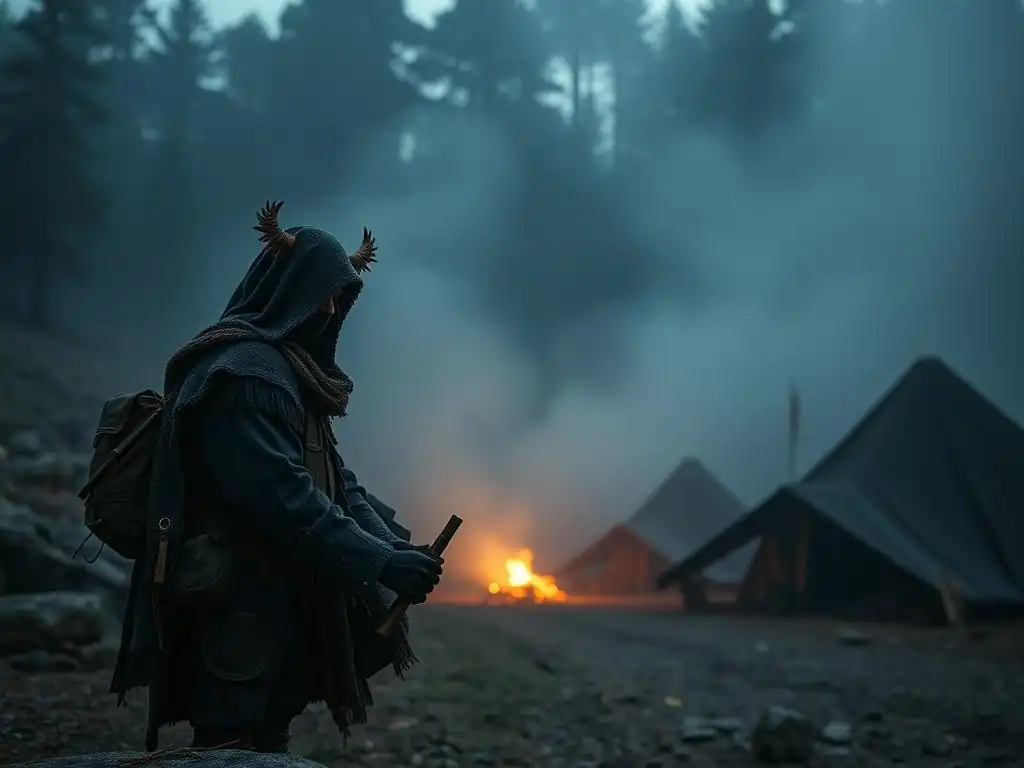
Through the lens of contemporary Aztec art, we witness a dynamic interplay between history and modernity. This vibrant art form serves not only as a means of expression but also as a bridge that connects past narratives with contemporary experiences. By examining contemporary Aztec art, we gain insights into how these communities honor their rich heritage while innovating and adapting to today's world.
The resurgence of interest in Aztec culture in the modern age is reflected in various artistic expressions, from traditional crafts to contemporary installations. Artists today are increasingly using their work to challenge stereotypes and promote cultural pride, showcasing the resilience of their communities.
The Importance of Preserving Aztec Art Traditions
Preserving Aztec art traditions is essential for several reasons:
- Cultural Identity:
- Connection to Ancestors: Indigenous art embodies the values, beliefs, and stories of the Aztec people, creating a sense of belonging and identity.
- Transmission of Knowledge: Through art, traditional knowledge, including techniques, materials, and themes, is passed down to future generations.
- Historical Context:
- Understanding History: Artifacts and artworks provide insights into the socio-political and economic aspects of Aztec civilization, enriching our understanding of pre-colonial history.
- Challenging Colonial Narratives: By preserving and showcasing Aztec art, contemporary artists can confront and reframe historical narratives dominated by colonial perspectives.
- Cultural Revitalization:
- Reviving Traditions: Many contemporary artists are reinterpreting ancient techniques and motifs, breathing new life into traditional art forms.
- Community Engagement: Art initiatives that involve community participation foster a renewed interest in cultural practices and collective identity.
- Economic Development:
- Art as Livelihood: Supporting contemporary Aztec artists can lead to economic opportunities, allowing communities to sustain themselves while promoting their cultural heritage.
- Tourism and Education: Preserved art forms can attract visitors and scholars, facilitating educational opportunities that highlight the richness of Aztec culture.
Ultimately, the preservation of Aztec art traditions is a vital aspect of sustaining cultural identity, fostering community resilience, and promoting a broader understanding of Indigenous histories.
Vision for the Future of Contemporary Aztec Art
The future of contemporary Aztec art appears promising, with several key trends and visions shaping its evolution:
- Innovation and Fusion:
- Artists are increasingly blending traditional techniques with modern mediums, creating works that resonate with both local and global audiences. For instance, integrating digital technology with traditional crafts can expand the reach and impact of Aztec art.
- Global Connectivity:
- The rise of social media and online platforms offers contemporary Aztec artists a stage to showcase their work worldwide. This connectivity allows for collaborations that can enhance the visibility and appreciation of Aztec culture.
- Education and Advocacy:
- Educational programs aimed at teaching about Aztec art history can empower younger generations. By fostering awareness and appreciation of their heritage, these initiatives ensure that traditional practices continue to thrive.
- Interdisciplinary Approaches:
- Collaborations across disciplines, such as combining visual art with performance or literature, can create multifaceted representations of Aztec culture. This can lead to innovative storytelling that captivates diverse audiences.
- Sustainability and Ethical Practices:
- Future artists are increasingly aware of the importance of using sustainable materials and ethical practices in their work. This focus not only preserves the environment but also honors the ancestral wisdom of the Aztecs regarding natural resources.
The vision for contemporary Aztec art is one marked by innovation, connectivity, and a commitment to preserving cultural heritage. As artists continue to explore and redefine their traditions, they contribute to a vibrant cultural landscape that honors the past while embracing the future.
References
Key Texts and Resources on Contemporary Aztec Art History
To gain a deeper understanding of contemporary Aztec art history, several key texts and resources offer valuable insights into the evolution of this vibrant cultural expression. Here are some essential references that explore both the historical context and modern interpretations of Aztec art:
- "The Aztec World" by Elizabeth Hill Boone
- This comprehensive work provides an extensive overview of Aztec civilization, including its artistic achievements and cultural practices. Boone’s analysis of Aztec iconography and its influence on contemporary artists is particularly noteworthy.
- "Aztec Art and Architecture" by John Pohl
- Pohl's book delves into the themes, styles, and materials used in Aztec art, highlighting how these elements resonate in modern artistic expressions. The author examines the continuity of traditions and the ways contemporary artists draw inspiration from their ancestors.
- "Contemporary Mexican Art: A Critical History" by David Craven
- This text situates contemporary Aztec art within the broader landscape of Mexican art, providing context for current artistic movements. Craven discusses the relationship between pre-Columbian heritage and contemporary practices, making connections that illuminate the relevance of Aztec art today.
- "The Art of the Aztecs" by Andrew Coe
- Coe offers an accessible introduction to Aztec art, focusing on its social and political significance. His work emphasizes the enduring legacy of Aztec aesthetics in contemporary artworks, making it a valuable resource for those interested in the evolution of these traditions.
- Online Archives and Museums
- Websites such as the National Museum of Anthropology in Mexico City and the Mexican Museum in San Francisco feature online collections and exhibitions showcasing contemporary Aztec art. These resources provide a visual perspective on how ancient practices are reinterpreted by today's artists.
Suggested Readings for Further Exploration of Aztec Art and Culture
For those wishing to delve deeper into the intersection of contemporary art and Aztec cultural heritage, the following suggested readings offer additional perspectives and insights:
- "Reclaiming the Sacred: The Role of Art in Contemporary Indigenous Movements" by Rebecca Belmore
- This book discusses indigenous art's role in social and political movements, including those inspired by ancient Aztec traditions. Belmore’s work highlights the importance of art as a form of activism and cultural preservation.
- "Mesoamerican Art: A Sourcebook" by Janet C. Berlo and Patricia P. Perea
- This sourcebook compiles various essays and artworks that trace the development of Mesoamerican art, including Aztec pieces. It provides readers with a broader understanding of how these artistic traditions have influenced contemporary practices.
- "Indigenous Aesthetics: Native Art, Media, and Identity" by Carla E. Wiggins
- Wiggins examines how contemporary indigenous artists, including those influenced by Aztec culture, navigate and express their identities through various mediums. This work offers essential insights into the contemporary relevance of Aztec aesthetics.
- "Aztec and Maya Myths" by David Carrasco
- While focusing on mythology, Carrasco’s text illuminates the narratives and symbols that underpin Aztec art. Understanding these stories enriches the appreciation of how contemporary artists reinterpret these motifs in their work.
- "The Art of Indigenous Resistance: Culture and Identity in Contemporary Art" by J. M. Scott
- This reading explores how contemporary indigenous artists resist colonial narratives through their work. The book provides a context for understanding the political dimensions of contemporary Aztec art.
By engaging with these texts and resources, readers can gain a richer appreciation of contemporary Aztec art history and the ongoing dialogue between past and present in the artistic expressions of indigenous communities.
Frequently Asked Questions
What is the focus of the article "Contemporary Aztec Art: Bridging the Past and Present"?
The article emphasizes the continuity of Aztec artistic traditions and their evolution into modern expressions of culture, connecting historical roots with contemporary practices.
How does contemporary Aztec art reflect historical influences?
Contemporary Aztec art incorporates traditional themes, symbols, and techniques, showcasing how ancient practices influence today's artists and their cultural identity.
What are some key achievements of indigenous cultures in the Americas?
Indigenous cultures in the Americas achieved remarkable advancements in fields such as architecture, astronomy, and agriculture, which are celebrated in contemporary interpretations.
How does the article relate contemporary art to the concept of cultural heritage?
The article highlights that contemporary Aztec art serves as a bridge between past and present, preserving cultural heritage while allowing new narratives to emerge.
Why is understanding contemporary Aztec art significant today?
Understanding contemporary Aztec art is vital for appreciating the resilience of indigenous cultures and their ongoing contributions to the broader cultural landscape in the Americas.
Final Reflection: Embracing the Legacy of Contemporary Aztec Art
Contemporary Aztec art serves as a vital link between our past and present, reminding us of the rich cultural heritage that continues to shape our identity today. In an era where globalization often threatens to dilute unique traditions, the resurgence of interest in Contemporary Aztec art history highlights the importance of preserving and celebrating indigenous narratives. This art form not only honors ancestral techniques and themes but also reinterprets them, creating a dynamic dialogue that resonates with contemporary audiences.
The influence of Contemporary Aztec art is palpable in today's cultural landscape, fostering a greater appreciation for indigenous perspectives and artistic expressions. Artists are not merely recreating historical motifs; they are infusing them with modern relevance, thus ensuring that the voices of their ancestors are heard in the present. As noted by art historian Dr. Elena Martinez, Art is the bridge that connects generations, allowing us to understand our roots while forging new paths forward.
This ongoing evolution of Aztec art challenges stereotypes and encourages a deeper understanding of indigenous cultures, making it a powerful tool for social change.
As we reflect on the significance of Contemporary Aztec art, I invite you to explore how these artistic expressions can inspire your own journey. Consider how the themes of resilience, identity, and innovation resonate with your experiences. Let the stories told through this art form encourage you to embrace your own heritage and to recognize the beauty in blending the past with the present. By engaging with and supporting Contemporary Aztec art, we not only honor our history but also contribute to a vibrant future that celebrates diversity and creativity.
Campo_por_completar