Aztec Spirituality Today: How Ancient Beliefs Shape Modern Practices
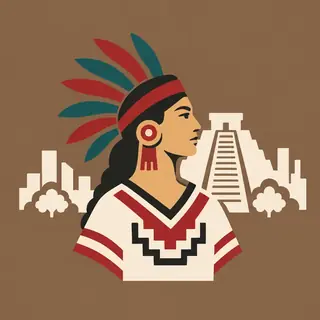
🌿 Aztec spirituality today intertwines ancient beliefs with modern practices, revitalizing rituals and traditions that honor the earth and ancestors. This exploration…
Read article
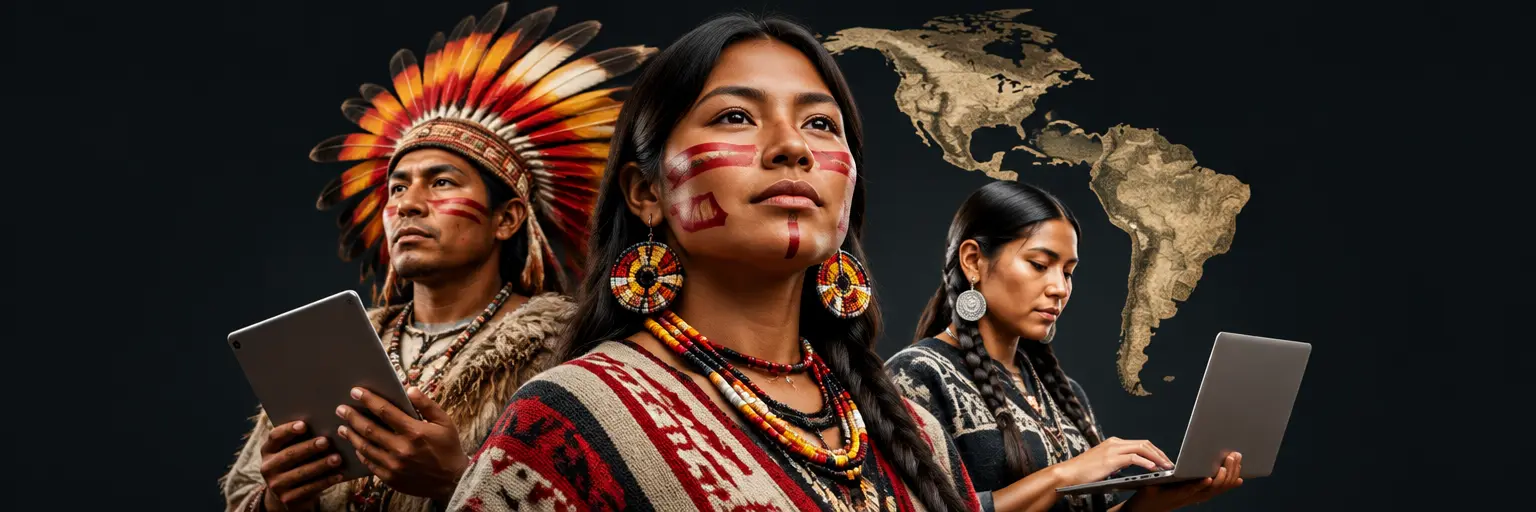
Modern Indigenous Cultures are living, breathing testaments to the resilience and vitality of ancient civilizations across the Americas. Today, Contemporary Mayan Communities preserve their ancestral languages and astronomical knowledge in Mexico and Guatemala, while Contemporary Aztec Communities keep Nahuatl traditions and ceremonies alive in urban and rural settings alike. Descendants of the Inca Empire maintain intricate weaving techniques and agricultural terraces in the Andes, proving that pre-Columbian wisdom still thrives in modern daily life. Beyond these prominent groups, countless other indigenous nations across North, Central, and South America continue to adapt, innovate, and celebrate their heritage—from vibrant festivals to traditional medicine and sustainable land stewardship. This space highlights how ancient roots branch into contemporary identities, offering a living bridge between the past and present. Explore how these communities honor their ancestors while shaping a future that respects both tradition and change.
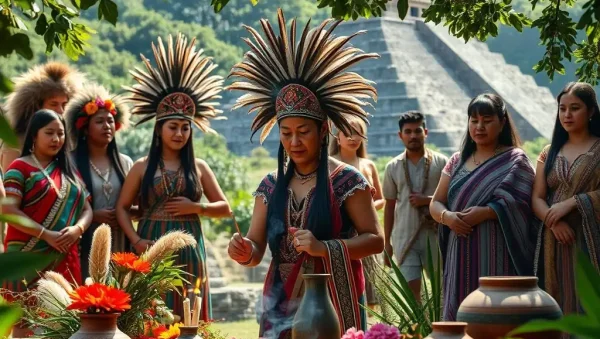
🌿 Aztec spirituality today intertwines ancient beliefs with modern practices, revitalizing rituals and traditions that honor the earth and ancestors. This exploration…
Read article
Campo_por_completar
Read article
Campo_por_completar
Read article
Campo_por_completar
Read article
Campo_por_completar
Read article
Campo_por_completar
Read article
Campo_por_completar
Read article
Campo_por_completar
Read article
Campo_por_completar
Read article
Campo_por_completar
Read article
Campo_por_completar
Read article
Campo_por_completar
Read articleDiscover how ancient traditions thrive today among modern indigenous cultures in North, Central, and South America. From contemporary Mayan communities preserving ancestral calendars to Inca descendants maintaining terraced agriculture, this page explores living heritage, language revitalization, and cultural resilience. Learn about indigenous sovereignty, traditional governance, and the vibrant continuity of pre-Columbian civilizations in the 21st century.
Today’s Mayan peoples—numbering over six million across Guatemala, Mexico, Belize, and Honduras—maintain millennia-old agricultural practices, sacred geography, and the 260-day ritual calendar (Tzolk’in). Visitors will find communities balancing tourism with cultural preservation, such as the Zapatista autonomy movements in Chiapas and the revival of Mayan language schools. Expect insights into weaving traditions, maize-based cosmology, and modern political activism that reasserts ancestral rights.
The descendants of the Mexica (Aztecs) primarily live in central Mexico, especially in the Valley of Mexico. Here, Nahuatl language preservation is a living movement, with over 1.5 million speakers. This section covers the vibrant conchero dancers who perform pre-Hispanic rituals, the rebuilding of chinampas (floating gardens) in Xochimilco, and how modern Aztec identity interweaves Catholic and indigenous cosmologies. Learn about community-led museums and the revival of amaranth farming alongside contemporary Nahua poetry.
In Peru, Bolivia, Ecuador, and Argentina, Quechua and Aymara peoples carry the Inca legacy. This page explores how Inca descendants preserve ancestral terrace agriculture, qhapaq ñan (road systems), and sun festivals like Inti Raymi. Discover modern weaving cooperatives that use pre-Columbian patterns, the role of kawsay (living well) in public policy, and how communities in Cusco and the Sacred Valley navigate heritage tourism while asserting land rights.
Beyond the famous empires, this section highlights hundreds of surviving nations, from the Mapuche in Chile to the Guarani in Paraguay and the Pueblo peoples in the US Southwest. Expect details on linguistic diversity (over 800 languages still spoken), traditional ecological knowledge in climate adaptation, and contemporary art movements that fuse ancient symbols with modern media. It also covers pan-indigenous alliances that fight for environmental and cultural preservation across borders.
Yes, absolutely. Millions of Mayan, Nahua (Aztec), and Quechua/Aymara (Inca) descendants live today, preserving languages, rituals, and agricultural knowledge. They are not static relics but dynamic communities that adapt ancient traditions to modern life, including digital platforms, legal activism, and global cultural exchanges.
Research community-led tourism initiatives, hire indigenous guides, ask before photographing, and purchase directly from local artisans. Avoid staged performances that exploit culture. Support organizations that prioritize free, prior, and informed consent. Many communities offer homestays where you can learn about daily life while directly benefiting the host family.
While many speak national languages, over 550 indigenous languages are still spoken in the Americas. Mayan languages (like K’iche’ and Yucatec Maya) have over a million speakers each. Nahuatl, Quechua, and Aymara remain robust. Bilingual education programs are expanding, and many young indigenous people now use social media to teach their ancestral tongues.
Yes, but enforcement varies. International instruments like ILO Convention 169 and the UN Declaration on the Rights of Indigenous Peoples affirm land rights. Countries like Bolivia and Ecuador have constitutional provisions for indigenous autonomy. However, conflicts over mining, logging, and agribusiness remain common, so many communities use legal and grassroots strategies to defend their territories.
The primary threats are land dispossession, environmental degradation, and forced assimilation. Climate change disproportionately affects indigenous regions, impacting crops and sacred sites. Language loss is also critical—though revitalization efforts grow. The most resilient communities are those that combine traditional governance with modern legal tools, education, and media to secure their future.