
Rituals and Astronomy: How Toltec Spirituality Influenced Scientific Thought

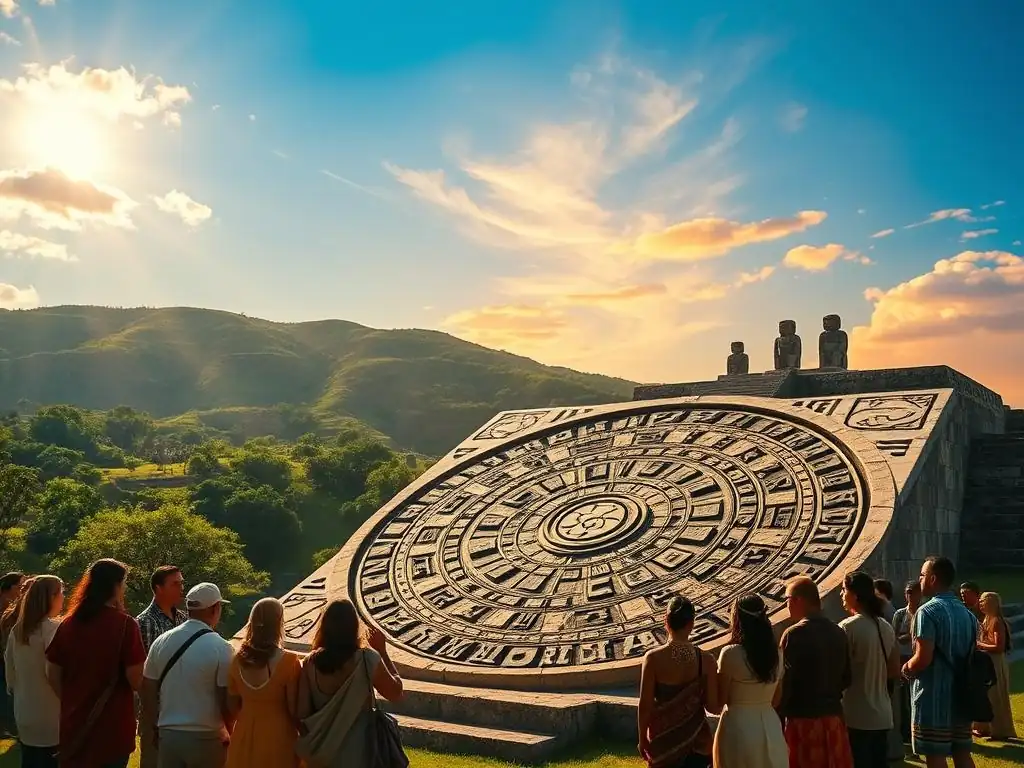
Welcome to Indigenous Civilizations of the Americas, where we delve into the rich tapestry of cultures that thrived long before European footprints marked these lands. In our exploration, we invite you to uncover the fascinating interplay between Toltec spirituality and astronomy—a realm where ancient rituals met celestial wonders. As we embark on this journey through the Toltec Civilization, prepare to be captivated by how their profound beliefs shaped not only their society but also laid the groundwork for scientific thought. Join us as we illuminate the legacy of the Toltecs and discover the wisdom that continues to resonate today.
- Introduction to Toltec Spirituality and Astronomy
- The Intersection of Toltec Spirituality and Scientific Thought
- Rituals in Toltec Astronomy
- Contributions of Toltec Spirituality to Scientific Thought
- Conclusion: The Lasting Impact of Toltec Spirituality and Astronomy
- Further Reading on Toltec Civilization and Scientific Achievements
-
Frequently Asked Questions
- What is the significance of Toltec spirituality in ancient Mesoamerican cultures?
- How did the Toltecs contribute to the field of astronomy?
- What rituals were central to Toltec spirituality?
- How does Toltec spirituality relate to their scientific thought?
- What lasting impacts did Toltec beliefs have on subsequent cultures?
- Final Reflection: The Cosmic Connection of Toltec Spirituality and Astronomy
- Unveil the Cosmic Connection!
Introduction to Toltec Spirituality and Astronomy
The Toltec civilization, a remarkable society that flourished in Mesoamerica from approximately the 10th to the 12th centuries, is renowned for its intricate cultural practices and profound spiritual beliefs. Central to Toltec life was the intertwining of spirituality and astronomy, which played a pivotal role in their understanding of the universe and their place within it.
This article delves into the intricate relationship between Toltec spirituality and astronomy, highlighting how these elements not only shaped their societal norms but also influenced broader scientific thought. As we explore the nuances of Toltec rituals and astronomical observations, we will uncover the profound impact they had on their civilization and the legacy they left behind for future generations.
Overview of Toltec Civilization
The Toltec civilization, often considered a precursor to the Aztecs, emerged in central Mexico and is characterized by its significant advancements in art, architecture, and urban planning. The Toltecs established cities such as Tula, which became a cultural and political hub. Their society was marked by a hierarchical structure, with a focus on warrior culture and a strong connection to the divine.
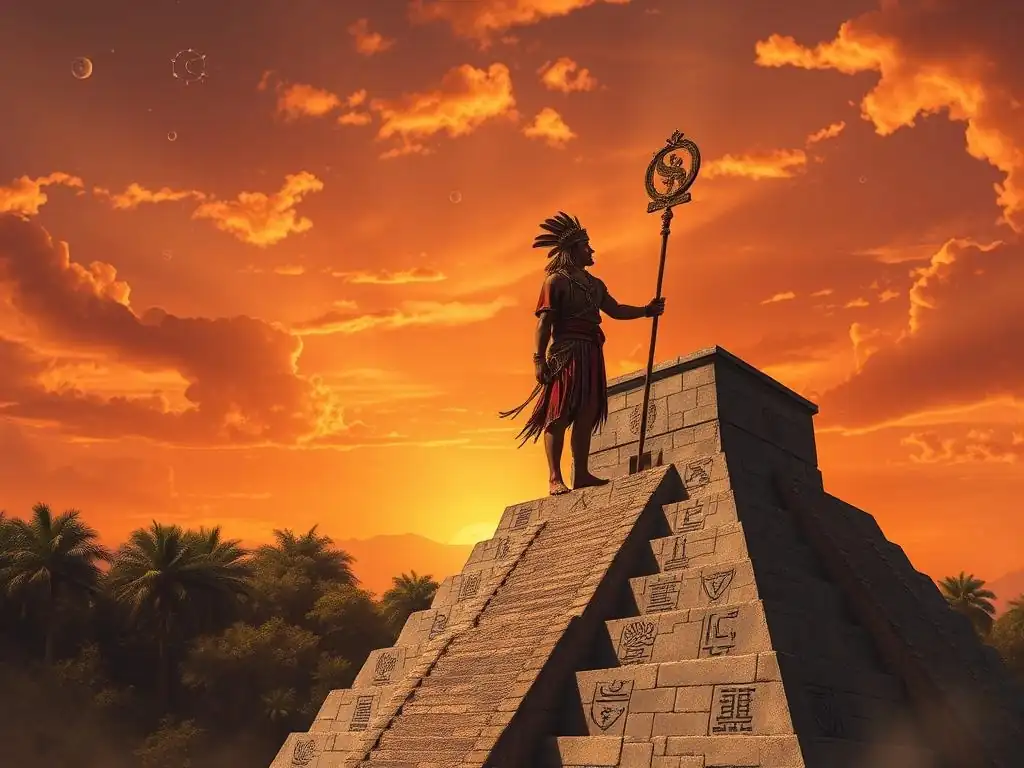
The Toltecs were known for their architectural marvels, including towering pyramids and intricate stone carvings that depicted their deities and cosmological beliefs. These structures were not merely for aesthetic purposes; they served as astronomical observatories as well, allowing the Toltecs to align their rituals with celestial events.
In addition to their architectural achievements, the Toltecs are credited with the development of sophisticated art forms, including pottery, textiles, and metalwork. Their artistic expressions often reflected their spiritual beliefs, connecting the physical with the metaphysical in a way that emphasized the importance of both realms.
Importance of Spirituality in Toltec Society
Spirituality was the cornerstone of Toltec society, influencing every aspect of their daily lives, governance, and social structures. The Toltecs believed in a pantheon of gods and goddesses, each representing various natural forces and aspects of life. Rituals and ceremonies were integral to maintaining harmony with these deities, as well as with the cosmos.
Key elements of Toltec spirituality include:
- Ritual Practices: These included offerings, sacrifices, and elaborate ceremonies to appease the gods. Such practices were often tied to the agricultural calendar, ensuring successful crops and favorable weather.
- Symbolism: Spirituality was deeply embedded in Toltec art and architecture, with symbols representing the duality of existence and the interconnectedness of all life.
- Shamanism: Shamans played a crucial role in Toltec spirituality, acting as intermediaries between the physical and spiritual worlds. They facilitated communication with the divine and guided the community through important spiritual journeys.
By understanding the spiritual framework of the Toltecs, we can better appreciate how their beliefs influenced their scientific observations, particularly in the field of astronomy.
Brief Introduction to Astronomy in Indigenous Cultures
Astronomy held a significant place in many indigenous cultures across the Americas, and the Toltecs were no exception. Their observations of celestial bodies were not merely scientific; they were deeply spiritual and intertwined with their cosmology. The Toltecs meticulously tracked the movements of the sun, moon, and stars, using this knowledge to guide agricultural practices and religious ceremonies.
Indigenous astronomical practices often included:
- Calendar Systems: Many cultures developed intricate calendar systems based on astronomical cycles, which helped govern agricultural activities and ceremonial events.
- Celestial Bodies in Mythology: Stars and planets were often personified in indigenous myths, reflecting their importance in understanding the world and the cosmos.
- Architectural Alignments: Structures were often built with specific alignments to celestial events, showcasing the profound connection between spirituality and astronomy.
Through this exploration of Toltec spirituality and its relationship with astronomy, we can gain insights into their scientific achievements and the lasting impact of their knowledge on later civilizations.
The Intersection of Toltec Spirituality and Scientific Thought
Understanding Toltec Spirituality
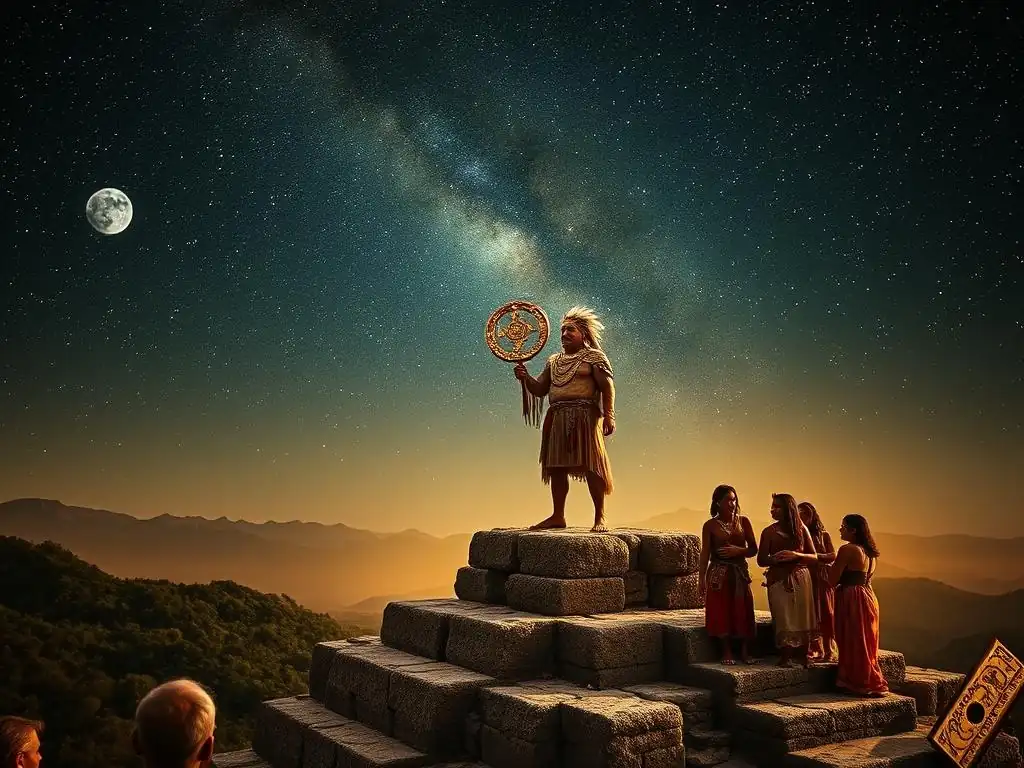
Toltec spirituality is an intricate tapestry woven from rich traditions, beliefs, and practices that shaped the worldview of the Toltec civilization. Emerging around the 10th century in central Mexico, this spirituality was deeply rooted in the understanding of the cosmos, nature, and the self. Central to Toltec thought is the concept of Teotl, which represents the divine force permeating all existence. This belief system emphasized the interconnectedness of all beings and the universe, fostering a profound respect for nature and the cosmos.
Core Beliefs of Toltec Spirituality
The core beliefs of Toltec spirituality can be summarized as follows:
- Unity with the Cosmos: The Toltecs viewed themselves as integral parts of the universe, where every element had a purpose and place.
- Duality: They embraced the concept of duality, recognizing the balance between opposing forces, such as light and dark, life and death.
- Personal Transformation: The path of a Toltec was one of self-discovery and transformation, often guided by spiritual teachers known as naguals.
- Sacredness of Rituals: Rituals were seen as essential for maintaining harmony with the universe, allowing individuals to connect with the divine.
These beliefs not only influenced spiritual practices but also laid the groundwork for scientific inquiry, particularly in the realm of astronomy.
Rituals Associated with Toltec Beliefs
Rituals in Toltec spirituality were diverse and multifaceted, often intertwined with their astronomical observations. Key rituals included:
- Ceremonial Offerings: Offerings to deities were common, intended to secure favor and maintain cosmic balance.
- Calendar Ceremonies: The Toltecs developed intricate calendars, and rituals were aligned with celestial events, such as solstices and equinoxes.
- Vision Quests: These spiritual journeys aimed to attain insight and guidance from the cosmos, often facilitated by fasting and meditation.
These rituals not only served spiritual purposes but also reflected a sophisticated understanding of celestial patterns, which influenced their scientific thought.
The Role of Astronomy in Toltec Culture
Astronomy played a pivotal role in Toltec culture, functioning as both a scientific discipline and a spiritual practice. The Toltecs were keen observers of celestial movements, which they interpreted through their spiritual lens. The night sky served as a canvas for their beliefs, guiding agricultural practices, ceremonial events, and daily life.
Celestial Observations and Their Significance
The Toltecs meticulously observed celestial bodies, including the sun, moon, and stars, leading to significant insights:
- Ecliptic Path: They understood the sun's path across the sky, aligning their rituals with solar events to optimize agricultural cycles.
- Planetary Movements: The Toltecs tracked the movements of planets, particularly Venus, which held great significance in their mythology and rituals.
- Constellations: Specific constellations were associated with gods and mythological stories, serving as a guide for navigation and timekeeping.
These celestial observations not only enriched their spiritual practices but also laid the foundation for a scientific approach to understanding the universe.
How Toltec Astronomy Influenced Daily Life
Toltec astronomy was deeply embedded in daily life, influencing various aspects of their society:
- Agricultural Practices: Agricultural activities were closely tied to astronomical events, ensuring successful harvests by planting and harvesting at optimal times.
- Calendar Systems: The Toltecs developed complex calendar systems based on their astronomical observations, which regulated social and religious events.
- Urban Planning: Cities were often designed to align with celestial events, showcasing the importance of astronomy in their architectural endeavors.
In essence, Toltec spirituality and astronomy were inextricably linked, creating a framework through which they understood and engaged with the world around them. This unique intersection not only influenced their scientific thought but also left a lasting legacy on subsequent Mesoamerican cultures.
Rituals in Toltec Astronomy
Key Rituals Linked to Celestial Events
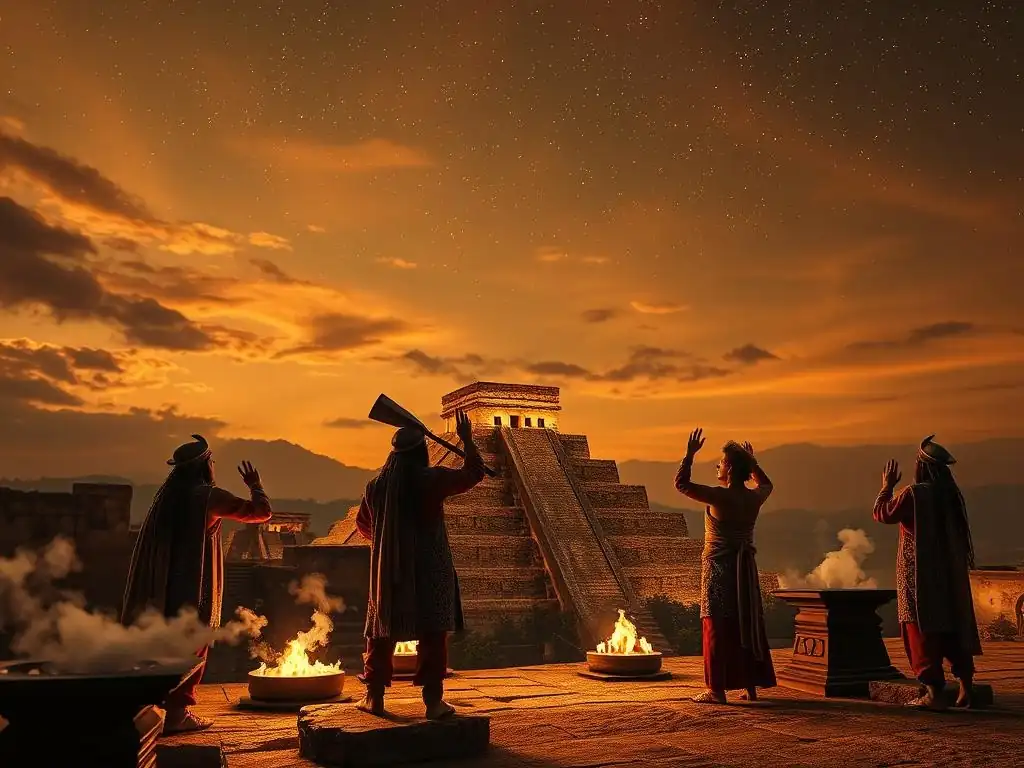
The Toltec civilization, known for its profound understanding of the cosmos, integrated astronomy into their spiritual and ritualistic practices. These rituals were often closely aligned with celestial events, reflecting their belief that the movements of heavenly bodies influenced life on Earth.
Solar and Lunar Festivals
Among the most significant rituals were the solar and lunar festivals, which marked the changing seasons and the cycles of nature. The Toltecs celebrated these events with elaborate ceremonies, including offerings, dances, and prayers.
- Solar Festival: This was held during the summer solstice, symbolizing the peak of the sun's power. Rituals often included:
- Fire ceremonies: To honor the sun deity, participants would create large bonfires, representing the sun's energy.
- Offerings: Food, flowers, and crafted items were presented to the gods, ensuring a bountiful harvest.
- Lunar Festival: In contrast, lunar festivals took place during the full moon, emphasizing the moon’s role in agriculture and fertility. Key elements included:
- Nighttime gatherings: Communities would come together under the full moon, sharing stories and performing traditional dances.
- Rituals for fertility: Special offerings were made to the moon goddess to promote fertility in crops and livestock.
Rituals for Agricultural Cycles
The Toltecs had a deep connection with the land, and their rituals were often geared towards agricultural cycles. Understanding the astronomical calendar allowed them to optimize planting and harvesting times.
- Planting Ceremonies: These rituals were conducted at the beginning of the agricultural season, coinciding with specific constellations that indicated the best times for sowing seeds.
- Harvest Festivals: Celebrated at the end of the growing season, these festivals included:
- Gratitude offerings: Farmers would express thanks to the deities for a successful harvest.
- Community feasts: Gathering together to celebrate the fruits of their labor strengthened social bonds and reaffirmed shared beliefs.
The Significance of Astronomy in Toltec Rituals
The integration of astronomy into Toltec rituals was not merely for practical purposes; it was a profound expression of their spirituality. The stars and celestial bodies were seen as direct links to the divine, guiding their lives and beliefs.
Alignments with Celestial Bodies
Toltec rituals often included precise alignments with celestial bodies, demonstrating their advanced understanding of astronomy. Structures such as temples and ceremonial sites were meticulously designed to align with significant astronomical events.
- Temple of the Sun: This structure was strategically positioned to capture the first rays of sunlight during the solstice, symbolizing rebirth and renewal.
- Observatories: The Toltecs constructed observatories to track celestial movements, allowing for accurate predictions of eclipses and other phenomena. These sites served as both scientific and spiritual centers.
Symbolism of Stars and Constellations
The Toltecs imbued their rituals with deep symbolism derived from the stars and constellations. They viewed these celestial entities as manifestations of divine beings and forces.
- Star Deities: Each star and constellation held specific meanings, often linked to various aspects of life and nature. For example:
- The Pleiades: Known as the "Seven Sisters," these stars were associated with agricultural fertility and were closely watched during planting seasons.
- Orion: This constellation was linked to warrior deities, symbolizing strength and protection.
- Mythological Narratives: Stars played a crucial role in Toltec mythology, where rituals often recounted stories of celestial journeys. These narratives served to reinforce cultural identity and communal values.
The connection between Toltec spirituality and astronomy is a testament to the civilization's sophisticated understanding of the universe, showcasing how they harmonized their rituals with the rhythms of nature and the heavens.
Contributions of Toltec Spirituality to Scientific Thought
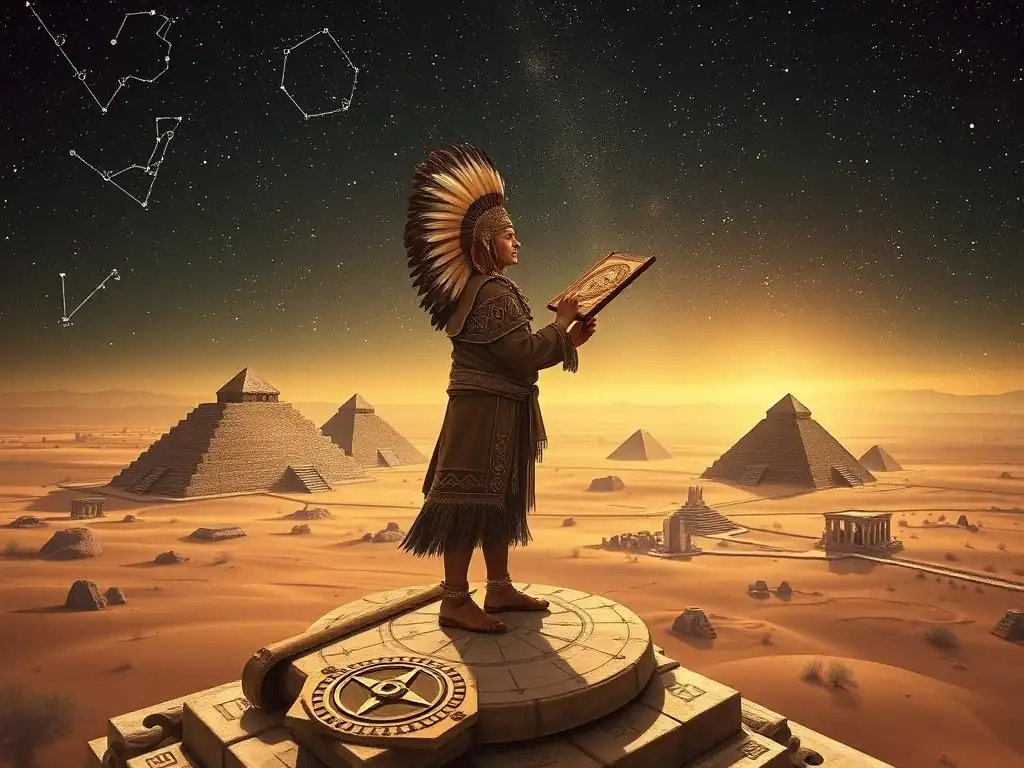
Toltec spirituality is deeply intertwined with their understanding of the cosmos, and this relationship significantly contributed to the development of scientific thought in Mesoamerica. The Toltecs, known for their advanced knowledge in various fields, utilized their spiritual beliefs to enhance their astronomical observations and interpretations. This blending of spirituality and science not only shaped their worldview but also laid the groundwork for future indigenous cultures in the Americas.
Development of Astronomical Knowledge
The Toltecs made remarkable strides in astronomical knowledge, which was rooted in their spiritual beliefs. They viewed celestial events as manifestations of divine will, leading to an intricate interpretation of the heavens.
Calendrical Systems and Timekeeping
The Toltec civilization developed sophisticated calendrical systems that reflected their astronomical insights. They employed a 365-day solar calendar and a 260-day ritual calendar, known as the Tzolk'in. This dual system allowed them to track agricultural cycles, religious ceremonies, and significant celestial events.
- Calendrical Features:
- Solar Calendar: Comprised of 18 months with 20 days each, plus an additional "empty" month.
- Ritual Calendar: Used for religious events and ceremonies, consisting of 13 cycles of 20 days.
These calendars were not merely tools for timekeeping; they were deeply infused with spiritual significance, guiding the Toltecs in their rituals and agricultural practices. The alignment of celestial events with their calendars showcased their profound understanding of astronomy and its practical applications.
Understanding Cosmic Cycles through Spirituality
Toltecs perceived the cosmos as a dynamic entity governed by cycles of creation and destruction. Their spirituality emphasized the importance of these cosmic cycles, which influenced their agricultural practices and ritualistic activities.
- Key Cosmic Cycles:
- Venus Cycle: The appearance of Venus as the morning star was celebrated, symbolizing rebirth and transformation.
- Lunar Phases: They recognized the significance of lunar phases in agricultural planning and spiritual ceremonies.
By integrating these cosmic cycles into their spiritual practices, the Toltecs developed a holistic approach to understanding their environment and timing their activities accordingly, reinforcing the connection between spirituality and scientific observation.
Influence on Later Indigenous Scientific Practices
The legacy of Toltec spirituality and astronomical knowledge had a profound impact on subsequent indigenous cultures, particularly in Mesoamerica. Their innovations in understanding celestial phenomena laid the foundation for future developments in astronomy and science.
Legacy of Toltec Astronomy in Mesoamerican Cultures
The astronomical knowledge and calendrical systems established by the Toltecs were adopted and adapted by later civilizations, such as the Aztecs and Maya. These cultures built upon Toltec foundations, further refining and expanding their astronomical understanding.
- Influence on the Aztecs:
- The Aztecs revered Toltec deities and incorporated their astronomical insights into their own calendars and rituals.
- Maya Integration:
- The Maya civilization, known for its advanced astronomical practices, drew from Toltec methodologies, especially in the creation of their complex calendar systems.
This transfer of knowledge ensured that the spiritual and scientific frameworks initiated by the Toltecs continued to flourish and evolve through subsequent generations.
The Integration of Spiritual and Scientific Perspectives
A hallmark of Toltec thought was the seamless integration of spirituality and science, a characteristic that influenced later indigenous practices. This perspective allowed for a holistic understanding of the universe, where spiritual beliefs guided scientific inquiry.
- Examples of Integration:
- Rituals linked to celestial events, such as solstices and equinoxes, were essential for agricultural success and community well-being.
- The belief that celestial bodies were divine messengers encouraged meticulous observation and recording of astronomical events.
This blend of spirituality and scientific thought not only enriched the intellectual landscape of the Toltec civilization but also set a precedent for future indigenous cultures to view the cosmos through a lens that valued both spiritual and empirical understanding.
In conclusion, Toltec spirituality and astronomy are intricately connected, leading to significant developments in scientific thought that would influence generations of indigenous civilizations in the Americas. Their contributions to astronomy, timekeeping, and the integration of spiritual and scientific perspectives remain a testament to the rich and complex understanding of the cosmos that characterized the Toltec civilization.
Conclusion: The Lasting Impact of Toltec Spirituality and Astronomy
Summary of Key Influences
The interplay between Toltec spirituality and astronomy has left an indelible mark on the scientific thought of subsequent cultures. Central to Toltec belief systems was the notion that celestial movements had profound implications for earthly events, which catalyzed a sophisticated understanding of astronomy that was unparalleled for its time. Key influences can be summarized as follows:
- Celestial Alignment: The Toltecs constructed their ceremonial centers, such as Tula, with precise astronomical alignments. Structures were often oriented towards solstices and equinoxes, facilitating agricultural planning and ritual observance.
- Calendar Systems: The Toltec civilization developed complex calendrical systems, integrating spiritual beliefs with astronomical observations. Their calendar not only tracked celestial events but also interwove them with mythological narratives, reflecting a deep understanding of cycles in nature.
- Cosmological Teachings: Spiritual leaders, or tlatoque, imparted knowledge about the cosmos to their followers, emphasizing the interconnectedness of all beings. This cosmology laid the groundwork for later Mesoamerican civilizations, influencing practices in astronomy, agriculture, and religion.
The enduring legacy of these influences can be seen in the ways later cultures, such as the Aztecs, adopted and expanded upon Toltec astronomical practices, creating a rich tapestry of knowledge that continues to resonate in contemporary indigenous cultures.
Reflection on the Importance of Indigenous Knowledge Systems
Indigenous knowledge systems, particularly those of the Toltecs, highlight the critical role that spirituality and astronomy played in shaping societal structures and scientific thought. Understanding these systems reveals several important reflections:
- Holistic Understanding of Nature: The Toltecs approached knowledge as a holistic endeavor that encompassed spirituality, science, and daily life. This interconnected framework allowed them to make sense of their environment in ways that modern science is beginning to acknowledge as valuable.
- Cultural Resilience: The survival of Toltec astronomical knowledge despite colonization speaks to the resilience and adaptability of indigenous cultures. Their practices and beliefs have not only persisted but have also influenced contemporary understandings of astronomy and spirituality.
- Revitalization of Indigenous Wisdom: In recent years, there has been a resurgence of interest in indigenous knowledge systems, including those of the Toltecs. By studying these ancient practices, modern society can gain insights into sustainable living and environmental stewardship, fostering a deeper respect for the wisdom of indigenous peoples.
The intersection of Toltec spirituality and astronomy is a testament to the profound impact that indigenous civilizations have had on scientific thought. Their rich traditions of knowledge continue to inspire and inform contemporary discussions surrounding science and spirituality.
Further Reading on Toltec Civilization and Scientific Achievements
Recommended Books and Articles
When delving deeper into Toltec spirituality and astronomy, various resources can expand your understanding of the complex relationship between these two domains. Here are some essential readings:
-
"The Toltec Legacy" by Don Miguel Ruiz
This book explores the philosophical underpinnings of Toltec spirituality, drawing connections between their beliefs and practices.
-
"Astronomy of the Maya and Aztec Civilizations" by Anthony Aveni
While primarily focused on Maya and Aztec societies, this work offers comparative insights that illuminate how the Toltecs might have influenced and been influenced by their contemporaries regarding celestial observations.
-
"In Search of the Toltecs: A Guide to the Ancient Civilization" by Robert M. Zingg
This comprehensive examination of Toltec society includes discussions on their rituals and astronomical practices, providing a rich context for understanding their scientific achievements.
-
"The Sacred Universe: Earth, Spirituality, and Religion in the Twenty-First Century" by Thomas Berry
This text delves into the spiritual dimensions of various cultures, including the Toltecs, and how these beliefs intersect with their scientific inquiries.
-
Scholarly Articles
- "Toltec Astronomy: The Stars in their Myths and Rituals": published in the Journal of Ancient Civilizations. This article explores how celestial bodies were integral to Toltec rituals and societal structure.
- "Cosmology and Agriculture: The Influence of Celestial Events on Toltec Farming": available in the Journal of Ethnobiology. This piece details how astronomy informed agricultural practices among the Toltecs.
Resources for Exploring Indigenous Astronomy
Understanding the astronomical practices of the Toltecs and their spiritual significance requires access to specific resources that highlight their celestial observations and rituals. Here are some valuable resources:
-
Planetarium Software
Tools like Stellarium allow users to explore the night sky as the Toltecs would have seen it, providing insights into their astronomical knowledge.
-
Documentaries and Educational Videos
- "The Secrets of the Toltec Pyramids" explores the architectural and astronomical alignment of Toltec structures.
- "Indigenous Perspectives on Astronomy" features interviews with contemporary indigenous astronomers discussing the legacy of ancient practices.
-
Online Archives and Databases
- The American Indian Science and Engineering Society (AISES) provides resources on indigenous scientific contributions, including astronomy.
- The National Museum of the American Indian offers digital collections that feature artifacts related to Toltec culture and their astronomical practices.
-
Workshops and Lectures
Many universities and cultural centers offer workshops on indigenous astronomy, exploring how ancient civilizations, including the Toltecs, observed and interpreted celestial events.
By engaging with these resources, individuals can gain a richer understanding of Toltec spirituality and astronomy, uncovering the profound ways in which these elements shaped their scientific thought and practices.
Frequently Asked Questions
What is the significance of Toltec spirituality in ancient Mesoamerican cultures?
Toltec spirituality is significant as it emphasizes a deep connection to the natural world and the cosmos, influencing various aspects of life, including art, ritual, and astronomy.
How did the Toltecs contribute to the field of astronomy?
The Toltecs made notable advancements in astronomy by observing celestial bodies and aligning their structures with astronomical events, which reflected their understanding of the universe.
What rituals were central to Toltec spirituality?
Central rituals in Toltec spirituality included ceremonial practices aimed at honoring deities, engaging in agricultural cycles, and understanding the cosmic order, which were crucial for their societal structure.
How does Toltec spirituality relate to their scientific thought?
Toltec spirituality is intertwined with their scientific thought, as it provided a framework for understanding natural phenomena and influenced their methods of observation and interpretation of the cosmos.
What lasting impacts did Toltec beliefs have on subsequent cultures?
The Toltec beliefs in spirituality and astronomy laid a foundation for later Mesoamerican cultures, influencing their religious practices, architectural designs, and understanding of the universe, which resonates today.
Final Reflection: The Cosmic Connection of Toltec Spirituality and Astronomy
The intricate relationship between Toltec spirituality and astronomy continues to resonate profoundly in today's world. As we navigate an era marked by rapid technological advancement and scientific exploration, the ancient wisdom of the Toltecs reminds us of the importance of integrating spiritual understanding with empirical knowledge. This connection not only enriches our comprehension of the universe but also emphasizes the need for a holistic approach to knowledge.
The influence of Toltec spirituality on scientific thought is a testament to the enduring power of ancient wisdom in shaping contemporary perspectives. The Toltecs viewed the cosmos as a living entity, where every star and celestial body held significance beyond mere observation. This perspective encourages us to reflect on our place within the universe and the interconnectedness of all things. The universe is not outside of you. Look inside yourself; everything that you want, you already are.
– Rumi. This quote encapsulates the essence of Toltec spirituality, urging us to seek understanding within ourselves as we explore the vastness of the cosmos.
As you ponder the insights shared in this article, I invite you to embrace the lessons of Toltec spirituality in your own life. Consider how you can cultivate a deeper connection with the universe and integrate spiritual practices into your daily routine. Whether through meditation, stargazing, or simply reflecting on your place in the cosmos, let the wisdom of the Toltecs inspire you to explore the profound relationship between spirituality and science. The journey of discovery awaits, and it begins with you.
Unveil the Cosmic Connection!
Thank you for diving into the fascinating world of Toltec spirituality and its influence on scientific thought! You've gained valuable insights into how ancient rituals can shape our understanding of the universe. Now, let’s turn that knowledge into action!
- Explore further into your own traditions—consider incorporating a personal ritual that reflects your connection to the cosmos.
- Share this article with friends or on social media to spark discussions about the power of spirituality in science.
- Engage with like-minded individuals in online communities, or attend local workshops that delve into indigenous philosophies and astronomy.
What rituals have you experienced that deepened your understanding of both spirituality and science?