
Building Empathy Through Reading: Indigenous Stories for the Next Generation

Welcome to Indigenous Civilizations of the Americas, where we invite you to embark on a journey through the rich tapestry of indigenous cultures that flourished across the continent long before European colonization. Here, we shine a light on their profound achievements and the societies that shaped their world.
In our featured article, “Building Empathy Through Reading: Indigenous Stories for the Next Generation,” we delve into the importance of sharing indigenous stories for children—tales that not only entertain but also cultivate understanding and respect for these vibrant cultures. Join us as we explore how these narratives can foster empathy and connection in today's world, encouraging you to uncover the wisdom and beauty embedded in these ancient tales.
- Introduction to Indigenous Stories for Children
- Exploring Indigenous Cultures Through Literature
- Recommended Indigenous Stories for Children
- Benefits of Reading Indigenous Stories for Children
- How to Incorporate Indigenous Stories into Children's Reading Habits
- Supporting Indigenous Authors and Publishers
- Conclusion: Building a Future of Empathy Through Indigenous Stories
- Frequently Asked Questions
- Final Reflection: Cultivating Empathy Through Indigenous Stories
- Ignite Change Through Empathy: Start Your Journey Today!
Introduction to Indigenous Stories for Children
In the rich tapestry of literature, Indigenous stories for children serve as a vital thread, weaving together the histories, traditions, and wisdom of diverse Indigenous cultures across the Americas. This article delves into the significance of these narratives, exploring how they not only captivate young readers but also impart essential lessons about empathy, respect, and cultural appreciation.
Through an engaging selection of tales, children are introduced to the unique perspectives and experiences of Indigenous peoples, fostering a deeper understanding of their contributions and the challenges they face. As we journey through these stories, we aim to illuminate the path for the next generation, encouraging them to embrace the beauty and complexity of Indigenous cultures.
The Importance of Indigenous Narratives in Children's Literature
Indigenous narratives hold a profound place in children's literature, offering insights that can shape young minds. These stories are more than mere entertainment; they are gateways to understanding the values, traditions, and histories of Indigenous communities.
- Cultural Representation: Indigenous stories provide representation that is often lacking in mainstream literature, allowing children to see themselves reflected in the tales they read. This representation fosters a sense of belonging and identity among Indigenous youth, while also educating non-Indigenous children about diverse cultures.
- Moral and Ethical Lessons: Many Indigenous narratives are imbued with moral teachings and ethical reflections. They often emphasize values such as community, respect for nature, and the importance of family, which are crucial for nurturing empathy in young readers.
- Historical Context: Through these stories, children gain insight into the historical experiences of Indigenous peoples, including their struggles and triumphs. Understanding this context is vital in fostering a sense of justice and awareness about the ongoing impact of colonialism.
How Indigenous Stories Foster Empathy and Understanding
Reading Indigenous stories can significantly enhance empathy and understanding in children, shaping them into compassionate individuals. Here are some key ways these narratives achieve this:
- Perspective-Taking: Indigenous stories often present unique viewpoints and experiences. By stepping into the shoes of diverse characters, children learn to appreciate perspectives different from their own, promoting empathy.
- Connection to Nature: Many Indigenous narratives emphasize the interconnection between humans and the environment. Through these tales, children develop a deeper respect for nature and an understanding of our responsibility to protect the planet.
- Cultural Traditions and Practices: Exposure to Indigenous traditions and practices through storytelling allows children to appreciate the richness of cultural diversity. This appreciation fosters respect and understanding, breaking down stereotypes and misconceptions.
Indigenous stories for children are invaluable tools for nurturing empathy and fostering a deeper understanding of the diverse cultures that exist within the Americas. By promoting these narratives, we can encourage the next generation to embrace inclusivity and respect for all cultures.
Exploring Indigenous Cultures Through Literature
Overview of Indigenous Cultures in the Americas
Indigenous cultures in the Americas represent a rich tapestry of traditions, languages, and histories. Before European colonization, these societies developed unique systems of governance, spirituality, and community life, showcasing remarkable achievements in various fields such as agriculture, architecture, and art. Some of the notable civilizations include:
- The Maya: Known for their advanced writing system, astronomical knowledge, and impressive architectural feats, the Maya civilization thrived in present-day Mexico, Guatemala, Belize, and Honduras.
- The Aztecs: Renowned for their sophisticated societal structure and monumental architecture, the Aztecs ruled a vast empire in central Mexico, particularly famous for their capital, Tenochtitlan.
- The Inca: Stretching across the Andes mountains, the Inca civilization is celebrated for its engineering prowess, particularly in agriculture and road systems, facilitating trade and communication across vast distances.
These cultures were characterized by their deep connection to the land and their intricate spiritual beliefs, often embodied in rich oral traditions and storytelling practices.
Literature that highlights these indigenous cultures serves not only to educate children but also to foster a deeper understanding and appreciation of the diverse perspectives that exist within the Americas. By engaging with Indigenous stories for children, readers can explore the values, histories, and wisdom passed down through generations, creating a bridge to the past that informs the present.
The Role of Storytelling in Indigenous Societies
Storytelling holds a central place in Indigenous societies, serving as a vital means of preserving and transmitting knowledge, culture, and identity. Through oral traditions, stories are shared across generations, encompassing a variety of themes, including creation myths, moral lessons, and historical events. This practice is fundamental for several reasons:
- Cultural Preservation: Stories act as vessels of cultural heritage, preserving languages, traditions, and histories that might otherwise be lost. For instance, many Indigenous languages are tied intricately to their stories, with specific words and phrases revealing cultural insights that are not easily translated.
- Education and Morality: Indigenous stories often contain moral lessons and practical knowledge relevant to daily life. They teach children about the importance of community, respect for nature, and the significance of maintaining balance within the environment. For example, tales featuring animal characters often impart lessons about coexistence and responsibility.
- Identity Formation: Through storytelling, individuals connect with their heritage and community. Children learn who they are and where they come from, fostering a sense of belonging and pride. The stories reinforce cultural identities, helping to instill values and shared experiences that unite communities.
- Empathy and Understanding: Engaging with Indigenous stories for children can cultivate empathy and understanding among young readers. Through diverse narratives, children can experience the world through different lenses, appreciating the complexities of Indigenous experiences and perspectives.
By integrating storytelling into children's literature, readers not only gain insight into indigenous cultures but also develop essential skills such as critical thinking, empathy, and appreciation for diversity. As we encourage future generations to read and reflect on these narratives, we build a foundation for respect and understanding that can transcend cultural divides.
Recommended Indigenous Stories for Children
"We Are Water Protectors" by Carole Lindstrom
Themes of Environmentalism and Indigenous Rights
"We Are Water Protectors" is a powerful narrative that intertwines themes of environmentalism with Indigenous rights, making it a poignant choice for children. The book draws inspiration from the real-life struggle against the Dakota Access Pipeline, highlighting the vital connection between Indigenous peoples and the land. Through the eyes of a young girl, readers witness the importance of protecting water—a sacred resource for all life.
This story instills a sense of responsibility and respect for nature, encouraging children to understand the ongoing fight against environmental degradation and the significance of Indigenous perspectives in contemporary ecological issues. By framing the narrative around activism, it empowers young readers to think critically about their role in safeguarding the planet.
Illustrative Features and Benefits for Young Readers
The illustrations in "We Are Water Protectors" complement the storytelling beautifully, crafted by Michaela Goade, an Indigenous artist. Her vibrant and evocative artwork captures the essence of the narrative, drawing children into the world of the characters. The use of bold colors and dynamic imagery not only enhances the reading experience but also deepens the emotional connection to the themes presented.
- Visual Engagement: The striking illustrations serve as a visual representation of the cultural significance of water and the beauty of Indigenous landscapes.
- Cultural Education: Through the story, children learn about the importance of water in Indigenous cultures and the historical context of environmental activism.
- Inspirational Message: The book inspires children to take action and become stewards of the environment, fostering a sense of empathy and social responsibility.
Overall, "We Are Water Protectors" is an essential addition to children's literature that encourages empathy towards both Indigenous communities and the environment.
"Fry Bread: A Native American Family Story" by Kevin Noble Maillard
Cultural Significance and Family Bonds
"Fry Bread: A Native American Family Story" presents a beautiful exploration of food as a cultural emblem, particularly within Native American communities. The story revolves around the creation of fry bread and its significance in Indigenous family life and traditions. Maillard highlights the history behind fry bread, touching upon themes of resilience and adaptability in Indigenous cultures.
- Culinary Heritage: The book provides insight into how fry bread has become a symbol of cultural identity, reflecting the history of Native Americans, including the impact of colonization.
- Family Connections: It emphasizes the importance of family gatherings and shared meals, illustrating how culinary practices are integral to maintaining cultural heritage and fostering relationships.
As children read about the preparation and enjoyment of fry bread, they gain insight into the customs and values that bind Indigenous families together.
Artistic Style and Engaging Storyline
The illustrations by Juana Martinez-Neal are equally captivating, featuring a warm and inviting style that mirrors the story's themes of love and community. The artwork beautifully complements the text, enhancing the overall narrative and making it accessible to young readers.
- Interactive Engagement: Each page invites children to engage with the illustrations, allowing them to explore the emotions and connections portrayed in the story.
- Cultural Representation: The art reflects various Indigenous cultures, showcasing diversity and celebrating the unique aspects of Native American identity.
- Rhythmic Language: The lyrical quality of Maillard's writing captivates young readers, making it not only an enjoyable read but also an educational experience.
In summary, "Fry Bread: A Native American Family Story" is a rich tapestry of cultural significance, family bonds, and artistic expression, making it a valuable addition to literature focused on Indigenous stories for children.
"My Heart Fills With Happiness" by Monique Gray Smith
"My Heart Fills With Happiness" is a beautifully illustrated children's book that explores the themes of joy, connection, and the importance of cultural roots. Written by Monique Gray Smith, this story resonates deeply with young readers, inviting them to reflect on what brings joy to their lives and how these moments are often intertwined with their cultural heritage. The narrative is simple yet profound, making it accessible to children while also encouraging them to appreciate the beauty of their own experiences.
Celebrating Joy and Connection to Culture
At its core, "My Heart Fills With Happiness" is a celebration of the small yet significant joys found in daily life. The book highlights various aspects of Indigenous culture, such as family gatherings, traditional practices, and the natural world, which are all sources of happiness. Children are encouraged to recognize and cherish their connections to family and culture, fostering a sense of belonging and pride.
The illustrations complement the text beautifully, depicting vibrant scenes that reflect Indigenous traditions and landscapes. This visual storytelling not only captivates young readers but also serves as a reminder of the rich cultural tapestry that surrounds them. By celebrating joy in such a heartfelt manner, the book instills an appreciation for cultural identity from a young age.
How This Book Encourages Emotional Intelligence
Emotional intelligence is a crucial skill for children, and "My Heart Fills With Happiness" plays a vital role in nurturing this aspect of their development. The book guides children to identify and express their emotions, particularly happiness, and encourages them to share these feelings with others.
By engaging with the text, children learn to recognize the moments that bring them joy, fostering self-awareness. Additionally, the book promotes empathy by encouraging readers to consider the happiness of others and how they can contribute to it. Through relatable scenarios and feelings, children are equipped with the tools to navigate their emotions and build meaningful connections with those around them.
"The People Shall Continue" by Simon Ortiz
"The People Shall Continue," authored by Simon Ortiz, is a poignant narrative that recounts the history and resilience of Indigenous peoples throughout time. This book stands out for its powerful storytelling and its ability to convey complex themes in a way that is accessible for children. Ortiz's work serves as a bridge connecting young readers to the rich heritage and enduring spirit of Indigenous cultures.
Historical Context and Resilience
In "The People Shall Continue," Ortiz presents a compelling overview of Indigenous history, emphasizing the resilience of these communities despite the challenges they have faced. The book outlines significant historical events, cultural practices, and the ongoing impact of colonization on Indigenous peoples.
By contextualizing these experiences, Ortiz educates children about the importance of history in shaping identities and communities. This understanding is crucial for fostering respect and appreciation for Indigenous cultures. The narrative instills a sense of strength and continuity among readers, demonstrating that despite adversity, the spirit of Indigenous peoples endures and thrives.
Educational Value for Children
This book is an invaluable resource for educators and parents alike, as it introduces children to essential themes of history, culture, and identity. "The People Shall Continue" prompts discussions about social justice, the importance of understanding different perspectives, and the value of cultural heritage.
The narrative encourages critical thinking and compassion, helping children to see the world through the eyes of others. Furthermore, the book can serve as a starting point for deeper exploration into Indigenous stories, traditions, and contemporary issues. By engaging with Ortiz's work, children develop a broader understanding of diversity and the significance of honoring every culture's story.
Benefits of Reading Indigenous Stories for Children
Enhancing Cultural Awareness and Sensitivity
Reading Indigenous stories for children plays a vital role in enhancing cultural awareness and sensitivity among young readers. These narratives provide insights into the rich traditions, histories, and values of Indigenous peoples, fostering a deeper understanding of their experiences and perspectives. By immersing children in these stories, parents and educators can cultivate respect and appreciation for cultural diversity.
- Representation Matters: Indigenous stories often feature characters and settings that reflect the lived realities of Indigenous communities. This representation allows children from diverse backgrounds to see themselves in the narratives, while also enlightening those unfamiliar with these cultures.
- Rich Traditions and Languages: Many Indigenous stories incorporate traditional languages and cultural practices, offering an authentic glimpse into the heritage of Indigenous peoples. Children learn about rituals, songs, and oral traditions that are integral to these cultures.
- Historical Context: Indigenous literature often weaves in historical events, helping children grasp the complexities of colonization and its ongoing impact. This fosters a nuanced understanding of history, encouraging children to think critically about past injustices.
Promoting Diversity and Inclusion through Literature
Indigenous stories serve as a powerful tool for promoting diversity and inclusion in children's literature. By integrating these tales into educational frameworks, we can challenge stereotypes and combat biases that persist in mainstream narratives.
- Broadening Perspectives: Exposure to a variety of Indigenous narratives allows children to recognize the multiplicity of experiences within these cultures. This broadens their worldview, encouraging them to appreciate the differences and similarities among various communities.
- Fostering Inclusive Environments: When children read and discuss Indigenous stories, they learn the importance of inclusion and respect for others. This can create a more empathetic and supportive environment in schools and communities.
- Encouraging Dialogue: Indigenous stories can spark meaningful conversations about cultural identity, heritage, and social justice. Encouraging children to ask questions and share their thoughts fosters an ongoing dialogue about diversity and its significance.
Developing Critical Thinking and Empathy Skills
Reading Indigenous stories not only enriches children's cultural knowledge but also develops critical thinking and empathy skills that are essential for their growth as compassionate individuals.
- Analyzing Themes: Many Indigenous narratives tackle complex themes such as resilience, community, and environmental stewardship. Engaging with these themes encourages children to think critically about societal issues and their role in addressing them.
- Understanding Different Perspectives: By delving into characters' motivations and experiences, children learn to empathize with others' feelings and viewpoints. This understanding is crucial for nurturing emotional intelligence and interpersonal skills.
- Encouraging Imaginative Thinking: The imaginative elements found in Indigenous stories can inspire creativity and innovation in children. They learn to envision solutions to problems, fostering a mindset that values diversity in thought and approach.
Integrating Indigenous stories for children into educational resources not only benefits individual learners but also contributes significantly to building a more empathetic and culturally aware society. By fostering understanding, promoting inclusion, and developing critical thinking skills, we prepare the next generation to navigate an increasingly diverse world.
How to Incorporate Indigenous Stories into Children's Reading Habits
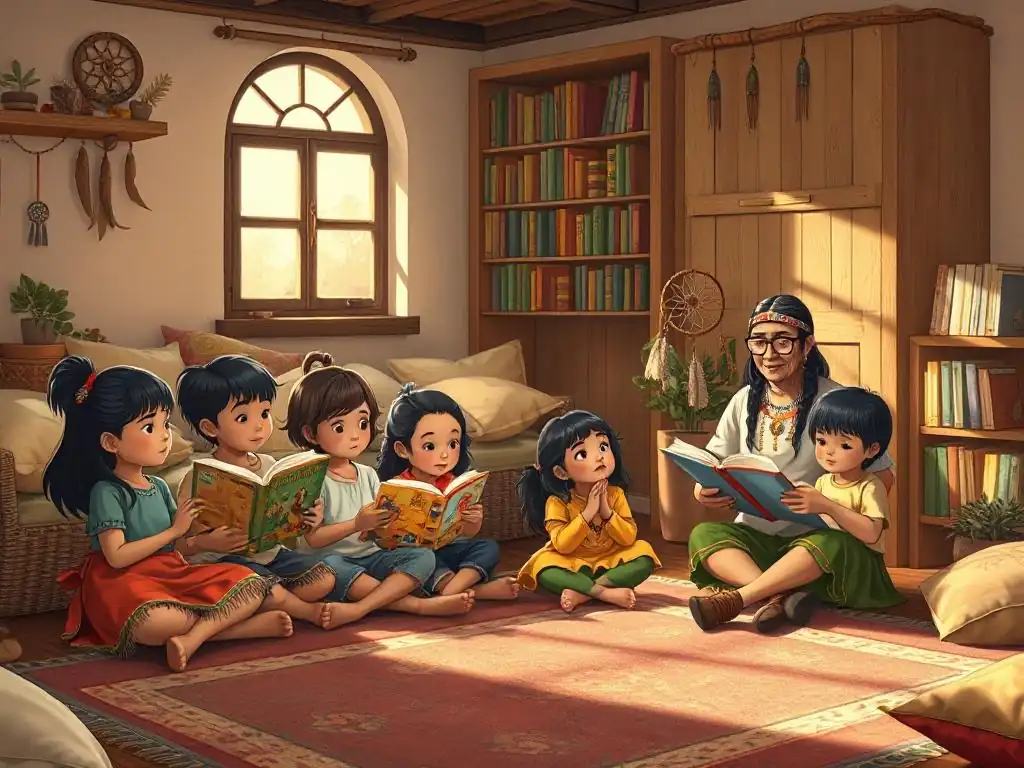
Tips for Parents and Educators on Selecting Books
When choosing Indigenous stories for children, it is essential to prioritize authenticity and representation. Here are some valuable tips to guide parents and educators in selecting appropriate literature:
- Seek Authentic Voices:
- Look for books written by Indigenous authors or those who have collaborated closely with Indigenous communities. This ensures that the stories are told from a place of genuine cultural understanding.
- Diversity of Narratives:
- Explore a variety of Indigenous cultures and tribes. For instance, stories from the Navajo, Lakota, Inuit, and Haudenosaunee offer different perspectives and experiences. This variety enriches children's understanding of the vastness of Indigenous cultures.
- Age Appropriateness:
- Consider the reading level and content suitability for the child’s age group. Books with simpler narratives might be more engaging for younger children, while older children can appreciate more complex themes and historical contexts.
- Incorporate Visuals:
- Choose books with vibrant illustrations that reflect Indigenous art styles and traditions. Visual storytelling can captivate children's attention and enhance their connection to the narrative.
- Check Reviews and Recommendations:
- Utilize resources like the American Indian Library Association (AILA) and other literary organizations that provide lists of recommended Indigenous literature for children. Reviews from trusted sources can help in making informed choices.
Creating a Diverse Reading List: Best Practices
Developing a diverse reading list is crucial for fostering empathy and understanding among children. Below are best practices for curating a robust selection of Indigenous stories for children:
- Thematic Grouping:
- Organize books by themes such as nature, family, traditions, and history. This helps children connect different narratives and appreciate common values across various cultures.
- Include Non-Fiction:
- Alongside storytelling, incorporate non-fiction books that explain Indigenous histories, cultures, and contributions to society. This can provide context and deepen children's understanding of the narratives they read.
- Create a Rotating Library:
- Regularly update your reading list to keep it fresh and engaging. Introduce new titles that highlight contemporary Indigenous authors and stories, as this reflects ongoing cultural evolution.
- Encourage Discussions:
- After reading, engage children in discussions about the stories. Ask questions like, “What did you learn about this culture?” or “How does this story relate to your own experiences?” This promotes critical thinking and connection.
- Utilize Online Resources:
- Explore websites and platforms dedicated to Indigenous literature. Many offer lists, author interviews, and educational materials that can supplement your reading list.
Engaging Children with Storytime Activities
To enhance the reading experience of Indigenous stories for children, incorporating interactive activities can deepen engagement. Here are some effective storytime activities:
- Story Mapping:
- After reading a story, create a visual map that outlines the main events and characters. This helps children visualize the narrative flow and reinforces comprehension.
- Cultural Crafting:
- Organize craft activities inspired by the stories. For example, if a story features traditional Indigenous art, children can create their own art pieces using similar techniques or materials.
- Role Play:
- Encourage children to act out parts of the story. This can be a fun way for them to engage with the characters and themes, allowing for a deeper emotional connection to the narrative.
- Nature Walks:
- If the story involves elements of nature, consider taking a nature walk where children can observe and discuss these elements in real life. This ties the reading experience to the world around them.
- Guest Speakers:
- Invite Indigenous storytellers or community members to share their stories and experiences. This can provide children with firsthand insights and foster a deeper understanding of the culture.
By integrating these practices, parents and educators can effectively incorporate Indigenous stories for children into reading habits, fostering empathy and understanding in the next generation.
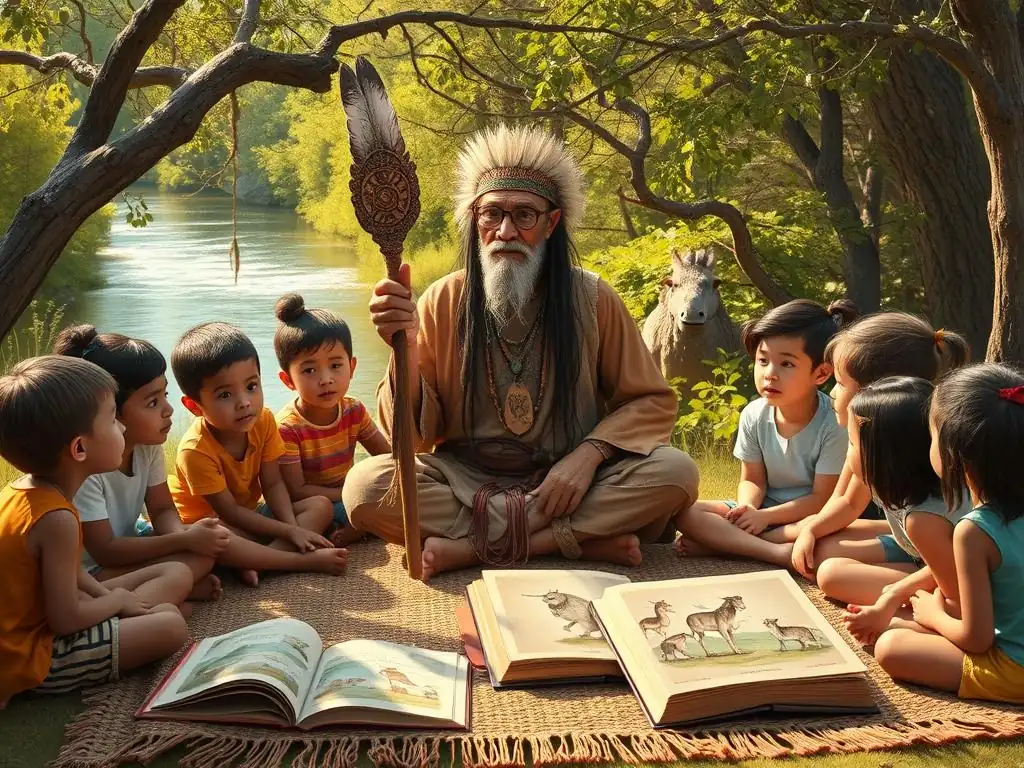
The Importance of Promoting Indigenous Voices in Literature
Promoting Indigenous voices in literature is crucial for several reasons. Firstly, it ensures that authentic narratives about Indigenous cultures, traditions, and histories are told from the perspective of those who have lived them. This is vital for fostering a true understanding of the diverse experiences and realities of Indigenous peoples, especially among young readers who are forming their views of the world.
Indigenous stories for children serve as an essential tool in building empathy and awareness. They challenge stereotypes and misconceptions often perpetuated by mainstream narratives. By integrating Indigenous perspectives into children’s literature, we create opportunities for children to engage with stories that resonate with their own experiences while learning about the rich tapestries of cultures different from their own.
Moreover, supporting Indigenous authors and publishers contributes to the preservation of languages and traditions. Many Indigenous stories are rooted in oral traditions, and transitioning these tales into written form helps to keep them alive for future generations. This is particularly important in a time when many Indigenous languages are at risk of extinction. By reading and sharing Indigenous literature, children can help keep these languages and stories vibrant.
Notable Indigenous Publishers and Where to Find Their Books
Several Indigenous publishers are dedicated to amplifying Indigenous voices and providing quality literature for children. Here’s a list of some notable publishers and details on where to find their books:
| Publisher | Focus | Website/Location |
|---|---|---|
| Native Voices | Supports Indigenous authors in various genres, including children’s literature. | Native Voices |
| Theytus Books | Focuses on Indigenous stories, including educational materials for children. | Theytus Books |
| Kegedonce Press | Publishes Indigenous stories for all ages, with a strong emphasis on children's literature. | Kegedonce Press |
| HighWater Press | Committed to publishing exceptional Indigenous literature, including children’s books. | HighWater Press |
These publishers not only provide a platform for Indigenous authors to share their stories but also ensure that these narratives are accessible to children and educators alike. By exploring books from these publishers, readers can discover a variety of Indigenous stories for children that inspire, educate, and foster a deeper appreciation of Indigenous cultures.
Supporting Indigenous authors and publishers is essential for nurturing a generation of readers who are informed, empathetic, and respectful of the rich histories and cultures of Indigenous peoples. By prioritizing Indigenous voices in literature, we pave the way for a more inclusive and understanding society.
Conclusion: Building a Future of Empathy Through Indigenous Stories
As we conclude our exploration of Indigenous stories for children, it is essential to recognize the powerful role that literature plays in shaping empathy and understanding among the next generation. By introducing children to the rich narratives of Indigenous cultures, we not only celebrate their achievements and histories but also foster a sense of connection and respect for diversity. These stories serve as bridges, allowing young readers to step into the shoes of others and appreciate the complexities of different worldviews.
The Lasting Impact of Reading Indigenous Literature
Reading Indigenous literature has profound effects on children's development, offering them insights into unique cultural perspectives. Here are some key impacts:
- Cultural Awareness: Exposure to Indigenous stories enhances children's understanding of various traditions, values, and lifestyles. It helps dismantle stereotypes and promotes a more nuanced view of Indigenous peoples.
- Empathy Development: Engaging with characters from diverse backgrounds allows children to cultivate empathy. They learn to recognize and appreciate the emotions, struggles, and triumphs of others, fostering a more compassionate society.
- Critical Thinking Skills: Many Indigenous stories incorporate lessons about community, respect for nature, and social justice. Readers are encouraged to think critically about these themes, leading to discussions that can challenge biases and encourage advocacy.
- Identity Formation: For Indigenous children, seeing themselves represented in literature can inspire a sense of pride in their heritage. It validates their experiences and reinforces the importance of their culture in the broader societal narrative.
Encouraging the Next Generation to Embrace Diversity
To nurture a love for Indigenous stories among children, several strategies can be implemented by parents, educators, and community leaders:
- Diverse Reading Lists:
- Curate reading lists that include a variety of Indigenous authors and genres.
- Encourage discussions about the different cultures portrayed in the stories.
- Interactive Storytelling:
- Organize storytelling sessions where Indigenous community members share their stories.
- Use dynamic methods like puppetry or dramatization to engage children actively.
- Creative Projects:
- Incorporate art and writing projects that allow children to express what they’ve learned from Indigenous stories.
- Encourage them to create their own narratives inspired by Indigenous themes, fostering creativity while deepening understanding.
- Community Engagement:
- Collaborate with local Indigenous organizations to offer workshops or events focused on storytelling.
- Create opportunities for children to connect with Indigenous leaders and storytellers, enriching their learning experience.
By implementing these strategies, we can encourage the next generation to embrace diversity through Indigenous stories, ensuring that the values of empathy and understanding are woven into the very fabric of their upbringing. As they grow, these lessons will empower them to advocate for inclusivity and respect for all cultures, ultimately building a brighter future for everyone. 🌍
Frequently Asked Questions
What are Indigenous stories for children?
Indigenous stories for children are narratives that reflect the cultural heritage and values of Indigenous peoples, often teaching important lessons about community, nature, and identity.
How can reading these stories build empathy in children?
Reading Indigenous stories helps children understand and appreciate diverse perspectives, fostering empathy by connecting them with the experiences and traditions of Indigenous cultures.
What age group is best suited for Indigenous stories?
Indigenous stories for children are often tailored for various age groups, but they are particularly engaging for young readers, typically from preschool through early elementary ages.
Where can I find Indigenous stories for children?
You can find Indigenous stories in libraries, bookstores, and online platforms that specialize in culturally relevant literature, as well as through Indigenous authors and organizations.
Sharing Indigenous stories with the next generation is crucial for preserving cultural heritage, promoting understanding, and encouraging respect for the diversity of human experiences and histories.
Final Reflection: Cultivating Empathy Through Indigenous Stories
In a world increasingly divided by differences, the power of storytelling remains a profound tool for fostering understanding and connection. Indigenous stories for children not only enrich young minds with cultural wisdom but also serve as a bridge to empathy, allowing future generations to appreciate the diverse tapestry of human experience. As we navigate contemporary challenges, the relevance of these narratives becomes ever more critical; they remind us that our shared humanity transcends boundaries and backgrounds.
The influence of Indigenous stories extends far beyond the pages of a book; they shape the cultural and social landscape by instilling values of respect, resilience, and community. These tales encourage children to see the world through different lenses, cultivating a sense of belonging and responsibility toward one another. As author and activist, Dr. Robin Wall Kimmerer, eloquently puts it, The stories we tell shape the world we live in.
This highlights the importance of integrating Indigenous narratives into our educational systems, as they not only honor the rich heritage of Indigenous peoples but also empower children to become compassionate stewards of the Earth.
As we reflect on the significance of Indigenous stories, let us invite ourselves and the next generation to engage with these narratives deeply and thoughtfully. Consider how you can incorporate these stories into your own life or share them with the children around you. By doing so, we can all contribute to a future where empathy and understanding flourish, paving the way for a more inclusive and harmonious society. Embrace the opportunity to learn from these rich traditions and inspire the hearts and minds of the next generation.
Ignite Change Through Empathy: Start Your Journey Today!
Thank you for taking the time to explore how Indigenous stories can foster empathy in the next generation! Your interest in this vital subject not only enriches your understanding but also promotes awareness and respect for diverse cultures. Now it's time to take action and make a difference.
- Dive into a new Indigenous story: Choose a book from our carefully curated reading list and embark on your journey today. Experience the rich narratives that can broaden your perspective!
- Share your insights: Discuss these stories with family and friends, or share your thoughts on social media to spark conversations about Indigenous cultures and histories.
- Join a local or online reading group: Connect with others to exchange insights and deepen your understanding of empathy and connection through storytelling.
What story has resonated with you the most, and how do you believe it can change perceptions about Indigenous cultures? Let's ignite a dialogue!