
The Use of Medicinal Plants in Indigenous Cuisine: A Natural Apothecary

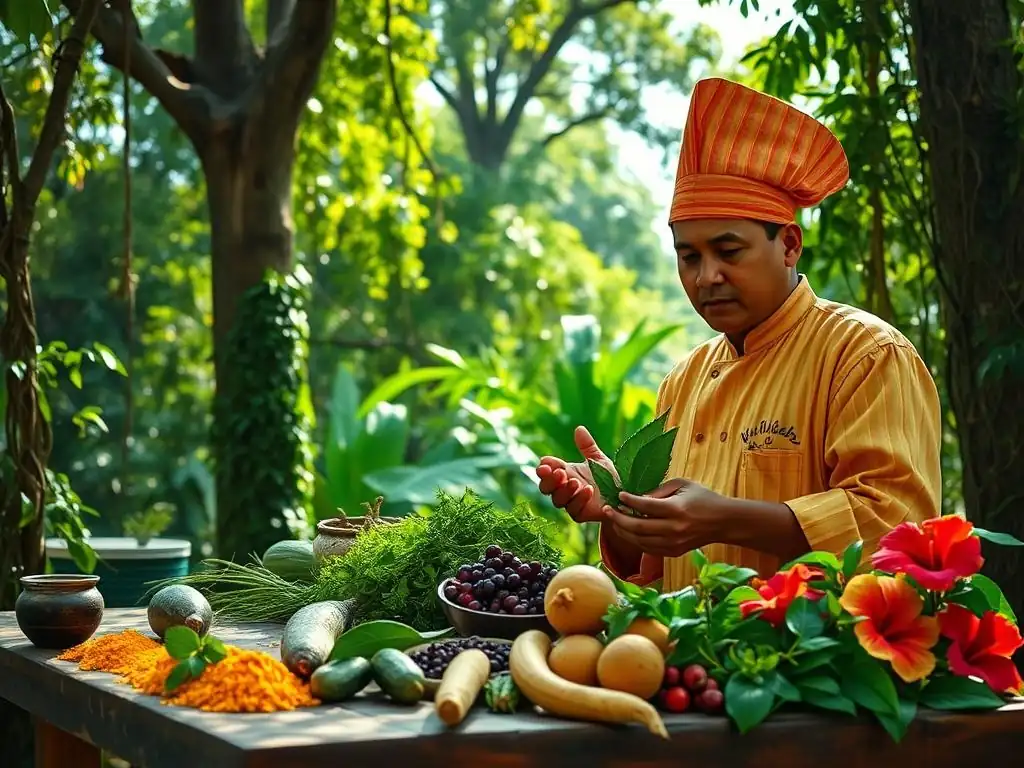
Welcome to Indigenous Civilizations of the Americas, where we embark on an enlightening journey through the rich tapestry of cultures that flourished long before European contact. Here, you'll discover the remarkable achievements and intricate societies that shaped the continent, revealing their enduring legacy. In our featured article, "The Use of Medicinal Plants in Indigenous Cuisine: A Natural Apothecary," we delve into the fascinating relationship between food and healing, exploring how indigenous peoples harnessed the power of nature to enhance their culinary practices.
Prepare to uncover the secrets of medicinal plants in indigenous cuisine—a topic that intertwines health, culture, and history. Join us as we celebrate the wisdom of these ancient traditions and inspire your curiosity to learn more!
Introduction to Medicinal Plants in Indigenous Cuisine
The rich tapestry of indigenous cultures in the Americas is intricately woven with the use of medicinal plants in indigenous cuisine. These plants have not only served as vital components of culinary traditions but have also played a crucial role in the health and well-being of indigenous communities. Long before the arrival of European settlers, indigenous peoples harnessed the power of nature, creating a profound relationship with the flora around them. This article delves into the vital role that medicinal plants have played in indigenous cuisines, exploring their definition, historical significance, and the health benefits they offer.
Definition of Medicinal Plants
Medicinal plants are defined as herbs, shrubs, or trees that possess therapeutic properties. These plants are utilized for their healing effects, often incorporated into food, beverages, and traditional medicines. In indigenous cultures, the knowledge of these plants is passed down through generations, often referred to as ethnobotany, which is the study of the relationship between people and plants. Indigenous peoples have cataloged numerous species, understanding not only their medicinal qualities but also their cultural importance.
Some common examples of medicinal plants include:
- Echinacea: Known for its immune-boosting properties.
- Chamomile: Often used for its calming effects.
- Ginger: Valued for its anti-inflammatory and digestive benefits.
- Peppermint: Recognized for its soothing effects on the digestive system.
Importance of Indigenous Cuisine and Its Health Benefits
Indigenous cuisine is characterized by its deep connection to the land and the use of local ingredients, including medicinal plants. These culinary practices are more than mere sustenance; they are a reflection of cultural identity, sustainability, and health. The incorporation of medicinal plants enhances the nutritional profile of indigenous dishes, providing not only flavor but also substantial health benefits.
Research indicates that many traditional dishes can aid in the prevention and management of various health conditions. For instance, the use of turmeric in cooking is linked to anti-inflammatory properties, while the consumption of berries is associated with improved heart health.
Indigenous cuisines often promote:
- Holistic healing: Food is viewed as a source of nourishment for the body and spirit.
- Sustainability: Utilizing local resources fosters a respectful relationship with the environment.
- Cultural preservation: Recipes and practices are a means of passing down traditions.
Historical Context of Medicinal Plants in Indigenous Cultures
Ancient Practices of Using Plants for Healing
The use of medicinal plants in indigenous cultures dates back thousands of years. Archaeological evidence indicates that many civilizations, such as the Maya and Aztec, had extensive knowledge of herbal medicine. These ancient practices were rooted in spirituality and community, where healers, often referred to as shamans or medicine people, played a crucial role in society.
Through observation and experimentation, indigenous peoples learned which plants could alleviate ailments, leading to the establishment of sophisticated herbal pharmacopoeias. These practices included:
- Infusions: Steeping leaves or flowers to extract medicinal properties.
- Poultices: Crushing plants to apply directly to the skin for localized healing.
- Decoctions: Boiling roots or bark to create concentrated medicinal brews.
Cultural Significance of Culinary Herbs and Medicinal Plants
Medicinal plants hold deep cultural significance in indigenous societies. They are often intertwined with rituals, mythology, and daily life. The knowledge surrounding these plants is sacred, and their use is often accompanied by specific ceremonies or traditions.
For example, in many cultures, the act of gathering medicinal plants is seen as a spiritual practice, connecting individuals to their ancestors and the earth. Furthermore, culinary herbs are not just for flavor; they are symbols of identity and heritage. The preservation of these practices is crucial for maintaining cultural integrity and promoting the health of future generations.
The integration of medicinal plants in indigenous cuisine underscores a holistic approach to health and well-being, showcasing the wisdom of indigenous cultures that continues to resonate today.
Types of Medicinal Plants Commonly Used in Indigenous Cuisine
Indigenous cultures across the Americas have a rich tradition of utilizing medicinal plants in their culinary practices. These plants are not only integral to their diet but also play a significant role in holistic healing. The following are some of the most commonly used medicinal plants in indigenous cuisine:
- Echinacea: Known for its immune-boosting properties, this plant is often used in teas and soups.
- Chili Peppers: Apart from adding flavor, they are believed to aid digestion and circulation.
- Garlic: A staple in many cuisines, garlic is celebrated for its antibacterial and antifungal properties.
- Sage: Used not only for its flavor but also for its anti-inflammatory effects.
- Cilantro: Known for detoxifying properties, cilantro is often included in salsas and herbal mixtures.
- Dandelion: Every part of this plant can be consumed; it is rich in vitamins and is believed to support liver health.
- Burdock Root: Often used in soups, it is known for its blood-purifying properties.
Overview of Key Medicinal Plants
Medicinal plants play a dual role in indigenous cuisine, serving both nutritional and therapeutic purposes. For instance, Echinacea is often brewed as a tea to alleviate symptoms of colds and flu, while Garlic is renowned for its ability to combat infections. Chili Peppers, besides enhancing the flavor of dishes, contain capsaicin, which has been shown to relieve pain and inflammation.
In many indigenous communities, these plants are sourced from local environments, emphasizing sustainability and respect for nature. The knowledge of these plants has been passed down through generations, reflecting a deep understanding of their properties and benefits.
Nutritional and Healing Properties of Each Plant
| Plant | Nutritional Benefits | Healing Properties |
|---|---|---|
| Echinacea | High in antioxidants | Boosts immune system, reduces inflammation |
| Chili Peppers | Rich in vitamins A and C | Aids digestion, boosts metabolism |
| Garlic | Contains allicin, vitamin C, selenium | Antimicrobial, anti-inflammatory |
| Sage | High in vitamins K and B | Antioxidant, anti-inflammatory |
| Cilantro | Rich in vitamins A, C, and K | Detoxifying, anti-inflammatory |
| Dandelion | High in vitamins A, C, and E | Supports liver health, diuretic |
| Burdock Root | Rich in fiber and antioxidants | Blood purifier, supports skin health |
The Role of Medicinal Plants in Traditional Recipes
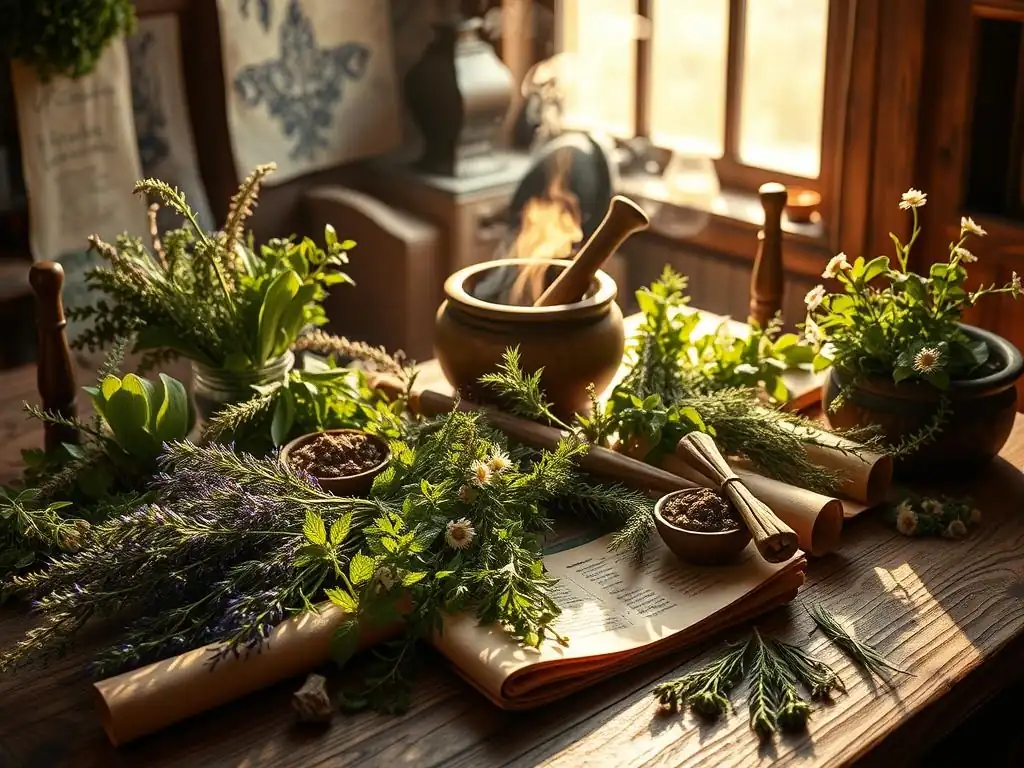
Medicinal plants are intricately woven into traditional recipes, enhancing not only the flavors but also the therapeutic qualities of the meals. Many indigenous culinary practices involve the preparation of dishes that combine various medicinal plants, creating a harmonious blend of taste and health benefits.
Integrating Medicinal Plants into Everyday Meals
Incorporating medicinal plants into daily diets can transform ordinary meals into nutrient-rich powerhouses. For example, a simple broth made from Garlic and Echinacea can serve as a restorative soup, particularly during cold seasons. Chili Pepper can be added to stews and salsas for both flavor and its health benefits. Indigenous chefs often emphasize the importance of using fresh, locally sourced plants to maximize the nutritional content.
Case Studies of Indigenous Dishes Featuring Medicinal Plants
- Sopa de Ajo (Garlic Soup): A traditional dish from various indigenous cultures, this hearty soup utilizes garlic for its antimicrobial properties. It often includes other herbs and spices that enhance its flavor and health benefits.
- Chili Verde: This dish features tomatillos and green chili peppers, known for their digestive aids and anti-inflammatory properties, making it a staple in many indigenous communities.
- Dandelion Salad: A refreshing salad made from young dandelion leaves, which are rich in vitamins and believed to improve liver function. This dish is often complemented with a citrus dressing that enhances the detoxifying effects.
These examples illustrate how indigenous communities have skillfully blended culinary art with medicinal knowledge, preserving their cultural heritage while promoting health and wellness through food.
Regional Variations in the Use of Medicinal Plants
Medicinal plants have been integral to indigenous cuisines across the Americas, each region showcasing unique practices and plant varieties that reflect the local environment, cultural beliefs, and historical practices. The use of these plants not only enhances flavor but also offers therapeutic benefits, underlining the deep connection between health and food in indigenous cultures. Here, we explore the distinctive approaches to medicinal plants in North, South, and Caribbean indigenous cuisines.
North American Indigenous Cuisine
In North America, various indigenous tribes have long utilized local flora in their culinary practices. For instance, the Native American tribes in the Great Plains often incorporated echinacea and sage into their dishes for both flavor and medicinal properties. Echinacea, known for its immune-boosting effects, was frequently brewed into teas, while sage served as a seasoning that also carried anti-inflammatory properties.
Additionally, the use of wild garlic and juniper berries by tribes in the Pacific Northwest highlights the importance of regional biodiversity. These plants were not only used for their flavors but also for their antiseptic and digestive benefits. The holistic approach to food in these communities emphasizes the concept of food as medicine, a principle that continues to resonate in contemporary practices.
South American Indigenous Cuisine
South America is home to an astonishing variety of medicinal plants that have been woven into the fabric of indigenous cuisine. The Andean cultures, for example, have long relied on quinoa and amaranth, both of which offer nutritional benefits alongside their culinary uses. These grains are often accompanied by maca, a root known for its energizing properties, demonstrating the cultural practice of combining taste with health benefits.
In the Amazon rainforest, the use of ayahuasca demonstrates a spiritual aspect of food preparation. While primarily known as a psychoactive brew, its preparation and consumption are deeply rooted in cultural rituals surrounding healing and connection with ancestors. Other plants, like camu camu and guayusa, are consumed for their high vitamin C content and energizing effects, respectively, showcasing a sophisticated understanding of nutrition and health within indigenous cooking.
Caribbean Indigenous Cuisine
The Caribbean indigenous cultures also reflect a rich tradition of utilizing medicinal plants in their culinary practices. The Taíno people, for example, utilized cassava not only as a staple food but also incorporated it into medicinal remedies, believing it to have properties that supported digestive health.
Other plants, such as soursop and bitter melon, were cherished for their health benefits. Soursop is known for its potential anti-cancer properties, and its fruit is often used in drinks, while bitter melon is frequently included in dishes for its blood sugar-regulating effects. This synergy of cuisine and health within Caribbean indigenous cultures illustrates a holistic approach to food that continues to influence contemporary dietary practices in the region.
The Modern Relevance of Medicinal Plants in Indigenous Cuisine
As society becomes increasingly aware of the importance of sustainable and natural food sources, the relevance of medicinal plants in indigenous cuisine is gaining renewed attention. This resurgence emphasizes traditional practices and the ecological wisdom embedded in indigenous food systems.
Resurgence of Interest in Traditional Food Practices
In recent years, there has been a significant resurgence of interest in traditional food practices that incorporate medicinal plants. This trend is driven by a growing awareness of the health benefits associated with natural ingredients and the therapeutic potential of plants. Indigenous chefs and community leaders are advocating for the revival of traditional cuisines that feature these plants, promoting not only cultural heritage but also the importance of food sovereignty.
Workshops, culinary tours, and community gardens focusing on indigenous plants are becoming increasingly popular, allowing younger generations to reconnect with their culinary roots. This shift not only honors the wisdom of ancestral practices but also fosters a sustainable approach to food that respects the environment and enhances community well-being.
Medicinal Plants as a Sustainable Food Source
Medicinal plants are increasingly recognized as a sustainable food source that can contribute to food security and health. Many of these plants are resilient, requiring minimal resources to grow, which aligns with the principles of sustainable agriculture.
By incorporating medicinal plants into modern diets, communities can enhance nutritional diversity while addressing health challenges such as obesity and diabetes. For example, integrating plants like nettle and dandelion into meals can provide essential vitamins and minerals, all the while reflecting the wisdom of indigenous practices. Emphasizing these plants in contemporary cuisine not only preserves cultural heritage but also offers practical solutions for modern nutritional needs, illustrating the enduring legacy of indigenous knowledge in today's food systems.
Challenges Facing the Use of Medicinal Plants in Indigenous Cuisine
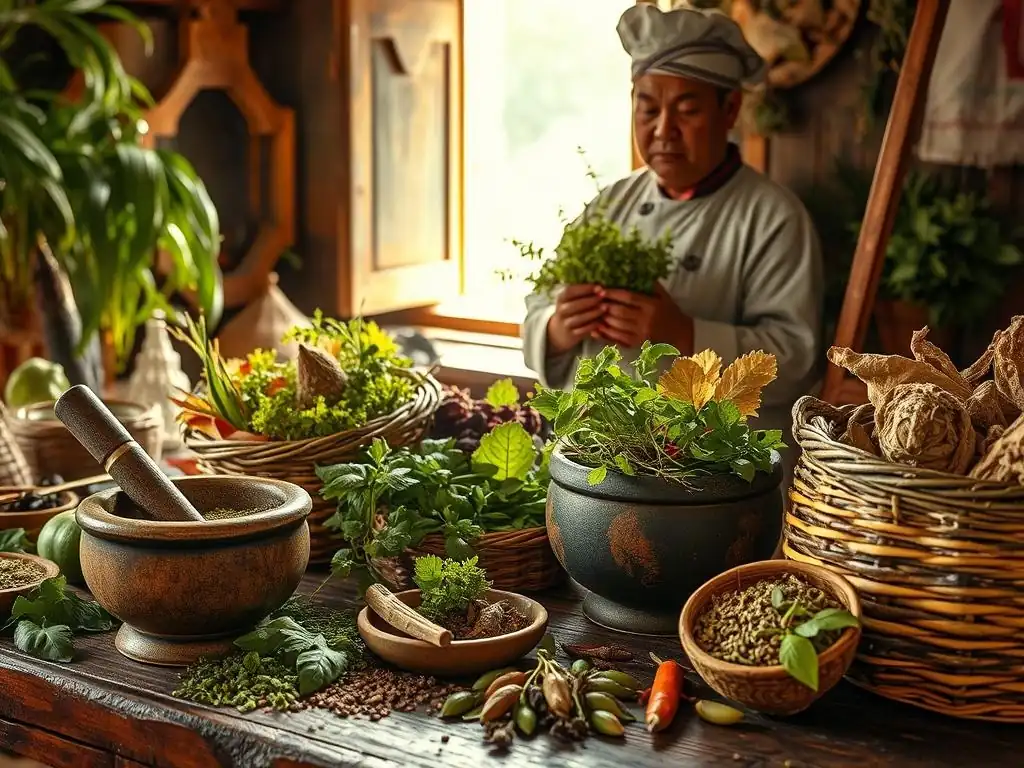
The use of medicinal plants in indigenous cuisine faces several challenges that threaten the continuity of these practices and the overall health of the ecosystems that support them. Understanding these challenges is crucial for preserving not only the plants themselves but also the rich culinary traditions that have utilized them for generations.
Preservation of Traditional Knowledge
One of the most significant challenges is the preservation of traditional knowledge regarding the use of medicinal plants. As global modernization accelerates, the transmission of knowledge from elders to younger generations has become increasingly difficult. Many indigenous communities face:
- Cultural Disruption: Urban migration and assimilation into dominant cultures often lead to a loss of language and customs, including culinary practices.
- Generational Gaps: Younger individuals may not have the same access to their elders or the traditional settings where this knowledge was once shared.
- Documenting Practices: There is a lack of formal documentation for many indigenous culinary practices, leading to the risk of this knowledge being lost forever.
Efforts to document and pass on this knowledge, such as community workshops and educational programs, are essential to ensure that these practices continue to thrive.
Environmental Threats to Medicinal Plant Species
Environmental threats pose a significant risk to the availability of medicinal plants used in indigenous cuisine. Key factors include:
- Deforestation: The clearing of forests for agriculture or urban development directly impacts the habitats of numerous medicinal plants, leading to a decline in their populations.
- Climate Change: Altered weather patterns can affect the growth cycles and distribution of medicinal plants, making it difficult for indigenous communities to find and harvest them.
- Overharvesting: Unsustainable harvesting practices can deplete local plant populations, especially when demand for medicinal plants increases due to interest from non-indigenous consumers.
Addressing these environmental threats requires a collaborative approach that involves indigenous knowledge, conservation efforts, and sustainable land management practices.
Conclusion: The Future of Medicinal Plants in Indigenous Cuisine
The future of medicinal plants in indigenous cuisine depends on collective efforts to overcome the challenges faced by these communities. Emphasizing the importance of preserving traditional practices and promoting sustainable use of resources will be vital in maintaining the relationship between indigenous cultures and their natural environments.
The Importance of Preserving Culinary Heritage
Preserving culinary heritage is crucial for maintaining the identity and cultural expressions of indigenous communities. Medicinal plants play a central role in their cuisines, serving not only as food but also as integral components of their cultural rituals and social gatherings. By safeguarding this heritage, we:
- Strengthen Community Identity: Culinary practices foster a sense of belonging and continuity within communities.
- Promote Biodiversity: Maintaining traditional uses of plants encourages the conservation of biodiversity within local ecosystems.
- Enhance Cultural Exchange: Sharing knowledge about these plants can foster respect and understanding between diverse cultures.
Efforts to document and celebrate indigenous culinary practices are essential for future generations.
Encouraging Sustainable Practices and Education
Encouraging sustainable practices and education is key to ensuring the continued use of medicinal plants in indigenous cuisine. Strategies include:
- Community-Based Education: Implementing programs that teach the value of medicinal plants and traditional cooking methods can empower younger generations.
- Sustainable Harvesting Techniques: Educating communities about sustainable harvesting can help protect plant populations while allowing for their continued use.
- Collaboration with Environmental Organizations: Partnering with organizations focused on conservation can provide resources and support for indigenous communities in their efforts to protect medicinal plants.
By fostering a culture of sustainability and education, the rich traditions of medicinal plants in indigenous cuisine can be preserved and celebrated for years to come.
References and Further Reading on Medicinal Plants in Indigenous Cuisine
Exploring the rich tapestry of medicinal plants used in indigenous cuisine provides invaluable insights into the cultural heritage and traditional practices of various communities. Below are key resources that can deepen your understanding of this fascinating topic.
Suggested Books and Articles
- "Healing with Plants in the American and Mexican West" by Gregory L. Tilford
- This book offers an in-depth look at over 100 plants used by Native American tribes for medicinal purposes. It emphasizes the importance of these plants in daily life and their integration into culinary practices.
- "Plants of the Native American Medicine Wheel" by Michael A. Weiner
- Weiner's work explores the medicinal plants linked to the concept of the Medicine Wheel, showcasing how these plants are used not only for healing but also in various culinary applications.
- "The Ethnobotany of Indigenous Peoples in North America" (Journal Article)
- This article reviews various ethnobotanical studies, detailing how indigenous cultures have utilized local flora for both nutritional and medicinal purposes, providing context for their culinary traditions.
- "Culinary Herbs and Medicinal Plants of the Americas" by John T. E. Kelsey
- A comprehensive guide that intersects culinary uses and medicinal properties of herbs, offering recipes and traditional uses by indigenous peoples.
- "Indigenous Knowledge and the Health of the Planet: The Role of Medicinal Plants in Food Security" (Research Report)
- This report discusses the connection between traditional knowledge of medicinal plants and food security, highlighting indigenous practices in cuisine that promote sustainability.
Relevant Documentaries and Resources
- "The Sacred Science" (Documentary)
- This documentary follows a group of individuals as they journey into the Amazon rainforest to learn about indigenous healing practices. It emphasizes the role of medicinal plants in both health and cuisine.
- "Wild Food and Medicine" (YouTube Series)
- This series features indigenous chefs and herbalists as they share their knowledge of foraging, preparation, and the medicinal properties of local plants, blending culinary traditions with healing practices.
- "Food as Medicine: The Role of Indigenous Plants" (Webinar)
- A recorded webinar featuring experts discussing the importance of indigenous plants in traditional diets and their medicinal applications, along with live cooking demonstrations.
- "Herbal Medicine: A Guide to the Medicinal Plants of North America" (Online Resource)
- This website serves as a database for various medicinal plants used by indigenous peoples, including their culinary applications, preparation methods, and health benefits.
- "Ancient Cultures and the Healing Power of Food" (Podcast Series)
- This podcast delves into the intersection of food, culture, and medicine among indigenous groups, featuring interviews with tribal elders and modern practitioners of traditional cuisine.
- Introduction to Medicinal Plants in Indigenous Cuisine
- Historical Context of Medicinal Plants in Indigenous Cultures
- Types of Medicinal Plants Commonly Used in Indigenous Cuisine
- The Role of Medicinal Plants in Traditional Recipes
- Regional Variations in the Use of Medicinal Plants
- The Modern Relevance of Medicinal Plants in Indigenous Cuisine
- Challenges Facing the Use of Medicinal Plants in Indigenous Cuisine
- Conclusion: The Future of Medicinal Plants in Indigenous Cuisine
- References and Further Reading on Medicinal Plants in Indigenous Cuisine
Frequently Asked Questions
What are medicinal plants in indigenous cuisine?
Medicinal plants in indigenous cuisine refer to herbs and plants that not only enhance flavor but also provide health benefits. They have been used traditionally for their therapeutic properties.
How did indigenous cultures utilize medicinal plants?
Indigenous cultures utilized medicinal plants by incorporating them into their daily meals and traditional remedies, ensuring a holistic approach to health and nutrition. They recognized the healing properties of various plants.
Why are medicinal plants significant in indigenous cultures?
Medicinal plants are significant in indigenous cultures as they reflect a deep understanding of local ecosystems and the interconnection between food and health. Their usage is rooted in centuries of traditional knowledge.
Can you name some common medicinal plants used in indigenous cuisine?
Some common medicinal plants include sage, yarrow, and chamomile. These plants are valued not only for their flavors but also for their medicinal properties, often used to treat various ailments.
How does the use of medicinal plants impact modern diets?
The use of medicinal plants enriches modern diets by introducing natural remedies and promoting sustainable practices. As interest in health and wellness grows, these plants offer a bridge between traditional knowledge and contemporary culinary practices.
Final Reflection: Embracing the Wisdom of Medicinal Plants in Indigenous Cuisine
The integration of medicinal plants in indigenous cuisine is not just a culinary practice; it is a profound connection to heritage, health, and sustainability. In today’s fast-paced world, where synthetic solutions often overshadow natural remedies, the resurgence of interest in these time-honored practices serves as a reminder of the invaluable knowledge held by indigenous cultures. This connection to nature and tradition is more relevant than ever as we seek holistic approaches to health and wellness.
Cultural and social landscapes are continually shaped by the wisdom of our ancestors, and the use of medicinal plants in indigenous cuisine is a testament to this enduring legacy. The culinary practices of indigenous peoples not only nourish the body but also foster a deep respect for the environment and its resources.
As we embrace these traditions, we recognize that “the food we eat is a reflection of our culture, our history, and our relationship with the earth.” > This quote encapsulates the essence of how food transcends mere sustenance, becoming a bridge between generations and a source of healing.
As you reflect on the lessons of this article, consider how you can incorporate the principles of indigenous cuisine into your own life. Explore the world of medicinal plants, not just as ingredients but as a way to connect with nature and your heritage. Whether through cooking, gardening, or learning about the plants that have been used for generations, take a moment to appreciate the rich tapestry of knowledge that surrounds us. Let this be an invitation to honor the past while nurturing a healthier future, both for ourselves and for the planet.
Unleash the Healing Power of Nature!
Thank you for exploring the fascinating world of medicinal plants in Indigenous cuisine! Your interest in this unique blend of culture and nutrition is invaluable, and we're thrilled to have guided you through the rich tradition of natural remedies. Now, it’s time to put that knowledge into action!
Here are a few ways you can deepen your connection with this theme:
- Start with a Plant: Choose a local medicinal plant to incorporate into your meals this week. Research its benefits and traditional uses in Indigenous cuisine.
- Share Your Journey! Document your experiences and recipes using medicinal plants on social media. Tag us and use the hashtag #IndigenousCuisine to inspire others.
- Join or Organize a Workshop: Connect with local Indigenous communities or organizations to participate in workshops that teach about herbal medicine and cooking traditions.
What medicinal plant are you excited to try in your kitchen, and how do you think it can enhance your meals? Let's spark a conversation!