
Stone and Sky: The Symbolism Behind Tiahuanaco's Iconic Monuments

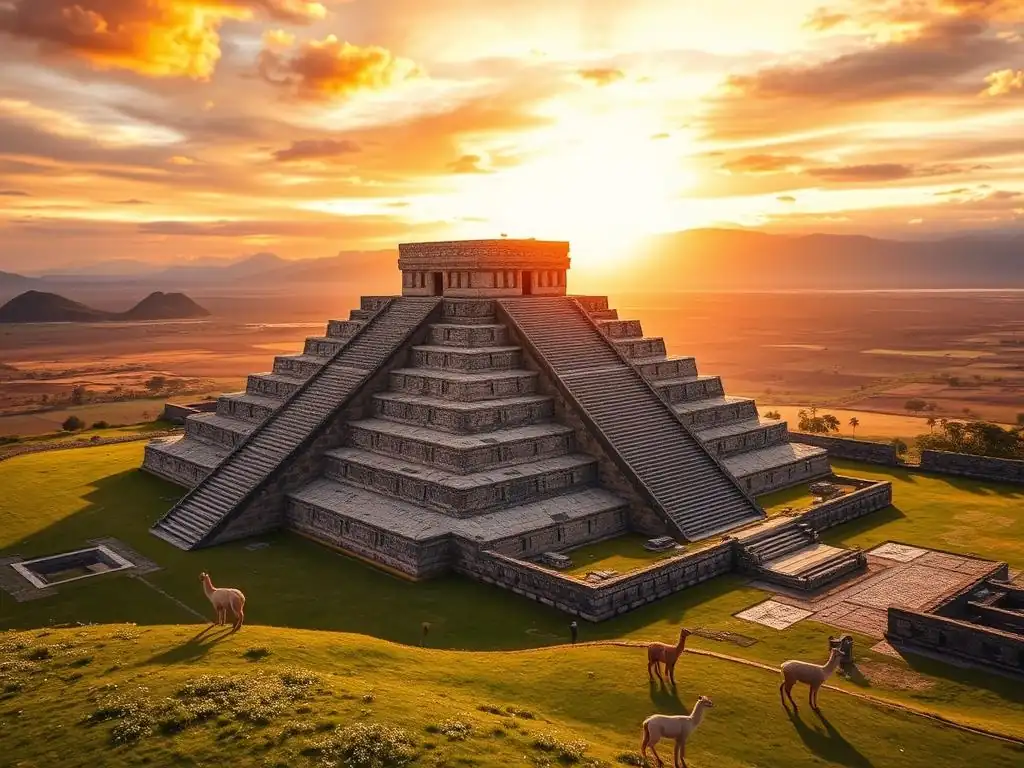
Welcome to Indigenous Civilizations of the Americas, where we invite you to embark on a captivating journey through the rich tapestry of pre-colonial cultures that shaped the Americas. Our featured article, "Stone and Sky: The Symbolism Behind Tiahuanaco's Iconic Monuments," delves into the fascinating history and intricate symbolism of Tiahuanaco’s monumental structures. Discover the profound meanings behind these awe-inspiring creations and how they reflect the innovative spirit and complex societies of the indigenous peoples. Join us as we unravel the mysteries and legacies of these ancient civilizations—your exploration begins here!
- Introduction to Tiahuanaco Monuments Symbolism
- The Historical Context of Tiahuanaco Monuments
- Iconic Monuments of Tiahuanaco and Their Symbolism
- The Connection Between Stone and Sky in Tiahuanaco
- Cultural and Spiritual Significance of Tiahuanaco Monuments
- Modern Interpretations of Tiahuanaco Monuments Symbolism
- Conclusion: The Enduring Symbolism of Tiahuanaco Monuments
- Frequently Asked Questions
- Final Reflection: The Enduring Legacy of Tiahuanaco's Monuments
- Unveil the Mysteries of Tiahuanaco!
Introduction to Tiahuanaco Monuments Symbolism
The Tiahuanaco civilization, located near the southern shores of Lake Titicaca in present-day Bolivia, is one of the most significant ancient cultures in the Americas. Renowned for its monumental architecture and sophisticated urban planning, Tiahuanaco flourished from approximately 300 to 1000 AD, leaving behind an array of awe-inspiring structures that continue to captivate researchers and visitors alike.
This article delves into the profound symbolism embedded within Tiahuanaco's iconic monuments, exploring how these architectural marvels reflect the beliefs, values, and societal organization of the Tiahuanaco people. By examining the intricate relationship between stone and sky, we uncover the cultural significance of these structures, offering insights into the historical context and enduring legacy of Tiahuanaco civilization.
Overview of Tiahuanaco Culture and Architecture
Tiahuanaco represents a remarkable chapter in the history of pre-Columbian America. The civilization is characterized by its impressive architectural achievements, including the Puma Punku, Akapana, and the Gateway of the Sun. These structures are not merely artistic expressions; they encapsulate a complex worldview that intertwines spiritual beliefs with the environment.
- Puma Punku: Known for its precisely cut stone blocks, this site exemplifies advanced engineering skills. The alignment of buildings with astronomical phenomena suggests a deep understanding of the cosmos.
- Akapana: This step pyramid is thought to have served both religious and administrative purposes, symbolizing the connection between the earthly realm and the heavens.
- Gateway of the Sun: This monumental archway is adorned with intricate carvings that depict various deities and symbols, offering a glimpse into the rich spiritual life of the Tiahuanaco people.
The architectural style of Tiahuanaco combines utilitarian design with profound spiritual significance, as each monument was meticulously planned to reflect a harmonious relationship between the earth and the celestial realm.
Importance of Symbolism in Ancient Civilizations
Symbolism played a pivotal role in ancient civilizations, serving as a means of communication beyond the spoken word. For the Tiahuanaco people, symbols were not just decorative; they were integral to their identity and worldview. The monuments of Tiahuanaco are imbued with layers of meaning, encapsulating concepts of power, divinity, and the cyclical nature of life.
- Cultural Identity: Symbols served to reinforce communal beliefs and values, allowing individuals to connect with their heritage and the cosmos.
- Religious Significance: Many structures were designed to align with celestial events, indicating the importance of astronomy in religious practices and daily life.
- Social Structure: The scale and complexity of monuments reflect the organization of Tiahuanaco society, highlighting the roles of the elite and the laborers who constructed these grand edifices.
By understanding the symbolism behind Tiahuanaco's monuments, we gain insight into the civilization's worldview and the profound ways in which they engaged with their environment, both physically and spiritually. This exploration not only enriches our knowledge of Tiahuanaco culture but also emphasizes the significance of symbolic expression in the broader context of ancient civilizations across the Americas.
The Historical Context of Tiahuanaco Monuments
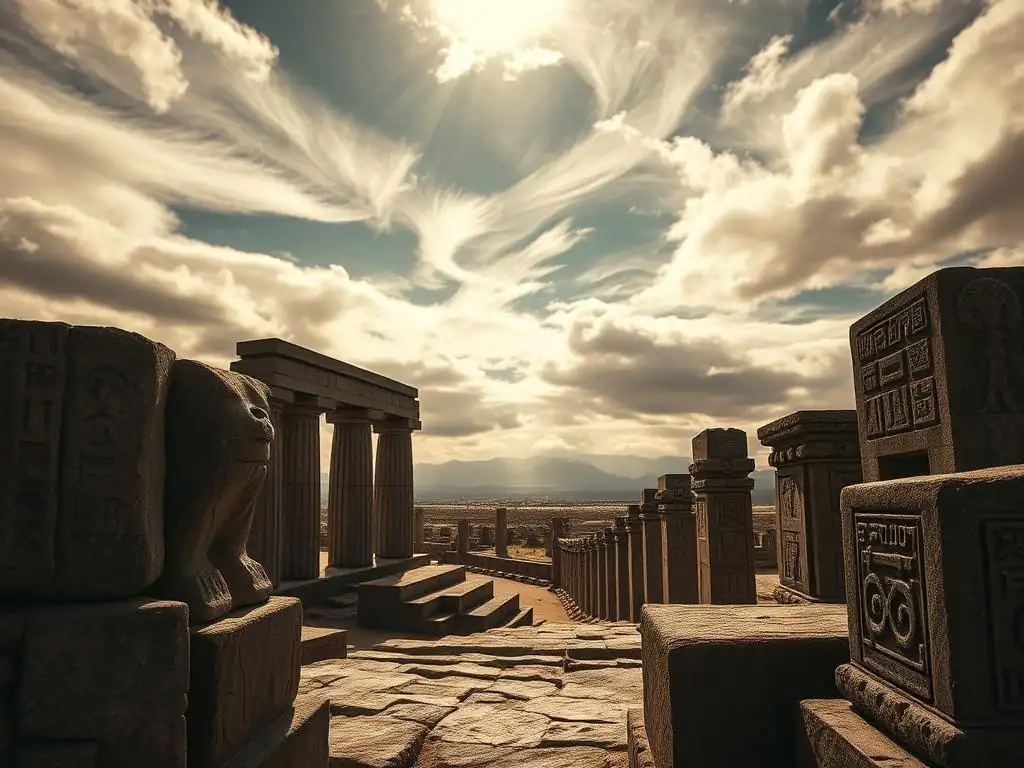
The Tiahuanaco civilization, flourishing between approximately 400 AD and 1000 AD, is renowned for its monumental architecture and intricate symbolism. This section delves into the historical context surrounding the development of Tiahuanaco's iconic monuments, shedding light on the achievements and influences that shaped their construction.
Timeline of Tiahuanaco's Development and Achievements
The history of Tiahuanaco is marked by significant milestones that reflect its architectural and cultural evolution. Here’s a detailed timeline highlighting key phases:
| Year | Event Description |
|---|---|
| 400 AD | Establishment of Tiahuanaco as a significant urban center. |
| 600 AD | Expansion of the ceremonial core, including the Akapana pyramid. |
| 700 AD | Construction of the Gateway of the Sun, a notable architectural feat. |
| 800 AD | Peak of Tiahuanaco's influence, with extensive trade networks established. |
| 900 AD | Artistic and architectural innovations, including stone carving and monoliths. |
| 1000 AD | Decline of Tiahuanaco, attributed to environmental changes and resource depletion. |
This timeline highlights how Tiahuanaco transitioned from a nascent settlement to a major cultural hub, showcasing architectural prowess through its monuments, which served both religious and social functions.
Key Historical Events Influencing Monument Construction
Several key historical events significantly influenced the construction of Tiahuanaco monuments. Understanding these events is crucial to comprehending the symbolism embedded within these structures.
-
Cultural Syncretism (c. 400-600 AD)
The early years of Tiahuanaco saw the merging of local Aymara traditions with influences from other cultures, including the Wari. This syncretism is evident in architectural styles and religious practices, contributing to the symbolic complexity of the monuments.
-
Rise of Religious Practices (c. 600-800 AD)
As Tiahuanaco's population grew, so did its religious significance. The construction of large temples and ceremonial sites, such as the Tiwanaku Temple Complex, reflects an increasing emphasis on spirituality and cosmology, suggesting that the monuments served as expressions of the society's religious identity.
-
Trade Expansion (c. 800-1000 AD)
Tiahuanaco was strategically located along trade routes connecting the highlands and lowlands. This economic prosperity allowed for the investment in monumental architecture, with materials sourced from distant regions. The monuments, such as the Pumapunku, not only showcased Tiahuanaco's wealth but also its cultural exchanges, marking it as a pivotal trade hub.
-
Environmental Challenges (c. 900-1000 AD)
Environmental factors, including droughts and soil degradation, began to impact Tiahuanaco's agricultural base. These challenges influenced the society's architectural focus, possibly leading to the construction of monuments that reflected resilience and adaptation, illustrated through the use of advanced irrigation systems.
-
Political Consolidation (c. 600-900 AD)
The consolidation of power among local elites facilitated large-scale monument construction. This period saw the establishment of social hierarchies, where monumental architecture functioned as a means of reinforcing authority and unity within the community. The symbolism behind the monuments often aligned with the political narratives that sought to legitimize leadership.
The historical context of Tiahuanaco monuments is deeply intertwined with cultural, religious, economic, and environmental factors. Each monument serves as a testament to the civilization's achievements and the complex symbolism that continues to intrigue scholars and visitors alike.
Iconic Monuments of Tiahuanaco and Their Symbolism
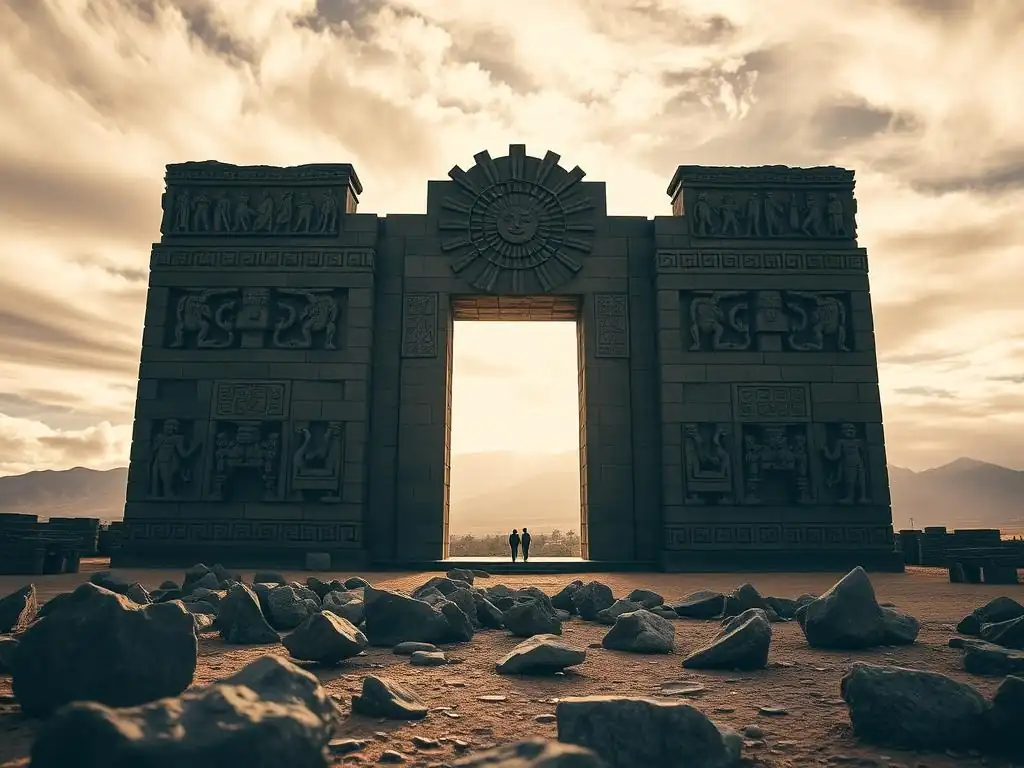
The monuments of Tiahuanaco, an ancient city located near the southern shore of Lake Titicaca in Bolivia, serve as profound testaments to the sophisticated architectural and spiritual practices of the Tiahuanaco civilization. These structures not only showcase advanced engineering techniques but also embody rich symbolism that reflects the cultural and religious beliefs of their creators. Understanding the Tiahuanaco monuments' symbolism helps us appreciate their significance in the broader context of indigenous civilizations in the Americas.
The Gateway of the Sun: An Architectural Marvel
The Gateway of the Sun, or Puerta del Sol, is one of the most iconic monuments of Tiahuanaco, standing as a remarkable example of the civilization's architectural ingenuity. This massive stone archway, carved from a single block of andesite, measures approximately 3.6 meters high and 4.5 meters wide, showcasing intricate carvings and reliefs.
Symbolic Meanings Behind the Gateway of the Sun
The symbolism behind the Gateway of the Sun is multifaceted, intertwining themes of cosmology, spirituality, and societal order.
- Cosmological Significance: The gateway is aligned with astronomical events, particularly the solstices and equinoxes. This alignment suggests that the Tiahuanaco people had a profound understanding of celestial movements, which played a crucial role in their agricultural practices and religious ceremonies.
- Deity Representation: At the center of the gateway is a carved figure believed to represent a sun god or a deity associated with agricultural fertility. This figure is often interpreted as a symbol of life, renewal, and the cyclical nature of existence. The sun, as a vital source of energy, was central to the Tiahuanaco cosmology.
- Cultural Identity: The Gateway of the Sun also serves as a cultural emblem for the Tiahuanaco civilization, highlighting their artistic and architectural achievements. The elaborate carvings depict various figures, including animals and mythological beings, which represent the interconnectedness of nature and humanity.
The Akapana Pyramid: Structure and Significance
The Akapana Pyramid is another monumental structure that speaks volumes about the Tiahuanaco civilization's architectural prowess and spiritual beliefs. This step-pyramid, approximately 18 meters high, is constructed using large stone blocks and features a terraced design that symbolizes the relationship between the earth and the sky.
The Spiritual and Astronomical Symbolism of Akapana
The Akapana Pyramid's design encapsulates deep spiritual and astronomical significance:
- Sacred Geography: The pyramid's terraced structure is thought to represent the sacred mountains, which are essential to Andean cosmology. They symbolize the connection between the terrestrial and the divine, serving as a physical representation of the Tiahuanaco worldview.
- Astronomical Alignment: Like the Gateway of the Sun, the Akapana Pyramid is aligned with specific celestial events. This alignment suggests that the Tiahuanaco people utilized the pyramid as an observatory to track solar and lunar cycles, reinforcing their agricultural calendar and ritual practices.
- Ritualistic Functions: The pyramid is believed to have served as a ceremonial site for various rituals, particularly those related to water and fertility. Given the importance of agriculture in Tiahuanaco society, rituals conducted at the Akapana would have played a vital role in ensuring bountiful harvests and communal prosperity.
The monuments of Tiahuanaco, including the Gateway of the Sun and the Akapana Pyramid, are not merely architectural feats; they are imbued with rich symbolism that reflects the spiritual, cosmological, and cultural narratives of the Tiahuanaco civilization. Exploring their meanings offers valuable insights into the complexities of indigenous societies in the Americas and their enduring legacy.
The Pumapunku Complex: Engineering and Meaning
The Pumapunku complex is one of the most fascinating archaeological sites within the Tiahuanaco culture, renowned for its impressive architectural feats and intricate stonework. Located near Lake Titicaca in modern-day Bolivia, this site demonstrates advanced engineering capabilities that challenge our understanding of pre-Columbian architecture. The precision with which the stones were cut and assembled suggests a highly developed knowledge of construction, likely involving complex tools and techniques that have yet to be fully understood.
Pumapunku is characterized by its massive stone blocks, some weighing as much as 130 tons, which were transported from quarries located many kilometers away. This feat alone indicates a sophisticated understanding of logistics and labor organization. The layout of the complex features a series of platforms and terraces, which may have served both practical and ceremonial purposes. The careful alignment of structures within Pumapunku points to a deep connection between architecture and astronomical events, suggesting that the site held significant cosmological importance for the Tiahuanaco people.
Moreover, the engineering of Pumapunku reflects a profound relationship between the natural environment and the cultural beliefs of its builders. The choice of materials, the orientation of structures, and the integration with the surrounding landscape all suggest that the site was not only a center of urban activity but also a spiritual hub. This reinforces the idea that architecture in Tiahuanaco was imbued with meaning, serving as a physical manifestation of the society's values and beliefs.
Analyzing the Symbolic Elements of Pumapunku
The symbolic elements of the Pumapunku complex are rich and multifaceted, providing insight into the spiritual and cultural life of the Tiahuanaco civilization. One of the most significant features is the use of intricate stone carvings and motifs that adorn many of the structures. These carvings often depict mythological figures, animals, and geometric patterns, each carrying specific meanings that reflect the societal beliefs of the time.
For instance, the presence of the "Staff God" motif is particularly notable in the carvings at Pumapunku. This deity is often associated with fertility, agriculture, and the nurturing aspects of nature, indicating the importance of these themes in Tiahuanaco culture. The iconography suggests that the builders viewed their monuments as more than mere structures; they were seen as embodiments of their gods and spiritual beliefs.
Additionally, the arrangement of the stones within the complex may symbolize the duality of life and death, a theme prevalent in many Andean cultures. The careful placement of certain blocks could reflect the balance between the earthly realm and the celestial sphere, emphasizing the Tiahuanaco's understanding of the universe. This interplay of symbolism and architecture reveals a worldview where every aspect of the physical structure was imbued with deeper meaning.
The orientation of Pumapunku's structures also plays a crucial role in its symbolism. Alignments with solar and lunar events suggest that the site was designed to serve as an astronomical observatory, reinforcing the connection between the cosmos and the terrestrial world. This relationship underscores the importance of celestial cycles in Tiahuanaco life, influencing agricultural practices and spiritual rituals.
The symbolic elements of Pumapunku are integral to understanding Tiahuanaco's cultural identity. Through their architecture, the Tiahuanaco people expressed their beliefs, values, and relationship with the cosmos, leaving a legacy that continues to intrigue and inspire scholars and enthusiasts alike.
The Connection Between Stone and Sky in Tiahuanaco
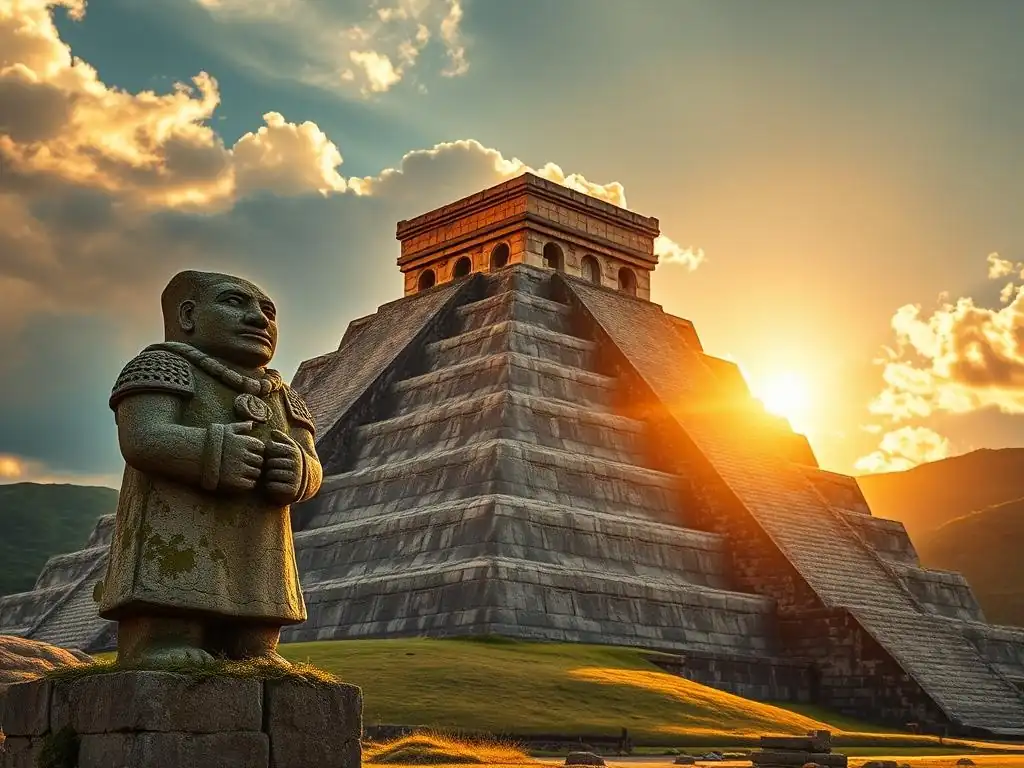
The Tiahuanaco civilization, known for its remarkable stone constructions, presents a profound connection between the terrestrial and celestial realms. This relationship is not merely aesthetic but deeply symbolic, reflecting the beliefs and cosmology of its people. The Tiahuanaco monuments symbolize the interaction between stone—representing the earthly, the solid, and the enduring—and sky, embodying the divine, the ephemeral, and the expansive.
The architecture of Tiahuanaco is characterized by its monumental stone structures, such as the Akapana Pyramid and the Temple of the Sun. These constructions are intricately designed to align with celestial events, suggesting a deliberate integration of natural elements into the built environment. The use of stone, particularly andesite, not only demonstrates advanced engineering and artistry but also signifies permanence, contrasting with the transient nature of the sky above.
The Role of Natural Elements in Tiahuanaco Architecture
Natural elements played a crucial role in shaping the architectural landscape of Tiahuanaco. The builders of Tiahuanaco utilized local materials and aligned their structures with the surrounding geography and celestial phenomena.
- Materials: The predominant use of andesite, a volcanic rock, reflects both the availability of resources and the intention behind its selection. Its durability allowed for the creation of lasting monuments, symbolizing the civilization's strength and resilience.
- Orientation: The orientation of buildings was often determined by their relationship to natural landmarks and celestial bodies. For instance, the alignment of the Temple of the Sun with the rising sun during solstices indicates a profound understanding of solar cycles and their significance in agricultural practices.
- Symbolism: Natural elements such as water, earth, and sky were not just physical materials but also represented fundamental aspects of Tiahuanaco's worldview. Water, often symbolizing life, was integrated into the urban layout through channels and reservoirs, reflecting the importance of agriculture and sustainability.
These elements combined to create a harmonious environment that echoed the civilization's spiritual beliefs and practical needs.
Celestial Alignments and Their Significance
Celestial alignments are a key aspect of Tiahuanaco's monuments, reflecting a sophisticated understanding of astronomy. The alignment of structures with astronomical phenomena, such as solstices and equinoxes, reveals the civilization's efforts to integrate their built environment with the cosmos.
- Sun and Moon: Structures were often oriented to capture the first rays of the sun at dawn, particularly during solstices. This connection to solar cycles was significant for agricultural practices, as it dictated planting and harvesting times.
- Star Patterns: The positioning of certain monuments suggests they may have been used for astronomical observations. Alignments with star constellations could indicate seasonal changes or serve as a calendar for the community.
- Religious Practices: These celestial alignments also had religious implications, reinforcing the connection between the physical world and spiritual beliefs. By aligning their monuments with celestial events, the Tiahuanaco people sought to honor and invoke the powers of their deities.
How Astronomy Influenced Tiahuanaco Monument Design
The influence of astronomy on Tiahuanaco monument design is evident in the precise calculations and orientations employed by its architects. This knowledge was not only practical but also deeply spiritual, as it reflected the civilization's understanding of their place in the universe.
- Engineering Precision: The construction of structures like the Pumapunku showcases advanced engineering techniques that required a thorough understanding of celestial mechanics. The stones are cut with such precision that they fit together without mortar, illustrating the technical prowess of the builders.
- Symbolic Representations: Many monuments feature carvings and reliefs that depict celestial bodies, such as the sun and moon. These designs served as reminders of the cosmic forces that governed life on Earth and reinforced the importance of celestial cycles in the Tiahuanaco worldview.
- Legacy of Knowledge: The astronomical knowledge embedded in Tiahuanaco's architecture has had a lasting impact on subsequent civilizations in the region. This legacy continues to be a subject of study, highlighting the advanced understanding of astronomy possessed by the Tiahuanaco people.
The Tiahuanaco monuments symbolize a profound connection between stone and sky, encapsulating the civilization's beliefs, practices, and advanced understanding of the cosmos. Through their architecture, the Tiahuanaco people demonstrated an intricate relationship with natural elements and celestial phenomena, leaving a lasting legacy that continues to intrigue scholars and visitors alike.
Cultural and Spiritual Significance of Tiahuanaco Monuments
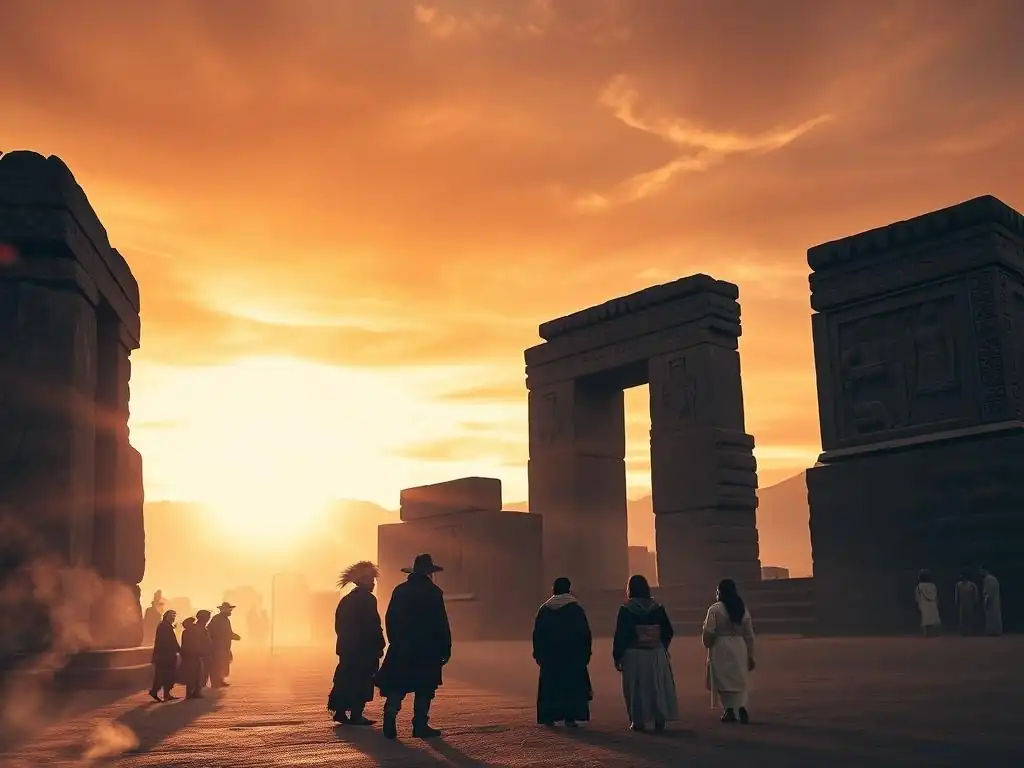
The monuments of Tiahuanaco hold profound cultural and spiritual significance that reflects the beliefs and practices of its ancient inhabitants. These structures, crafted from stone, are not merely architectural feats; they are also repositories of the Tiahuanaco civilization's cosmology, mythology, and social order.
At the heart of Tiahuanaco's monumentality is the idea of Ayni, a principle of reciprocity and balance that permeated Andean cultures. The orientation and design of the monuments are thought to be aligned with celestial bodies, suggesting that the Tiahuanaco people viewed their architecture as a means to connect with the cosmos. For example, the alignment of the Huinayhuaya and the Pumapunku complex with solar events indicates that these structures played a role in astronomical rituals that signified the agricultural calendar and the cycles of life and death.
Ritual Practices Associated with Tiahuanaco Monuments
Ritual practices at Tiahuanaco often centered around the monumental architecture, particularly during significant celestial events.
- Ceremonial Gatherings: The Akapana pyramid, one of the most prominent structures, served as a focal point for religious ceremonies. Archaeological evidence suggests that these gatherings were not only social events but also integral to maintaining the Pachamama (Mother Earth) and Pachakuti (world transformation) cycles.
- Sacrificial Offerings: Rituals often included offerings, such as textiles, food, and even human sacrifices, which were believed to appease deities and ensure the prosperity of the community. The placement of these offerings within the monuments illustrates the importance of these sites as intermediaries between the earthly and spiritual realms.
- Pilgrimages: Tiahuanaco was likely a pilgrimage site for surrounding communities. The act of traveling to these sacred spaces reinforced social bonds and collective identity among various groups, fostering a unified cultural narrative that transcended individual communities.
The Influence of Tiahuanaco on Subsequent Indigenous Cultures
The legacy of Tiahuanaco extends far beyond its own temporal and spatial boundaries, significantly influencing subsequent indigenous cultures in the Andes and beyond.
- Architectural Styles: The sophisticated techniques used in Tiahuanaco’s construction, such as precise stone masonry and the use of multi-ton blocks, were emulated by later cultures, including the Inca. The Inca adopted and adapted these architectural styles, integrating them into their own monumental constructions, such as Machu Picchu and Sacsayhuamán.
- Cultural Exchange: Tiahuanaco served as a hub for trade and cultural exchange. The movement of goods, ideas, and technologies fostered a shared cultural heritage among diverse groups, setting a foundation for the complex societies that followed.
- Spiritual Beliefs: The spiritual practices and cosmological beliefs that originated in Tiahuanaco were absorbed and transformed by later civilizations. Elements of Tiahuanaco's religious iconography can be observed in the art and architecture of both the Inca Empire and other Andean cultures, indicating a continuity of belief systems that shaped the spiritual landscape of the region.
The Tiahuanaco monuments symbolize not only the architectural prowess of their builders but also encapsulate a rich tapestry of cultural and spiritual significance that has resonated through history, influencing the diverse indigenous civilizations of the Americas.
Modern Interpretations of Tiahuanaco Monuments Symbolism
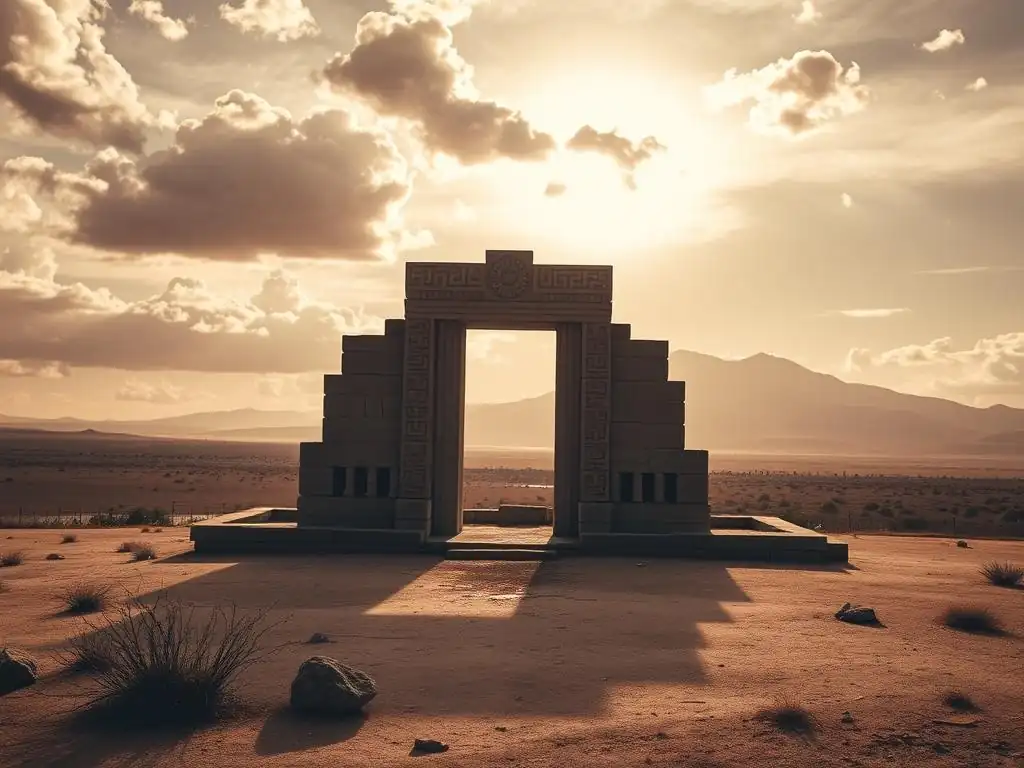
The Tiahuanaco civilization, renowned for its monumental architecture and sophisticated urban planning, has left a profound legacy that continues to inspire modern interpretations of its monuments' symbolism. Scholars, artists, and indigenous communities alike have engaged with these ancient structures, exploring their meanings and relevance in contemporary contexts. Understanding these modern interpretations involves examining not only archaeological discoveries but also the cultural significance that these monuments hold for present-day indigenous identities.
Archaeological Discoveries and Their Insights
Recent archaeological excavations at Tiahuanaco have unearthed a wealth of artifacts and structures that provide deeper insights into the symbolism of its monuments. For instance, the iconic Gateway of the Sun is not merely a stunning architectural feature but a representation of the sun deity, which held immense significance for Tiahuanaco's cosmology.
Key Discoveries:
- Ceremonial Pathways: Excavations have revealed that the layout of the city was intentionally designed to align with astronomical events, such as solstices and equinoxes. This suggests that the Tiahuanaco people viewed their environment as interconnected with celestial bodies.
- Iconography: The intricate carvings and reliefs found on structures like the Puma Punku exhibit hybrid motifs that blend human and animal forms, indicating a belief in the interconnectedness of nature and the divine. The puma, for instance, symbolizes strength and is often associated with the earth and its fertility.
- Artifacts: Objects such as pottery, textiles, and tools adorned with symbols related to agriculture and fertility have been discovered. These artifacts reinforce the importance of agricultural cycles in Tiahuanaco spirituality and daily life.
These discoveries have led to a re-evaluation of Tiahuanaco monuments as not only architectural feats but also as profound expressions of cultural identity and spiritual beliefs. They serve as a bridge connecting past and present, demonstrating how ancient practices continue to resonate in modern interpretations.
The Impact of Tiahuanaco's Legacy on Contemporary Indigenous Identity
The legacy of Tiahuanaco extends beyond archaeology; it plays a crucial role in shaping contemporary indigenous identities in the Andes. Modern indigenous communities often draw upon the symbolism of Tiahuanaco's monuments to affirm their cultural heritage and navigate their identities in a rapidly changing world.
Contemporary Expressions:
- Cultural Revitalization: Many indigenous groups have embraced the symbols and narratives associated with Tiahuanaco as a means of cultural revitalization. Festivals and ceremonies often incorporate elements inspired by Tiahuanaco's cosmology, emphasizing a connection to ancestral practices.
- Art and Literature: Artists and writers utilize Tiahuanaco's motifs in their works to express indigenous perspectives and experiences. This artistic engagement not only honors the past but also challenges contemporary socio-political issues faced by indigenous peoples.
- Education and Awareness: The study of Tiahuanaco monuments in academic settings has fostered a greater understanding of indigenous history among broader audiences. This educational effort is vital for promoting respect and appreciation for indigenous cultures, encouraging the integration of Tiahuanaco's rich symbolism into modern discourse.
In essence, the Tiahuanaco monuments symbolize more than an architectural achievement; they embody a living cultural heritage that continues to inform and inspire contemporary indigenous identities. The dialogue between the past and present highlights the resilience and adaptability of indigenous cultures, ensuring that the legacy of Tiahuanaco endures.
Conclusion: The Enduring Symbolism of Tiahuanaco Monuments
The Tiahuanaco monuments symbolize a profound connection between the Andean people and their environment. They reflect not only architectural prowess but also a rich tapestry of cultural, spiritual, and historical narratives that resonate through time. The intricate designs and monumental scale of structures like the Gateway of the Sun and the Akapana Pyramid are not merely aesthetic; they encapsulate the beliefs, cosmology, and societal organization of the Tiahuanaco civilization. Understanding these symbols offers invaluable insights into how ancient societies interacted with their surroundings and expressed their identity.
Reflection on Tiahuanaco's Historical Significance and Modern Relevance
Tiahuanaco, located near Lake Titicaca, is a critical site for understanding the development of early Andean civilizations. The monuments of Tiahuanaco serve as markers of historical significance, showcasing the advanced engineering and urban planning skills of its creators. The alignment of these structures with celestial events underscores their astronomical knowledge and cultural importance.
Moreover, the legacy of Tiahuanaco's monuments continues to influence modern indigenous identities and practices. The site is not only a testament to the ingenuity of its builders but also a source of pride for contemporary indigenous populations who view the monuments as symbols of resilience and continuity. The ongoing interest in Tiahuanaco monuments also highlights the relevance of preserving and studying these sites, as they are vital to understanding the broader narrative of human history in the Americas.
Future Research Directions in Tiahuanaco Monument Studies
Future research into the Tiahuanaco monuments is poised to uncover further layers of meaning and significance. Potential areas of exploration include:
- Archaeological Investigations: Continued excavations may reveal additional structures or artifacts that can shed light on the daily lives and practices of the Tiahuanaco people.
- Symbolic Analysis: Deeper analysis of iconography found on monuments could lead to a better understanding of the spiritual beliefs and societal values of Tiahuanaco culture.
- Environmental Studies: Researching the relationship between the monuments and their natural surroundings can provide insights into how the Tiahuanaco civilization adapted to and transformed their environment.
- Comparative Studies: Examining Tiahuanaco monuments in relation to other contemporary Andean cultures may reveal shared practices and divergent developments within the region.
These avenues of research hold the potential to enrich our understanding of Tiahuanaco monuments, emphasizing their importance in both historical and contemporary contexts. As scholars and enthusiasts continue to explore these remarkable structures, the symbolism and history of Tiahuanaco will undoubtedly reveal even more about the richness of indigenous civilizations in the Americas.
Frequently Asked Questions
What is the significance of Tiahuanaco's monuments?
The monuments of Tiahuanaco are a testament to the advanced architectural and cultural achievements of the civilization, reflecting their spiritual beliefs and societal structure.
How do the monuments symbolize the relationship between earth and sky?
The iconic structures at Tiahuanaco represent a cosmic connection, illustrating how the ancient civilization viewed the interdependence between the earthly realm and the celestial sphere.
What are some key features of Tiahuanaco's architecture?
Tiahuanaco’s architecture is characterized by its massive stone blocks, precise stonework, and intricate carvings that symbolize various aspects of the culture's beliefs and rituals.
How did Tiahuanaco influence other civilizations?
The cultural and architectural innovations of Tiahuanaco had a profound impact on later Andean societies, setting a foundation for political and religious structures throughout the region.
Where can I learn more about Tiahuanaco's history and symbolism?
For a deeper dive into Tiahuanaco's symbolism, history, and the broader context of indigenous cultures, visit the Indigenous Civilizations of the Americas website, which offers comprehensive resources on the subject.
Final Reflection: The Enduring Legacy of Tiahuanaco's Monuments
The symbolism embedded in Tiahuanaco's iconic monuments resonates profoundly in today's world, reminding us of the intricate relationship between culture, identity, and history. As we navigate an era marked by rapid change and globalization, the stories told by these ancient structures serve as a powerful testament to the enduring human spirit and our quest for meaning. The monuments of Tiahuanaco are not merely relics of the past; they are vibrant symbols that continue to inspire and provoke thought about our own cultural narratives.
The influence of Tiahuanaco's monuments extends far beyond their geographical location; they have become a touchstone for discussions about heritage, spirituality, and the interconnectedness of civilizations. The intricate carvings and architectural prowess reflect a society deeply in tune with its environment and beliefs, offering us valuable lessons on sustainability and respect for nature. As the historian David W. Anthony once said, "> The past is not dead; it is not even past." This sentiment encapsulates the ongoing relevance of Tiahuanaco's monuments, inviting us to explore how these ancient symbols can inform our contemporary lives.
As we reflect on the significance of Tiahuanaco's monuments, I encourage you to consider how their stories can inspire your own journey. Take a moment to ponder the symbols that shape your identity and the legacies you wish to leave behind.
In a world that often feels disconnected, let the wisdom of Tiahuanaco remind you of the power of history and culture to unite us, urging you to engage with your own heritage and contribute to the tapestry of human experience. Embrace the lessons of the past as you forge your path into the future, ensuring that the spirit of Tiahuanaco lives on in your actions and aspirations.
Unveil the Mysteries of Tiahuanaco!
Thank you for exploring the fascinating symbolism behind Tiahuanaco's iconic monuments! You’ve uncovered valuable insights that deepen your appreciation for the rich history and cultural significance of these ancient structures. Now, it’s time to take the next step and connect with this incredible heritage.
Here are some engaging actions you can take:
- Explore further: Visit a local museum or cultural center that features Indigenous artifacts and exhibits related to Tiahuanaco or other ancient civilizations.
- Share your findings: Discuss the significance of Tiahuanaco with friends or on social media to spread awareness about its cultural importance.
- Join a community: Connect with online forums or social media groups focused on Indigenous history and archaeology to engage in deeper conversations.
Which aspect of Tiahuanaco's symbolism resonates most with you, and how do you see it influencing modern Indigenous cultures today?