
The Role of Olmec Innovations in Shaping European Perceptions of the Americas

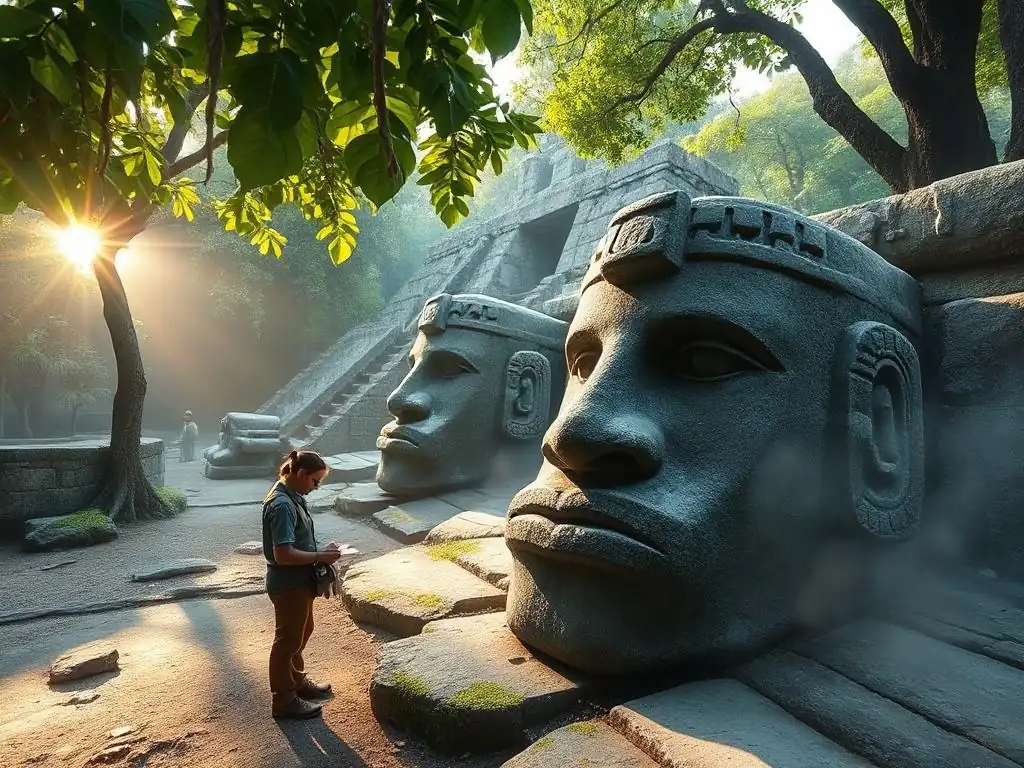
Welcome to Indigenous Civilizations of the Americas, where we embark on a fascinating journey through time to uncover the rich tapestry of indigenous cultures that flourished long before European colonization. In our featured article, "The Role of Olmec Innovations in Shaping European Perceptions of the Americas," we delve into the groundbreaking achievements of the Olmec civilization and how these innovations influenced the views of European explorers. Discover the remarkable legacies left behind and why they continue to captivate our understanding of history. Join us as we explore the intricate connections between ancient wisdom and modern perspectives—your adventure awaits!
Introduction to Olmec Civilization and Innovations
The Olmec civilization, often regarded as the "mother culture" of Mesoamerica, laid the foundation for many subsequent cultures across the Americas. Flourishing from approximately 1200 to 400 BCE in the lush lowlands of present-day Mexico, the Olmecs were not only pioneers in agriculture, but also in artistic, architectural, and technological innovations that would captivate the imaginations of later civilizations and, significantly, European explorers.
This article delves into the intricate relationship between Olmec innovations and how they influenced European perceptions of the Americas, ultimately shaping the narratives surrounding indigenous cultures during the Age of Exploration. By understanding this dynamic, we can appreciate the lasting impact of the Olmec civilization on both their contemporaries and on European understanding of the New World.
Overview of Olmec Civilization
The Olmec civilization is characterized by its monumental architecture, intricate art, and complex societal structures. The heart of their culture was located in the Gulf Coast region, particularly in states like Veracruz and Tabasco. The Olmecs are best known for their colossal stone heads, which stand as testaments to their advanced sculptural techniques and the significance of their leaders.
Key features of the Olmec civilization include:
- Agriculture and Trade: The Olmecs developed advanced agricultural techniques, cultivating crops such as maize, beans, and squash. They established trade networks that extended throughout Mesoamerica, facilitating the exchange of goods and cultural practices.
- Religious and Political Structure: The Olmec society was organized around complex religious beliefs, centered on a pantheon of gods and the practice of ritualistic ceremonies. Their political structure likely involved a centralized authority, which played a crucial role in societal cohesion and governance.
- Art and Writing: The Olmecs produced a rich array of artistic works, including pottery, jade carvings, and monumental sculptures. They are also credited with some of the earliest examples of writing in Mesoamerica, contributing to the development of later writing systems.
Key Innovations of the Olmec Culture
The Olmec civilization is renowned for introducing several key innovations that would have far-reaching impacts:
- Colossal Stone Heads: These monumental sculptures, weighing several tons, reflect the Olmec's advanced stone-carving techniques and serve as symbols of their political and spiritual authority.
- Mesoamerican Ballgame: The Olmecs are believed to have originated this significant ritualistic sport, which played a vital role in social and political life across Mesoamerica.
- Calendar Systems: They developed one of the earliest known calendar systems, which helped regulate agricultural cycles and ritual events.
- Urban Planning: The Olmecs constructed large ceremonial centers, such as La Venta and San Lorenzo, showcasing their skills in urban planning and architecture.
These innovations not only signify the Olmec's cultural sophistication but also served as precedents for later civilizations, including the Maya and Aztec.
Importance of Olmec Innovations in Historical Context
Understanding Olmec innovations is crucial for appreciating their role in shaping the broader narrative of indigenous cultures in the Americas. Their advancements laid the groundwork for subsequent civilizations, influencing aspects such as governance, religion, and artistic expression. Furthermore, the Olmec's achievements would later capture the attention of European explorers, who encountered these remnants during their voyages in the 15th and 16th centuries. The perception of the Americas as a land of rich cultures and advanced societies can be traced back to the foundational contributions of the Olmecs.
European Discovery of the Americas
The Age of Exploration and Initial Encounters
The Age of Exploration, spanning the late 15th to the early 17th centuries, marked a period of extensive maritime exploration by European powers. Driven by the desire for new trade routes, wealth, and knowledge, explorers embarked on journeys that led to the discovery of the Americas. Initial encounters with indigenous peoples were often fraught with misunderstanding and misinterpretation, shaped by preconceived notions held by European explorers.
Early European Observations of Indigenous Cultures
As European explorers navigated the New World, they documented their observations of indigenous cultures, often through a lens of curiosity and bias. Early accounts described various indigenous societies, including the Olmecs, as both "noble savages" and "barbarians," highlighting the dichotomy in European perceptions. The grandeur of Olmec achievements, such as colossal sculptures and urban centers, challenged the European narrative of a primitive and uncivilized land.
Influence of Olmec Innovations on European Explorers
The Olmec innovations significantly influenced the perspectives of European explorers, who were often in awe of the sophisticated societies they encountered. The monumental architecture and artistic achievements left an indelible impression, prompting explorers to rethink their assumptions about the Americas. These encounters contributed to a more complex understanding of indigenous cultures, showcasing the Olmec as a vital part of the rich tapestry of Mesoamerican history.
The Olmec civilization's innovations not only set the stage for future cultures but also played a pivotal role in shaping European perceptions during the Age of Exploration. Their legacy continues to resonate, reminding us of the profound impact of indigenous civilizations on world history.
Specific Olmec Innovations that Influenced European Perceptions
The Olmec civilization, often regarded as the "mother culture" of Mesoamerica, made significant innovations that would later shape European perceptions of the Americas. These innovations encompassed various domains, including agriculture, art, and architecture, which collectively contributed to a complex understanding of indigenous civilizations by European observers. By examining these specific innovations, we can see how they altered European narratives and stereotypes about the New World.
Agricultural Techniques and Their Impact
The Olmecs were pioneers in agricultural techniques, particularly in the development of irrigation systems and the cultivation of staple crops such as maize, beans, and squash, often referred to as the "Mesoamerican triad." Their methods included the use of raised fields, which allowed for better drainage and nutrient retention, enhancing crop yields. This sophisticated approach to agriculture not only supported larger populations but also demonstrated advanced knowledge of environmental management.
When Europeans encountered the Americas, they were astonished by the agricultural complexity they observed. The Olmec innovations highlighted the ability of indigenous peoples to manipulate their environment for sustainable food production. This realization began to challenge preconceived notions that the Americas were "primitive" and "undeveloped," leading to a more nuanced understanding of indigenous capabilities and societal organization.
Artistic Expressions and Cultural Significance
Olmec artistic expressions, particularly their monumental sculptures and intricate jade carvings, served as powerful symbols of their culture and societal values. The colossal heads, believed to represent rulers or important figures, showcased not only artistic skill but also the political and spiritual significance attributed to leadership within Olmec society. These artworks conveyed messages about power, identity, and cultural heritage.
European explorers and scholars, upon discovering these artistic achievements, were often left in awe. The craftsmanship and scale of Olmec art challenged the European artistic canon, prompting a reevaluation of what constituted "civilized" art. The intricate symbolism and rituals associated with Olmec artifacts influenced European artists and thinkers, who began to incorporate elements of indigenous aesthetics into their own works, further shaping perceptions of the Americas as a land rich in culture and creativity.
Architectural Achievements and Their Reception
The Olmecs also made remarkable strides in architecture, with their ceremonial centers such as San Lorenzo and La Venta featuring complex layouts, massive platforms, and impressive earthen mounds. These sites reflected advanced urban planning and a sophisticated understanding of construction techniques. The grandeur of these architectural achievements not only served religious and political purposes but also showcased the Olmecs' ability to mobilize labor and resources effectively.
When European explorers encountered these monumental sites, they were often struck by the scale and organization evident in Olmec architecture. This led to a growing recognition of the architectural accomplishments of indigenous cultures, which contrasted sharply with the prevailing European view of the Americas as a land devoid of significant human achievement. The Olmec structures prompted European architects and planners to reconsider their own architectural practices, acknowledging influences from indigenous designs.
The Role of Olmec Innovations in Shaping European Narratives
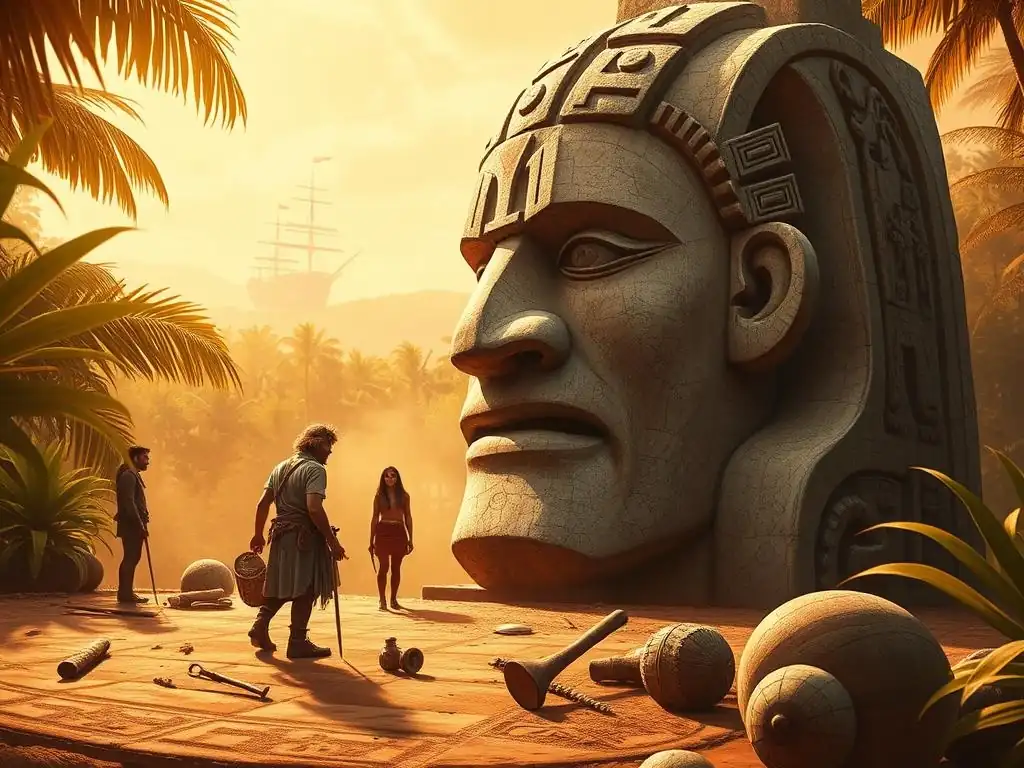
The innovations of the Olmec civilization played a crucial role in shaping European narratives about the Americas. As explorers and scholars documented their findings, Olmec advancements began to challenge existing European stereotypes and foster a more complex understanding of indigenous societies.
How Olmec Innovations Challenged European Stereotypes
Prior to European contact, many stereotypes depicted indigenous peoples as savage or uncivilized. However, the Olmec innovations—ranging from agricultural techniques to sophisticated art forms—began to dismantle these simplistic views. European accounts increasingly acknowledged the sophistication of Olmec society, recognizing their achievements as indicative of a rich cultural heritage.
This transformation in perspective was significant, as it laid the groundwork for a broader appreciation of the diversity and complexity of indigenous civilizations across the Americas. As a result, Olmec innovations contributed to a shift in European narratives, highlighting the importance of understanding and respecting indigenous contributions to human history.
The Influence of Olmec Innovations on European Art and Literature
Olmec innovations had a profound impact on European art and literature during the periods of exploration and colonization. The intricate designs and motifs found in Olmec artifacts inspired European artists, leading to the incorporation of indigenous themes and aesthetics into their works. This cross-cultural exchange enriched European artistic traditions and offered new avenues for creative expression.
Literature also reflected this influence, with writers and historians drawing upon Olmec achievements to illustrate the complexity of indigenous cultures. Accounts of the Olmecs' agricultural prowess, artistic achievements, and architectural marvels began to appear in European texts, contributing to a more sophisticated understanding of the Americas and its peoples.
Case Studies of Specific European Accounts Reflecting Olmec Influence
Several European accounts from the Age of Exploration illustrate the impact of Olmec innovations on perceptions of the Americas. For instance, the writings of Spanish chronicler Bernal Díaz del Castillo, who participated in the conquest of Mexico, often emphasized the sophistication of indigenous societies, including references to the Olmecs. He noted their impressive structures and artistry, which led him to acknowledge the deep cultural roots of the civilizations he encountered.
Another notable example is the work of the Italian artist and explorer Giovanni Battista Ramusio, who compiled accounts of the New World. In his writings, he highlighted the artistic and architectural achievements of the Olmecs, showcasing them as evidence of the Americas’ rich cultural tapestry. These accounts played a crucial role in shaping European perceptions, moving away from stereotypes and toward a recognition of the Americas as a cradle of advanced civilizations.
The Olmec innovations not only transformed their own society but also significantly influenced European perceptions of the Americas. Through their agricultural, artistic, and architectural contributions, the Olmecs challenged prevailing stereotypes and enriched European understanding of indigenous cultures, paving the way for a more nuanced appreciation of the diverse civilizations that flourished in the Americas prior to European contact.
The Legacy of Olmec Innovations in European Understanding of Indigenous Cultures
The Olmec civilization, often regarded as the "mother culture" of Mesoamerica, made significant innovations that would inadvertently shape European perceptions of indigenous cultures in the Americas. These innovations included advancements in art, architecture, and societal organization, which introduced the idea of complex and sophisticated civilizations existing in the New World.
The monumental stone heads, intricate jade carvings, and large ceremonial centers like La Venta and San Lorenzo showcased a level of artistry and engineering that challenged the preconceived notions of European superiority. As European explorers and colonizers encountered these artifacts, they began to reassess their understanding of the indigenous peoples, moving away from simplistic narratives to recognize the depth and richness of indigenous civilizations.
Long-term Effects of Olmec Innovations on European Perceptions
The long-term effects of Olmec innovations are evident in how they influenced European thought and scholarship regarding the Americas. The discovery of Olmec artifacts prompted debates among European intellectuals about the origins of civilization. Many began to consider the possibility that complex societies could exist outside of Europe and the Near East.
This shift laid the groundwork for a more nuanced understanding of indigenous cultures and their contributions to human history. Furthermore, the Olmec's use of hieroglyphic writing and elaborate religious iconography inspired European scholars to investigate the semiotics of indigenous cultures, leading to a broader appreciation for non-European forms of knowledge and expression.
Comparative Analysis of European Views Pre- and Post-Contact
Before contact, European views of the Americas were largely shaped by myth and hearsay, often depicting indigenous peoples as savage and uncivilized. However, the Olmec innovations served as a catalyst for change. Post-contact, as Europeans encountered the remnants of the Olmec civilization, their views began to shift.
The recognition of the Olmecs as an advanced society forced Europeans to confront their biases and rethink their narratives. For instance, the intricate urban planning and monumental architecture of Olmec sites contrasted sharply with the prevailing belief that indigenous societies were primarily nomadic and primitive. This comparative analysis underscores how the Olmec legacy played a crucial role in reshaping European perceptions from one of disdain to a more complex understanding of cultural diversity.
The Myth of the "Primitive" Indigenous Society
The myth of the "primitive" indigenous society has been deeply ingrained in European thought, largely due to a lack of understanding and direct exposure to the complexities of indigenous cultures. The Olmec civilization, with its rich cultural achievements, directly challenged this myth. By showcasing sophisticated urban centers, advanced agricultural practices, and rich artistic traditions, Olmec innovations dispelled the notion that indigenous societies were lesser or uncivilized. This myth persisted for centuries but was gradually undermined by the evidence of indigenous accomplishments, leading to a re-evaluation of the contributions of all indigenous peoples across the Americas.
Conclusion: Lasting Impact of Olmec Innovations on Historical Perspectives
The Olmec innovations have left a lasting impact on historical perspectives regarding indigenous cultures in the Americas. By pioneering significant advancements in various fields, the Olmecs have demonstrated that indigenous societies possess rich histories worthy of recognition and respect.
Summary of Key Points on Olmec Innovations and European Perceptions
The Olmec innovations facilitated a paradigm shift in European perceptions of indigenous cultures. Key points include:
- The introduction of sophisticated art and architecture that challenged European notions of civilization.
- The long-term effects of these innovations on European scholarship and understanding of cultural diversity.
- A transformation in the narrative from "primitive" societies to recognition of complex, thriving civilizations.
Reflections on the Importance of Understanding Indigenous Contributions
Understanding indigenous contributions is vital for a comprehensive view of history. The Olmec civilization exemplifies how indigenous innovations have shaped not only local cultures but also broader historical narratives. Recognizing these contributions is essential for fostering respect and appreciation for the rich tapestry of human civilization that includes diverse cultural expressions and achievements.
The Role of Historical Narratives in Shaping Modern Perspectives on Indigenous Cultures
Historical narratives play a crucial role in shaping modern perspectives on indigenous cultures. The legacy of the Olmec innovations serves as a reminder of the importance of re-examining historical accounts to include indigenous voices and contributions. By doing so, we can cultivate a more accurate and respectful understanding of the complexities of indigenous societies and their enduring impact on the world today. This re-evaluation is essential for correcting historical injustices and promoting a more inclusive narrative of human history.
- Introduction to Olmec Civilization and Innovations
- European Discovery of the Americas
- Specific Olmec Innovations that Influenced European Perceptions
- The Role of Olmec Innovations in Shaping European Narratives
- The Legacy of Olmec Innovations in European Understanding of Indigenous Cultures
- Conclusion: Lasting Impact of Olmec Innovations on Historical Perspectives
- What were the key Olmec innovations that influenced European perceptions?
- How did the Olmec civilization impact later societies in the Americas?
- Why are European perceptions of indigenous cultures significant today?
- How did the achievements of the Olmecs differ from those of other indigenous groups?
- What legacy do the Olmec innovations leave in contemporary culture?
Frequently Asked Questions
What were the key Olmec innovations that influenced European perceptions?
The Olmec innovations included advancements in sculpture, writing, and urban planning, which showcased sophisticated cultures that European explorers later encountered.
How did the Olmec civilization impact later societies in the Americas?
The Olmec civilization laid the groundwork for subsequent Mesoamerican cultures, influencing their art, religion, and social structures, which shaped the region's historical narrative.
Why are European perceptions of indigenous cultures significant today?
Understanding European perceptions helps to unpack the misconceptions and stereotypes that have persisted through history, allowing for a more accurate representation of indigenous cultures.
How did the achievements of the Olmecs differ from those of other indigenous groups?
The achievements of the Olmecs, particularly in art and architecture, were unique due to their early establishment of complex societies, setting them apart from other indigenous groups.
What legacy do the Olmec innovations leave in contemporary culture?
The Olmec innovations continue to resonate today, as they influenced modern art, architecture, and cultural identity in many Mesoamerican communities.
Final Reflection: The Lasting Impact of Olmec Innovations on European Perceptions
The exploration of Olmec innovations reveals a profound connection between ancient civilizations and modern understandings of cultural exchange. Today, as we navigate a world increasingly defined by globalization and cross-cultural interactions, the significance of how the Olmec civilization shaped European perceptions of the Americas cannot be overstated. The innovations of the Olmecs, from their advancements in agriculture to their artistic expressions, laid the groundwork for a narrative that continues to influence how we view indigenous cultures and their contributions to human history.
Cultural perceptions are not static; they evolve and adapt over time, often reflecting the complexities of power dynamics and historical context. The legacy of the Olmec innovations serves as a reminder of the rich tapestry of human achievement that transcends geographical boundaries. As historian David Carrasco eloquently stated, The past is not a dead thing; it is a living force that shapes our present and future.
This sentiment underscores the importance of recognizing and honoring the contributions of civilizations like the Olmecs, which have often been overlooked or misrepresented in broader historical narratives.
As we reflect on the lessons drawn from the Olmec civilization and its impact on European perceptions, I invite you to consider how these insights can inform your own understanding of cultural diversity and innovation. Let us strive to appreciate the depth of history that informs our present and to engage with the stories of all cultures with respect and curiosity. By doing so, we can foster a more inclusive worldview that honors the richness of human experience and encourages a dialogue that bridges past and present.
Unveil the Legacy: Act on Olmec Innovations Today!
Thank you for exploring the fascinating impact of Olmec innovations on European views of the Americas! Your curiosity is the first step toward a deeper understanding of history and its implications. Now, let’s transform that interest into action!
- Dive deeper into Olmec culture by visiting a local museum or exploring online exhibits to uncover more about their significant contributions.
- Share your insights with friends and family by discussing what you’ve learned or even creating a social media post to raise awareness.
- Consider joining a local history group or finding online communities where you can engage with others who are passionate about indigenous civilizations and their legacies.
What aspect of Olmec innovations intrigues you the most, and how do you think they continue to shape modern perceptions today?