
Aztec Spirituality Today: How Ancient Beliefs Shape Modern Practices

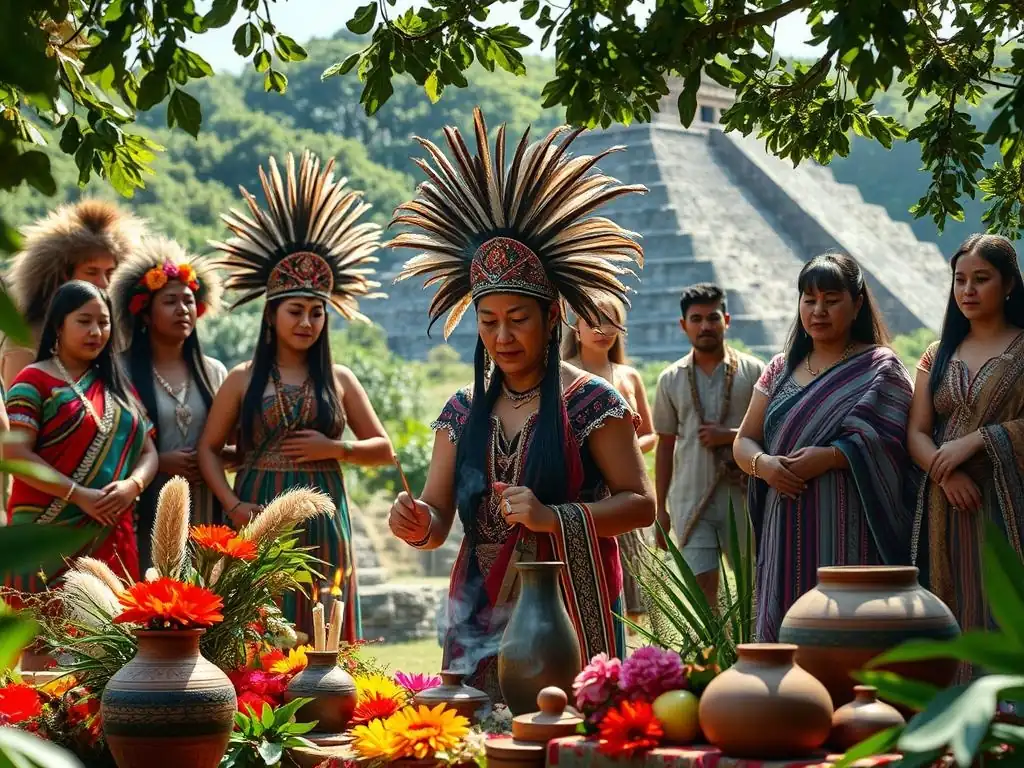
Welcome to Indigenous Civilizations of the Americas, where we invite you to embark on a journey through the rich tapestry of indigenous cultures that once flourished across the vast landscapes of the Americas. In our featured article, "Aztec Spirituality Today: How Ancient Beliefs Shape Modern Practices," we delve into the fascinating ways that age-old traditions continue to resonate in contemporary life.
Discover how the profound spirituality of the Aztecs not only shaped their society but also influences modern practices, inviting you to explore a world where history and today intertwine. Prepare to be captivated and inspired as you uncover the enduring legacy of these remarkable civilizations.
Introduction to Aztec Spirituality and Its Relevance Today
Aztec spirituality is not merely a relic of the past; it remains a vibrant and integral part of contemporary life for many individuals and communities in Mexico and beyond. Ancient beliefs that once guided the daily lives of the Aztecs now influence modern practices, connecting people to their heritage, identity, and the natural world. This article explores how Aztec spirituality modern practices continue to thrive in today's society, reflecting both the resilience of indigenous cultures and the enduring significance of their worldviews.
In this exploration, we will delve into the historical context of Aztec spirituality, emphasizing its foundational principles, the role of nature, and the importance of rituals and ceremonies. By understanding these elements, we can appreciate how these ancient beliefs shape contemporary practices and community dynamics.
Overview of Aztec Spirituality in Historical Context
Aztec spirituality was deeply intertwined with their daily existence, influencing everything from agriculture to governance. The Aztecs worshipped a pantheon of gods, each representing elements of life and nature, such as Quetzalcoatl (the feathered serpent) and Tezcatlipoca (the god of the night sky). These deities were believed to govern various aspects of the universe, and their worship involved intricate rituals aimed at maintaining cosmic balance and harmony.
The arrival of Spanish colonizers in the 16th century dramatically altered the landscape of Aztec spirituality. Many ancient practices were suppressed or altered, yet the core beliefs persisted, often blending with Catholic practices to form unique syncretic traditions. Today, many contemporary Aztec communities honor their ancestors' ways, ensuring that their spiritual heritage is not lost but rather adapted to fit modern contexts.
Importance of Ancient Beliefs in Contemporary Life
The significance of ancient Aztec beliefs extends beyond mere nostalgia; they provide a framework for understanding identity, community, and the environment. For many, these beliefs foster a sense of belonging and cultural pride, especially in a globalized world where indigenous identities can be marginalized.
Modern practitioners often draw from traditional philosophies to navigate contemporary challenges, emphasizing values such as respect for nature, communal responsibility, and spiritual connectivity. These beliefs not only enrich personal lives but also contribute to broader social movements aimed at cultural reclamation and environmental stewardship.
Understanding the Core Principles of Aztec Spirituality
Key Beliefs of Aztec Spirituality
At the heart of Aztec spirituality lies a rich tapestry of beliefs that emphasize the interconnectedness of all beings. Core tenets include the cyclical nature of life and death, the importance of offerings, and the reverence for ancestors. The concept of Tlāltikpak (the earth) as sacred underscores the belief that humans are stewards of the land, tasked with maintaining its health and abundance.
Modern practices often involve rituals that honor these principles, such as creating altars or engaging in offerings to the earth and spirits. This approach fosters a deep respect for nature and reinforces the idea that individuals are part of a larger cosmic order.
The Role of Nature in Aztec Spiritual Practices
Nature plays a pivotal role in Aztec spirituality, viewed not just as a backdrop for human activity but as a living entity deserving of respect and reverence. Elements such as water, fire, earth, and air are seen as vital forces that sustain life.
Contemporary Aztec practitioners frequently engage with nature through rituals that honor the changing seasons, agricultural cycles, and natural phenomena. For instance, many communities celebrate the spring equinox with ceremonies that reflect gratitude for the earth's gifts, reinforcing the connection between spiritual beliefs and environmental awareness.
The Significance of Rituals and Ceremonies in Aztec Beliefs
Rituals and ceremonies are essential expressions of Aztec spirituality, serving as a means to communicate with the divine and honor the ancestors. These practices can range from intimate family gatherings to large communal festivals, each imbued with profound meaning and symbolism.
In modern contexts, rituals may incorporate traditional songs, dances, and offerings, allowing individuals to express their spirituality while reinforcing community bonds. Events such as Día de los Muertos (Day of the Dead) exemplify how ancient rituals have adapted over time, merging traditional Aztec beliefs with contemporary practices that celebrate life and remembrance.
By weaving together historical context, core beliefs, and contemporary practices, we gain a comprehensive understanding of how Aztec spirituality continues to shape the lives of modern practitioners. The resilience of these ancient beliefs in the face of adversity speaks to the enduring legacy of the Aztec civilization and its relevance in today's world.
Modern Practices Influenced by Aztec Spirituality
The legacy of Aztec spirituality continues to thrive in various modern practices, emphasizing the importance of cultural heritage and identity among contemporary communities. Many individuals and groups draw upon ancient rituals, philosophies, and beliefs to create a spiritual framework that resonates with their daily lives. This blend of old and new not only reinforces cultural ties but also fosters a sense of belonging and purpose in a rapidly changing world.
Integration of Ancient Rituals in Contemporary Spirituality
Many practitioners of modern Aztec spirituality integrate ancient rituals into their spiritual practices, creating a unique blend that respects historical traditions while addressing contemporary needs. These rituals often include offerings to deities, the use of copal (a sacred incense), and the recitation of Nahuatl prayers. This integration serves as a bridge to the past, allowing individuals to connect with their ancestors and the spiritual wisdom they imparted.
Furthermore, modern spiritual practices may also incorporate elements from other indigenous traditions, reflecting a broader trend of syncretism in spirituality. This blending not only honors the Aztec heritage but also emphasizes the universal themes of respect for nature, community, and the interconnectedness of all beings.
The Revival of Traditional Aztec Ceremonies
In recent years, there has been a significant revival of traditional Aztec ceremonies, such as the Xochitl Festival and Tezcatlipoca's Night. These ceremonies often involve elaborate rituals, dances, and community feasts, serving as a means to preserve cultural heritage and foster unity among participants.
This revival is frequently organized by community leaders and cultural organizations, who aim to educate younger generations about their ancestral traditions. By participating in these ceremonies, individuals not only honor their forebears but also contribute to the ongoing narrative of Aztec identity and spirituality in the modern world.
How Community Gatherings Reflect Ancient Aztec Values
Community gatherings are a cornerstone of Aztec spirituality today, echoing the social and spiritual structures of ancient times. These gatherings often serve multiple purposes, including spiritual ceremonies, educational workshops, and cultural celebrations.
At these events, participants engage in traditional practices such as music, dance, and storytelling, all of which foster a strong sense of community and belonging. The values of reciprocity, respect for nature, and the importance of collective well-being, which were central to Aztec culture, are reflected in these modern gatherings. This continuity of values underscores the resilience of Aztec spirituality and its relevance in contemporary society.
The Influence of Aztec Spirituality on Contemporary Indigenous Practices
The influence of Aztec spirituality extends beyond its own communities, impacting various contemporary indigenous practices across the Americas. Elements of Aztec belief systems can be found in the rituals, ceremonies, and spiritual frameworks of other indigenous groups, highlighting the interconnectedness of indigenous cultures.
Cross-Cultural Adaptations of Aztec Spiritual Beliefs
Cross-cultural adaptations of Aztec spiritual beliefs are prevalent as indigenous communities interact and share their traditions. This exchange often results in the incorporation of Aztec symbols, rituals, and deities into other indigenous practices.
For example, many contemporary indigenous groups may adopt the concept of Tlazolteotl, the goddess of purification, in their healing ceremonies, reflecting a synthesis of beliefs that honors both Aztec and local spiritual traditions. Such adaptations enrich the spiritual landscape, allowing for a diverse expression of indigenous identity and resilience.
The Role of Aztec Spirituality in Modern Indigenous Identity
Aztec spirituality plays a crucial role in shaping modern indigenous identity, serving as a source of pride and cultural continuity. By embracing Aztec beliefs and practices, individuals and communities affirm their heritage and resist the cultural homogenization often imposed by modern society.
This spiritual reclamation can empower contemporary indigenous peoples, fostering a sense of agency and belonging in a rapidly globalizing world. The resurgence of interest in Aztec spirituality among younger generations indicates a revitalization of cultural pride and a commitment to preserving ancestral wisdom.
Case Studies of Contemporary Communities Practicing Aztec Spirituality
Several contemporary communities exemplify the enduring influence of Aztec spirituality through their practices. For instance, the Ometeotl Collective in Mexico City has become a vibrant hub for the revival of traditional Aztec rituals, hosting regular ceremonies that attract both locals and visitors.
Another example is the Teotl Tonal Community in California, where members engage in educational programs focused on the Aztec calendar and its spiritual significance. These case studies illustrate how modern communities are actively engaging with their Aztec heritage, ensuring that the wisdom of the past informs their present and future practices.
Challenges and Preservation of Aztec Spiritual Practices
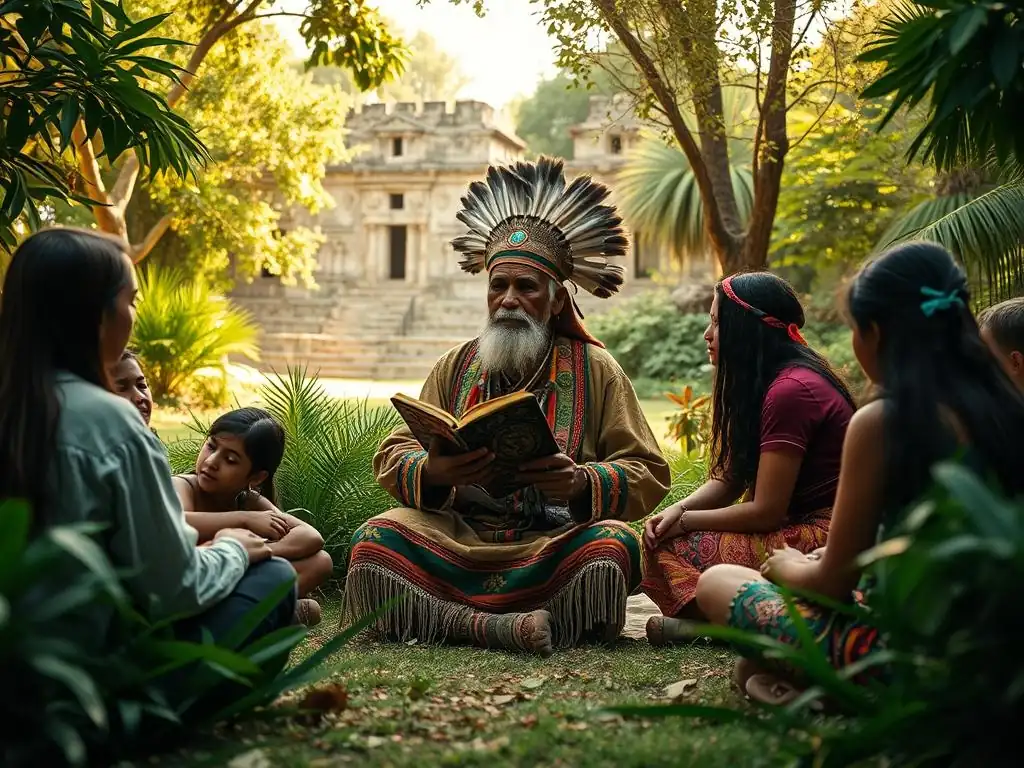
The preservation of Aztec spiritual practices faces numerous challenges in the modern world. As globalization and urbanization continue to exert pressure on traditional lifestyles, many indigenous communities find it increasingly difficult to maintain their rich spiritual heritage. The intertwining of contemporary life with ancient beliefs creates a unique juxtaposition that both enriches and complicates the practice of Aztec spirituality today.
Threats to Traditional Practices in the Modern World
Several factors pose significant threats to the continuity of traditional Aztec spiritual practices:
- Cultural Assimilation: The pervasive influence of Western culture can lead to the erosion of indigenous beliefs as younger generations adopt more globalized lifestyles. This phenomenon often results in a disconnect from traditional rituals and customs.
- Urban Migration: Many indigenous individuals migrate to urban areas in search of better economic opportunities. This migration often results in the dilution of cultural practices, as the urban environment may not support or recognize traditional ceremonies and beliefs.
- Religious Marginalization: The predominance of organized religions can overshadow indigenous spiritual practices. In many cases, traditional beliefs are dismissed or marginalized, limiting the community's ability to practice and pass down their heritage.
- Environmental Changes: As climate change alters landscapes and ecosystems, communities may face disruptions in their traditional practices, particularly those tied to agriculture and natural cycles, which are integral to Aztec spirituality.
Efforts to Preserve Aztec Spirituality Among Indigenous Communities
Despite these challenges, there are concerted efforts within indigenous communities to preserve Aztec spirituality:
- Cultural Revitalization Initiatives: Many communities are actively engaged in cultural revitalization programs that focus on teaching traditional practices, languages, and ceremonies to younger generations. Workshops, community gatherings, and festivals help reinforce cultural identity.
- Creation of Spiritual Centers: Establishing community centers dedicated to the practice and teaching of Aztec spirituality allows for a supportive environment where individuals can gather to celebrate and learn about their traditions.
- Intergenerational Knowledge Sharing: Elders play a crucial role in passing down knowledge related to rituals, ceremonies, and spiritual beliefs. Structured mentorship programs where elders share their wisdom with youth are vital for sustaining spiritual practices.
- Collaboration with Academics and NGOs: Partnerships with academic institutions and non-governmental organizations (NGOs) can provide resources, research, and funding to support the preservation of indigenous spirituality and cultural practices.
Conclusion: The Lasting Impact of Aztec Spirituality on Modern Practices
Aztec spirituality continues to resonate within contemporary practices, influencing various aspects of life among indigenous communities. The core values and beliefs rooted in Aztec traditions serve as a foundation for identity, community cohesion, and resilience in the face of modern challenges.
Reflection on the Evolution of Aztec Spirituality
The evolution of Aztec spirituality is marked by its adaptability. While the core elements of belief systems remain intact, the expression of these beliefs has transformed in response to contemporary societal changes. Modern practices often blend ancient rituals with current contexts, allowing for a dynamic spiritual expression that honors the past while navigating the present.
The Future of Aztec Spirituality in Contemporary Society
Looking ahead, the future of Aztec spirituality will likely depend on the strength of community efforts to reclaim and revitalize their traditions. As younger generations seek to connect with their heritage, there is potential for a renaissance of Aztec spiritual practices. By embracing technology and modern platforms for sharing knowledge, indigenous communities can foster a renewed appreciation for their spiritual legacy, ensuring that Aztec beliefs continue to thrive in the contemporary world.
Further Resources for Understanding Aztec Spirituality
To gain a deeper understanding of Aztec spirituality and its influence on modern practices, a variety of resources are available. These encompass books, articles, documentaries, and community events that provide insights into the rich tapestry of beliefs and traditions that have endured through the centuries. Exploring these resources can enhance appreciation for the depth and complexity of Aztec spirituality today.
Recommended Readings on Aztec Spiritual Practices
-
"The Aztecs: A Very Short Introduction" by David Carrasco
This concise book offers an accessible overview of Aztec civilization, including its religious beliefs and practices. Carrasco emphasizes how these ancient traditions continue to resonate in contemporary society.
-
"Aztec Religion and Art of Blood Sacrifice" by Elizabeth Hill Boone
Boone's work delves into the intricate relationship between Aztec religious ceremonies and their artistic expressions. The book provides context for understanding how these practices have evolved and influenced modern interpretations.
-
"The Myth of Quetzalcoatl" by John M. Dorsey
Dorsey explores the significance of Quetzalcoatl in Aztec spirituality and how this deity's symbolism has been reinterpreted in modern spiritual practices. This text is crucial for those interested in the continuity of belief systems from ancient times to the present.
-
"Mesoamerican Mythology: A Guide to the Gods, Heroes, and Legends of Ancient Mexico" by David A. Leeming
This guide offers a comprehensive overview of Mesoamerican mythologies, including the Aztec pantheon. It examines how these myths are celebrated in contemporary spiritual practices.
-
"Aztec Philosophy: Understanding a World in Motion" by James Maffie
Maffie provides a philosophical lens through which to view Aztec spirituality, highlighting its relevance in today's spiritual discourse. This book is ideal for readers seeking a deeper intellectual engagement with the subject.
Information on Workshops and Community Events Celebrating Aztec Culture
Participating in workshops and community events can provide firsthand experience of Aztec spirituality and its modern manifestations. Here are some noteworthy opportunities:
-
Cultural Workshops
Many organizations host workshops that focus on Aztec rituals, traditional crafts, and spiritual practices. These workshops often include hands-on activities such as making traditional offerings or learning about herbal medicine. Check local community centers or indigenous cultural organizations for schedules.
-
Annual Aztec Festivals
Various cities across the Americas celebrate annual festivals that honor Aztec traditions. These events often feature traditional music, dance, food, and workshops led by community elders. For instance, the Feast of the Dead is celebrated in several regions, emphasizing remembrance through offerings and rituals inspired by ancient practices.
-
Spiritual Retreats
Some communities offer retreats that immerse participants in Aztec spirituality through guided ceremonies, meditation, and teachings on the ancient calendar system. These retreats typically emphasize connection to nature and the spiritual world.
-
Online Events
In response to the growing interest in Aztec spirituality, many organizations have transitioned to online platforms to host lectures, panel discussions, and virtual workshops. These events often feature guest speakers who are knowledgeable about the intersection of ancient beliefs and modern practices.
By engaging with these resources, individuals can gain a richer understanding of how Aztec spirituality continues to influence modern practices and connect with contemporary Aztec communities.
- Introduction to Aztec Spirituality and Its Relevance Today
- Understanding the Core Principles of Aztec Spirituality
- Modern Practices Influenced by Aztec Spirituality
- The Influence of Aztec Spirituality on Contemporary Indigenous Practices
- Challenges and Preservation of Aztec Spiritual Practices
- Conclusion: The Lasting Impact of Aztec Spirituality on Modern Practices
- Further Resources for Understanding Aztec Spirituality
- What is the significance of Aztec spirituality in modern practices?
- How have ancient Aztec beliefs been integrated into today's society?
- What are some examples of modern practices influenced by Aztec spirituality?
- How do modern practitioners view Aztec spirituality?
- Are there resources available to learn more about Aztec spirituality and its practices?
Frequently Asked Questions
What is the significance of Aztec spirituality in modern practices?
Aztec spirituality plays a vital role in contemporary cultural identity for many, influencing rituals, art, and community gatherings that reflect ancient traditions.
How have ancient Aztec beliefs been integrated into today's society?
Many elements of ancient Aztec beliefs have been woven into modern practices, such as ceremonial rites, herbal medicine, and festivals that celebrate cultural heritage.
What are some examples of modern practices influenced by Aztec spirituality?
Examples include day-of-the-dead celebrations, medicinal plant use, and ritualistic ceremonies that honor ancestors and the natural world, connecting to traditional values.
How do modern practitioners view Aztec spirituality?
Many modern practitioners see Aztec spirituality as a way to reconnect with their heritage, fostering a sense of community and identity, while adapting practices to fit contemporary life.
Are there resources available to learn more about Aztec spirituality and its practices?
Yes, numerous books, workshops, and online platforms provide insights into Aztec spirituality, including its history, rituals, and ways to incorporate ancient wisdom into modern life.
Final Reflection: The Enduring Legacy of Aztec Spirituality in Modern Practices
Aztec spirituality continues to resonate profoundly in today's world, bridging ancient wisdom with contemporary life. The exploration of how these ancient beliefs shape modern practices reveals a rich tapestry of cultural heritage that not only enriches our understanding of spirituality but also offers practical guidance for navigating the complexities of modern existence. In an age where many seek deeper meaning and connection, the principles of Aztec spirituality provide a powerful framework for personal and communal growth.
Cultural practices rooted in Aztec spirituality are not merely relics of the past; they are vibrant threads woven into the fabric of modern society. The resurgence of interest in these ancient beliefs reflects a collective yearning for authenticity and connection to one's roots. As we embrace rituals, ceremonies, and philosophies that honor the Earth and the cosmos, we find ourselves part of a larger narrative that transcends time. The past is not dead; it is living in us, and we are its legacy.
This quote encapsulates the essence of how Aztec spirituality continues to influence our cultural landscape, reminding us that we are custodians of a rich heritage.
As you reflect on the insights shared in this article, I invite you to consider how you can integrate the teachings of Aztec spirituality into your own life. Embrace the wisdom of the ancients to cultivate mindfulness, gratitude, and a deeper connection to nature. Whether through rituals, meditation, or community engagement, let the principles of Aztec spirituality inspire you to create a more meaningful existence. In doing so, you not only honor the past but also contribute to a future where ancient wisdom and modern practices coexist harmoniously.
Ignite Your Spiritual Journey Today!
Thank you for exploring the fascinating world of Aztec spirituality with us! We hope you’ve gained valuable insights into how these ancient beliefs continue to shape modern practices. Now, let’s take the next step in integrating these ideas into your life.
Here’s how you can connect with these rich traditions and make them a part of your daily experience:
- Embrace Rituals: Incorporate an Aztec-inspired ritual into your weekly routine. Start with something simple, such as setting aside time for gratitude or mindfulness that honors the natural world around you.
- Engage in Community: Join a local or online group that celebrates Indigenous spiritual practices. Connecting with others can deepen your understanding and provide valuable support on your journey.
- Explore Further: Dive deeper into the beliefs by reading books or attending workshops focused on Aztec spirituality. The more knowledge you acquire, the stronger your connection to these ancient traditions will become.
How do you envision integrating Aztec spiritual practices into your daily life? We invite you to share your thoughts below!