
The Revival of Traditional Ingredients in Modern Indigenous Cuisine

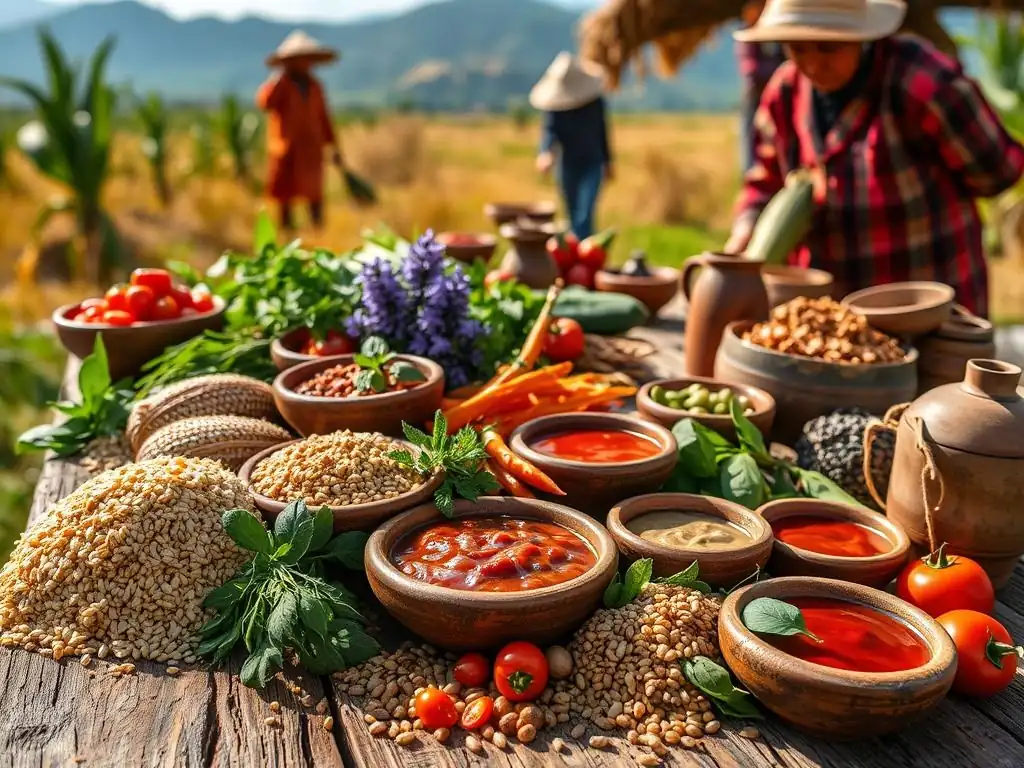
Welcome to Indigenous Civilizations of the Americas, where we invite you on a captivating journey through the rich tapestry of diverse indigenous cultures that flourished long before European contact. Here, we delve into the remarkable achievements and societal structures that shaped these vibrant communities. Our featured article, “The Revival of Traditional Ingredients in Modern Indigenous Cuisine,” uncovers how the culinary practices of the past are being revitalized today, sparking a delicious renaissance that honors heritage while embracing contemporary flavors.
Join us as we explore the intersection of tradition and innovation, and discover the profound impact these practices have on cultural identity and sustainability. Your adventure into the heart of indigenous wisdom and resilience begins now!
Introduction to Reviving Indigenous Traditional Ingredients
In recent years, there has been a significant movement towards reviving indigenous traditional ingredients in modern cuisine. This resurgence not only celebrates the rich culinary heritage of indigenous cultures across the Americas but also highlights the importance of these ingredients in maintaining cultural identities and promoting sustainability. By returning to the roots of traditional cooking, chefs and food enthusiasts are rediscovering flavors, techniques, and nutritional benefits that have been passed down through generations. This article explores the revival of traditional ingredients, delving into their historical significance, modern culinary trends, and the enduring impact of these practices on contemporary society.
Significance of Traditional Ingredients in Indigenous Cultures
Traditional ingredients hold immense significance within indigenous cultures for several reasons:
- Cultural Identity: They embody the unique histories, values, and practices of indigenous peoples. Using these ingredients helps maintain a connection to ancestry and traditions.
- Sustainability: Many indigenous food practices are rooted in ecological wisdom, emphasizing the use of local, seasonal, and sustainable ingredients.
- Health Benefits: Traditional ingredients often provide superior nutritional value compared to many modern alternatives, supporting the health and well-being of indigenous communities.
The revival of these ingredients serves not only as a culinary exploration but also as a pathway to cultural preservation and empowerment.
Overview of Modern Indigenous Cuisine Trends
Modern indigenous cuisine is experiencing a renaissance, characterized by several key trends:
- Fusion with Contemporary Techniques: Chefs are blending traditional ingredients with modern cooking techniques, creating innovative dishes that honor indigenous roots while appealing to contemporary palates.
- Farm-to-Table Initiatives: There is a growing emphasis on sourcing locally and sustainably, with many indigenous chefs partnering with local farmers to promote traditional agriculture.
- Culinary Education: Programs aimed at teaching indigenous culinary practices are emerging, reintroducing younger generations to their culinary heritage and encouraging a new appreciation for traditional ingredients.
These trends not only elevate indigenous cuisine but also foster a greater understanding and respect for indigenous cultures among wider audiences.
Historical Context of Indigenous Ingredients
Understanding the revival of traditional ingredients requires an exploration of their historical context, which reveals the deep roots these ingredients have in the culinary landscapes of the Americas.
The Role of Traditional Ingredients in Pre-Colonial Societies
In pre-colonial societies, traditional ingredients were central to daily life and cultural practices. These ingredients were often:
- Staples: Items like maize, beans, and squash formed the basis of many diets, providing essential nutrients and energy.
- Ceremonial Uses: Certain ingredients were integral to rituals and ceremonies, symbolizing life, fertility, and community.
- Trade Commodities: Indigenous peoples engaged in trade, exchanging ingredients and culinary knowledge, which facilitated the spread of diverse food traditions.
This rich tapestry of culinary practices laid the foundation for the diverse food cultures present in the Americas today.
Key Ingredients in Indigenous Culinary Practices
Among the myriad of traditional ingredients, several stand out for their historical and cultural significance:
- Maize (Corn): A cornerstone of many indigenous diets, used in various forms, from tortillas to beverages.
- Beans: Often grown alongside maize, beans provided complementary proteins, making them a staple food source.
- Squash: Another vital crop, squash was cultivated for both its flesh and seeds, offering versatility in cooking.
These ingredients not only nourished communities but also played a role in social and economic structures.
Impact of Colonization on Indigenous Food Traditions
The arrival of European colonizers brought profound changes to indigenous food traditions, leading to significant challenges:
- Introduction of New Ingredients: While some new ingredients were beneficial, many traditional practices were disrupted, leading to a decline in the use of indigenous staples.
- Loss of Land and Resources: Colonization often resulted in the displacement of indigenous peoples from their ancestral lands, severing their connection to traditional farming and foraging practices.
- Cultural Suppression: Efforts to suppress indigenous cultures included the erosion of traditional culinary practices, which impacted food sovereignty and cultural identity.
Understanding these historical dynamics is crucial for appreciating the contemporary revival efforts aimed at reclaiming and celebrating indigenous culinary heritage.
Current Trends in Reviving Indigenous Traditional Ingredients
The revival of traditional indigenous ingredients is gaining momentum, with a growing appreciation for the unique flavors and cultural significance they hold. This trend is not only about the culinary experience but also a deep respect for the history and traditions of indigenous peoples. More chefs and home cooks are incorporating traditional ingredients into modern dishes, showcasing them in ways that resonate with contemporary palates while honoring their origins.
Social media has played a crucial role in this movement, with platforms like Instagram and Pinterest allowing for the sharing of recipes, stories, and visuals that celebrate these ingredients. As awareness grows, many consumers are becoming more conscious about their food choices, seeking out products that support indigenous communities and promote sustainability.
The Return to Traditional Farming Practices
One of the cornerstones of reviving indigenous traditional ingredients is the resurgence of traditional farming practices. Many indigenous communities are returning to age-old agricultural methods that prioritize biodiversity, sustainable land use, and the cultivation of native crops. Techniques such as crop rotation, companion planting, and the use of heirloom seeds are being employed to restore the health of the land and increase the variety of foods available.
This return not only enhances the nutritional value of the food produced but also strengthens community ties as families come together to share knowledge and resources. These practices have been shown to improve soil health and resilience against climate change, creating a more sustainable future for food production.
Culinary Innovators: Chefs Leading the Revival
Culinary innovators are at the forefront of the movement to revive indigenous traditional ingredients. Chefs from various backgrounds are exploring indigenous flavors and integrating them into their menus, often collaborating with indigenous farmers and foragers to source authentic ingredients. Notable chefs, like Sean Sherman of The Sioux Chef, are dedicated to educating others about indigenous cuisine and its significance.
Sherman’s work emphasizes the importance of using native ingredients such as wild rice, bison, and various berries, while also reinterpreting traditional dishes for modern diners. These chefs are not only champions of indigenous culinary heritage but also advocates for the stories and histories behind the ingredients they use, making their work a vital part of the cultural revival.
Community Initiatives and Food Sovereignty Movements
Community initiatives play a crucial role in the revival of traditional ingredients, particularly through food sovereignty movements. These movements aim to empower indigenous communities to reclaim control over their food systems, emphasizing the rights to grow, harvest, and consume traditional foods. Programs such as community gardens, farmers' markets, and educational workshops are being established to teach younger generations about the importance of traditional practices and ingredients. By fostering a sense of pride and connection to their heritage, these initiatives not only promote the use of indigenous ingredients but also strengthen community resilience and self-sufficiency.
Benefits of Reviving Traditional Ingredients
Reviving indigenous traditional ingredients offers a multitude of benefits that extend beyond the kitchen. This movement strengthens cultural identity, enhances health outcomes, and promotes environmental stewardship.
Nutritional Advantages of Indigenous Ingredients
Indigenous ingredients often come with significant nutritional advantages. Many traditional foods are rich in vitamins, minerals, and antioxidants, making them a healthier choice compared to processed alternatives. Ingredients such as quinoa, amaranth, and wild rice are not only packed with essential nutrients but also have a lower environmental impact than many modern staples. Additionally, indigenous diets tend to be diverse, incorporating a wide array of fruits, vegetables, and proteins, which can contribute to overall well-being. By reviving these foods, communities can improve their health outcomes while honoring their ancestral diets.
Cultural Identity and Heritage Preservation
The revival of traditional ingredients plays a vital role in preserving cultural identity and heritage. Food is a powerful medium through which traditions, stories, and values are conveyed. By integrating indigenous ingredients into contemporary cuisine, communities can maintain a connection to their past while adapting to the present. This practice fosters a sense of pride and belonging among indigenous peoples, reminding them of their roots and the richness of their cultural heritage. Furthermore, sharing these foods with broader audiences allows for greater appreciation and understanding of indigenous cultures, promoting dialogue and respect.
Environmental Sustainability and Biodiversity
Reviving traditional ingredients also promotes environmental sustainability and biodiversity. Many indigenous agricultural practices have long been rooted in respect for the land and its ecosystems. By prioritizing the cultivation of native plants and heirloom varieties, communities can enhance biodiversity, which is essential for resilient food systems. These practices help to restore ecosystems, improve soil health, and reduce reliance on chemical fertilizers and pesticides. Moreover, by reintroducing traditional ingredients into modern diets, there is potential to shift consumer habits towards more sustainable choices, benefiting both the environment and indigenous communities.
Challenges in Reviving Indigenous Traditional Ingredients

Reviving Indigenous traditional ingredients is not without its challenges. The complexities involved often stem from a mix of cultural, economic, and social factors that can hinder access to these vital components of Indigenous culinary heritage. Understanding these challenges is essential for fostering the appreciation and integration of Indigenous traditional ingredients into modern cuisine.
Access to Traditional Ingredients and Knowledge
Accessing traditional ingredients poses a significant challenge, particularly as many of these items are not readily available in mainstream markets. Indigenous communities often rely on specific ecosystems for their food sources, such as wild game, native plants, and heirloom crops. However, environmental changes, urbanization, and agricultural practices have led to the depletion of these resources.
Moreover, the knowledge surrounding the harvesting, preparation, and cultural significance of these ingredients is at risk of being lost. Many elders who hold this knowledge are aging, and younger generations may not be sufficiently engaged in learning these practices. This generational gap threatens the continuity of traditional culinary practices, making it crucial to develop programs that encourage knowledge transfer within communities.
Misunderstandings in Modern Adaptations of Indigenous Cuisine
Modern adaptations of Indigenous cuisine can sometimes overlook the cultural context of traditional ingredients. Chefs and food enthusiasts may experiment with these ingredients without fully understanding their significance or traditional uses, leading to misrepresentations. This can result in dishes that, while innovative, do not honor the ingredients' origins or the stories behind them.
Additionally, the commercialization of Indigenous foods can dilute their cultural meanings. For instance, when traditional dishes are replicated in restaurants without acknowledgment of their source communities, it can feel exploitative to those whose heritage is being represented. Educating both consumers and culinary professionals about the importance of cultural sensitivity is essential in fostering a deeper appreciation for Indigenous culinary traditions.
Economic Barriers for Indigenous Communities
Economic barriers significantly impact Indigenous communities' ability to revive traditional ingredients. Many Indigenous peoples face systemic poverty, limited access to funding, and lack of support for agricultural initiatives. These economic challenges hinder the ability to cultivate, harvest, or market traditional ingredients effectively.
Furthermore, Indigenous farmers often encounter obstacles in accessing land and resources necessary for sustainable farming practices. This can lead to a reliance on non-traditional crops that do not sustain their cultural heritage. Initiatives that provide economic support, education, and market access are vital for empowering Indigenous communities to revive and maintain their traditional culinary practices.
Case Studies of Successful Revivals
Despite the challenges, there are numerous inspiring case studies that highlight successful revivals of traditional ingredients in Indigenous cuisine. These examples showcase how communities can reclaim their culinary heritage and promote sustainable practices while fostering pride in their cultural identity.
Case Study 1: The Use of Wild Rice in Minnesota
In Minnesota, the revival of wild rice (manoomin) serves as a powerful example of Indigenous communities reclaiming their culinary heritage. Traditionally harvested by the Ojibwe people, wild rice is not only a staple food but holds deep cultural significance. Efforts to revive this practice have involved educating younger generations about the traditional harvesting methods and the ecological importance of wild rice beds.
Organizations like the Minnesota Department of Natural Resources have partnered with Indigenous groups to promote sustainable harvesting practices and protect wild rice habitats. This collaborative effort has led to increased awareness and appreciation for wild rice, both within Indigenous communities and among the broader public, fostering a resurgence in its culinary use.
Case Study 2: The Culinary Work of Chef Sean Sherman
Chef Sean Sherman, a member of the Oglala Lakota Nation, has gained international recognition for his innovative approach to Indigenous cuisine. Through his restaurant, Owamni, and his cookbook, "The Sioux Chef's Indigenous Kitchen," Sherman emphasizes the use of traditional ingredients such as bison, corn, and wild herbs.
Sherman's work aims to educate the public about the importance of Indigenous foods and their cultural heritage. By highlighting forgotten ingredients and traditional cooking methods, he not only revitalizes these practices but also challenges stereotypes about Indigenous peoples. His culinary philosophy exemplifies how modern chefs can honor and celebrate Indigenous traditions while creating contemporary dishes.
Case Study 3: The Gathering of Nations Festival
The Gathering of Nations Festival, held annually in Albuquerque, New Mexico, showcases the rich diversity of Indigenous cultures, including their culinary traditions. This event brings together tribes from across North America, offering opportunities for attendees to experience traditional foods and cooking methods.
Food vendors at the festival often highlight Indigenous ingredients, such as fry bread, blue corn, and various game meats, providing a platform for cultural exchange and education. The festival promotes awareness of Indigenous culinary heritage and encourages the next generation to engage with traditional cooking practices. This celebration of food fosters community pride and reinforces the significance of traditional ingredients within Indigenous cultures.
Future of Indigenous Cuisine and Traditional Ingredients
The future of Indigenous cuisine and the revival of traditional ingredients is poised to become a significant aspect of culinary landscapes across the Americas. As awareness of cultural heritage grows, there is an increasing movement to incorporate Indigenous ingredients into modern cooking, elevating not only the flavors but also the stories and traditions that accompany them. This resurgence is not just about nostalgia; it represents a reconnection with the land, sustainability, and a respect for food sovereignty.
Innovative chefs and culinary enthusiasts are beginning to experiment with traditional ingredients such as amaranth, wild rice, and various native herbs and spices, creating dishes that bridge the gap between ancient practices and contemporary cuisine. This blending of old and new not only preserves Indigenous food heritage but also introduces these ingredients to wider audiences, fostering appreciation and understanding of their cultural significance. Furthermore, as more restaurants embrace Indigenous flavors, there is a potential for creating a culinary identity rooted in respect for the past and mindful of the future.
The Role of Education and Awareness
Education plays a crucial role in the revival of Indigenous traditional ingredients. By fostering awareness about the histories, cultivation methods, and nutritional benefits of these ingredients, communities can empower individuals to make informed choices regarding their food sources. Culinary schools and institutions have begun to integrate Indigenous knowledge into their curricula, highlighting not only the techniques of traditional cooking but also the philosophies that underpin these practices.
Workshops, cooking classes, and community events centered around Indigenous ingredients can also promote hands-on learning. These initiatives encourage participants to engage with local Indigenous communities, creating dialogues that enrich understanding and appreciation for their culinary traditions. As awareness spreads, the demand for traditional ingredients is likely to increase, prompting a shift in the market that recognizes the value of Indigenous foods.
Potential for Culinary Tourism and Economic Growth
The revival of Indigenous traditional ingredients presents an exciting opportunity for culinary tourism, which can significantly contribute to local economies. Tourists are increasingly seeking authentic experiences, and Indigenous cuisine provides a unique entry point to explore cultural heritage through food. Culinary tours that showcase traditional cooking methods, local ingredients, and Indigenous narratives can attract visitors, fostering economic growth in Indigenous communities.
Moreover, as restaurants and culinary festivals highlight Indigenous cuisine, they create platforms for local producers to showcase their products. This not only supports small-scale farmers and gatherers but also strengthens community ties and resilience. By promoting Indigenous traditional ingredients, culinary tourism becomes a means of economic empowerment, allowing communities to thrive while preserving their rich cultural heritage.
Embracing Technology in Traditional Ingredient Revival
Technology has the potential to play a transformative role in the revival of traditional Indigenous ingredients. Digital platforms can facilitate the sharing of knowledge, recipes, and techniques across vast distances, connecting Indigenous chefs and food enthusiasts globally. Social media and blogs can amplify voices within Indigenous communities, allowing them to share their stories and culinary practices while educating a broader audience.
Additionally, advancements in agriculture technology can support the sustainable cultivation of traditional crops. Techniques such as permaculture and agroecology can enhance biodiversity and yield, allowing Indigenous farmers to reclaim and revive ancestral agricultural practices. As technology continues to evolve, it can serve as a bridge between traditional practices and modern innovations, ensuring the preservation and celebration of Indigenous culinary heritage.
Conclusion: The Importance of Reviving Indigenous Traditional Ingredients
The revival of Indigenous traditional ingredients is essential for preserving cultural identities and fostering sustainable food systems. By reconnecting with these ingredients, communities not only honor their ancestors but also take active steps toward reclaiming food sovereignty. This movement encourages a deeper understanding of ecological relationships and the importance of biodiversity in culinary practices.
Summary of Key Points
- Reviving Indigenous traditional ingredients fosters a connection to cultural heritage and sustainability.
- Education and awareness are vital for empowering communities and promoting the benefits of Indigenous foods.
- Culinary tourism presents economic opportunities while celebrating Indigenous culinary traditions.
- Embracing technology helps share knowledge and enhance sustainable agricultural practices.
Call to Action: Supporting Indigenous Culinary Practices and Heritage
As individuals and communities, we can take active steps to support the revival of Indigenous traditional ingredients. This includes:
- Choosing Local: Whenever possible, opt for Indigenous ingredients in your cooking and support local farmers and producers.
- Education: Participate in workshops or classes that focus on Indigenous cuisine, and advocate for the inclusion of Indigenous culinary knowledge in educational settings.
- Culinary Tourism: Explore culinary tourism opportunities that highlight Indigenous foods and traditions, contributing to local economies and cultural appreciation.
- Advocacy: Support policies and initiatives that promote Indigenous food sovereignty and sustainable agricultural practices.
By engaging in these practices, we can collectively contribute to the revival of Indigenous traditional ingredients, ensuring that these rich culinary heritages continue to thrive for generations to come.
- Introduction to Reviving Indigenous Traditional Ingredients
- Historical Context of Indigenous Ingredients
- Current Trends in Reviving Indigenous Traditional Ingredients
- Benefits of Reviving Traditional Ingredients
- Challenges in Reviving Indigenous Traditional Ingredients
- Case Studies of Successful Revivals
- Future of Indigenous Cuisine and Traditional Ingredients
- Conclusion: The Importance of Reviving Indigenous Traditional Ingredients
Frequently Asked Questions
What are traditional ingredients in Indigenous cuisine?
Traditional ingredients refer to native plants and animals that have been used by Indigenous peoples for centuries. These ingredients often hold cultural significance and are integral to their culinary practices.
Why is there a revival of these traditional ingredients?
The revival is driven by a desire to reconnect with cultural heritage, promote sustainability, and support local food systems. This movement aims to highlight the importance of traditional knowledge and practices in modern cooking.
How do these ingredients impact modern cuisine?
Incorporating traditional ingredients into modern cuisine enhances flavor profiles, promotes nutritional benefits, and fosters a deeper appreciation for Indigenous cultures. Chefs are increasingly experimenting with these ingredients to create innovative dishes.
What role do Indigenous communities play in this revival?
Indigenous communities are central to the revival by sharing traditional knowledge and practices. They often lead initiatives to educate others about the value of traditional ingredients, ensuring their cultural significance is preserved.
How can individuals support the revival of traditional ingredients?
Individuals can support the revival by seeking out local Indigenous food producers, attending workshops, and incorporating traditional ingredients into their meals. Additionally, promoting awareness of Indigenous culinary practices helps sustain this movement.
Final Reflection: Reviving Indigenous Traditional Ingredients for a Sustainable Future
The revival of traditional ingredients in modern Indigenous cuisine is not just a culinary trend; it is a powerful movement that reconnects us with our roots and emphasizes the importance of cultural heritage. As we navigate a world increasingly dominated by fast food and processed ingredients, the resurgence of Indigenous culinary practices serves as a reminder of the rich, sustainable food systems that have existed for centuries. This movement is not merely about food; it is about identity, community, and the preservation of knowledge that has been passed down through generations.
Celebrating the use of traditional ingredients has a profound impact on our cultural and social landscape. It fosters a sense of pride among Indigenous communities and encourages a broader audience to appreciate the depth and diversity of these culinary traditions. By embracing these ingredients, we not only support local economies but also contribute to the revitalization of Indigenous languages and practices. As chef and activist Sean Sherman once said, We need to be proud of who we are and what we have. Our food is our identity.
This sentiment resonates deeply as we witness the ongoing influence of Indigenous cuisine in contemporary dining experiences, sparking conversations about sustainability, health, and cultural appreciation.
As we reflect on the importance of reviving Indigenous traditional ingredients, I invite you to explore how you can incorporate these practices into your own life. Consider supporting local Indigenous chefs, learning about traditional cooking methods, or even growing your own native plants. By engaging with these culinary traditions, you not only nourish your body but also honor the rich heritage that shapes our collective identity. Let us embrace this revival, ensuring that the flavors of the past continue to inspire our future.
Embrace the Essence of Tradition Today!
Thank you for diving into the rich world of modern Indigenous cuisine and the revival of traditional ingredients. Your interest is paving the way for these incredible flavors and stories to be celebrated and shared! Now, it’s time to take the next step toward embracing this culinary heritage.
Here are a few actions you can take:
- Experiment with traditional ingredients in your own cooking! Seek out items such as corn, wild rice, or native herbs, and incorporate them into your meals for a taste of history.
- Join or create a community cooking class focused on traditional Indigenous recipes, where you can learn alongside others and share the experience.
- Share your culinary creations on social media and use the hashtag #IndigenousCuisine to inspire others and connect with those who appreciate the revival of these flavors.
What traditional ingredient are you most excited to try in your next meal, and how do you believe it will enhance your cooking experience?