
Exploring Cahokia's Innovative Building Techniques: Materials and Methods Revealed

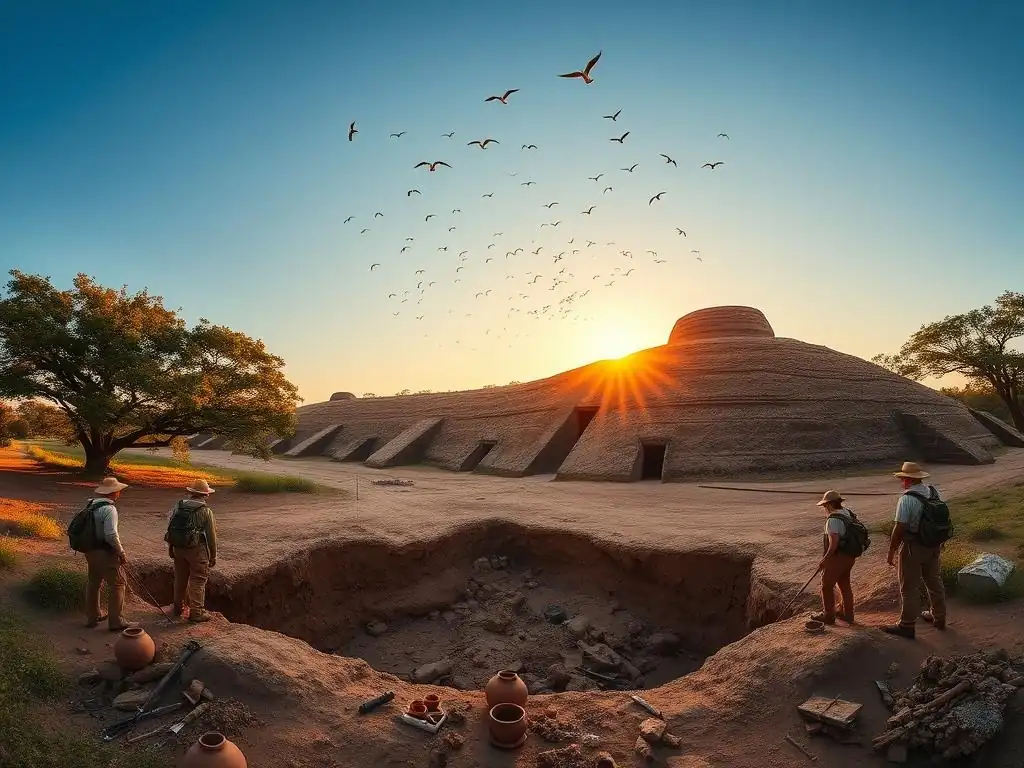
Welcome to Indigenous Civilizations of the Americas, where we invite you to embark on an enlightening journey through the rich tapestry of pre-colonial cultures that flourished across the vast landscapes of the Americas. In our featured article, “Exploring Cahokia's Innovative Building Techniques: Materials and Methods Revealed,” we delve into the remarkable architectural prowess of the Cahokia civilization, uncovering the secrets behind their sophisticated building techniques and the materials that defined their impressive structures.
As you navigate through our site, prepare to be captivated by the ingenuity and resilience of these cultures that continue to shape our understanding of history. Join us in uncovering the profound legacy of the Americas' indigenous peoples and the lasting impact of their achievements.
Introduction to Cahokia Building Techniques History
Cahokia, a pre-Columbian Native American city located near present-day St. Louis, Missouri, stands as a monumental testament to the ingenuity and sophistication of Indigenous civilizations in North America. Flourishing between 600 and 1400 CE, Cahokia emerged as one of the largest urban centers of its time, showcasing remarkable building techniques that not only reflected the community’s architectural prowess but also its social, political, and economic structures.
This article aims to delve into the Cahokia building techniques history, revealing the materials and methods that underpinned the construction of this impressive city, and exploring how these innovations have left a lasting impact on architectural practices in the region.
Overview of Cahokia Culture and Society
Cahokia was characterized by a complex social hierarchy and a vibrant cultural life, where thousands of inhabitants engaged in agriculture, trade, and ceremonial practices. The society was structured around large earthen mounds, which served as both ceremonial platforms and elite residences. These mounds, such as the iconic Monk’s Mound, exemplified the advanced engineering skills of Cahokians, showcasing their ability to manipulate the landscape and create monumental architecture.
- Key Features of Cahokia Society:
- Agricultural Economy: The fertile floodplains of the Mississippi River supported a thriving agricultural base, primarily focusing on maize cultivation.
- Trade Networks: Cahokia was a hub for trade, connecting various Indigenous groups across vast distances, allowing for cultural exchanges and material wealth.
- Religious Practices: The society had rich spiritual beliefs, often reflected in their architectural choices and the construction of mounds for ceremonial purposes.
Importance of Architecture in Indigenous Civilizations
Architecture served not only as a functional aspect of Indigenous life but also as a reflection of cultural identity and societal values. In the context of Cahokia, the architectural achievements were crucial in:
- Demonstrating Power: The scale and complexity of structures indicated the political and social clout of leaders.
- Cultural Expression: Architectural forms and styles conveyed religious beliefs and community narratives, enhancing the cultural fabric of Indigenous societies.
- Urban Planning: Efficient urban layouts facilitated trade, social interaction, and communal activities, underscoring the ingenuity of Indigenous urbanism.
Historical Context of Cahokia's Architecture
Understanding the architectural landscape of Cahokia requires a look into its historical context, which reveals the evolution of building techniques and materials used throughout its development.
The Timeline of Cahokia's Development
- 600 CE: The establishment of Cahokia as a significant urban center, marked by the initial construction of mounds.
- 900 CE: Expansion of the city, with the construction of more complex structures and an increase in population.
- 1100-1200 CE: The peak of Cahokian society, characterized by the largest mounds and sophisticated urban planning.
- 1300-1400 CE: Gradual decline due to environmental challenges and social factors, leading to the abandonment of the city.
Influences of Surrounding Cultures on Cahokia Building Techniques
Cahokia’s architectural practices did not develop in isolation; they were influenced by surrounding cultures and previous civilizations. Key influences included:
- Mississippian Culture: The architectural styles and earthwork construction techniques prevalent among neighboring Mississippian societies significantly shaped Cahokia's own building approaches.
- Trade Interactions: Exchange of knowledge and materials through trade networks facilitated the adoption of new building techniques and innovations.
- Adaptation to Environment: Cahokians skillfully adapted their building methods to the local environment, utilizing available resources such as clay, wood, and stone to construct enduring structures.
Through a meticulous examination of Cahokia’s innovative building techniques, we uncover not only the technical prowess of its builders but also the rich tapestry of cultural significance woven into the very fabric of this remarkable civilization.
Key Materials Used in Cahokia Construction
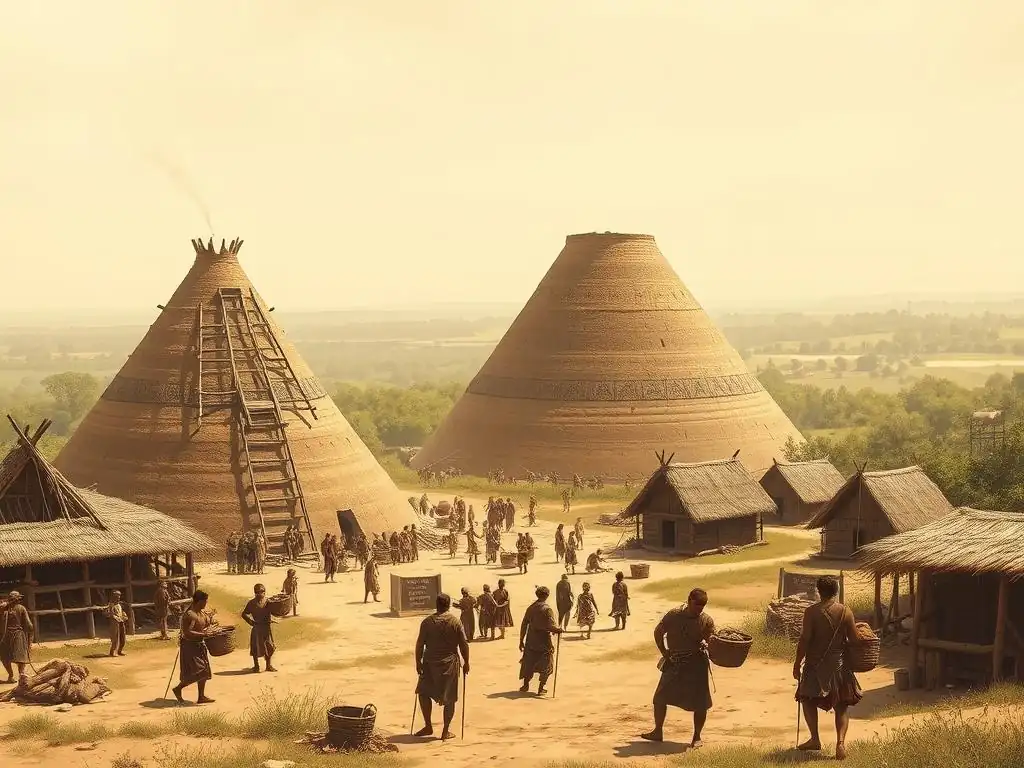
Cahokia, one of the largest pre-Columbian cities in North America, showcased remarkable architectural prowess. The builders utilized a variety of key materials that were both locally available and suited to their climatic conditions.
Natural Resources Utilized by Cahokia Builders
Cahokia's builders primarily relied on wood, clay, and earth. The abundant forests surrounding the Mississippi River provided timber for structural elements. Wood was essential for framing and roofing, while clay was used to make pottery, bricks, and mortars. The nearby riverbanks offered rich alluvial soil, which was ideal for creating earthen mounds, a defining feature of Cahokia's landscape.
Furthermore, Cahokia’s location allowed for the procurement of stone, although its use was less common due to the availability of more workable materials. The city’s builders also utilized fibers and grasses for thatching and other lightweight construction elements, reflecting a deep understanding of the local ecosystem.
Innovations in Material Usage Over Time
As Cahokia evolved, so did its construction materials and techniques. Initially, structures were rudimentary, employing simple post-and-beam frameworks. Over time, builders innovated by integrating wattle and daub methods, which involved weaving branches together and applying clay to create stronger walls. This technique not only enhanced structural integrity but also improved insulation.
The use of mound construction also progressed. The Monks Mound, the largest earthwork in Cahokia, exemplifies this innovation. It was constructed through a meticulous layering of earth, demonstrating enhanced organizational skills and labor management. As the city expanded, the builders adapted their material usage to accommodate more complex architectural designs, blending traditional methods with innovative practices.
Methods of Construction Employed by Cahokia Architects
Cahokia's architects employed a diverse range of construction methods that reflected their advanced understanding of engineering principles. Their techniques not only served practical purposes but also held cultural significance.
Traditional Techniques in Cahokia Building
Traditional Cahokian building techniques were characterized by their use of local materials and labor-intensive methods. The construction of longhouses, which served as communal living spaces, involved the assembly of wooden frames, with bark or thatch used for roofing. The builders created earthen mounds by moving vast amounts of soil, showcasing their skill in landscape manipulation.
Additionally, the use of post-in-ground techniques allowed for sturdy foundational support. Builders dug deep holes to set wooden posts, ensuring that structures could withstand the elements. The alignment and orientation of buildings were often guided by celestial events, indicating the cultural integration of astronomy into their construction practices.
Advanced Engineering Practices of Cahokia
Cahokia's architects exhibited advanced engineering practices that were ahead of their time. The city’s layout was meticulously planned, with wide plazas, ceremonial structures, and residential areas integrated into a cohesive urban design. This planning included water management systems, such as ditches and levees, to control flooding from the Mississippi River.
Moreover, Cahokians implemented earthwork designs that required precise calculations for volume and slope, particularly in the construction of mounds. The Monks Mound, for example, demonstrates an extraordinary understanding of both aesthetics and stability, as it was engineered to support large structures atop it.
The innovative building techniques of Cahokia, from the materials used to the methods of construction, not only highlight the city’s architectural sophistication but also reflect the rich cultural and environmental context of the time.
Cultural Significance of Cahokia Building Techniques
The building techniques employed by the Cahokia civilization were not merely practical applications of construction; they were deeply intertwined with their cultural identity and societal organization. The monumental mounds, intricate earthworks, and urban planning reflect the ingenuity and sophistication of this pre-Columbian society. These structures served various functions, including ceremonial, residential, and political purposes, demonstrating the Cahokians' advanced understanding of architecture and urbanism.
The use of materials such as clay, soil, and wood also highlights a symbiotic relationship with the environment. The Cahokians engineered their landscapes, manipulating natural resources to create a built environment that supported their social structures and spiritual beliefs. The scale and complexity of their building projects indicate a well-organized labor force and advanced societal hierarchy, suggesting that architecture was a means to reinforce power dynamics and community cohesion.
The Role of Architecture in Cahokia Society
In Cahokia society, architecture played a pivotal role in daily life and community dynamics. Large-scale projects, such as the construction of Monk's Mound, not only served as monumental landmarks but also as centers for civic engagement and ritual practices. The layout of Cahokia, with its central plazas and strategic mound placements, facilitated gatherings and communal activities, reinforcing social ties among its inhabitants.
Moreover, the architectural features of Cahokia reflect a sophisticated understanding of spatial organization. The deliberate arrangement of buildings and mounds indicates a planned urban environment designed to promote social interactions and enhance the community's cultural practices. This careful planning underscores the importance of architecture as a tool for shaping the lived experience of the Cahokians, influencing everything from governance to spirituality.
Symbolism and Spirituality in Building Structures
The symbolism embedded in Cahokian architecture reveals the civilization's spiritual beliefs and cosmological views. Mounds were not only physical structures but also served as sacred spaces where the living connected with the spiritual realm. The alignment of certain mounds with celestial events, such as solstices or equinoxes, illustrates the integration of astronomical knowledge into their architectural practices.
Furthermore, the intricate designs and orientations of their buildings often held specific meanings tied to their mythology and religious rituals. For instance, structures like the Woodhenge—a circular arrangement of wooden posts—served as an astronomical observatory and a ceremonial site. Such features indicate that the Cahokians imbued their architecture with layers of meaning, creating a built environment that was both functional and spiritually significant.
Comparative Analysis of Cahokia Building Techniques and Other Indigenous Cultures
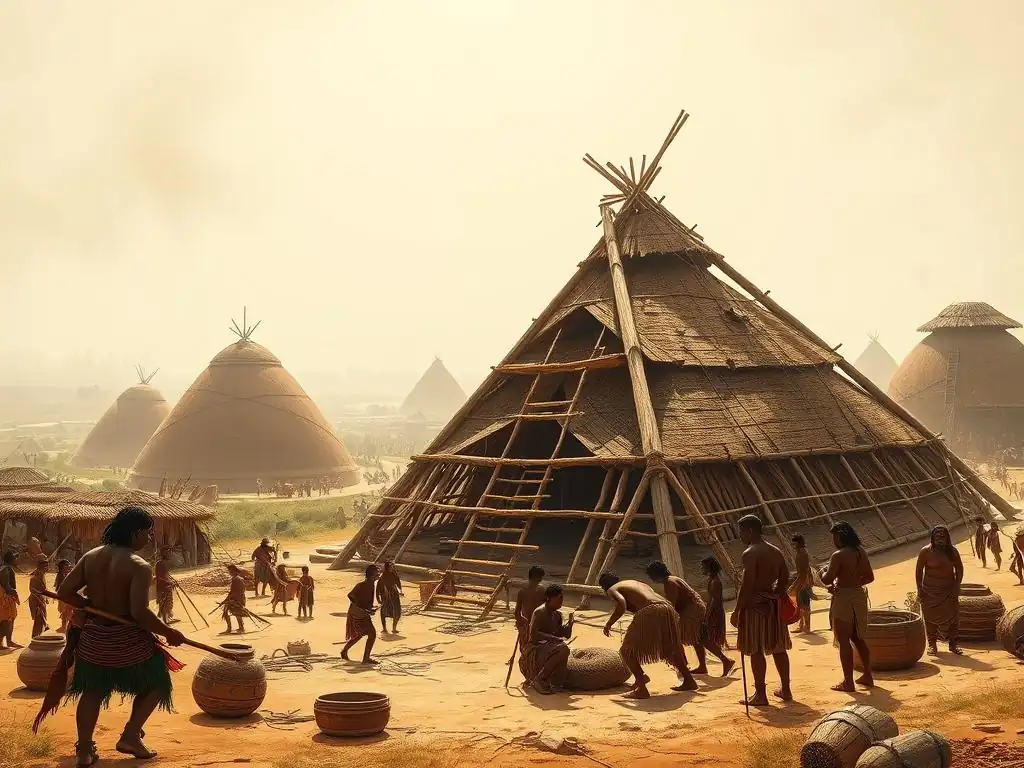
Cahokia's building techniques can be understood more fully when compared to those of other indigenous cultures across North America. While many societies demonstrated remarkable architectural prowess, the methods and materials used varied significantly, reflecting distinct environmental conditions and cultural priorities.
Contrasting Cahokia with Other Mound-Building Societies
When contrasted with other mound-building societies, such as the Adena and Mississippian cultures, Cahokia stands out for its scale and complexity. While both cultures constructed earthen mounds, Cahokia's mounds were often much larger and served multiple purposes, including as platforms for significant buildings or ceremonial spaces. The extensive urban layout of Cahokia, characterized by a network of interconnected mounds and plazas, further distinguishes it from other mound-building societies, which tended to have more dispersed and isolated mound sites.
Moreover, the construction techniques employed by the Cahokians, including the extensive use of tamped earth and the incorporation of wooden frameworks, show a higher degree of engineering sophistication compared to their contemporaries. This innovation allowed Cahokia to create more elaborate structures capable of supporting larger populations and facilitating complex social dynamics.
Similarities and Differences in Building Techniques Across Regions
While there are notable differences in building techniques across indigenous cultures, some similarities exist that highlight shared knowledge and practices. For instance, many indigenous societies utilized earth and wood as primary materials, emphasizing their connection to the land and available resources. In regions like the Great Plains, communities built earth lodges similar to the domed structures found in Cahokia, showcasing a common architectural theme.
However, differences arise in the scale and purpose of these structures. In Cahokia, the monumental nature of their mounds and urban planning was driven by a need for centralized governance and ceremonial practices, while other cultures may have focused more on individual or family-oriented structures. This divergence illustrates how local environments, societal needs, and cultural beliefs shaped the architectural practices of indigenous peoples across the Americas, with Cahokia representing a unique and innovative approach to building techniques.
Conclusion: The Legacy of Cahokia's Building Techniques
Cahokia, once a vibrant urban center, showcases a remarkable legacy in its building techniques that have significantly influenced indigenous architecture throughout the Americas. The innovative use of local materials, such as clay, wood, and stone, alongside advanced construction methods, allowed Cahokia to create monumental structures, including the iconic Monk's Mound. This legacy is not just about the physical structures but also includes the cultural significance embedded in their design, reflecting a complex society that valued community, spirituality, and functionality.
The building techniques developed and refined in Cahokia provided a foundation for subsequent indigenous cultures. They demonstrated an understanding of sustainable practices, utilizing resources efficiently while maintaining the ecological balance of their environment. Today, the remnants of Cahokia's architecture continue to inspire modern architects and historians alike, serving as a testament to the ingenuity of indigenous peoples.
Lasting Impact on Indigenous Architecture in the Americas
The architectural achievements of Cahokia have left a lasting mark on indigenous architecture across the Americas. The techniques employed—such as earthworks, the use of mortared stone, and the strategic placement of structures—have been observed in various subsequent cultures. For instance, the Mississippian culture, which succeeded Cahokia, adopted similar mound-building techniques and urban planning principles, emphasizing the importance of ceremonial spaces.
Cahokia's influence is also evident in other regions. The construction of large-scale earthworks and plazas in cultures such as the Ancestral Puebloans and various tribes in the Southeast reflects the architectural philosophies that originated in Cahokia. This interconnectedness of architectural styles illustrates how Cahokia's innovations fostered a shared cultural heritage among indigenous peoples.
Lessons Learned from Cahokia's Innovative Approaches
The innovative approaches employed by the builders of Cahokia offer valuable lessons for contemporary society. Key takeaways include:
- Sustainability: Cahokia’s builders utilized locally sourced materials, reducing the environmental impact and ensuring that their construction was harmonious with the landscape. This principle of sustainability is increasingly relevant in today’s architecture, where there is a growing emphasis on eco-friendly construction.
- Community Engagement: The construction of large communal buildings and public spaces highlights the importance of community involvement in the design and building process. Modern architecture can benefit from this inclusive approach, fostering a sense of belonging and ownership among community members.
- Adaptability: The ability of Cahokia's architects to adapt their techniques to the available resources and environmental conditions serves as a reminder of the importance of flexibility in design. This adaptability can inspire modern architects to create structures that are responsive to their surroundings and the needs of their users.
References and Further Reading on Cahokia Building Techniques History
For those interested in delving deeper into the history and techniques of Cahokia's architecture, a variety of resources are available. These include scholarly articles, books, and archaeological reports that provide insights into the methods, materials, and cultural significance of Cahokia's building practices.
Suggested Literature and Resources for Deeper Exploration
- "Cahokia: Ancient City of the Americas" by Timothy R. Pauketat: - This comprehensive work explores the rise and fall of Cahokia, with a focus on its architectural innovations.
- "The Mound Builders: Ancient Peoples of Eastern North America" by Robert F. Boszhardt: - This book provides an overview of the mound-building cultures, including Cahokia, detailing their construction techniques and societal structures.
- "Cahokia and the Hinterlands: Middle Mississippi Valley Communities in the 11th to 13th Centuries" edited by Thomas E. Emerson and R. Barry Lewis: - This collection of essays delves into the broader context of Cahokia's influence on surrounding communities.
Online Archives and Archaeological Findings Related to Cahokia Architecture
- The Cahokia Mounds State Historic Site - This site offers digital resources, including maps and photographs of archaeological findings, showcasing the remnants of Cahokia’s impressive structures.
- The National Park Service’s Cahokia Mounds - The NPS provides a wealth of information regarding ongoing research, preservation efforts, and educational resources about Cahokia’s architecture.
- The University of Illinois’ Website on Cahokia - This platform includes research papers, excavation reports, and insights from archaeologists studying Cahokia’s historical significance.
These resources provide a comprehensive foundation for understanding the innovative building techniques of Cahokia and their enduring impact on indigenous architecture in the Americas.
- Introduction to Cahokia Building Techniques History
- Overview of Cahokia Culture and Society
- Importance of Architecture in Indigenous Civilizations
- Historical Context of Cahokia's Architecture
- Key Materials Used in Cahokia Construction
- Methods of Construction Employed by Cahokia Architects
- Cultural Significance of Cahokia Building Techniques
- Comparative Analysis of Cahokia Building Techniques and Other Indigenous Cultures
- Conclusion: The Legacy of Cahokia's Building Techniques
- References and Further Reading on Cahokia Building Techniques History
- What is Cahokia known for in terms of building techniques?
- How did the geography of Cahokia influence its building methods?
- What materials were primarily used in Cahokia's construction?
- What impact did Cahokia's building techniques have on later civilizations?
- How does Cahokia's history contribute to our understanding of indigenous cultures?
Frequently Asked Questions
What is Cahokia known for in terms of building techniques?
Cahokia is renowned for its innovative building techniques, especially in the construction of earthworks and mounds, which utilized a variety of local materials.
How did the geography of Cahokia influence its building methods?
Cahokia's location near the Mississippi River provided access to plentiful natural resources, allowing for the use of wood, clay, and earth in their structures.
What materials were primarily used in Cahokia's construction?
The builders of Cahokia primarily utilized wood, clay, and grass, which were abundant in their environment and essential for their architectural innovations.
What impact did Cahokia's building techniques have on later civilizations?
Cahokia's advanced building techniques influenced surrounding tribes and later civilizations, showcasing the sophistication of indigenous engineering practices in North America.
How does Cahokia's history contribute to our understanding of indigenous cultures?
Cahokia's history highlights the complexity and diversity of indigenous cultures in the Americas, illustrating their achievements in urban planning and construction long before European contact.
Final Reflection: Unveiling the Legacy of Cahokia's Architectural Ingenuity
Cahokia's innovative building techniques stand as a testament to the ingenuity and resourcefulness of its ancient inhabitants, showcasing how their methods remain relevant in today's discussions on sustainable architecture and urban planning. The lessons learned from Cahokia's history not only inform our understanding of past civilizations but also challenge us to rethink our modern approaches to construction and community development.
The architectural practices of Cahokia continue to resonate within our cultural and social landscapes, reminding us of the profound connection between environment and design. The intricate use of local materials and the adaptation to the landscape highlight a deep understanding of sustainability that is often overlooked in contemporary practices. The past is a prologue to the future,
as William Shakespeare once said, and in this case, the legacy of Cahokia serves as a guide for how we might build more harmoniously with our surroundings.
As we reflect on the innovative techniques of Cahokia, let us consider how we can apply these lessons in our own lives and communities. I invite you to explore your surroundings with a fresh perspective, seeking inspiration from the past to inform the future. Whether through sustainable building practices or community engagement, we all have the power to contribute to a legacy of innovation and harmony, just as the people of Cahokia did centuries ago.
Unveil Cahokia's Secrets: Take Action Today!
Thank you for diving into the fascinating world of Cahokia's innovative building techniques! You’ve gained insights into the remarkable materials and methods that shaped one of the most significant Indigenous civilizations in North America. Now, let’s put that knowledge to work!
Here are some ways you can immerse yourself deeper into this captivating history:
- Explore local museums or exhibits that highlight Native American architecture and invite a friend to join your journey!
- Share this article with your community or on social media to spark conversations about Indigenous innovations and their relevance today.
- Join an online discussion group focused on Indigenous history; connect with like-minded individuals to share insights and discoveries.
What aspect of Cahokia's architecture inspires you the most, and how can you share this newfound appreciation with others?