
The Secrets Behind Traditional Indigenous Ingredients: A Culinary Journey

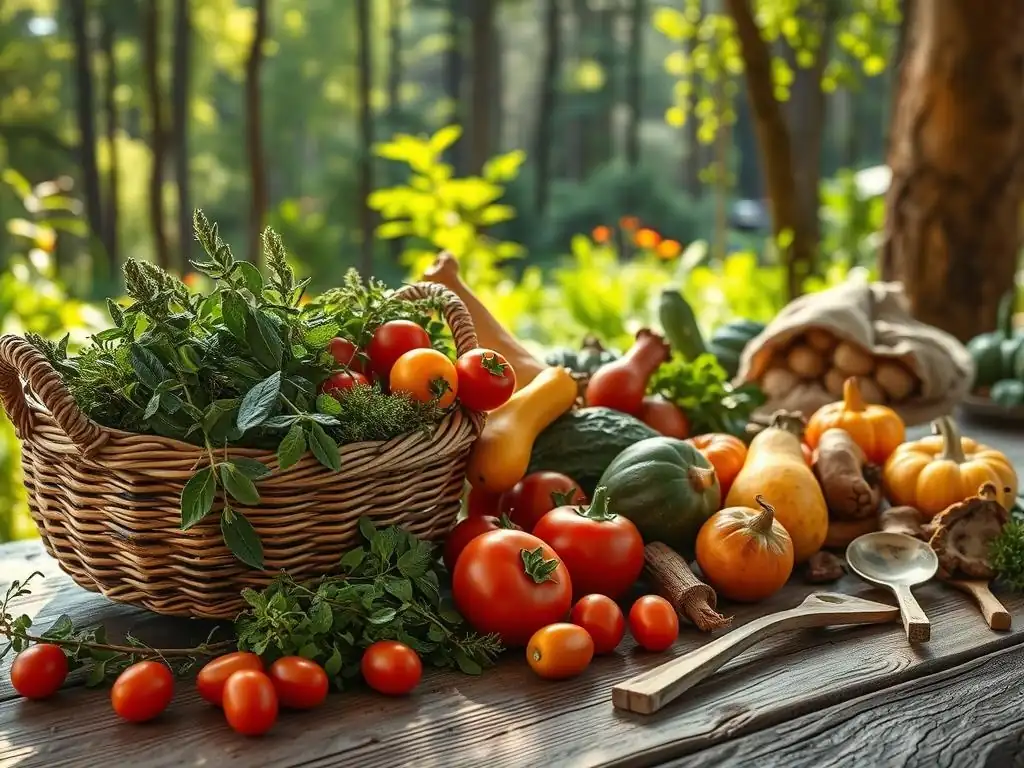
Welcome to Indigenous Civilizations of the Americas, where we invite you to embark on a fascinating journey through the rich tapestry of indigenous cultures that flourished long before European arrival. In our featured article, “The Secrets Behind Traditional Indigenous Ingredients: A Culinary Journey,” we delve into the traditional indigenous cooking ingredients that not only shaped the culinary landscape but also reflect the profound connection these societies had with their land. Prepare to uncover the hidden stories and vibrant flavors that continue to inspire modern cuisine, and let your curiosity lead you deeper into the remarkable legacies of these civilizations.
Introduction to Traditional Indigenous Cooking Ingredients
In the vast tapestry of the Americas, indigenous cultures have woven a rich legacy of culinary traditions that reflect their deep connection to the land, spirituality, and community. This article embarks on a culinary journey to uncover the secrets behind traditional indigenous cooking ingredients, many of which have shaped the diets and culinary practices of numerous tribes for centuries. From the vibrant colors of heirloom corn to the earthy tones of wild herbs, these ingredients tell stories of resilience, adaptation, and a profound respect for nature.
Traditional indigenous cooking ingredients are not merely items on a grocery list; they symbolize the very essence of the cultures that cultivated them. They encompass a diverse array of plants, seeds, and animal products, each with its unique flavor profile and nutritional value. Understanding these ingredients allows us to appreciate the creativity and resourcefulness of indigenous chefs who transformed simple elements into elaborate dishes that celebrate identity and heritage. 🌽✨
This exploration is essential not only for preserving culinary knowledge but also for recognizing the importance of these ingredients in contemporary cooking. As we delve deeper into the historical context of these vital elements, we will discover their significance and the lessons they hold for modern culinary practices.
Historical Context of Indigenous Cooking Ingredients
The history of traditional indigenous cooking ingredients is as diverse as the cultures that have utilized them. Before European colonization, indigenous peoples across the Americas cultivated and gathered a myriad of ingredients, each adapted to their specific environments.
- Agricultural Innovations: Many tribes developed advanced agricultural systems, such as the Three Sisters method—planting corn, beans, and squash together to promote mutual growth and sustainability. This practice not only maximized crop yield but also created a balanced diet rich in nutrients.
- Diverse Ingredients: Indigenous ingredients vary significantly by region, reflecting local ecosystems. For instance:
- Northeast: Wild rice and maple syrup
- Southeast: Sweet potatoes and pecans
- Southwest: Chiles and amaranth
- Pacific Northwest: Salmon and berries
- Cultural Significance: Beyond their nutritional value, many ingredients are steeped in cultural rituals and traditions. For example, the use of certain herbs in ceremonies or the preparation of specific dishes during seasonal celebrations highlights the spiritual connection to food.
- Adaptation and Resilience: The impact of colonization drastically altered indigenous diets and agricultural practices. However, many communities have worked to revive and reclaim traditional ingredients and recipes, emphasizing their importance in maintaining cultural identity.
As we continue our journey into the realm of traditional indigenous cooking ingredients, we will uncover the unique flavors and health benefits they offer, as well as the stories that connect them to the people who have cherished them throughout history. 🍃🔍
Exploring Key Traditional Indigenous Ingredients
Traditional indigenous cooking ingredients are not merely components of recipes; they represent the rich heritage, cultural practices, and agricultural knowledge of the indigenous peoples of the Americas. This culinary journey reveals the profound connection between these ingredients and the environments in which they were cultivated, as well as their uses in traditional dishes. From the high altitudes of the Andes to the fertile plains of North America, each ingredient tells a story of resilience, adaptation, and the celebration of nature.
1. Corn: The Staple of Indigenous Cuisine
Corn, or maize, is arguably the most significant traditional indigenous cooking ingredient across the Americas. Domesticated over 9,000 years ago in southern Mexico, corn became a staple food for numerous indigenous cultures, including the Maya and the Aztec. Its versatility is astounding, as it can be transformed into a multitude of forms—such as tortillas, tamales, and polenta—allowing for a diverse range of culinary applications.
Moreover, corn holds cultural significance; it is often featured in rituals and celebrations, symbolizing life and sustenance. Its various colors—yellow, blue, red, and white—are celebrated for their unique flavors and nutritional profiles. The cultivation and use of corn exemplify the indigenous understanding of sustainable agriculture, where crop rotation and companion planting are employed to maintain soil health and biodiversity.
2. Quinoa: Ancient Superfood of the Andes
Quinoa, a grain-like seed native to the Andean region, has been cultivated for thousands of years. Revered by the Incas as "the mother grain," quinoa is prized not only for its nutritional value—rich in protein, fiber, and essential amino acids—but also for its adaptability to harsh growing conditions. It thrives in diverse climates, from high-altitude terrains to arid environments, making it a resilient food source.
The unique cooking properties of quinoa allow it to absorb flavors well, making it a popular base for salads, soups, and side dishes. Today, quinoa has gained global popularity, often marketed as a superfood, yet it remains deeply rooted in indigenous culinary traditions. Its continued use by indigenous communities underscores the importance of preserving these traditional practices and the knowledge that accompanies them.
3. Chili Peppers: The Spice of Life
Chili peppers are a vibrant and essential ingredient in many indigenous cuisines, particularly in Mesoamerica. Initially cultivated in the region over 6,000 years ago, they were used not only for their flavor but also for their medicinal properties. The wide variety of chili peppers—from mild to extremely hot—reflects the biodiversity of their origins.
In traditional cooking, chili peppers add depth, heat, and color to dishes, enhancing everything from salsas to stews. Additionally, they play a crucial role in food preservation; their natural properties can inhibit the growth of bacteria, allowing for longer storage of food. The rich history of chili peppers highlights the indigenous peoples' ingenuity in utilizing local resources to create flavorful and sustainable diets.
4. Beans: Nutritional Powerhouses
Beans are another cornerstone of traditional indigenous cooking, offering a rich source of protein, fiber, and essential nutrients. Varieties such as black beans, pinto beans, and kidney beans have been cultivated for centuries, often used in conjunction with corn to create a complete protein source. This combination is not only nutritious but also foundational in many indigenous dishes, reflecting the agricultural wisdom of the communities.
Beans are celebrated for their versatility—they can be used in soups, stews, salads, and even desserts. Their ability to enrich the soil through nitrogen fixation also exemplifies sustainable farming practices. The importance of beans in indigenous diets is a testament to their nutritional value and the cultural significance they hold in communal cooking and sharing.
5. Amaranth: A Versatile Grain
Amaranth, often referred to as a pseudo-grain, has been cultivated by indigenous peoples for thousands of years. Its resilience in poor soil conditions and its ability to thrive in various climates make it a valuable crop. Rich in protein, fiber, and micronutrients, amaranth is often used in porridge, breads, and as a thickening agent in soups.
Beyond its nutritional benefits, amaranth holds cultural importance for many indigenous groups. It is often associated with rituals and celebrations, symbolizing abundance and fertility. The resurgence of interest in amaranth today highlights the need to reconnect with traditional agricultural practices and to appreciate the diverse culinary uses of this ancient grain.
The Art of Pairing Traditional Indigenous Ingredients
The art of pairing traditional indigenous ingredients is not just about flavor; it is a reflection of cultural practices and culinary heritage. Each ingredient complements others, creating dishes that are not only nourishing but also tell a story of the land and its peoples.
- Balancing Flavors: Combining the earthiness of beans with the zest of chili peppers enhances the overall palate, creating a harmonious balance.
- Nutritional Complements: Pairing corn with beans provides a complete protein, showcasing the indigenous understanding of nutrition.
- Culinary Creativity: Amaranth can be used in salads alongside quinoa and vegetables, illustrating the versatility and adaptability of indigenous ingredients in modern cooking.
By exploring these pairings, chefs and home cooks alike can rediscover the richness of indigenous culinary traditions, fostering a deeper appreciation for the ingredients that have sustained communities for generations. Embracing these traditional indigenous cooking ingredients not only enriches our diets but also honors the cultural heritage that continues to influence contemporary culinary practices.
Modern Interpretations of Traditional Indigenous Ingredients
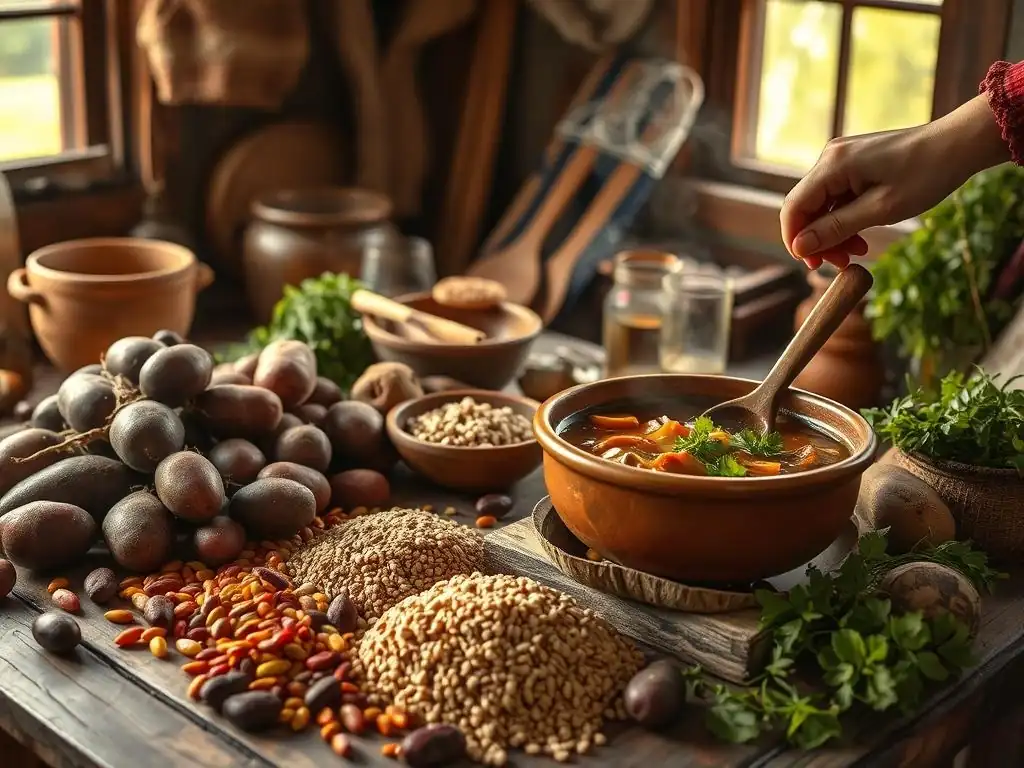
As contemporary chefs and food enthusiasts seek to celebrate and respect indigenous culinary traditions, modern interpretations of traditional indigenous ingredients have emerged. These interpretations often blend classic techniques and flavors with innovative approaches, creating a vibrant fusion of old and new. The resurgence of interest in local and foraged foods has allowed chefs to explore traditional ingredients, leading to a renewed appreciation for native crops, herbs, and spices.
For instance, ingredients such as maize, quinoa, and amaranth are being reimagined in modern dishes. Chefs might utilize these grains not only as side dishes but also as foundational elements in gourmet meals, like quinoa salads dressed with native herbs or maize-based risottos. Furthermore, traditional cooking methods, such as steaming in banana leaves or cooking in earthen ovens, are being adapted to contemporary kitchens, providing a unique cooking experience that honors indigenous practices.
In addition to traditional ingredients, modern interpretations often reflect a deeper connection to sustainability and environmental awareness. By sourcing local indigenous ingredients, chefs contribute to the preservation of indigenous agricultural practices and support local economies. This movement is not just about the food but also about storytelling, where each dish carries the history and cultural significance of the ingredients used.
Incorporating Traditional Ingredients into Contemporary Cooking
Incorporating traditional indigenous ingredients into contemporary cooking can transform meals into culinary experiences that celebrate heritage and culture. To achieve this, chefs and home cooks alike can follow several strategies:
- Exploring Local Markets: Many cities have farmers' markets or specialty stores dedicated to native ingredients. These venues often offer a variety of traditional produce, such as wild rice, heirloom squashes, and native berries like huckleberries and salmonberries.
- Experimenting with Cooking Techniques: Traditional methods such as smoking, drying, and fermenting can be adapted to modern kitchens. For example, smoked chiles can add depth to sauces, while fermented corn can be used in innovative dips or spreads.
- Creating Signature Dishes: Chefs can create signature dishes that highlight traditional ingredients. For instance, a modern twist on a classic indigenous stew could incorporate ingredients like bison, a variety of beans, and seasonal vegetables, presented with a contemporary plating style.
- Fusion with Global Flavors: Blending indigenous ingredients with global culinary techniques can yield exciting results. Consider using cacao from indigenous cacao plants in Mexican cuisine to create rich chocolate desserts that incorporate spices from other culinary traditions.
By embracing these strategies, cooks can celebrate traditional indigenous cooking ingredients, ensuring they remain a living part of today's culinary landscape while also educating diners about their significance.
Health Benefits of Traditional Indigenous Cooking Ingredients
Traditional indigenous cooking ingredients are not only flavorful but also packed with nutritional benefits that contribute to overall health and well-being. Many of these ingredients have been used for centuries and are celebrated for their dietary advantages:
- Maize (Corn): A staple in many indigenous diets, maize is high in fiber and essential vitamins. It promotes digestive health and provides a good source of energy.
- Quinoa: Known as a superfood, quinoa is rich in protein and contains all nine essential amino acids. It is also gluten-free and provides a wealth of vitamins and minerals, including magnesium and iron.
- Beans: Indigenous varieties of beans, such as black beans and pinto beans, are excellent sources of protein and fiber. They help regulate blood sugar levels and support heart health.
- Wild Rice: Unlike cultivated rice, wild rice is a whole grain that is higher in protein and fiber. It also contains antioxidants that can help reduce inflammation in the body.
- Berries: Indigenous berries like blueberries, blackberries, and acai are rich in antioxidants, vitamins, and minerals. They are known for their anti-inflammatory properties and can boost overall health.
- Herbs and Spices: Traditional herbs like cilantro, oregano, and sage not only enhance flavor but also possess medicinal properties. For example, sage has been used for its anti-inflammatory effects and digestive benefits.
Incorporating these traditional indigenous ingredients into the diet can lead to improved health outcomes and a greater appreciation for the diverse food systems that have existed for centuries. By understanding the nutritional value and historical significance of these ingredients, individuals can make informed choices that honor indigenous cultures while promoting personal health.
Conclusion: Embracing Traditional Indigenous Ingredients in Culinary Practices
As we conclude our culinary journey through traditional indigenous cooking ingredients, it's essential to recognize the profound impact these ingredients have on both our diets and cultural heritage. By embracing these time-honored ingredients, we not only honor the wisdom and practices of indigenous peoples but also enrich our culinary experiences.
Traditional indigenous ingredients such as corn, beans, squash, wild rice, and various herbs and spices are not mere relics of the past; they are vibrant elements that can enhance modern cooking. These ingredients carry unique flavors and nutritional benefits, often rooted in sustainable agricultural practices that respect the land and environment. For instance, the trio of corn, beans, and squash—known as the "Three Sisters"—demonstrates a symbiotic planting technique that nourishes both the soil and the crops, yielding a bounty that has sustained generations.
Integrating these traditional ingredients into contemporary recipes encourages a deeper connection with the land and its history. It invites us to explore the rich tapestry of indigenous cultures, their stories, and their culinary practices. By choosing to incorporate these ingredients into our meals, we can participate in a culinary revival that celebrates diversity, sustainability, and respect for indigenous knowledge.
In this way, we not only keep these culinary traditions alive but also contribute to a broader movement of appreciation for the heritage and contributions of indigenous peoples. As we cook and share these dishes, we foster a greater understanding and respect for the cultures that have shaped the landscapes of the Americas long before European contact.
Resources for Further Exploration
If you are interested in delving deeper into the world of traditional indigenous cooking ingredients and their culinary applications, the following resources provide valuable insights and knowledge:
- Books:
- The Food of the Americas by various authors offers a comprehensive overview of indigenous ingredients and recipes.
- Native American Cooking: Recipes from the Southwest by Thelma Adams presents authentic recipes that highlight regional ingredients.
- Documentaries:
- "The Art of the Plate" explores indigenous culinary traditions and the importance of native ingredients in contemporary cooking.
- "Gather" focuses on the stories of indigenous people reclaiming their food traditions, featuring discussions on traditional ingredients and their significance.
- Websites and Online Platforms:
- The Native American Food Sovereignty Alliance provides resources, articles, and tools for understanding food systems and traditional ingredients.
- The Smithsonian National Museum of the American Indian offers educational materials and recipes that celebrate indigenous culinary heritage.
- Culinary Workshops and Classes:
- Look for local cooking classes that focus on indigenous cuisines, often offered by community colleges or cultural centers. These classes provide hands-on experiences with traditional ingredients and techniques.
By exploring these resources, you can further appreciate the depth and variety of traditional indigenous cooking ingredients while enhancing your culinary repertoire.
- Introduction to Traditional Indigenous Cooking Ingredients
- Historical Context of Indigenous Cooking Ingredients
- Exploring Key Traditional Indigenous Ingredients
- The Art of Pairing Traditional Indigenous Ingredients
- Modern Interpretations of Traditional Indigenous Ingredients
- Health Benefits of Traditional Indigenous Cooking Ingredients
- Conclusion: Embracing Traditional Indigenous Ingredients in Culinary Practices
- Resources for Further Exploration
- What are traditional indigenous cooking ingredients?
- How do these ingredients differ from modern cooking ingredients?
- What is the significance of these ingredients in indigenous cultures?
- How can I incorporate traditional indigenous ingredients into my cooking?
- Are there any health benefits associated with traditional indigenous ingredients?
Frequently Asked Questions
What are traditional indigenous cooking ingredients?
Traditional indigenous cooking ingredients are native foods and seasonings used by indigenous cultures in the Americas, often sourced from local ecosystems. These ingredients reflect the diverse agricultural practices and culinary traditions of various tribes.
How do these ingredients differ from modern cooking ingredients?
Many traditional indigenous ingredients, such as maize, beans, and squash, are staples that have been cultivated for thousands of years. They emphasize sustainability and seasonality, contrasting with the globalized and processed ingredients common in modern cooking.
What is the significance of these ingredients in indigenous cultures?
These ingredients are not only crucial for nutrition but also hold deep cultural meanings. They are often tied to spiritual practices, community gatherings, and the identity of indigenous peoples, showcasing their connection to the land.
How can I incorporate traditional indigenous ingredients into my cooking?
To incorporate these ingredients, start by sourcing local produce that aligns with indigenous methods, such as heritage grains and wild herbs. Experiment with recipes that celebrate the flavors and techniques used by indigenous chefs.
Are there any health benefits associated with traditional indigenous ingredients?
Yes, many traditional indigenous ingredients are rich in nutrients and have been shown to support health and wellness. Ingredients like amaranth, quinoa, and various herbs provide essential vitamins and minerals, promoting a balanced diet.
Final Reflection: Embracing the Wisdom of Traditional Indigenous Cooking Ingredients
The exploration of traditional indigenous cooking ingredients is not just a culinary journey; it is a profound connection to the land, culture, and history that shapes our understanding of food today. As we navigate a world increasingly dominated by fast food and processed meals, recognizing the significance of these ingredients invites us to appreciate the rich tapestry of flavors and stories that have nourished generations. The revival of traditional cooking practices is not merely a trend; it is a vital movement towards sustainability and cultural preservation.
Cultural appreciation and respect for indigenous knowledge are essential in our increasingly globalized society. The wisdom embedded in these traditional ingredients offers insights into sustainable practices and holistic health that are often overlooked in modern cooking. As we incorporate these ingredients into our kitchens, we honor the traditions and communities that have cultivated them for centuries. Food is a universal language that transcends borders, connecting us to our roots and to each other.
This quote encapsulates the idea that through food, we can foster understanding and respect for diverse cultures.
As you reflect on the secrets behind traditional indigenous cooking ingredients, I invite you to consider how you can integrate these practices into your own culinary experiences. Take a moment to explore local markets, engage with indigenous communities, and experiment with these ingredients in your cooking. By doing so, you not only enrich your palate but also contribute to the preservation of invaluable cultural heritage. Let this journey inspire you to become a steward of traditional knowledge, ensuring that these culinary treasures continue to thrive for future generations.
Embark on Your Culinary Adventure Today!
Thank you for joining us on this exploration of the incredible world of traditional Indigenous ingredients! We hope you’ve gained a deeper appreciation for the rich flavors and cultural significance they hold. Now, it’s time to take the next step in your culinary journey!
Here are some actionable ideas to get you started:
- Experiment with cooking: Choose one Indigenous ingredient you learned about and create a dish that showcases its unique flavor. Share your culinary masterpiece with friends and family!
- Join a local workshop: Seek out cooking classes or community events focused on Indigenous cuisine to deepen your understanding and enhance your skills.
- Engage with your community: Share your newfound knowledge on social media or in local food forums—encourage others to explore and celebrate the diversity of Indigenous ingredients.
What traditional Indigenous ingredient are you most excited to try in your cooking, and why? Let's spark a conversation!