
Essential Safety Gear for Archaeological Site Exploration: Stay Safe While Discovering

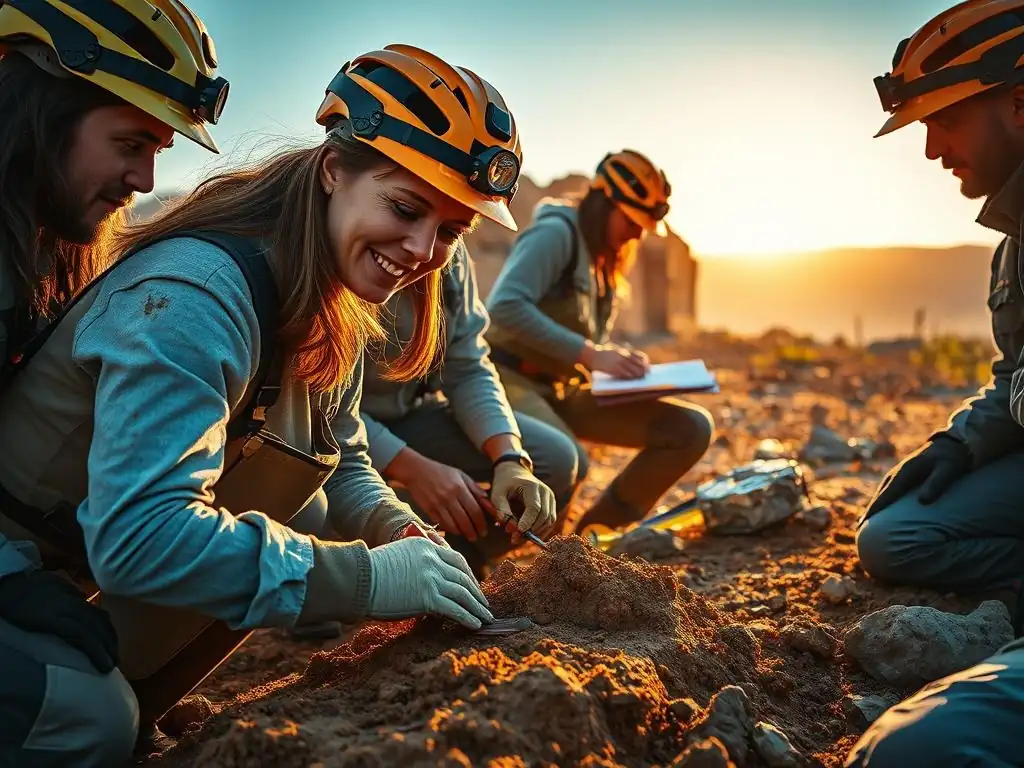
Welcome to Indigenous Civilizations of the Americas, where we embark on an enlightening journey through the vibrant cultures that flourished long before European contact. Here, we delve into the rich tapestry of achievements and societal structures that define these remarkable civilizations. In our featured article, “Essential Safety Gear for Archaeological Site Exploration: Stay Safe While Discovering,” we provide crucial insights into the archaeological site safety gear you need to ensure a secure and enriching exploration experience. Get ready to uncover the past while prioritizing your well-being—your adventure begins now!
Archaeological exploration is an exciting gateway to uncovering the rich histories of indigenous civilizations across the Americas. However, it is also a venture that comes with its own set of challenges and risks. Proper safety measures are paramount to ensuring a fruitful and secure experience while delving into these historically significant sites.
This article will serve as a comprehensive guide to essential safety gear for archaeological site exploration, focusing on the specific equipment needed to protect researchers, volunteers, and enthusiasts alike. By understanding the necessary precautions and gear, explorers can fully immerse themselves in the discovery process without compromising their safety.
Introduction to Archaeological Site Safety Gear
When embarking on an archaeological expedition, safety gear is not merely an accessory but a fundamental necessity. The right safety equipment can significantly mitigate hazards that may arise during fieldwork, allowing for a more focused and productive exploration of the site. This section will introduce the various types of safety gear essential for anyone involved in archaeological digs, from professional archaeologists to enthusiastic volunteers.
Understanding the Basics of Archaeological Site Safety
Archaeological site safety encompasses a broad range of considerations that go beyond just wearing the right gear. It involves a thorough understanding of the environment, potential hazards, and the necessary preparations to tackle them effectively.
Key Safety Risks in Archaeological Fieldwork
Several risks are inherent in archaeological fieldwork, including:
- Environmental Hazards: Exposure to harsh weather conditions, such as extreme heat or cold, can lead to health issues like heat exhaustion or hypothermia.
- Physical Injuries: Uneven terrain, sharp tools, and heavy equipment can cause accidents and injuries.
- Biological Risks: Encounters with wildlife, insects, or plants that may cause allergic reactions or other health concerns are prevalent in outdoor settings.
- Hazardous Materials: Some archaeological sites may contain toxic substances, such as lead or asbestos, which require special precautions.
Understanding these risks is the first step in ensuring a safe fieldwork experience.
The Role of Proper Safety Gear in Reducing Risks
Proper safety gear functions as a protective barrier against the aforementioned risks, bolstering the safety of archaeologists and explorers. Essential safety gear typically includes:
- Personal Protective Equipment (PPE): Items such as gloves, masks, and goggles protect against physical and biological hazards.
- Weather-Appropriate Clothing: Layered clothing that is suitable for varying weather conditions can prevent heat stress or hypothermia.
- Footwear: Sturdy, protective boots provide stability and safeguard against injuries from sharp objects or uneven terrain.
- First Aid Kits: Having a comprehensive first aid kit on hand is crucial for addressing minor injuries promptly.
By utilizing the appropriate safety gear, individuals can significantly reduce their risk of injury and ensure a more enjoyable and productive archaeological exploration experience.
Essential Safety Gear for Archaeological Site Exploration
Engaging in archaeological site exploration requires a commitment not only to discovery but also to safety. The environments where archaeological work occurs can be unpredictable and fraught with hazards such as sharp tools, uneven terrain, and environmental conditions. Therefore, equipping oneself with the proper safety gear is essential for a productive and safe experience. This section outlines the critical components of safety gear necessary for anyone venturing into archaeological digs or explorations.
Personal Protective Equipment (PPE)
Personal Protective Equipment (PPE) is the cornerstone of safety in archaeological fieldwork. This gear is designed to protect individuals from potential injuries and health risks associated with excavation activities.
- Hard Hats: Essential for protecting the head from falling objects, especially in areas where excavation is taking place. Hard hats should meet safety standards and provide adequate ventilation.
- Safety Goggles: Eye protection is crucial to guard against dust, debris, and potential chemical hazards. Goggles should fit snugly and provide a wide field of vision.
- Gloves: Durable work gloves protect hands from cuts, scrapes, and exposure to hazardous materials. Gloves should be chosen based on the specific tasks at hand, such as handling sharp tools or working with chemicals.
- Ear Protection: In cases where heavy machinery is used, earplugs or earmuffs can help prevent hearing loss from prolonged exposure to loud noises.
Clothing and Footwear
Appropriate clothing and footwear are vital for comfort and safety during archaeological site exploration. The right attire can help shield against the elements and reduce the risk of injury.
- Long-Sleeved Shirts and Pants: These provide protection against sun exposure, insect bites, and brushes with thorny plants. Fabrics that wick moisture and offer UV protection are ideal.
- Durable Footwear: Sturdy, supportive boots with good traction are essential for navigating uneven and sometimes slippery terrain. Waterproof options are beneficial for damp or muddy sites.
- Hats and Sunscreen: A wide-brimmed hat can protect the face and neck from sunburn. Additionally, applying sunscreen with a high SPF is crucial for long hours spent outdoors.
Tools and Accessories
In addition to protective clothing and gear, specific tools and accessories enhance safety and efficiency during archaeological work.
- First Aid Kit: A well-stocked first aid kit is a must-have for treating minor injuries on site. It should include bandages, antiseptics, and any personal medications.
- Multi-Tool: A multi-tool can serve multiple purposes, from cutting to prying, and can be essential for quick fixes or adjustments while working.
- Headlamps or Flashlights: Adequate lighting is crucial when working in low-light conditions or during early morning or late afternoon hours. Headlamps are particularly useful as they allow for hands-free operation.
Recommended Products for Archaeological Site Safety Gear
When it comes to selecting safety gear, the market offers a plethora of options tailored for archaeological site exploration. Below are some recommended products that combine quality and functionality.
Top Hard Hats for Archaeological Work
When choosing a hard hat, look for options that meet ANSI Z89.1 safety standards. Popular choices include:
- MSA V-Gard Hard Hat: Known for its comfort and durability, it features a lightweight design and adjustable suspension.
- Honeywell Fibre-Metal SuperEight: This hard hat is made from high-density polyethylene for maximum impact resistance and is designed for all-day wear.
Best Safety Goggles for Fieldwork
Selecting the right safety goggles can make a significant difference in protecting your eyes. Recommended products include:
- 3M Virtua Protective Eyewear: These goggles provide a comfortable fit with anti-fog and anti-scratch coatings.
- Uvex Stealth Safety Eyewear: With a wraparound style and soft temple tips, these goggles offer excellent protection and comfort for long hours in the field.
Recommended Footwear for Archaeological Exploration
Choosing the right footwear is crucial for comfort and safety. Some top recommendations are:
- Merrell Moab 2 Waterproof Hiking Shoes: These shoes offer great support and traction, making them suitable for various terrains.
- Keen Targhee II Waterproof Hiking Boots: Known for their durability and comfort, these boots provide excellent ankle support and are waterproof, ideal for muddy or wet conditions.
Equipping oneself with the right archaeological site safety gear not only enhances personal safety but also contributes to a more effective and enjoyable exploration experience. Prioritize quality and functionality when selecting your gear to ensure you are well-prepared for any archaeological adventure.
Conclusion: Prioritizing Safety in Archaeological Site Exploration
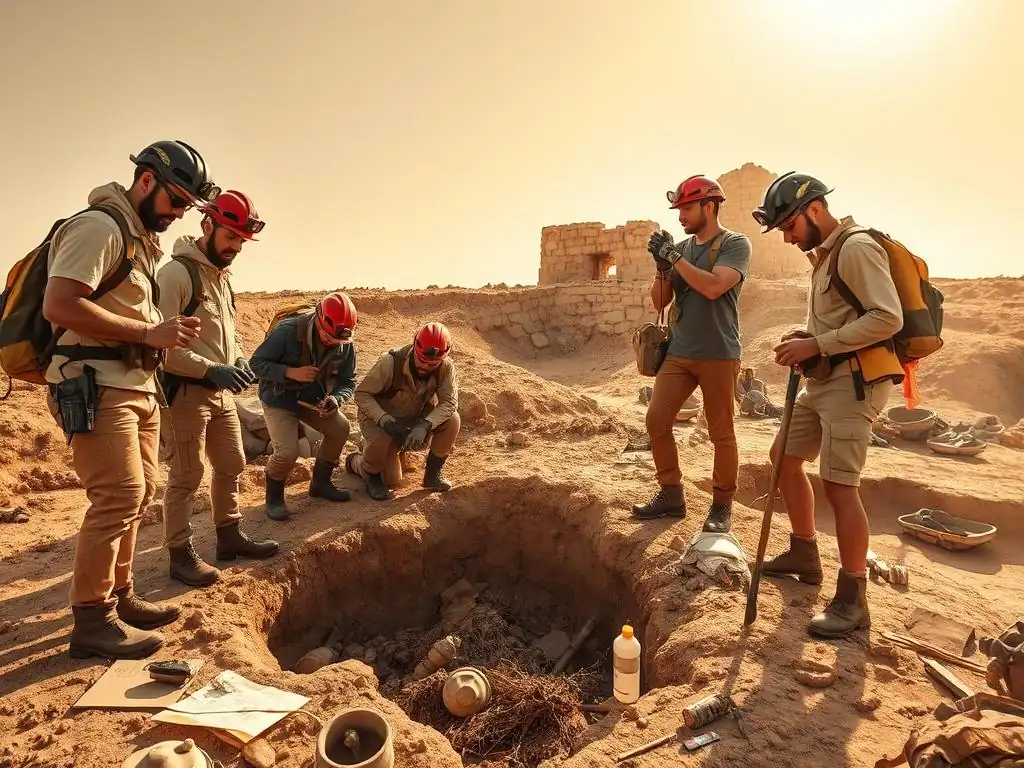
Safety should always be the top priority when exploring archaeological sites. The inherent risks associated with excavation, environmental exposure, and interaction with potentially hazardous materials can not be overlooked. By equipping yourself with the appropriate archaeological site safety gear, you significantly reduce the likelihood of accidents and injuries. Essential items such as helmets, gloves, and first-aid kits are not just recommendations; they are necessities that ensure you are prepared for any unexpected situations.
Moreover, understanding the environment and being aware of the specific dangers that a site may present—such as unstable ground or wildlife—further enhances your safety. It is crucial to develop a safety mindset; this means continuously assessing risks and being proactive in your preparations. Ultimately, a commitment to safety allows for a more enriching and rewarding exploration experience, enabling you to focus on the wonders of the past while safeguarding your well-being.
Additional Resources
For those interested in deepening their understanding of safety practices in archaeological explorations, a variety of resources are available. These resources offer not only guidelines for safety gear but also insights into best practices for conducting research in potentially hazardous environments. Below are notable categories of resources that can support your journey:
Where to Purchase Archaeological Site Safety Gear
Finding reliable sources for purchasing archaeological site safety gear is essential for every explorer. Here are some recommended options:
- Specialty Outdoor Retailers: Stores that focus on outdoor gear often carry a wide range of safety equipment suitable for archaeological work.
- Online Marketplaces: Websites such as Amazon and eBay have extensive selections of safety gear, often with user reviews to help you make informed decisions.
- Professional Archaeological Supply Companies: Many companies specialize in equipment for archaeologists and can provide high-quality gear tailored to specific needs.
- Local Universities or Institutions: These entities may have resources or recommendations for purchasing safety gear, particularly if they have active archaeology programs.
Continuing Education in Safety Practices
Staying updated on the latest safety practices is crucial for anyone involved in archaeological site exploration. Consider these avenues for continuing education:
- Workshops and Training Sessions: Many archaeological organizations offer workshops focused on safety protocols, which can be invaluable for both beginners and seasoned professionals.
- Online Courses: Platforms such as Coursera or edX frequently provide courses on safety in fieldwork, which can be taken at your own pace.
- Conferences and Symposiums: Attending industry-related events can provide networking opportunities and insights into current safety methodologies and practices.
- Certification Programs: Pursuing certifications in first aid, CPR, or specific safety training tailored to fieldwork can significantly bolster your preparedness and confidence while exploring archaeological sites.
By taking advantage of these additional resources, you can ensure that you are well-equipped and knowledgeable, enhancing both your safety and the overall quality of your archaeological explorations.
Final Thoughts
Exploring archaeological sites is an enriching experience that allows us to connect with the histories and cultures of indigenous civilizations across the Americas. However, safety should always be a priority when venturing into these often rugged and unpredictable environments. Utilizing the right archaeological site safety gear is essential to ensure both personal safety and the preservation of these invaluable cultural resources.
Investing in quality safety gear such as sturdy footwear, protective clothing, sun protection, first aid kits, and tools for navigation and communication is not just about individual safety; it is about respecting the sites you explore. By prioritizing safety, explorers can contribute to the ongoing protection of archaeological sites, fostering a deeper appreciation for the rich heritage of indigenous cultures.
As you prepare for your next archaeological adventure, remember that being well-equipped increases your ability to enjoy the experience fully. Always stay informed about the specific conditions of the sites you plan to visit, and be mindful of local regulations and guidelines aimed at preserving these historical treasures. By combining safety with respect and awareness, you can ensure that your explorations are not only safe but also responsible and sustainable. Happy exploring! 🌍✨
- Introduction to Archaeological Site Safety Gear
- Understanding the Basics of Archaeological Site Safety
- Essential Safety Gear for Archaeological Site Exploration
- Recommended Products for Archaeological Site Safety Gear
- Conclusion: Prioritizing Safety in Archaeological Site Exploration
- Additional Resources
- Final Thoughts
- What is archaeological site safety gear?
- Why is safety gear important in archaeological exploration?
- What specific items should be included in my archaeological safety gear?
- Are there specific regulations regarding safety gear on archaeological sites?
- How can I ensure my safety gear is suitable for archaeological work?
Frequently Asked Questions
What is archaeological site safety gear?
Archaeological site safety gear includes essential equipment such as helmets, gloves, and protective clothing designed to ensure safety while exploring excavation sites.
Why is safety gear important in archaeological exploration?
Using safety gear is crucial for preventing injuries from hazardous conditions at excavation sites, which may include uneven terrain, sharp tools, and exposure to the elements.
What specific items should be included in my archaeological safety gear?
Essential items include hard hats, sturdy footwear, gloves, and high-visibility vests. These help protect you from physical harm and improve visibility during work.
Are there specific regulations regarding safety gear on archaeological sites?
Yes, many regions have regulations that require the use of safety gear on archaeological sites to protect workers and researchers from potential hazards.
How can I ensure my safety gear is suitable for archaeological work?
Choose gear that meets industry standards and is specifically designed for archaeological fieldwork. Ensure it fits properly and is in good condition to maximize protection.
Final Reflection: The Crucial Role of Safety in Archaeological Exploration
In the realm of archaeology, the importance of safety gear cannot be overstated; it is the foundation upon which successful and responsible exploration is built. As we delve into the past, we must prioritize our well-being to ensure that our discoveries do not come at the cost of our safety. The tools and equipment we choose to wear are not just accessories; they are essential components that protect us from the unpredictable nature of archaeological sites.
The impact of proper safety gear extends beyond individual protection; it shapes the very culture of archaeological practice. As we advocate for safety, we foster an environment where exploration is not only about unearthing artifacts but also about respecting the well-being of those involved. This cultural shift encourages new generations of archaeologists to prioritize safety, ensuring that the legacy of our discoveries can be passed down without the shadow of preventable accidents. Safety is not just a priority; it is a value that shapes our work and our future.
As you reflect on the insights shared in this article, consider how you can incorporate these lessons into your own explorations, whether professional or personal. Take the time to equip yourself with the right safety gear and cultivate a mindset that values protection and preparedness. By doing so, you not only safeguard your own journey but also contribute to a broader culture of safety in archaeology. Embrace the adventure of discovery with the assurance that you are well-prepared to face whatever challenges lie ahead.
Embrace Safety: Equip Yourself for Archaeological Adventures!
Thank you for exploring the essentials of safety gear for archaeological site explorations! Understanding these crucial tools not only keeps you safe but also enriches your discovery experience.
Now, it’s time to put your newfound knowledge into action! Here’s how you can take the next steps:
- Invest in Quality Gear: Start by acquiring essential safety equipment, including durable boots, protective helmets, and heavy-duty gloves. Prioritizing your safety will allow you to fully enjoy the adventure!
- Join a Local Archaeological Group: Connect with fellow enthusiasts in your area to share experiences and insights. Engaging with a community can significantly enhance your skills and knowledge!
- Spread the Word: Share your insights about safety gear within your social circles or on social media platforms. Your voice can help others stay safe during their explorations!
What safety measures do you believe are most crucial when exploring archaeological sites? Share your thoughts and let’s learn together!