
Unveiling the Past: The Essential Gear Every Archaeology Explorer Should Have

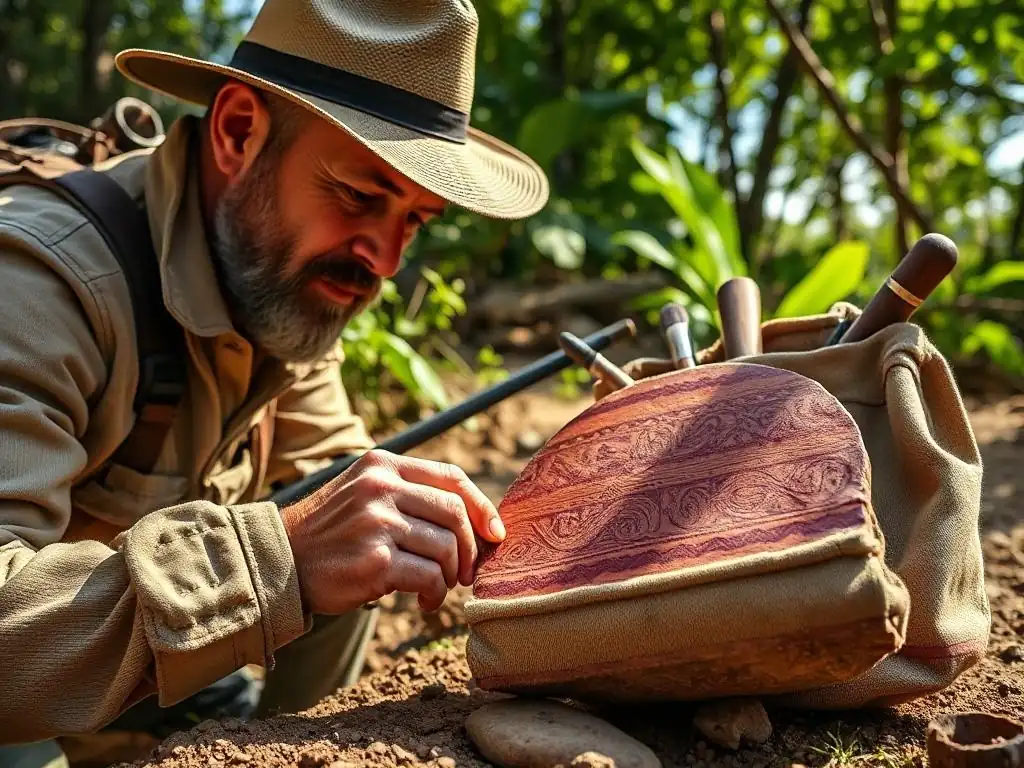
Welcome to Indigenous Civilizations of the Americas, where we invite you to embark on a journey through time and uncover the rich tapestry of diverse indigenous cultures that flourished long before European colonization. In our featured article, "Unveiling the Past: The Essential Gear Every Archaeology Explorer Should Have," we delve into the intriguing world of archaeology gear for indigenous cultures.
Discover the tools and resources that can enhance your exploration of these remarkable societies, their achievements, and their lasting impact on our modern world. Get ready to ignite your curiosity and uncover the secrets of the past—your adventure begins here!
Introduction to Archaeology Gear for Indigenous Cultures
Exploring archaeological sites that delve into the rich tapestry of indigenous cultures in the Americas is not only a journey through time but also a profound opportunity to connect with the legacies of those who came before us. As historians and explorers alike seek to uncover the stories embedded in the earth, having the right archaeology gear becomes paramount. This specialized equipment not only enhances the efficiency and safety of archaeological digs but also ensures that the cultural heritage of indigenous civilizations is respected and preserved.
Archaeology gear for indigenous cultures encompasses a range of tools and materials designed to facilitate the careful excavation, documentation, and study of artifacts, structures, and landscapes. Whether you're a seasoned archaeologist or an enthusiastic newcomer, understanding what gear is essential can significantly enhance your exploration efforts.
In the following sections, we will explore the fundamental pieces of equipment every archaeology explorer should consider packing, focusing on their relevance to discovering and preserving the history of indigenous peoples. From excavation tools to protective clothing, each item plays a crucial role in ensuring that the exploration is not only fruitful but also respectful of the cultural significance of the sites we study.
As we unveil the past, let’s equip ourselves with the knowledge and tools necessary to honor the remarkable achievements of indigenous cultures across the Americas. 🏺🌎
- What is the focus of the article "Unveiling the Past: The Essential Gear Every Archaeology Explorer Should Have"?
- Why is archaeology gear important for studying indigenous cultures?
- What types of gear are recommended for archaeology explorers?
- How can archaeology gear impact the study of indigenous civilizations?
- Where can one find reliable archaeology gear for exploring indigenous cultures?
Top Essential Gear for Archaeology Explorers
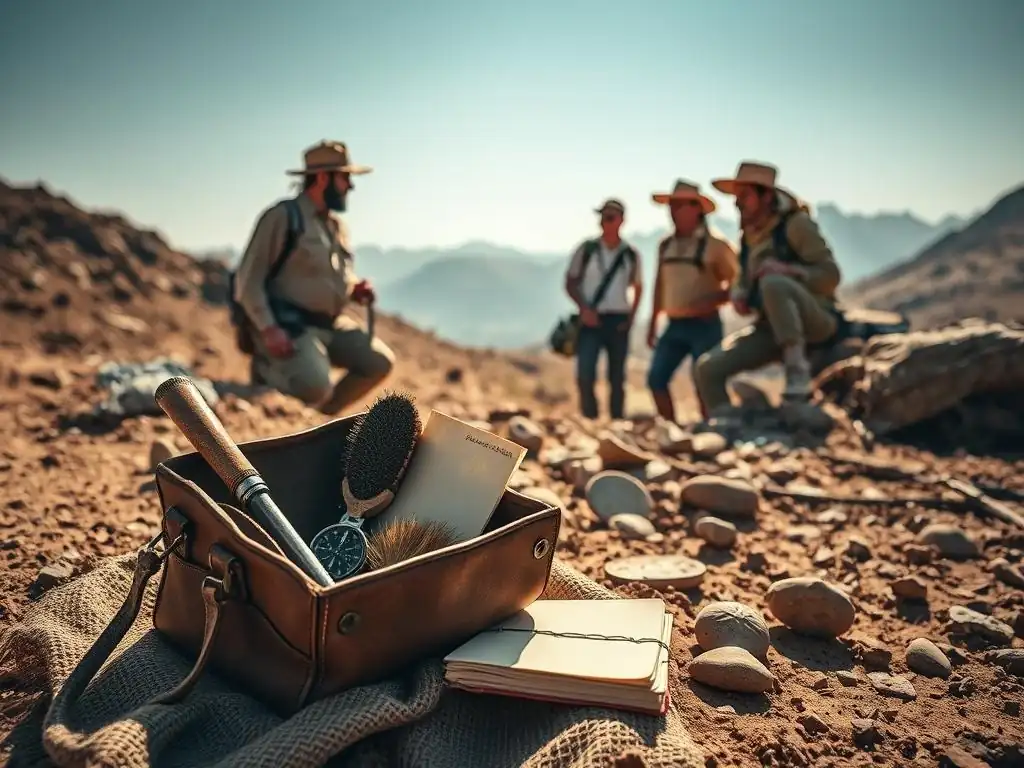
Archaeology is a meticulous and rewarding pursuit, especially when exploring the rich heritage of indigenous cultures of the Americas. Having the right gear is essential for effective digging, documentation, and preservation of artifacts. Below are some of the top essential tools that every archaeology explorer should have in their toolkit.
1. Archaeological Trowels
Archaeological trowels are indispensable tools for any excavation. Their precise design allows for careful digging and scraping, essential for uncovering delicate artifacts without causing damage.
- Types of Trowels:
- Pointed Trowel: Ideal for precision work in tight spots.
- Square Trowel: Excellent for broader areas, allowing for efficient digging and leveling.
- Materials:
- Stainless Steel: Durable and resistant to rust, ensuring longevity.
- Plastic: Lightweight and less intrusive for delicate surfaces.
Tip: Always keep your trowel sharp and clean to maintain its effectiveness during excavations.
2. Digging Tools for Archaeology
Beyond trowels, a variety of digging tools enhance your ability to excavate effectively. The right combination of tools allows for versatility depending on the site conditions.
- Shovels:
- Garden Shovel: Useful for moving larger amounts of soil.
- Spade: Perfect for cutting and digging through compacted earth.
- Pickaxes and Mattocks:
- Pickaxe: Essential for breaking up hard ground or rocky areas.
- Mattock: Great for loosening soil and digging roots in a single motion.
- Sifting Screens:
- Use sifting screens to separate artifacts from dirt, ensuring that even the smallest items are not overlooked.
Note: Always consider the specific site conditions and the type of indigenous artifacts you are searching for when selecting digging tools.
3. Field Notebooks and Documentation Supplies
Accurate documentation is vital in archaeology, especially when studying indigenous cultures. Field notebooks and other documentation supplies help record observations, sketches, and findings systematically.
- Field Notebooks:
- Choose waterproof and durable notebooks to withstand outdoor conditions.
- Include sections for sketches, notes on stratigraphy, and artifact descriptions.
- Writing Tools:
- Pencils: Preferable for clear writing; they perform well in various conditions.
- Permanent Markers: Useful for labeling artifacts and bags.
- Digital Tools:
- Consider using tablets or mobile devices with specialized apps for documentation.
- Cloud storage options can help keep data organized and easily accessible.
Recommendation: Regularly back up your notes and sketches to prevent loss of valuable data.
Having the right archaeology gear for indigenous cultures not only enhances your efficiency but also ensures respectful and accurate exploration of these significant historical sites. By equipping yourself with essential tools like trowels, digging implements, and documentation supplies, you lay the groundwork for a productive and enlightening archaeological experience.
4. Safety Gear for Archaeological Sites
When exploring archaeological sites, especially those related to indigenous cultures, safety must be a top priority. The terrain can be unpredictable, and the environmental conditions may pose various risks. Here’s a closer look at the essential safety gear every archaeology explorer should consider:
Footwear
Proper footwear is crucial for navigating uneven and often rugged terrain. Look for:
- Sturdy Hiking Boots: These should provide ankle support, have a good grip, and be waterproof to handle wet conditions.
- Steel-Toe Boots: In areas where heavy tools or equipment are used, steel-toe boots can protect against accidental drops.
Protective Clothing
Wearing the right clothing not only ensures comfort but also provides protection from the elements:
- Long-Sleeved Shirts and Pants: These will protect against sun exposure, insect bites, and thorny plants. Lightweight, breathable materials are preferable.
- Weather-Resistant Jacket: A waterproof and windproof jacket is essential for unexpected weather changes.
Head Protection
When working in areas with exposed rock or when digging, it's important to protect your head:
- Hard Hats: These are essential in areas where there is a potential for falling debris. They should meet safety standards for construction and excavation sites.
Eye Protection
Dust, debris, and bright sunlight can all pose risks to your eyesight. Consider the following:
- Safety Goggles: These protect against dust and flying particles, especially during excavation or when using tools.
- Sunglasses: Polarized lenses can reduce glare and protect your eyes from harmful UV rays.
Hand Protection
Your hands are your primary tools in archaeology, so keeping them safe is vital:
- Gloves: Choose durable gloves that allow for dexterity while offering protection from sharp objects and potential contaminants in the soil.
First Aid Kit
Accidents can happen, even with the best safety precautions. A well-stocked first aid kit is essential:
- Basic Supplies: Include band-aids, antiseptic wipes, gauze, adhesive tape, and any personal medications.
- Emergency Contact Information: Keep a list of emergency contacts, including local medical facilities and the project leader.
Hydration and Sun Protection
Adequate hydration and sun protection are vital for long days in the field:
- Water Bottles or Hydration Packs: Staying hydrated is crucial, especially in hot climates. Carrying a refillable water bottle or a hydration pack can make this easier.
- Sunscreen and Hats: Use broad-spectrum sunscreen with a high SPF and wear a wide-brimmed hat to protect against sunburn.
By equipping yourself with the right safety gear, you can ensure a safer and more enjoyable experience while exploring archaeological sites that celebrate the rich tapestry of indigenous cultures. Always remember that being prepared is key to making the most of your archaeological adventures.
Clothing and Comfort Gear for Archaeology Explorers
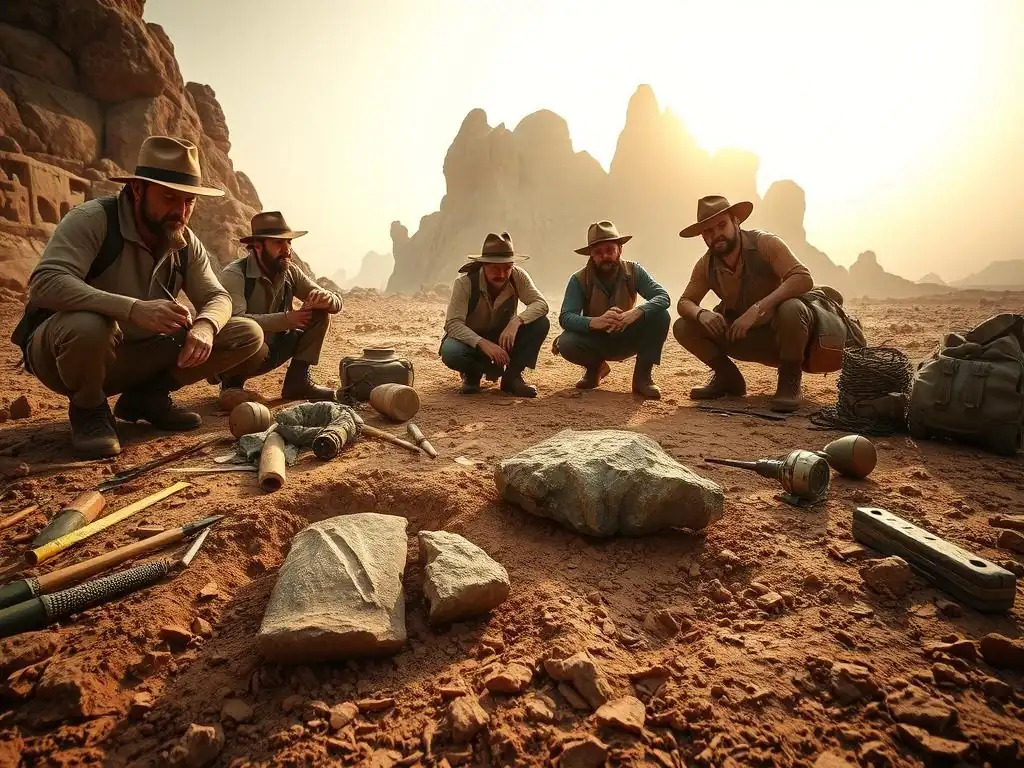
1. Durable Footwear
When exploring archaeological sites related to indigenous cultures, having the right footwear is essential. The terrain can be unpredictable, often featuring rocky paths, uneven ground, and various weather conditions. Here are some key considerations for selecting durable footwear:
- Material: Look for shoes made of high-quality, breathable materials. Leather and synthetic options are popular for their durability and water resistance.
- Traction: A good pair of hiking boots should have a robust sole that provides excellent grip. Tread patterns designed for different surfaces, such as mud or gravel, can enhance stability.
- Support: Ankle support is crucial, especially when traversing rugged landscapes. Choose boots with a high cut that offers the necessary support to prevent injuries.
- Comfort: Since exploration can require long hours of walking, prioritize comfort. Look for footwear that includes cushioning and moisture-wicking properties to keep your feet dry.
Investing in durable footwear not only protects your feet but also enhances your ability to navigate diverse archaeological sites effectively.
2. Weather-Appropriate Clothing
The right clothing is vital for a successful exploration of archaeological sites, particularly in areas where indigenous cultures thrived. Here are some essential clothing tips to consider:
- Layering: The weather can change rapidly, especially in outdoor settings. Opt for a layering system that allows you to adjust your clothing based on temperature fluctuations. Start with moisture-wicking base layers, add insulating layers, and finish with a waterproof outer layer.
- Breathability: Choose fabrics that are breathable and quick-drying. This is especially important if you find yourself sweating during a hike or if you encounter unexpected rain.
- UV Protection: Many archaeological sites are exposed to direct sunlight for extended periods. Clothing with built-in UV protection can help shield your skin from harmful rays. Look for UPF-rated fabrics that enhance sun safety.
- Insect Protection: Depending on the region, exploring archaeological sites can expose you to insect bites. Clothing treated with insect repellent can provide an added layer of protection. Additionally, long sleeves and pants can help minimize skin exposure.
By selecting weather-appropriate clothing, you not only ensure your comfort but also enhance your overall experience while exploring the rich history of indigenous cultures in the Americas.
Technology and Gadgets for Modern Archaeology
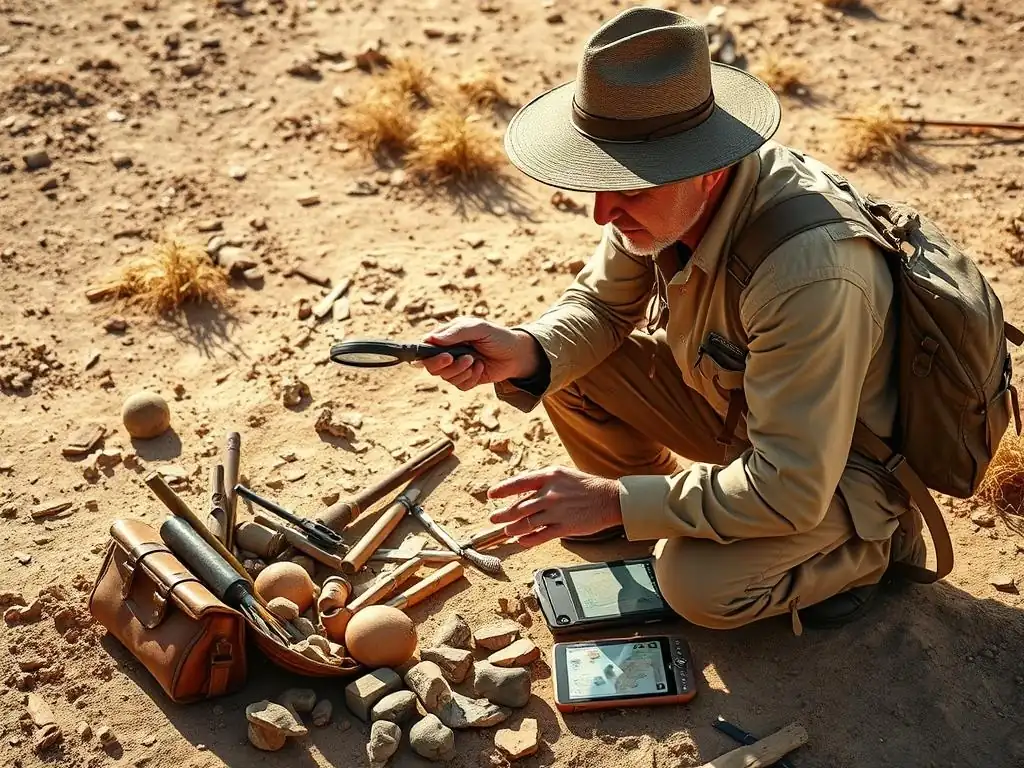
In the ever-evolving field of archaeology, the integration of technology and gadgets has revolutionized the way researchers explore and document indigenous cultures. The use of advanced tools enhances the accuracy of findings, facilitates data collection, and ensures that the rich history of these societies is preserved for future generations. Below, we delve into two essential categories of archaeology gear that are particularly vital for exploring indigenous cultures: GPS devices and digital cameras.
1. GPS Devices and Mapping Tools
GPS devices have become indispensable in modern archaeology, especially when navigating vast and complex landscapes that often characterize indigenous sites. These tools allow archaeologists to pinpoint exact locations of artifacts, features, and excavation sites with exceptional precision.
- Benefits of GPS in Archaeology:
- Accuracy: GPS technology can achieve accuracy levels of within a few centimeters, which is crucial for documenting the spatial distribution of artifacts.
- Field Mapping: Mapping tools integrated with GPS can help create detailed topographical maps that highlight significant archaeological features.
- Data Integration: GPS data can easily be integrated with Geographic Information Systems (GIS), allowing for comprehensive analyses of indigenous settlement patterns and land use.
For example, a study conducted on the ancient Puebloan sites in the Southwestern United States utilized GPS mapping tools to reveal previously undocumented structures and community layouts. These findings have provided new insights into the social organization and agricultural practices of indigenous peoples.
2. Digital Cameras for Documentation
Digital cameras are essential for documenting archaeological findings, particularly when it comes to indigenous cultures. High-resolution images not only capture the physical details of artifacts but also contribute to the overall narrative of a site.
- Importance of Digital Photography:
- Visual Recording: Photographs provide a permanent record of artifacts in situ, which is invaluable for analysis and publication.
- Public Engagement: High-quality images serve to engage the public and raise awareness about the significance of indigenous cultures and their contributions to history.
- Remote Documentation: With advancements in technology, photographers can now use drones equipped with cameras to capture aerial views of extensive archaeological sites, revealing patterns not visible from the ground.
A noteworthy example includes the use of digital cameras in the documentation of the Nazca Lines in Peru. Archaeologists employed aerial photography to analyze the gigantic geoglyphs, enabling them to study their alignment and cultural significance without causing damage to the site.
The use of GPS devices and digital cameras represents a significant advancement in archaeology gear for exploring indigenous cultures. These technologies not only enhance the accuracy and efficiency of archaeological research but also play a crucial role in preserving and understanding the rich heritage of the Americas.
Essential Tools for Preservation and Conservation
In the realm of archaeology, particularly when exploring indigenous cultures, the preservation and conservation of artifacts and sites is paramount. The right gear not only aids in the careful study of these invaluable resources but also ensures their longevity for future generations. Below, we delve into the essential tools necessary for effective preservation and conservation during archaeological explorations.
1. Storage and Transport Supplies
When excavating sites or handling artifacts, storage and transport supplies play a crucial role in maintaining the integrity of the finds. These supplies include:
- Archival Boxes: Made from acid-free materials, archival boxes protect artifacts from dust, light, and physical damage. They are essential for items such as pottery shards, textiles, and tools.
- Tissue Paper and Foam: Used for wrapping fragile items, acid-free tissue paper and foam padding provide cushioning and prevent scratches or breaks.
- Plastic Baggies: While not all plastics are suitable, using polyethylene or Mylar bags can help store smaller artifacts safely, as they are less likely to react with the materials.
- Labels: Proper labeling is critical. Waterproof, acid-free labels ensure that details about the artifact, such as its location and date of discovery, remain intact during storage.
- Field Kits: Compact field kits containing a variety of containers for collecting samples (e.g., soil, plant material) are essential for transporting items back to the lab for further analysis.
These tools not only protect the artifacts but also facilitate organized documentation, which is vital for archaeological research involving indigenous cultures.
2. Portable Workstations
Setting up a portable workstation can greatly enhance the efficiency of archaeological work in the field. This area serves as a hub for analysis, cleaning, and cataloging the artifacts. Key components of portable workstations include:
- Folding Tables: Lightweight and easy to transport, folding tables provide a stable surface for sorting and examining findings. They can be set up quickly at various locations around an archaeological site.
- Field Desks: Equipped with storage for tools and supplies, field desks allow for organized workspaces while ensuring that all essential gear is within reach.
- Magnifying Tools: Handheld magnifiers or portable microscopes enable archaeologists to closely examine artifacts for markings or features that indicate their origin and use.
- Cleaning Supplies: Soft brushes, dental picks, and specialized cleaning solutions ensure that artifacts can be gently cleaned without causing damage.
- Data Entry Devices: Tablets or laptops equipped with data collection software allow researchers to record findings on-site, facilitating immediate documentation and reducing the risk of data loss.
The use of portable workstations not only streamlines the process of artifact analysis but also fosters a respectful approach to indigenous cultures by ensuring artifacts are handled with care and documented thoroughly.
Having the right archaeology gear for indigenous cultures is vital for the preservation and conservation of artifacts. By utilizing appropriate storage and transport supplies alongside efficient portable workstations, archaeologists can ensure that the rich histories of indigenous civilizations are preserved and studied with the utmost respect and care.
Frequently Asked Questions
What is the focus of the article "Unveiling the Past: The Essential Gear Every Archaeology Explorer Should Have"?
The article highlights essential gear needed for archaeological exploration specifically related to indigenous cultures in the Americas, emphasizing the tools that aid in uncovering their rich histories.
Why is archaeology gear important for studying indigenous cultures?
Using the right archaeology gear is crucial for effectively preserving artifacts and ensuring that the exploration of indigenous cultures is conducted with care and respect for their historical significance.
What types of gear are recommended for archaeology explorers?
The article outlines various types of gear, including excavation tools, protective equipment, and documentation supplies, all designed to enhance the experience of exploring indigenous civilizations.
How can archaeology gear impact the study of indigenous civilizations?
Proper archaeology gear can significantly improve the accuracy and efficiency of excavations, leading to better preservation of cultural artifacts and a deeper understanding of indigenous societies.
Where can one find reliable archaeology gear for exploring indigenous cultures?
The article suggests looking for specialized suppliers that focus on archaeology gear specifically tailored for exploring the rich heritage of indigenous cultures, ensuring quality and relevance.
Final Reflection: Embracing the Legacy of Indigenous Cultures Through Archaeology Gear
In an age where the past is more accessible than ever, the importance of understanding and preserving indigenous cultures through archaeology gear cannot be overstated. The tools we choose to carry not only aid in our exploration but also serve as a bridge connecting us to the rich histories and stories of the peoples who came before us. As we delve into the remnants of ancient civilizations, we must recognize that every artifact tells a story, and every piece of gear we utilize plays a crucial role in honoring that narrative.
The influence of archaeology on our cultural and social landscape is profound and ongoing. It fosters a deeper appreciation for the diversity of human experience and encourages us to engage with the histories that shape our present. By equipping ourselves with the right gear, we become stewards of the past, ensuring that the voices of indigenous cultures are heard and respected. The past is never dead. It's not even past.
– William Faulkner. This quote resonates deeply as it reminds us that the legacies of indigenous peoples are alive within us, urging us to acknowledge and learn from their histories.
As you reflect on your own journey into the world of archaeology, consider how you can apply the lessons learned from this article in your explorations. Embrace the responsibility that comes with uncovering the past and let it inspire you to advocate for the preservation of indigenous cultures. Whether you are an aspiring archaeologist or a curious traveler, remember that each piece of gear you choose is not just a tool but a testament to your commitment to honoring the stories of those who walked this earth long before us.
Equip Yourself for Your Next Archaeological Adventure!
Thank you for diving into the essentials of archaeological exploration with us! With the right gear, your next adventure can not only be insightful but also truly unforgettable. Now that you’re equipped with knowledge, it’s time to take action and prepare for your journey into the past.
- Start by assembling your essential archaeology kit using our recommended gear list. Check off each item to ensure you’re fully prepared for your explorations!
- Join our online community to share your own archaeological experiences and discover tips from fellow explorers. Don’t forget to share photos of your gear in action!
- Research local archaeological sites to visit this weekend; immerse yourself in history and practice your skills firsthand.
What piece of equipment do you think every aspiring archaeologist should have? Share your thoughts in the comments!