
The Impact of European Colonization on Indigenous Artifact Collection and Display

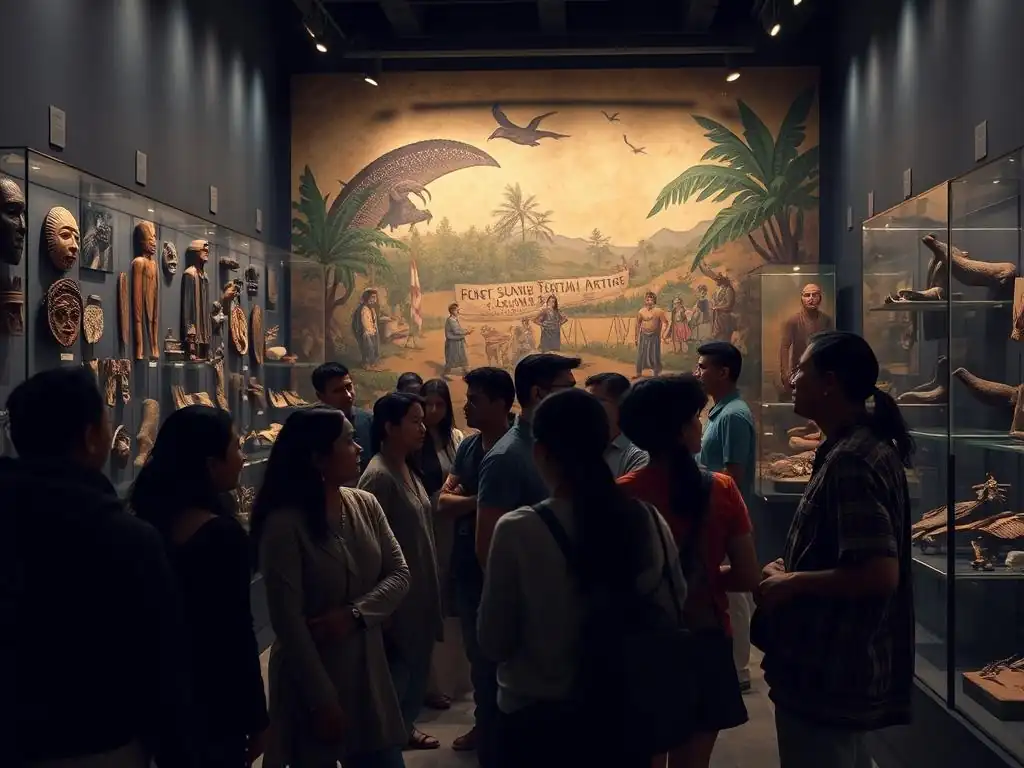
Welcome to Indigenous Civilizations of the Americas, where we invite you to embark on a journey through the rich tapestry of the diverse indigenous cultures that flourished long before European influences reshaped the continent. Our featured article, "The Impact of European Colonization on Indigenous Artifact Collection and Display," delves into the profound effects of colonization on the legacy of indigenous artifacts. What stories do these objects tell, and how have they been altered by the tides of history?
Join us as we uncover the intricate relationship between these remarkable civilizations and the artifacts that continue to resonate today. Your exploration begins here—dare to discover the past!
Introduction to Indigenous Artifacts and European Colonization
The intersection of indigenous cultures and European colonization profoundly reshaped the landscape of artifact collection and display across the Americas. Indigenous artifacts, which encapsulate the rich histories, traditions, and artistic expressions of native peoples, were not merely objects; they were vital components of cultural identity and heritage. However, the arrival of European colonizers marked a significant turning point, leading to a complex and often detrimental dynamic regarding the ownership and representation of these artifacts.
This article will delve into the impact of European colonization on indigenous artifacts, examining how the collection, preservation, and interpretation of these items transformed as colonizers imposed their own narratives and values. Understanding this historical context is crucial for appreciating the significance of indigenous artifacts today and for fostering a respectful approach to their collection and display.
The Historical Context of Indigenous Artifacts Before Colonization
Prior to European contact, the Americas were home to a myriad of indigenous cultures, each with its own unique artistic traditions and practices. From the vibrant textiles of the Inca to the intricate pottery of the Pueblo peoples, indigenous artifacts served not only as practical items but also as symbols of cultural identity, spirituality, and community values.
- Cultural Significance:
- Artifacts such as masks, tools, and ceremonial objects held deep meaning related to beliefs, rituals, and social structures.
- Many items were created using techniques passed down through generations, reflecting the unique aesthetic and cultural values of each community.
- Trade and Exchange:
- Indigenous groups often engaged in extensive trade networks, sharing artifacts and techniques across vast distances.
- This exchange contributed to the rich tapestry of cultural diversity that characterized pre-colonial America.
- Preservation of Knowledge:
- Artifacts were crucial in the preservation of oral histories and traditional practices, serving as physical manifestations of indigenous knowledge systems.
The Shift in Artifact Collection Due to European Colonization
The arrival of European colonizers initiated a profound shift in the understanding, collection, and display of indigenous artifacts. As Europeans sought to dominate the land and its resources, indigenous artifacts became commodities, often stripped of their cultural context and significance.
- Exploitation and Appropriation:
- Many artifacts were taken without consent, often through violent means, leading to significant losses for indigenous communities.
- European collectors and explorers often viewed these items as curiosities or trophies rather than as integral parts of living cultures.
- Institutionalization of Collection:
- The establishment of museums and collections in Europe and North America often prioritized European narratives, relegating indigenous perspectives to the margins.
- Artifacts were frequently displayed in ways that misrepresented their original meanings and uses, promoting stereotypes and misconceptions about indigenous peoples.
- Legacy of Colonialism:
- The impact of colonization on artifact collection has lasting repercussions, contributing to ongoing debates about cultural ownership and repatriation.
- Today, many indigenous communities are reclaiming their artifacts, seeking to restore cultural narratives and rectify historical injustices.
Through exploring these themes, this article aims to illuminate the complexities surrounding indigenous artifacts in the context of European colonization, fostering a deeper understanding of their significance and the ongoing efforts to honor and preserve indigenous heritage.
The Role of Museums and Institutions in Artifact Display
Museums and cultural institutions have played a pivotal role in the display and preservation of Indigenous artifacts, particularly those collected during the era of European colonization. Many of these institutions emerged during the 19th and early 20th centuries, a time when the fascination with the "exotic" cultures of the Americas was at its height. As a result, numerous artifacts were removed from their original contexts and often displayed in ways that prioritized Western narratives over Indigenous perspectives.
These institutions often presented Indigenous artifacts in a manner that stripped them of their cultural significance. Items that held deep spiritual, social, or practical meanings were exhibited without adequate context, leading to a misrepresentation of Indigenous cultures. For example, ceremonial objects were sometimes showcased alongside unrelated artifacts, which diminished their importance. This lack of contextualization perpetuated stereotypes and reinforced colonial narratives that painted Indigenous peoples as relics of the past rather than dynamic cultures.
However, the role of museums is evolving. Many institutions are beginning to recognize their responsibility to represent Indigenous cultures more accurately and respectfully. Collaborations with Indigenous communities are increasingly common, aiming to ensure that artifacts are displayed in ways that honor their cultural significance. This shift not only helps preserve the integrity of Indigenous artifacts but also fosters a more nuanced understanding of their history and relevance.
Ethical Concerns Surrounding Indigenous Artifact Collection
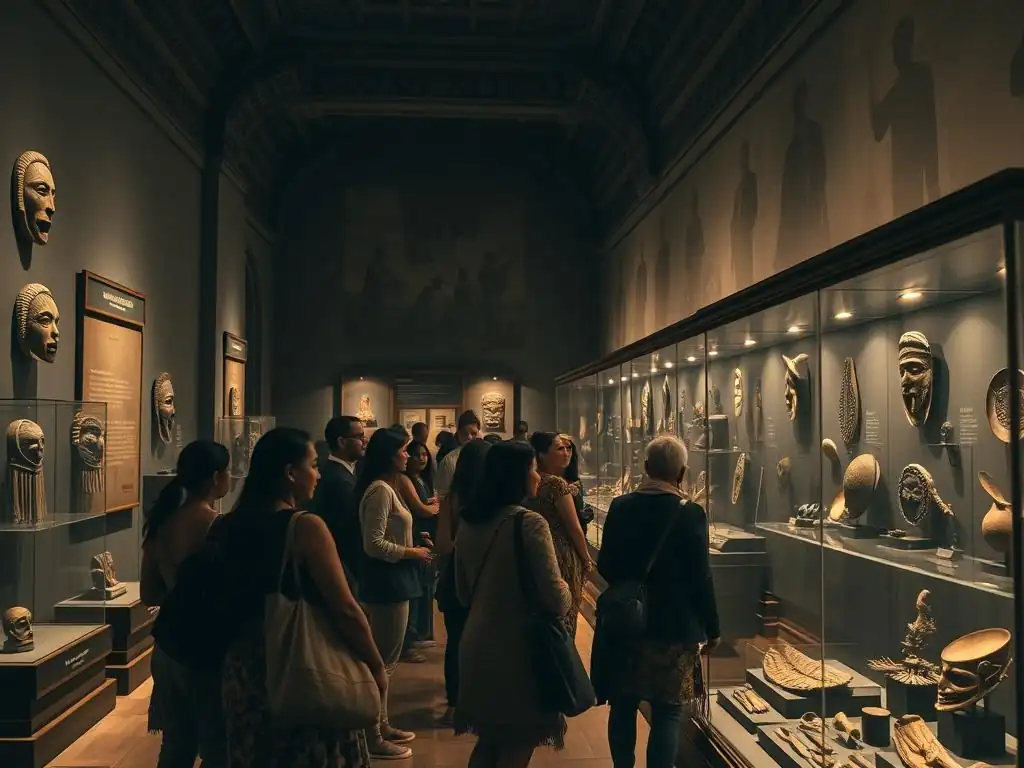
The collection of Indigenous artifacts during European colonization raises numerous ethical concerns that are still relevant today. Many artifacts were acquired through coercive means, including theft, manipulation, or exploitation, often under the guise of “scientific” study. This has led to ongoing debates about the legitimacy of possession and ownership, as many Indigenous communities view these artifacts as integral to their cultural identity and heritage.
An essential aspect of the ethical discourse is the question of repatriation. Indigenous groups are increasingly advocating for the return of artifacts taken from their communities, arguing that these items are not mere objects but vital elements of their cultural and spiritual heritage. The process of repatriation is complex and often fraught with legal and bureaucratic hurdles, but it reflects a growing acknowledgment of Indigenous rights and perspectives.
Moreover, ethical collecting practices are gaining traction as museums and collectors are urged to engage with Indigenous communities before acquiring artifacts. This involves obtaining informed consent and establishing partnerships that respect the wishes and cultural protocols of Indigenous peoples. By prioritizing ethical practices, the museum sector can begin to rectify historical injustices and foster a more equitable relationship with Indigenous cultures.
The Modern Impact of European Colonization on Indigenous Artifact Understanding
The legacy of European colonization continues to shape modern understandings of Indigenous artifacts in profound ways. Contemporary scholarship increasingly reflects on how colonial histories have influenced perceptions of Indigenous cultures and their material expressions. The narratives surrounding these artifacts often still echo colonial viewpoints, which can hinder a complete appreciation of their significance.
One major impact is the way Indigenous artifacts are often categorized and interpreted through a Western lens. Traditional practices, meanings, and uses of these artifacts may be overlooked or misrepresented, resulting in a fragmented understanding of their roles within Indigenous societies. For instance, art forms that are considered mere decorative objects in Western contexts may hold deep spiritual or communal significance for Indigenous peoples.
Additionally, the ongoing impact of colonization manifests in the challenges Indigenous communities face in reclaiming their narratives. As they work to assert their cultural identities and histories, there is a pressing need for educational initiatives that promote awareness and understanding of Indigenous perspectives. This includes revising museum exhibits, academic curricula, and public discourse to highlight Indigenous voices and interpretations of their artifacts.
Ultimately, recognizing the impact of European colonization on Indigenous artifact understanding is crucial for fostering a more inclusive and respectful dialogue about these cultural treasures. By actively engaging with Indigenous communities and honoring their perspectives, we can cultivate a deeper appreciation of the rich histories and ongoing contributions of Indigenous cultures in the Americas.
Strategies for Collecting and Understanding Indigenous Artifacts Today
In the contemporary context, collecting and understanding Indigenous artifacts requires a thoughtful and respectful approach that acknowledges the historical injustices faced by Indigenous peoples. Here are some effective strategies for collectors, historians, and enthusiasts to consider:
- Engage with Indigenous Communities: Building relationships with Indigenous communities is crucial. Collectors should seek guidance from community leaders and elders to ensure that artifacts are collected and displayed in a manner that respects cultural significance and traditional practices.
- Prioritize Ethical Sourcing: When acquiring artifacts, collectors should prioritize items that have been ethically sourced. This means avoiding items that have been taken without consent or in violation of Indigenous rights. Ethical sourcing helps to restore respect and dignity to the items and their cultural origins.
- Promote Cultural Education: Understanding the history and significance of Indigenous artifacts is essential. Collectors can enhance their knowledge through workshops, lectures, and collaboration with Indigenous scholars. This education can foster greater appreciation and respect for the artifacts.
- Support Repatriation Efforts: Many Indigenous artifacts are held in museums or private collections and have not been returned to their rightful communities. Supporting repatriation initiatives can help restore cultural heritage and strengthen Indigenous identities.
- Documentation and Contextualization: Proper documentation of artifacts, including their provenance and cultural context, is vital. Collectors should strive to provide comprehensive information that highlights the significance of the artifacts, ensuring that they are understood not merely as objects but as integral parts of living cultures.
The Future of Indigenous Artifacts Post-Colonization
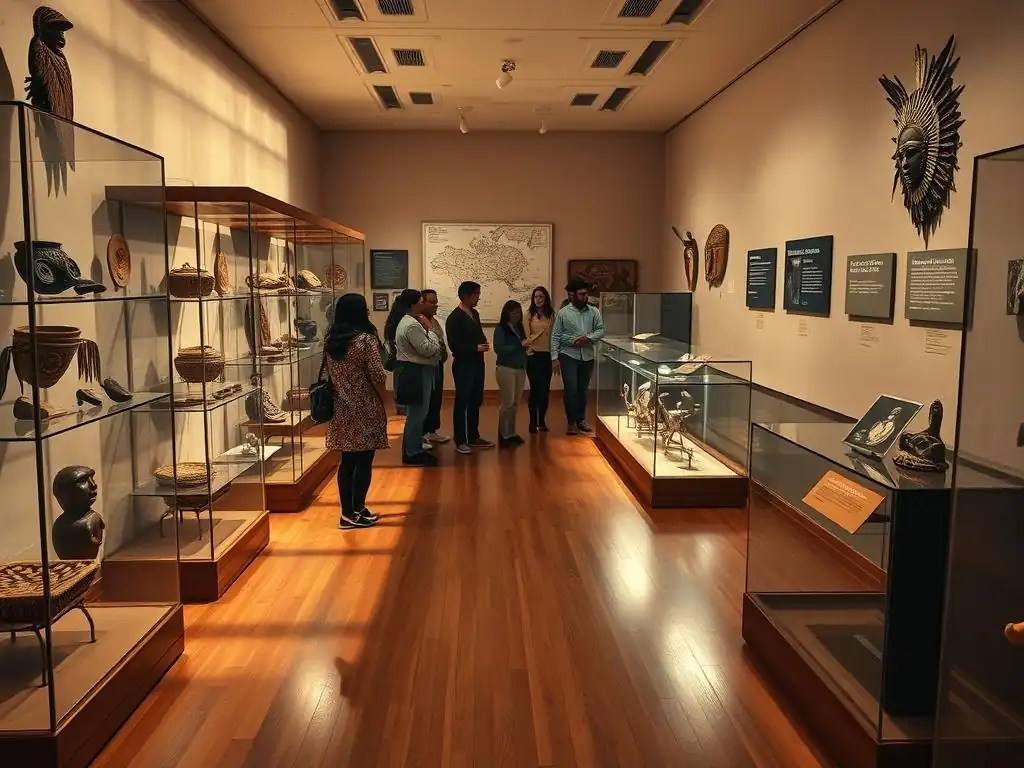
The future of Indigenous artifacts in a post-colonization context is one of potential reconciliation and renewed cultural vitality. As societal understanding of historical injustices grows, several key developments are emerging:
- Increased Repatriation: Many museums and institutions are recognizing their role in the historical acquisition of Indigenous artifacts. As a result, there is a growing trend towards repatriation, where artifacts are returned to their Indigenous custodians. This process is not just about returning objects; it is also about restoring relationships and healing historical wounds.
- Cultural Revitalization: As Indigenous communities regain access to their artifacts, there is a renewed interest in cultural practices and traditions. This revitalization can lead to a resurgence of traditional arts, crafts, and ceremonies, reinforcing community identity and continuity.
- Collaborative Exhibitions: There is a shift towards collaborative exhibitions that involve Indigenous communities in the curation and interpretation of artifacts. This approach ensures that the narratives surrounding the artifacts are authentic and reflective of Indigenous perspectives, fostering deeper understanding among the wider public.
- Increased Awareness and Advocacy: The growing public interest in Indigenous rights and cultural preservation is prompting advocacy for the protection of Indigenous artifacts. This includes legal protections against illegal trade and the promotion of ethical collecting practices.
- Digital Preservation: Technological advancements are enabling better documentation and preservation of Indigenous artifacts. Digital archives allow for wider access to collections while reducing the need for physical handling of delicate items. This can also serve as a platform for Indigenous voices to share their stories and knowledge associated with these artifacts.
Conclusion: Reflecting on the Impact of European Colonization
The impact of European colonization on Indigenous artifact collection and display is profound and multifaceted. It has led to the systematic removal of cultural treasures from their original contexts, often resulting in significant cultural loss and disruption. However, as we reflect on this impact, it is essential to recognize the resilience of Indigenous cultures and their ongoing efforts to reclaim their heritage.
Understanding this history is not just an academic exercise; it is a vital step towards healing and reconciliation. By acknowledging the past and supporting the rights of Indigenous peoples to their artifacts, we contribute to a more equitable future. The conversation surrounding Indigenous artifacts must continue to evolve, prioritizing respect, collaboration, and empowerment of Indigenous communities.
The journey towards rectifying the legacy of European colonization in the context of Indigenous artifacts involves collective responsibility and action. It is a pathway toward honoring the rich histories and cultures that have thrived for millennia, ensuring that Indigenous artifacts are seen not merely as collectibles, but as vital expressions of identity, spirituality, and resilience.
Further Reading and Resources
To deepen your understanding of the impact of European colonization on indigenous artifacts and the broader context of indigenous cultures, consider exploring the following resources:
- Books
- "Colonial Encounters in New World Writing: An Anthology" by Peter Hulme and William B. Cohen
- This anthology explores the narratives and perspectives surrounding indigenous peoples during the colonial period, offering insights into how artifacts were perceived and collected.
- "Native American Art in the Twentieth Century" by W. Jackson Rushing III
- This book provides a contemporary perspective on indigenous art, discussing its evolution in response to colonization and its significance in modern society.
- "Colonial Encounters in New World Writing: An Anthology" by Peter Hulme and William B. Cohen
- Academic Journals
- American Indian Quarterly
- This peer-reviewed journal publishes scholarly articles that address various aspects of Native American life, including the impact of colonization on cultural artifacts.
- Museum Anthropology
- An interdisciplinary journal focusing on the role of museums in the representation of indigenous cultures, highlighting issues related to artifact collection and display.
- American Indian Quarterly
- Online Resources
- Smithsonian National Museum of the American Indian
- The museum's website features extensive collections and exhibitions that discuss the history and significance of indigenous artifacts, alongside educational materials about their cultural contexts.
- The Indigenous Peoples’ Literature Website
- A comprehensive resource that includes stories, poems, and articles by indigenous authors, shedding light on the cultural heritage that artifacts represent.
- Smithsonian National Museum of the American Indian
- Documentaries and Films
- "In the Light of Reverence"
- A documentary that examines the spiritual relationships between indigenous peoples and their sacred sites, highlighting the significance of artifacts within these contexts.
- "Rumble: The Indians Who Rocked the World"
- This film explores the influence of indigenous musicians on American music, illustrating the broader cultural impacts of indigenous communities through their artistic expressions, including artifacts.
- "In the Light of Reverence"
- Museums and Cultural Centers
- The Heard Museum (Phoenix, Arizona)
- Renowned for its extensive collections of Native American art, the Heard Museum offers educational programs and exhibitions that address the history of artifact collection and display.
- The Autry Museum of the American West (Los Angeles, California)
- This museum focuses on the history of the American West, with exhibits that highlight indigenous cultures and the complexities of artifact representation.
- The Heard Museum (Phoenix, Arizona)
By delving into these resources, you can gain a more nuanced understanding of how European colonization has affected indigenous artifact collection and display, as well as the ongoing efforts to reclaim and celebrate indigenous heritage.
- Introduction to Indigenous Artifacts and European Colonization
- The Historical Context of Indigenous Artifacts Before Colonization
- The Shift in Artifact Collection Due to European Colonization
- The Role of Museums and Institutions in Artifact Display
- Ethical Concerns Surrounding Indigenous Artifact Collection
- The Modern Impact of European Colonization on Indigenous Artifact Understanding
- Strategies for Collecting and Understanding Indigenous Artifacts Today
- The Future of Indigenous Artifacts Post-Colonization
- Conclusion: Reflecting on the Impact of European Colonization
- Further Reading and Resources
Frequently Asked Questions
What are indigenous artifacts?
Indigenous artifacts are culturally significant objects created by indigenous peoples, reflecting their traditions, beliefs, and daily life prior to European colonization.
How did European colonization affect indigenous cultures?
European colonization led to significant disruption of indigenous societies, resulting in the loss of languages, traditions, and autonomy, profoundly impacting their cultures.
What is the significance of collecting indigenous artifacts?
Collecting indigenous artifacts serves to preserve and celebrate the rich histories and cultural identities of indigenous peoples, although it can also raise ethical concerns about ownership and representation.
How are indigenous artifacts displayed today?
Today, many museums and cultural institutions aim to display indigenous artifacts in ways that respect the cultures they represent, often collaborating with indigenous communities to ensure accuracy and authenticity.
What is the lasting impact of European colonization on indigenous artifacts?
The impact of European colonization includes the misrepresentation of indigenous cultures through artifacts, as well as the ongoing struggle for repatriation of these items to their rightful owners or communities.
Final Reflection: The Enduring Legacy of Indigenous Artifacts in a Post-Colonial World
The impact of European colonization on Indigenous artifacts is not merely a historical footnote but a pressing contemporary issue that continues to shape discussions around cultural identity and heritage. As we navigate the complexities of globalization and cultural exchange, it becomes increasingly clear that the legacy of colonization is woven into the very fabric of our museums and collections. The artifacts that were once taken without consent now serve as powerful reminders of the resilience and richness of Indigenous cultures, urging us to confront the injustices of the past.
The ongoing dialogue surrounding Indigenous artifacts reflects a broader cultural reckoning that challenges us to rethink our relationship with history and heritage. As we witness movements advocating for the repatriation of these artifacts, we are reminded of the importance of acknowledging the voices and stories of the Indigenous peoples from whom these items were taken. The past is never dead. It's not even past.
— William Faulkner. This quote encapsulates the notion that history is alive, influencing our present and future. The conversation around Indigenous artifacts is not just about the objects themselves but about the narratives and identities they represent.
As we reflect on the themes explored in this article, I invite you to consider your own connection to cultural artifacts and the stories they tell. How can you contribute to a more equitable understanding of history and heritage in your community?
Whether through supporting Indigenous voices, advocating for the return of artifacts, or simply engaging in meaningful conversations about the impact of colonization, each of us has a role to play in fostering a more inclusive narrative. Let us embrace this opportunity to learn, reflect, and act, ensuring that the lessons of the past guide us toward a more just and respectful future.
Unveil the Truth: Take Action for Indigenous Artifacts!
Thank you for investing your time in exploring the significant impact of European colonization on the collection and display of indigenous artifacts. Your understanding of this topic is vital for appreciating the rich cultural heritage of indigenous peoples. Now, it’s time to transform that insight into meaningful action!
Here are a few impactful steps you can take:
- Support Indigenous Causes: Seek out organizations dedicated to repatriating artifacts to their rightful communities and consider contributing or volunteering your time and resources.
- Educate Others: Share your newfound knowledge by discussing this topic with friends or on social media. Your voice is crucial in raising awareness!
- Explore Local Exhibits: Visit museums that focus on indigenous cultures and engage critically with their presentations, fostering conversations about ethical representation and respect for heritage.
What actions will you take to ensure that indigenous stories and artifacts are honored and preserved?