
From Tools to Textiles: The Diversity of Indigenous Artifacts Explained

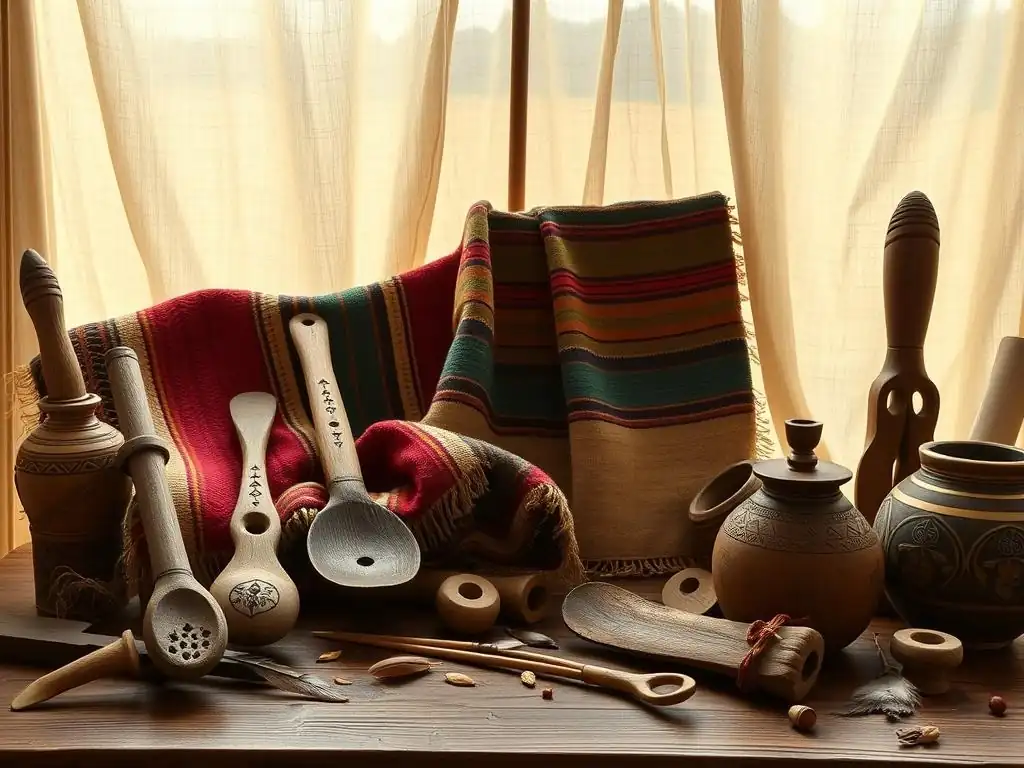
Welcome to Indigenous Civilizations of the Americas, where we invite you to embark on a captivating journey through the rich tapestry of indigenous cultures that flourished across the Americas long before European contact. In our featured article, “From Tools to Textiles: The Diversity of Indigenous Artifacts Explained,” we delve into the fascinating world of indigenous artifacts of the Americas, revealing the remarkable ingenuity and artistry that characterize these treasures.
As you explore, prepare to uncover the stories behind these artifacts and discover how they reflect the vibrant societies that created them. Your adventure into the past begins now—let’s unlock the secrets of these extraordinary cultures together!
Indigenous artifacts of the Americas serve as a vital testament to the rich tapestry of cultures that flourished long before European contact. This article delves into the intricate world of these artifacts, ranging from utilitarian tools to exquisite textiles, showcasing the diverse craftsmanship and profound cultural significance inherent in each piece.
By exploring the various forms and functions of these artifacts, we aim to illuminate not only their historical context but also their lasting impact on contemporary understandings of indigenous identity and heritage. This guide will provide collectors and enthusiasts with insights into the origins, uses, and meanings of indigenous artifacts, fostering a deeper appreciation for the artistic and cultural legacies of the Americas.
Introduction to Indigenous Artifacts of the Americas
Indigenous artifacts encompass a wide array of objects created by the native peoples of the Americas, reflecting their daily lives, spiritual beliefs, and artistic expressions. These artifacts include:
- Tools: Essential for survival, tools such as spearheads, axes, and fishing implements showcase the ingenuity of indigenous peoples in adapting to their environments.
- Textiles: From intricately woven baskets to beautifully crafted clothing, textiles reveal the aesthetic sensibilities and social structures of various cultures.
- Ceramics: Pottery serves both practical and ceremonial functions, often adorned with symbols that convey cultural narratives and beliefs.
- Art: Sculptures, carvings, and paintings embody the spiritual and historical narratives of indigenous communities, serving as a medium for storytelling and cultural expression.
These artifacts not only provide a window into the past but also play a critical role in the ongoing efforts to preserve and honor indigenous cultures.
The Significance of Indigenous Artifacts in Cultural Heritage
The significance of indigenous artifacts extends far beyond their physical forms; they embody the stories, traditions, and identities of the cultures that created them. Understanding these artifacts is essential for several reasons:
- Cultural Preservation: Artifacts serve as tangible connections to indigenous histories and are crucial for preserving cultural heritage in the face of modernization and globalization.
- Educational Value: They provide invaluable insights into the lifestyles, beliefs, and social structures of indigenous societies, fostering greater understanding and respect among diverse audiences.
- Artistic Expression: Indigenous artifacts showcase exceptional craftsmanship and artistic creativity, highlighting the unique aesthetic values of various cultures across the Americas.
By studying and collecting indigenous artifacts, individuals can contribute to the appreciation and recognition of these rich cultural legacies, ensuring that they are not forgotten in the annals of history.
Categories of Indigenous Artifacts from the Americas
The indigenous cultures of the Americas produced a remarkable variety of artifacts, each reflecting their unique histories, environments, and social structures. Understanding the categories of these artifacts is essential for appreciating their cultural significance. The following sections delve into specific categories, highlighting their characteristics and historical contexts.
Tools and Implements
Tools and implements are among the most fundamental artifacts created by indigenous peoples, serving essential functions in daily life. These artifacts include:
- Hunting and Gathering Tools: Items such as spearheads, arrowheads, and atlatls (spear throwers) were vital for hunting. Many of these tools were crafted from stone, bone, or antler, showcasing advanced skills in material selection and tool-making techniques.
- Agricultural Implements: Indigenous farmers developed tools like hoes, digging sticks, and planting sticks to assist in cultivation. These implements were crucial for the development of sustainable agricultural practices, particularly in societies such as the Ancestral Puebloans and the Maya.
- Crafting Tools: Artisans used various tools for creating pottery, textiles, and other crafts. For example, scrapers and chisels were essential for shaping materials, while spindle whorls were used in textile production.
These tools not only illustrate the ingenuity of indigenous cultures but also reflect their deep connection to the land and their resourcefulness in utilizing natural materials.
Textiles and Weaving
Textiles produced by indigenous cultures showcase intricate designs, vibrant colors, and diverse techniques. The art of weaving has been a significant aspect of many indigenous societies, with each region developing its unique styles. Key points include:
- Materials Used: Indigenous weavers utilized natural fibers like cotton, wool, and plant fibers. For instance, the Navajo Nation is renowned for its wool rugs and blankets, while Andean cultures excelled in cotton weaving.
- Techniques and Patterns: Techniques such as backstrap weaving and loom weaving resulted in beautiful textiles adorned with symbolic patterns. These patterns often held cultural significance, representing stories, beliefs, and community identity.
- Functional and Ceremonial Uses: Textiles served both practical purposes, such as clothing and blankets, and ceremonial roles in rituals and community events. The art of textile production was often passed down through generations, preserving cultural heritage.
Understanding the diversity of indigenous textiles not only highlights artistic expression but also underscores the social and cultural narratives woven into each piece.
Pottery and Ceramics
Pottery and ceramics are vital artifacts that illustrate the technological advancements and artistic expressions of indigenous cultures. These artifacts often serve as valuable historical records. Important aspects include:
- Types of Pottery: Indigenous peoples created various types of pottery, including utilitarian vessels for cooking, storage, and serving, as well as ceremonial objects. The designs and functions varied significantly among different cultures, such as the Pueblo pottery known for its intricate designs and the Mississippian culture's large, decorated jars.
- Techniques of Production: Techniques such as coiling, slab building, and molding were commonly used. Firing methods also varied, with some cultures employing open fires while others developed kilns, which allowed for higher firing temperatures and more durable ceramics.
- Cultural Significance: Pottery often featured symbolic motifs and was used in rituals, making it a critical aspect of cultural identity. The decoration of pottery also reflected the natural environment, using local resources to create distinctive styles.
Pottery and ceramics are not only functional objects but also artworks that embody the historical and cultural narratives of indigenous peoples.
Jewelry and Ornamentation
Jewelry and ornamentation hold deep cultural significance in many indigenous societies, serving as symbols of identity, status, and artistry. The diversity of materials and styles is vast, including:
- Materials Utilized: Indigenous jewelers crafted items from various materials, including shells, stones, metals, and plant materials. For example, the Inuit people are known for their intricately carved bone and ivory pieces, while the Cherokee excelled in beadwork.
- Cultural Expressions: The designs and forms of jewelry often convey personal and communal stories, with specific symbols representing tribal affiliation, spirituality, or familial ties. Beadwork, in particular, is a significant art form, with colors and patterns holding specific meanings.
- Ritual and Everyday Use: While some jewelry is worn for everyday purposes, others are reserved for special occasions or ceremonies. This duality illustrates how ornamentation plays a role in both daily life and cultural practices.
Jewelry and ornamentation reflect the creativity and cultural heritage of indigenous peoples, serving as a testament to their artistry and identity.
Collecting Indigenous Artifacts: Best Practices
Collecting indigenous artifacts can be a rewarding endeavor, but it comes with responsibilities. Understanding best practices is essential for ethical and respectful collection.
Ethical Considerations in Artifact Collection
When collecting indigenous artifacts, it is crucial to approach the practice with sensitivity and respect for the cultures they represent. Key ethical considerations include:
- Provenance Research: Always seek to understand the history and origin of an artifact before acquiring it. This includes confirming that it was obtained legally and ethically.
- Respect for Cultural Significance: Recognize that many artifacts hold spiritual or cultural significance for indigenous communities. Consider consulting with these communities and respecting their perspectives on artifact collection.
- Avoiding Exploitation: Be aware of the potential for exploitation in the artifact market. Engaging in responsible collecting means prioritizing ethical sources and avoiding transactions that may harm indigenous communities.
By adhering to these ethical considerations, collectors can protect cultural heritage and contribute positively to the preservation of indigenous artifacts.
Recommended Tools for Collecting and Preserving Artifacts
Proper tools and techniques are essential for the responsible collection and preservation of indigenous artifacts. Recommended tools include:
- Field Tools: A sturdy trowel, brushes, and containers for collecting artifacts in the field help ensure that items are handled delicately and preserved appropriately.
- Preservation Supplies: Acid-free storage boxes, archival tissue paper, and climate-controlled storage solutions are vital for protecting artifacts from environmental damage.
- Documentation Materials: Keeping detailed records of each artifact’s provenance, condition, and any relevant cultural information is crucial for maintaining its historical context.
Using the right tools and methods not only helps in preserving the artifacts but also enhances the understanding and appreciation of their cultural significance.
Understanding the Value of Indigenous Artifacts
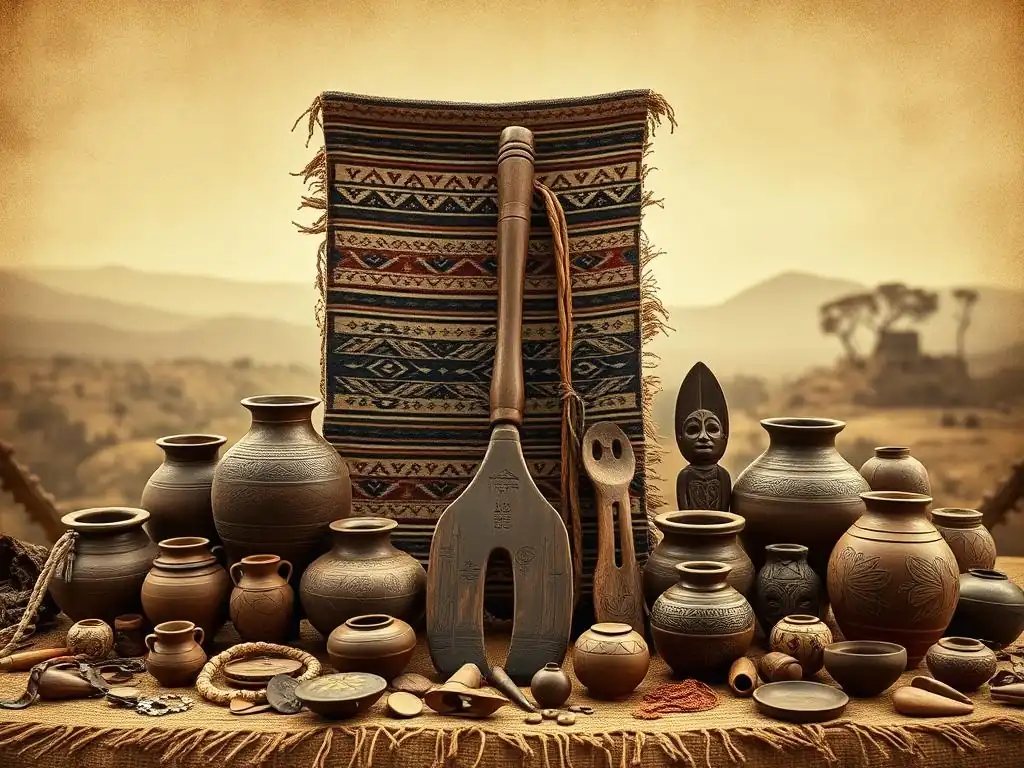
Indigenous artifacts of the Americas hold immense value that transcends mere monetary worth. They are vital links to the past, encapsulating the rich histories, traditions, and philosophies of the indigenous peoples who crafted them. Understanding this value involves recognizing the cultural significance, historical context, and artistic merit of these objects.
Artifacts can tell stories of survival, adaptation, and innovation. From tools and weapons to textiles and ceremonial objects, each piece serves as a testament to the ingenuity and resourcefulness of indigenous civilizations. Moreover, the craftsmanship involved often reflects a deep spiritual connection to the land, ancestors, and community. By valuing these artifacts, we honor the legacies of the indigenous cultures and contribute to a broader understanding of human history.
Economic Value of Indigenous Artifacts in the Market
The economic value of indigenous artifacts can vary significantly based on factors such as rarity, provenance, condition, and cultural significance. In recent years, the market for indigenous artifacts has grown, attracting collectors and investors who recognize their importance not just as collectibles but as cultural heritage items.
- Rarity: Artifacts that are rare or unique tend to fetch higher prices in the market. Items from specific cultures, such as the intricate pottery of the Ancestral Puebloans or the ornate textiles of the Navajo, are particularly sought after.
- Provenance: The history of an artifact's ownership can greatly influence its value. Provenance documentation that traces an artifact back to its original cultural context can enhance its desirability.
- Cultural Significance: Artifacts that embody significant cultural narratives or are associated with notable historical events often command higher prices.
Collecting indigenous artifacts should be approached with caution and respect, ensuring that purchases support ethical sourcing and do not contribute to the exploitation of indigenous cultures.
The Role of Auctions and Galleries
Auctions and galleries play a crucial role in the market for indigenous artifacts, serving as platforms for showcasing and selling these important cultural items. They provide a venue where collectors can acquire artifacts while also raising awareness about the significance of indigenous cultures.
- Auction Houses: Renowned auction houses frequently hold sales dedicated to indigenous artifacts, attracting serious collectors and cultural enthusiasts. These events often include detailed cataloging and provenance research, ensuring potential buyers are informed about the items' backgrounds.
- Galleries: Art galleries focused on indigenous art often curate exhibitions that highlight the artistry and cultural narratives behind the artifacts. They serve as educational spaces where the public can engage with indigenous cultures and learn about the craftsmanship involved in creating these items.
Through these avenues, auctions and galleries not only facilitate the economic aspects of artifact collection but also play a vital role in the preservation and appreciation of indigenous heritage.
Resources for Learning More About Indigenous Artifacts
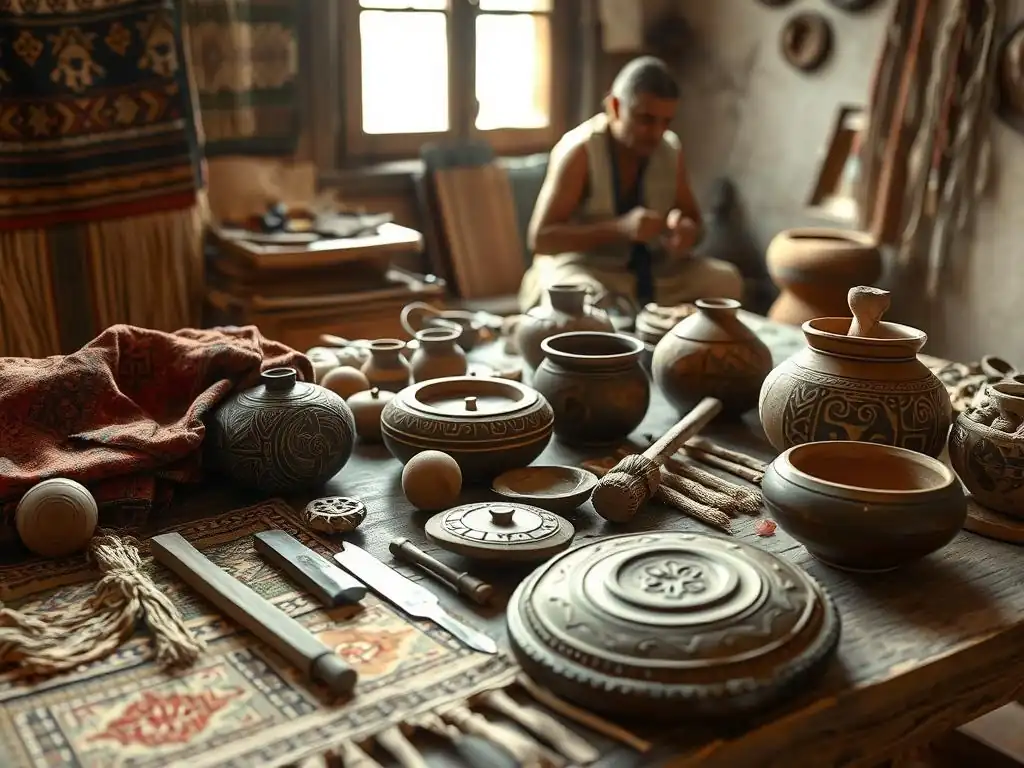
To deepen understanding of indigenous artifacts, numerous resources are available that provide valuable insights into their history, significance, and cultural contexts. These resources range from museums and cultural institutions to books and publications dedicated to the study of indigenous artifacts.
Museums and Cultural Institutions
Museums and cultural institutions are essential resources for learning about indigenous artifacts. They house extensive collections and often provide educational programs that delve into the histories and meanings behind the artifacts on display.
- Exhibitions: Many museums feature rotating exhibitions that focus on specific indigenous cultures, showcasing their artifacts and providing context through informative panels and guided tours.
- Workshops and Lectures: Institutions often host workshops and lectures led by experts in indigenous cultures, offering opportunities for hands-on learning and discussion about the significance of artifacts.
- Online Collections: Many museums have digitized their collections, making it possible to explore artifacts online. This accessibility allows for greater engagement and education regarding indigenous heritage.
Books and Publications on Indigenous Artifacts
Books and publications are invaluable tools for those seeking to learn more about indigenous artifacts. They cover a range of topics, from specific cultural practices to broader analyses of the significance of artifacts in indigenous societies.
- Academic Texts: Scholarly works often provide in-depth analysis and research on indigenous artifacts, addressing their historical contexts and cultural meanings.
- Field Guides: Field guides can offer practical information for collectors, including identification tips, ethical considerations, and insights into the market for indigenous artifacts.
- Cultural Narratives: Many authors from indigenous backgrounds share stories and perspectives that enrich the understanding of artifacts, emphasizing their importance in contemporary indigenous identity.
By utilizing these resources, individuals can gain a more profound appreciation for the diversity and significance of indigenous artifacts of the Americas, fostering a respectful and informed approach to their collection and study.
Conclusion: The Lasting Impact of Indigenous Artifacts
Indigenous artifacts of the Americas serve as profound symbols of the rich cultural heritage and diverse histories of Native American societies. These artifacts, ranging from tools, pottery, and textiles to intricate jewelry, reflect not only the daily lives and practices of indigenous peoples but also their spiritual beliefs and artistic expressions.
The lasting impact of these artifacts can be seen in several dimensions:
- Cultural Identity: Many contemporary Indigenous communities draw upon their ancestral artifacts to reinforce cultural identity and traditions. The preservation of these artifacts contributes to the continuity of cultural practices and storytelling that have been passed down through generations.
- Educational Value: Indigenous artifacts provide valuable insights into the technological innovations and artistic achievements of pre-colonial societies. They serve as educational tools for both Indigenous and non-Indigenous populations, fostering a deeper understanding of the complexities and richness of Indigenous cultures.
- Artistic Influence: The aesthetics and techniques found in indigenous art continue to inspire contemporary artists worldwide. The motifs, colors, and materials used in traditional crafts resonate in modern art forms, bridging past and present.
- Historical Reflection: These artifacts are crucial for understanding the historical narratives of the Americas. They offer tangible evidence of the interactions between Indigenous peoples and their environments, as well as their responses to external influences, including colonization.
Ultimately, the study and appreciation of Indigenous artifacts invite us to reflect on the resilience and ingenuity of Native American cultures, highlighting their ongoing contributions to the broader tapestry of human history.
Call to Action
As you explore the diverse indigenous artifacts of the Americas, consider taking the following steps to deepen your understanding and appreciation:
- Visit Local Museums: Many museums host collections of indigenous artifacts. Engage with these exhibits to learn more about the cultures they represent.
- Attend Workshops or Lectures: Look for opportunities to participate in workshops or lectures led by Indigenous artists or scholars. This can provide firsthand insights into traditional crafting techniques and cultural significance.
- Support Indigenous Artisans: Consider purchasing handmade items directly from Indigenous artisans. This not only supports their livelihoods but also helps preserve traditional craftsmanship.
- Educate Yourself and Others: Share your newfound knowledge about Indigenous artifacts and their significance with friends and family. Raising awareness about indigenous cultures fosters respect and appreciation.
- Engage with Indigenous Communities: If possible, reach out to Indigenous communities to learn directly from them. Participating in cultural events or community gatherings can enrich your understanding and connection to these vibrant cultures.
By taking these actions, you can contribute to the preservation and appreciation of Indigenous cultures and their artifacts, ensuring that their stories continue to be told and celebrated.
- Introduction to Indigenous Artifacts of the Americas
- The Significance of Indigenous Artifacts in Cultural Heritage
- Categories of Indigenous Artifacts from the Americas
- Collecting Indigenous Artifacts: Best Practices
- Understanding the Value of Indigenous Artifacts
- Economic Value of Indigenous Artifacts in the Market
- The Role of Auctions and Galleries
- Resources for Learning More About Indigenous Artifacts
- Conclusion: The Lasting Impact of Indigenous Artifacts
- Call to Action
Frequently Asked Questions
What are indigenous artifacts of the Americas?
Indigenous artifacts of the Americas refer to tools, textiles, pottery, and other items created by the native peoples before European colonization, reflecting their cultural practices and technological advancements.
How did indigenous cultures influence modern society?
Indigenous cultures contributed significantly to modern society through their agricultural practices, artistic expressions, and philosophical ideas, which continue to shape contemporary environmental and social perspectives.
What types of artifacts are considered part of indigenous heritage?
Artifacts include a wide range of items such as weapons, ceremonial objects, clothing, and artworks that showcase the diversity and creativity of indigenous societies throughout the Americas.
Why is it important to preserve indigenous artifacts?
Preserving indigenous artifacts is crucial for understanding the historical context and cultural significance of indigenous peoples, as well as for promoting awareness and respect for their rich heritage.
Where can I learn more about indigenous artifacts?
You can explore websites, museums, and educational resources focused on indigenous cultures, which offer detailed insights into their artifacts, history, and significance in today's world.
Final Reflection: Embracing the Richness of Indigenous Artifacts
The exploration of Indigenous artifacts of the Americas reveals a profound connection between culture, identity, and history that remains incredibly relevant today. As we navigate a world increasingly focused on globalization, understanding the significance of these artifacts allows us to appreciate the diverse narratives that shape our collective heritage. The intricate craftsmanship and stories embedded in these objects serve as a reminder that art is not merely decorative; it is a vessel of cultural expression and resilience.
Cultural artifacts are not just remnants of the past; they are living testimonies that continue to influence our social landscape. The appreciation of Indigenous artifacts fosters a deeper understanding of the values, traditions, and struggles of Indigenous peoples. As we reflect on their enduring impact, we can draw inspiration from the words of renowned Indigenous artist and activist, Rebecca Belmore: Art is a way of knowing, a way of being, a way of understanding.
This perspective encourages us to engage with these artifacts not only as historical objects but as active participants in the ongoing dialogue about identity and representation.
As we conclude this exploration, I invite you to reflect on the importance of Indigenous artifacts in your own life. Consider how these diverse expressions of culture can inspire you to embrace and celebrate the richness of your own heritage and the heritage of others. Let us commit to honoring these artifacts by advocating for their preservation and recognizing the stories they tell. By doing so, we contribute to a more inclusive narrative that values diversity and fosters understanding across cultures.
Unveil the Vibrant World of Indigenous Artifacts!
Thank you for joining us on this journey through the rich diversity of Indigenous artifacts. We hope you’ve gained valuable insights into the artistry and significance of these incredible items. Now, it’s time to take action and deepen your connection to Indigenous cultures and their artistic expressions.
- Explore further: Visit your local museum or cultural center to see Indigenous artifacts in person and learn about their history and significance.
- Share the knowledge: Discuss what you've learned with friends and family, or share this article on social media to promote awareness of Indigenous artistry.
- Get creative: Try your hand at a DIY project inspired by Indigenous textile techniques, and showcase your creation within your community!
How will you honor and celebrate the incredible artistry of Indigenous cultures in your daily life?