
Bridging the Gap: Academic Insights into the Intersection of PreColumbian and Modern Cultures

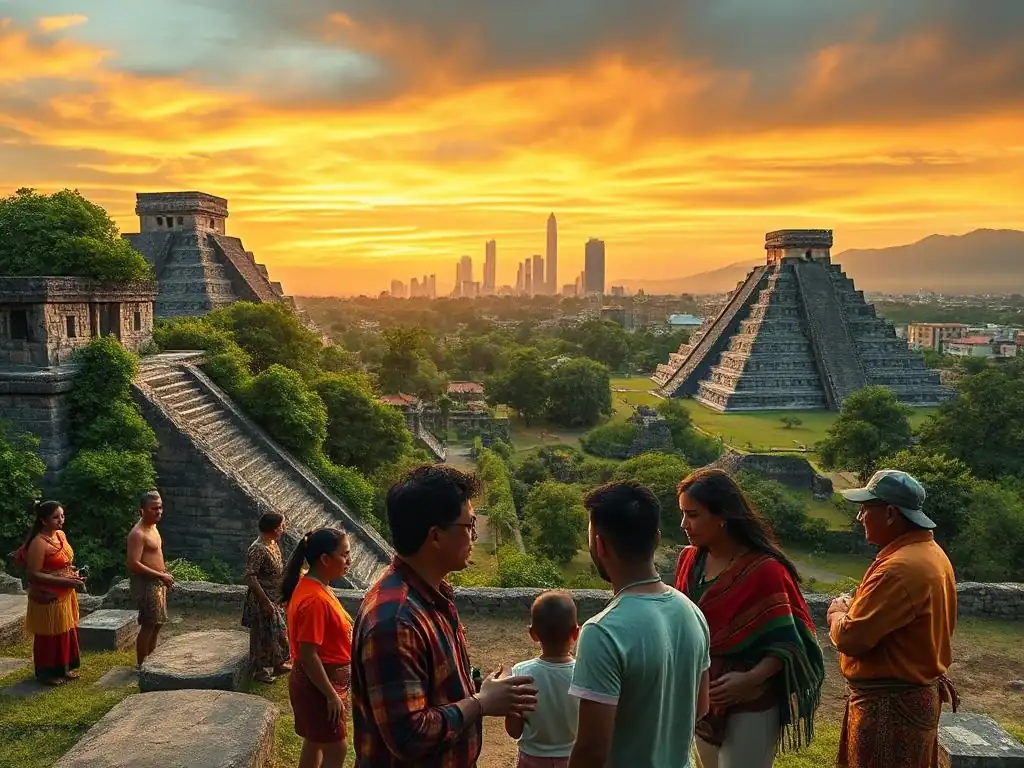
Welcome to Indigenous Civilizations of the Americas! Here, you will embark on a captivating journey through the rich tapestry of PreColumbian indigenous cultures and their profound impact on today's world. As we delve into the intricate achievements and vibrant societies that flourished long before European colonization, you'll uncover how these ancient cultures continue to shape modern perspectives.
Prepare to be inspired and informed as you explore our feature article, "Bridging the Gap: Academic Insights into the Intersection of PreColumbian and Modern Cultures," and discover the enduring legacy that these civilizations have left behind. Are you ready to connect with the past and see its echoes in the present?
PreColumbian indigenous cultures represent a rich tapestry of societies that flourished across the Americas long before European contact. These cultures, each with their unique traditions, innovations, and beliefs, laid the groundwork for the diverse civilizations that would later emerge in the New World. This article aims to bridge the gap between ancient and modern perspectives by exploring the profound impact of PreColumbian indigenous cultures on contemporary society.
By delving into their achievements and societal structures, we seek to underscore the relevance of these historical cultures in today's world, highlighting their lasting influence and the lessons they continue to offer. Through a comprehensive examination of their contributions, we will illuminate the connections that persist across time, emphasizing the importance of recognizing and respecting these foundational cultures.
Introduction to PreColumbian Indigenous Cultures
PreColumbian indigenous cultures encompass a vast array of societies, each with distinct traditions, languages, and customs. From the intricate civilizations of the Maya and Aztec in Mesoamerica to the advanced societies of the Inca in the Andes, these cultures displayed remarkable achievements in various fields, including agriculture, architecture, and astronomy. Understanding the complexity of these societies is crucial, as it allows us to appreciate their innovations and the ways in which they adapted to their environments.
The legacy of these cultures is not just confined to history books; it continues to influence modern practices, arts, and social structures. By examining these ancient societies, we gain insights into the resilience and ingenuity of human beings in the face of change. This exploration reveals that the histories and cultures of the Americas are not merely relics of the past, but living narratives that inform our present and future.
The Lasting Impact of PreColumbian Indigenous Cultures
The impact of PreColumbian indigenous cultures is profound and multifaceted, permeating various aspects of modern life. Their contributions to agriculture, governance, trade, and spirituality have shaped contemporary societies in significant ways. Here, we will explore some of the key areas where their influence is most evident.
Cultural Contributions of PreColumbian Societies
PreColumbian societies made remarkable strides in cultural development that still resonate today. Some of the notable contributions include:
- Agricultural Innovations:
- Development of advanced farming techniques, including terrace farming and crop rotation.
- Domestication of staple crops like maize, beans, and squash, which are now vital to global diets.
- Art and Architecture:
- Creation of intricate pottery, textiles, and sculptures that continue to inspire modern artists.
- Architectural feats such as the pyramids of Teotihuacan and the cities of Machu Picchu, showcasing advanced engineering skills.
- Philosophy and Spirituality:
- Rich spiritual traditions that emphasize a connection with nature, which are increasingly relevant in modern environmental movements.
- Philosophical systems that explore community, reciprocity, and sustainability.
The Influence of PreColumbian Cultures on Modern Society
The legacies of PreColumbian cultures extend beyond their immediate contributions. They have profoundly influenced contemporary society in various ways:
- Cultural Identity:
- Indigenous communities today draw upon their PreColumbian heritage to foster a sense of identity and continuity.
- Political Systems:
- Some modern governance structures reflect principles derived from PreColumbian political organization and community decision-making.
- Language and Education:
- Many languages spoken today in the Americas are descendants of PreColumbian languages, enriching the cultural tapestry of the region.
- Educational programs increasingly incorporate indigenous knowledge and perspectives, promoting a more inclusive understanding of history.
The examination of PreColumbian indigenous cultures reveals a wealth of knowledge and insights that are crucial for understanding the complexities of modern society. Their achievements not only laid the groundwork for future developments but also continue to inspire and inform our contemporary lives. As we explore these connections, we are reminded of the enduring legacy of these ancient cultures and their vital role in shaping our world today.
Academic Perspectives on PreColumbian Cultures
The study of PreColumbian indigenous cultures encompasses a vast array of academic perspectives that aim to illuminate the complexities of these societies before European contact. Scholars from disciplines such as anthropology, archaeology, history, and ethnohistory contribute to a multifaceted understanding of these cultures. By employing a range of methodologies, they explore social structures, economic systems, religious beliefs, and artistic expressions.
One critical academic perspective centers on the idea of cultural resilience, which examines how indigenous societies adapted to changes over time while maintaining core elements of their identity. This perspective has been essential in understanding the continuity and transformation of indigenous cultures in the face of colonial pressures. Additionally, postcolonial theory has emerged as a prominent lens through which scholars analyze the narratives constructed around PreColumbian cultures and challenge historical biases.
Furthermore, the integration of indigenous voices and perspectives into academic discourse has been increasingly recognized as crucial. Collaborative research efforts with indigenous communities have led to a more nuanced understanding of cultural practices and historical contexts, allowing for a richer portrayal of PreColumbian societies.
Key Academic Works on PreColumbian Cultures
Numerous seminal works contribute to the academic discourse surrounding PreColumbian cultures. Some key texts include:
- "1491: New Revelations of the Americas Before Columbus" by Charles C. Mann: This groundbreaking book challenges traditional narratives about the Americas before European contact, presenting evidence of large, complex societies and intricate networks of trade and communication.
- "The Inca Empire: The Formation and Disintegration of a Pre-Columbian State" by David A. Brading: This work provides a detailed examination of the Inca Empire's political and social structures, offering insights into governance and societal organization.
- "Ancient North America" by Brian M. Fagan: This text serves as an essential resource for understanding the diverse cultures of North America before European arrival, detailing archaeological findings and cultural practices.
- "The Great Maya Droughts: Water, Life, and Death" by Richard H. Brenner: This study explores the environmental challenges faced by the Maya civilization, linking ecological factors with cultural developments.
These works not only highlight the achievements of PreColumbian cultures but also serve as critical resources for further academic inquiry.
Methodologies in the Study of PreColumbian Cultures
The methodologies employed in the study of PreColumbian cultures are as diverse as the cultures themselves. Key approaches include:
- Archaeological Excavation: This traditional method involves the systematic digging of sites to uncover artifacts, structures, and other material remains, allowing researchers to reconstruct past societies.
- Ethnohistorical Analysis: This approach combines historical documents with indigenous oral traditions and narratives to provide a comprehensive understanding of cultural practices and historical events.
- Comparative Cultural Studies: Scholars often employ comparative methods to analyze similarities and differences between PreColumbian cultures and other global societies, offering insights into human behavior and cultural evolution.
- Interdisciplinary Collaboration: Increasingly, researchers are collaborating across disciplines, integrating insights from genetics, climatology, and ecology to create a holistic picture of PreColumbian life.
These methodologies enable a deeper understanding of the complexities and achievements of PreColumbian cultures, fostering academic discussions that bridge the past and present.
Bridging PreColumbian and Modern Cultural Insights
Bridging the insights from PreColumbian cultures to contemporary practices offers a unique perspective on cultural continuity and transformation. Understanding the foundational elements of these societies can help inform modern cultural expressions and policies, particularly in areas such as sustainability, community governance, and cultural identity.
The impact of PreColumbian cultures is evident in various contemporary practices, from agricultural techniques rooted in ancient knowledge to artistic expressions that draw from indigenous heritage. By examining these connections, we can foster a greater appreciation for the rich tapestry of cultural influences that shape modern societies.
Comparative Analysis of PreColumbian and Contemporary Practices
A comparative analysis between PreColumbian and contemporary practices reveals significant insights into the evolution of cultural expressions. For instance:
- Agricultural Practices: Many modern sustainable farming techniques are reminiscent of ancient methods, such as the use of terracing and companion planting, which were employed by the Inca and Maya to maximize agricultural yield.
- Art and Craftsmanship: Contemporary indigenous artists often draw inspiration from traditional motifs and techniques, blending them with modern styles to create works that honor their heritage while engaging with current themes.
- Community Structures: The social organization observed in various PreColumbian cultures, such as communal decision-making and resource sharing, can be seen in contemporary indigenous governance models that prioritize collective well-being.
This comparative approach not only highlights the resilience of cultural practices but also underscores the importance of preserving indigenous knowledge and traditions in the face of globalization.
Educational Initiatives on PreColumbian Cultures
Educational initiatives focused on PreColumbian cultures play a crucial role in fostering awareness and appreciation for these rich histories. Various programs and curricula aim to educate students and the public about the achievements and contributions of indigenous societies. Key initiatives include:
- University Courses and Programs: Many institutions offer specialized courses in anthropology, history, and indigenous studies that delve into PreColumbian cultures, encouraging academic exploration and research.
- Cultural Workshops and Festivals: Community-led workshops and festivals often celebrate indigenous heritage, providing hands-on experiences in traditional crafts, storytelling, and music, thus promoting cultural continuity.
- Collaborative Research Projects: Partnerships between academic institutions and indigenous communities foster collaborative research that respects traditional knowledge while contributing to academic scholarship.
- Online Resources and Digital Archives: The digitization of artifacts, documents, and oral histories has made knowledge about PreColumbian cultures more accessible, allowing for broader engagement and education.
Through these initiatives, the legacies of PreColumbian cultures continue to be recognized and celebrated, ensuring that their impact resonates within modern educational frameworks.
Challenges and Opportunities in Studying PreColumbian Cultures
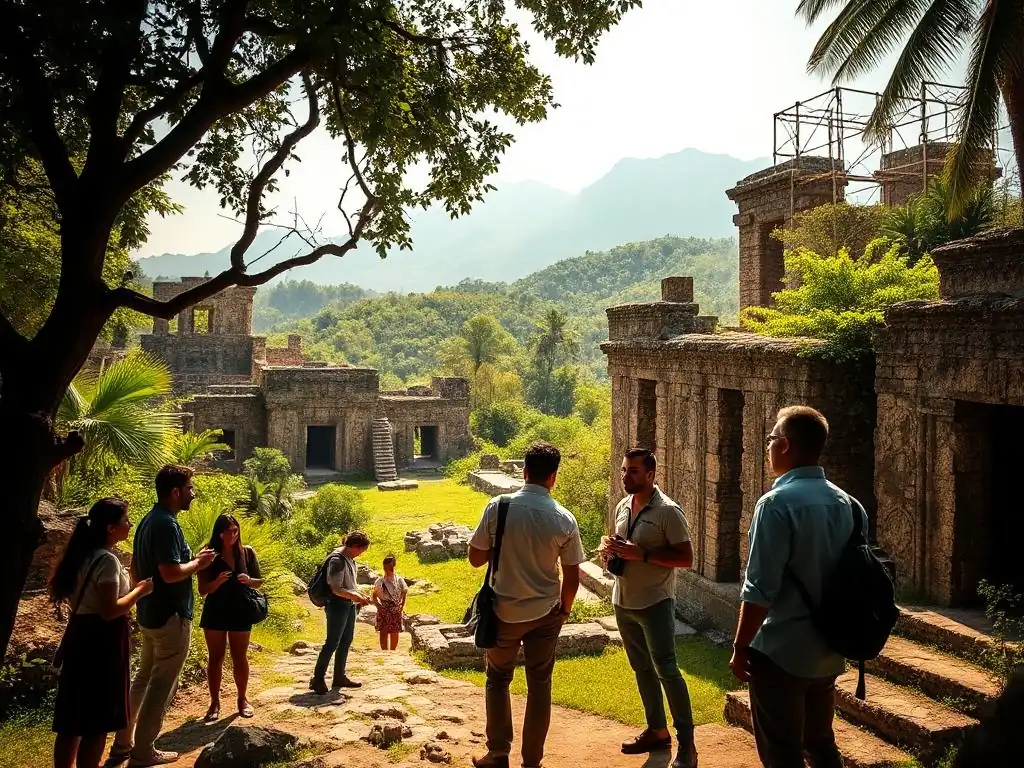
Studying PreColumbian indigenous cultures presents a unique set of challenges and opportunities that scholars must navigate to gain a comprehensive understanding of these rich civilizations. One of the primary challenges is the scarcity of written records. Much of what we know about these cultures is derived from archaeological findings, oral traditions, and secondary sources, which can lead to gaps in knowledge and interpretations that are often influenced by the perspectives of those documenting the history.
Furthermore, the vast diversity among PreColumbian cultures complicates generalizations. For instance, the societal structures, religious beliefs, and economic systems of the Aztecs differ significantly from those of the Inca or the Mississippian cultures. This diversity requires researchers to adopt a nuanced approach, recognizing the individuality of each culture while also exploring broad patterns of interaction and influence.
On the opportunity side, advancements in technology, such as remote sensing and DNA analysis, have opened new avenues for research. These methods allow for more in-depth investigations of settlement patterns, trade routes, and genetic links between ancient and modern populations. Additionally, interdisciplinary approaches that integrate anthropology, history, and environmental science have the potential to yield richer narratives and a deeper understanding of the complexities of PreColumbian life.
Common Misconceptions about PreColumbian Indigenous Cultures
Several misconceptions persist regarding PreColumbian indigenous cultures, often stemming from Eurocentric narratives that have dominated historical discourse. One prevalent myth is that these cultures were primitive or simplistic. In reality, many PreColumbian societies, such as the Maya and Inca, demonstrated remarkable sophistication in areas like agriculture, architecture, and mathematics. For example, the Maya developed an advanced calendar system and hieroglyphic writing long before European contact.
Another common misconception is that all indigenous cultures shared similar practices and beliefs. This oversimplification neglects the vast diversity among tribes and civilizations. For instance, the nomadic lifestyles of the Great Plains tribes contrast sharply with the sedentary agricultural practices of the Pueblo peoples. Such differences showcase the adaptability and innovation of indigenous groups in response to their environments.
Finally, the idea that indigenous cultures have disappeared entirely is misleading. While European colonization caused significant disruptions, many indigenous peoples have preserved their traditions and continue to thrive today. Recognizing this resilience is crucial for understanding the ongoing impact and contributions of PreColumbian cultures in contemporary society.
Future Directions in PreColumbian Studies
The future of PreColumbian studies is poised for exciting developments, driven by the integration of new methodologies and interdisciplinary collaboration. One key direction is the increasing use of digital humanities tools, which allow researchers to analyze large datasets and visualize complex historical relationships. This approach can enhance our understanding of trade networks, migration patterns, and cultural exchanges among PreColumbian societies.
Moreover, there is a growing emphasis on community-engaged research, which involves indigenous communities in the study and interpretation of their own histories. This collaborative approach not only respects the knowledge held by these communities but also enriches academic discourse by incorporating indigenous perspectives and methodologies.
Another promising avenue is the exploration of ecological and environmental factors in shaping PreColumbian cultures. By examining how ancient societies interacted with their environments, scholars can better understand the sustainability practices that have long been a hallmark of many indigenous cultures, providing valuable insights for contemporary environmental challenges.
Conclusion: The Importance of Understanding PreColumbian Indigenous Cultures' Impact
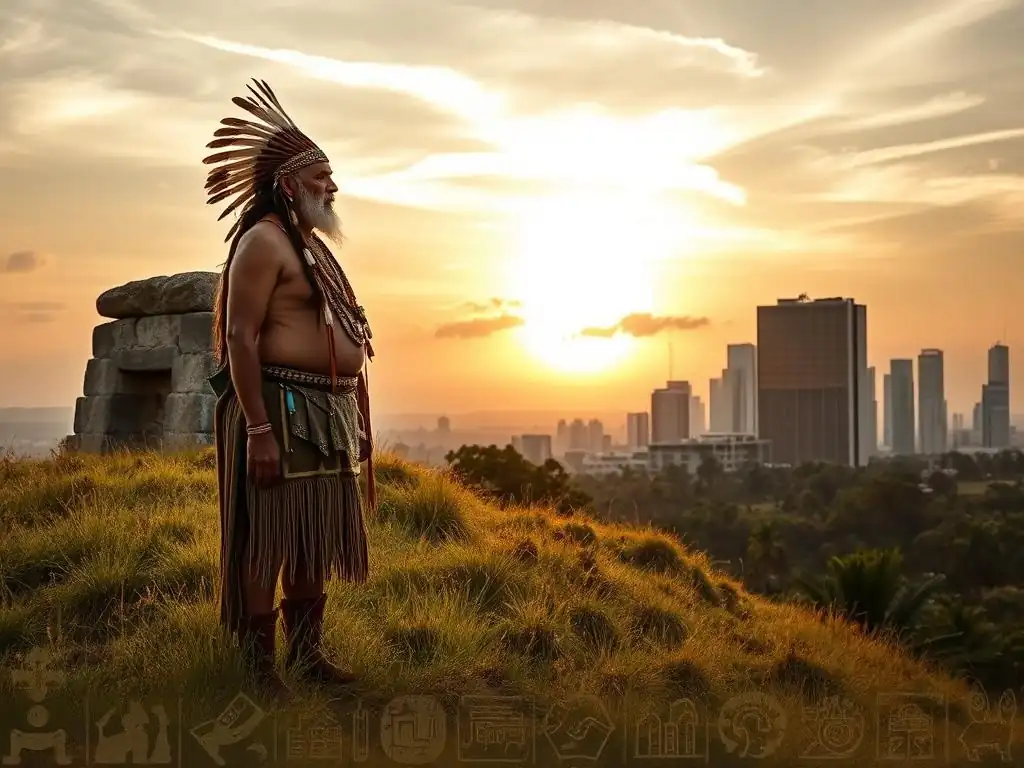
Understanding the impact of PreColumbian indigenous cultures is vital for several reasons. Firstly, it acknowledges the rich history and contributions of these civilizations, countering narratives that have historically marginalized their significance. Recognizing their achievements in areas such as agriculture, architecture, and governance helps to reshape our understanding of human history as a whole.
Secondly, exploring the legacy of PreColumbian cultures fosters a deeper appreciation for the cultural diversity that exists today. Many modern practices, beliefs, and social structures can trace their roots back to these ancient civilizations, highlighting the continuity and evolution of indigenous cultures.
Lastly, understanding the impact of PreColumbian indigenous cultures is essential for addressing contemporary issues, such as land rights, cultural preservation, and social justice. By learning from the past, we can work towards a more inclusive future that respects and honors the contributions of indigenous peoples to the Americas. In essence, studying these cultures is not merely an academic pursuit; it is a crucial step toward reconciliation and understanding in a rapidly changing world.
Recommended Resources for Further Reading
To deepen your understanding of the impact of PreColumbian indigenous cultures, several scholarly resources provide extensive insights into their achievements, societal structures, and the lasting influence they have on modern cultures. Here are some recommended readings:
-
"1491: New Revelations of the Americas Before Columbus" by Charles C. Mann
This book presents a thorough examination of pre-Columbian societies, challenging common misconceptions about indigenous cultures before European contact. Mann's research highlights the complexities and sophistication of these civilizations.
-
"The Indigenous Peoples of North America: A History" by David E. Wilkins
Wilkins offers a comprehensive history of North American indigenous peoples, detailing their cultures, governance, and interactions with European settlers. This resource is valuable for understanding the historical context of modern indigenous advocacy.
-
"The Inca Empire: A Multi-Disciplinary Approach" edited by Izumi Shimada
This collection of essays provides a multi-faceted view of the Inca Empire, discussing its political, economic, and cultural systems. It showcases how these elements continue to influence contemporary Andean societies.
-
"Maya Civilization: A Critical Introduction" by Matthew Restall
Restall's work delves into the Maya civilization's achievements in art, architecture, and astronomy. It also addresses the Maya's ongoing cultural significance in modern-day Central America.
-
"The First Americans: In Pursuit of Archaeology's Greatest Mystery" by Charles C. Mann and others
This text explores the archaeological findings related to the first inhabitants of the Americas and their adaptation to diverse environments, providing insights into their enduring legacies.
Utilizing these resources will not only enhance your academic knowledge but also provide a broader perspective on how PreColumbian indigenous cultures continue to shape modern societies.
References
- Mann, Charles C. 1491: New Revelations of the Americas Before Columbus. Knopf, 2006.
- Wilkins, David E. The Indigenous Peoples of North America: A History. Wiley-Blackwell, 2016.
- Shimada, Izumi, ed. The Inca Empire: A Multi-Disciplinary Approach. University of Iowa Press, 2006.
- Restall, Matthew. Maya Civilization: A Critical Introduction. Wiley-Blackwell, 2012.
- Mann, Charles C., et al. The First Americans: In Pursuit of Archaeology's Greatest Mystery. National Geographic, 2006.
These references are essential for a comprehensive understanding of the impact and legacies of PreColumbian indigenous cultures.
- Introduction to PreColumbian Indigenous Cultures
- The Lasting Impact of PreColumbian Indigenous Cultures
- Academic Perspectives on PreColumbian Cultures
- Bridging PreColumbian and Modern Cultural Insights
- Challenges and Opportunities in Studying PreColumbian Cultures
- Common Misconceptions about PreColumbian Indigenous Cultures
- Future Directions in PreColumbian Studies
- Conclusion: The Importance of Understanding PreColumbian Indigenous Cultures' Impact
- Recommended Resources for Further Reading
- References
- What are PreColumbian indigenous cultures?
- How did PreColumbian indigenous cultures impact contemporary society?
- What achievements are notable among PreColumbian civilizations?
- Why is it important to study the intersection of PreColumbian and modern cultures?
- How can one learn more about PreColumbian indigenous cultures?
Frequently Asked Questions
What are PreColumbian indigenous cultures?
PreColumbian indigenous cultures refer to the diverse societies that existed in the Americas before the arrival of Europeans. They developed unique languages, traditions, and systems of governance that laid the foundation for modern cultures.
How did PreColumbian indigenous cultures impact contemporary society?
The impact of PreColumbian indigenous cultures can be seen in modern art, agriculture, and social structures. Their innovations in farming, such as maize cultivation, continue to influence our food systems today.
What achievements are notable among PreColumbian civilizations?
PreColumbian civilizations are known for remarkable architectural feats, such as the pyramids of the Maya and the Inca's road systems. They also excelled in astronomy, mathematics, and complex trade networks.
Why is it important to study the intersection of PreColumbian and modern cultures?
Studying this intersection helps us understand the lasting influence of indigenous cultures on our current societies. It fosters a greater appreciation for their contributions and challenges common narratives about history.
How can one learn more about PreColumbian indigenous cultures?
Resources like the website "Indigenous Civilizations of the Americas" provide comprehensive explorations of these cultures, highlighting their achievements and lasting impacts on our world.
Final Reflection: Embracing the Legacy of PreColumbian Indigenous Cultures
The exploration of PreColumbian indigenous cultures impact is not merely an academic endeavor; it is a vital conversation that resonates deeply in our contemporary society. As we navigate a world increasingly defined by globalization and cultural exchange, understanding the rich tapestry of our past becomes essential. The legacies of these ancient civilizations are woven into the very fabric of modern life, reminding us that history is not a distant memory but a living influence that shapes our identities and values today.
The ongoing dialogue surrounding PreColumbian cultures has the power to transform our cultural and social landscape. By recognizing the contributions and wisdom of these societies, we not only honor their legacy but also enrich our own understanding of diversity and resilience. As noted by historian Charles Mann, “The Americas were not a blank slate before Columbus; they were a vibrant tapestry of cultures that shaped the continent.” This acknowledgment invites us to appreciate the depth of human experience and the interconnectedness of our histories, fostering a sense of respect and responsibility towards indigenous communities.
As we reflect on the insights gained from this exploration, I invite you to consider how these lessons can be applied in your own life. Take a moment to engage with the stories and traditions of PreColumbian cultures, allowing their wisdom to inform your perspective and actions. Whether through supporting indigenous rights, advocating for cultural preservation, or simply seeking to learn more, each step we take can contribute to bridging the gap between past and present. Together, let us honor the enduring impact of these cultures and strive to create a future that celebrates diversity and inclusivity.
Unveil the Richness of Indigenous Heritage!
Thank you for diving into the intricate world of Pre-Columbian and modern cultures! You've gained valuable insights into how these rich narratives shape our understanding today. Now, it's time to take the next step in honoring and exploring this heritage.
- Engage with your community by attending local events centered around Indigenous cultures—live demonstrations, art exhibitions, and storytelling sessions can be enlightening experiences.
- Share your insights by discussing these connections with friends and family; consider hosting a gathering to explore Indigenous history through documentaries or literature.
- Dare to explore further! Visit museums or cultural centers that focus on Indigenous peoples to enrich your knowledge and appreciation.
What aspect of Indigenous culture resonates most with you, and how do you plan to keep that connection alive?