
Scholars Weigh In: Influential Academic Publications on PreColumbian Cultural Practices

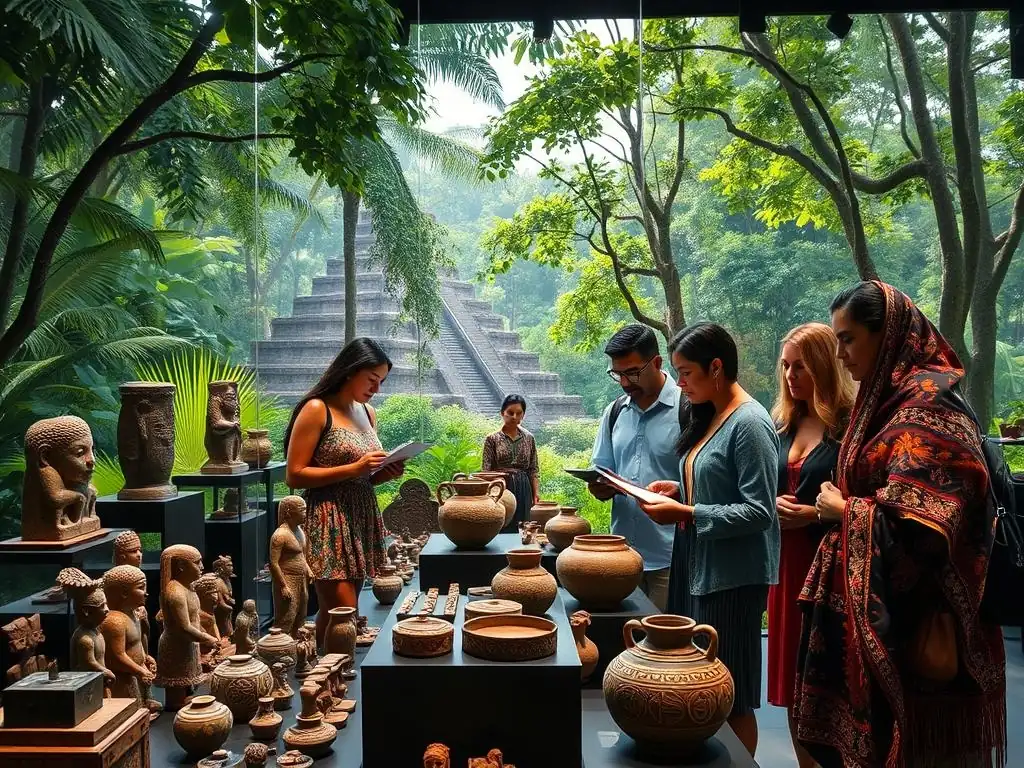
Welcome to Indigenous Civilizations of the Americas, where we invite you on a fascinating journey through the rich tapestry of Pre-Columbian cultural practices. This website delves deep into the diverse indigenous cultures that flourished across the Americas long before European arrival, celebrating their remarkable achievements and the profound impact they continue to have today. In our featured article, "Scholars Weigh In: Influential Academic Publications on Pre-Columbian Cultural Practices," we explore significant research that sheds light on these vibrant societies. Are you ready to uncover the knowledge and stories that shaped a continent? Let’s embark on this enlightening exploration together!
- Introduction to Pre-Columbian Cultural Practices Research
- Key Themes in Pre-Columbian Cultural Practices Research
- Influential Academic Publications on Pre-Columbian Cultural Practices
- Comparative Analysis of Scholarly Perspectives
- Methodologies in Pre-Columbian Cultural Practices Research
- Recommendations for Further Reading and Research
- Conclusion: The Future of Pre-Columbian Cultural Practices Research
- Call to Action: Engage with Pre-Columbian Cultural Practices
- Frequently Asked Questions
- Final Reflection: The Enduring Legacy of Pre-Columbian Cultural Practices
- Unveil the Rich Tapestry of Pre-Columbian Cultures!
Introduction to Pre-Columbian Cultural Practices Research
The study of Pre-Columbian cultural practices is essential for understanding the rich tapestry of indigenous societies that flourished across the Americas long before European contact. This research not only highlights the achievements and complexities of these cultures but also allows us to appreciate their enduring legacies.
From advanced agricultural techniques to intricate social structures, the contributions of Pre-Columbian civilizations have shaped the historical narrative of the Americas and continue to influence contemporary discussions around culture and identity. This article seeks to illuminate influential academic publications that have played a significant role in advancing knowledge in this field, providing essential readings for anyone interested in the depth and breadth of indigenous cultures.
Understanding the Importance of Pre-Columbian Studies
Pre-Columbian studies encompass a vast array of disciplines, including archaeology, anthropology, history, and art history, which converge to form a comprehensive understanding of indigenous cultures. These studies are crucial for several reasons:
- Cultural Preservation: Research into Pre-Columbian cultures helps preserve the rich histories and traditions of indigenous peoples, many of whom faced significant challenges due to colonization. By documenting their practices, languages, and beliefs, scholars help ensure that these cultures are remembered and respected.
- Historical Context: Understanding the complexities of Pre-Columbian societies provides context for contemporary issues faced by indigenous communities. It sheds light on the impact of colonization and ongoing struggles for cultural identity.
- Interdisciplinary Insights: The study of Pre-Columbian cultures draws from various fields, fostering a multidisciplinary approach that enriches our understanding of human societies. It encourages collaboration among scholars, artists, and community members to explore the past from diverse perspectives.
- Reevaluation of Narratives: Academic research has the power to challenge and reshape dominant narratives about history. By highlighting the achievements and innovations of Pre-Columbian civilizations, scholars are working to counter the often Eurocentric views that have historically marginalized indigenous peoples.
Overview of Influential Academic Publications in Indigenous Research
In the realm of Pre-Columbian cultural practices research, several academic publications stand out for their contributions to the field. These works not only provide foundational knowledge but also inspire ongoing inquiry and discussion among scholars and enthusiasts alike.
Some of the most influential publications include:
- "1491: New Revelations of the Americas Before Columbus" by Charles C. Mann
- This groundbreaking book challenges conventional views of indigenous populations prior to European contact, presenting evidence of advanced societies with sophisticated agricultural practices and extensive trade networks.
- "The Inca Empire: The Formation and Disintegration of a Pre-Columbian State" by Kenneth J. Atkinson
- Atkinson's work delves into the complexities of the Inca Empire, offering insights into its political organization, economy, and cultural practices.
- "Maya Cosmos: Three Thousand Years on the Shaman's Path" by David Freidel, Linda Schele, and Joy Parker
- This publication explores the spiritual and cosmological beliefs of the Maya civilization, emphasizing the role of shamanism in their cultural practices.
- "The Archaeology of the Inca" by Helaine Silverman
- A comprehensive examination of Inca archaeological sites, this book discusses the material culture and social organization of one of the most prominent Pre-Columbian civilizations in the Americas.
- “The Aztecs: A Very Short Introduction” by David Carrasco
- This concise text provides an overview of Aztec culture, touching upon their rituals, social structure, and contributions to art and science.
These publications serve as a foundation for understanding the rich cultural practices of Pre-Columbian societies, inviting readers to delve deeper into the complexities and nuances of indigenous histories. By engaging with these works, we can foster a greater appreciation for the diverse cultures that once thrived in the Americas and continue to resonate today.
Key Themes in Pre-Columbian Cultural Practices Research
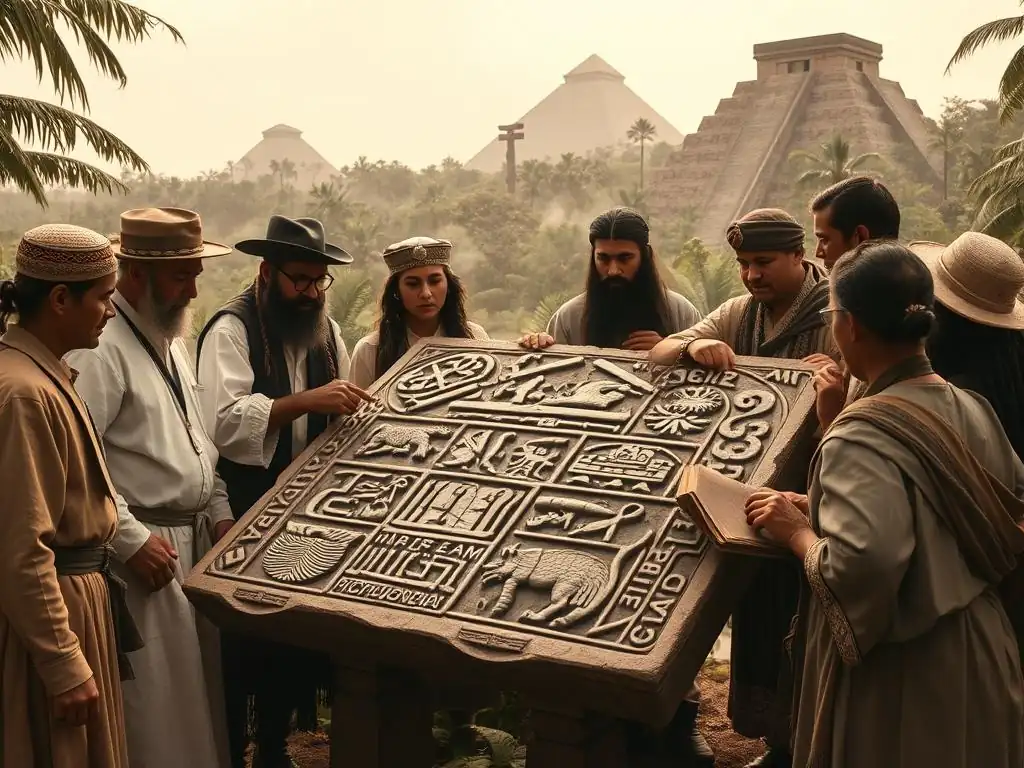
Societal Structures and Governance in Pre-Columbian Civilizations
Pre-Columbian civilizations exhibited a rich tapestry of societal structures and governance systems that varied significantly across different cultures. For instance, the Aztec and Inca empires showcased advanced hierarchical systems, with rulers at the apex supported by a complex bureaucracy.
- Aztec Society: Governed by a king known as the Tlatoani, the Aztecs organized their society into classes, including nobles, priests, and commoners. The Calpulli, or clans, played a crucial role in local governance and resource distribution.
- Inca Governance: The Inca Empire operated under a centralized system where the Sapa Inca was considered a divine ruler. They utilized a network of mit'a (labor tax) to mobilize resources for public works and military campaigns.
The study of these governance structures is crucial for understanding how these societies maintained order, facilitated trade, and organized labor. Scholars emphasize that these systems were not merely authoritarian but included elements of community participation and reciprocity.
Rituals and Spiritual Beliefs of Indigenous Cultures
Rituals and spiritual beliefs were integral to the identity of Pre-Columbian cultures, reflecting their understanding of the cosmos and human existence. Each civilization developed unique religious practices that were deeply intertwined with daily life.
- Maya Cosmology: The Maya civilization had a sophisticated understanding of time and astronomy, reflected in their calendars and rituals. Important ceremonies often centered around agricultural cycles, invoking the gods for favorable harvests.
- Andean Religions: In the Andean cultures, deities such as the sun god Inti and the earth goddess Pachamama were central to their spiritual practices. Rituals often included offerings, music, and dance to honor these deities and ensure harmony with nature.
- Navajo and Pueblo Beliefs: In North America, the Navajo and Pueblo peoples engaged in ceremonial practices that emphasized harmony with the Earth. Their rituals, such as the Blessingway, aimed to restore balance and promote well-being within the community.
These spiritual frameworks provided a sense of purpose and community cohesion, influencing social norms and ethical behavior. Researchers continue to explore how these practices shaped the cultures and influenced their interactions with the environment.
Artistic Expressions: Art, Music, and Literature in Pre-Columbian Societies
Artistic expressions in Pre-Columbian societies served not only aesthetic purposes but also conveyed cultural narratives, religious beliefs, and social values. The diversity of art forms illustrates the richness of their cultures.
- Visual Arts: The intricate pottery, textiles, and sculptures from civilizations such as the Maya and the Nazca reveal sophisticated techniques and symbolic meanings. Maya pottery often depicted mythological scenes, while Nazca ceramics featured vibrant designs reflecting their cosmology.
- Music and Dance: Music played a vital role in rituals and celebrations. Instruments like flutes, drums, and rattles were commonly used. For instance, the Inca utilized music to accompany agricultural ceremonies, while the Aztecs incorporated dance into their religious festivals.
- Literary Traditions: Although many Pre-Columbian societies did not have written languages, oral traditions were rich and diverse. The Popol Vuh, a sacred text of the Maya, is an example of how stories were recorded and passed down through generations, preserving their worldview and history.
Overall, the artistic expressions of Pre-Columbian cultures not only reflect their creativity but also serve as crucial artifacts for understanding their societal values and practices. Scholars in the field emphasize the importance of these artistic forms in the broader context of Pre-Columbian cultural practices research, revealing insights into the complexities of these civilizations.
Influential Academic Publications on Pre-Columbian Cultural Practices
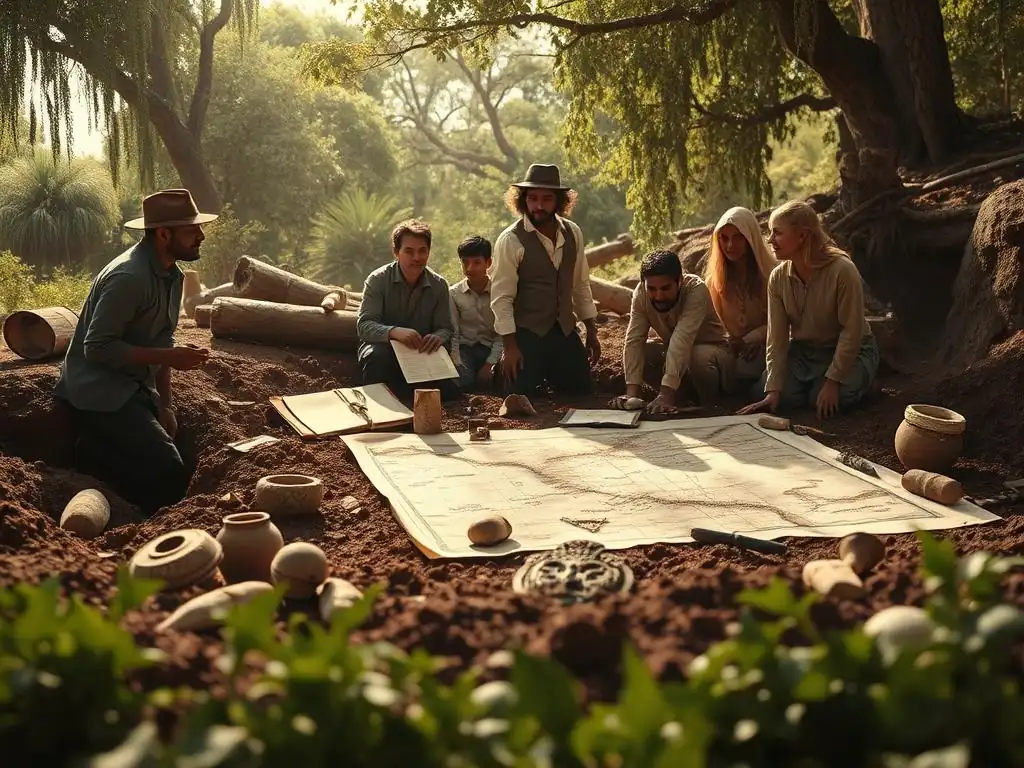
The Role of "1491: New Revelations of the Americas Before Columbus" in Understanding Pre-Columbian Societies
"1491: New Revelations of the Americas Before Columbus" by Charles C. Mann is a groundbreaking work that challenges conventional narratives about the Americas before European contact. Mann meticulously compiles a wealth of archaeological, anthropological, and historical data, arguing that the pre-Columbian societies were far more complex and populous than previously thought.
Key Insights and Contributions
Mann's research highlights several critical insights into Pre-Columbian cultural practices, including:
- Population Density: Mann estimates that the Americas were home to tens of millions of people at the time of European contact, a stark contrast to earlier beliefs that depicted a sparsely populated continent.
- Advanced Agricultural Techniques: The book discusses the sophisticated agricultural practices of indigenous peoples, including the domestication of crops such as maize, potatoes, and cassava, demonstrating their extensive knowledge of their environments.
- Urban Centers: Mann details the existence of large, organized urban centers, such as Cahokia, that challenged the notion that Native Americans were primarily nomadic tribes.
- Cultural Diversity: The text emphasizes the vast array of cultural practices, languages, and social structures across different regions, illustrating the rich tapestry of Pre-Columbian life.
These insights not only enrich our understanding of Pre-Columbian societies but also encourage further research into the diversity and complexity of their cultural practices.
Impact on Current Research and Perceptions
The publication of "1491" has significantly influenced contemporary research on Pre-Columbian cultural practices. Scholars have increasingly recognized the need to reassess previous assumptions about indigenous societies. The book has prompted new lines of inquiry into:
- Archaeological Methodologies: Researchers are adopting more nuanced approaches to studying ancient sites, incorporating interdisciplinary methods that blend archaeology with historical analysis and indigenous perspectives.
- Cultural Resilience: Mann's work has fostered a greater appreciation for the resilience of indigenous cultures in the face of colonization, encouraging scholars to explore how these societies adapted and transformed over time.
- Public Perception: "1491" has played a pivotal role in reshaping public understanding of Pre-Columbian history, challenging stereotypes and promoting a more nuanced view of indigenous peoples as sophisticated and influential actors in history.
David Hurst Thomas's Contributions to Pre-Columbian Cultural Practices
David Hurst Thomas is another prominent figure in the field of Pre-Columbian studies, known for his extensive research on indigenous cultures and their practices. His works provide essential insights into the social, political, and economic structures of these societies.
Overview of Major Works
Some of Thomas's most influential publications include:
- "Prehistoric Native Americans of the Southeast": This book offers a comprehensive overview of the various cultures that developed in the Southeastern United States, examining their subsistence strategies and social organization.
- "Archaeology of the American Southwest": In this work, Thomas delves into the archaeological evidence from the Southwest, discussing the complexities of trade, social networks, and cultural practices among indigenous groups.
- "The Archaeology of the Hispanic Southwest": This publication explores the interactions between indigenous cultures and Spanish colonizers, highlighting the blending of practices and the resulting cultural transformations.
Through these works, Thomas has significantly contributed to the understanding of the diverse cultural practices that existed in the Americas before European contact.
How Their Research Influences Modern Understanding
Thomas's research has far-reaching implications for modern scholarship on Pre-Columbian cultural practices. Specifically:
- Interdisciplinary Approaches: Thomas advocates for integrating archaeology with other disciplines, such as anthropology and history, to create a more holistic understanding of indigenous cultures.
- Emphasis on Regional Variability: His works underscore the importance of recognizing the regional differences in cultural practices, urging scholars to avoid generalizations about Native American societies.
- Impact on Policy and Education: Thomas's findings have influenced educational curricula and policies related to indigenous studies, promoting a more accurate representation of Pre-Columbian history in academic settings.
The contributions of scholars like Charles C. Mann and David Hurst Thomas are crucial in advancing our understanding of Pre-Columbian cultural practices. Their research not only enriches academic discourse but also fosters a broader appreciation for the complexity and diversity of indigenous societies in the Americas.
Comparative Analysis of Scholarly Perspectives
Contrasting Views on Pre-Columbian Societal Structures
The study of Pre-Columbian cultural practices research has revealed diverse scholarly interpretations regarding the societal structures of indigenous civilizations in the Americas. Scholars often find themselves divided between two primary perspectives: those who argue that many Pre-Columbian societies were centralized and hierarchical, and those who assert that they were predominantly decentralized and egalitarian.
The Debate on Centralized vs. Decentralized Governance
At the heart of this debate lies the question of governance and political organization. Proponents of centralized governance point to large empires such as the Aztec and Inca as examples of complex political structures characterized by a clear hierarchy and centralized authority. They argue that these civilizations exhibited sophisticated administrative systems, including taxation, military organization, and social stratification. For instance, the Inca Empire is often highlighted for its extensive road networks and centralized distribution of goods, which facilitated control over vast territories.
Conversely, scholars advocating for decentralized governance emphasize the significance of local governance and community-based decision-making processes prevalent among many indigenous groups. They cite examples such as the Iroquois Confederacy, which operated through a system of councils that emphasized consensus rather than centralized authority. This perspective highlights the diversity of governance models across Pre-Columbian cultures, suggesting that many societies functioned effectively without rigid hierarchical structures.
The implications of these contrasting views extend beyond historical analysis; they influence contemporary indigenous studies, particularly in discussions about sovereignty, governance, and cultural resilience among modern indigenous communities.
Implications for Contemporary Indigenous Studies
Understanding the governance structures of Pre-Columbian societies is crucial for contemporary indigenous studies, as it informs current discussions on self-determination and governance among indigenous peoples. Recognizing the diversity of political systems in the past can empower indigenous communities today, as they navigate the complexities of modern governance frameworks imposed by nation-states.
Furthermore, this comparative analysis encourages scholars and activists to critically examine how historical narratives shape present-day perceptions of indigenous identity and agency. By acknowledging the varied governance models, contemporary scholars can better advocate for indigenous rights, fostering a more nuanced understanding of sovereignty that respects traditional practices and beliefs.
Discrepancies in Interpretations of Cultural Practices
In addition to governance structures, discrepancies in interpretations of cultural practices also play a significant role in Pre-Columbian cultural practices research. Scholars often encounter challenges in accurately representing the rich tapestry of traditions, rituals, and daily life among diverse indigenous groups. These differences arise from varying methodologies, theoretical frameworks, and cultural biases that shape interpretations of archaeological and ethnographic data.
Case Studies from Influential Publications
One notable case study is the examination of agricultural practices among the Maya civilization. Influential publications offer contrasting interpretations regarding the importance of maize cultivation in Maya society. Some scholars view maize as a central element of Maya cosmology and identity, emphasizing its sacred status and role in religious rituals. Others argue for a more pragmatic view, suggesting that agricultural practices were primarily driven by economic and subsistence needs rather than spiritual significance.
Another example can be found in the interpretation of art and iconography in the Andean region. Scholars have debated the meanings behind intricate textile patterns and pottery designs, with some attributing symbolic meanings tied to social status and cosmological beliefs, while others see these artifacts as reflections of trade and economic exchanges.
These case studies illustrate the complexities involved in interpreting Pre-Columbian cultural practices and underscore the importance of interdisciplinary approaches that draw from archaeology, anthropology, and history. By integrating various perspectives, researchers can develop a more comprehensive understanding of indigenous civilizations and their cultural legacies.
The comparative analysis of scholarly perspectives reveals the richness and diversity inherent in Pre-Columbian cultural practices research. By engaging with contrasting views on societal structures and cultural interpretations, scholars can contribute to a more nuanced understanding of the indigenous civilizations that shaped the Americas long before European contact.
Methodologies in Pre-Columbian Cultural Practices Research
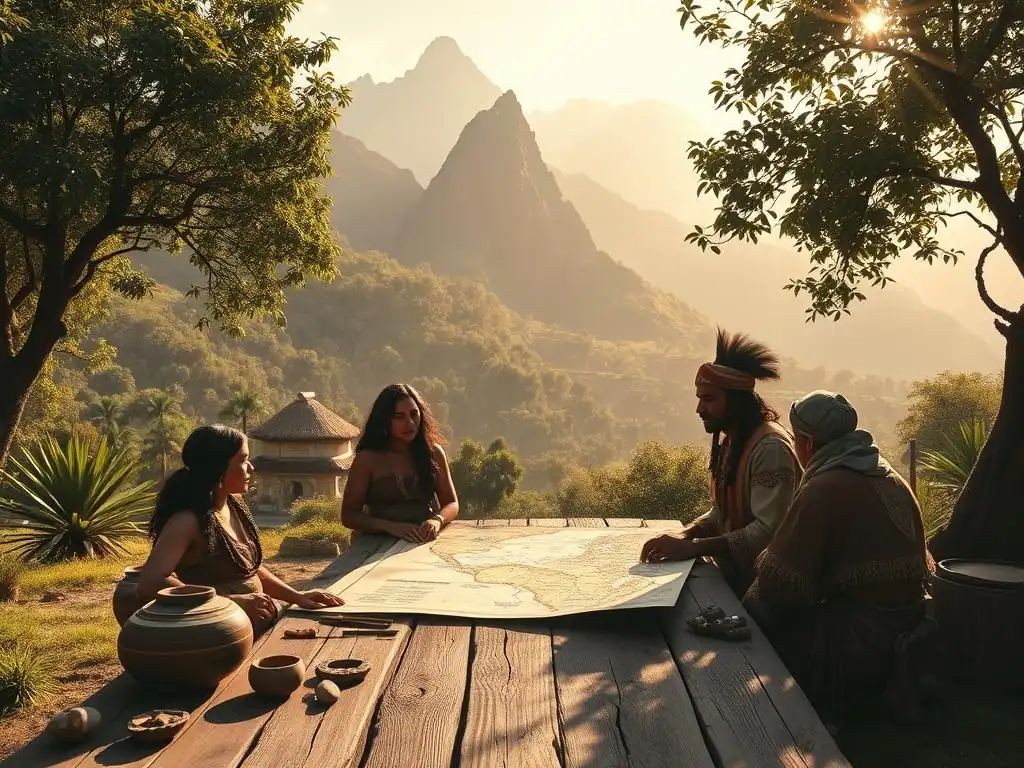
The exploration of Pre-Columbian cultural practices is a multifaceted endeavor that benefits from a variety of methodologies. Understanding these diverse approaches is crucial for scholars aiming to reconstruct the rich tapestry of indigenous societies across the Americas. This section delves into key methodologies, highlighting their significance and contribution to the field of Pre-Columbian studies.
Archaeological Techniques and Their Significance
Archaeology serves as a foundational methodology in Pre-Columbian cultural practices research. Through the excavation of sites, archaeologists uncover artifacts, architecture, and other material remains that provide insight into the daily lives, rituals, and social structures of indigenous cultures.
- Excavation and Stratigraphy:
- Excavation involves systematic digging at archaeological sites to recover artifacts. Stratigraphy, the study of layered deposits, helps date findings and understand the chronological development of cultures.
- For instance, the excavation of the ancient city of Teotihuacan in Mexico revealed complex urban planning and trade networks, contributing significantly to our understanding of Mesoamerican civilizations.
- Remote Sensing Technologies:
- Techniques such as LiDAR (Light Detection and Ranging) enable researchers to visualize and map archaeological sites obscured by vegetation.
- An example is the use of LiDAR in uncovering the vast network of ancient Maya cities in Guatemala, reshaping perceptions of their scale and complexity.
- Material Analysis:
- Analyzing materials such as pottery, tools, and organic remains provides insights into trade, technology, and environmental adaptations.
- For instance, residue analysis has revealed the diets and agricultural practices of various cultures, highlighting their interactions with the environment.
Ethnographic Approaches to Understanding Indigenous Cultures
Ethnographic methods complement archaeological research by providing a contemporary perspective on indigenous cultures and their practices. This approach often involves fieldwork and participant observation, enabling scholars to engage directly with indigenous communities.
- Participant Observation:
- Researchers immerse themselves in indigenous communities to observe cultural practices and rituals firsthand. This method fosters deeper understanding and respect for the complexities of cultural expressions.
- An ethnographic study of the Hopi tribe in Arizona, for example, illuminated the significance of kachina ceremonies, revealing their role in maintaining social cohesion and cultural identity.
- Oral Histories:
- Collecting oral histories allows scholars to document the narratives and traditions of indigenous peoples, preserving knowledge that may not be found in written records.
- The stories passed down through generations provide valuable insights into historical events, social structures, and cultural beliefs.
- Collaboration with Indigenous Scholars:
- Collaborating with indigenous scholars and community members ensures that research is culturally sensitive and accurate. Their perspectives enrich the understanding of cultural practices and historical contexts.
- For instance, the involvement of indigenous voices in the study of the Inca Empire has led to a more nuanced understanding of their governance and social organization.
The Importance of Interdisciplinary Research in Pre-Columbian Studies
Interdisciplinary research is vital in Pre-Columbian studies, as it integrates various fields to create a more comprehensive understanding of indigenous cultures. By combining methodologies from archaeology, anthropology, history, and even environmental science, scholars can address complex questions about cultural practices.
- Anthropology and Archaeology Synergy:
- The integration of anthropological theories with archaeological findings allows for a richer interpretation of cultural practices, social structures, and belief systems.
- For example, anthropological frameworks can help explain the ritual significance of certain artifacts discovered in archaeological sites.
- Environmental Studies:
- Understanding the environmental context in which indigenous cultures thrived is essential. Environmental studies can reveal how societies adapted to their surroundings, affecting their agricultural practices and settlement patterns.
- Research on the impact of climate change on agricultural practices among the Ancestral Puebloans illustrates the dynamic relationship between culture and environment.
- Collaboration Across Disciplines:
- Interdisciplinary collaboration fosters innovative research approaches, encouraging scholars to share methodologies and insights.
- A notable example is the collaboration between climatologists and archaeologists to study the effects of climate variability on the decline of the Maya civilization.
By employing these diverse methodologies, researchers are better equipped to explore the complexities of Pre-Columbian cultural practices and contribute to a deeper understanding of indigenous civilizations in the Americas.
Recommendations for Further Reading and Research
Essential Academic Reads for Students and Scholars
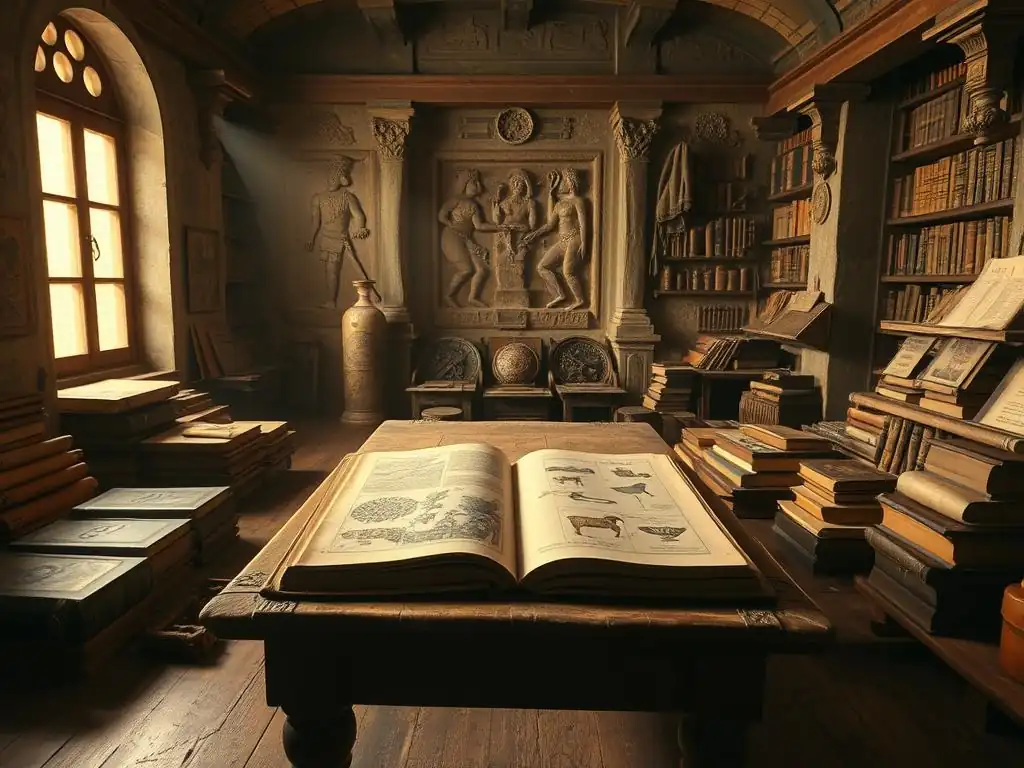
When delving into the rich tapestry of Pre-Columbian cultural practices, students and scholars can benefit immensely from a selection of pivotal texts. These works not only provide foundational knowledge but also inspire critical thinking about indigenous societies and their complex histories. Below are some essential academic reads that have significantly shaped the discourse around Pre-Columbian cultures.
Top 5 Influential Books on Pre-Columbian Cultures
- "1491: New Revelations of the Americas Before Columbus" by Charles C. Mann
- This groundbreaking book challenges the traditional narratives surrounding the Americas prior to European contact. Mann presents evidence of advanced civilizations, complex societies, and extensive trade networks that flourished long before Columbus' arrival.
- "The Indigenous Peoples of North America: A History" by Michael C. O'Leary
- O'Leary provides a comprehensive overview of the indigenous peoples of North America, detailing their cultural practices, societal structures, and interactions with the environment. This text serves as a vital resource for understanding the diversity and richness of indigenous cultures.
- "Ancient Mesoamerica" by Susan Toby Evans
- Focusing on the civilizations of Mesoamerica, this book explores the social, political, and religious practices of cultures such as the Maya and Aztec. Evans' research emphasizes the importance of these societies in shaping the region's history.
- "The Oxford Handbook of Mesoamerican Archaeology" edited by Deborah L. Nichols and Christopher A. Pool
- This comprehensive volume compiles contributions from leading scholars in the field of Mesoamerican studies. It covers a wide range of topics, including architecture, art, and ritual practices, making it an essential reference for serious researchers.
- "The World of the American Indian" by Helen C. Rountree
- Rountree's work provides an interdisciplinary approach to understanding the lives of American Indian peoples. This book examines various cultural practices, from spirituality to social organization, offering insights into the resilience and adaptability of indigenous cultures.
Journals and Articles to Follow in Indigenous Studies
Staying updated with the latest research and debates is crucial for anyone interested in Pre-Columbian cultural practices. Here are some key journals and publications to follow:
- American Indian Culture and Research Journal
- Journal of Latin American Lore
- Ethnohistory
- Journal of Anthropological Research
- Latin American Antiquity
These journals often feature peer-reviewed articles that explore various aspects of indigenous cultures, providing valuable insights into ongoing research and discussions in the field.
Online Resources and Databases for Pre-Columbian Research
Access to reliable online resources can greatly enhance the research experience for academics and students alike. Here are some noteworthy platforms that focus on Pre-Columbian studies.
JSTOR: A Comprehensive Database for Indigenous Studies
JSTOR is an invaluable resource for conducting Pre-Columbian cultural practices research. It offers a vast collection of academic journal articles, books, and primary sources related to indigenous studies. Here are some key features of JSTOR:
- Extensive Archive: JSTOR houses thousands of articles from various disciplines, including anthropology, history, and archaeology, making it a crucial tool for interdisciplinary research.
- Search Functionality: Users can easily search for specific topics or keywords, such as "Pre-Columbian cultural practices," allowing for targeted research.
- Accessibility: Many institutions provide free access to JSTOR, enabling students and researchers to utilize its resources without financial barriers.
- Research Tools: JSTOR offers various tools, such as citation exports and reading lists, which facilitate the organization and management of research materials.
By leveraging these resources and recommended readings, scholars can deepen their understanding of the rich and diverse cultural practices that shaped the indigenous societies of the Americas before European contact.
Conclusion: The Future of Pre-Columbian Cultural Practices Research
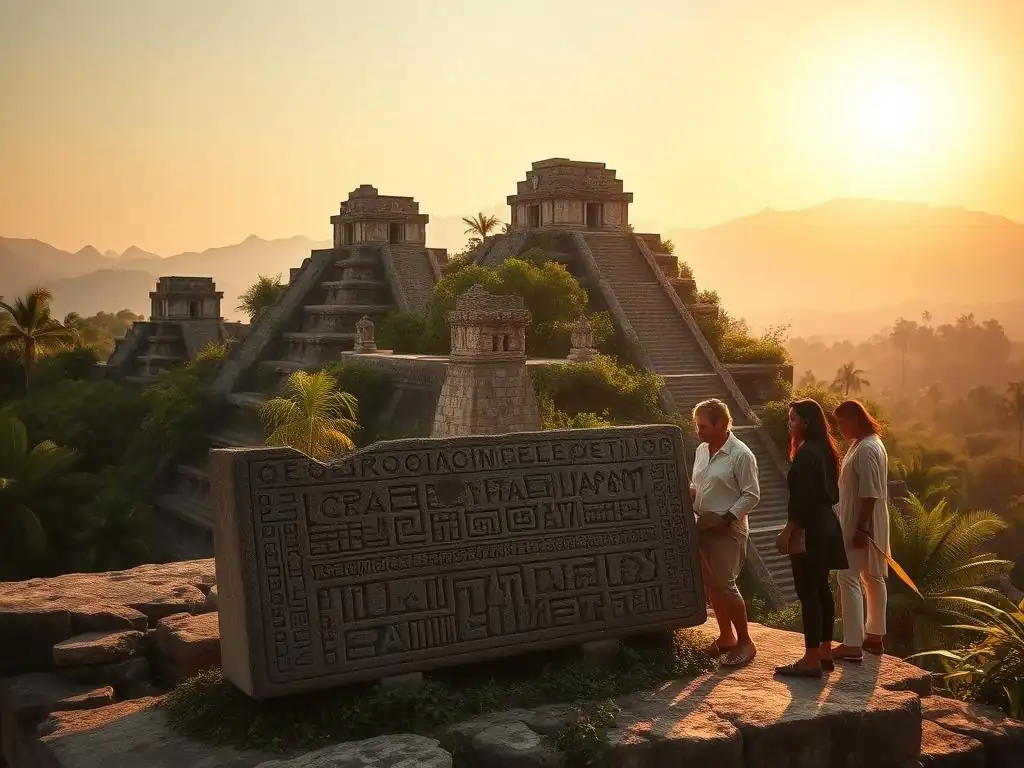
As we look to the future of Pre-Columbian cultural practices research, it is essential to recognize the significant strides that have been made while also acknowledging the gaps that remain. The study of indigenous cultures before European contact is not just an academic endeavor; it is a means to honor and preserve the rich heritage of the peoples who inhabited the Americas. This ongoing research plays a crucial role in reshaping historical narratives, challenging colonial perspectives, and fostering a deeper understanding of cultural diversity.
The Importance of Continued Scholarship in Indigenous Studies
Continued scholarship in Indigenous studies is vital for several reasons:
- Reclamation of History:
- Many Indigenous cultures were systematically erased from historical narratives due to colonization. Ongoing research allows for the reclamation of these histories, enabling contemporary communities to connect with their ancestral roots.
- Diverse Perspectives:
- Pre-Columbian cultural practices research enriches our understanding by incorporating diverse perspectives. Scholars from various backgrounds can offer unique insights into the complexities of Indigenous societies, leading to a more nuanced appreciation of their contributions to global civilization.
- Interdisciplinary Approaches:
- The study of Pre-Columbian cultures benefits from interdisciplinary approaches, drawing from anthropology, archaeology, history, and environmental studies. Collaboration among these fields fosters innovative methodologies and frameworks that can uncover new aspects of Indigenous life.
- Addressing Contemporary Issues:
- Understanding Pre-Columbian cultures can also inform current discussions about land rights, cultural preservation, and social justice. By recognizing the historical context of these issues, scholars can advocate for policies that respect Indigenous sovereignty and cultural heritage.
Encouraging New Voices in Pre-Columbian Research
To ensure the richness of Pre-Columbian cultural practices research, it is imperative to encourage new voices and perspectives:
- Supporting Emerging Scholars:
- Academic institutions and funding bodies must prioritize support for emerging scholars from Indigenous backgrounds. This can include mentorship programs, grants, and fellowships specifically aimed at fostering Indigenous scholarship.
- Promoting Inclusive Platforms:
- Creating platforms for Indigenous scholars to share their research, stories, and methodologies is essential. This includes not only academic journals but also community-based forums and public discussions that elevate Indigenous voices.
- Engaging with Indigenous Communities:
- Researchers should actively engage with Indigenous communities to ensure their research is relevant and respectful. Collaborative projects can help bridge the gap between academia and Indigenous knowledge systems, leading to more meaningful and impactful outcomes.
- Utilizing Technology:
- Technology offers new avenues for research dissemination and collaboration. Digital archives, online databases, and social media can amplify Indigenous narratives and facilitate wider access to research findings.
As we advance in the field of Pre-Columbian cultural practices research, it is crucial to build a future that values inclusivity, collaboration, and the voices of those who have historically been marginalized. By embracing these principles, we can contribute to a more equitable understanding of the rich tapestry of Indigenous cultures in the Americas.
Call to Action: Engage with Pre-Columbian Cultural Practices
Engaging with Pre-Columbian cultural practices not only enriches our understanding of the diverse societies that existed in the Americas but also honors the legacies of these cultures. As we delve into the rich tapestry of indigenous histories, it becomes crucial to support ongoing scholarship and preserve the narratives that have often been overlooked. Here are some actionable steps you can take to engage with this field of research:
- Read and Share: Start by exploring influential academic publications on Pre-Columbian cultural practices. Sharing these resources within your community can foster a deeper appreciation and understanding of indigenous histories.
- Participate in Workshops: Look for workshops, webinars, and lectures that focus on indigenous studies. Engaging with experts in the field can provide insights into contemporary research and methodologies.
- Support Indigenous Authors: Seek out works by indigenous scholars and authors. Their perspectives are invaluable for understanding cultural practices in their own contexts.
How You Can Support Indigenous Scholarship
Supporting indigenous scholarship is vital for ensuring that the voices and stories of these cultures are amplified in academic discourse. Here are several ways to contribute:
- Funding and Grants:
- Contribute to Indigenous Research Funds: Many organizations provide grants specifically for research on indigenous cultures. Supporting these initiatives can help sustain ongoing research efforts.
- Scholarships for Indigenous Students: Consider donating to scholarship funds aimed at indigenous students pursuing degrees in anthropology, archaeology, or related fields.
- Promote Indigenous Perspectives:
- Advocate for Inclusive Curriculum: Encourage educational institutions to include indigenous perspectives in their curricula. This can elevate the importance of Pre-Columbian cultural practices in academic settings.
- Support Indigenous Media: Engage with and promote films, books, and other media produced by indigenous creators that focus on their cultural practices and histories.
- Volunteer and Collaborate:
- Join Community Projects: Many indigenous communities engage in cultural preservation projects. Volunteering your time can provide valuable assistance and foster relationships based on mutual respect.
- Collaborative Research Initiatives: If you are an academic or researcher, consider partnering with indigenous scholars to ensure that your work reflects their perspectives and insights.
Opportunities for Collaboration and Research in the Field
The field of Pre-Columbian cultural practices research is ripe with opportunities for collaboration and exploration. Here are some potential avenues:
- Interdisciplinary Research Projects: Many contemporary studies benefit from interdisciplinary approaches, combining anthropology, history, art history, and environmental studies. Collaborating across disciplines can lead to richer insights and broader impacts.
- Fieldwork and Archaeological Research:
- Participate in Archaeological Digs: Joining archaeological teams working on indigenous sites can provide hands-on experience and contribute to the documentation and understanding of Pre-Columbian cultures.
- Ethnohistorical Studies: Engaging in ethnohistorical research, which combines historical and anthropological methods, can uncover deeper narratives about indigenous societies.
- Networking and Conferences:
- Attend Conferences on Indigenous Studies: These events are excellent platforms for networking and discovering new research trends. Engaging with fellow scholars can lead to collaborative opportunities.
- Publish Collaborative Papers: Consider co-authoring research papers with indigenous scholars. This not only enhances the credibility of the work but also ensures a diverse range of perspectives.
Engaging with Pre-Columbian cultural practices through scholarly support and collaboration can lead to a more nuanced understanding of the past and its complexities. By actively participating in these initiatives, you can help preserve and celebrate the rich heritage of indigenous peoples in the Americas.
Frequently Asked Questions
What are Pre-Columbian cultural practices?
Pre-Columbian cultural practices refer to the traditions, rituals, and social structures of indigenous societies in the Americas before the arrival of Europeans, highlighting their rich heritage and contributions.
Why is research on Pre-Columbian cultures important?
Research on Pre-Columbian cultures helps us understand the diversity, complexity, and innovations of indigenous civilizations, providing insight into their impact on modern societies and preserving their legacies.
What are some key publications on this topic?
Some influential publications include works by archaeologists and anthropologists that explore various aspects of Pre-Columbian life, including their art, agriculture, and trade networks.
How do these cultures influence contemporary society?
Contemporary society is influenced by Pre-Columbian cultures through their artistic expressions, agricultural practices, and sustainable living methods that continue to inform modern ecological perspectives.
Where can I find more information on indigenous civilizations?
More information can be found on dedicated websites, academic journals, and museum collections focusing on indigenous civilizations of the Americas, which provide valuable resources for research and education.
Final Reflection: The Enduring Legacy of Pre-Columbian Cultural Practices
The exploration of Pre-Columbian cultural practices research is not merely an academic pursuit; it is a vital key to understanding the rich tapestry of human history. As we delve into the intricate rituals, social structures, and artistic expressions of ancient civilizations, we uncover insights that resonate profoundly in today's world. The significance of these practices extends beyond the past, illuminating contemporary discussions on cultural identity, heritage preservation, and the interconnectedness of societies.
The impact of Pre-Columbian studies is felt across various domains, from anthropology to art history, shaping our understanding of cultural evolution and societal resilience. As scholars continue to unearth and analyze these practices, they remind us of the importance of honoring diverse narratives and recognizing the contributions of indigenous peoples. To understand the past is to understand ourselves,
a sentiment echoed by many scholars who emphasize the relevance of these ancient cultures in shaping modern identities.
As we reflect on the lessons drawn from Pre-Columbian cultural practices, I invite you to consider how these insights can inform your own life and community. Engage with the narratives of the past, celebrate cultural diversity, and advocate for the preservation of heritage. By doing so, we not only honor those who came before us but also enrich our own understanding of the world, fostering a more inclusive and empathetic future.
Unveil the Rich Tapestry of Pre-Columbian Cultures!
Thank you for diving into the profound world of Pre-Columbian cultural practices with us! Your interest in these influential academic publications not only enriches your understanding but also keeps the legacy of Indigenous civilizations alive. Now, let's harness that knowledge and make an impact together!
Here are a few powerful steps you can take next:
- Explore Further: Dive deeper into one of the publications discussed. Choose a specific publication and summarize its key findings to enhance your understanding.
- Share Your Insights: Discuss these findings with friends or colleagues. Start a conversation about the importance of Pre-Columbian practices in today's society.
- Join the Community: Engage with local Indigenous groups or online forums. Participate in discussions or events that honor Indigenous history and culture.
How will you incorporate the lessons from these cultural treasures into your daily life?