
How the Moche Civilization Revolutionized Farming Techniques in Ancient Peru

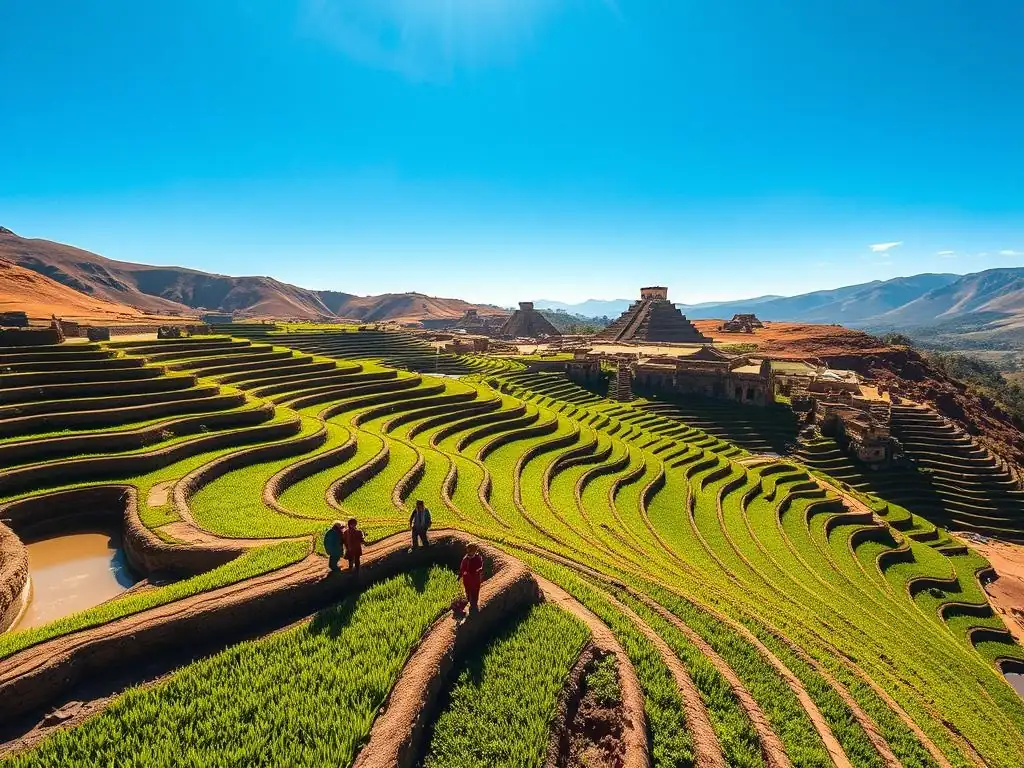
Welcome to Indigenous Civilizations of the Americas, where we embark on a fascinating journey through the rich tapestry of cultures that flourished long before European influence reshaped the continent. Delve into the remarkable achievements and societal structures of these vibrant civilizations, beginning with our featured article on the Moche civilization farming techniques. Discover how the Moche revolutionized agricultural practices in ancient Peru, leaving a lasting legacy that still resonates today. Prepare to be captivated as you uncover the innovations and traditions that defined a thriving society—your exploration starts here!
- Introduction to the Moche Civilization Farming Techniques
- Historical Context of Farming in Ancient Peru
- Key Moche Farming Techniques
- Tools and Technologies in Moche Agriculture
- The Role of Religion and Culture in Moche Farming
- Legacy of Moche Civilization Farming Techniques
- Conclusion
-
Frequently Asked Questions
- What were the primary farming techniques used by the Moche civilization?
- How did Moche farming techniques impact their society?
- What crops did the Moche primarily grow using their farming methods?
- How did the Moche civilization's agricultural practices compare to other ancient cultures?
- What was the lasting impact of Moche farming techniques on modern agriculture?
- Final Reflection: The Enduring Legacy of Moche Civilization Farming Techniques
- Unleash Your Inner Explorer: Dive into the Legacy of the Moche!
Introduction to the Moche Civilization Farming Techniques
The Moche civilization, flourishing in ancient Peru from approximately 100 to 800 CE, is renowned for its sophisticated agricultural practices that played a pivotal role in their societal development. The innovative farming techniques of the Moche not only supported their densely populated urban centers but also facilitated the expansion of their cultural and artistic achievements.
This article delves into the intricate methods employed by the Moche civilization, highlighting how their advancements in agriculture contributed to their perseverance and prosperity in a challenging environment. By examining the Moche civilization farming techniques, we gain insight into how these practices shaped their economy and influenced subsequent cultures in the region.
Overview of the Moche Civilization
The Moche civilization, situated along the northern coast of Peru, is characterized by its impressive engineering feats, intricate pottery, and monumental architecture. The Moche people developed a complex society with a hierarchical structure that included elite rulers, skilled artisans, and a large labor force. Some key features of the Moche civilization include:
- Agricultural Innovation: The Moche mastered irrigation techniques, allowing them to cultivate crops in arid conditions.
- Artistic Expression: Renowned for their detailed ceramics and textiles, Moche artisans created works that depicted their mythology and daily life.
- Architectural Marvels: The construction of large adobe pyramids and temples, such as the Huaca del Sol and Huaca de la Luna, exemplifies their architectural prowess.
- Religious Practices: The Moche practiced elaborate rituals and ceremonies, often involving human sacrifice, to appease their deities.
Overall, the Moche civilization's achievements in agriculture, art, and architecture reflect a society that was both innovative and deeply connected to its environment.
Importance of Agriculture in Moche Society
Agriculture was the backbone of Moche society, providing the sustenance necessary for their population and enabling the growth of their cities. The significance of agriculture can be understood through several key aspects:
- Crop Diversity: The Moche cultivated a variety of crops, including maize, beans, squash, and potatoes. This diversity ensured food security and allowed them to adapt to changing climatic conditions.
- Irrigation Systems: The Moche engineered extensive irrigation systems, utilizing canals and aqueducts to transport water from rivers to their fields. This innovation was crucial for farming in the arid coastal regions.
- Surplus Production: The advanced farming techniques resulted in surplus production, which supported trade and enabled the specialization of labor. This surplus allowed artisans and other specialists to thrive within Moche society.
- Cultural Practices: Agriculture influenced Moche religious and cultural practices, as many rituals revolved around agricultural cycles and deities associated with fertility and harvest.
The Moche civilization's farming techniques were not only essential for their survival but also played a significant role in shaping their social and cultural identity. Understanding these agricultural practices provides valuable insights into the resilience and ingenuity of the Moche people in ancient Peru.
Historical Context of Farming in Ancient Peru
Pre-Moche Agricultural Practices
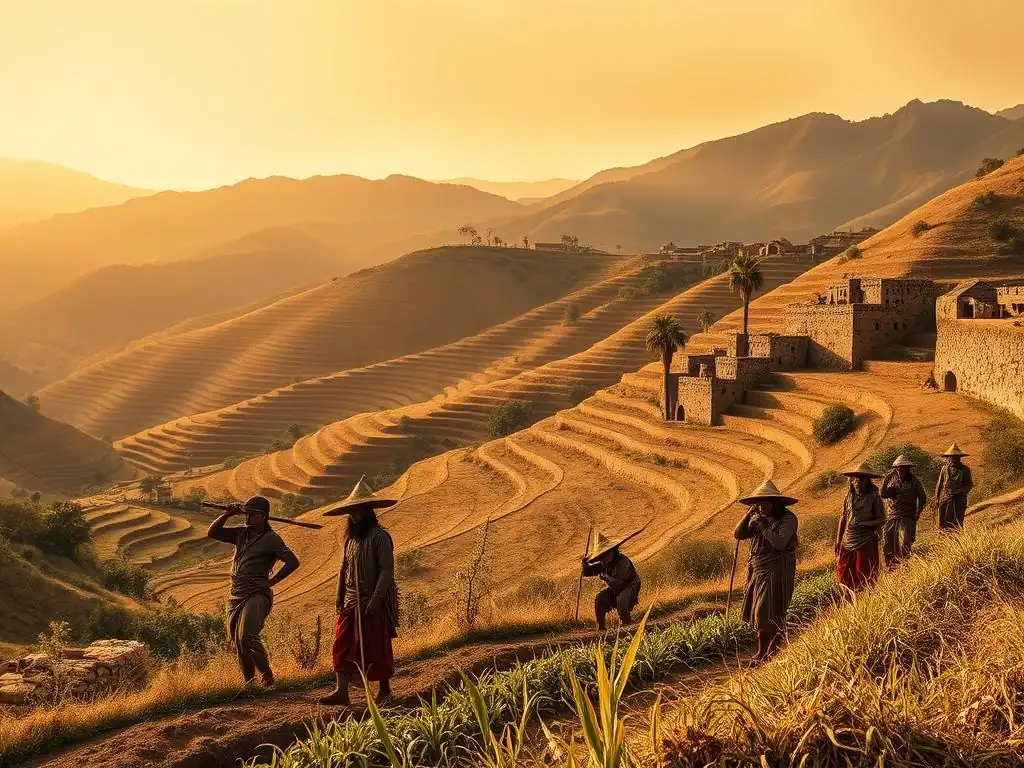
Before the emergence of the Moche civilization, the region that is now northern Peru had already begun to develop various agricultural practices. The indigenous peoples of this area relied heavily on the natural resources available to them, utilizing techniques that laid the groundwork for more advanced farming methods later adopted by the Moche.
Crops and Cultivation Techniques
The primary crops cultivated by these early societies included:
- Maize: A staple food source that was essential for sustenance.
- Potatoes: Indigenous to the Andes, potatoes became a key element of the diet.
- Quinoa: Valued for its high nutritional content, quinoa was also an important crop.
Farmers practiced a form of shifting cultivation, rotating fields to maintain soil fertility. They also utilized terracing, particularly in the higher altitudes, to maximize arable land and manage water runoff effectively.
Irrigation Systems
Irrigation played a crucial role in pre-Moche agricultural practices. Early settlers constructed simple canals and channels that diverted water from nearby rivers, particularly the Moche River. This technique allowed them to expand the area under cultivation and provided a more reliable water supply during dry seasons.
The Rise of the Moche Civilization and Its Agricultural Innovations
The Moche civilization emerged around 100 AD and flourished until approximately 800 AD. This period marked a significant advancement in agricultural techniques, driven by a combination of environmental adaptation and innovative practices that transformed farming in ancient Peru.
Advanced Irrigation Techniques
One of the key innovations of the Moche civilization was the development of an extensive and sophisticated irrigation system. They constructed:
- Large Canals: These canals extended over 200 kilometers, allowing for the diversion of river water to the fields.
- Reservoirs: The Moche built reservoirs to store water, ensuring a stable supply during drought periods.
This systematic approach to irrigation not only increased crop yields but also allowed for the cultivation of more diverse crops.
Crop Diversification and Experimentation
The Moche farmers were pioneers in crop diversification. They cultivated a variety of plants, which included:
- Cotton: Used for textiles, cotton farming became integral to Moche culture.
- Chili Peppers: These provided flavor and were also used for trade.
- Various Legumes: Including beans, which enriched the soil with nitrogen.
The integration of these crops into their agricultural system demonstrated the Moche's understanding of sustainable farming practices. By rotating crops and using companion planting techniques, they enhanced soil fertility and resilience against pests.
Agricultural Techniques and Tools
The Moche civilization also innovated in the tools they used for farming. They developed advanced agricultural implements such as:
- Plows and Hoes: Made from wood and stone, these tools increased efficiency in planting and tilling.
- Irrigation Ditches: More intricate than their predecessors, these ditches improved water distribution across the fields.
These advancements not only maximized production but also supported the growing population of the Moche, facilitating the rise of their complex society.
Impact on Society and Economy
The innovations in farming techniques directly influenced the Moche's economy and social structure. Increased agricultural output supported:
- Urbanization: Major cities, such as Moche and Chicama, grew around these agricultural hubs.
- Trade: Surplus crops were traded with neighboring cultures, enhancing economic interactions.
The success of Moche civilization farming techniques exemplified how agricultural innovation could shape societal development and sustain complex civilizations in the challenging environment of the Andes.
Key Moche Farming Techniques
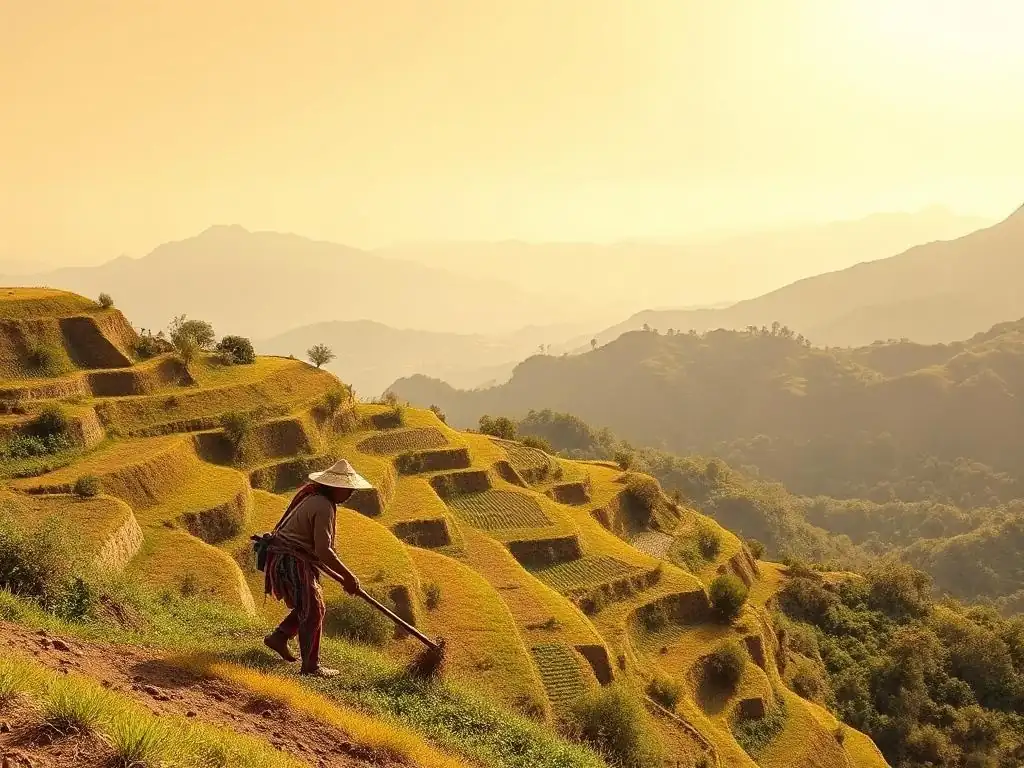
The Moche civilization, which flourished along the northern coast of Peru from approximately 100 to 800 CE, is noted for its innovative farming techniques that significantly enhanced agricultural productivity in a challenging environment. The Moche developed advanced methods that allowed them to cultivate a variety of crops and sustain a growing population, thus paving the way for their impressive cultural and economic achievements.
Advanced Irrigation Systems
The Moche civilization's success in agriculture can largely be attributed to their sophisticated irrigation systems, which transformed arid regions into fertile farmland.
Construction of Canals and Aqueducts
The Moche engineered an extensive network of canals and aqueducts that diverted water from the rivers flowing down from the Andes Mountains. These structures were meticulously designed to manage water flow and ensure that it reached the fields efficiently. For example:
- Stone-lined Channels: Many canals were lined with stones to prevent erosion and ensure durability.
- Elevated Aqueducts: In certain areas, the Moche constructed elevated aqueducts that allowed water to flow over uneven terrain, maximizing the reach of their irrigation systems.
This ingenuity facilitated the cultivation of crops in areas that would otherwise be inhospitable for farming.
Impact on Crop Yield and Sustainability
The implementation of these advanced irrigation techniques had a profound impact on crop yield and sustainability. By ensuring a consistent water supply, the Moche were able to:
- Increase Crop Production: With reliable irrigation, farmers could grow multiple crops per year, significantly boosting agricultural output.
- Sustain Soil Fertility: The strategic management of water helped maintain soil moisture, which was crucial for sustaining crop health over time.
These advancements not only supported the Moche's agricultural needs but also contributed to the establishment of complex urban centers.
Crop Rotation and Diversification
In addition to their irrigation systems, the Moche civilization practiced crop rotation and diversification, ensuring a resilient agricultural economy.
Types of Crops Grown by the Moche
The Moche cultivated a diverse range of crops, which included:
- Maize (Corn): A staple in their diet and a key crop for trade.
- Potatoes: Varieties of potatoes adapted to different altitudes and climates.
- Beans and Peppers: Important sources of protein and flavor.
- Quinoa: A highly nutritious grain that thrived in the Andean climate.
This variety not only provided food security but also played a crucial role in their social and economic structures.
Benefits of Crop Rotation in Moche Agriculture
The practice of crop rotation allowed the Moche to improve soil health and reduce the risk of crop failure. Some of the benefits included:
- Soil Nutrient Management: Alternating crops helped replenish nutrients in the soil, preventing depletion over time.
- Pest and Disease Control: Rotating crops reduced the buildup of pests and diseases that could devastate a single crop type.
- Increased Resilience: By diversifying their crops, the Moche minimized the risks associated with climate variability and market fluctuations.
These methods exemplify the Moche civilization's adaptability and innovation in agriculture, illustrating their profound understanding of ecological principles long before modern agricultural science.
Use of Fertilization and Soil Management
The Moche civilization, which thrived along the northern coast of Peru between approximately 100 and 800 CE, demonstrated advanced agricultural practices that were crucial to their societal development. A key aspect of their success was their innovative use of fertilization and soil management techniques. Understanding the importance of maintaining soil fertility, the Moche implemented a variety of methods that enhanced crop yields and ensured sustainable farming.
By employing natural resources and adapting to the local environment, the Moche were able to cultivate a diverse range of crops, including maize, potatoes, and beans. Their farming practices were not only innovative but also reflected a deep understanding of ecological balance. The use of natural fertilizers and soil conservation techniques significantly contributed to the longevity and productivity of their agricultural systems.
Natural Fertilizers Used by the Moche
The Moche civilization utilized various natural fertilizers derived from animal waste and plant materials to enrich their soils. Notable sources included:
- Guano: This was perhaps the most famous fertilizer used by the Moche. Guano, consisting of seabird excrement, was collected from nearby coastal areas. Its high nitrogen and phosphorus content made it an effective soil enhancer, promoting healthier plant growth and increased yields.
- Animal Manure: The Moche also used manure from domesticated animals such as llamas and alpacas. This organic material improved soil structure, moisture retention, and nutrient availability.
- Composting: The Moche practiced composting by mixing plant residues with animal waste. This process created a nutrient-rich soil amendment that contributed to the overall fertility of the fields.
By integrating these natural fertilizers into their farming practices, the Moche ensured that their crops received the necessary nutrients for optimal growth, while also reducing reliance on synthetic inputs, which were not available to them.
Soil Conservation Techniques
To maintain soil health and prevent erosion, the Moche civilization employed several effective soil conservation techniques. These practices were essential in the arid environment of coastal Peru, where soil degradation could easily occur. Notable techniques included:
- Terracing: The Moche constructed terraced fields on the slopes of mountains. This technique helped reduce soil erosion by slowing down water runoff and allowing for better water absorption. Terracing also maximized arable land in a challenging landscape, facilitating the cultivation of diverse crops.
- Crop Rotation: The Moche understood the importance of crop rotation in maintaining soil fertility. By alternating the types of crops planted in a given area, they were able to prevent soil depletion and control pests and diseases. This method also improved biodiversity and resilience within their agricultural systems.
- Irrigation Systems: The Moche developed sophisticated irrigation systems, including canals and aqueducts, to manage water resources effectively. These systems not only supplied consistent moisture to their crops but also reduced waterlogging and erosion, creating optimal conditions for farming.
Through these soil conservation techniques, the Moche civilization demonstrated a remarkable understanding of sustainable agriculture, which allowed them to thrive in their environment and support a complex society. Their innovative practices laid the groundwork for future agricultural developments in the region, reflecting their profound impact on the history of farming in the Americas.
Tools and Technologies in Moche Agriculture
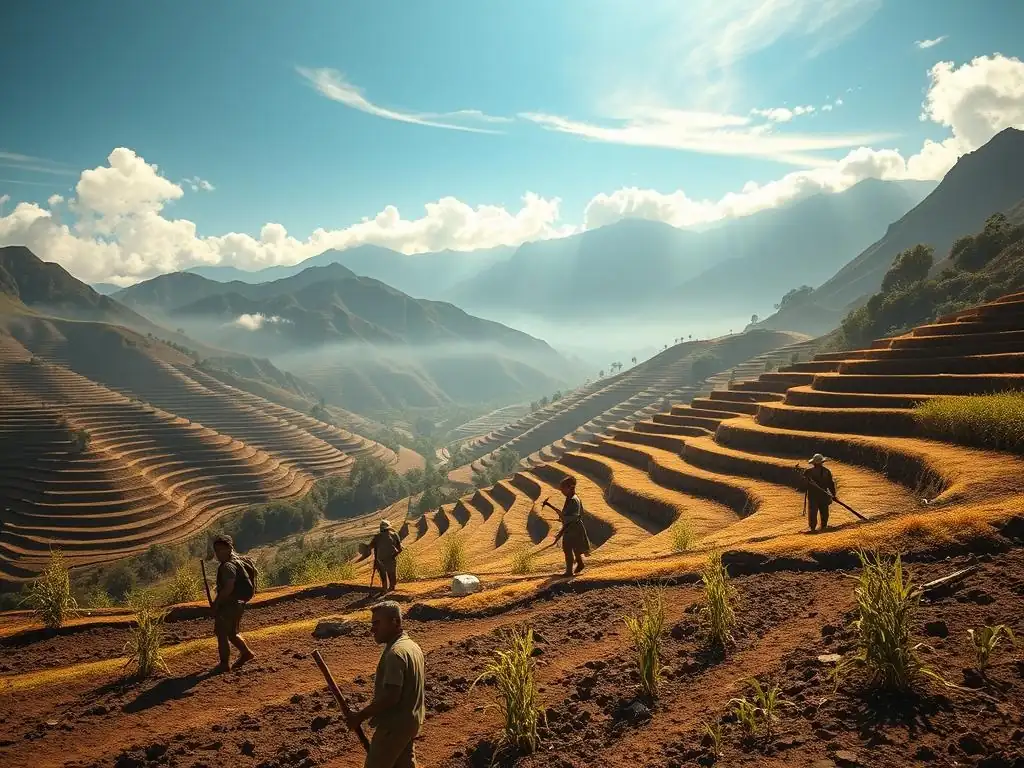
The Moche civilization, which flourished in northern Peru from approximately 100 to 800 CE, exhibited remarkable ingenuity in their agricultural practices. Their ability to adapt to the challenging environment of the arid coastal and highland regions was pivotal in their societal development. At the heart of their agricultural success were the tools and technologies they employed, which not only enhanced productivity but also laid the groundwork for sustainable farming practices that would influence future generations.
Agricultural Tools and Implements
The Moche developed a variety of specialized agricultural tools that were tailored to meet the demands of their environment. These implements played a crucial role in increasing efficiency and facilitating agricultural activities.
Traditional Farming Tools of the Moche
- Plows (Arados):
- The Moche utilized wooden plows, known as arados, which were pulled by llamas or human labor. These plows allowed farmers to break up the tough, compacted soil, making it easier to plant seeds and cultivate crops.
- Sickles (Hozes):
- Sickles, crafted from sharpened stones or metal, were essential for harvesting crops. The curved blade design allowed for efficient cutting of grain and other plants, minimizing waste and maximizing yield.
- Shovels and Hoes:
- Moche farmers used shovels made from wood or stone to dig and prepare fields. Hoes, often crafted from sturdy materials, were used for tilling and weeding, ensuring optimal growth conditions for their crops.
- Containers for Storage:
- To store harvested grains and other produce, the Moche constructed clay vessels and large storage pits. These storage techniques helped protect food supplies from pests and moisture, ensuring a stable food source throughout the year.
Innovations in Farming Technology
The Moche civilization was not only adept at using traditional tools but also excelled in developing innovative technologies that revolutionized their farming practices. These advancements played a significant role in transforming their agricultural landscape.
Advancements Introduced by the Moche Civilization
- Irrigation Systems:
- One of the most significant innovations of the Moche was their sophisticated irrigation systems. They constructed extensive networks of canals, aqueducts, and ditches to divert water from rivers to their fields. This engineering feat allowed them to cultivate crops in otherwise arid areas and ensured consistent water supply during dry seasons.
- Terracing:
- The Moche utilized terracing techniques on the steep slopes of the Andes. By building stepped fields, they reduced soil erosion and maximized arable land. This method also facilitated better water retention, making it possible to grow a variety of crops at different elevations.
- Crop Rotation and Polyculture:
- The Moche practiced crop rotation and polyculture, planting multiple crops in the same field to enhance soil fertility and reduce pests. This approach led to increased biodiversity and resilience in their agricultural systems, ensuring food security for their communities.
- Selective Breeding:
- The Moche were skilled in selective breeding of crops and livestock, improving yield and resilience. By choosing the best specimens for planting or breeding, they were able to enhance the quality and quantity of their agricultural output.
The combination of traditional tools and innovative technologies allowed the Moche civilization to revolutionize farming techniques in ancient Peru, creating a lasting legacy that influenced agricultural practices long after their decline. Their achievements in farming not only sustained their society but also contributed to the rich tapestry of indigenous cultures in the Americas.
The Role of Religion and Culture in Moche Farming
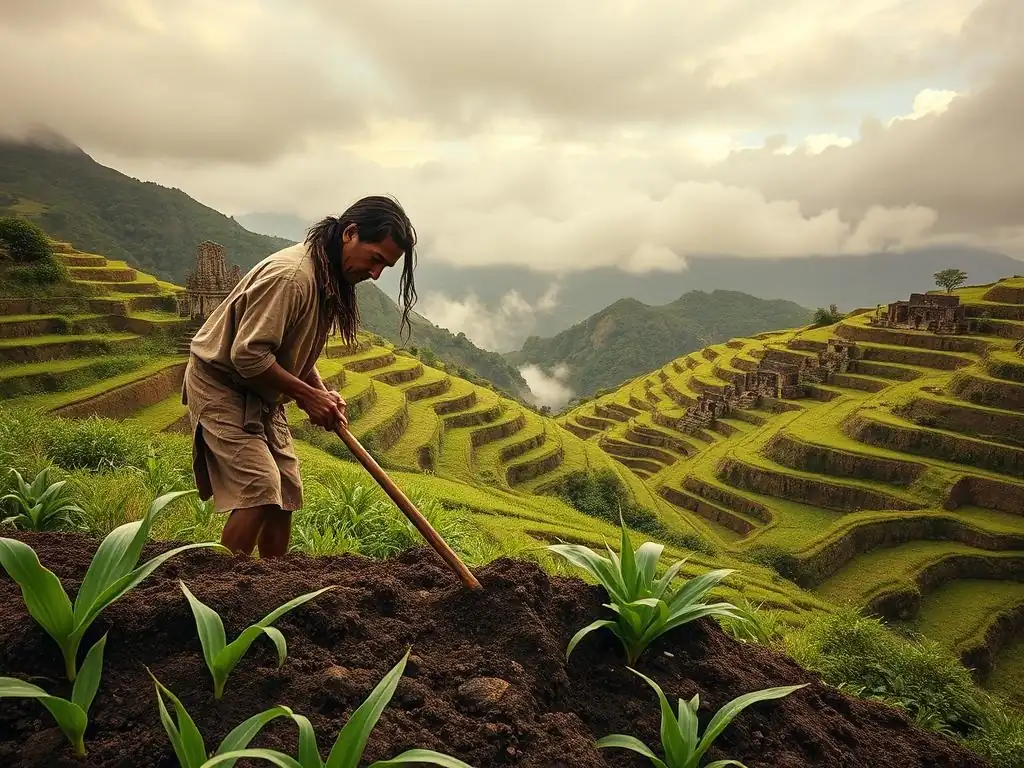
The Moche civilization, which thrived along the northern coast of Peru from approximately 100 to 800 AD, intricately intertwined their agricultural practices with their religious beliefs and cultural traditions. This relationship was pivotal in shaping the farming techniques employed by the Moche, as they believed that their agricultural success was directly linked to the favor of their deities. The Moche developed complex rituals and honored various agricultural deities, which not only encouraged community participation but also reinforced their agricultural practices.
Agricultural Deities and Their Influence
Central to Moche farming practices were their agricultural deities, which included prominent figures such as Pachamama, the earth goddess, and the Moon deity, who was believed to control the cycles of planting and harvesting. The Moche viewed these deities as essential guardians of their crops, and their influence permeated every aspect of agricultural life.
- Pachamama (Mother Earth): Revered as the source of fertility, Pachamama was central to Moche agricultural rituals. Farmers believed that offerings made to her would ensure bountiful yields. The Moche often presented her with gifts such as food, textiles, and even ceremonial items, especially at the beginning of the planting season.
- The Moon Deity: This deity was associated with cycles of growth and fertility, guiding the farmers in determining the optimal times for planting and harvesting. The Moche would often align their agricultural calendar with lunar phases, reflecting their deep understanding of natural cycles.
The Moche also paid homage to other deities related to water and agriculture, such as the Water God, who was vital for irrigation. The development of sophisticated irrigation systems, including canals and aqueducts, was likely influenced by these beliefs, as they sought to appease the deities that governed water sources.
Rituals Associated with Farming and Harvesting
Rituals were integral to Moche agricultural practices, serving both spiritual and communal purposes. These ceremonies often involved the entire community, fostering a sense of unity and shared responsibility for agricultural success.
- Planting Ceremonies: Before sowing seeds, Moche farmers would engage in rituals to invoke the blessings of their deities. These ceremonies often included offerings of food, music, and dance, which were believed to please the gods and ensure a productive crop. The planting season was marked by significant communal gatherings, emphasizing the collective effort in agriculture.
- Harvest Festivals: The harvest was celebrated with elaborate festivals that showcased the community's gratitude for the bounty received. During these festivals, the Moche would conduct rituals to honor Pachamama and other deities, often involving feasting, music, and traditional dances. These celebrations were not only a way to give thanks but also served as an opportunity to reinforce social ties and cultural identity.
- Ritualistic Use of Crops: Certain crops, such as maize and beans, held special significance and were often used in rituals. For example, the Moche might prepare ceremonial dishes using these crops during important festivals or rituals, further linking their agricultural output to their spiritual beliefs.
The Moche civilization’s farming techniques were deeply influenced by their rich tapestry of religious beliefs and cultural rituals. The reverence for agricultural deities and the communal spirit fostered through rituals not only enhanced their agricultural productivity but also solidified their cultural identity, showcasing a profound connection between their spiritual and agricultural practices.
Legacy of Moche Civilization Farming Techniques
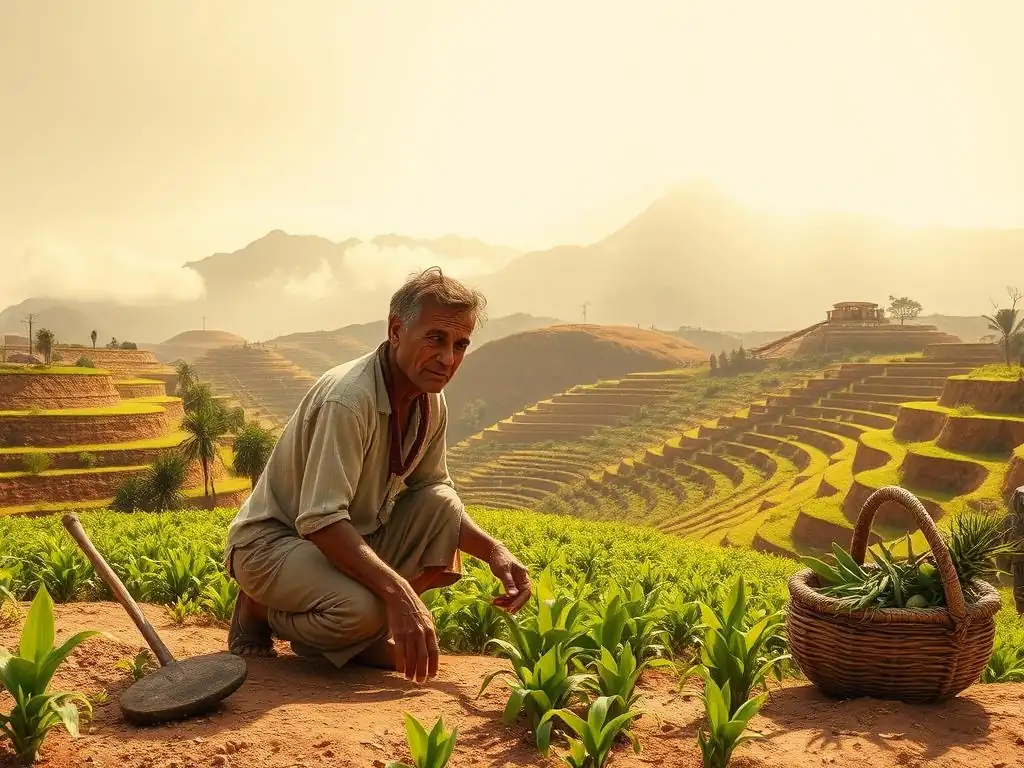
The Moche civilization, thriving in ancient Peru between approximately 100 AD and 800 AD, is renowned for its groundbreaking agricultural innovations. Their farming techniques not only ensured the survival and prosperity of their society but also significantly influenced subsequent Andean cultures. The legacy of Moche civilization farming techniques is evident in various aspects of modern agriculture, showcasing the ingenuity and adaptability of these ancient peoples.
Influence on Later Andean Cultures
The advanced farming methods developed by the Moche had profound effects on later Andean civilizations, such as the Nazca and Inca. One of the most notable contributions was the development of irrigation systems. The Moche utilized an extensive network of canals and aqueducts to channel water from rivers to their fields, enabling them to cultivate crops in arid regions. This knowledge of irrigation was passed down, allowing subsequent cultures to enhance their agricultural productivity.
- Crop Diversification: The Moche cultivated a variety of crops, including maize, beans, and sweet potatoes. This practice of crop diversification not only improved food security but also served as a model for later societies. The Inca, for example, adopted and expanded these agricultural practices, leading to the establishment of extensive agricultural terraces in the Andes.
- Soil Management Techniques: The Moche were adept at soil management, employing techniques such as fallowing and crop rotation. These practices ensured the sustainability of their farming lands and became foundational principles for future Andean cultures. The effective use of these methods enabled populations to thrive in challenging environments.
- Use of Fertilizers: The Moche utilized organic fertilizers, such as guano (bird droppings), to enrich their soils. This technique not only enhanced crop yields but also laid the groundwork for sustainable agricultural practices that would benefit later Andean civilizations.
The influence of the Moche farming techniques can be seen as a catalyst for agricultural advancements in the region. Their innovations were not merely practical solutions to environmental challenges; they also reflected a deep understanding of the ecosystem and a commitment to sustainable practices.
Modern Agricultural Practices Inspired by Moche Techniques
Today, many of the farming techniques pioneered by the Moche civilization continue to inspire modern agricultural practices, particularly in Peru and other Andean regions. Their legacy is evident in several contemporary methods that prioritize sustainability and efficiency.
- Irrigation Technology: Modern farmers in Peru still utilize sophisticated irrigation systems reminiscent of those developed by the Moche. Technologies such as drip irrigation and contour farming are employed to maximize water efficiency, echoing the ancient practices that allowed the Moche to thrive in arid landscapes.
- Sustainable Farming Practices: The principles of crop rotation and organic fertilization are now widely adopted in sustainable agriculture. Farmers are increasingly recognizing the importance of maintaining soil health and reducing chemical inputs, aligning with the Moche's ancient practices that promoted environmental stewardship.
- Research and Education: Agricultural research institutions in Peru are studying ancient Moche agricultural practices to develop innovative solutions for contemporary challenges, such as climate change and food security. By understanding the Moche's adaptive techniques, modern farmers can implement strategies that are both effective and sustainable.
The legacy of Moche civilization farming techniques is not only a testament to the ingenuity of an ancient culture but also a vital source of inspiration for modern agricultural practices. By studying and applying these time-honored methods, contemporary societies can continue to learn from the past, ensuring the sustainability and resilience of agriculture in the Andes and beyond.
Conclusion
The Moche civilization, a remarkable pre-Columbian culture that flourished in northern Peru from approximately 100 to 800 CE, made significant advancements in farming techniques that laid the foundation for agricultural practices in the region. Their innovative approaches not only enabled them to thrive in a challenging environment but also contributed to the overall development of agricultural methods that are still relevant today.
Summary of Moche Civilization Farming Techniques
The farming techniques employed by the Moche civilization were characterized by several key innovations that addressed the unique challenges of their arid environment. Among these techniques were:
- Irrigation Systems: The Moche developed complex irrigation networks that harnessed river water to support their agricultural fields. These systems included:
- Canals and Ditches: Ingeniously designed to transport water from rivers to distant fields, ensuring crops received adequate moisture.
- Reservoirs: Built to store water for use during dry periods, showcasing the Moche's understanding of water management.
- Terracing: To maximize arable land in hilly terrain, the Moche constructed terraces that:
- Reduced soil erosion and water runoff.
- Allowed for the cultivation of diverse crops, including maize, beans, and squash.
- Crop Rotation and Diversification: The Moche practiced crop rotation to maintain soil fertility and reduce pest infestations. They cultivated various crops, which not only provided a balanced diet but also contributed to sustainable agricultural practices.
- Andean Agriculture Techniques: They utilized unique methods like:
- Fertilization: The Moche used animal manure and organic matter to enrich the soil.
- Selective Breeding: They cultivated specific varieties of plants that thrived in their local conditions, leading to improved yields.
The combination of these techniques resulted in a highly productive agricultural system that supported a complex society, allowing the Moche to build impressive cities and create intricate artistic works.
The Lasting Impact of Moche Agricultural Innovations on Modern Farming
The agricultural innovations of the Moche civilization have had a lasting impact on modern farming practices, particularly in the Andean region and beyond. Their methods demonstrate principles that are still relevant today, such as:
- Water Conservation: Modern farming increasingly emphasizes sustainable water use, mirroring the Moche's sophisticated irrigation techniques. The importance of managing water resources is critical in addressing current challenges of drought and climate change.
- Soil Management: Techniques like crop rotation and the use of organic fertilizers have been embraced in contemporary sustainable agriculture, promoting soil health and biodiversity. The Moche’s practices highlight the importance of maintaining soil fertility for long-term productivity.
- Community Farming Practices: The communal approach to farming and resource sharing seen in Moche society resonates with today’s community-supported agriculture (CSA) initiatives, where local communities work together to support sustainable farming.
The Moche civilization's farming techniques not only enabled their society to thrive but also laid the groundwork for agricultural practices that continue to influence modern farming. By understanding and integrating these ancient innovations, contemporary agricultural practices can work towards sustainability, efficiency, and resilience in the face of ongoing environmental challenges.
Frequently Asked Questions
What were the primary farming techniques used by the Moche civilization?
The Moche civilization utilized advanced irrigation systems and terracing methods to cultivate crops in the challenging terrain of ancient Peru, maximizing agricultural yield.
How did Moche farming techniques impact their society?
The innovative farming techniques allowed the Moche to support large populations, leading to the development of complex societal structures and significant cultural achievements.
What crops did the Moche primarily grow using their farming methods?
The Moche cultivated a variety of crops, including maize, potatoes, and cotton, which were essential for their diet and economy.
How did the Moche civilization's agricultural practices compare to other ancient cultures?
Moche agricultural practices were highly sophisticated, featuring techniques that were more advanced than many contemporaneous civilizations, showcasing their engineering and agronomic knowledge.
What was the lasting impact of Moche farming techniques on modern agriculture?
The farming techniques developed by the Moche have influenced modern agricultural practices in Peru, demonstrating the relevance of ancient innovations in today's farming methodologies.
Final Reflection: The Enduring Legacy of Moche Civilization Farming Techniques
The innovative farming techniques of the Moche civilization not only transformed agricultural practices in ancient Peru but also laid the groundwork for sustainable farming methods that resonate with us today. As we grapple with modern agricultural challenges, the Moche's ingenuity in irrigation, terracing, and crop diversification serves as a powerful reminder of how ancient wisdom can inform contemporary practices. Their ability to adapt to the harsh Andean environment exemplifies the resilience and creativity that are crucial in addressing today's food security issues.
The impact of Moche farming techniques extends far beyond their time, influencing the cultural and social landscape of Peru and beyond. Their sophisticated understanding of agriculture not only supported their civilization but also fostered a sense of community and connection to the land. The land is our mother; it gives us life, and we must nurture it in return.
This perspective highlights the importance of sustainable practices that honor the earth, a principle that is increasingly relevant as we face environmental challenges. The Moche civilization's legacy continues to inspire modern agricultural movements that prioritize ecological balance and community well-being.
As we reflect on the lessons from the Moche civilization, let us consider how we can incorporate their innovative spirit into our own lives. Embrace the challenge of nurturing our environment and seek out sustainable practices that honor the land we inhabit. Whether through supporting local agriculture, practicing conservation, or simply being mindful of our consumption, we each have a role to play in cultivating a future that respects the wisdom of the past. Together, we can ensure that the legacy of the Moche civilization lives on, inspiring generations to come.
Unleash Your Inner Explorer: Dive into the Legacy of the Moche!
Thank you for taking the time to learn about the incredible farming techniques of the Moche civilization! Their innovative spirit has paved the way for sustainable practices that resonate even today. Now, it’s time to take action and further explore the fascinating world of ancient agricultural wisdom.
Here are some engaging next steps you can take:
- Explore sustainable farming methods inspired by ancient civilizations. Consider starting a small garden in your backyard that incorporates the Moche's advanced irrigation techniques!
- Share this article with friends and family to raise awareness about the contributions of the Moche civilization and spark discussions about historical agricultural methods.
- Join a local or online community dedicated to sustainable agriculture where you can learn more and exchange ideas, deepening your understanding of how ancient practices influence modern farming.
What aspect of the Moche's farming techniques intrigues you the most, and how might you incorporate those principles into your own life?