Moche Civilization: Masters of the Ancient Andes
Explore the Moche (Mochica) culture, a pre-Columbian society that flourished on Peru’s northern coast from roughly 100 to 800 CE. Known for their monumental adobe temples, exquisite ceramic art, and advanced irrigation systems, the Moche left a profound legacy. This page delves into their scientific feats, urban centers, artistic expressions, religious beliefs, and dramatic encounter with external forces, offering a rich resource for students and history enthusiasts.
🏺 Scientific Achievements
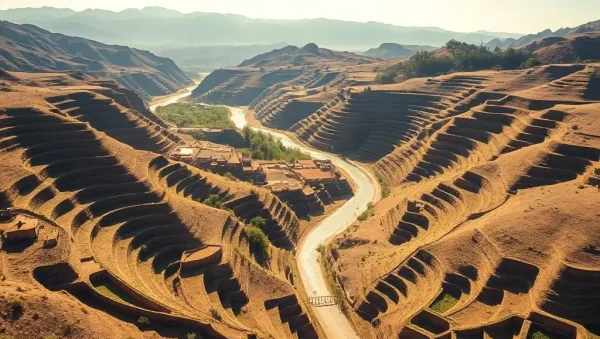
The Moche were pioneering engineers and observers of the natural world. Their mastery of hydraulics is evident in the construction of the La Cumbre canal, stretching over 80 kilometers to divert river water into arid valleys. They also developed precision ceramic production using mold-based techniques that allowed mass reproduction of vessels. Their understanding of metallurgy, including gilded copper and alloys, produced tools and ornaments that predated European methods. Their astronomical knowledge guided agricultural calendars, aligning planting and harvest cycles with celestial events.
🏛️ Architecture and Urbanism
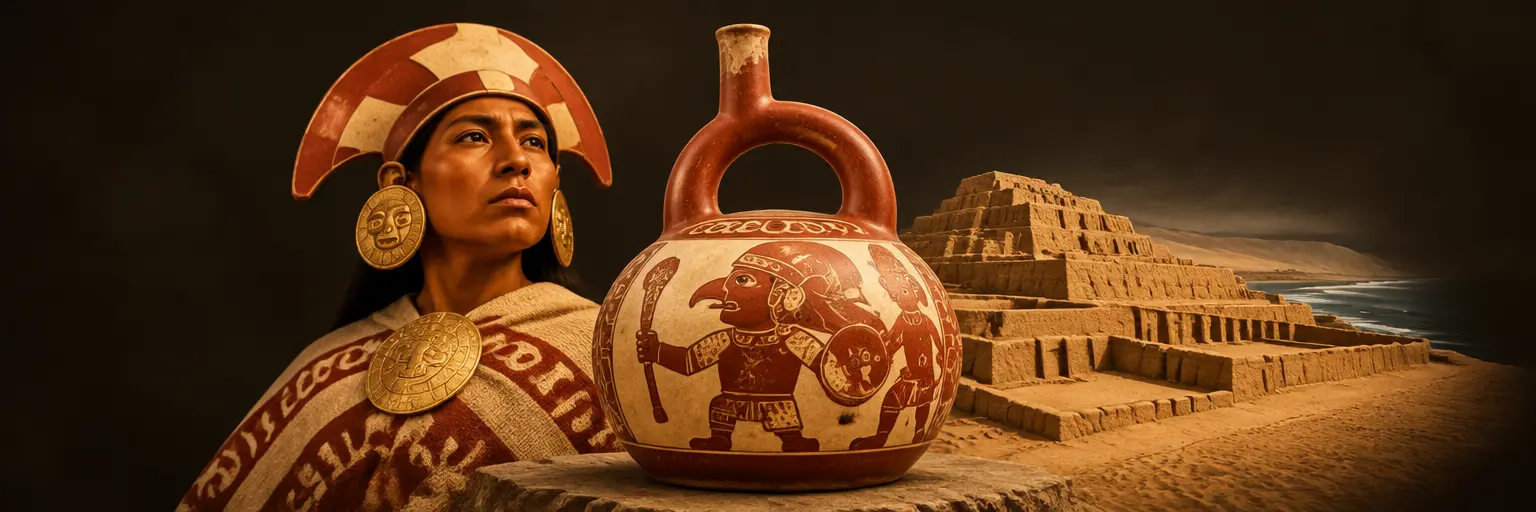
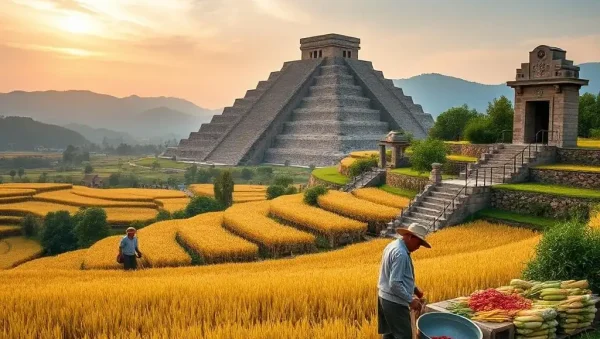
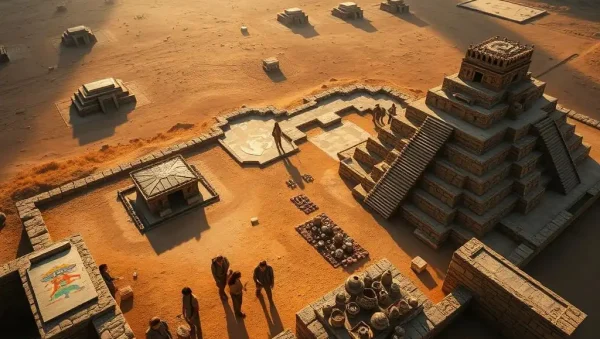
Moche cities were not random settlements but planned ceremonial centers designed around massive platform mounds. The Huacas del Sol y de la Luna—the Pyramid of the Sun and Moon—dominate the landscape near modern Trujillo, with the latter rising 32 meters and featuring thousands of polychrome murals. Urban spaces included residential quarters, workshops, and storage facilities, arranged around plazas for public gatherings. Their use of adobe bricks, made from local clay and organic binders, enabled construction of durable structures that have withstood centuries of El Niño flooding.
🎨 Art and Culture
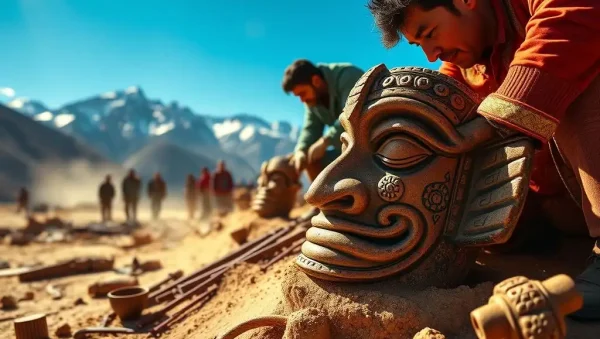
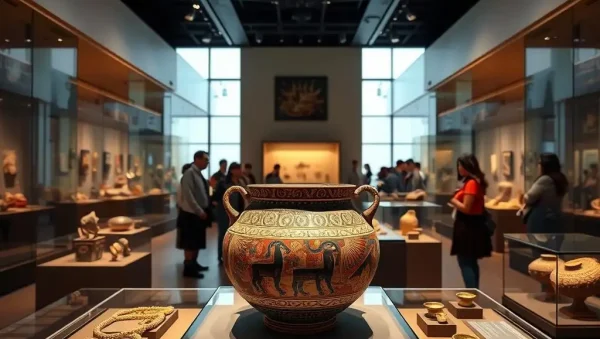
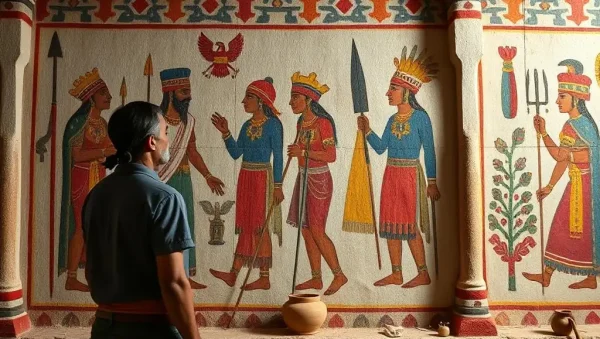
Moche art is celebrated for its naturalistic and narrative quality, especially in stirrup-spout pots that depict humans, animals, and supernatural beings. These ceramics serve as a visual encyclopedia of daily life, showing fishing, weaving, warfare, and even sexual acts with anatomical accuracy. Mural painting on temple walls used vibrant pigments from minerals like hematite and malachite, narrating mythological stories. Their culture also valued textile production, with cotton and camelid wool woven into intricate patterns, often featuring geometric motifs and anthropomorphic figures.
🌿 Religion and Mythology
The Moche pantheon centered on deified forces of nature, with the Ai Apaec—the "Decapitator"—as a principal creator god, often depicted with fangs and a serpent belt. Rituals involved human sacrifice, particularly of prisoners of war, whose blood was offered to nourish the earth and ensure rains. Shamans, often shown with hallucinogenic cactus imagery, mediated between realms. The moon goddess Si was also venerated, reflecting the lunar cycles' influence on tides and agriculture. Ceremonies at temple complexes included elaborate processions and feasting, as documented in painted scenes.
⚔️ European Contact and Conquest
While the Moche civilization collapsed centuries before the Spanish arrived, their descendants lived under Inca rule, and later, Spanish colonial domination. However, archaeological evidence reveals that Moche sites were later reused by succeeding cultures, and their artifacts were plundered by conquistadors for gold and silver. Sixteenth-century Spanish chroniclers, such as Cieza de León, documented the ruins, though they misattributed them to later groups. The loss of indigenous knowledge during colonial times, including ceramic techniques and irrigation practices, was partly mitigated by surviving Moche descendants who integrated new crops and livestock.
📜 History and Origins
The Moche emerged from the earlier Cupisnique and Salinar cultures around the first century CE, developing along the Moche, Chicama, and Virú river valleys. Their political expansion occurred gradually, uniting disparate coastal communities under a shared artistic and religious tradition. The civilization reached its zenith between 300 and 600 CE, but by 800 CE, a combination of extreme El Niño events, droughts, and sand dune encroachment triggered collapse. Their successors, the Lambayeque and Chimú, borrowed heavily from Moche iconography, ensuring a lasting cultural transmission.
🏺 Political Structure and Governance
Moche society was hierarchical and theocratic, led by a high priest-king who claimed divine descent from Ai Apaec. Elites controlled redistribution of food, textiles, and precious metals, reinforcing social stratification. Archaeological findings at Sipán, including the Lord of Sipán's tomb, show exquisite burial goods—gold, silver, and turquoise—denoting kingly authority. Lower ranks included warrior classes, artisans, and farmers, each with specific duties. Governance relied on ceremonial centers as administrative hubs, where tribute was collected and public works organized, including canal maintenance and temple construction.
🌾 Agriculture and Economy
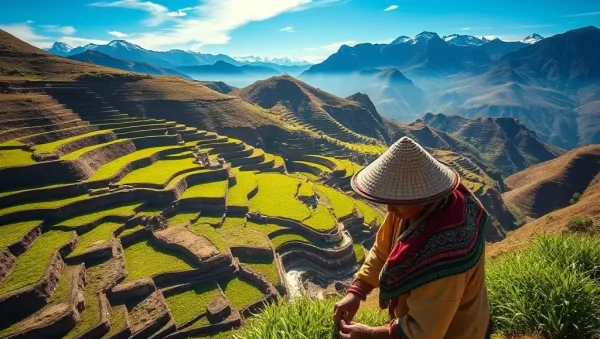
The Moche economy thrived on intensive agriculture, supported by canal networks that converted desert into fertile fields. They cultivated maize, beans, squash, peanuts, and cotton, using guano from seabirds as fertilizer. The marine economy was equally vital, with coastal fishers catching anchovies, sardines, and shellfish using reed boats (caballitos de totora). Trade networks extended to the highlands for obsidian, cinnabar, and spondylus shells, while craft specialization in pottery and metallurgy generated surplus goods for exchange. Their economy was redistributive, with elites storing produce in large granaries to manage famine periods.
Frequently Asked Questions
What caused the decline of the Moche civilization?
The Moche collapse around 800 CE resulted from severe environmental stress, including a series of catastrophic El Niño floods followed by prolonged droughts. These events disrupted irrigation systems and agricultural output, leading to famine, social unrest, and the eventual abandonment of ceremonial centers. Some sites show evidence of civil conflict, possibly over scarce resources, further weakening the society.
What is the most famous Moche archaeological site?
The Huaca del Sol and Huaca de la Luna near Trujillo is the most iconic Moche site, featuring a massive adobe pyramid and vividly painted murals. Another renowned site is Sipán, where the intact tomb of the Lord of Sipán was discovered, containing extraordinary gold and turquoise artifacts that transformed understanding of Moche elite power and ritual.
How did the Moche make their ceramics so detailed?
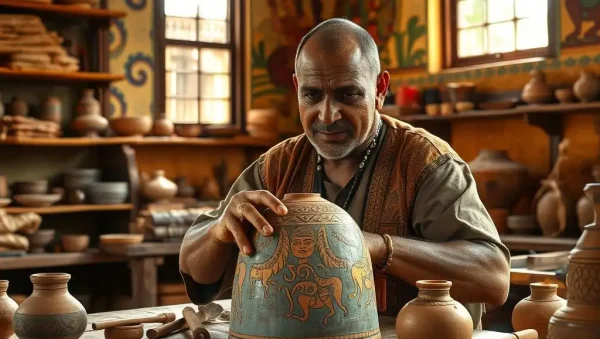
Moche artisans used mold-based techniques, creating a master model from clay, then pressing it into molds to replicate intricate designs. They also employed coiling and slab building for unique vessels. Fine-tuning with slip washes—liquid clay with mineral pigments—allowed for precise, painted scenes. Firing in controlled, open-air kilns produced durable, often stirrup-spout vessels that retained fine detail.
Did the Moche practice human sacrifice?
Yes, archaeological and iconographic evidence confirms that the Moche performed human sacrifice, primarily of captured warriors. Victims were often decapitated or bled out, as depicted in murals and on pottery. Sacrificial rituals were likely conducted by priests to appease gods for rain, fertility, and cosmic order, especially during drought or harvest crises.
Are there any living descendants of the Moche?
While the Moche as a distinct culture vanished, genetic and cultural continuity persists among coastal Peruvian communities, such as the Mochica people in the Lambayeque region. These groups maintain traditional fishing, weaving, and irrigation practices, though they no longer speak the Mochica language. Modern research, including DNA studies and community oral histories, helps connect present-day populations to their ancient ancestors.