
Art and Identity: The Influence of Traditional Craftsmanship in Contemporary Mayan Life

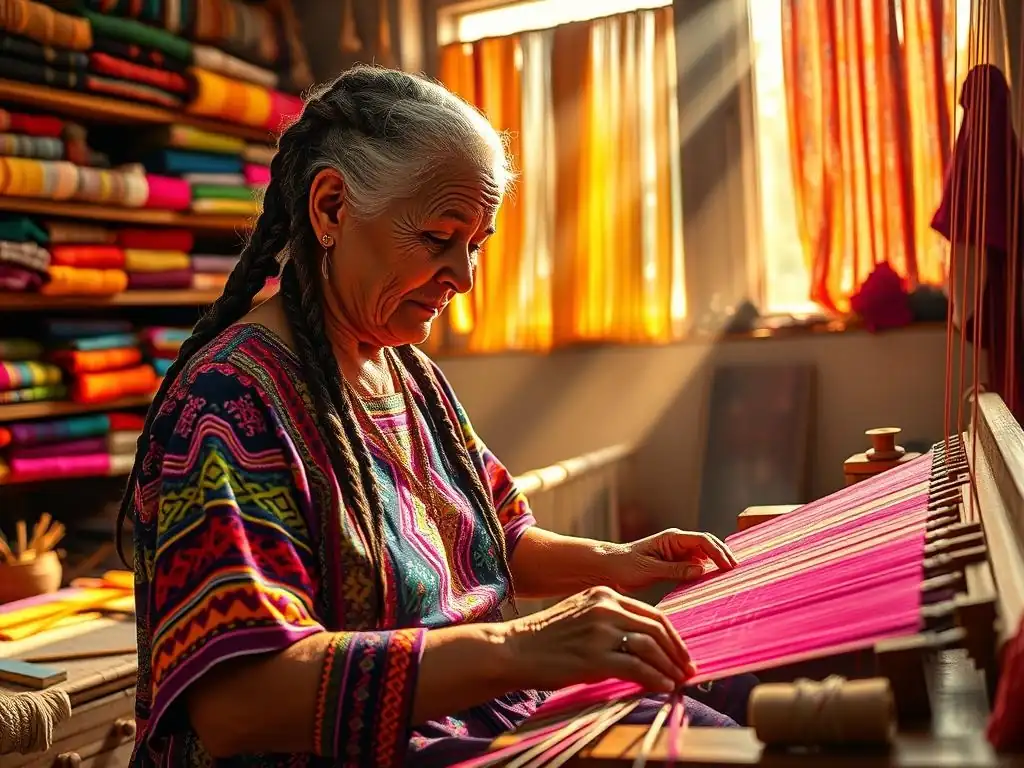
Welcome to Indigenous Civilizations of the Americas, where we invite you to embark on a fascinating journey through the rich tapestry of indigenous cultures that flourished long before European contact. In our featured article, "Art and Identity: The Influence of Traditional Craftsmanship in Contemporary Mayan Life," we delve into the enduring legacy of traditional Mayan craftsmanship and its profound impact on modern identity and culture.
Discover how these timeless practices continue to shape the lives of contemporary Mayans and inspire a deeper understanding of their vibrant heritage. Join us as we unravel the stories and achievements of these remarkable civilizations, sparking your curiosity and encouraging you to explore further.
The rich tapestry of Mayan culture is woven with threads of history, tradition, and artistry that not only reflect the identity of the Mayan people but also illustrate their resilience in a world that has undergone profound transformations. Traditional Mayan craftsmanship, which encompasses a wide array of techniques and materials, serves as a vital link between past and present, preserving ancient practices while adapting to contemporary contexts.
This article delves into the profound influence of traditional Mayan craftsmanship on modern Mayan communities, exploring how these artistic expressions shape cultural identity, foster economic development, and promote social cohesion in an ever-changing landscape.
Through the lens of various craft forms, such as weaving, pottery, and wood carving, we will examine how these practices are not merely aesthetic expressions but also vital components of cultural heritage. As we explore the ways in which traditional craftsmanship influences contemporary Mayan life, we will uncover the stories of artisans who blend ancestral techniques with modern innovations, ensuring that their rich heritage remains vibrant and relevant in today’s world. Join us on this journey to discover the intricate relationship between art and identity within the contemporary Mayan experience.
- Introduction to Traditional Mayan Craftsmanship
- The Role of Traditional Craftsmanship in Contemporary Mayan Life
- Influences of Traditional Mayan Craftsmanship on Contemporary Art
- Economic Impact of Traditional Mayan Craftsmanship
- Challenges Facing Traditional Mayan Craftsmanship Today
- Community Initiatives Supporting Traditional Crafts
- Conclusion: The Lasting Influence of Traditional Mayan Craftsmanship on Identity
-
Frequently Asked Questions
- What is the significance of traditional Mayan craftsmanship in contemporary culture?
- How does traditional Mayan craftsmanship influence modern art?
- What materials are commonly used in traditional Mayan craftsmanship?
- In what ways does traditional Mayan craftsmanship contribute to the economy?
- How can one support the continuation of traditional Mayan craftsmanship?
- Final Reflection: The Enduring Legacy of Traditional Mayan Craftsmanship
- Embrace Your Roots and Make a Difference Today!
Introduction to Traditional Mayan Craftsmanship
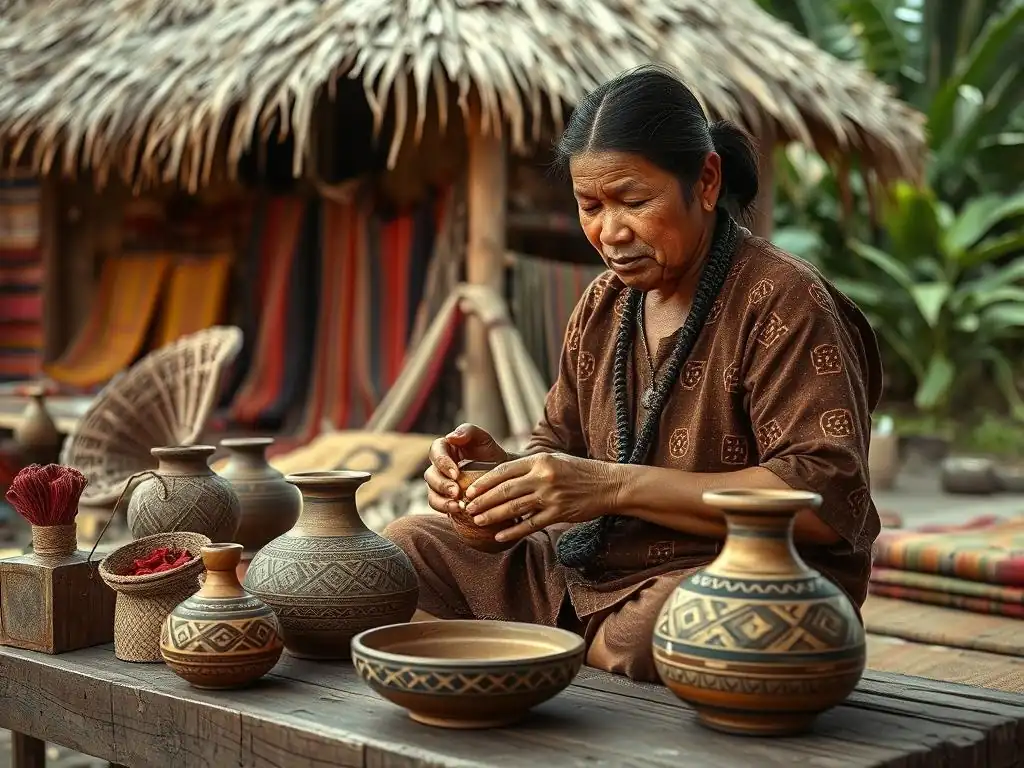
Traditional Mayan craftsmanship is a vital expression of the cultural identity and historical continuity of Mayan communities across Mesoamerica. Rooted in a rich tapestry of historical practices, these crafts are more than mere objects; they embody the values, beliefs, and social structures of the Mayan people. The intricate designs and techniques passed down through generations reflect the community's connection to their ancestors, nature, and spirituality. This section delves into the nuances of traditional Mayan craftsmanship and its profound influence on contemporary Mayan identity.
Understanding Traditional Craftsmanship in Mayan Culture
Traditional Mayan craftsmanship encompasses a wide array of artistic expressions, including weaving, pottery, wood carving, and metalwork. Each craft has its unique techniques, materials, and cultural significance, often intertwined with the community's daily life and rituals.
- Weaving: One of the most emblematic forms of craftsmanship, Mayan weaving involves creating intricate textiles using traditional backstrap looms. The colors and patterns are not only visually striking but also convey social status, regional identity, and personal stories.
- Pottery: Mayan pottery is renowned for its functional and ceremonial uses. Artisans often use local clay, employing techniques that have been refined over centuries. The designs often include motifs that reflect the mythology, flora, and fauna of the region.
- Wood Carving: This craft involves creating detailed sculptures, masks, and everyday objects. Wood carving serves both aesthetic and practical purposes, with many pieces used in rituals and celebrations.
- Metalwork: Although less common in ancient times, metalwork has gained prominence in contemporary Mayan communities. Artisans create jewelry and decorative items that incorporate traditional designs.
The significance of these crafts lies in their role as a medium for storytelling and cultural transmission. Each piece crafted carries the weight of history, illustrating the resilience and creativity of the Mayan people. As contemporary artisans blend traditional techniques with modern influences, they continue to uphold and redefine their identity.
The Historical Significance of Craftsmanship in Mayan Identity
The historical significance of craftsmanship in Mayan identity cannot be overstated. For centuries, these crafts have served as a means of preserving cultural heritage and fostering community cohesion.
- Cultural Legacy: Traditional craftsmanship is a living legacy that connects modern Mayans to their ancestors. The techniques and motifs used in crafts often have historical roots, representing a continuity of beliefs and practices that transcends generations.
- Social Structure: Craftsmanship plays a crucial role in the social fabric of Mayan communities. Different crafts may be associated with specific family lineages or social groups, reinforcing community bonds and shared identities.
- Economic Factors: Traditionally, craftsmanship contributed to the economic sustainability of Mayan communities. By producing goods for local and regional markets, artisans have maintained their cultural practices while adapting to economic changes. Today, many artisans engage in fair trade practices, ensuring that they receive equitable compensation for their work.
- Resistance and Resilience: The ability to produce traditional crafts has also become a form of resistance against the pressures of globalization and cultural assimilation. By continuing to practice and innovate within their crafts, contemporary Mayan artisans assert their cultural identity and promote awareness of their heritage in a modern context.
Traditional Mayan craftsmanship serves as a significant pillar of cultural identity and continuity, reflecting the rich history and dynamic nature of Mayan societies. The influence of these crafts extends into contemporary life, where they are embraced as symbols of resilience, creativity, and community pride.
The Role of Traditional Craftsmanship in Contemporary Mayan Life
Preserving Cultural Heritage through Craft
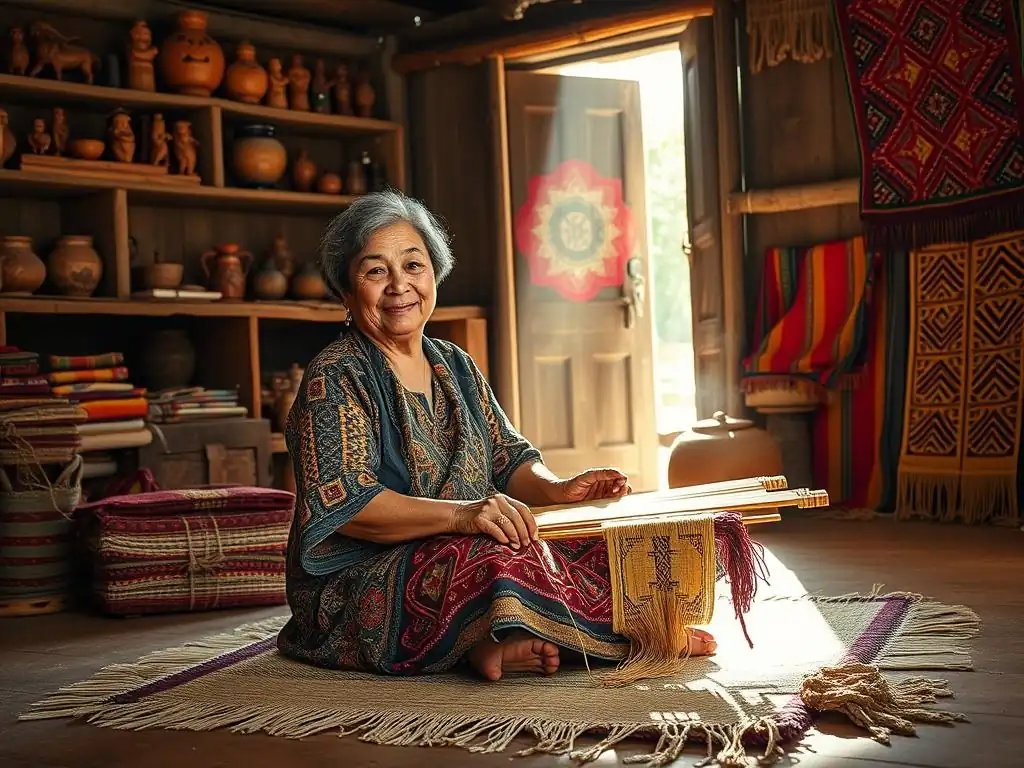
Traditional Mayan craftsmanship serves as a vital means of preserving cultural heritage within contemporary Mayan communities. Craft practices, such as weaving, pottery, and woodworking, are not merely artistic expressions; they are repositories of history, storytelling, and identity. Each craft item holds significance, often reflecting the beliefs, traditions, and values of the Mayan people.
- Transmission of Knowledge: Skills are typically passed down through generations, involving intricate mentorship relationships. Elders teach younger artisans not only the techniques but also the cultural narratives associated with each craft. This transmission ensures that the community’s history remains alive and relevant.
- Community Workshops: Many modern Mayan communities engage in collective workshops, where artisans collaborate to share techniques and innovate new designs while remaining rooted in tradition. These workshops foster a sense of solidarity and community, reinforcing the social fabric that traditional craftsmanship embodies.
- Cultural Events and Festivals: Events celebrating traditional crafts provide platforms for artisans to showcase their work. These gatherings often include demonstrations and workshops, allowing the younger generation to connect with their heritage through hands-on experiences.
Through these practices, traditional craftsmanship plays a crucial role in maintaining the cultural identity of contemporary Mayan life, ensuring that the richness of their heritage continues to thrive.
Traditional Mayan Craftsmanship as a Marker of Identity
The influence of traditional Mayan craftsmanship extends beyond mere aesthetics; it serves as a powerful marker of identity for contemporary Mayan communities. The distinct styles and techniques used in crafting items communicate cultural narratives and social status, reinforcing the community’s unique identity within the broader society.
- Symbolic Patterns: Many craft items incorporate specific symbols that represent various aspects of Mayan cosmology, such as agriculture, nature, and spirituality. These symbols not only beautify the objects but also imbue them with deeper meanings that resonate with the community’s beliefs.
- Regional Variations: Different regions of the Maya world, such as the Yucatán Peninsula, Guatemala, and Belize, have their own distinct craftsmanship styles. These variations create a rich tapestry of cultural expressions that allow individuals to identify with their specific regional heritage.
- Economic Empowerment: In contemporary contexts, traditional craftsmanship has become a vital source of income for many artisans. By promoting and selling their crafts, they assert their identity and autonomy in the face of globalization and economic challenges. This economic empowerment fosters pride in their heritage and encourages the preservation of their traditional skills.
In this way, traditional Mayan craftsmanship acts as a living testament to the enduring identity of the Mayan people, enabling them to navigate contemporary life while honoring their ancestral roots.
The Evolution of Craft Techniques in Modern Contexts
While traditional craftsmanship remains grounded in age-old techniques, it is also evolving in response to contemporary influences and market demands. This evolution reflects a dynamic interplay between preserving heritage and embracing innovation.
- Adoption of New Materials: Contemporary artisans are beginning to integrate modern materials, such as synthetic threads and dyes, alongside traditional ones. This blend creates unique products that appeal to both local and international markets while maintaining traditional aesthetics.
- Sustainable Practices: Many artisans are now prioritizing sustainable practices in their craft, using eco-friendly materials and methods. This shift not only preserves the environment but also aligns with the growing global demand for sustainable products, allowing artisans to reach wider audiences.
- Digital Platforms: The rise of the internet and social media has provided artisans with new avenues to promote their work. Online marketplaces and social networks enable them to connect with customers globally, sharing their stories and craftsmanship with a broader audience. This digital presence helps to elevate traditional craftsmanship and reinforces its relevance in modern society.
While traditional Mayan craftsmanship is deeply rooted in historical practices, it continues to evolve, reflecting the resilience and adaptability of contemporary Mayan communities. The fusion of tradition and innovation not only sustains their cultural heritage but also enhances their presence in the global marketplace, ensuring that traditional Mayan craftsmanship influence remains a significant aspect of their identity.
Influences of Traditional Mayan Craftsmanship on Contemporary Art
Traditional Mayan craftsmanship has not only survived the test of time but has also evolved to maintain relevance in contemporary art. The intricate techniques and cultural narratives embedded in traditional crafts serve as a foundation for modern artistic expressions among Mayan artisans. This melding of past and present illustrates how ancient practices continue to inform and inspire contemporary Mayan identity and creativity.
Traditional Mayan craftsmanship influences contemporary art through various mediums such as textiles, pottery, and woodwork. Artists draw upon historical motifs, materials, and methods, creating works that resonate with both ancestral heritage and present-day themes. The resurgence of interest in indigenous practices has led to a revival of these traditional techniques, allowing them to flourish in new contexts while preserving their cultural significance.
Blending Traditional Techniques with Modern Art Forms
Contemporary Mayan artists are increasingly integrating traditional techniques with modern art forms, resulting in a dynamic dialogue between history and innovation. This blending often involves the following elements:
- Textiles: Many contemporary artists utilize traditional weaving methods, such as backstrap loom weaving, to create modern garments and art pieces that reflect both cultural heritage and contemporary aesthetics. For example, artists may use traditional patterns and colors while experimenting with new shapes and functions.
- Pottery: The ancient art of pottery-making has also seen a revival, with artisans creating unique pieces that combine traditional forms with contemporary designs. Techniques like coiling and hand-painting remain prevalent, but they are often reinterpreted to address modern themes or environmental issues.
- Mixed Media: Some artists are adopting mixed media approaches, incorporating traditional materials into modern installations or performances. This innovative use of materials allows for a fresh perspective on Mayan identity, often prompting discussions about cultural preservation in a globalized world.
Through these blended practices, contemporary artists are not only preserving their cultural heritage but also redefining it. This evolution plays a crucial role in fostering a sense of pride and identity within Mayan communities, as well as providing a platform for storytelling that resonates with broader audiences.
Case Studies of Contemporary Artists Inspired by Traditional Crafts
Several contemporary Mayan artists exemplify the influence of traditional craftsmanship in their work. Here are a few notable examples:
- Rosa María Cú: A textile artist from Guatemala, Rosa María blends traditional weaving techniques with contemporary design to create vibrant wall hangings that tell stories of Mayan folklore. Her work has gained international recognition for its intricate patterns and bold colors, reflecting both her heritage and modern artistic vision.
- Juan Carlos Mendez: A potter from the highlands of Guatemala, Juan Carlos utilizes ancient techniques to produce ceramics that incorporate modern themes such as environmental sustainability. His pieces often feature traditional motifs, but he also addresses contemporary issues like climate change, making his work relevant to current discussions.
- María Elena Lujan: An artist known for her mixed media installations, María Elena incorporates traditional wood carving techniques into her modern art pieces. By combining wood with materials like metal and glass, she creates sculptures that challenge perceptions of Mayan identity and heritage, inviting viewers to engage with the complexities of cultural representation.
These artists illustrate the powerful influence of traditional Mayan craftsmanship on contemporary art, showcasing how heritage can be transformed while remaining deeply rooted in cultural identity. Their work not only enriches the contemporary art scene but also serves as a testament to the resilience and creativity of Mayan communities.
The influence of traditional Mayan craftsmanship on contemporary art is a vibrant and essential aspect of modern Mayan identity. By embracing and reinterpreting their rich artistic heritage, contemporary artists are able to forge new paths that celebrate their culture while addressing the challenges and themes of the present day.
Economic Impact of Traditional Mayan Craftsmanship
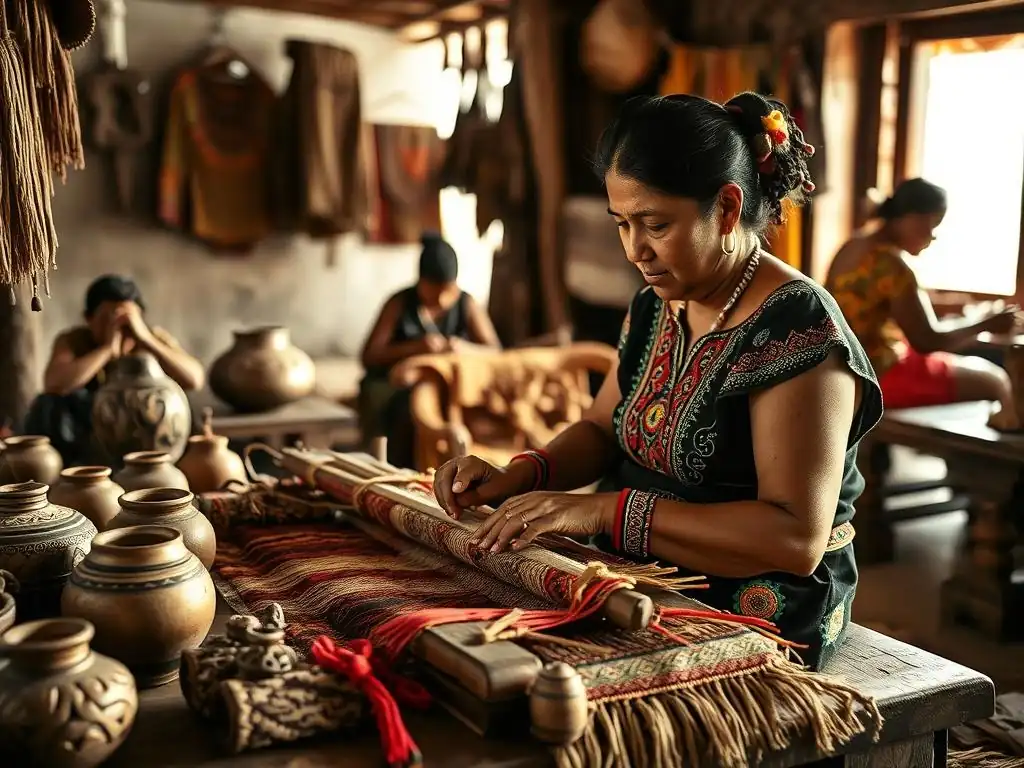
The economic impact of traditional Mayan craftsmanship extends far beyond mere financial transactions; it embodies the resilience and vitality of Mayan communities. Artisans produce intricate textiles, pottery, and carvings that not only serve aesthetic purposes but also play a crucial role in sustaining local economies. The craftsmanship practices are deeply rooted in cultural heritage, and their influence can be seen in both traditional and contemporary contexts.
The Role of Craftsmanship in Local Economies
Traditional Mayan craftsmanship acts as a significant contributor to the local economy, providing both income and job opportunities. This sector has several key roles:
- Employment Opportunities: Many families rely on craftsmanship as their primary source of income. Artisans often work within family units, passing down techniques through generations. This not only preserves cultural heritage but also fosters economic stability within communities.
- Tourism Attraction: Traditional crafts, particularly textiles and pottery, attract tourists seeking authentic cultural experiences. Markets and fairs showcasing these crafts provide an avenue for artisans to sell their work directly to consumers, enhancing the economic viability of their craft.
- Cultural Exchange: Craftsmanship serves as a bridge between cultures. Tourists and enthusiasts interested in traditional Mayan craftsmanship influence local economies by purchasing handcrafted goods, thereby creating a sustainable model of cultural exchange that benefits both the artisans and the visitors.
- Community Development: Local governments and NGOs often support traditional craftsmanship through workshops, training, and marketing initiatives. This support not only helps artisans improve their skills but also empowers communities to organize and promote their crafts effectively.
Traditional Crafts as a Source of Livelihood in Mayan Communities
In contemporary Mayan communities, traditional crafts are vital for sustenance and cultural expression. The following factors illustrate their importance as a livelihood source:
- Diverse Crafting Techniques: Traditional crafting techniques—such as weaving, embroidery, and pottery—are diverse and often specific to particular regions or communities. Each craft encapsulates distinct cultural narratives, making the products not just goods but carriers of identity and history.
- Economic Diversification: Many artisans diversify their offerings to adapt to market demands. For instance, while traditional textiles may be created for ceremonial purposes, artisans also produce items for everyday use, such as bags and home décor, appealing to a broader audience.
- Sustainability Practices: Many Mayan artisans prioritize sustainable practices in their work, using natural dyes and materials sourced from their environment. This not only preserves their ecological heritage but also appeals to consumers who value environmentally friendly products.
- Empowerment and Education: Craftsmanship initiatives often include educational programs that empower artisans, particularly women, by providing them with the skills to manage their businesses. This economic empowerment fosters greater self-sufficiency and community resilience.
Traditional Mayan craftsmanship influence extends deeply into the economic fabric of contemporary Mayan life, intertwining cultural identity with livelihood. By preserving these traditions, communities not only maintain their heritage but also build sustainable futures.
Challenges Facing Traditional Mayan Craftsmanship Today
Threats from Globalization and Cultural Homogenization
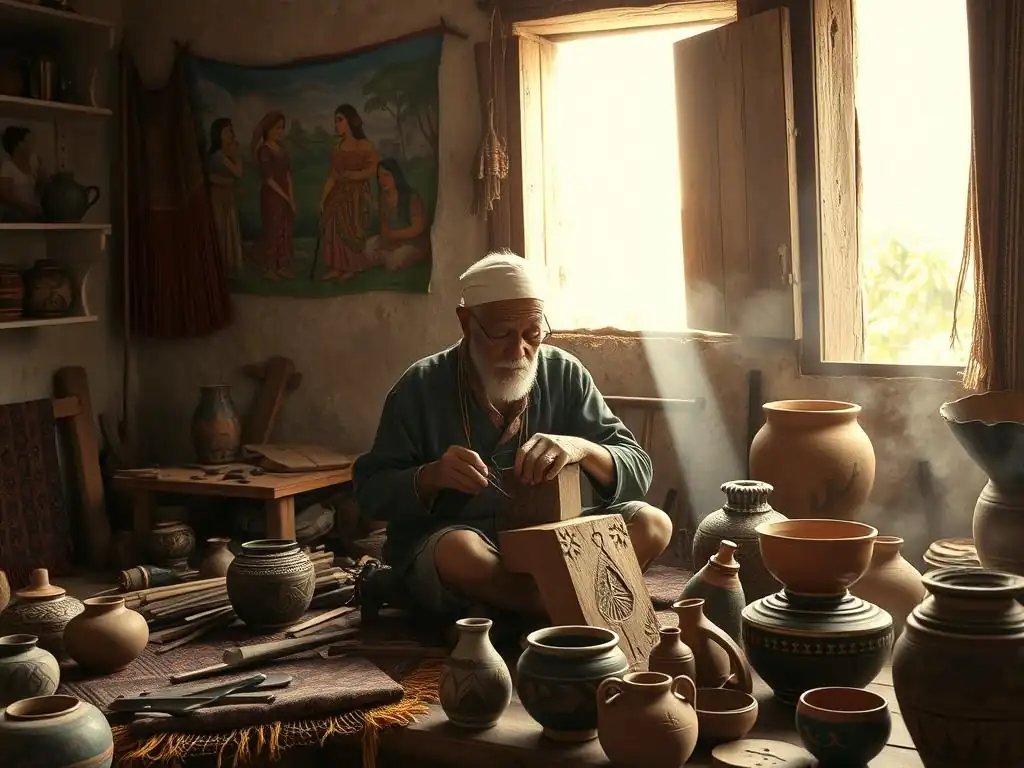
The influence of globalization poses significant challenges to traditional Mayan craftsmanship. As the world becomes increasingly interconnected, there is a growing tendency towards cultural homogenization, which threatens the unique identities of indigenous communities. Global demand for consumer products often leads to a preference for mass-produced items over handcrafted goods, diminishing the economic viability of traditional artisans.
Many Mayan crafts, such as weaving and pottery, face competition from cheaper, machine-made alternatives. This shift not only undermines the livelihood of skilled artisans but also risks the loss of traditional techniques and cultural heritage. The accessibility of information through digital platforms further exacerbates this issue, as non-indigenous manufacturers may appropriate traditional designs without proper acknowledgment, thus diluting their cultural significance.
Moreover, the global market's emphasis on trends and fads can lead to a superficial understanding of Mayan traditions. Artisans may feel pressured to alter their creations to meet external expectations, straying from the authentic practices that define their cultural identity. This commodification of culture raises ethical concerns, as it transforms meaningful cultural expressions into mere products for consumption.
Preserving Authenticity in a Changing Market
In the face of these challenges, many contemporary Mayan artisans are striving to preserve the authenticity of their craftsmanship while adapting to a changing market. A key strategy involves balancing traditional techniques with contemporary aesthetics, allowing artisans to remain relevant without compromising their heritage.
For instance, some artisans are incorporating modern designs or materials while still honoring traditional methods, thereby appealing to both local and global consumers. This fusion not only revitalizes interest in traditional craftsmanship but also empowers artisans to assert their cultural identity in a modern context.
Educational initiatives play a crucial role in this preservation effort. Workshops and training programs focused on traditional techniques help ensure that younger generations acquire the skills necessary to continue these practices. Collaborative projects between artisans and organizations dedicated to cultural preservation can also enhance visibility and appreciation for traditional craftsmanship.
Furthermore, the establishment of fair trade practices ensures that artisans receive equitable compensation for their work, fostering a sustainable economic model that respects cultural heritage. By promoting ethical consumption, consumers can contribute to the preservation of traditional Mayan craftsmanship, recognizing its intrinsic value beyond mere aesthetics.
While traditional Mayan craftsmanship faces significant challenges from globalization and cultural homogenization, efforts to maintain authenticity and adapt to market changes can help safeguard this vital aspect of Mayan identity. The resilience of these artisans demonstrates the enduring importance of traditional craftsmanship in contemporary Mayan life, shaping their cultural landscape for generations to come.
Community Initiatives Supporting Traditional Crafts
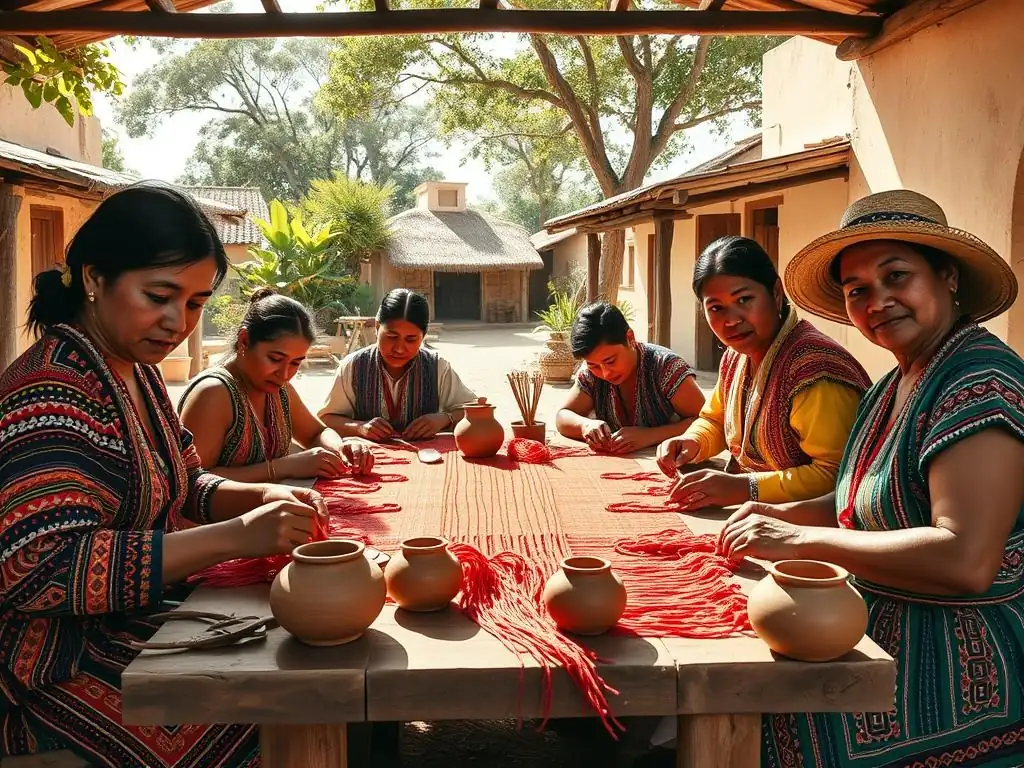
In contemporary Mayan communities, various initiatives have emerged to support and sustain traditional craftsmanship. These community-driven efforts are vital for preserving cultural identity and promoting economic development. By fostering local artisans and their crafts, these initiatives not only help maintain traditional skills but also empower communities to thrive in a modern context.
Organizations Promoting Traditional Craftsmanship
Several organizations play a crucial role in promoting traditional Mayan craftsmanship. These organizations often focus on fair trade practices, helping artisans receive fair compensation for their work while ensuring the authenticity and quality of their crafts. Notable organizations include:
- Maya Traditions: This organization works directly with artisans in Guatemala, providing them with training and resources to enhance their craft. They focus on weaving, pottery, and other traditional techniques, ensuring that artisans can preserve their cultural heritage while improving their economic situation.
- Kak'ik: Dedicated to supporting Mayan artisans, Kak'ik collaborates with local communities to create a sustainable market for traditional crafts. They emphasize environmentally friendly practices and promote the use of natural materials in their products.
- Mayan Hands: Focused on empowering women artisans, Mayan Hands provides them with opportunities to showcase their work internationally. Their initiatives include training programs that teach modern business skills alongside traditional crafting techniques.
These organizations not only promote the craftsmanship itself but also raise awareness of the cultural significance behind each piece. By creating a platform for artisans to share their stories, they help foster a deeper appreciation for traditional Mayan craftsmanship.
Workshops and Education in Mayan Craft Techniques
Workshops and educational programs are essential in passing down traditional Mayan craft techniques to younger generations. These initiatives often take place in community centers, schools, or local artisan cooperatives, providing hands-on experiences for participants.
Key Aspects of Workshops:
- Skill Development: Workshops typically focus on specific crafts such as weaving, pottery, and wood carving. Participants learn the history, techniques, and cultural significance of each craft, ensuring that they understand the roots of their artistry.
- Mentorship Opportunities: Many workshops feature experienced artisans as mentors, allowing for a meaningful exchange of knowledge and techniques. This mentorship helps younger artisans refine their skills and encourages a sense of community.
- Cultural Exchange: Workshops often attract participants from various backgrounds, fostering cultural exchange and understanding. This diversity helps to enrich the learning experience and promotes appreciation for Mayan craftsmanship.
- Economic Empowerment: By teaching valuable skills, these workshops empower participants to create their own products, which they can sell in local markets or through online platforms. This economic independence is vital for sustaining traditional craftsmanship.
Community initiatives supporting traditional Mayan craftsmanship play a fundamental role in preserving cultural identity while promoting economic development. Organizations dedicated to fair trade practices and educational workshops are essential for passing down techniques and ensuring that traditional crafts continue to thrive in contemporary Mayan life. By investing in these initiatives, communities can maintain their rich cultural heritage and adapt to the modern world.
Conclusion: The Lasting Influence of Traditional Mayan Craftsmanship on Identity
Traditional Mayan craftsmanship is not merely a form of artistic expression; it is a profound reflection of identity and cultural heritage. The intricate designs, techniques, and materials used in traditional crafts serve as a tangible link to the past, reinforcing the values, beliefs, and historical narratives of Mayan communities. This enduring influence shapes not only individual identities but also collective community narratives, ensuring that the legacy of the Mayan civilization continues to thrive in contemporary society.
The craftsmanship found in textiles, pottery, and woodwork is imbued with symbolism that conveys stories and traditions passed down through generations. Each piece of art serves as a reminder of the resilience of the Mayan people and their ability to adapt while maintaining their unique cultural identity. As these crafts gain recognition in both local and global markets, they have become a source of pride for many artisans, reinforcing their connection to their heritage and community.
Future Prospects for Traditional Crafts in Mayan Communities
The future of traditional Mayan craftsmanship looks promising, yet it faces several challenges and opportunities. As globalization continues to influence consumer behavior, there is a growing demand for authentic, handcrafted goods that reflect cultural stories and sustainable practices. This trend presents an opportunity for Mayan artisans to expand their market reach beyond local boundaries and engage with a global audience.
Moreover, educational initiatives aimed at teaching younger generations the skills and significance of traditional crafts are crucial for the preservation of these art forms. By integrating traditional craftsmanship into educational curricula, communities can foster a renewed interest and appreciation among youth, ensuring that these skills are not lost to modernization.
However, it is essential to address issues such as fair compensation, over-commercialization, and cultural appropriation. Artisans need support to navigate the complexities of modern markets while retaining the authenticity of their craft. Collaborative platforms that connect artisans with ethical consumers can help sustain traditional craftsmanship while providing economic benefits to Mayan communities.
The Importance of Supporting Traditional Craftsmanship for Cultural Continuity
Supporting traditional Mayan craftsmanship is vital for the cultural continuity of Mayan communities. The act of creating and sharing these crafts fosters a sense of belonging and identity among artisans and their communities. By valuing and investing in traditional crafts, we can help preserve the unique cultural narratives that define the Mayan heritage.
Furthermore, initiatives that promote fair trade practices and support local artisans can significantly impact the sustainability of these crafts. By ensuring that artisans receive fair wages for their work, we encourage the continuation of traditional methods and provide a means for communities to thrive economically.
In addition, cultural exchange programs that highlight traditional Mayan craftsmanship can enhance understanding and appreciation among diverse audiences. These exchanges not only promote the rich history of the Mayan civilization but also create a platform for dialogue about the importance of preserving indigenous cultures in a rapidly changing world.
The influence of traditional Mayan craftsmanship is profound and multifaceted. It serves as a bridge connecting past and present, facilitating cultural continuity and identity in contemporary Mayan life. As we recognize and support these efforts, we contribute to a more resilient and vibrant future for Mayan communities.
Frequently Asked Questions
What is the significance of traditional Mayan craftsmanship in contemporary culture?
Traditional Mayan craftsmanship plays a crucial role in preserving cultural identity and heritage, connecting modern artisans with their ancient roots.
How does traditional Mayan craftsmanship influence modern art?
The influence of traditional Mayan craftsmanship is evident in contemporary art, where artists incorporate ancient techniques and symbols, creating a dialogue between past and present.
What materials are commonly used in traditional Mayan craftsmanship?
Artisans often use natural materials such as clay, wood, and textiles, reflecting the sustainable practices and resourcefulness of their ancestors.
In what ways does traditional Mayan craftsmanship contribute to the economy?
By promoting traditional Mayan craftsmanship, local artisans can attract tourism, creating economic opportunities and encouraging the preservation of their cultural practices.
How can one support the continuation of traditional Mayan craftsmanship?
Supporting local artisans through purchases, participating in workshops, or promoting awareness can significantly contribute to the sustainability of these traditional practices.
Final Reflection: The Enduring Legacy of Traditional Mayan Craftsmanship
The influence of traditional Mayan craftsmanship remains profoundly relevant today, serving as a bridge between the past and present. In a world increasingly dominated by mass production and digital aesthetics, the intricate artistry of Mayan artisans stands as a testament to cultural resilience and identity. This craftsmanship not only preserves age-old techniques but also fosters a sense of belonging and pride within contemporary Mayan communities, reminding us that art is not merely an expression but a vital thread in the fabric of cultural heritage.
The impact of traditional Mayan craftsmanship extends beyond mere aesthetics; it shapes social dynamics and cultural narratives. As artisans continue to weave their identities into their creations, they challenge stereotypes and assert their place in a rapidly changing world. The words of renowned anthropologist Ruth Lechuga resonate here: Craftsmanship is not just about creating objects; it is about creating meaning.
This encapsulates the ongoing influence of traditional practices, as they empower individuals and communities to reclaim their narratives and celebrate their unique heritage in the face of globalization.
As we reflect on the lessons of traditional Mayan craftsmanship, let us embrace the call to honor and support these artisans in our own lives. Consider how you can engage with and uplift the cultural expressions around you, whether through purchasing handmade goods, sharing stories of artisans, or simply appreciating the beauty of craftsmanship. In doing so, we not only preserve these invaluable traditions but also enrich our own identities, fostering a deeper connection to the diverse tapestry of human experience.
Embrace Your Roots and Make a Difference Today!
Thank you for diving into the vibrant world of Mayan craftsmanship and its profound influence on contemporary identity. Your interest in exploring these intertwined stories helps keep these traditions alive and relevant. Now it’s time to turn your inspiration into action!
- Explore local artisans: Visit a nearby artisan market or craft fair to promote traditional craftsmanship. Support local businesses and learn about their rich heritage!
- Share your journey: Post photos or stories of your experiences with Mayan craftsmanship on social media. Use relevant hashtags to connect with communities that celebrate cultural heritage. Your voice can inspire others!
- Volunteer for cultural organizations: Get involved with local groups dedicated to preserving indigenous crafts. Every effort contributes to making a significant impact!
How will you celebrate and promote the cherished traditions of Mayan culture in your own life?