
Olmec Rituals and Their Connection to Agricultural Cycles

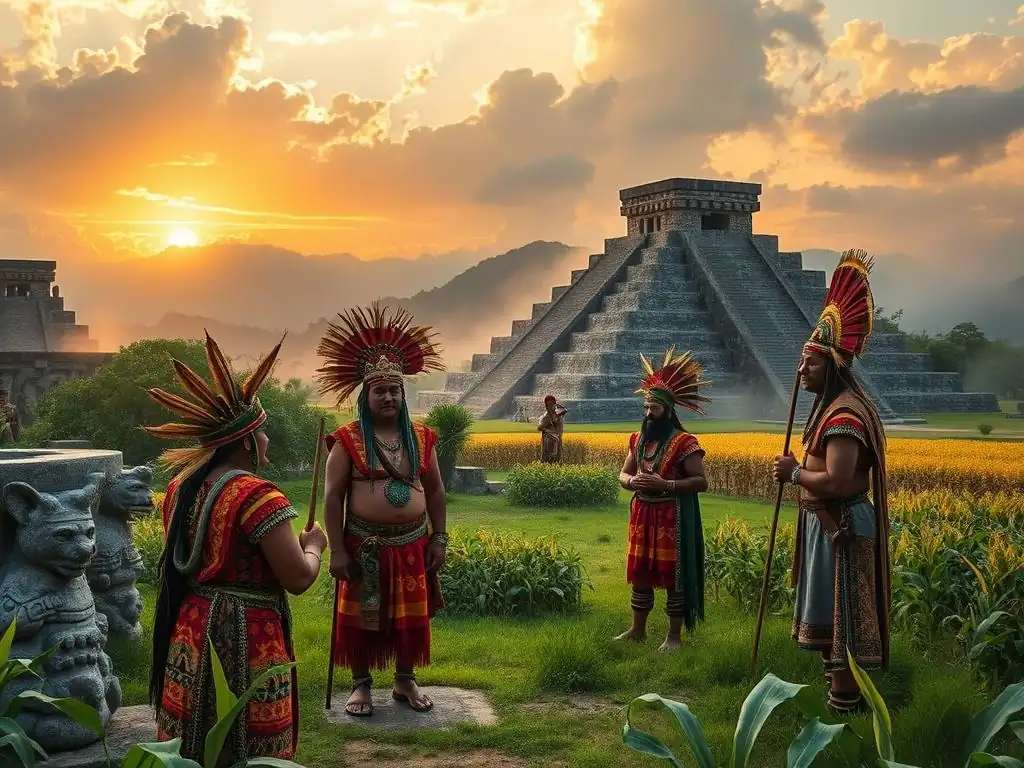
Welcome to Indigenous Civilizations of the Americas, where we invite you to embark on a fascinating journey through the rich tapestry of pre-colonial cultures. Here, you'll uncover the profound achievements and societal structures of diverse indigenous peoples who shaped the Americas long before European contact. In our featured article, delve into the significance of Olmec agricultural rituals and discover how these ancient practices were intricately linked to the agricultural cycles that sustained their civilization.
What mysteries lie within the rituals of the Olmec? Join us as we explore these captivating traditions that still resonate today, and prepare to see the past through a new lens.
- Introduction to Olmec Agricultural Rituals Significance
- Understanding Olmec Agricultural Rituals
- The Connection Between Olmec Rituals and Agricultural Cycles
- Major Olmec Agricultural Rituals
- The Significance of Olmec Agricultural Rituals in Daily Life
- Archaeological Evidence of Olmec Agricultural Rituals
- Conclusion: The Lasting Impact of Olmec Agricultural Rituals
- Frequently Asked Questions
- Final Reflection: The Enduring Significance of Olmec Agricultural Rituals
- Uncover the Secrets of Olmec Agricultural Wisdom!
Introduction to Olmec Agricultural Rituals Significance
The Olmec civilization, often regarded as the "mother culture" of Mesoamerica, flourished in the tropical lowlands of southeastern Mexico from approximately 1400 to 400 BCE. Renowned for their colossal stone heads and intricate art, the Olmecs also possessed a rich tapestry of agricultural practices deeply intertwined with their rituals.
Understanding the significance of Olmec agricultural rituals provides crucial insights into how these ancient people structured their society, connected with their environment, and ensured the sustainability of their crops. This article delves into the connection between Olmec rituals and agricultural cycles, illustrating how these practices were not only vital for their economy but also central to their cultural identity.
Overview of Olmec Civilization
The Olmec civilization is characterized by its remarkable achievements in art, architecture, and social organization. Emerging around 1200 BCE in what is now Veracruz and Tabasco, the Olmecs established complex societies marked by:
- Urban Centers: Major cities such as San Lorenzo and La Venta served as political, religious, and economic hubs.
- Artistic Expression: The Olmecs are famous for their monumental sculptures, particularly the iconic colossal heads, which reflect their sophisticated artistic skills and societal values.
- Writing and Calendar Systems: Evidence suggests that the Olmecs developed early forms of writing and a calendar system, influencing later Mesoamerican civilizations.
This rich cultural backdrop laid the foundation for their agricultural practices, which were vital for sustaining their growing population and supporting their intricate societal structures.
Importance of Agriculture in Olmec Society
Agriculture was the backbone of Olmec society, shaping their economy, social hierarchy, and religious practices. Key aspects of Olmec agriculture include:
- Crop Diversity: The Olmecs cultivated a variety of crops, including maize, beans, and squash, often referred to as the "Mesoamerican triad." These staples provided essential nutrition and formed the basis of their diet.
- Irrigation Techniques: The Olmecs employed advanced agricultural techniques, such as irrigation and raised-field farming, to maximize crop yields in the challenging tropical environment.
- Ritualistic Significance: Agricultural cycles were closely linked to religious rituals, with ceremonies designed to ensure bountiful harvests and to appease deities associated with fertility and agriculture.
These elements highlight how agriculture was not merely an economic pursuit for the Olmecs; it was a vital part of their cultural and spiritual existence, influencing their daily lives and the broader societal framework.
Purpose of the Article
This article aims to explore the significance of Olmec agricultural rituals in relation to their agricultural cycles. By examining the interplay between ritual practices and farming activities, we can gain deeper insights into how the Olmecs viewed their relationship with the land and the divine. Through a detailed analysis of specific rituals, seasonal celebrations, and the agricultural calendar, we will uncover the profound ways in which these practices shaped Olmec identity and societal cohesion. Join us as we delve into the fascinating world of Olmec agricultural rituals and their enduring legacy.
Understanding Olmec Agricultural Rituals

Definition of Agricultural Rituals in Olmec Culture
Agricultural rituals in Olmec culture were deeply intertwined with their understanding of the natural world and the cycles of life. These rituals served as a means to honor deities associated with fertility, growth, and the agricultural cycle. Specifically, Olmec agricultural rituals significance lies in their role as a spiritual bridge between the farmers and the forces of nature that governed crop production. The Olmecs believed that by performing specific ceremonies and offerings, they could influence the success of their harvests.
In many cases, these rituals included sacred offerings, such as food, flowers, and even blood, to appease the gods. For the Olmecs, agriculture was not merely a means of sustenance but a sacred duty, underscoring the belief that human existence was fundamentally connected to the earth. The rituals were often accompanied by music, dance, and the use of incense, creating a communal atmosphere that reinforced social bonds and shared beliefs.
Historical Context of Olmec Ritual Practices
The Olmec civilization, often regarded as the "mother culture" of Mesoamerica, flourished between approximately 1400 and 400 BCE. Situated in the tropical lowlands of present-day southern Mexico, the Olmecs were among the first to develop complex societies in the Americas. Their agricultural practices revolved around staple crops such as maize, beans, and squash, which were essential for sustaining their population.
The rituals performed by the Olmecs were largely influenced by their environment and the agricultural challenges they faced. Seasonal changes, such as the rainy and dry seasons, dictated when and how these rituals were performed. For example, planting ceremonies were often conducted at the onset of the rainy season to ensure sufficient water supply for crops, while harvest festivals took place at the end of the growing season to express gratitude for the bounty received.
Archaeological evidence indicates that the Olmecs constructed ceremonial centers, such as San Lorenzo and La Venta, where these rituals were held. These sites featured large stone sculptures and altars that likely served as focal points for agricultural ceremonies. The significance of these practices is further underscored by the presence of ritual objects, including figurines and pottery, which have been uncovered in burial sites, reflecting the profound reverence for agriculture in Olmec society.
The key elements of Olmec agricultural rituals can be categorized into several components, each playing a vital role in the overall significance of these practices:
- Deity Worship:
- The Olmecs worshipped various deities associated with agriculture, such as the maize god, who symbolized fertility and sustenance.
- Rituals often involved invoking these deities through prayers and offerings to secure their favor.
- Seasonal Cycles:
- Rituals were closely tied to the agricultural calendar, with distinct ceremonies marking the planting, growing, and harvesting phases.
- Ritual timing ensured that ceremonies aligned with environmental changes, promoting successful crop yields.
- Communal Participation:
- Agricultural rituals fostered community cohesion, as they often involved the entire village in shared ceremonies.
- The collective participation reinforced social structures and cultural identity among the Olmecs.
- Sacred Offerings:
- Offerings varied but commonly included food, flowers, and symbolic items that represented the crops being honored.
- Bloodletting rituals, performed by elite members, were believed to enhance the potency of offerings and further engage the deities.
- Ceremonial Objects:
- Unique artifacts, such as carved stone altars and ceremonial pottery, played a crucial role in rituals, serving both practical and symbolic functions.
- Some artifacts were believed to possess intrinsic powers that could influence agricultural success.
The Olmec agricultural rituals significance extends beyond mere farming practices; they represent a complex interplay of spirituality, community, and environmental awareness that shaped the Olmec civilization's identity and agricultural success. These rituals not only ensured bountiful harvests but also reinforced the Olmec worldview, where agriculture and spirituality were inseparable.
The Connection Between Olmec Rituals and Agricultural Cycles

Seasonal Changes and Their Impact on Agriculture
The Olmec civilization, often regarded as the "mother culture" of Mesoamerica, had a profound understanding of the natural environment, particularly the seasonal changes that dictated agricultural practices. The Olmecs inhabited the humid lowlands of present-day Veracruz and Tabasco, where the climate and geography played pivotal roles in their agricultural cycles.
- Climate Patterns: The region experienced a tropical climate with distinct wet and dry seasons. The wet season, typically from May to October, was crucial for planting crops such as maize, beans, and squash, which formed the backbone of the Olmec diet.
- Soil Fertility: The seasonal flooding of rivers contributed to the fertility of the soil, creating ideal conditions for agriculture. The Olmecs recognized that timing their agricultural activities with these natural cycles was essential for successful harvests.
The Olmec's awareness of seasonal changes influenced not only their agricultural practices but also their spiritual beliefs. Rituals were often timed with these changes to ensure favorable conditions for crops, demonstrating the interconnectedness of their religious and agricultural lives.
Rituals Aligned with Planting and Harvesting Seasons
The Olmec civilization conducted various rituals that were intricately linked to the agricultural calendar. These rituals were designed to invoke divine favor and ensure bountiful harvests.
- Planting Rituals: Prior to the planting season, the Olmecs performed ceremonies that involved offerings to deities. These rituals often included:
- Ceremonial Planting: Symbolic planting of the first seeds was a common practice, often accompanied by music and dance.
- Offerings of Food and Flowers: Gifts to the earth and deities were made, which included crops from the previous harvest to honor the land and seek blessings for the new growing season.
- Harvesting Rituals: Harvest time was equally significant, marked by community celebrations that emphasized gratitude and recognition of the divine forces at play.
- Thanksgiving Ceremonies: The Olmecs would hold feasts to celebrate the harvest, involving communal gatherings where food was shared.
- Rituals of Renewal: These ceremonies often included the re-consecration of fields, ensuring that the land remained fertile for future planting cycles.
These agricultural rituals not only reinforced community bonds but also emphasized the importance of reciprocity between the Olmecs and their environment.
The Role of Deities in Agricultural Rituals
In the Olmec worldview, agriculture was deeply intertwined with spirituality, and specific deities were believed to oversee various aspects of farming and fertility. Understanding these divine figures provides insight into the significance of Olmec agricultural rituals.
- Key Deities:
- Maize God: Central to Olmec agriculture, this deity represented the life force embodied in maize, a staple crop. Rituals dedicated to the Maize God were performed to ensure a successful yield.
- Rain God: Given the reliance on seasonal rains, the Rain God was invoked during planting and pre-harvest rituals to secure adequate rainfall.
- Symbols and Iconography: The Olmecs depicted these deities in their art and pottery, often associating them with symbols of fertility and abundance. The imagery served not only as a reminder of the divine but also as a means to convey the importance of agricultural practices.
The integration of deities into agricultural rituals underscores the Olmec belief that human efforts in farming were supported and guided by higher powers. This relationship between the divine and the agricultural cycles reinforced the significance of rituals in maintaining the health of both the community and the land.
The significance of Olmec agricultural rituals is deeply rooted in their understanding of seasonal changes, the timing of planting and harvesting, and the veneration of deities associated with agriculture. These practices not only facilitated successful farming but also fostered a profound spiritual connection to the natural world, ensuring the sustainability of their civilization.
Major Olmec Agricultural Rituals
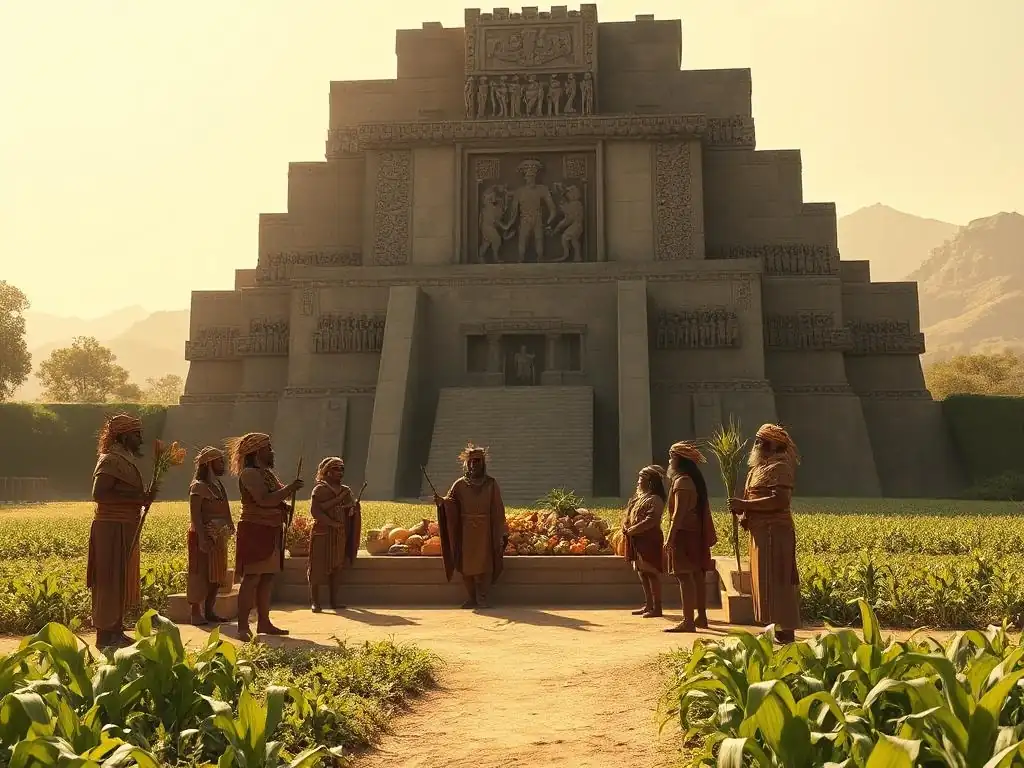
The Ritual of the First Planting
The Ritual of the First Planting was a pivotal ceremony in Olmec society, marking the commencement of the agricultural cycle. This ritual was conducted at the onset of the rainy season, which was critical for planting maize, beans, and squash—staples in the Olmec diet. The ceremony involved a series of carefully orchestrated steps aimed at invoking the deities associated with fertility and agricultural productivity.
Significance of the Ceremony
The significance of the First Planting Ritual extended beyond mere agricultural necessity; it represented a profound cultural and spiritual connection to the land. The Olmecs believed that the success of their harvest was directly influenced by their relationship with the deities. Engaging in this ritual was a means of ensuring divine favor. It was a way to express gratitude for past harvests while seeking blessings for the upcoming planting season.
Moreover, this ritual served as a communal event, reinforcing social bonds among the members of Olmec society. By participating together, community members fostered a shared identity and collective responsibility towards agricultural success.
Associated Offerings and Practices
During the First Planting Ritual, various offerings were made to the gods, which typically included:
- Food offerings: Maize, beans, and other locally sourced foods were presented to the deities to symbolize the community's reliance on their gifts.
- Ceremonial objects: Artifacts such as figurines and pottery, often adorned with intricate designs, were used to honor the spirits.
- Bloodletting: Some rituals included bloodletting as a form of sacrifice. This practice was believed to provide nourishment to the gods and strengthen the bond between the divine and the community.
These offerings were often accompanied by chants and dances, further enhancing the spiritual atmosphere of the ritual and emphasizing the Olmec connection to agriculture.
Harvest Festival Rituals
Harvest Festival Rituals were another cornerstone of Olmec agricultural practices, celebrated at the end of the growing season to give thanks and acknowledge the bounty provided by the earth. This festival was not only a time of gratitude but also a moment of communal celebration and reflection on the past year's agricultural efforts.
Celebrations and Community Involvement
The Harvest Festival involved vibrant celebrations that engaged the entire community. Activities included:
- Feasting: A significant aspect of the festival where the community gathered to share meals made from the newly harvested crops. This communal dining reinforced social ties and fostered a spirit of unity.
- Dancing and Music: Traditional dances accompanied by music played on handmade instruments created an atmosphere of festivity. These performances often depicted stories of the gods and nature, further embedding cultural narratives within the celebrations.
- Rituals of Gratitude: Various rituals were conducted to express thanks to the deities for a successful harvest. These included communal prayers and additional offerings, emphasizing the importance of reciprocity in their relationship with the divine.
Symbolism Behind the Harvest Festivities
The symbolism embedded in the Harvest Festival was multifaceted:
- Cycle of Life: The festival represented the cyclical nature of life and agriculture, celebrating not just the end of a growing season but also the promise of renewal and rebirth with the next planting cycle.
- Community Strength: It highlighted the importance of community cohesion and collective effort in agriculture. The success of the harvest was a shared achievement, reinforcing the idea that the community thrived when working together.
- Connection to the Divine: The festival underscored the Olmec belief that their agricultural success was intertwined with divine support. This connection was vital for maintaining balance within their worldview, where nature and spirituality were closely linked.
Both the Ritual of the First Planting and Harvest Festival Rituals were integral to the Olmec agricultural calendar, reflecting their deep-seated beliefs about nature, community, and the divine. The Olmec agricultural rituals significance lies in their role in shaping societal norms and fostering a collective identity rooted in agriculture and spirituality.
The Significance of Olmec Agricultural Rituals in Daily Life
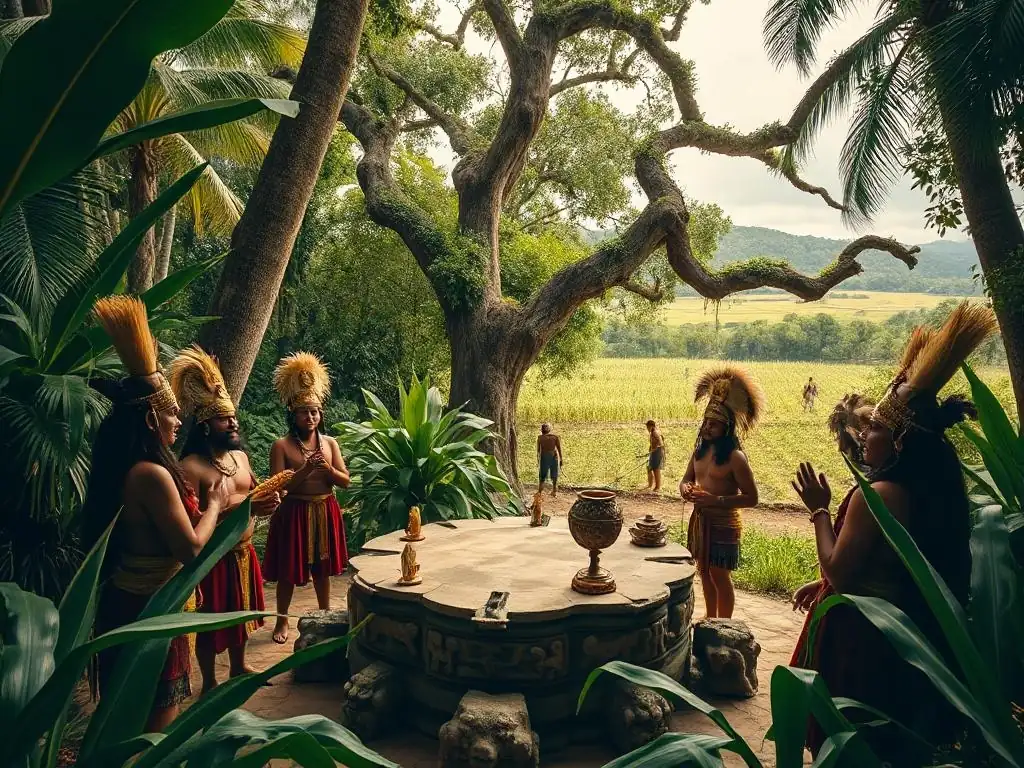
The Olmec civilization, often considered the "mother culture" of Mesoamerica, integrated agricultural rituals into their daily life, reflecting their deep connection to the earth and the cycles of nature. These rituals were not just ceremonial but served as essential components of their agricultural practices, community cohesion, and environmental sustainability. Understanding the significance of these rituals provides valuable insights into the Olmec worldview and their agricultural innovations.
Integration of Rituals into Agricultural Practices
Olmec agricultural rituals were intricately woven into the fabric of their farming activities. At the heart of these rituals was the belief that the gods influenced agricultural success. Key ceremonies were performed at various stages of planting, growing, and harvesting crops, ensuring that the spiritual and physical realms were in harmony.
- Planting Ceremonies: Before planting, the Olmecs would conduct ceremonies to honor deities associated with fertility and agriculture, such as the maize god. These rituals often included offerings of food, flowers, and symbolic objects, reinforcing the community’s commitment to maintaining a favorable relationship with the divine.
- Harvest Festivals: The harvest period was marked by significant celebrations, where the community would come together to give thanks for the bounty. These festivals involved music, dance, and feasting, fostering a sense of unity among the people while acknowledging the cycle of life and death inherent in agriculture.
- Ritual Calendars: The Olmecs developed complex calendars that dictated the timing of agricultural activities and associated rituals. This synchronization ensured that spiritual observances aligned with the agricultural calendar, maximizing productivity and reinforcing the community's cultural identity.
Rituals as a Means of Community Bonding
Rituals played a vital role in strengthening social ties within Olmec communities. By participating in these collective ceremonies, individuals fostered a sense of belonging and shared purpose, which was essential for the cooperation required in agricultural societies.
- Shared Responsibilities: Agricultural rituals often required collective action, such as preparing fields or conducting ceremonies. This collaboration helped build trust and interdependence among community members, essential for successful farming endeavors.
- Cultural Identity: Engaging in rituals allowed the Olmecs to express their cultural identity and heritage. Through storytelling, music, and art associated with agricultural practices, they preserved their traditions and passed them down to future generations.
- Conflict Resolution: Rituals also served as a platform for resolving disputes and maintaining harmony within the community. By coming together for a common purpose, individuals could address grievances and reaffirm their commitment to communal well-being.
The Influence of Rituals on Crop Yield and Sustainability
The Olmec agricultural rituals were not merely symbolic; they had practical implications for crop yield and sustainability. The belief that spiritual practices could directly affect agricultural success drove communities to adopt sustainable farming techniques.
- Soil Fertility Practices: Rituals often included practices aimed at improving soil fertility, such as rotating crops or using organic fertilizers. This not only enhanced crop yields but also ensured that the land remained productive for generations.
- Biodiversity and Crop Varieties: The Olmecs cultivated a diverse range of crops, including maize, beans, and squash. Rituals that honored the earth and its resources encouraged the sustainable use of various plant species, enhancing biodiversity and resilience against pests and diseases.
- Adapting to Environmental Changes: Through their rituals, the Olmecs developed a profound understanding of local environmental conditions. This knowledge allowed them to adapt their agricultural practices in response to changing weather patterns, ensuring food security and sustainability.
The significance of Olmec agricultural rituals extends far beyond mere tradition. They were vital in shaping daily life, fostering community bonds, and promoting sustainable agricultural practices. Understanding these rituals provides deeper insights into the Olmec civilization's achievements and their lasting legacy in the Americas.
Archaeological Evidence of Olmec Agricultural Rituals
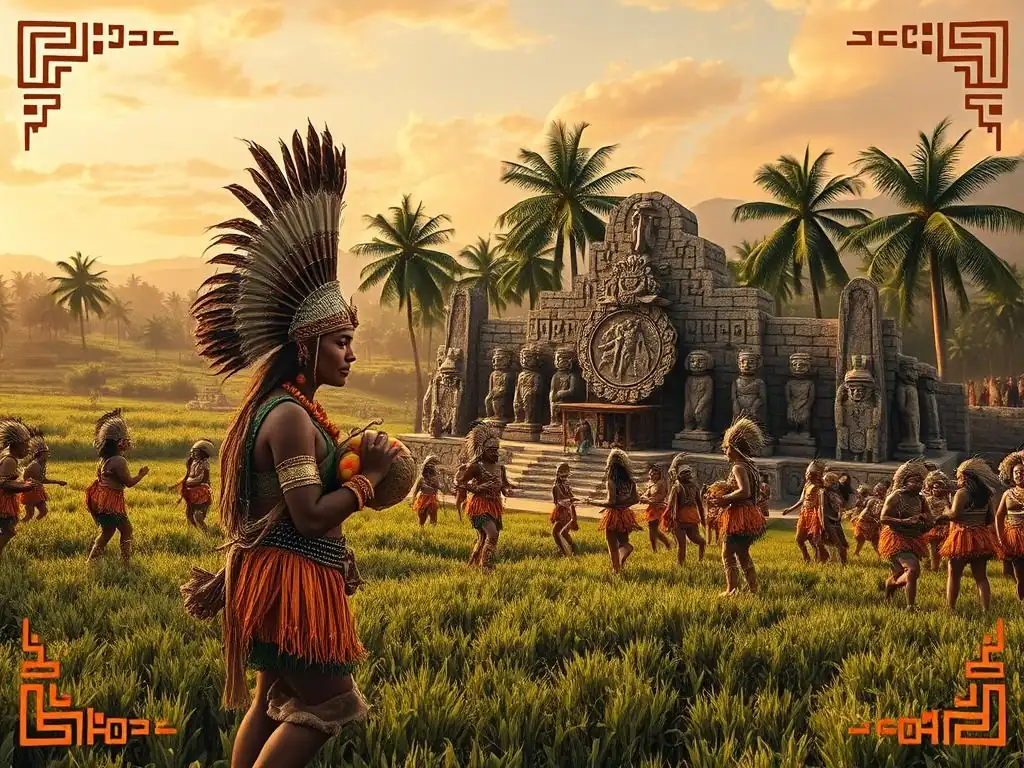
The Olmec civilization, known as the "Mother Culture" of Mesoamerica, has left a rich archaeological legacy that reveals the significance of agricultural rituals in their society. Key sites, such as San Lorenzo and La Venta, have yielded substantial evidence of ritualistic practices directly connected to agricultural cycles.
- San Lorenzo: This site is home to monumental earthen mounds and large stone heads, which are believed to have played a role in agricultural ceremonies. Excavations have uncovered platforms that likely served as locations for rituals, aligning with seasonal agricultural events.
- La Venta: Here, archaeologists discovered altars and ceremonial caches containing offerings such as jade, obsidian, and pottery. These artifacts suggest that rituals were performed to honor deities associated with fertility and crop production, reinforcing the connection between agriculture and spiritual practices.
The positioning of these sites often correlates with the surrounding landscape, indicating a deliberate choice to align rituals with natural agricultural cycles. For instance, some structures are oriented to mark solstices and equinoxes, emphasizing their connection to planting and harvesting times.
Analysis of Artifacts Linked to Agricultural Practices
Artifacts uncovered from Olmec sites provide critical insights into their agricultural rituals. Notably, the presence of specific items reveals the cultural importance placed on agriculture.
- Ceramic Vessels: Many of the ceramics found at ritual sites depict agricultural themes, such as maize and other crops. These vessels were likely used in offerings or during ceremonies aimed at ensuring bountiful harvests. The intricate designs often reflect the reverence the Olmecs had for maize, a staple of their diet.
- Figurines and Idols: Small figurines representing agricultural deities or ancestors have been excavated from various sites. These objects may have been used in rituals to invoke blessings for fertility or to commemorate seasonal agricultural events. The craftsmanship of these artifacts also indicates a sophisticated understanding of their cultural symbolism.
- Tools and Implements: The discovery of stone tools, such as grinding stones and hoe-like implements, further illustrates the practical aspects of Olmec agriculture. Some of these tools have been found in close proximity to ritual sites, suggesting a dual purpose in both cultivation and sacred practices.
Interpretations by Archaeologists and Historians
Scholarly interpretations of Olmec agricultural rituals highlight their complex interplay between daily life and spiritual beliefs. Archaeologists and historians have examined the available evidence to piece together the cultural significance of these rituals.
- Rituals as Societal Cohesion: Many researchers argue that agricultural rituals served as a means of reinforcing social cohesion within Olmec communities. By participating in collective ceremonies, community members could strengthen ties and share in the communal responsibility for agricultural success.
- The Role of Religion in Agriculture: The connection between Olmec religious beliefs and agriculture is a focal point of scholarly discourse. Rituals dedicated to agricultural gods, such as the maize deity, underscore the belief that divine favor was essential for successful farming. This notion is supported by the cyclical nature of planting and harvesting, which mirrored the rhythms of religious observances.
- Impact on Later Mesoamerican Cultures: The significance of Olmec agricultural rituals is not confined to their civilization alone; it has influenced subsequent Mesoamerican cultures, including the Maya and Aztec. Scholars note that many agricultural practices and associated rituals can be traced back to Olmec traditions, highlighting their lasting impact on the region's agricultural and religious landscape.
The archaeological evidence surrounding Olmec agricultural rituals underscores their profound significance within the civilization. The integration of spiritual beliefs and agricultural practices illustrates a sophisticated understanding of the natural world and its cycles, forming the backbone of Olmec society.
Conclusion: The Lasting Impact of Olmec Agricultural Rituals
Summary of the Significance of Olmec Rituals
The Olmec civilization, often referred to as the "mother culture" of Mesoamerica, established a complex system of agricultural rituals that played a pivotal role in their society. These rituals were intrinsically linked to the agricultural cycles, particularly the planting and harvesting of staple crops like maize, beans, and squash. The significance of these rituals can be encapsulated in several key aspects:
- Spiritual Connection: The Olmecs believed that their agricultural success was tied to the favor of deities. Rituals often included offerings, ceremonies, and festivals that sought to ensure bountiful harvests. The alignment of agricultural activities with cosmic events, such as solstices and equinoxes, further emphasized their spiritual connection to the land.
- Community Cohesion: Agricultural rituals fostered a sense of community among the Olmecs. Collective participation in these ceremonies reinforced social bonds and cooperation, which were essential for the successful cultivation of crops. These shared experiences also served to transmit knowledge and practices across generations.
- Cultural Identity: The rituals surrounding agriculture were integral to Olmec identity. They not only reflected the agricultural practices of the society but also embodied their values, beliefs, and traditions. The Olmec people viewed their agricultural prowess as a mark of civilization, distinguishing them from neighboring groups.
Influence on Later Indigenous Cultures
The agricultural rituals of the Olmecs left an indelible mark on subsequent Mesoamerican civilizations, particularly the Maya and Aztec societies. Several aspects of Olmec agricultural practices were adapted and evolved in these cultures:
- Ritual Practices: Later civilizations continued the tradition of agricultural rituals, often incorporating elements from Olmec practices into their own ceremonies. For instance, the Maya developed elaborate rituals that honored their agricultural gods, which can be traced back to Olmec influences.
- Crop Cultivation Techniques: The Olmec's understanding of crop rotation, irrigation, and the importance of soil fertility were foundational to the agricultural practices that followed. Subsequent cultures built upon this knowledge, leading to more sophisticated farming techniques that supported larger populations.
- Symbolism and Iconography: The Olmec civilization is known for its distinctive art and symbolism, particularly in their colossal heads and jade carvings. This artistic legacy influenced later cultures, which adopted similar motifs in their own agricultural rituals and iconography, signifying a continuity of cultural themes across generations.
Reflection on the Importance of Agriculture in Indigenous Civilizations
Agriculture was fundamentally important to the development and sustainability of indigenous civilizations throughout the Americas. The Olmec agricultural rituals exemplified how intertwined agriculture was with social, spiritual, and cultural life. Key reflections on this importance include:
- Economic Foundation: Agricultural surplus enabled the Olmec and subsequent civilizations to support larger populations, leading to the rise of urban centers and complex societies. This economic foundation was crucial for the development of trade networks and social hierarchies.
- Cultural Continuity: The emphasis on agriculture in ritualistic practices ensured that farming remained a central aspect of life, which was critical for cultural continuity. The transmission of agricultural knowledge and practices through rituals helped maintain a sense of identity across generations.
- Sustainability Practices: Indigenous agricultural practices, including those initiated by the Olmecs, often emphasized sustainability. Techniques that respected the natural environment and promoted biodiversity were integral to their agricultural success and served as a model for environmental stewardship.
The Olmec agricultural rituals significance extends far beyond mere farming practices; they were a cornerstone of social structure, cultural identity, and economic stability in ancient Mesoamerica. The lasting influence of these rituals can be seen in the agricultural practices and spiritual beliefs of later indigenous cultures, underscoring the vital role that agriculture played in shaping the civilizations of the Americas.
Frequently Asked Questions
What were the Olmec agricultural rituals?
The Olmec agricultural rituals were ceremonies performed to honor deities and ensure a successful harvest. These rituals often included offerings and sacrifices aimed at promoting fertility of the land.
How did the Olmec civilization influence later cultures?
The Olmec civilization is often regarded as a "mother culture" in Mesoamerica, influencing later cultures like the Maya and Aztec through their artistic styles, religious practices, and social organization.
What was the role of deities in Olmec agricultural practices?
Deities played a crucial role in the Olmec agricultural practices as they were believed to control the forces of nature. Rituals were performed to gain their favor, ensuring bountiful crops and abundant harvests.
How did the environment affect Olmec agricultural rituals?
The environment significantly shaped Olmec agricultural rituals, with seasonal changes dictating the timing of ceremonies. Rainfall patterns and soil fertility were crucial factors in determining the rituals’ significance.
What is the long-term significance of Olmec agricultural rituals?
The long-term significance of Olmec agricultural rituals lies in their lasting impact on agricultural practices and ceremonial traditions in Mesoamerica, establishing a framework for spiritual connections to the land that persisted for centuries.
Final Reflection: The Enduring Significance of Olmec Agricultural Rituals
The connection between Olmec agricultural rituals and their significance in ancient society is more relevant today than ever. As we grapple with modern agricultural challenges and the need for sustainable practices, understanding the wisdom of ancient civilizations like the Olmec offers profound insights. Their rituals were not merely ceremonial; they represented a deep reverence for nature and a recognition of the cycles that govern life. This ancient knowledge serves as a reminder that our relationship with the earth is sacred and requires our utmost respect.
The Olmec's agricultural rituals have left an indelible mark on the cultural and social landscape, influencing not only their descendants but also contemporary practices. These rituals exemplified a harmonious relationship with the environment, emphasizing the importance of community and shared responsibility. To cultivate the land is to cultivate the spirit.
This quote encapsulates the essence of the Olmec approach, highlighting how their agricultural practices were intertwined with their spiritual beliefs, fostering a sense of unity and purpose that resonates even today.
As we reflect on the lessons from the Olmec civilization, let us consider how we can incorporate their reverence for agricultural cycles into our own lives. Take a moment to ponder your relationship with nature and how you can honor it through your actions.
Whether it's adopting sustainable practices, supporting local agriculture, or simply being more mindful of the resources we consume, each step we take can contribute to a more harmonious existence with the earth. Embrace the wisdom of the past as we forge a path toward a more sustainable future, ensuring that the significance of Olmec agricultural rituals continues to inspire generations to come.
Uncover the Secrets of Olmec Agricultural Wisdom!
Thank you for exploring the fascinating world of Olmec rituals and their profound connection to agricultural cycles. You've just uncovered valuable insights into how these ancient practices influenced farming and community life. Now, it’s time to take that knowledge and apply it!
Here's how you can connect further with this rich cultural heritage:
- Dive Deeper: Investigate local farming techniques that draw inspiration from ancient practices and discover how they have evolved over time.
- Share Your Findings: Engage in discussions about this article with friends or participate in online forums focused on indigenous cultures to spark meaningful conversations!
- Get Involved: Participate in workshops or community events dedicated to preserving these valuable traditions in contemporary agriculture.
What new understanding or appreciation did you gain about the Olmec's agricultural techniques, and how might it influence your perspective on food sources today?