
The Evolution of Indigenous Exhibitions: From Stereotypes to Authentic Representation

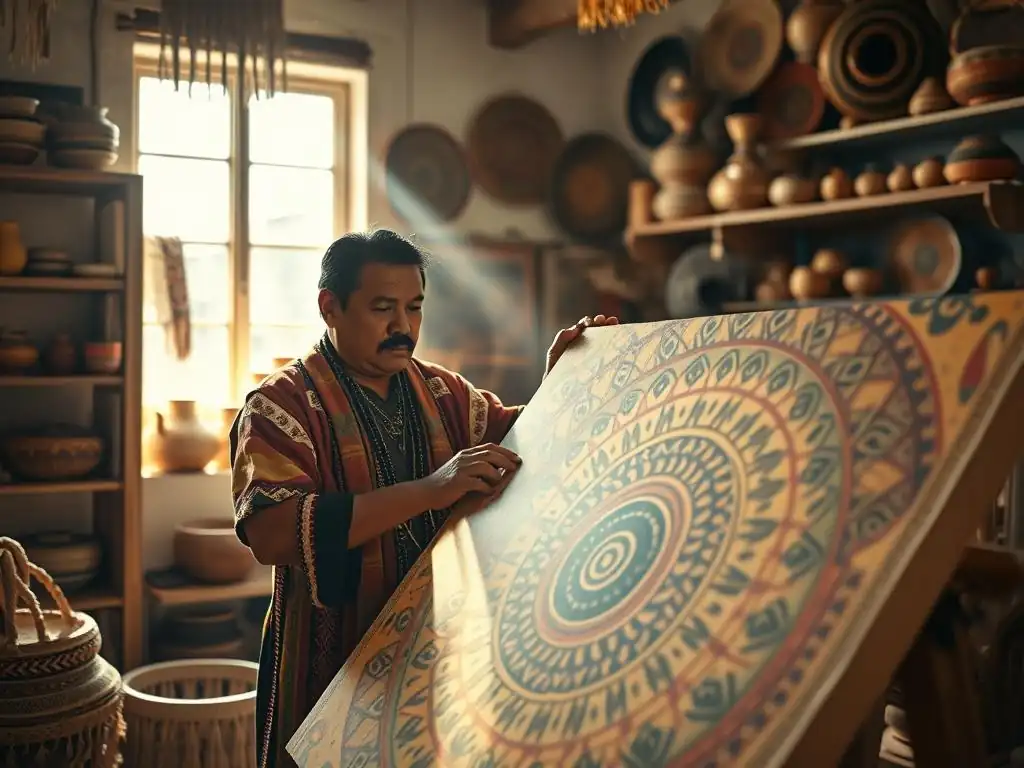
Welcome to Indigenous Civilizations of the Americas, where we embark on a thought-provoking journey through the vibrant tapestry of indigenous cultures that flourished long before European colonization. Our featured article, "The Evolution of Indigenous Exhibitions: From Stereotypes to Authentic Representation," delves deep into the critical shift towards honoring and accurately depicting these rich legacies.
As you explore our site, prepare to uncover the remarkable achievements and societal structures of these civilizations, and discover how they continue to influence our world today. Join us in celebrating the essence of authentic representation of indigenous cultures—a topic that promises to enlighten and inspire your understanding of history and heritage.
The representation of Indigenous cultures in museums has undergone a significant transformation over the years, evolving from simplistic and often harmful stereotypes to a more nuanced and authentic portrayal of these rich and diverse societies. This article delves into the journey of Indigenous exhibitions, highlighting the importance of authentic representation of indigenous cultures in fostering understanding and appreciation of their histories and contributions.
By examining the historical context, early depictions, and the persistent stereotypes that have plagued museum displays, we aim to shed light on the ongoing efforts to create exhibitions that honor the true essence of Indigenous peoples and their achievements.
Introduction to Indigenous Exhibitions
Indigenous exhibitions serve as a crucial platform for showcasing the cultural heritage, traditions, and achievements of Indigenous peoples across the Americas. These exhibitions not only educate the public but also play a vital role in preserving the history and narratives that have often been marginalized or misrepresented. As we explore the evolution of these exhibitions, it is essential to understand the complexities of Indigenous cultures and the significance of presenting them authentically.
Understanding Indigenous Cultures in Museums
Museums have traditionally been seen as custodians of knowledge and culture, yet their portrayals of Indigenous peoples have frequently reflected colonial perspectives. To genuinely appreciate the depth of Indigenous cultures, it is important to recognize that these societies are not monolithic; they are characterized by a rich tapestry of languages, traditions, and histories.
- Diversity of Cultures: Indigenous peoples across the Americas encompass a wide variety of cultural practices, each with its own unique identity and worldview.
- Community Involvement: Authentic representation involves collaboration with Indigenous communities, allowing them to share their narratives and perspectives directly.
Importance of Authentic Representation in Exhibitions
Authentic representation is vital for several reasons:
- Combatting Stereotypes: By showcasing true cultural practices and stories, museums can help dismantle harmful stereotypes that have persisted for centuries.
- Empowerment: Involving Indigenous voices in the curatorial process empowers communities and fosters a sense of ownership over their narratives.
- Educational Impact: Visitors to museums benefit from a more accurate understanding of Indigenous histories, leading to greater empathy and respect.
Historical Context of Indigenous Exhibitions
To fully grasp the evolution of Indigenous exhibitions, it is essential to explore the historical context in which these displays have developed.
Early Depictions of Indigenous Peoples
In the early days of museum exhibitions, Indigenous peoples were often portrayed through a lens of exoticism and otherness. These early depictions frequently relied on artifacts, photographs, and narratives that emphasized differences rather than commonalities. Such portrayals contributed to a skewed understanding of Indigenous cultures, often reducing them to mere objects of curiosity.
Stereotypes in Museum Displays
The perpetuation of stereotypes in museum displays has been a significant barrier to authentic representation. Common stereotypes include:
- The Noble Savage: A romanticized view that ignores the complexities of Indigenous societies.
- The Vanishing Race: A narrative that suggests Indigenous peoples are extinct or disappearing, undermining their contemporary existence and resilience.
These stereotypes not only misrepresent Indigenous cultures but also affect public perception and understanding, highlighting the urgent need for a shift towards more accurate and respectful representations in exhibitions. By acknowledging and addressing these historical inaccuracies, we can move towards a future where Indigenous cultures are celebrated in their authenticity and diversity.
The Shift Towards Authentic Representation
The journey towards authentic representation of indigenous cultures in exhibitions has been a significant and transformative shift over the last several decades. Initially, many exhibitions relied on stereotypes and generalized portrayals that often misrepresented the rich diversity of indigenous peoples. However, as awareness grew around the importance of cultural sensitivity and accuracy, museums began to recognize the necessity of engaging with indigenous communities. This shift highlights a growing acknowledgment that indigenous peoples are not mere subjects of history but active participants in narrating their own stories.
This evolution has been driven by several key factors, including advocacy by indigenous leaders, increased scholarly research, and a broader societal push for social justice. Museums and cultural institutions are now prioritizing collaborative practices, allowing indigenous voices to guide the curation process. As a result, exhibitions are increasingly reflecting the complexities of indigenous identities and histories, moving beyond the reductive narratives of the past.
Defining Authentic Representation of Indigenous Cultures
Authentic representation of indigenous cultures refers to the accurate and respectful portrayal of indigenous peoples, their histories, traditions, and contemporary realities. This representation must be rooted in the voices and perspectives of indigenous communities themselves, rather than being filtered through colonial or external viewpoints.
Key elements of authentic representation include:
- Cultural Accuracy: Ensuring that the narratives, artifacts, and artistic expressions presented are true to the source culture’s meanings and contexts.
- Community Involvement: Actively involving indigenous communities in the planning, curation, and interpretation of exhibitions, thereby empowering them to share their stories.
- Diverse Perspectives: Acknowledging the diversity within indigenous cultures, avoiding homogenization, and celebrating the unique traditions and practices of different tribes and nations.
Authentic representation is essential not only for educational purposes but also for fostering respect and understanding among non-indigenous audiences.
Key Milestones in the Evolution of Indigenous Exhibitions
The evolution of indigenous exhibitions has seen several key milestones that mark significant shifts in approach and philosophy. Notable milestones include:
- 1970s-1980s: A rise in indigenous activism and awareness led to demands for more accurate portrayals in museums. This decade saw the emergence of indigenous curators and scholars who began to challenge existing narratives.
- 1992: The exhibition "The Indian Experience" at the National Museum of the American Indian set a precedent for authentic representation by involving indigenous voices in the curation process.
- 2000s: The establishment of guidelines for the representation of indigenous cultures, such as the “Principles of Ethical Research” by the Canadian Museums Association, emphasized the importance of collaboration and respect.
- 2010s-Present: A growing number of exhibitions prioritize indigenous perspectives and incorporate interactive elements that engage visitors in meaningful ways, such as storytelling and community workshops.
These milestones reflect a broader societal acknowledgment of the importance of authenticity in representing indigenous cultures.
Case Studies of Successful Indigenous Exhibitions
Examining successful case studies of indigenous exhibitions provides insight into effective practices that prioritize authentic representation. These exhibitions serve as models for future initiatives, demonstrating the potential for respectful and meaningful engagement with indigenous cultures.
"The Indian Experience": A Model of Authentic Representation
"The Indian Experience," hosted by the National Museum of the American Indian, is often cited as a benchmark for authentic representation. This exhibition was notable for its collaborative approach, bringing together indigenous curators, artists, and community members to share their narratives.
Key features of the exhibition included:
- Personal Narratives: The integration of personal stories and experiences from indigenous individuals, allowing visitors to connect on a human level.
- Diverse Mediums: A variety of artistic expressions, including visual arts, music, and performance, showcased the vibrant cultures of indigenous peoples.
- Interactive Experiences: Engaging installations encouraged visitors to participate actively, fostering a deeper understanding of indigenous perspectives.
This model has influenced subsequent exhibitions, highlighting the importance of representation that is both inclusive and dynamic.
"Indigenous Modernisms": Bridging Tradition and Modernity
"Indigenous Modernisms" is an innovative exhibition that showcases the intersection of traditional indigenous art forms and contemporary practices. By featuring artists who draw from their cultural heritage while also engaging with modern themes, the exhibition exemplifies how indigenous cultures are not static but evolve over time.
Important aspects of this exhibition include:
- Contemporary Art: Highlighting the work of contemporary indigenous artists who reinterpret traditional practices in innovative ways.
- Cultural Dialogue: Encouraging conversations about identity, colonization, and resilience through artistic expression.
- Curatorial Collaboration: Involving indigenous artists in the curatorial process to ensure that their perspectives are authentically represented.
"Indigenous Modernisms" successfully bridges the gap between the past and the present, illustrating the dynamic nature of indigenous cultures.
"We Are All Related": Community Engagement in Representation
The exhibition "We Are All Related" exemplifies the power of community engagement in the authentic representation of indigenous cultures. This exhibition was designed in collaboration with indigenous communities, focusing on themes of connection, kinship, and shared histories.
Key elements included:
- Community Workshops: Prior to the exhibition's opening, community members participated in workshops to contribute their insights and stories.
- Cultural Practices: The exhibition included live demonstrations of traditional practices, such as weaving and storytelling, allowing visitors to experience indigenous culture in real time.
- Feedback Mechanisms: Ongoing engagement with community members post-exhibition ensured that their voices remained integral to the narrative.
By centering community input, "We Are All Related" not only honored indigenous voices but also fostered a sense of ownership and pride among participants. This approach demonstrates the potential for exhibitions to serve as platforms for dialogue and understanding, enhancing the authenticity of representation.
Challenges in Achieving Authentic Representation
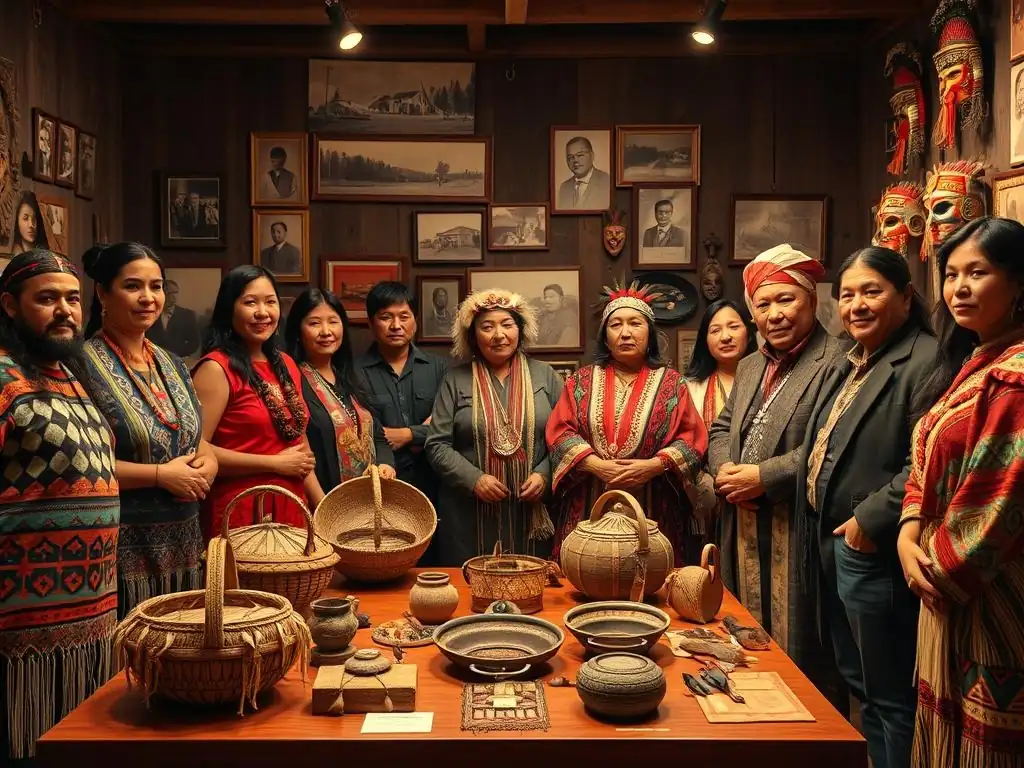
Achieving authentic representation of indigenous cultures in exhibitions presents numerous challenges, largely rooted in historical misrepresentation and the complexities of cultural sensitivity. Museums and exhibition spaces have often struggled to depict indigenous peoples in ways that honor their true histories and contemporary realities. Addressing these challenges is critical for fostering a more accurate understanding of indigenous cultures and promoting respect for their diverse traditions.
Misrepresentation and Stereotyping Issues
Historically, indigenous cultures have frequently been depicted through a lens of stereotypes that oversimplify or distort their identities. These representations often draw on outdated notions, portraying indigenous peoples as relics of the past rather than as vibrant, evolving communities. For example, exhibitions that rely heavily on artifacts stripped of their cultural context can perpetuate the idea that indigenous cultures are static, ignoring their dynamic histories and contemporary practices.
Furthermore, many exhibitions have fallen into the trap of showcasing exoticized images that reinforce harmful stereotypes, such as the "noble savage" or "primitive" narratives. Such portrayals not only misinform the public but also alienate indigenous communities whose lived experiences do not align with these reductive views. Ultimately, achieving authentic representation requires a critical reevaluation of these stereotypes and a commitment to presenting indigenous cultures in their full complexity.
Navigating Cultural Sensitivity and Ownership
Cultural sensitivity and ownership are paramount when curating exhibitions on indigenous cultures. Many indigenous communities have endured historical trauma, including colonization and cultural erasure, which makes it essential to approach their stories with care and respect. This involves recognizing that indigenous peoples are not merely subjects of study but active participants in the narration of their histories.
Navigating cultural sensitivity also means understanding the importance of consent and collaboration. Indigenous communities should have agency over how their cultures are represented, including input on the narratives and artifacts displayed. This approach not only fosters trust but also enhances the authenticity of the representation, allowing indigenous voices to guide the storytelling process.
Best Practices for Exhibiting Indigenous Cultures
To effectively exhibit indigenous cultures with authenticity and respect, certain best practices have emerged that prioritize collaboration, inclusivity, and innovation.
Collaborative Approaches with Indigenous Communities
Collaboration with indigenous communities is essential for ensuring that exhibitions authentically reflect their cultures. This process can take various forms, including co-curation, where indigenous representatives work alongside museum staff to develop exhibitions. Such partnerships empower communities to share their stories, traditions, and knowledge directly, fostering a more accurate representation.
Additionally, engaging in ongoing dialogue with indigenous peoples can help museums remain attuned to contemporary issues and perspectives within these communities. This collaboration can lead to dynamic exhibitions that not only educate visitors but also celebrate the resilience and diversity of indigenous cultures.
Incorporating Indigenous Knowledge and Perspectives
Incorporating indigenous knowledge systems into exhibitions is another crucial practice for achieving authentic representation. This involves recognizing the value of traditional ecological knowledge, oral histories, and indigenous philosophies that offer unique insights into cultural practices and worldviews. By integrating these perspectives, exhibitions can present a more holistic understanding of indigenous cultures.
Using a range of mediums, such as storytelling, art, and interactive displays, can further enhance the visitor's experience. This approach not only engages audiences but also honors the multifaceted nature of indigenous knowledge, allowing it to be shared and appreciated in its own right.
Utilizing Technology to Enhance Authentic Representation
Technology plays a pivotal role in enhancing the authentic representation of indigenous cultures in exhibitions. Digital tools, such as augmented reality and virtual reality, can create immersive experiences that allow visitors to engage with indigenous narratives in innovative ways. Through these technologies, museums can present complex cultural contexts that traditional displays may fail to convey.
Moreover, online platforms can expand access to indigenous stories and artifacts, reaching broader audiences beyond physical museum spaces. By showcasing indigenous voices through podcasts, videos, and interactive content, museums can foster greater understanding and appreciation for the rich tapestry of indigenous cultures, highlighting their ongoing relevance in contemporary society.
The Future of Indigenous Exhibitions
As we look to the future of indigenous exhibitions, the focus is shifting towards authentic representation of indigenous cultures, moving beyond the simplistic and often stereotypical portrayals of the past. The evolving landscape of exhibitions is characterized by increased collaboration with indigenous communities, ensuring their voices and perspectives are central to the storytelling process. Museums are recognizing the importance of cultural sensitivity and the need to foster genuine connections with the indigenous peoples they represent.
Technological advancements are also playing a crucial role in shaping future exhibitions. Virtual reality (VR) and augmented reality (AR) technologies offer immersive experiences that allow visitors to engage with indigenous cultures in a more meaningful way. These technologies can bring historical contexts to life, providing an interactive platform for education and understanding. Furthermore, the rise of digital exhibitions is making indigenous narratives accessible to a broader audience, transcending geographic boundaries.
Trends in Authentic Representation of Indigenous Cultures
The trend towards authentic representation is evident in several key areas:
- Co-curation: Many museums are now collaborating directly with indigenous communities to co-create exhibitions. This approach ensures that the narratives presented are accurate and resonate with the cultural significance of the artifacts on display.
- Community Engagement: There is a growing emphasis on involving indigenous voices in the exhibition process, from planning and design to implementation. This engagement is vital in addressing historical inaccuracies and promoting a more nuanced understanding of indigenous cultures.
- Diverse Mediums: Exhibitions are increasingly incorporating various forms of media, including oral histories, contemporary art, and multimedia installations. These methods enrich the visitor experience and promote a deeper appreciation for the complexity of indigenous cultures.
- Focus on Contemporary Issues: Authentic representation also involves addressing current social, economic, and political issues faced by indigenous communities. This shift helps to dismantle outdated narratives and highlights the resilience and adaptability of these cultures.
The Role of Museums in Cultural Preservation and Education
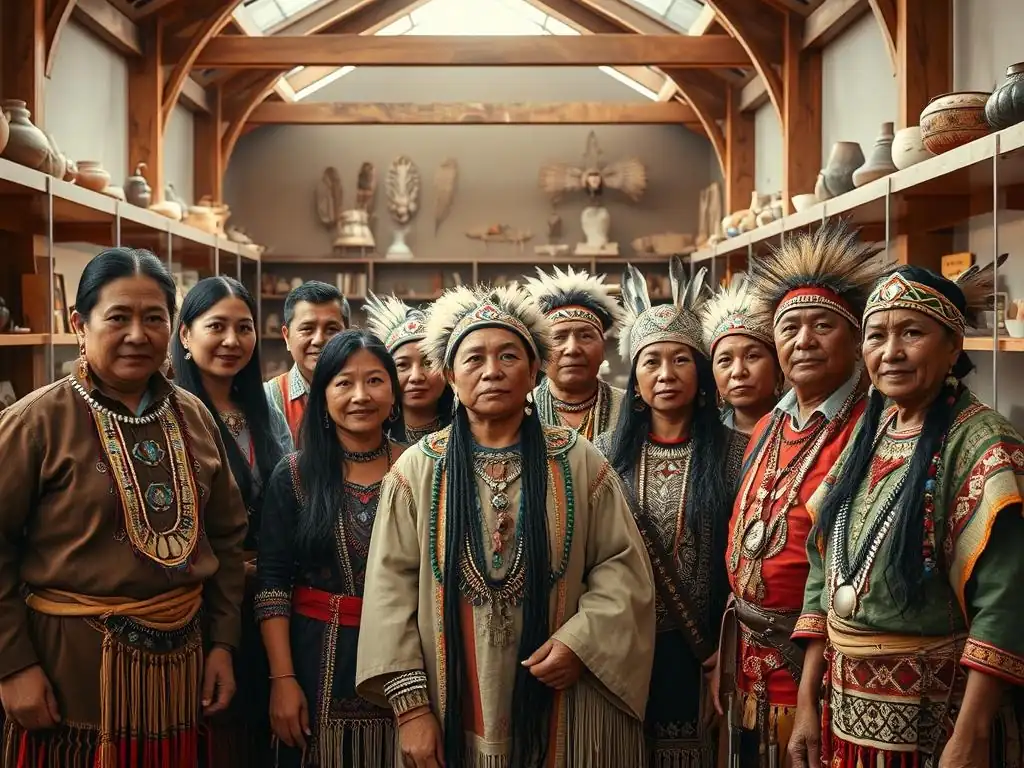
Museums play a pivotal role in the preservation of indigenous cultures, acting as guardians of history and facilitators of education. By curating collections and exhibitions that reflect the diverse narratives of indigenous peoples, museums help to foster a greater understanding of their rich heritage.
Educational programs and outreach initiatives are essential components of this role. Museums are increasingly offering workshops, lectures, and community events that engage both indigenous and non-indigenous audiences. These programs not only educate the public about indigenous cultures but also empower indigenous communities by providing platforms for their voices and stories.
Moreover, museums are tasked with the ethical responsibility of repatriating cultural artifacts that have been removed from indigenous communities without consent. This process not only restores cultural heritage but also supports healing and reconciliation.
Conclusion
The evolution of indigenous exhibitions signifies a critical shift towards the authentic representation of indigenous cultures. By embracing collaboration, utilizing innovative technologies, and prioritizing education, museums can foster a more inclusive and respectful narrative. This transformation is vital in ensuring that indigenous voices are not only heard but also celebrated.
The Impact of Authentic Representation on Indigenous Communities
The impact of authentic representation in exhibitions extends beyond the museum walls; it significantly influences indigenous communities. When their cultures are accurately and respectfully represented, it fosters pride and strengthens cultural identity among indigenous peoples. This representation can serve as a powerful tool for healing, especially in communities that have faced historical trauma due to colonization and cultural erasure.
Moreover, authentic representation can enhance public perception of indigenous cultures, challenging stereotypes and misconceptions. This newfound understanding can lead to greater advocacy for indigenous rights and issues, ultimately supporting movements for social justice and equity.
A Call for Ongoing Change in Exhibition Practices
While progress has been made in creating more authentic representations of indigenous cultures, ongoing change is essential. Museums must continue to reflect critically on their practices and remain open to feedback from indigenous communities. This includes reevaluating existing exhibitions and being willing to make changes that better align with contemporary understandings of indigenous cultures.
A commitment to continuous improvement will help ensure that exhibitions serve as platforms for education, respect, and cultural exchange. By fostering environments where indigenous narratives are celebrated and prioritized, museums can contribute meaningfully to the preservation of these vibrant cultures for future generations.
- Introduction to Indigenous Exhibitions
- Historical Context of Indigenous Exhibitions
- The Shift Towards Authentic Representation
- Case Studies of Successful Indigenous Exhibitions
- Challenges in Achieving Authentic Representation
- Best Practices for Exhibiting Indigenous Cultures
- The Future of Indigenous Exhibitions
- Trends in Authentic Representation of Indigenous Cultures
- The Role of Museums in Cultural Preservation and Education
- Conclusion
- The Impact of Authentic Representation on Indigenous Communities
- A Call for Ongoing Change in Exhibition Practices
- What is the main focus of the article "The Evolution of Indigenous Exhibitions: From Stereotypes to Authentic Representation"?
- Why is authentic representation of indigenous cultures important?
- How have indigenous exhibitions changed over time?
- What role do indigenous voices play in modern exhibitions?
- How can individuals support authentic representation of indigenous cultures?
Frequently Asked Questions
What is the main focus of the article "The Evolution of Indigenous Exhibitions: From Stereotypes to Authentic Representation"?
The article primarily explores the shift in how indigenous cultures are presented, emphasizing the need for authentic representation that honors their rich histories and contributions.
Why is authentic representation of indigenous cultures important?
Authentic representation is crucial as it helps to combat stereotypes and misinterpretations, allowing for a more accurate understanding of indigenous peoples and their cultural heritage.
How have indigenous exhibitions changed over time?
Historically, exhibitions often relied on stereotypes; however, there has been a recent trend towards more inclusive and educational approaches that prioritize authentic narratives from indigenous communities.
What role do indigenous voices play in modern exhibitions?
Indigenous voices are essential in ensuring that exhibitions provide a true reflection of their cultures, allowing for self-representation and the opportunity to share their perspectives and stories.
How can individuals support authentic representation of indigenous cultures?
Individuals can support this cause by advocating for inclusive practices, educating themselves on indigenous histories, and engaging with indigenous artists and communities to promote a more respectful portrayal of their cultures.
Final Reflection: Embracing Authentic Representation of Indigenous Cultures
The journey towards the authentic representation of Indigenous cultures is not merely a historical narrative; it is a pressing contemporary issue that resonates deeply in today's society. As we navigate a world increasingly aware of cultural sensitivities and the importance of inclusivity, the evolution of Indigenous exhibitions serves as a powerful reminder of the ongoing struggle against stereotypes and misrepresentation. The shift from caricatures to genuine portrayals reflects a broader societal awakening, urging us to confront our biases and embrace the rich diversity of Indigenous identities.
The impact of this evolution extends beyond museum walls; it influences how we perceive and engage with Indigenous communities in our daily lives. The narratives we choose to amplify shape our collective understanding and respect for these cultures. As we witness a growing movement towards honoring Indigenous voices and stories, we are reminded of the words of author and activist Vine Deloria Jr.: The only way to deal with the future is to be aware of the past.
This acknowledgment of history is crucial in fostering a more inclusive cultural landscape, where Indigenous peoples can reclaim their narratives and share their truths.
As we reflect on the lessons of this article, let us commit to being active participants in the journey towards authentic representation. Consider how you can contribute to this movement in your own life—whether through supporting Indigenous artists, advocating for inclusive practices, or simply educating yourself and others about the rich tapestry of Indigenous cultures. The future is shaped by our actions today, and by embracing authenticity, we can help create a world where every culture is celebrated and respected.
Unveil the Power of Authentic Representation!
Thank you for exploring the transformative journey of Indigenous exhibitions with us! Your insights into this evolution not only highlight the importance of **genuine representation** but also empower us to take meaningful action. Now, it’s time to channel that awareness into positive steps forward.
- Engage with your community: Attend local Indigenous events or exhibitions to support authentic representation and deepen your understanding.
- Share your newfound knowledge: Initiate discussions with friends and family about the significance of accurate portrayals in Indigenous cultures.
- Amplify Indigenous voices: Follow and support Indigenous artists and curators on social media to stay informed and promote their work.
What steps are you willing to take to ensure that Indigenous narratives are both celebrated and respected in your community?