
Preserving the Past: The Challenges of Maintaining Indigenous Artifacts in Museums

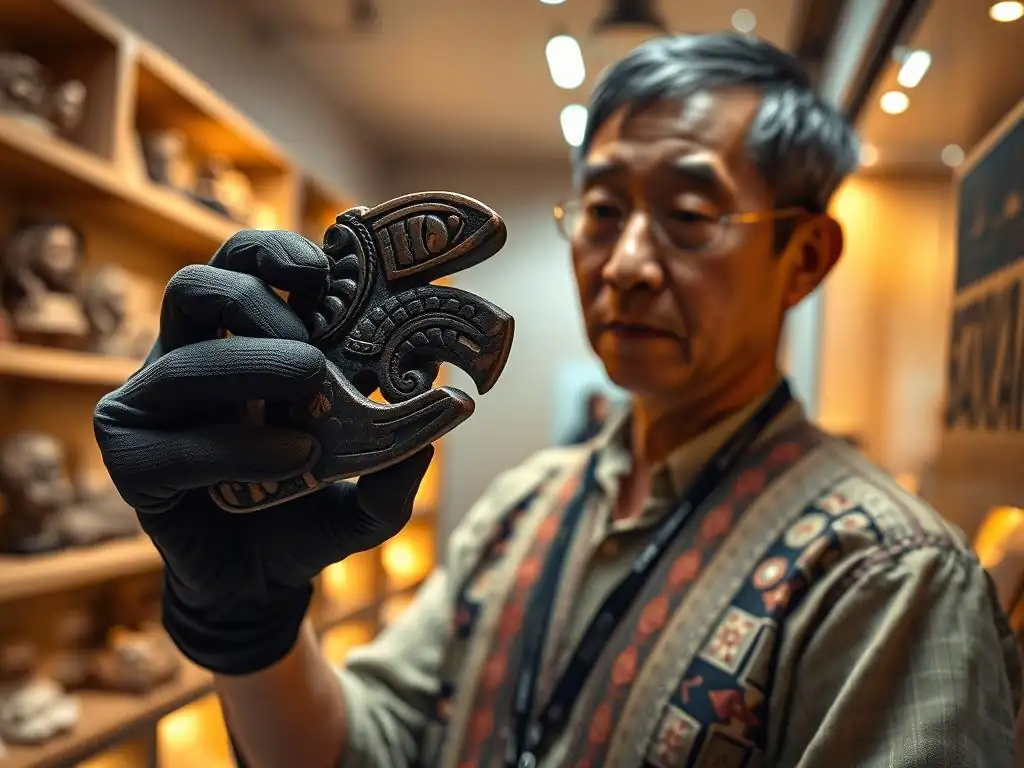
Welcome to Indigenous Civilizations of the Americas, where we delve into the rich tapestry of the diverse indigenous cultures that flourished long before European contact. Here, you will embark on a journey that highlights their remarkable achievements and enduring legacies. In our featured article, "Preserving the Past: The Challenges of Maintaining Indigenous Artifacts in Museums," we explore the vital efforts to safeguard these invaluable treasures and the complex narratives they carry.
Join us as we uncover the stories behind the artifacts and the ongoing challenges of preservation that are essential to honoring these ancient civilizations. Prepare to be captivated and informed as you navigate through the depths of history and culture that shape the Americas today!
Introduction to Indigenous Artifacts in Museums
The preservation of indigenous artifacts in museums is a crucial aspect of cultural heritage conservation. These artifacts serve as vital links to the histories, traditions, and identities of indigenous peoples across the Americas. However, maintaining these treasures poses a range of challenges that stem from environmental factors, human intervention, and the evolving role of technology. This article aims to explore these challenges while emphasizing the importance of preserving indigenous artifacts and understanding the rich cultures they represent.
Importance of Preserving Indigenous Artifacts
Preserving indigenous artifacts is essential for several reasons:
- Cultural Identity: Artifacts embody the cultural heritage and identity of indigenous communities, providing insight into their beliefs, practices, and social structures.
- Educational Value: Museums serve as educational platforms where visitors can learn about the diverse histories and contributions of indigenous peoples.
- Historical Record: Artifacts are crucial for understanding the past, particularly in the context of colonization and its impacts on indigenous societies.
By safeguarding these items, museums not only protect a community's history but also foster a greater appreciation for their cultural significance among broader audiences.
Overview of Indigenous Cultures and Their Artifacts
Indigenous cultures in the Americas are incredibly diverse, each with its own unique traditions, languages, and artifacts. Common types of artifacts include:
- Pottery: Often adorned with intricate designs, pottery serves both functional and ceremonial purposes.
- Textiles: Weaving techniques vary by region, with textiles conveying stories and cultural significance.
- Tools and Weapons: These items reflect the ingenuity and adaptability of indigenous peoples in their environments.
Understanding these cultures and their artifacts is fundamental for museums aiming to present an accurate and respectful portrayal of indigenous histories.
The Challenges of Preserving Indigenous Artifacts in Museums
Despite the efforts made to preserve indigenous artifacts, numerous challenges arise that threaten their integrity and longevity.
Environmental Factors Affecting Indigenous Artifacts
Artifacts are vulnerable to various environmental conditions, including:
- Temperature and Humidity: Fluctuations can lead to degradation, particularly for organic materials such as textiles and wood.
- Light Exposure: Prolonged exposure to light can cause fading and discoloration of artifacts.
Effective climate control and lighting management are essential in mitigating these risks to ensure the artifacts remain intact for future generations.
Human Impact on the Preservation of Artifacts
Human actions, whether intentional or accidental, can pose significant threats to artifact preservation:
- Handling and Display: Improper handling can lead to damage. Museums must implement strict protocols for artifact care and display.
- Vandalism and Theft: Sadly, artifacts can become targets for theft or vandalism, necessitating robust security measures.
Educating staff and visitors about the importance of preservation can help minimize these risks.
The Role of Technology in Preservation Efforts
Advancements in technology have transformed the landscape of artifact preservation. Key innovations include:
- Digital Archiving: Creating digital records of artifacts helps preserve their details while minimizing physical handling.
- Environmental Monitoring Systems: These systems allow museums to track and manage the conditions in which artifacts are stored and displayed.
Through the integration of technology, museums can enhance their preservation efforts, ensuring that indigenous artifacts continue to be a source of cultural pride and education.
Ethical Considerations in Preserving Indigenous Artifacts
Preserving indigenous artifacts in museums involves a complex interplay of ethical considerations that must be navigated with sensitivity and respect. Artifacts are not merely objects; they often hold profound spiritual, historical, and cultural significance for the communities from which they originate. As such, the ethical frameworks guiding their preservation must prioritize these communities' rights and perspectives.
One of the primary ethical dilemmas is the question of ownership. Many artifacts were taken during periods of colonization or conflict, often without the consent of the indigenous peoples. Museums must grapple with the implications of this history and consider how to address the injustices associated with the acquisition of these items. Furthermore, there is an ongoing debate about whether museums should return artifacts to their rightful owners, a process known as repatriation, which can involve lengthy negotiations and legal challenges.
Additionally, ethical considerations extend to the methods of conservation and display. Museums must ensure that the techniques used do not damage the artifacts or misrepresent their cultural contexts. Involving indigenous voices in these decisions is crucial to honor the significance of the artifacts and their stories.
Ownership and Cultural Significance of Artifacts
The ownership of indigenous artifacts often reflects a history of colonialism and dispossession. Many items in museum collections were acquired through means that are now recognized as unethical, such as looting or coercive agreements. For indigenous communities, these artifacts carry deep cultural significance, representing ancestral heritage, spiritual beliefs, and the continuity of tradition.
This cultural significance demands that museums approach ownership questions with care and respect. Understanding the narratives behind each artifact is essential in recognizing its value beyond mere historical interest. Many tribes and communities view these items as living ancestors or sacred objects, integral to their identity and practices. Therefore, the question of ownership is not just legal but also deeply emotional and cultural.
Engaging with indigenous communities to discuss the importance of these artifacts can foster a more equitable relationship between museums and the cultures they represent. This dialogue can lead to a better understanding of the community's desire for recognition and, in some cases, the return of their cultural heritage.
Collaboration with Indigenous Communities
An essential aspect of preserving indigenous artifacts in museums is collaboration with the communities from which these items originate. Museums can benefit greatly from the knowledge and perspectives of indigenous peoples, who can provide context that enhances the understanding and appreciation of the artifacts.
Collaborative efforts may include co-curation of exhibitions, where indigenous representatives work alongside museum staff to create displays that accurately reflect their culture and history. Such partnerships can also extend to conservation practices, where traditional knowledge informs preservation techniques that are more suited to the artifacts’ cultural contexts.
Moreover, this collaboration can foster trust and healing between museums and indigenous communities. By actively involving these communities in decision-making processes, museums can demonstrate their commitment to ethical stewardship and respect for indigenous rights. This approach not only enriches the museum experience for visitors but also honors the living cultures that these artifacts represent.
Legal Frameworks Surrounding Indigenous Artifacts
The legal landscape concerning the preservation of indigenous artifacts is diverse and often complex. Various laws and regulations exist at national and international levels that govern the ownership, repatriation, and preservation of these items. In the United States, for instance, the Native American Graves Protection and Repatriation Act (NAGPRA) provides guidelines for the return of ancestral remains and sacred objects to indigenous tribes.
Internationally, conventions such as the UNESCO Convention on the Means of Prohibiting and Preventing the Illicit Import, Export, and Transfer of Ownership of Cultural Property emphasize the importance of protecting cultural heritage. However, legal frameworks can vary significantly across regions, leading to challenges in enforcement and compliance.
Museums must navigate these legalities with care, ensuring adherence to relevant laws while also advocating for the rights of indigenous communities. This often involves legal consultation and collaboration with indigenous leaders to develop policies that respect both legal obligations and cultural significance.
Best Practices for Preserving Indigenous Artifacts in Museums
To effectively preserve indigenous artifacts in museums, several best practices should be implemented. These practices not only enhance the longevity of the items but also honor the cultures from which they originate.
Conservation Techniques for Indigenous Artifacts
Conservation techniques for indigenous artifacts must be tailored to the specific materials and cultural contexts of the items. For example, organic materials like textiles or wooden objects require specialized treatment to prevent deterioration from environmental factors such as humidity and light exposure.
Preventative conservation strategies, such as controlled climate conditions and appropriate storage solutions, are crucial in maintaining the integrity of artifacts. Additionally, ongoing assessments and documentation of the artifacts’ condition can help identify potential issues before they become severe problems.
Involving indigenous conservators or those trained in traditional practices can also enhance preservation efforts, as they may offer insights into culturally appropriate methods for maintaining the artifacts. This collaboration ensures that conservation techniques respect the cultural significance of the items while effectively preserving them for future generations.
Proper Display Methods to Enhance Longevity
The way indigenous artifacts are displayed in museums plays a significant role in their preservation. Proper display methods should prioritize the safety and longevity of the items while educating visitors about their cultural contexts.
Utilizing materials that do not emit harmful chemicals, such as acid-free shelves and display cases, is vital in preventing damage. Additionally, limiting exposure to direct sunlight and maintaining stable temperature and humidity levels in exhibition spaces can greatly enhance the artifacts' durability.
Interactive displays should also be approached with caution. While engaging visitors is important, museums must ensure that handling of artifacts is limited to prevent wear and tear. Incorporating digital technology, such as virtual reality experiences or interactive screens, can provide immersive learning opportunities without jeopardizing the physical integrity of the artifacts.
Education and Training for Museum Staff
Education and training for museum staff are critical components of effectively preserving indigenous artifacts. Staff members must be educated not only in conservation techniques but also in the cultural significance of the items they are responsible for.
Training programs should include workshops led by indigenous community members, offering staff insights into the cultural histories and meanings associated with the artifacts. This knowledge empowers museum professionals to make informed decisions regarding conservation, display, and community engagement.
Furthermore, ongoing professional development opportunities should be provided to keep staff updated on best practices, ethical considerations, and evolving legal frameworks. By fostering a culture of continuous learning, museums can ensure that their approaches to preserving indigenous artifacts are informed, respectful, and effective.
Case Studies: Successful Preservation of Indigenous Artifacts
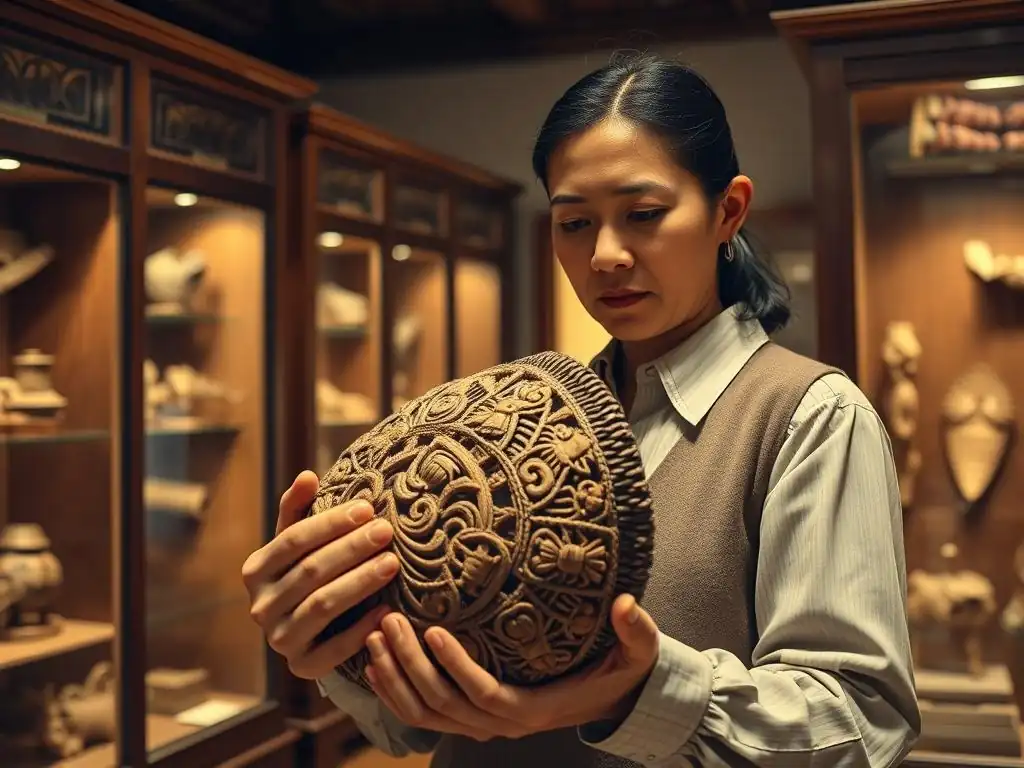
Preserving indigenous artifacts in museums requires not only careful handling and storage but also a deeper understanding of the cultural significance these items hold. Several museums around the world have implemented successful strategies that serve as case studies in this important field. These examples highlight the importance of collaboration, respect, and innovative practices in preserving indigenous heritage.
Case Study 1: The NMAI's Repatriation Efforts
The National Museum of the American Indian (NMAI) in the United States has set a benchmark for repatriation efforts. Established in 1989, the NMAI focuses on honoring the cultural heritage of Native Americans through the return of artifacts to their rightful communities.
- Community Collaboration: The NMAI collaborates closely with indigenous communities to identify artifacts that hold cultural significance. This partnership fosters trust and ensures that the artifacts are preserved in a context that respects their cultural narratives.
- Educational Programs: The museum also offers educational programs that highlight the importance of these artifacts, emphasizing their role in contemporary indigenous identity. This approach helps to raise awareness of the challenges faced by indigenous cultures and the significance of their heritage.
- Successful Repatriation: Over the years, the NMAI has successfully repatriated thousands of items, allowing communities to reclaim their heritage and use these artifacts in cultural ceremonies and education.
Case Study 2: The Australian Museum's Indigenous Collection
The Australian Museum has taken significant strides in the preservation and display of its Indigenous collection, which showcases the rich cultural heritage of Aboriginal and Torres Strait Islander peoples.
- Culturally Sensitive Exhibition: The museum has transformed its approach to exhibitions by involving Indigenous representatives in the curation process. This allows for a culturally sensitive presentation that honors the stories and meanings behind the artifacts.
- Conservation Techniques: The museum employs innovative conservation techniques that prioritize the materials and methods traditional to indigenous cultures. This not only preserves the artifacts but also respects their origins.
- Community Engagement: The museum hosts workshops and events that engage Indigenous communities, fostering a sense of ownership and pride in the artifacts. This has strengthened the relationship between the museum and the communities it represents.
Lessons Learned from Successful Preservation Efforts
The successes of the NMAI and the Australian Museum offer valuable lessons for other institutions aiming to preserve indigenous artifacts:
- Collaboration is Key: Engaging with indigenous communities is crucial. Their insights and perspectives provide context that can significantly enhance preservation efforts.
- Cultural Significance Matters: Understanding the cultural narratives associated with artifacts is essential in determining how they should be preserved and displayed.
- Adaptation and Innovation: Utilizing modern technology and innovative conservation methods can enhance preservation while respecting traditional practices.
Future Directions in Preserving Indigenous Artifacts
As the field of museum studies evolves, new approaches and innovations are emerging to better preserve indigenous artifacts. These future directions focus on technological advancements, community involvement, and the role of museums in cultural revitalization.
Innovations in Preservation Technology
The use of cutting-edge technology has revolutionized the preservation of indigenous artifacts.
- Digital Archiving: Museums are increasingly relying on digital archiving to create comprehensive records of artifacts. This not only preserves the details of the artifacts but also makes them accessible for research and education.
- 3D Scanning and Printing: Techniques such as 3D scanning allow museums to create replicas of artifacts, which can be displayed while the originals are preserved in controlled environments. This approach reduces wear and tear on the original items while still sharing their significance with the public.
- Climate Control Systems: Advanced climate control technologies help maintain optimal conditions for the storage and display of artifacts, mitigating risks posed by environmental factors.
Increasing Indigenous Participation in Museums
A growing emphasis on increasing indigenous participation in museums is reshaping the preservation landscape.
- Advisory Committees: Many museums are forming advisory committees composed of indigenous representatives to guide decisions regarding the care and display of artifacts.
- Cultural Training for Staff: Training museum staff in cultural sensitivity and indigenous history equips them to handle artifacts appropriately and respectfully.
- Collaborative Exhibitions: Museums are beginning to co-curate exhibitions with indigenous communities, allowing for authentic storytelling and representation.
The Role of Museums in Cultural Revitalization
Museums play a vital role in the cultural revitalization of indigenous communities.
- Cultural Education: By providing educational resources and programs, museums can help revive traditional practices and languages, fostering a sense of identity and pride within indigenous communities.
- Community Spaces: Museums are evolving into community spaces where cultural events, workshops, and storytelling sessions take place, further strengthening cultural bonds.
- Advocacy: Museums can act as advocates for indigenous rights and heritage, working to ensure that the voices of indigenous peoples are heard in broader discussions about cultural preservation.
Preserving indigenous artifacts in museums is an ongoing journey that requires sensitivity, innovation, and collaboration. By learning from successful case studies and embracing new technologies and community involvement, museums can ensure that these important cultural treasures are respected and preserved for future generations.
Conclusion
The preservation of indigenous artifacts in museums is a multifaceted challenge that necessitates a dedicated and nuanced approach. These artifacts are not merely objects but embody the rich histories, cultures, and identities of the indigenous peoples of the Americas. Addressing the challenges faced in their preservation requires collaboration among museums, indigenous communities, and conservation experts. By emphasizing the importance of cultural sensitivity, proper conservation techniques, and community engagement, we can ensure that these invaluable artifacts are preserved for future generations.
Recap of Challenges and Solutions in Preserving Indigenous Artifacts
The journey of preserving indigenous artifacts is fraught with several challenges, including:
- Environmental Factors: Artifacts are vulnerable to environmental conditions such as humidity, temperature fluctuations, and light exposure.
- Solution: Implementing controlled climate environments in museum storage and exhibition spaces can mitigate these risks.
- Cultural Sensitivity: Many indigenous artifacts hold spiritual significance and are not merely historical items.
- Solution: Engaging with indigenous communities to understand the cultural context and significance of artifacts can guide respectful preservation practices.
- Funding and Resources: Museums often face limitations in funding, which can restrict conservation efforts and the ability to employ specialized staff.
- Solution: Pursuing grants and partnerships with indigenous organizations can enhance resource availability for preservation projects.
- Public Awareness and Education: There is often a lack of awareness regarding the importance of indigenous artifacts and the need for their preservation.
- Solution: Educational programs and outreach initiatives can raise awareness about indigenous cultures and the significance of artifacts in telling their stories.
By addressing these challenges with effective solutions, museums can play a pivotal role in preserving indigenous artifacts and fostering a deeper understanding of the rich tapestry of indigenous cultures.
Call to Action for Museums and Communities
Museums and communities must work hand in hand to ensure the preservation of indigenous artifacts. Here are some steps that can be taken:
- Foster Partnerships: Museums should develop partnerships with indigenous communities to create collaborative preservation strategies that respect cultural values and practices.
- Invest in Training: Investing in training for museum staff on the cultural significance of indigenous artifacts can enhance their understanding and improve preservation methods.
- Engage the Public: Hosting workshops, lectures, and community events can engage the public in discussions about the importance of indigenous artifacts and the challenges of preservation.
- Advocate for Funding: Museums should advocate for increased funding from governmental bodies and private organizations to support preservation efforts, ensuring that adequate resources are available.
- Utilize Technology: Embracing technology, such as digital archiving and 3D scanning, can provide new avenues for preserving artifacts while making them accessible to a wider audience.
By taking these actions, both museums and communities can ensure that the rich heritage of indigenous peoples is preserved and respected, allowing future generations to connect with and learn from their cultural legacies.
- Introduction to Indigenous Artifacts in Museums
- The Challenges of Preserving Indigenous Artifacts in Museums
- Ethical Considerations in Preserving Indigenous Artifacts
- Best Practices for Preserving Indigenous Artifacts in Museums
- Case Studies: Successful Preservation of Indigenous Artifacts
- Future Directions in Preserving Indigenous Artifacts
- Conclusion
Frequently Asked Questions
What are indigenous artifacts?
Indigenous artifacts are physical items created by Indigenous peoples, reflecting their culture, history, and artistic achievements. These can include tools, clothing, pottery, and ceremonial objects.
Why is it important to preserve indigenous artifacts?
Preserving indigenous artifacts is crucial for cultural heritage, understanding historical contexts, and honoring the traditions and identities of Indigenous peoples. It helps maintain a connection to the past.
What challenges do museums face in preserving indigenous artifacts?
Museums encounter challenges such as environmental factors, funding limitations, and the need for culturally sensitive practices when displaying and maintaining indigenous artifacts, which can affect their preservation efforts.
How can museums improve the preservation of indigenous artifacts?
Museums can enhance preservation by collaborating with Indigenous communities, adopting best conservation practices, and ensuring that cultural context is respected in their exhibits and preservation methods.
What role do Indigenous communities play in the preservation of artifacts?
Indigenous communities are vital for the authentic interpretation of their artifacts. Their involvement ensures that preservation efforts align with their cultural values and historical narratives.
Final Reflection: The Importance of Preserving Indigenous Artifacts in Museums
The preservation of indigenous artifacts in museums is not just a matter of maintaining physical objects; it is a vital act of honoring and respecting the cultures and histories they represent. As we navigate an increasingly globalized world, the challenges of preserving these artifacts become more pronounced, highlighting the urgent need for ethical stewardship and collaborative practices. The stories embedded in these objects are not merely relics of the past; they are living narratives that continue to shape identities and communities today.
Cultural heritage is a bridge that connects us to our past, and the ongoing dialogue surrounding indigenous artifacts serves as a reminder of our shared responsibility to protect these legacies. The impact of this topic resonates deeply within our society, as it prompts us to confront historical injustices and consider the voices that have been marginalized. As the renowned indigenous scholar Vine Deloria Jr. once said, The past is not dead; it is not even past.
This sentiment underscores the necessity of integrating indigenous perspectives into museum practices, ensuring that these artifacts are not only preserved but also celebrated within their rightful context.
As we reflect on the significance of preserving indigenous artifacts in museums, I invite you to consider your role in this ongoing journey. How can you contribute to the appreciation and protection of cultural heritage in your community? Whether through advocacy, education, or simply by engaging with these stories, each of us has the power to foster a deeper understanding of the past and its relevance to our present and future. Let us commit to honoring these artifacts not just as museum pieces, but as vital expressions of identity and resilience that deserve our respect and care.
Embrace and Protect Indigenous Heritage Today!
Thank you for exploring the fascinating world of Indigenous artifacts and the significant challenges associated with their preservation. Your commitment to understanding these vital pieces of history is a crucial step toward honoring and safeguarding cultural heritage. Now, let’s transform that awareness into meaningful action!
Here are some impactful ways you can contribute:
- Support local Indigenous artists by purchasing their work or attending exhibitions, helping to keep their traditions alive.
- Share this article on social media to raise awareness about the importance of preserving Indigenous artifacts and the cultures they embody.
- Volunteer or donate to organizations dedicated to the preservation of Indigenous culture, ensuring that these rich legacies thrive for future generations.
What steps will you take today to ensure that Indigenous stories and traditions flourish in our communities?