
The Future of Indigenous Legal Protections: Challenges and Opportunities Ahead

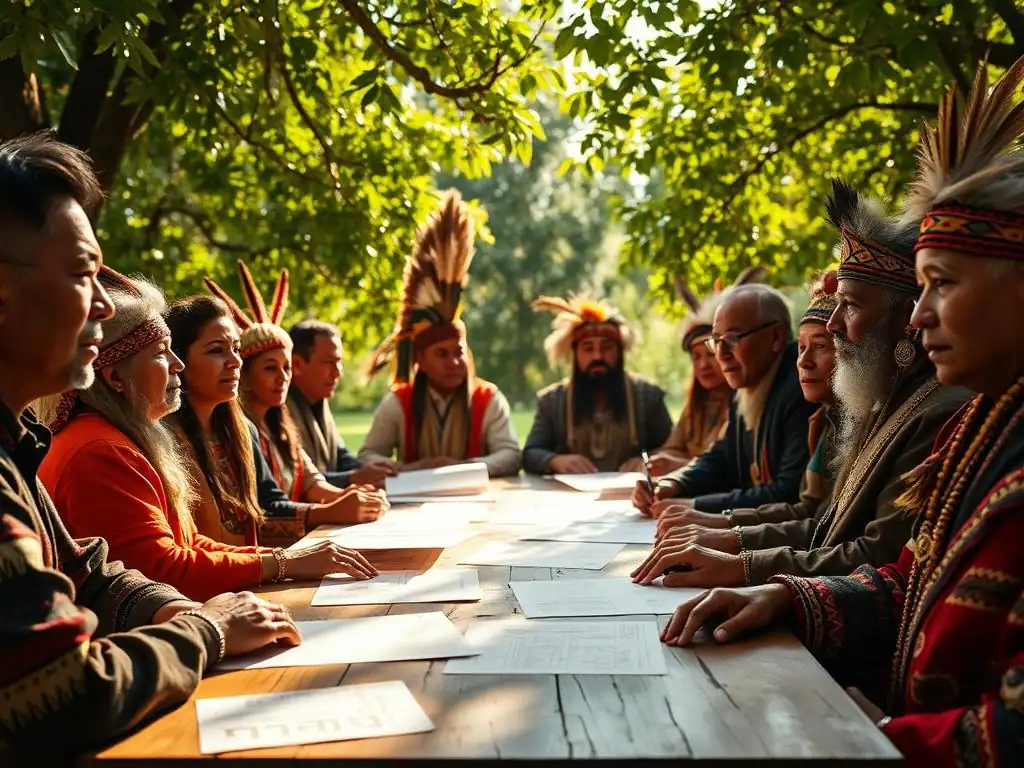
Welcome to Indigenous Civilizations of the Americas, where we embark on a captivating journey through the rich tapestry of cultures that flourished long before European contact. In our featured article, "The Future of Indigenous Legal Protections: Challenges and Opportunities Ahead," we delve into the intricate landscape of indigenous legal protections challenges, examining both the hurdles these communities face and the innovative solutions emerging in response. As you explore the depth of these civilizations and their remarkable achievements, prepare to uncover the stories and insights that shape their ongoing legacy. Your exploration begins here—let the journey inspire you!
Introduction to Indigenous Legal Protections
The landscape of Indigenous legal protections is a complex and evolving field, reflecting both the rich heritage of Indigenous cultures and the ongoing struggles for recognition and rights within the legal frameworks of various nations. As we delve into the future of these protections, it becomes crucial to understand not only the current state of Indigenous legal rights but also the historical context that has shaped them.
This article will explore the myriad challenges faced by Indigenous communities regarding legal protections, while also highlighting the opportunities for advocacy and reform that lie ahead. By examining these aspects, we can gain a deeper understanding of how to support and enhance Indigenous legal protections, ensuring that the voices and rights of Indigenous peoples are upheld in a rapidly changing world.
Overview of Indigenous Legal Protections
Indigenous legal protections encompass a wide range of rights, laws, and regulations designed to safeguard the cultural, social, and economic interests of Indigenous peoples. These protections are critical in addressing historical injustices and promoting self-determination. Notably, they often include:
- Land Rights: Legal recognition of Indigenous territories and stewardship over ancestral lands.
- Cultural Heritage Protection: Safeguarding traditional practices, languages, and customs.
- Political Representation: Ensuring Indigenous voices are included in decision-making processes.
The effectiveness of these protections can vary significantly between different regions and jurisdictions, often influenced by local laws and international treaties.
Importance of Legal Protections for Indigenous Cultures
Legal protections play a fundamental role in preserving Indigenous cultures and communities. They not only affirm the rights of Indigenous peoples but also foster respect for their unique identities and contributions to society. Specifically, these protections:
- Promote the sustainability of Indigenous languages and traditions.
- Facilitate access to resources necessary for cultural practices.
- Empower communities to assert their rights and advocate for their needs.
Understanding the significance of these legal safeguards is essential for recognizing the ongoing impact of colonization and the importance of rectifying historical wrongs.
Historical Context of Indigenous Legal Frameworks
The historical context of Indigenous legal frameworks reveals a legacy of colonialism and marginalization. Legal systems have often been used to undermine Indigenous sovereignty, resulting in a complex interplay of rights and regulations. Key historical milestones include:
- Treaties: Agreements that have often been broken or ignored, leading to disputes over land and resources.
- Legal Recognition: The gradual acknowledgment of Indigenous rights through landmark cases and legislation, such as the United Nations Declaration on the Rights of Indigenous Peoples (UNDRIP).
- Cultural Resilience: Despite oppressive legal systems, many Indigenous communities have maintained their cultural practices and continue to fight for recognition and rights within these frameworks.
Current Challenges Facing Indigenous Legal Protections
Despite the progress made in establishing Indigenous legal protections, numerous challenges persist that hinder their effectiveness and implementation.
Systemic Barriers to Effective Legal Protections
Systemic barriers, such as institutional racism and inadequate legal representation, significantly impede Indigenous communities' access to justice. These barriers manifest in various ways, including:
- Limited access to legal resources: Many Indigenous peoples face financial and logistical challenges in navigating legal systems.
- Discriminatory practices: Bias within legal institutions can undermine the legitimacy of Indigenous claims and rights.
Impact of Government Policies on Indigenous Rights
Government policies often dictate the extent to which Indigenous rights are recognized and enforced. Changes in administration or policy priorities can lead to significant shifts in the legal landscape, impacting:
- Resource allocation: Funding for Indigenous programs may fluctuate, affecting community stability.
- Legal recognition: New regulations can either strengthen or weaken existing protections, creating uncertainty.
Socioeconomic Factors Affecting Indigenous Legal Protections
Socioeconomic disparities profoundly affect Indigenous communities' ability to advocate for their rights. Key factors include:
- Poverty and unemployment: Limited economic opportunities can restrict access to legal representation and advocacy.
- Education and awareness: Disparities in education can hinder Indigenous peoples' understanding of their legal rights and available protections.
Environmental Challenges and Indigenous Land Rights
Environmental issues pose significant challenges to Indigenous land rights, particularly in the context of climate change and resource extraction. These challenges include:
- Land degradation: Industrial activities often compromise the integrity of traditional lands, threatening cultural heritage.
- Climate change impacts: Rising sea levels and extreme weather events disproportionately affect Indigenous communities, making legal protections crucial for their survival and resilience.
While the future of Indigenous legal protections presents numerous challenges, it also offers opportunities for transformative change. By addressing these issues collectively, we can work toward a more just and equitable legal framework that respects and uplifts Indigenous voices and rights.
Opportunities for Strengthening Indigenous Legal Protections
Indigenous legal protections are essential for the preservation of cultures, languages, and traditional practices. As societies evolve and the conversation around rights and recognition continues, there are numerous opportunities to enhance these protections. A combination of emerging legal frameworks, international advocacy, and community-driven initiatives can provide a robust foundation for strengthening Indigenous rights.
Emerging Legal Frameworks Supporting Indigenous Rights
In recent years, various legal frameworks have emerged that focus specifically on Indigenous rights. For instance, the United Nations Declaration on the Rights of Indigenous Peoples (UNDRIP) has gained traction, providing a global standard for the treatment of Indigenous populations. Countries such as Canada and New Zealand have begun to incorporate UNDRIP into their domestic laws, creating pathways for legal recognition and protection of Indigenous rights.
Additionally, local legislation is evolving to better reflect the needs and aspirations of Indigenous communities. For example, some U.S. states have enacted laws that recognize tribal sovereignty and facilitate greater self-governance. These frameworks offer Indigenous peoples the tools to advocate for their rights while ensuring that their voices are heard in legislative processes.
Role of International Law in Indigenous Legal Protections
International law plays a critical role in advancing Indigenous legal protections. Instruments such as the International Labour Organization (ILO) Convention No. 169 and various human rights treaties underscore the importance of recognizing and protecting Indigenous rights on a global scale. These legal frameworks create pressure on nations to align their policies with international standards, offering Indigenous communities a platform to assert their rights.
Furthermore, the involvement of international bodies can amplify Indigenous voices in negotiations and discussions about land, resources, and cultural heritage. By utilizing these international legal tools, Indigenous communities can better advocate for their rights and influence domestic policies that impact their lives.
Grassroots Movements and Community Advocacy
Grassroots movements have emerged as powerful advocates for Indigenous legal protections. Communities across the Americas have mobilized to fight against injustices, often leveraging social media and other platforms to raise awareness about their struggles. These movements not only focus on immediate legal issues but also emphasize the importance of cultural preservation and the revitalization of Indigenous languages.
The success of grassroots initiatives can be seen in various court cases where Indigenous groups have challenged governmental decisions that threaten their rights. By uniting and advocating for their interests, these communities can create significant pressure on policymakers to recognize and implement legal protections.
Technological Innovations Supporting Legal Access for Indigenous Peoples
Technology is increasingly playing a pivotal role in enhancing legal access for Indigenous peoples. Digital platforms provide resources and information about legal rights, enabling communities to navigate complex legal systems more effectively. Moreover, online advocacy tools allow Indigenous groups to connect with allies and share their stories, fostering greater awareness and support.
Telecommunication technologies can also enable remote legal consultations, making it easier for Indigenous communities in isolated areas to access legal expertise. By embracing these technological innovations, Indigenous peoples can enhance their legal standing and ensure their rights are upheld more effectively.
Case Studies on Indigenous Legal Protections
Case studies offer valuable insights into both successful and failed initiatives related to Indigenous legal protections. By examining these examples, we can identify best practices as well as the challenges that lie ahead.
Successful Examples of Indigenous Legal Protections
One notable case of success is the establishment of land rights for the Māori in New Zealand. Through a series of settlements, the government has recognized the historical grievances of the Māori people, leading to significant land returns and financial compensation. This model illustrates how dialogue and negotiation can lead to positive outcomes for Indigenous communities.
Similarly, the recognition of the Sámi people in Norway, Sweden, and Finland has resulted in the establishment of the Sámi Parliament, which grants the Sámi representation in governmental affairs. This case demonstrates the potential for Indigenous self-governance and legal recognition to thrive when supported by political will and commitment from state authorities.
Lessons Learned from Failed Legal Initiatives
Despite successes, there have been numerous failed legal initiatives that serve as cautionary tales. For instance, many Indigenous land claims in the United States have faced legal challenges and setbacks due to complex bureaucratic processes and the prioritization of economic interests over Indigenous rights. These failures highlight the need for a more equitable legal framework that prioritizes Indigenous voices in decision-making.
Additionally, the lack of adequate legal funding and resources for Indigenous communities can hinder their ability to pursue legal challenges effectively. Recognizing these barriers is crucial for developing strategies to overcome them and ensuring that Indigenous legal protections are meaningful and enforceable.
Comparative Analysis of Indigenous Legal Protections in Different Regions
A comparative analysis of Indigenous legal protections across various regions reveals significant disparities in how rights are recognized and enforced. In North America, for example, the U.S. has a history of treaties that often remain unfulfilled, while Canada has made strides in incorporating Indigenous rights into its legal framework through landmark Supreme Court decisions.
In contrast, Latin American countries like Bolivia and Ecuador have constitutional provisions that explicitly recognize Indigenous rights, leading to greater political representation and land rights. This diversity in legal recognition underscores the importance of context-specific approaches to Indigenous legal protections.
By examining these differences, we can better understand the challenges and opportunities that exist for Indigenous communities worldwide as they strive for legal recognition and protection of their rights.
The Role of Education in Advancing Indigenous Legal Protections
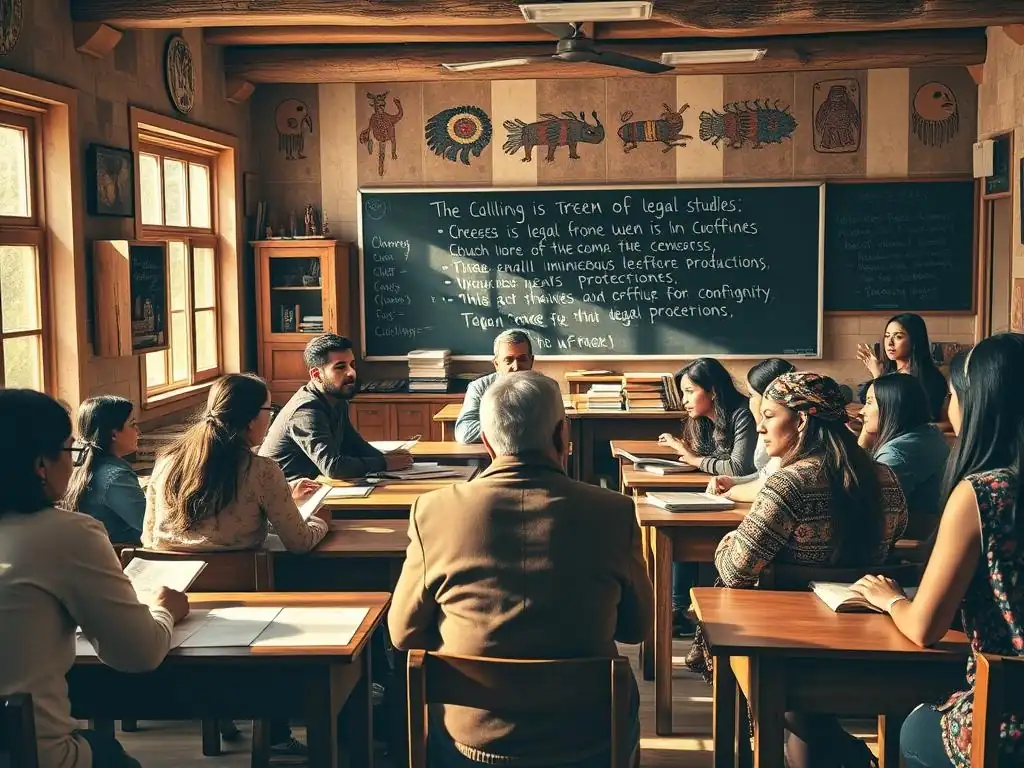
Education plays a pivotal role in enhancing Indigenous legal protections by equipping communities with the knowledge and tools necessary to navigate legal frameworks effectively. As Indigenous peoples strive to uphold their rights, understanding the law becomes crucial in advocating for their interests and preserving their cultures. Through education, individuals gain awareness of their legal rights, enabling them to challenge injustices and advocate for policy changes that benefit their communities. Furthermore, education fosters a sense of empowerment, encouraging Indigenous individuals to take active roles in legal processes and negotiations.
Importance of Legal Literacy Among Indigenous Communities
Legal literacy is essential for Indigenous communities as it serves as a foundation for effectively engaging with legal systems and advocating for their rights. Many Indigenous peoples face systemic barriers that can prevent them from accessing legal resources or understanding their rights within a complex legal landscape. By promoting legal literacy, communities can demystify legal processes, reduce dependency on external legal aid, and cultivate a sense of agency in addressing their issues. This empowerment fosters resilience and self-determination, allowing Indigenous peoples to push back against injustices and advocate for their legal protections effectively.
Educational Programs Focused on Indigenous Rights
Educational programs that focus on Indigenous rights are critical in advancing legal protections. These initiatives often include workshops, seminars, and courses designed to teach Indigenous individuals about their rights under national and international law, including treaties and land claims. Programs can collaborate with universities, non-profits, and legal organizations to provide comprehensive training that addresses specific legal issues faced by Indigenous communities. For instance, programs that incorporate traditional knowledge alongside modern legal frameworks can create a more inclusive educational experience, ensuring that Indigenous perspectives are represented and valued.
Collaboration Between Legal Experts and Indigenous Leaders
Collaboration between legal experts and Indigenous leaders is vital for creating effective strategies to advance Indigenous legal protections. Such partnerships facilitate the sharing of knowledge and resources, fostering a deeper understanding of both the legal landscape and the unique challenges faced by Indigenous communities. Legal experts can provide insights into the intricacies of laws and regulations, while Indigenous leaders can offer contextual knowledge about their communities' needs and aspirations. Together, they can develop comprehensive advocacy plans, draft legislation, and engage in meaningful dialogue with policymakers to ensure that Indigenous voices are heard and considered in legal reforms.
Future Directions for Indigenous Legal Protections
The future of Indigenous legal protections is marked by both challenges and opportunities that require strategic foresight and collaborative efforts. As societal awareness of Indigenous rights continues to grow, so too does the potential for significant legal reforms and policy changes that can enhance protections for Indigenous peoples. Focusing on innovative solutions can pave the way for a more equitable legal landscape that respects and acknowledges Indigenous sovereignty and self-determination.
Potential Legal Reforms and Policy Changes
Potential legal reforms and policy changes could significantly impact Indigenous legal protections. For example, revisiting treaties and land agreements to ensure they reflect contemporary realities can foster better relationships between Indigenous communities and governments. Additionally, strengthening laws that protect Indigenous lands and resources from exploitation can create a more secure environment for cultural preservation. Advocacy for the recognition of Indigenous legal systems and practices within formal legal frameworks can also be a transformative step toward achieving justice and equity for Indigenous peoples.
Building Alliances for Stronger Indigenous Advocacy
Building alliances with various stakeholders, including non-governmental organizations, academic institutions, and civil society groups, is essential for stronger Indigenous advocacy. These alliances can amplify the voices of Indigenous communities and create a united front in pushing for legal protections. Collaborative campaigns can raise awareness about Indigenous rights and mobilize public support for policy changes. Furthermore, partnerships with international organizations can provide Indigenous communities with platforms to advocate for their rights on a global scale, drawing attention to their challenges and achievements.
Vision for Sustainable Indigenous Legal Protections
A sustainable approach to Indigenous legal protections envisions a future where Indigenous peoples have full autonomy over their legal systems and cultural practices. This vision includes the recognition of Indigenous sovereignty, allowing communities to self-govern and manage their resources according to their values and traditions. Implementing education and capacity-building initiatives can empower Indigenous communities to actively participate in legal processes and negotiations. Ultimately, sustainable Indigenous legal protections will create an environment where Indigenous cultures can thrive, ensuring that future generations inherit a legacy of rights, respect, and resilience.
Conclusion
The landscape of Indigenous legal protections is complex and ever-evolving. As we advance into the future, it is essential to recognize both the significant challenges and the promising opportunities that lie ahead for Indigenous communities. The preservation of Indigenous rights and cultures requires a concerted effort from all sectors of society, including governmental bodies, non-profit organizations, and the general public. By understanding the unique challenges faced by Indigenous peoples and actively working towards solutions, we can help to ensure that their rights are respected and upheld.
Recap of Challenges and Opportunities Ahead
Indigenous legal protections are currently at a crossroads, facing numerous challenges that threaten their effectiveness. Key issues include:
- Systemic Discrimination: Indigenous communities often encounter institutional biases that hinder their access to justice and legal representation.
- Resource Limitations: Many Indigenous nations lack the financial resources necessary to mount legal challenges or advocate for their rights effectively.
- Fragmented Legal Frameworks: The inconsistencies in laws and policies across different jurisdictions can create obstacles for Indigenous peoples seeking to assert their rights.
Despite these challenges, there are significant opportunities for advancing Indigenous legal protections:
- Increased Awareness and Education: There is a growing recognition of Indigenous issues among the broader public, which can lead to greater advocacy and support.
- Legal Reforms: Initiatives aimed at reforming outdated laws can provide a pathway to stronger legal protections for Indigenous rights.
- Alliances and Solidarity: Building coalitions with non-Indigenous allies can amplify Indigenous voices and increase pressure on policymakers to enact supportive measures.
Call to Action for Support and Advocacy in Indigenous Legal Protections
To effect meaningful change in the realm of Indigenous legal protections, it is crucial for individuals and organizations to engage actively in advocacy efforts. Here are some actionable steps:
- Educate Yourself and Others: Take the initiative to learn about the history, cultures, and legal challenges faced by Indigenous communities. Share this knowledge within your networks to foster understanding and support.
- Support Indigenous Organizations: Contribute to or volunteer with organizations that work to protect Indigenous rights and promote legal reforms. Your support can help amplify their efforts.
- Engage in Advocacy: Contact your local representatives and advocate for policies that strengthen Indigenous legal protections. Whether it’s signing petitions or participating in campaigns, every action counts.
- Promote Cultural Awareness: Attend events or workshops that celebrate Indigenous cultures and traditions. This not only enriches your understanding but also demonstrates solidarity with Indigenous communities.
By taking these steps, you can contribute to a future where Indigenous legal protections are robust, respected, and reflective of the rights and needs of Indigenous peoples across the Americas.
- Introduction to Indigenous Legal Protections
- Current Challenges Facing Indigenous Legal Protections
- Opportunities for Strengthening Indigenous Legal Protections
- Case Studies on Indigenous Legal Protections
- The Role of Education in Advancing Indigenous Legal Protections
- Future Directions for Indigenous Legal Protections
- Conclusion
- What are the main challenges facing Indigenous legal protections today?
- How can Indigenous communities overcome these challenges?
- What opportunities exist for enhancing Indigenous legal protections?
- How does European colonization affect current Indigenous legal protections?
- Why is it important to address Indigenous legal protections challenges?
Frequently Asked Questions
What are the main challenges facing Indigenous legal protections today?
The main challenges include systemic discrimination, inadequate enforcement of existing laws, and ongoing land disputes that hinder the rights of Indigenous peoples.
How can Indigenous communities overcome these challenges?
Indigenous communities can work towards overcoming challenges by advocating for stronger legal frameworks, building alliances with non-Indigenous organizations, and leveraging technology for awareness and support.
What opportunities exist for enhancing Indigenous legal protections?
Opportunities include policy reforms at local and national levels, increased international support, and initiatives that promote self-governance and cultural preservation.
How does European colonization affect current Indigenous legal protections?
European colonization has led to historical injustices that continue to affect Indigenous legal protections, resulting in a legacy of marginalization and disregard for Indigenous rights.
Why is it important to address Indigenous legal protections challenges?
Addressing these challenges is crucial for ensuring justice, fostering sustainability, and recognizing the sovereignty of Indigenous peoples, which ultimately contributes to the overall health of societies.
The ongoing discourse surrounding Indigenous legal protections is more relevant than ever, as we witness an increasing awareness of the rights and sovereignty of Indigenous peoples globally. The challenges faced by Indigenous communities in securing legal protections are not just historical grievances; they are urgent issues that demand our collective attention and action. As we stand at this critical juncture, it is clear that the future of Indigenous legal protections hinges on our ability to confront these challenges head-on while seizing the opportunities that lie ahead.
The cultural and social landscape is profoundly shaped by the recognition and enforcement of Indigenous rights, which serve as a cornerstone for justice and equity in society. The ongoing struggles of Indigenous peoples to protect their lands, cultures, and legal rights resonate deeply within our collective conscience. As we reflect on these issues, we are reminded of the words of Indigenous rights advocate Winona LaDuke: The future will be about the land, and the land will be about the people.
This statement encapsulates the essence of our shared responsibility to advocate for the rights of Indigenous communities, ensuring that their voices are heard and respected in the legal arena.
As we move forward, I invite you to reflect on your role in this vital conversation. Consider how you can contribute to the advancement of Indigenous legal protections in your community and beyond. Whether through education, advocacy, or simply listening to Indigenous voices, each of us has the power to make a difference. Let us embrace the challenges and opportunities that lie ahead, working together to create a future where Indigenous rights are not only recognized but celebrated as integral to our shared humanity.
Champion Indigenous Rights Today!
Thank you for taking the time to explore the important themes surrounding Indigenous legal protections. Your interest fuels the movement for change, and together, we can create a brighter future. Now, it’s time to turn that knowledge into action!
- Engage with local Indigenous communities: Attend events or workshops to learn firsthand about their legal needs and aspirations.
- Support Indigenous-led initiatives: Find and contribute to organizations that are dedicated to advancing Indigenous rights and legal protections.
- Raise awareness on social platforms: Share your insights to inspire your network and spark meaningful conversations.
What steps will you take today to support the future of Indigenous legal protections in your community?