
The Impact of Legal Protections on Indigenous Cultural Practices and Identity

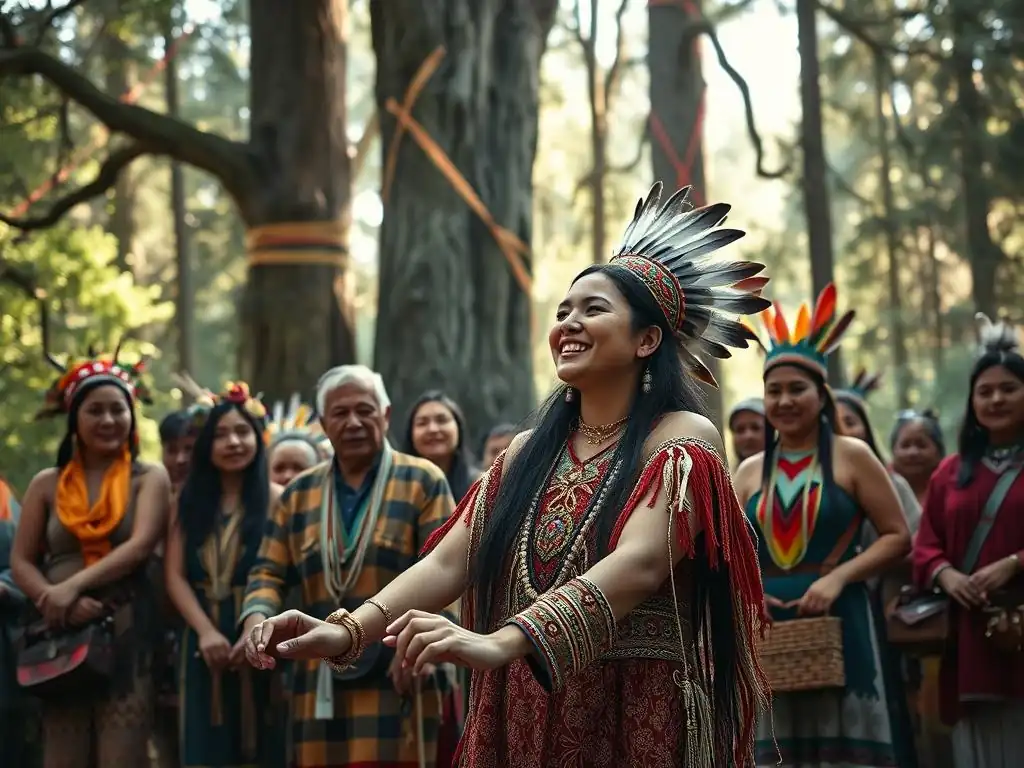
Welcome to Indigenous Civilizations of the Americas, where we invite you to embark on a journey through the rich tapestry of indigenous cultures that flourished across the continent long before European colonization. Here, you will uncover the profound achievements and societal structures that have shaped the identities of these communities. In our featured article, "The Impact of Legal Protections on Indigenous Cultural Practices and Identity," we delve into the critical topic of Indigenous cultural practices protection, examining how legal frameworks are pivotal in preserving these invaluable traditions.
Join us as we explore the enduring legacy of these civilizations and the ongoing efforts to safeguard their cultural heritage. Your exploration starts here—let's dive deeper together!
Introduction to Indigenous Cultural Practices Protection
The protection of Indigenous cultural practices is a crucial aspect of preserving the rich tapestry of traditions, languages, and identities that have flourished among Indigenous peoples across the Americas for millennia. Before the waves of European colonization reshaped the continent, Indigenous societies exhibited a vast array of cultural expressions, each unique to their distinct environments and histories.
In recent decades, there has been a growing recognition of the need to safeguard these practices through legal frameworks, ensuring that Indigenous communities can maintain their heritage and identity in the face of modern challenges. This article will explore the impact of legal protections on Indigenous cultural practices and identity, with a particular focus on the keyword Indigenous cultural practices protection.
Definition of Indigenous Cultural Practices
Indigenous cultural practices encompass a wide range of traditions, customs, and expressions that are inherent to Indigenous communities. These include:
- Artistic expressions: Traditional crafts, music, dance, and storytelling that convey cultural narratives and values.
- Spiritual and religious practices: Rituals, ceremonies, and beliefs that are integral to the spiritual life and cosmology of Indigenous peoples.
- Language: The languages spoken by Indigenous communities, which carry unique worldviews and knowledge systems.
- Traditional knowledge: Practices related to agriculture, medicine, and ecological stewardship, passed down through generations.
As these practices are deeply intertwined with the identity and worldview of Indigenous peoples, their protection is vital for cultural survival.
Importance of Protecting Indigenous Cultural Identity
The protection of Indigenous cultural identity is not only essential for the communities themselves but also for the broader society. Indigenous cultures contribute to the diversity of human experience and offer valuable perspectives on sustainability, community, and resilience. The importance of such protection can be summarized as follows:
- Cultural continuity: Legal protections help ensure that cultural practices are transmitted to future generations, preserving the unique identities of Indigenous peoples.
- Social justice: Protecting Indigenous cultural practices addresses historical injustices and promotes respect for the rights and dignity of Indigenous communities.
- Ecological knowledge: Indigenous practices often embody sustainable relationships with the environment, offering insights that can contribute to contemporary environmental challenges.
Historical Context of Legal Protections
Evolution of Legal Frameworks for Indigenous Rights
The journey toward legal recognition of Indigenous rights and protections has been complex and often fraught with challenges. Historically, many Indigenous cultures were marginalized, and their practices suppressed under colonial regimes. However, throughout the 20th and 21st centuries, various legal frameworks have evolved to address these injustices. Some key milestones include:
- United Nations Declaration on the Rights of Indigenous Peoples (UNDRIP): Adopted in 2007, it sets out the individual and collective rights of Indigenous peoples, including their cultural rights.
- National laws and policies: Many countries have enacted specific legislation aimed at protecting Indigenous cultural heritage and practices, reflecting a growing acknowledgment of Indigenous rights.
Key Legislation Impacting Indigenous Cultural Practices
Several key pieces of legislation have had a significant impact on the protection of Indigenous cultural practices. Examples include:
- The American Indian Religious Freedom Act (AIRFA) (1978): This act affirmed the rights of Native Americans to practice their traditional religions, including the use of sacred sites and objects.
- The Native American Graves Protection and Repatriation Act (NAGPRA) (1990): This legislation provides a framework for the return of ancestral remains and cultural artifacts to Indigenous communities.
These laws represent crucial steps toward recognizing and protecting the cultural practices and identities of Indigenous peoples, enabling them to reclaim and revitalize their heritage in an increasingly globalized world.
Types of Legal Protections for Indigenous Cultures
Legal protections for Indigenous cultures are essential in safeguarding the rich tapestry of traditions, languages, arts, and social practices that define Indigenous identities. These protections can be broadly categorized into international treaties and agreements, as well as national and regional laws. Each type plays a pivotal role in ensuring that Indigenous cultural practices are recognized, respected, and preserved in the face of modern pressures.
International Treaties and Agreements
International treaties and agreements serve as a framework for recognizing Indigenous rights globally. One of the most significant developments in this realm is the United Nations Declaration on the Rights of Indigenous Peoples (UNDRIP), adopted in 2007. This declaration emphasizes the right of Indigenous peoples to maintain and strengthen their distinct cultural practices and languages. It also asserts their right to participate in decision-making processes that affect their cultural heritage.
Additionally, various regional agreements, such as the ILO Convention No. 169 and the American Declaration on the Rights of Indigenous Peoples, reinforce the importance of cultural preservation. These instruments often require state parties to adopt measures protecting Indigenous cultural expressions and intellectual property, thus providing a legal basis for Indigenous communities to assert their rights.
National and Regional Laws
At the national level, many countries have implemented specific laws aimed at protecting Indigenous cultural practices. For instance, in Canada, the Indian Act recognizes certain rights of Indigenous peoples, including the protection of their cultural heritage. Similarly, in the United States, the Native American Graves Protection and Repatriation Act (NAGPRA) provides guidelines for the return of cultural items to Indigenous communities.
Regional laws can also vary significantly, reflecting the unique cultural landscapes of different areas. For example, in Australia, the Aboriginal Heritage Act protects sites of cultural significance and promotes the involvement of Indigenous people in the management of their cultural heritage. These national and regional legal frameworks are crucial in providing tangible protections for Indigenous cultural practices.
The Role of Legal Protections in Preserving Cultural Practices
Legal protections play a vital role in preserving Indigenous cultural practices by creating a safe environment where these traditions can thrive. By providing formal recognition, these laws empower Indigenous communities to engage in cultural expression without fear of appropriation or erasure. Furthermore, legal protections help facilitate the revival of endangered languages and traditional practices, which are often essential components of Indigenous identity.
How Legal Protections Support Indigenous Identity
The recognition of Indigenous cultural practices through legal protections fosters a sense of identity and belonging within Indigenous communities. When laws affirm the value of cultural expressions, they instill pride and encourage intergenerational transmission of traditions. This support is especially critical for youth, who may otherwise feel disconnected from their heritage due to external influences. Moreover, legal protections can also enable Indigenous peoples to advocate for their rights and engage in negotiations with governments and corporations regarding resource management and land use, reinforcing their cultural sovereignty.
Case Studies of Successful Cultural Preservation Initiatives
Several case studies illustrate the effectiveness of legal protections in preserving Indigenous cultural practices. One notable example is the revitalization of the Hawaiian language, which was supported by legal measures mandating its inclusion in educational curricula. The Hawaiian Language Immersion Schools program has led to a resurgence of the language among younger generations, fostering a renewed connection to cultural identity.
Another example is the successful repatriation of Indigenous artifacts in the United States, facilitated by NAGPRA. This legislation has allowed many tribes to reclaim sacred items and ancestral remains, providing them the opportunity to conduct traditional ceremonies and rituals that had been disrupted by historical injustices.
These case studies underscore the importance of legal protections in not only safeguarding Indigenous cultural practices but also reinforcing the identity and resilience of Indigenous communities in a rapidly changing world.
Challenges Faced by Indigenous Communities
Indigenous communities across the Americas encounter numerous challenges when it comes to the protection of their cultural practices and identities. These challenges can be attributed to historical injustices, socio-economic disparities, and the ongoing effects of colonization. Indigenous peoples often struggle to maintain their languages, traditions, and spiritual practices in the face of modern pressures and systemic discrimination.
One significant challenge is the inadequate representation of Indigenous voices in legal and political frameworks. Many laws and policies affecting Indigenous cultural practices are created without their input, leading to outcomes that do not reflect their needs or priorities. This disconnect can result in legal protections that are poorly designed or insufficiently enforced.
Additionally, Indigenous communities frequently face resource limitations that hinder their ability to advocate for their cultural rights. Many lack access to legal support, funding for cultural initiatives, and education about their rights, making it difficult to mount effective challenges against encroachments on their cultural practices.
Limitations of Existing Legal Protections
Existing legal protections for Indigenous cultural practices often fall short of providing comprehensive support. Many countries have laws that recognize Indigenous rights, but these laws can be vague and lack the necessary specificity and enforceability. For instance, while some legal frameworks may acknowledge the importance of preserving Indigenous languages or traditions, they might not include concrete measures for how this preservation should be achieved.
Moreover, there is often a lack of awareness or understanding among government officials and the general public regarding Indigenous cultural practices. This gap can lead to a failure to recognize cultural expressions as valid forms of heritage deserving protection. Furthermore, legal protections may be focused on land rights or resource management, leaving cultural practices unaddressed or inadequately safeguarded.
Barriers to Enforcement of Cultural Rights
Even when legal protections exist, enforcement can be a significant barrier. Indigenous communities may find it challenging to navigate complex legal systems that often favor dominant cultures. The lack of accessible legal recourse makes it difficult for Indigenous groups to assert their rights effectively.
Additionally, institutional biases within law enforcement and judicial systems can undermine the enforcement of cultural rights. Indigenous peoples may face discrimination that affects their ability to seek justice when their cultural practices are threatened or violated. This systemic bias can discourage communities from pursuing legal action, fearing that their cases will not be treated equitably.
The Role of Government and Non-Governmental Organizations
Government agencies play a critical role in the protection of Indigenous cultural practices through the implementation of policies and legal frameworks. However, the effectiveness of these efforts often depends on the commitment to genuine collaboration with Indigenous communities.
Non-governmental organizations (NGOs) also contribute significantly to the protection of Indigenous cultures. They often serve as advocates, providing resources and education to Indigenous groups about their rights and available legal protections. NGOs can help bridge the gap between Indigenous communities and governmental bodies, facilitating dialogue and collaboration.
In many cases, NGOs focus on raising awareness about the importance of Indigenous cultural practices and the need for comprehensive legal protections. They may engage in research, advocacy, and public campaigns to highlight issues affecting Indigenous cultures, thereby promoting greater understanding and support for Indigenous rights at various levels of society.
The Future of Indigenous Cultural Practices Protection
As awareness of Indigenous rights continues to grow, the landscape of legal protections for Indigenous cultural practices is evolving. The future of these protections will likely be shaped by emerging trends, globalization, and ongoing advocacy efforts from Indigenous communities.
Emerging Trends in Legal Protections
Recent years have seen a shift toward more inclusive legal frameworks that seek to protect Indigenous cultural practices more effectively. Some countries are adopting international standards, such as the United Nations Declaration on the Rights of Indigenous Peoples (UNDRIP), which outlines the rights of Indigenous peoples to maintain their cultural practices and identities.
Additionally, there is a growing recognition of the need for community-led initiatives in the development of legal protections. This approach emphasizes the importance of Indigenous knowledge and practices in shaping laws and policies that directly affect their cultures. Collaborative efforts between Indigenous leaders, legal experts, and policymakers can lead to more effective and meaningful protections.
The Impact of Globalization on Indigenous Cultures
Globalization poses both challenges and opportunities for Indigenous cultural practices. On one hand, the globalization of culture can lead to the dilution of Indigenous identities as traditional practices compete with dominant global norms. The proliferation of media and technology can contribute to cultural appropriation, where elements of Indigenous cultures are commodified without proper acknowledgment or respect.
On the other hand, globalization can also facilitate cross-cultural exchanges and increase visibility for Indigenous issues. Social media platforms and online networks provide Indigenous communities with a platform to share their stories, advocate for their rights, and connect with allies globally. This increased visibility can help raise awareness about the importance of protecting Indigenous cultural practices.
Recommendations for Strengthening Legal Protections
To ensure robust protection for Indigenous cultural practices, several recommendations can be made:
- Enhance Legal Frameworks: Legal protections should be updated to reflect the specific cultural, social, and political needs of Indigenous communities. This includes establishing clear definitions and guidelines for what constitutes Indigenous cultural practices.
- Increase Indigenous Representation: Indigenous peoples should have a greater role in shaping laws and policies that affect their cultures. This can be achieved through meaningful consultation processes and representation on relevant governmental bodies.
- Strengthen Enforcement Mechanisms: Governments should prioritize the enforcement of existing legal protections and create accessible avenues for Indigenous communities to report violations of their cultural rights.
- Promote Education and Awareness: Initiatives aimed at educating the public and policymakers about Indigenous cultures, their significance, and the need for protection can foster greater respect and support for Indigenous rights.
By implementing these recommendations, the future of Indigenous cultural practices protection can be more secure, ensuring that Indigenous identities continue to thrive in the face of contemporary challenges.
Conclusion
The legal protections established for Indigenous cultural practices play a vital role in safeguarding the heritage, identity, and rights of Indigenous communities. These protections not only serve to preserve unique cultural expressions but also contribute to the broader discourse on human rights and social justice. By recognizing and validating Indigenous cultural practices through legislation, societies can foster a greater understanding and appreciation of the rich diversity that these communities offer. The reinforcement of legal frameworks can also empower Indigenous peoples to reclaim their narratives and ensure that their traditions are respected and perpetuated for future generations.
Summary of the Importance of Legal Protections
Legal protections for Indigenous cultural practices are essential for several reasons:
- Cultural Continuity: They help ensure that Indigenous traditions, languages, and rituals are passed down through generations, allowing communities to maintain their cultural identity.
- Recognition of Rights: These laws acknowledge the rights of Indigenous peoples to their cultural heritage, which is often threatened by globalization and cultural homogenization.
- Empowerment: Legal frameworks provide Indigenous communities with the tools to advocate for their rights, fostering self-determination and autonomy.
- Public Awareness: By implementing legal protections, societies raise awareness about the significance of Indigenous cultures, promoting respect and understanding among broader populations.
- Economic Viability: Protecting cultural practices can also have economic benefits, as Indigenous communities often rely on their cultural heritage for sustainable tourism, art, and crafts.
The importance of legal protections cannot be overstated; they are instrumental in preserving Indigenous cultural practices and promoting the dignity and rights of Indigenous peoples.
Call to Action for Supporting Indigenous Cultural Practices Protection
As individuals and communities, we can play a significant role in supporting the protection of Indigenous cultural practices. Here are some steps you can take:
- Educate Yourself: Learn about Indigenous cultures, their histories, and the current challenges they face. Understanding the context is crucial in advocating for their rights.
- Support Indigenous Artists and Businesses: Purchase art, crafts, and products directly from Indigenous creators. This not only supports their livelihoods but also honors their cultural expressions.
- Advocate for Policy Changes: Engage with local, state, and national policies that affect Indigenous communities. Support initiatives that aim to strengthen legal protections for Indigenous cultural practices.
- Participate in Indigenous Events: Attend cultural events, workshops, and ceremonies to show solidarity and respect for Indigenous traditions. This participation fosters dialogue and understanding.
- Share Knowledge: Use your platforms—social media, community groups, or educational forums—to raise awareness about the importance of protecting Indigenous cultures and advocating for their rights.
By taking these actions, we can contribute to the ongoing efforts to protect Indigenous cultural practices, ensuring they thrive and are respected in a rapidly changing world. Let’s unite in the commitment to uphold the dignity and heritage of Indigenous peoples.
- Introduction to Indigenous Cultural Practices Protection
- Historical Context of Legal Protections
- Types of Legal Protections for Indigenous Cultures
- The Role of Legal Protections in Preserving Cultural Practices
- Challenges Faced by Indigenous Communities
- The Future of Indigenous Cultural Practices Protection
- Conclusion
Frequently Asked Questions
What are Indigenous cultural practices?
Indigenous cultural practices refer to the unique traditions, rituals, and customs that are specific to the indigenous peoples of the Americas, showcasing their historical significance and identity.
How do legal protections impact Indigenous identity?
Legal protections help safeguard Indigenous identity by preserving unique cultural practices, languages, and traditions, ensuring that these communities can maintain their heritage against external pressures.
What are some examples of legal protections for Indigenous cultures?
Examples include laws that recognize Indigenous land rights, cultural preservation initiatives, and policies that promote the use of Indigenous languages and practices in education and public life.
Why is the protection of Indigenous cultural practices important?
Protecting Indigenous cultural practices is crucial for maintaining the diverse cultural heritage of the Americas, fostering respect, understanding, and the continuation of these rich traditions for future generations.
How can individuals support the protection of Indigenous cultures?
Individuals can support this cause by advocating for policies that protect Indigenous rights, participating in educational programs, and respecting and promoting Indigenous cultural expressions and perspectives.
Final Reflection: The Vital Role of Indigenous Cultural Practices Protection
The preservation of Indigenous cultural practices is not just a matter of heritage; it is a fundamental human right that resonates deeply in today's society. As we navigate a world increasingly aware of social justice and equity, the importance of legal protections for Indigenous cultures has never been more pronounced. These protections serve as a beacon of hope, ensuring that the rich tapestry of Indigenous identities continues to thrive amidst the challenges of modernity.
The ongoing influence of legal protections on Indigenous cultural practices is profound, shaping not only the identities of Indigenous communities but also the broader societal understanding of cultural diversity. As we witness a resurgence of interest in Indigenous rights and cultural heritage, it is essential to recognize that these practices are not relics of the past but living expressions of identity and resilience. Cultural survival is not just about preserving the past; it is about creating a future that honors our ancestors while embracing the present.
This quote encapsulates the essence of why protecting Indigenous cultural practices is crucial for both Indigenous peoples and society at large.
As we reflect on the lessons of this article, I invite you to consider your role in supporting Indigenous cultural practices protection. How can you contribute to the recognition and respect of these invaluable traditions in your community? Whether through advocacy, education, or simply by amplifying Indigenous voices, each of us has the power to make a difference. Let us commit to fostering a future where Indigenous cultures are celebrated, protected, and allowed to flourish, ensuring that their rich heritage continues to inspire generations to come.
Embrace and Elevate Indigenous Voices Today!
Thank you for taking the time to explore the profound impact of legal protections on Indigenous cultural practices and identity! Your interest in understanding these critical issues not only enriches your own perspective but also supports the empowerment of Indigenous communities. Now, let's translate this newfound knowledge into action.
Here are a few ways you can make a difference:
- Engage with Indigenous Cultural Initiatives: Seek out workshops, events, or cultural festivals in your area to experience and celebrate Indigenous heritage firsthand.
- Share Your Insights: Start conversations about Indigenous rights and cultural preservation on social media or within your community; awareness begins with dialogue.
- Support Indigenous Creators: Explore and purchase from Indigenous artists and businesses to promote economic independence and cultural expression.
What practices or traditions inspire you to advocate for Indigenous rights in your community? Let's start a conversation!