
Reviving Traditional Music: Community Projects Keeping Indigenous Sounds Alive

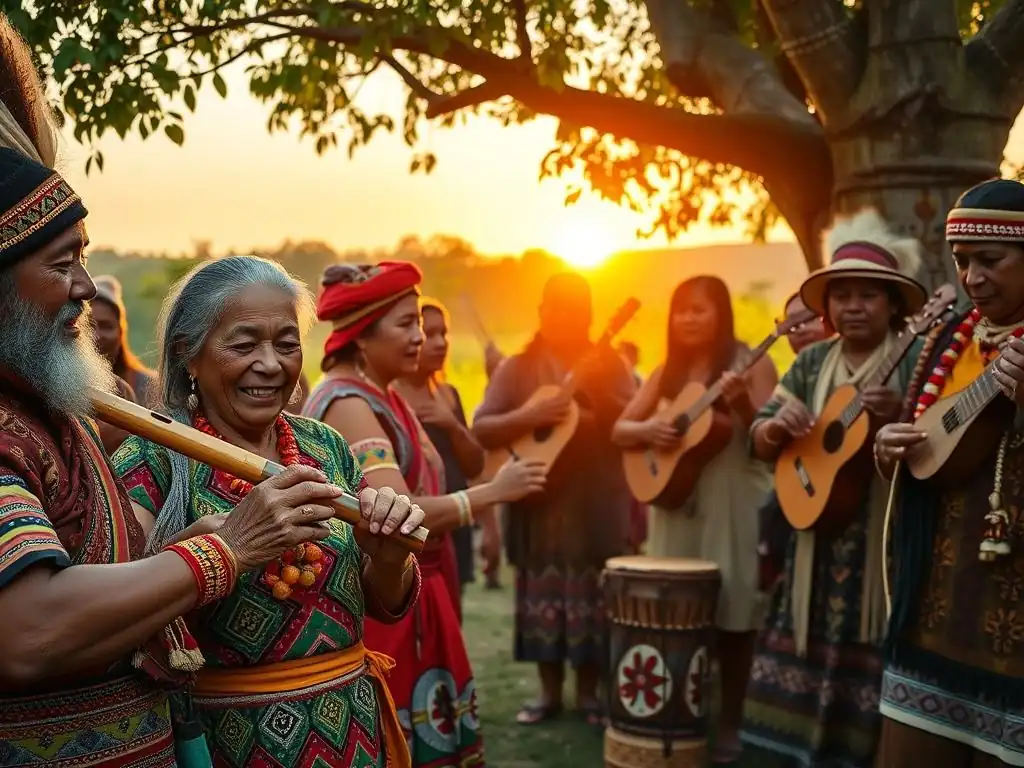
Welcome to Indigenous Civilizations of the Americas, where we embark on a journey through the rich tapestry of indigenous cultures that flourished long before European contact. Here, we delve into the achievements and vibrant societies that define these remarkable histories. In our featured article, "Reviving Traditional Music: Community Projects Keeping Indigenous Sounds Alive," we spotlight the powerful role of indigenous music community projects in preserving and revitalizing the sounds that echo the spirit of ancestral traditions.
Join us as we uncover the stories behind these initiatives and explore how they contribute to cultural resilience and identity. Your adventure into the heart of indigenous heritage begins now—let's dive deeper!
Introduction to Indigenous Music Community Projects
Indigenous music represents a rich tapestry of sounds and rhythms that are deeply intertwined with the cultural identities and histories of Native American communities across the Americas. As custodians of their ancestral traditions, many indigenous peoples have been actively engaged in community projects aimed at reviving and preserving their traditional music.
These initiatives not only celebrate the unique musical heritage of various tribes but also foster a sense of belonging and continuity within communities that have faced significant challenges due to colonization and cultural assimilation. By focusing on the keyword "Indigenous music community projects," we explore how these grassroots efforts play a crucial role in keeping traditional sounds alive and relevant in today's world.
Importance of Traditional Music in Indigenous Cultures
Traditional music serves as a vital conduit for storytelling, spiritual expression, and communal bonding among indigenous peoples. It encapsulates their history, beliefs, and practices, often passed down through generations. Here are some key aspects that highlight the importance of traditional music:
- Cultural Identity: Music is a powerful expression of cultural identity, allowing communities to maintain a connection to their ancestors and traditions.
- Spiritual Connection: Many indigenous songs are woven into spiritual practices, serving as prayers and rituals that connect the community to the sacred.
- Social Cohesion: Music fosters unity and collective participation, bringing people together during gatherings and ceremonies.
In essence, traditional music is not merely entertainment; it is a living archive of cultural knowledge and values that shapes the identity of indigenous communities.
Overview of Community Initiatives in Music Preservation
Across the Americas, various community initiatives have emerged to preserve and revitalize indigenous music. These projects often involve collaboration among musicians, cultural leaders, and youth, aiming to create a vibrant musical ecosystem. Some notable initiatives include:
- Workshops and Festivals: Many communities organize workshops and festivals where elders teach traditional songs and instruments to younger generations.
- Recording Projects: Documentation of traditional music through recording projects helps create archives that can be accessed by future generations.
- Cultural Exchanges: Collaborative events with other indigenous groups foster a sense of solidarity and shared cultural heritage.
These initiatives are pivotal in ensuring that traditional music not only survives but thrives, adapting to contemporary contexts while honoring its roots.
The Role of Community Projects in Reviving Indigenous Sounds
Community projects play a transformative role in the revival of indigenous music, acting as a bridge between generations and fostering the continuation of traditions.
How Community Engagement Supports Music Preservation
Engagement from community members is essential for the success of music preservation projects. Here are some ways that community involvement enhances these initiatives:
- Empowerment of Youth: By actively participating in music projects, younger generations gain a sense of ownership over their cultural heritage.
- Collaboration and Networking: Community projects encourage collaboration among artists, fostering a network of support and shared resources.
- Visibility and Awareness: Increased participation raises awareness about the significance of indigenous music, attracting more attention and resources for preservation efforts.
Through these engagements, communities can effectively reclaim their musical heritage, ensuring it remains a living and dynamic part of their cultural landscape.
The Impact of Music on Cultural Identity and Heritage
The revival of traditional music through community projects has profound implications for cultural identity and heritage. Here are several impacts worth noting:
- Reinforcement of Identity: Participating in music-making strengthens individuals’ connections to their cultural identity and heritage.
- Cultural Resilience: Reviving traditional music contributes to cultural resilience, allowing communities to navigate contemporary challenges while staying rooted in their traditions.
- Intergenerational Transmission: Community projects facilitate the transmission of knowledge and skills across generations, ensuring that traditional practices endure.
The vibrancy of indigenous music is sustained through community projects that not only preserve sounds but also invigorate cultural identity and heritage, creating a rich, interwoven fabric of tradition and modernity.
Key Indigenous Music Community Projects
Indigenous music community projects play a vital role in preserving and revitalizing the rich musical traditions of indigenous cultures across the Americas. These initiatives not only provide a platform for cultural expression but also foster community engagement and intergenerational knowledge transfer. Here are three notable projects that exemplify the commitment to keeping indigenous sounds alive.
Project 1: Nuxalk Nation Cultural Centre
Located in British Columbia, the Nuxalk Nation Cultural Centre is a hub for the preservation and promotion of Nuxalk culture, including its traditional music. The centre offers workshops and events that encourage participation from community members, especially youth. Through music classes focused on traditional songs and instruments, the project aims to sustain the Nuxalk language and culture. Collaborations with local artists and musicians further enrich the program, creating a vibrant environment where traditional sounds are celebrated and shared.
Project 2: The Native American Music Association
The Native American Music Association (NAMA) serves as a national platform dedicated to the promotion of Native American music and musicians. This organization hosts events, workshops, and educational programs that celebrate indigenous music styles and artists. NAMA emphasizes the importance of traditional music in cultural identity and works to connect indigenous musicians with broader audiences through festivals and online platforms. By providing resources and support, NAMA helps emerging artists gain visibility and recognition while preserving traditional music forms.
Project 3: The Australian Indigenous Music Program
Though focused on Australia, the Australian Indigenous Music Program has significant implications for indigenous music community projects globally. This program supports indigenous artists in creating and performing music that reflects their cultural heritage. By offering training, funding, and opportunities for collaboration, the program enables artists to develop their skills and reach wider audiences. The emphasis on storytelling through music resonates deeply with indigenous traditions, promoting a greater understanding of their histories and cultures.
Challenges Faced by Indigenous Music Community Projects
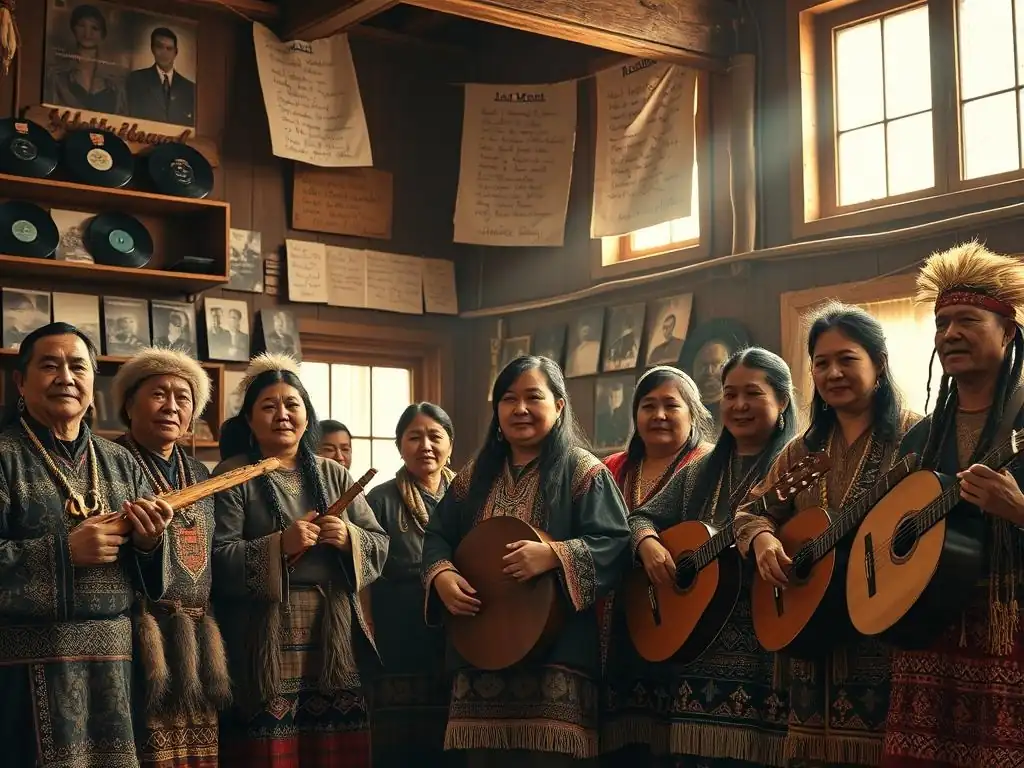
Despite the positive impact of indigenous music community projects, several challenges hinder their effectiveness and longevity. Understanding these challenges is crucial for developing strategies that support and enhance these initiatives.
Funding and Resource Limitations
One of the most significant challenges faced by indigenous music community projects is the lack of funding and resources. Many projects rely on grants and donations, which can be unpredictable and insufficient to meet the growing needs of the community. This financial instability limits the ability to hire qualified instructors, purchase instruments, and organize events. Consequently, many projects struggle to sustain their activities, leading to a risk of cultural erosion as traditional music practices fade away.
Cultural Appropriation and Misrepresentation
Cultural appropriation remains a pervasive issue in the realm of indigenous music. When non-indigenous individuals or organizations adopt indigenous musical elements without understanding their significance, it can lead to misrepresentation and dilution of cultural practices. This not only undermines the authenticity of indigenous music but can also create tensions within communities striving to maintain control over their cultural expressions. Addressing these concerns requires ongoing education and advocacy to promote respectful engagement with indigenous music traditions.
Generational Gaps in Musical Knowledge
Another challenge is the generational gap in musical knowledge and participation. As traditional music practices are often passed down orally, younger generations may lack access to skilled elders who can teach these traditions. The influence of modern music genres and technologies can further divert attention from traditional forms, leading to a decline in participation. Community projects must find ways to bridge this gap by engaging youth through innovative approaches that blend traditional music with contemporary styles, ensuring that the legacy of indigenous sounds continues to thrive.
Successful Strategies for Reviving Indigenous Music
Reviving indigenous music requires innovative strategies that respect traditional practices while adapting to contemporary contexts. Successful projects often blend community involvement, educational initiatives, and modern technology. These strategies not only aim to preserve musical traditions but also to foster a sense of identity and belonging among community members. Here are some successful strategies that have emerged in various community projects:
Collaborations with Local Artists and Musicians
One of the most effective ways to revive indigenous music is through collaborations with local artists and musicians who are deeply rooted in their cultural heritage. By bringing together seasoned musicians and younger generations, these collaborations create a vibrant exchange of ideas and techniques. For instance, projects like the “Indigenous Music Collective” work with local artists to record traditional songs and reinterpret them in contemporary styles.
This blending of old and new not only attracts a wider audience but also encourages younger musicians to explore their roots. Furthermore, local festivals often showcase these collaborations, providing platforms for artists to perform and educate the public about indigenous music.
Utilizing Modern Technology to Archive and Share Music
Modern technology plays a crucial role in the revival of indigenous music. Community projects are increasingly using digital tools to archive traditional songs, ensuring they are preserved for future generations. Initiatives like “The Sound Archive Project” have developed platforms where community members can upload recordings of their music, along with stories and cultural context.
This not only safeguards the music but also makes it accessible to a global audience. Social media platforms and streaming services are also leveraged to share indigenous music widely, allowing artists to connect with listeners worldwide and create a sense of global community around their traditional sounds.
Educational Programs for Youth Engagement
Engaging the youth is vital for the sustainability of indigenous music. Many community projects are implementing educational programs that teach traditional music to younger generations. These programs often include workshops, classes, and mentorship opportunities led by elder musicians. For example, initiatives like “Youth Music Camps” not only teach traditional instruments and songs but also instill a sense of pride in cultural heritage. By involving youth in the creation and performance of music, these programs help cultivate a new generation of artists who are committed to preserving and promoting their cultural identity.
The Future of Indigenous Music Community Projects
The future of indigenous music community projects looks promising, with various emerging trends and global influences shaping their development. As communities continue to innovate and adapt, the preservation of traditional sounds will remain a dynamic and evolving process.
Emerging Trends in Music Preservation
Emerging trends in music preservation include the incorporation of multimedia elements and interactive experiences. Projects are now using virtual reality (VR) and augmented reality (AR) to create immersive experiences that allow participants to engage with indigenous music in innovative ways. This trend not only attracts attention from younger audiences but also provides a fresh perspective on traditional practices. Additionally, online platforms are being utilized to create virtual communities where musicians can collaborate and share their work, further expanding the reach and impact of indigenous music.
The Role of Globalization in Indigenous Music Revival
Globalization has a dual role in the revival of indigenous music. On one hand, it poses challenges as traditional practices risk being overshadowed by dominant global cultures. On the other hand, it provides opportunities for indigenous music to reach new audiences. Artists are increasingly blending traditional sounds with modern genres, creating unique fusions that resonate with diverse listeners. This cross-pollination not only revitalizes interest in indigenous music but also encourages cultural exchange and understanding. Community projects that embrace these global influences while staying true to their roots are paving the way for a vibrant musical future.
How Communities Can Continue to Support Traditional Sounds
Communities play a crucial role in supporting the continuation of traditional sounds. This support can manifest through various avenues, including funding for music programs, establishing partnerships with educational institutions, and creating venues for live performances. Encouraging local businesses to sponsor events or collaborate with musicians can also enhance community engagement. Furthermore, raising awareness about the importance of preserving indigenous music through community events and festivals can foster a collective sense of pride and responsibility. By actively participating in the preservation efforts, communities ensure that their musical heritage remains alive and vibrant for generations to come.
Conclusion: The Importance of Community Initiatives in Preserving Indigenous Music
Community initiatives play a vital role in the preservation of Indigenous music, serving as a bridge that connects the past with the present. These projects not only help to revive traditional sounds but also foster a sense of identity and belonging among community members. By engaging in music-making, individuals can reclaim their cultural heritage, ensuring that the stories and traditions of their ancestors are passed down through generations.
Moreover, these community projects often address the contemporary challenges faced by Indigenous populations, such as cultural erosion and social disconnection. Through workshops, performances, and educational programs, participants gain valuable skills and knowledge, empowering them to contribute actively to their cultural landscapes. The collaborative nature of these initiatives promotes intergenerational learning, where elders share their expertise and younger generations bring fresh perspectives, creating a dynamic cycle of cultural exchange.
The impact of community initiatives extends beyond the music itself; they help reinforce cultural pride and resilience. In a world that often marginalizes Indigenous voices, these projects provide a platform for expression and celebration, enabling communities to assert their identity and place in the broader narrative of history. Ultimately, the preservation of Indigenous music through community efforts is not just about maintaining traditions; it is about fostering a vibrant, living culture that adapts and thrives in the modern world.
Call to Action for Supporting Indigenous Music Projects
Supporting Indigenous music projects is crucial for the sustainability of these vital cultural expressions. Here are several ways individuals can contribute:
- Volunteer: Offer your time and skills to local Indigenous music initiatives. This could range from organizing events to teaching music classes.
- Donate: Financial contributions can significantly impact the success of these projects, providing resources for instruments, workshops, and performances.
- Attend Events: Participate in community concerts, festivals, and workshops to show your support and encourage the continuation of these cultural practices.
- Spread Awareness: Use social media and community networks to raise awareness about Indigenous music initiatives, helping to foster a larger audience for these projects.
By taking these actions, you can play an integral role in preserving Indigenous music and supporting the communities that strive to keep these traditions alive. Every effort counts, and together, we can ensure that the rich tapestry of Indigenous music continues to resonate for future generations.
Final Thoughts on Cultural Preservation Through Music
Music is a powerful vehicle for cultural expression and identity. For Indigenous communities, it is not merely an art form but a profound manifestation of their history, beliefs, and connection to the land. The preservation of Indigenous music through community projects is essential in maintaining these connections and ensuring that cultural narratives are not lost.
As we reflect on the significance of these initiatives, it becomes clear that they serve a dual purpose: safeguarding heritage while fostering a sense of community and belonging among participants. The revitalization of traditional music enhances social cohesion, promotes mental well-being, and strengthens cultural pride, all of which are invaluable in today's rapidly changing world.
The efforts to revive Indigenous music through community projects are a testament to the resilience and creativity of Indigenous cultures. By supporting these initiatives, we can all contribute to a more diverse and inclusive cultural landscape, ensuring that the sounds of Indigenous peoples continue to echo through the ages.
- Introduction to Indigenous Music Community Projects
- Importance of Traditional Music in Indigenous Cultures
- The Role of Community Projects in Reviving Indigenous Sounds
- Key Indigenous Music Community Projects
- Challenges Faced by Indigenous Music Community Projects
- Successful Strategies for Reviving Indigenous Music
- The Future of Indigenous Music Community Projects
- Conclusion: The Importance of Community Initiatives in Preserving Indigenous Music
- What are Indigenous music community projects?
- Why is reviving traditional music important for Indigenous communities?
- How do these projects benefit the younger generation?
- What role do community members play in these music projects?
- How can someone get involved in Indigenous music community projects?
Frequently Asked Questions
What are Indigenous music community projects?
Indigenous music community projects are initiatives aimed at preserving and revitalizing traditional music practices and cultural expressions within Indigenous communities.
Why is reviving traditional music important for Indigenous communities?
Reviving traditional music is crucial for fostering cultural identity and community cohesion, as it helps transmit historical knowledge and strengthens connections to ancestral heritage.
How do these projects benefit the younger generation?
These projects engage the younger generation by providing opportunities to learn about their cultural roots through music, encouraging participation and creativity in traditional art forms.
What role do community members play in these music projects?
Community members are often at the forefront, acting as educators, performers, and mentors, ensuring that traditional practices are passed down and remain relevant in contemporary society.
How can someone get involved in Indigenous music community projects?
Individuals can get involved by participating in workshops, attending events, or supporting local initiatives that focus on preserving and promoting Indigenous musical traditions.
Final Reflection: Revitalizing Indigenous Sounds for Future Generations
The revival of traditional music through community projects is not just a nostalgic endeavor; it is a vital act of cultural preservation that resonates deeply in today's society. As we navigate an increasingly globalized world, the significance of indigenous music becomes ever more pronounced, serving as a powerful reminder of our diverse heritage and the stories that shape our identities. The commitment to keeping these sounds alive is not merely about maintaining a tradition; it is about fostering a sense of belonging and continuity in an era where many cultural practices are at risk of fading away.
Cultural expressions, such as indigenous music, are the heartbeat of communities, connecting generations and fostering unity. The ongoing influence of these community projects illustrates the resilience of indigenous cultures and their ability to adapt while remaining rooted in tradition. As one community leader poignantly stated, Music is the voice of our ancestors; it carries their wisdom and reminds us of who we are.
This sentiment underscores the importance of these initiatives, as they not only preserve musical heritage but also empower communities to reclaim their narratives and foster pride in their identity.
As we reflect on the lessons from this article, I invite you to consider how you can contribute to the preservation and celebration of indigenous music in your own community. Engage with local projects, support indigenous artists, or simply take the time to listen and learn from these rich traditions. By doing so, you become a part of a larger movement that honors the past while paving the way for future generations to experience the beauty and significance of indigenous sounds. Let us all take action to ensure that these vital cultural expressions continue to thrive and inspire.
Embrace and Elevate Indigenous Sounds Today!
Thank you for exploring the vibrant world of traditional music and discovering the powerful role it plays in our communities. Your interest is a step toward preserving these invaluable cultural treasures! Now, it’s time to take action and support the revival of indigenous sounds.
Here are a few meaningful ways to make a difference:
- Join a local community project focused on preserving traditional music—your participation can breathe new life into age-old melodies.
- Share your favorite indigenous music with friends and family to spread awareness and appreciation for these unique cultural expressions.
- Consider attending or volunteering at upcoming cultural festivals that celebrate indigenous heritage, helping to keep these rich traditions alive!
How will you contribute to the preservation of these beautiful traditions in your own community?