
The Role of Community Gardens in Sustaining Indigenous Food Traditions

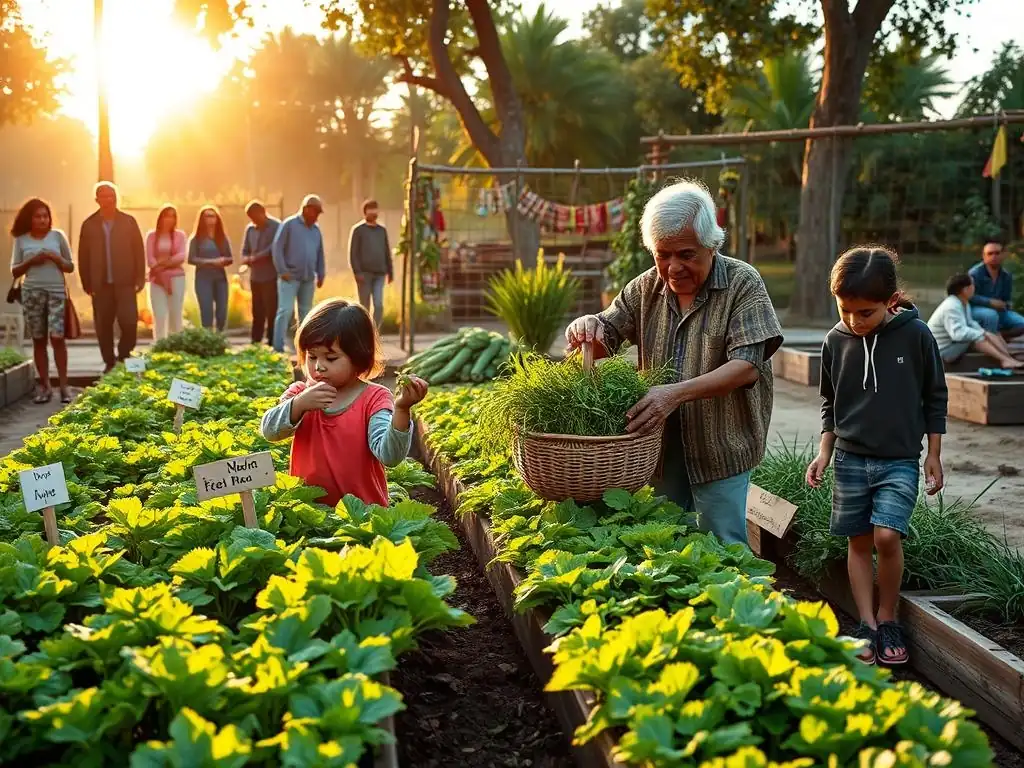
Welcome to Indigenous Civilizations of the Americas, where we delve deep into the rich tapestry of cultures that flourished long before European contact. Our focus today is on the indigenous food traditions garden, a vital aspect of sustaining the culinary heritage and agricultural wisdom of these remarkable societies.
Join us as we explore how community gardens not only preserve these time-honored practices but also foster a sense of belonging and resilience within indigenous communities. Prepare to embark on a journey that reveals the profound connections between land, culture, and sustenance—an exploration that will inspire you to learn more about the legacies that continue to shape our world today.
Introduction to Indigenous Food Traditions
Indigenous food traditions encompass the rich culinary practices and agricultural systems developed by diverse groups across the Americas long before European colonization. These traditions are not merely about sustenance; they reflect deep connections to the land, spirituality, and cultural identity. As modern society increasingly recognizes the importance of sustainable practices, community gardens have emerged as vital spaces for preserving and revitalizing these indigenous food traditions. By fostering a connection to ancestral agricultural methods, community gardens serve as a powerful tool for cultural continuity and environmental stewardship.
Understanding Indigenous Food Traditions
Indigenous food traditions are characterized by a profound understanding of local ecosystems and the seasonal cycles of nature. They emphasize the use of native plants, traditional farming techniques, and the importance of biodiversity. For instance, many indigenous communities rely on crops such as maize, beans, and squash—often referred to as the "Three Sisters"—which are grown together in a symbiotic relationship that enhances soil health and yields.
- Key Aspects of Indigenous Food Traditions:
- Cultural Significance: Food is often intertwined with ceremonies and celebrations, signifying community bonds and spiritual connections.
- Sustainable Practices: Traditional ecological knowledge guides cultivation methods that are environmentally sustainable and aligned with nature's rhythms.
- Diversity in Diet: Indigenous diets are typically diverse, incorporating a wide range of plants, animals, and fish, which contribute to nutrition and resilience.
Importance of Food in Indigenous Cultures
Food plays a central role in indigenous cultures, serving not only as a source of nourishment but also as a means of cultural expression and identity. The preparation and sharing of traditional foods foster community ties and intergenerational knowledge transfer. Furthermore, food is often seen as a gift from the earth, deserving of respect and gratitude.
- Cultural Roles of Food:
- Identity and Heritage: Traditional foods help maintain cultural heritage and reinforce a sense of belonging within the community.
- Social Cohesion: Shared meals strengthen family and community relationships, creating a sense of unity and cooperation.
- Spiritual Connections: Many indigenous groups view food as sacred, with rituals surrounding its cultivation, preparation, and consumption.
Overview of Community Gardens
Community gardens represent a collaborative effort to create shared green spaces where individuals can grow food, cultivate relationships, and promote sustainable practices. These gardens often serve as platforms for education, cultural exchange, and community empowerment, making them crucial in the preservation of indigenous food traditions.
Definition of Community Gardens
A community garden is defined as a piece of land gardened collectively by a group of people. These gardens can vary in size and can be found in urban, suburban, and rural areas. They provide opportunities for individuals to grow fruits, vegetables, and herbs while fostering community engagement and learning.
- Characteristics of Community Gardens:
- Collective Ownership: Community gardens are typically maintained by a group of volunteers or members of a community.
- Cultural Relevance: Many community gardens incorporate specific indigenous plants and traditional gardening techniques, reflecting the cultural background of participants.
- Educational Opportunities: These gardens often serve as learning environments where individuals can acquire skills related to gardening, cooking, and sustainable practices.
Historical Context of Community Gardens
The concept of community gardens has historical roots in various cultures, including indigenous practices that prioritized communal land use and shared agricultural knowledge. In the Americas, many indigenous groups practiced forms of communal gardening long before the term "community garden" was coined.
- Historical Highlights:
- Pre-Colonization: Indigenous communities utilized collective farming strategies that promoted biodiversity and sustainability.
- Colonial Impact: European colonization disrupted traditional agricultural practices, yet many indigenous peoples adapted by creating community gardens to reclaim their food sovereignty.
- Contemporary Resurgence: Today, community gardens are experiencing a renaissance, with many indigenous communities re-establishing these gardens as a means to revitalize their food traditions and cultural practices.
By understanding the intersection of community gardens and indigenous food traditions, we can appreciate the vital role these gardens play in sustaining cultural heritage and promoting sustainable food practices.
The Intersection of Community Gardens and Indigenous Food Traditions
Community gardens have emerged as vital spaces for the revitalization and preservation of indigenous food traditions. These gardens serve not only as a source of fresh produce but also as a hub for cultural exchange and education. By cultivating traditional crops and utilizing ancient agricultural practices, community gardens play a crucial role in reconnecting indigenous peoples with their heritage and food sovereignty. They create environments where indigenous knowledge about sustainable farming can flourish and be passed down to future generations, ensuring that these traditions remain alive and relevant.
Furthermore, community gardens often reflect the specific cultural identities of the communities they serve. Different indigenous groups may focus on particular crops that hold historical and spiritual significance, such as corn, beans, and squash—collectively known as the “Three Sisters.” By nurturing these plants, community gardens honor traditional agricultural practices and foster a sense of pride and ownership among participants.
How Community Gardens Support Indigenous Food Practices
Community gardens support indigenous food practices through several key mechanisms:
- Access to Traditional Foods: Many indigenous communities have faced challenges accessing traditional foods due to urbanization and colonization. Community gardens provide a space where these foods can be grown and harvested, allowing for a return to traditional diets that emphasize local, seasonal, and culturally significant crops.
- Cultural Reclamation: By growing traditional plants, community gardens enable members to reclaim their cultural practices surrounding food. This reclamation process is instrumental in healing historical traumas associated with the loss of land and resources.
- Collective Action: Community gardens often operate on principles of collective ownership and shared responsibilities. This fosters collaboration among community members, reinforcing social ties and encouraging the sharing of knowledge and resources related to indigenous food practices.
- Integration of Traditional Techniques: Many community gardens incorporate indigenous agricultural techniques, such as companion planting and permaculture principles, which promote sustainability and biodiversity. This integration helps preserve these techniques for future generations.
The Role of Traditional Knowledge in Community Gardens
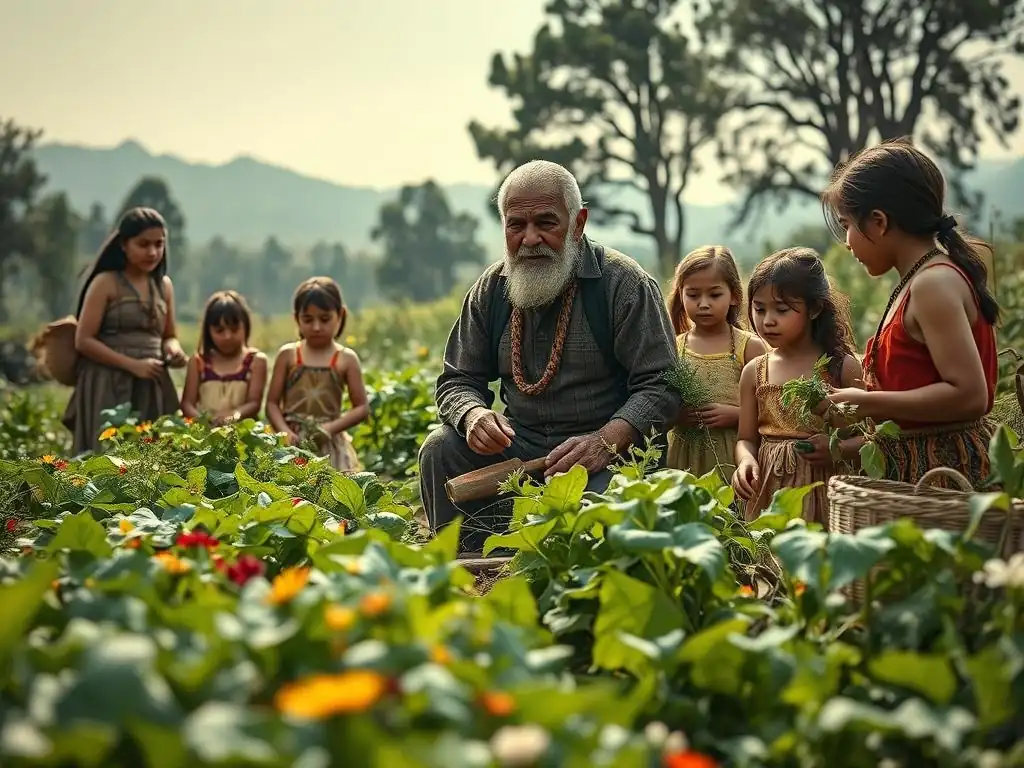
Traditional knowledge is the bedrock of indigenous food traditions and plays a significant role in the functioning of community gardens. Elders and knowledge keepers often serve as mentors, sharing insights about planting, harvesting, and the cultural significance of various crops. This intergenerational transfer of knowledge is vital for maintaining the integrity of indigenous food systems.
Additionally, traditional ecological knowledge (TEK) informs practices that enhance soil health, pest management, and crop diversity. By integrating TEK into community gardening practices, participants can cultivate a deeper understanding of their relationship with the land, promoting sustainable practices that honor their ancestry.
Through workshops and community events, gardens can become sites of cultural education, where participants learn not only about gardening techniques but also the stories, histories, and values tied to the foods they grow. This holistic approach reinforces the importance of preserving indigenous knowledge as a means of sustaining food traditions.
Benefits of Indigenous Food Traditions Gardens
Indigenous food traditions gardens offer a multitude of benefits that extend beyond mere food production. They serve as multifunctional spaces that enhance community well-being and cultural resilience.
Preservation of Indigenous Crop Varieties
One of the primary benefits of indigenous food traditions gardens is the preservation of rare and heirloom crop varieties. These gardens often focus on cultivating native plants that are at risk of extinction due to industrial agriculture and changing land use practices. By ensuring the continued cultivation of these crops, community gardens contribute to biodiversity and the sustainability of indigenous food systems.
Moreover, the preservation of these varieties helps maintain genetic diversity, which is essential for food security in the face of climate change and environmental degradation. As community gardens thrive, they become repositories of knowledge and resources that can be shared with other communities, promoting a broader movement toward sustainable and culturally relevant agriculture.
Strengthening Community Bonds through Gardening
Community gardens play a crucial role in strengthening social bonds within indigenous communities. They provide a shared space for individuals and families to come together, work collaboratively, and celebrate their cultural heritage. This sense of community fosters mutual support and resilience, which are essential for navigating the challenges faced by many indigenous groups today.
The act of gardening itself becomes a communal event, where participants share labor, resources, and knowledge. This collaboration not only builds relationships but also reinforces a collective identity centered around indigenous food traditions. The resulting community spirit cultivates a sense of belonging and empowerment among participants.
Educational Opportunities for Indigenous Youth
Indigenous food traditions gardens offer valuable educational opportunities for indigenous youth. These gardens serve as living classrooms where young people can learn about gardening, nutrition, and traditional ecological knowledge in a hands-on environment. Such experiences are vital for fostering a connection to their cultural heritage and instilling pride in their identity.
Programs aimed at youth can include workshops, summer camps, and mentorship opportunities that emphasize the importance of indigenous food traditions. By engaging youth in these activities, community gardens help cultivate future leaders who are equipped to advocate for food sovereignty and cultural preservation. Education in these gardens is not limited to gardening skills; it also encompasses lessons about history, resilience, and the power of community.
Case Studies of Successful Indigenous Food Traditions Gardens
Community gardens have emerged as vital spaces for the preservation and promotion of indigenous food traditions. Through these gardens, indigenous communities can cultivate traditional crops, share knowledge, and reconnect with their cultural heritage. Here are two prominent examples that illustrate the successful implementation of indigenous food traditions gardens.
The Lummi Nation Community Garden
The Lummi Nation, located in Washington State, has established a community garden that serves as a living testament to their agricultural heritage. This garden focuses on growing traditional crops such as camas, salmonberry, and various native herbs. The Lummi community actively engages in planting, harvesting, and cooking events that not only foster a sense of community but also educate younger generations about the significance of these plants in their culture.
The Lummi Nation Community Garden also collaborates with local schools, offering educational programs that emphasize traditional ecological knowledge. By involving youth in gardening activities, the community ensures that indigenous food traditions are passed down, sustaining their cultural identity. The garden has become a model for other tribes looking to revitalize their food systems and reestablish connections to the land.
The Native American Youth and Family Center Garden
In Portland, Oregon, the Native American Youth and Family Center (NAYA) has created a community garden that focuses on food sovereignty and cultural education. This garden emphasizes growing culturally relevant plants, such as squash, corn, and beans—known as the "Three Sisters" in many indigenous cultures. NAYA’s garden not only provides fresh produce for families but also serves as a space for community gatherings, cooking demonstrations, and workshops.
Additionally, NAYA integrates traditional practices into their gardening methods, utilizing techniques that have been passed down through generations. The center aims to empower indigenous youth and families by connecting them with their roots and fostering a sense of pride in their culinary heritage. The success of the NAYA garden highlights the importance of community-driven initiatives in preserving indigenous food traditions.
Challenges Facing Indigenous Food Traditions Gardens
While community gardens play a crucial role in sustaining indigenous food traditions, they face several challenges that can hinder their success. These obstacles include environmental issues, cultural barriers, and limitations in funding and resources.
Environmental Challenges
Environmental factors significantly impact the viability of indigenous food traditions gardens. Issues such as soil degradation, climate change, and water scarcity can affect crop yields and the health of traditional plants. For many indigenous communities, the land has been altered due to industrial agriculture or urban development, making it difficult to cultivate native species that are integral to their food traditions.
Moreover, the introduction of invasive species can threaten the growth of traditional crops, disrupting the ecological balance that indigenous gardening practices rely on. Addressing these environmental challenges requires a concerted effort from both the community and external support to restore and maintain healthy ecosystems for these gardens.
Cultural Barriers and Misunderstandings
Cultural barriers can also pose challenges for indigenous food traditions gardens. Misunderstandings about indigenous practices and beliefs surrounding food can hinder collaboration with non-indigenous organizations or local governments. Additionally, the historical trauma associated with colonization can lead to mistrust in external partnerships, making it difficult to secure support for garden initiatives.
Furthermore, generational gaps in knowledge and experience regarding traditional gardening practices can impede the transfer of wisdom to younger community members. Overcoming these cultural barriers is essential for ensuring the sustainability and growth of indigenous food traditions gardens.
Funding and Resource Limitations
Limited access to funding and resources is a significant challenge for many indigenous food traditions gardens. Securing grants and financial support can be particularly difficult for smaller communities that may lack the administrative capacity to navigate complex funding processes. This limitation can restrict the ability to purchase seeds, tools, and other necessary supplies for successful gardening operations.
Moreover, the need for ongoing maintenance and community engagement requires additional resources that may not always be available. To address these challenges, it is crucial for indigenous communities to advocate for their needs and seek partnerships that can provide the necessary support to sustain their gardens and food traditions.
Strategies for Enhancing the Impact of Community Gardens
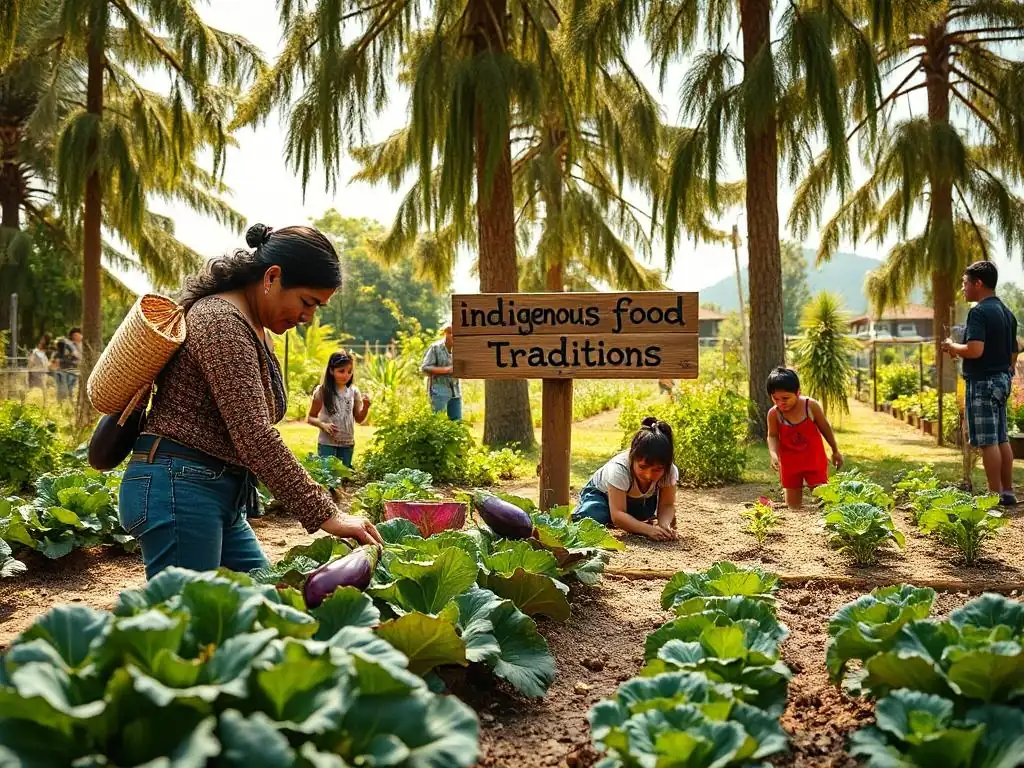
Community gardens serve as vital spaces for the preservation and promotion of indigenous food traditions. To maximize their impact, several strategies can be adopted. These strategies not only foster the growth of traditional crops but also create a sense of community ownership and cultural pride.
Community Engagement and Participation
Engaging the local community is crucial for the success of any community garden. This involves:
- Workshops and Training: Organizing workshops that focus on traditional planting techniques, harvesting methods, and preparation of indigenous foods can empower community members. These workshops can include hands-on activities, encouraging participants to learn by doing.
- Cultural Events: Hosting events that celebrate indigenous culture, such as harvest festivals or cooking demonstrations, can attract community members, thereby increasing participation. These events can serve as platforms to share stories, recipes, and the significance of various plants in indigenous traditions.
- Volunteer Programs: Establishing volunteer programs encourages community members of all ages to contribute to the maintenance and growth of the garden. This fosters a sense of belonging and responsibility, essential for sustaining the garden's long-term viability.
Collaborations with Local Organizations
Building partnerships with local organizations can amplify the effectiveness of community gardens. This can include:
- Schools and Educational Institutions: Collaborating with schools can integrate traditional food education into curricula. Students can participate in gardening activities, helping to foster a connection to their heritage.
- Nonprofits and NGOs: Working with organizations focused on food sovereignty, health, and indigenous rights can provide resources, funding, and expertise. These partnerships can also help advocate for policies that support indigenous food systems.
- Local Health Departments: Partnering with health organizations to promote the nutritional benefits of traditional foods can elevate the garden's profile within the community. This collaboration can result in workshops that highlight the health impacts of indigenous diets.
Incorporating Traditional Ecological Knowledge
Traditional Ecological Knowledge (TEK) plays a critical role in enhancing the sustainability and productivity of community gardens. Key approaches include:
- Biodiversity Practices: Utilizing indigenous planting practices such as companion planting can improve crop yields and resilience. For example, growing corn, beans, and squash together—a traditional method known as the "Three Sisters"—creates a mutually beneficial ecosystem.
- Seasonal Planting: Understanding the local climate and seasonal cycles is vital for successful gardening. Incorporating TEK can help gardeners select the right crops to plant at specific times, ensuring optimal growth and harvest.
- Soil and Water Management: Employing traditional methods of soil fertility, such as using organic compost and mulching, can enhance soil health. Additionally, TEK can inform sustainable water management practices that conserve resources while supporting plant growth.
Conclusion: The Future of Indigenous Food Traditions in Community Gardens
Community gardens represent a powerful tool for the sustainability of indigenous food traditions. As these gardens continue to evolve, they must adapt to the changing needs of the community while staying rooted in their cultural significance.
The Ongoing Importance of Indigenous Food Traditions
Indigenous food traditions are not merely about sustenance; they embody cultural identity, history, and community resilience. By continuing to cultivate these traditions through community gardens, we preserve the knowledge and practices that have sustained indigenous peoples for generations.
Call to Action for Community Involvement
The future of indigenous food traditions relies on collective action. Community members are encouraged to engage with and support local community gardens. This can be achieved through:
- Participating in Gardening Activities: Join a local garden, attend workshops, and share knowledge with others.
- Advocating for Indigenous Rights: Support policies that protect indigenous lands and food sovereignty.
- Spreading Awareness: Share the importance of indigenous food traditions with family and friends to foster a deeper appreciation for these practices.
By working together, communities can ensure that indigenous food traditions thrive in gardens, enriching both cultural heritage and food security for future generations. 🌱
References and Further Reading
Exploring indigenous food traditions and their preservation through community gardens involves a rich tapestry of literature and resources. This section highlights key texts and materials that can enhance understanding and support efforts in sustaining these vital cultural practices.
Suggested Literature on Indigenous Food Traditions
- "Eating the Landscape: American Indian Stories of Food, Identity, and Resilience" by Enrique Salmón
- This book offers an insightful examination of how food connects Indigenous peoples to their land and culture. Salmón’s work emphasizes the importance of traditional food practices in maintaining identity and community resilience.
- "The Power of the Sea: Tsunamis, Storm Surges, Rogue Waves, and Our Quest to Predict Disasters" by Bruce Parker
- While primarily focused on oceanic phenomena, Parker’s work touches upon coastal Indigenous food traditions, showcasing how communities adapt their agricultural practices in response to environmental changes.
- "Indigenous Food Sovereignty in the Americas: Restoring Cultural Knowledge, Protecting Environments, and Regaining Health" edited by Jessica L. Cattelino, et al.
- This collection of essays discusses the importance of food sovereignty for Indigenous communities across the Americas, highlighting strategies to reclaim traditional food systems and practices.
- "The Sacred Balance: Rediscovering Our Place in Nature" by David Suzuki
- Suzuki's exploration of the interconnectedness of all life includes a focus on Indigenous perspectives, offering a holistic view of food traditions that emphasizes sustainability and respect for nature.
- "Braiding Sweetgrass: Indigenous Wisdom, Scientific Knowledge, and the Teachings of Plants" by Robin Wall Kimmerer
- Kimmerer, a botanist and member of the Citizen Potawatomi Nation, beautifully intertwines Indigenous knowledge with scientific inquiry, providing a profound understanding of the relationship between people and plants.
Resources for Community Garden Initiatives
- The American Community Gardening Association (ACGA)
- ACGA provides resources, networking opportunities, and support for community gardening initiatives, including those focused on Indigenous practices. Their website includes guides on starting gardens and connecting with local communities.
- Native American Food Sovereignty Alliance (NAFSA)
- NAFSA works toward restoring food sovereignty among Indigenous communities. Their website offers valuable information, resources, and programs aimed at promoting traditional food practices and community gardens.
- Community Gardening Toolkit by the USDA
- This toolkit offers practical resources for establishing and maintaining community gardens, including templates for planning, funding opportunities, and best practices tailored for diverse communities.
- Indigenous Food Systems Network
- This network connects Indigenous communities and organizations to share knowledge and resources about food systems. Their platform provides access to workshops, events, and educational materials focused on Indigenous food traditions and community gardens.
- Local Food Initiatives and Cooperatives
- Many regions have local cooperatives that support Indigenous food traditions through community gardens. These initiatives often include workshops, seed exchanges, and collective farming efforts aimed at preserving cultural heritage through food.
By engaging with these references and resources, individuals and communities can deepen their understanding of Indigenous food traditions and effectively contribute to the sustainability of these practices through community gardening initiatives.
- Introduction to Indigenous Food Traditions
- Overview of Community Gardens
- The Intersection of Community Gardens and Indigenous Food Traditions
- How Community Gardens Support Indigenous Food Practices
- The Role of Traditional Knowledge in Community Gardens
- Benefits of Indigenous Food Traditions Gardens
- Case Studies of Successful Indigenous Food Traditions Gardens
- Challenges Facing Indigenous Food Traditions Gardens
- Strategies for Enhancing the Impact of Community Gardens
- Conclusion: The Future of Indigenous Food Traditions in Community Gardens
- References and Further Reading
- What are indigenous food traditions?
- How do community gardens support indigenous food traditions?
- What types of crops are typically grown in indigenous food traditions gardens?
- Why are community gardens important for food sovereignty?
- How can individuals support indigenous food traditions in their local communities?
Frequently Asked Questions
What are indigenous food traditions?
Indigenous food traditions encompass the practices, rituals, and knowledge systems developed by indigenous peoples regarding the cultivation, preparation, and consumption of local foods, reflecting their cultural heritage and connection to the land.
How do community gardens support indigenous food traditions?
Community gardens provide a space for indigenous communities to cultivate traditional crops, share knowledge, and strengthen social ties, thus helping to revitalize and maintain their food heritage.
What types of crops are typically grown in indigenous food traditions gardens?
Indigenous food traditions gardens often feature a variety of native plants, including traditional grains, vegetables, and herbs that have been utilized for centuries, such as maize, beans, and squash.
Why are community gardens important for food sovereignty?
Community gardens enhance food sovereignty by empowering indigenous communities to reclaim their food systems, ensuring access to culturally significant foods while promoting health, sustainability, and resilience.
How can individuals support indigenous food traditions in their local communities?
Individuals can support indigenous food traditions by participating in or volunteering at community gardens, advocating for the inclusion of indigenous crops in local food systems, and educating themselves about the significance of these traditions.
Final Reflection: Nurturing Heritage Through Community Gardens
The exploration of indigenous food traditions garden reveals a profound connection between culture, community, and sustainability that resonates deeply in today's world. As we face increasing challenges related to food security and environmental degradation, the role of community gardens as a vessel for preserving indigenous food practices is more relevant than ever. These gardens not only serve as a source of nourishment but also as living classrooms that educate future generations about the importance of biodiversity and traditional agricultural methods.
The influence of community gardens extends beyond mere cultivation; they are vital spaces that foster cultural identity and social cohesion. These gardens remind us of the rich tapestry of indigenous knowledge that has been passed down through generations. They provide a platform for sharing stories, traditions, and practices that might otherwise be lost. As noted by a renowned indigenous leader, To grow food is to grow culture; to grow culture is to grow community.
This sentiment underscores the ongoing impact of these gardens in revitalizing indigenous food traditions and promoting a sense of belonging among community members.
As we reflect on the significance of community gardens, I invite you to consider how you can engage with and support these vital spaces in your own life. Whether by participating in a local garden, learning about indigenous food practices, or advocating for sustainable agricultural policies, your actions can contribute to the preservation of these invaluable traditions. Let us embrace the lessons from our past and cultivate a future where indigenous food traditions thrive, enriching our communities and nourishing our bodies and spirits.
Unleash the Power of Community Gardens!
Thank you for taking the time to explore the essential role of community gardens in preserving Indigenous food traditions. Your curiosity sparks connection and understanding as we learn how these gardens cultivate not just plants, but also a vibrant heritage.
Now, let’s take action together to support and engage in this meaningful movement:
- Start a community garden in your area to nurture Indigenous crops and share their significance with your neighbors.
- Join or volunteer with local organizations dedicated to revitalizing Indigenous food systems, amplifying their voices and practices.
- Share your experiences on social media to inspire others; together, we can grow awareness and passion for our heritage.
What unique plants or traditional recipes are you excited to include in your community garden? Let's discuss how we can enrich our food systems together!