
Ancestors and Spirits: The Importance of Ancestral Worship in Indigenous North American Spirituality

Welcome to Indigenous Civilizations of the Americas, where we invite you to embark on a fascinating journey through time, discovering the rich tapestry of cultures that flourished long before European contact. In our featured article, "Ancestors and Spirits: The Importance of Ancestral Worship in Indigenous North American Spirituality," we delve into the profound traditions of ancestral worship in North America, uncovering how these practices shaped societies, beliefs, and connections to the land.
Join us as we explore the legacies of these vibrant communities and their enduring influence on our world today. Are you ready to deepen your understanding of the past?
- Introduction to Ancestral Worship in North America
- Historical Context of Ancestral Worship in North America
- Cultural Significance of Ancestral Worship
- Practices and Rituals Associated with Ancestral Worship
- Ancestral Worship and Community Cohesion
- The Impact of Colonization on Ancestral Worship
- Contemporary Expressions of Ancestral Worship
- Conclusion: The Enduring Importance of Ancestral Worship
- Frequently Asked Questions
- Final Reflection: Embracing Ancestral Wisdom in Modern Spirituality
- Embrace Your Heritage: Connect with Your Ancestors Today!
Introduction to Ancestral Worship in North America
Ancestral worship holds a significant place in the spiritual practices of many indigenous cultures across North America. This profound reverence for ancestors not only reflects a deep connection to heritage and identity but also underscores the belief in the continuity of life, where the past, present, and future intertwine. In many communities, the spirits of ancestors are seen as guiding forces, offering wisdom, protection, and support to the living.
Exploring the theme of ancestral worship provides valuable insights into the rich tapestry of indigenous spirituality, revealing how these traditions shape social structures, cultural practices, and individual identities. This article delves into the multifaceted nature of ancestral worship in North America, examining its definitions, significance, and its overarching role within the broader context of indigenous spiritual beliefs.
Definition of Ancestral Worship
Ancestral worship, often referred to as ancestor veneration, encompasses a range of practices and beliefs centered around honoring deceased family members and ancestors. In North American indigenous cultures, this concept is deeply rooted in the understanding that ancestors continue to influence the lives of their descendants.
- Key Aspects of Ancestral Worship:
- Ritual Practices: Many tribes engage in specific rituals, such as ceremonies, offerings, and storytelling, to honor their ancestors.
- Spiritual Connection: Ancestral spirits are believed to provide guidance and protection, serving as mediators between the physical and spiritual worlds.
- Cultural Transmission: Through ancestral worship, traditions, values, and knowledge are passed down through generations, fostering a sense of identity and belonging.
This reverence for ancestors is not merely a relic of the past but remains a vital aspect of communal life, influencing various facets of daily existence, decision-making, and conflict resolution.
Overview of Indigenous North American Spirituality
Indigenous North American spirituality is characterized by a diverse array of beliefs and practices that vary significantly among different tribes and regions. However, certain common themes can be identified, particularly in relation to the importance of ancestral worship.
- Core Elements of Indigenous Spirituality:
- Connection to Nature: Many indigenous cultures emphasize a profound relationship with the natural world, viewing it as sacred and interdependent with human life.
- Spiritual Beings: Alongside ancestors, various spiritual beings—such as animals, plants, and celestial entities—play crucial roles in the spiritual landscape.
- Ceremonial Practices: Rituals and ceremonies are integral, serving to maintain harmony within the community and the cosmos.
In this context, ancestral worship emerges as a crucial element that reinforces social cohesion and cultural identity. By honoring their ancestors, indigenous peoples not only celebrate their heritage but also affirm their connection to the land and the broader universe, creating a spiritual framework that guides their lives today.
Historical Context of Ancestral Worship in North America
Origins of Ancestral Worship Practices
Ancestral worship in North America has deep roots in the spiritual and cultural practices of various indigenous groups. These practices typically emerged from a profound respect for ancestors, who were viewed not only as familial figures but also as spiritual guides and protectors.
- Connection to the Land: Many indigenous cultures believed that their ancestors were intimately connected to the land. For instance, the Pueblo peoples of the Southwest often performed rituals tied to agricultural cycles, invoking the spirits of their forebears to ensure bountiful harvests.
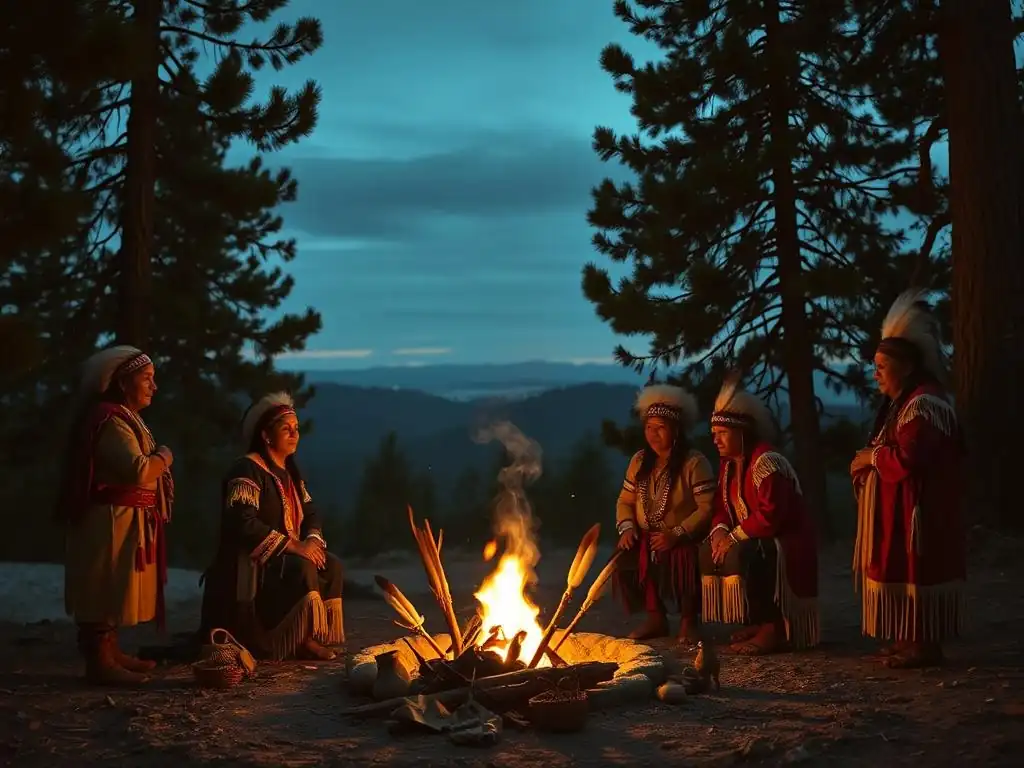
- Ceremonial Practices: Rituals often included offerings, prayers, and storytelling. Among the Lakota, for example, the Wopila ceremony expresses gratitude to ancestors through song and dance, emphasizing the continuity of life from past to present.
- Cultural Transmission: Oral traditions played a critical role in preserving ancestral worship. These stories, passed down through generations, served to reinforce cultural identity and maintain a connection to ancestors. They often included teachings about the values, struggles, and triumphs of those who came before.
Evolution Through Time: Pre-Colonial to Present
The practice of ancestral worship in North America has evolved through various historical phases, influenced by social changes, colonization, and cultural resilience.
- Pre-Colonial Practices: Before European contact, diverse tribes had established complex systems of ancestral veneration. The Iroquois, for instance, held the Great Law of Peace, which emphasized the importance of past leaders and decision-making rooted in ancestral wisdom.
- Impact of Colonization: European colonization drastically altered indigenous spiritual practices. Many tribes faced oppression, which led to the suppression of traditional rituals. However, this adversity also spurred a revival of ancestral worship as a form of resistance and resilience.
- Modern Resurgence: In contemporary times, there has been a significant resurgence of interest in ancestral worship among many North American tribes. This revival often incorporates traditional practices alongside modern expressions, such as digital storytelling and community gatherings.
- Intergenerational Connections: Today, many indigenous communities focus on fostering intergenerational connections through ancestral worship. This involves teaching younger generations about their heritage, as well as the importance of honoring ancestors in both spiritual and practical aspects of life.
Ancestral worship in North America is a dynamic and evolving practice that reflects the rich tapestry of indigenous spirituality. It is a testament to the enduring connection between people, their ancestors, and the land they inhabit.
Cultural Significance of Ancestral Worship
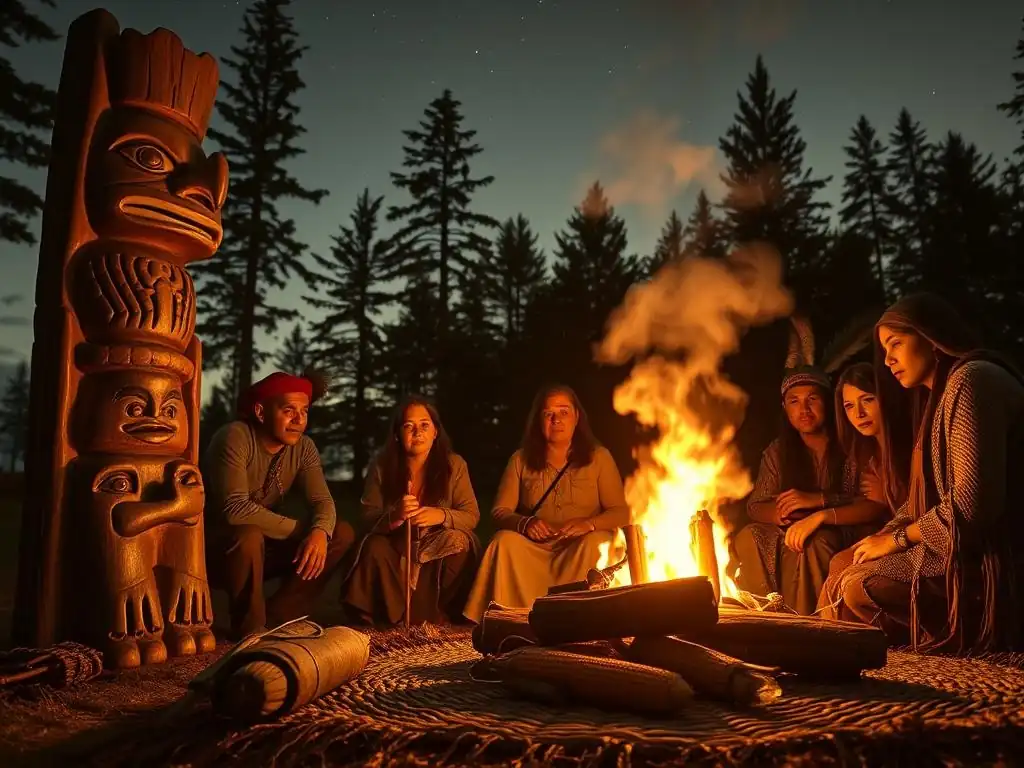
Ancestral worship in North America holds profound cultural and spiritual significance among Indigenous communities. This practice is deeply intertwined with the identity, beliefs, and values of these societies, serving as a crucial link between the past, present, and future. Ancestral worship is not merely a set of rituals; it embodies the principles of respect, remembrance, and continuity that are essential to Indigenous ways of life.
Role of Ancestors in Indigenous Identity
Ancestors occupy a central place in the worldview of many North American Indigenous cultures. They are often regarded as the foundation upon which contemporary societies are built, embodying the histories, teachings, and wisdom that guide current generations. The reverence for ancestors fosters a strong sense of identity, allowing individuals to feel connected to their heritage and community.
- Teachings and Wisdom: Ancestors are seen as sources of knowledge. Their experiences and stories impart valuable lessons that inform the choices and actions of descendants. For instance, many tribes practice storytelling as a means of passing down ancestral wisdom, ensuring that cultural narratives remain alive.
- Cultural Identity: Ancestral worship reinforces cultural identity by emphasizing the importance of lineage and kinship. By honoring their ancestors, Indigenous peoples affirm their place within a larger historical continuum, fostering pride in their heritage.
- Community Bonds: The practice of honoring ancestors often takes place within community settings, strengthening social bonds. Communal rituals, such as feasts or ceremonies, help reinforce collective identity and shared values.
Connection Between Ancestry and Spiritual Practices
Ancestral worship is intricately linked to the spiritual practices of many Indigenous North American cultures. These practices often involve rituals, offerings, and ceremonies designed to honor and communicate with ancestral spirits.
- Ritual Offerings: Many Indigenous cultures engage in offering food, tobacco, or other items to honor their ancestors. This act is believed to maintain a connection with the spirit world, ensuring that ancestors remain present and supportive in the lives of their descendants.
- Spiritual Guidance: Ancestors are often seen as protectors and guides. Through meditation, prayer, or trance states, individuals may seek ancestral guidance in decision-making or during times of crisis. This connection serves as a source of comfort and strength.
- Ceremonial Practices: Various ceremonies are conducted to celebrate significant life events, such as births, marriages, and deaths. These rituals often include ancestral invocation, reinforcing the connection between the living and the spiritual realm.
Ancestral Worship as a Means of Cultural Preservation
Ancestral worship is vital for the preservation of Indigenous cultures in North America, particularly in the face of historical and ongoing challenges posed by colonization and cultural assimilation.
- Transmission of Culture: By practicing ancestral worship, Indigenous peoples actively transmit cultural values, languages, and traditions to younger generations. This process ensures that cultural heritage is maintained and adapted in contemporary contexts.
- Resilience Against Assimilation: Ancestral worship serves as a form of resistance against cultural erasure. By continuing to honor their ancestors, Indigenous communities assert their identity and sovereignty, fostering resilience in the face of external pressures.
- Revitalization Movements: Many Indigenous groups are experiencing revitalization movements that emphasize the importance of ancestral practices. These movements often seek to reclaim traditional rituals, languages, and customs, reinforcing cultural identity and community cohesion.
Ancestral worship in North America is more than a spiritual practice; it is a vital cultural cornerstone that connects individuals to their heritage, strengthens community bonds, and preserves the rich tapestry of Indigenous cultures. Through honoring their ancestors, Indigenous peoples maintain a living connection to the past, ensuring that their legacies endure for future generations.
Practices and Rituals Associated with Ancestral Worship
Ancestral worship in North America is a profound practice rooted in the spiritual beliefs and cultural traditions of various Indigenous tribes. This worship often manifests through specific practices and rituals that honor ancestors, recognize their influence, and seek their guidance. The significance of these rituals varies among tribes, reflecting their unique histories and spiritual frameworks. Below, we explore some of the common rituals, the role of storytelling, and the ceremonies dedicated to ancestors.
Common Rituals in Various Indigenous Tribes
Different Indigenous tribes across North America have developed distinct rituals to honor their ancestors. These rituals often include:
- Feasting and Sharing Food: Many tribes, such as the Haudenosaunee (Iroquois), hold feast days where they gather to share meals, symbolizing the unity of family and community while inviting the spirits of ancestors to partake in the celebration.
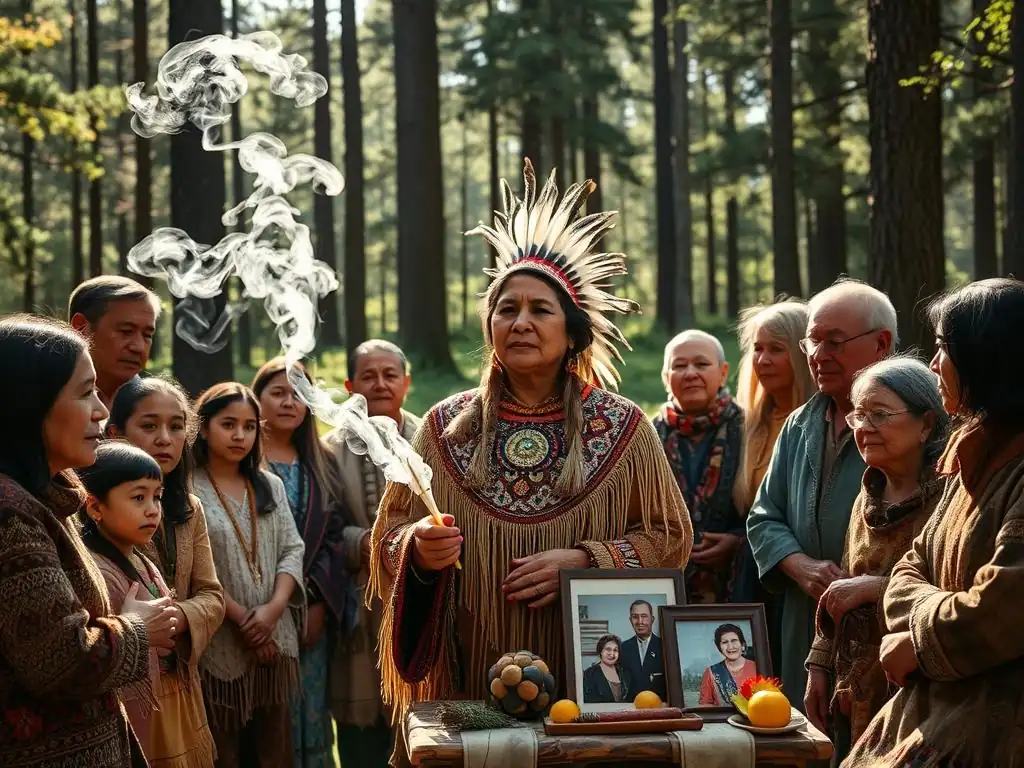
- Creation of Altars: Tribes like the Navajo often create altars adorned with photographs, personal items, and offerings such as food or tobacco. These altars serve as focal points for communication with ancestors, providing a place to send prayers and express gratitude.
- Ancestral Dances: In many cultures, dance is an essential component of ancestral worship. For example, the Powwow traditions among Plains tribes include specific dances that honor ancestors, celebrating their lives and legacies through movement and song.
- Seasonal Ceremonies: Tribes often align their ancestral worship practices with seasonal changes. For instance, the Ojibwe conduct ceremonies during the harvest season to thank their ancestors for guidance and support in the successful gathering of crops.
These rituals not only serve to honor the ancestors but also reinforce communal bonds and cultural identity among the living.
The Role of Storytelling in Honoring Ancestors
Storytelling is a vital element in the practice of ancestral worship among many Indigenous cultures in North America. Through oral traditions, tribes preserve and share the histories and teachings of their ancestors. This practice serves multiple purposes:
- Cultural Transmission: Stories are vehicles for passing down knowledge, values, and cultural norms from one generation to the next. Elders often recount tales that depict the wisdom and experiences of ancestors, ensuring that their lessons are not forgotten.
- Reinforcement of Identity: By sharing stories of their ancestors, tribes reinforce their unique identities and histories. These narratives often highlight the struggles and triumphs of their people, fostering a sense of pride and connection to their heritage.
- Spiritual Connection: Storytelling creates a bridge between the living and the spirit world. Many stories include elements of spirituality and connection to the ancestors, guiding individuals in their daily lives and decisions.
- Ceremonial Integration: Storytelling often accompanies rituals and ceremonies, enhancing their significance. For instance, during a memorial event, recounting the life stories of ancestors allows the community to celebrate their contributions while inviting their spirits to join in the gathering.
Through storytelling, Indigenous peoples maintain a living connection with their ancestors, ensuring that their spirits continue to guide and inspire future generations.
Ceremonies and Offerings Dedicated to Ancestors
Ceremonies and offerings play a critical role in the practice of ancestral worship in North America. These rituals are often elaborate and deeply meaningful, designed to honor the deceased and solicit their blessings. Common elements include:
- Offerings of Food and Tobacco: Many tribes, such as the Lakota and Cherokee, present food and tobacco as offerings to their ancestors. These items are believed to nourish the spirits and show respect and gratitude.
- Memorial Services: Tribes conduct specific memorial services to honor deceased individuals, where family and community members gather to remember and celebrate their lives. These services may include prayers, songs, and sharing of stories.
- Sweat Lodge Ceremonies: In some cultures, sweat lodge ceremonies serve as a way to purify the body and spirit, providing a sacred space for participants to connect with their ancestors. During these ceremonies, participants may call upon the spirits of their ancestors for guidance and support.
- Seasonal Remembrance: Many tribes hold annual ceremonies to remember their ancestors, such as the Day of the Dead celebrated by some Indigenous groups in Mexico and the United States. These events are marked by altars, offerings, and communal gatherings that celebrate the lives of those who have passed.
These ceremonies and offerings reinforce the belief in the ongoing presence of ancestors within the community, emphasizing the importance of maintaining a respectful relationship with those who have come before. Through these practices, ancestral worship in North America remains a vital aspect of Indigenous spirituality, connecting the past with the present and future.
Ancestral Worship and Community Cohesion
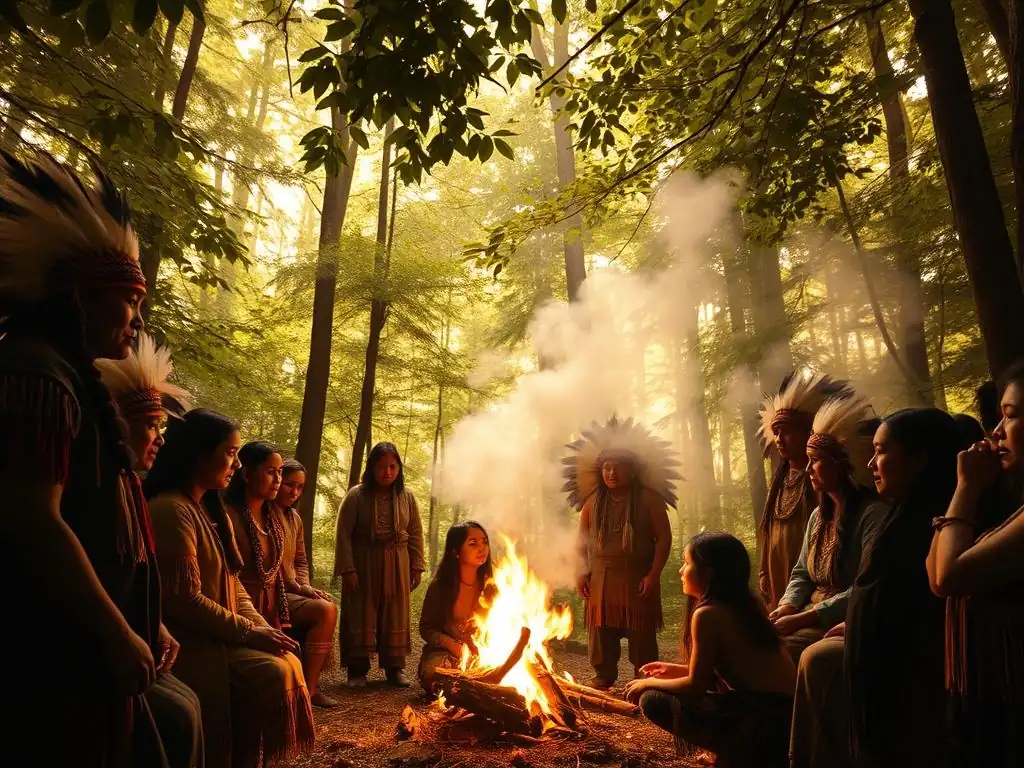
Ancestral worship in North America plays a vital role in fostering community cohesion among Indigenous peoples. This practice is deeply rooted in the belief that ancestors continue to influence the living, providing guidance, protection, and blessings. As such, ancestral worship serves as a bridge between the past and present, reinforcing the ties that bind individuals to their communities and cultural heritage.
The rituals associated with ancestral worship often involve communal gatherings, storytelling, and the performance of traditional ceremonies. These activities are not merely acts of remembrance; they are integral in nurturing relationships among community members. By honoring their ancestors, individuals reaffirm their belonging to a collective identity that transcends generations.
The act of honoring ancestors often manifests in various communal practices that strengthen social bonds. These practices include:
- Ceremonial Gatherings: Events such as potlatches, feasts, and memorials allow community members to come together, share food, and celebrate the lives of their ancestors. This communal aspect reinforces social ties and fosters a sense of belonging.
- Storytelling Traditions: Oral histories passed down through generations serve as a means of maintaining connections to ancestors. These stories often carry lessons, moral teachings, and cultural values that shape community identity and cohesion.
- Rituals and Offerings: Many Indigenous cultures engage in rituals that involve offerings to ancestors, such as food, tobacco, or other sacred items. These acts of devotion are seen as a way to maintain a spiritual relationship with ancestors, fostering a sense of continuity and support within the community.
Through these practices, ancestral worship becomes a communal affair, promoting unity and collaboration among members. It serves not only to honor the dead but also to cultivate a supportive environment that encourages cooperation and mutual respect.
Collective Memory and Its Impact on Indigenous Communities
Collective memory, shaped significantly by ancestral worship, is crucial to the identity and continuity of Indigenous communities. This shared memory encompasses:
- Cultural Heritage: Ancestral worship is a means of preserving cultural practices, languages, and traditions that might otherwise be lost. By remembering and honoring ancestors, communities retain their unique cultural identities, enriching their social fabric.
- Historical Awareness: Engaging in ancestral worship fosters an understanding of historical events, struggles, and triumphs faced by Indigenous peoples. This awareness cultivates resilience and empowers communities to face contemporary challenges while honoring their past.
- Emotional Resilience: The act of remembering and celebrating ancestors can be a source of comfort and strength for individuals facing personal or communal hardships. This emotional connection helps to build a resilient community that can navigate challenges while maintaining a strong sense of identity.
In essence, the practice of ancestral worship in North America is more than a spiritual observance; it is a fundamental aspect of social cohesion and cultural preservation. By actively engaging with their ancestors, Indigenous communities foster a sense of collective identity that is vital for their survival and thriving in a rapidly changing world.
The Impact of Colonization on Ancestral Worship
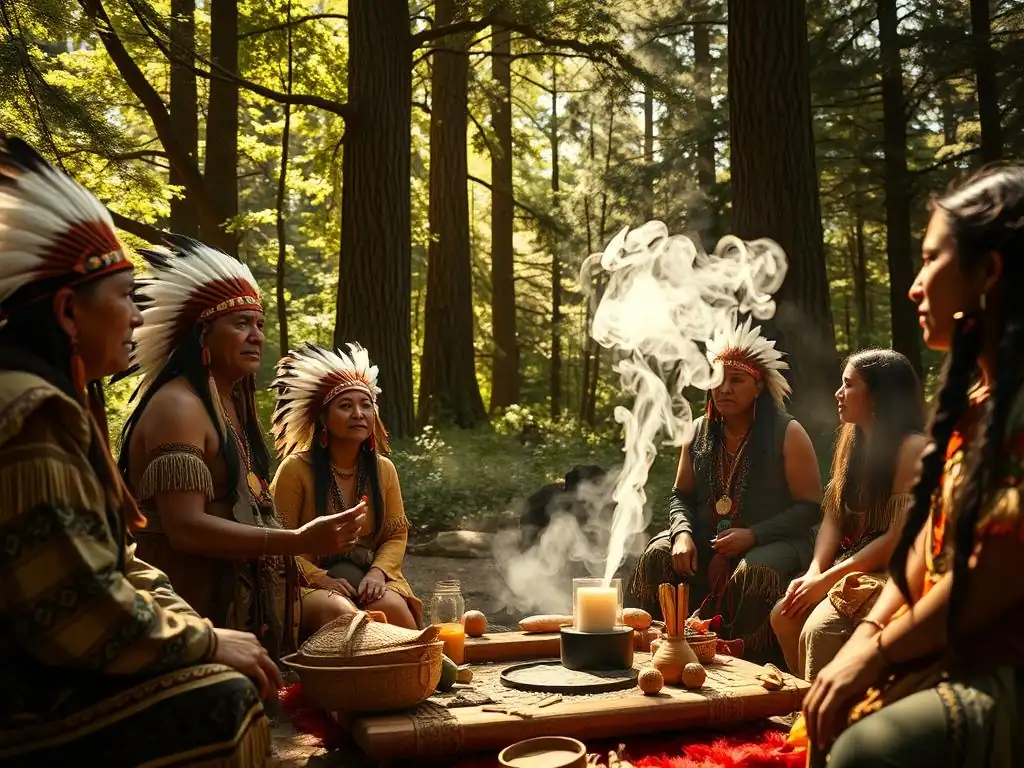
Colonization had a profound impact on the indigenous populations of North America, drastically altering their spiritual practices, including ancestral worship. The arrival of European settlers led to significant disruptions in the transmission of cultural and spiritual beliefs, as colonial powers imposed their own religious frameworks and sought to eradicate indigenous traditions. This section examines how these disruptions occurred and the resilience demonstrated by indigenous communities in preserving their ancestral practices.
Disruption of Ancestral Practices
The introduction of European colonization in North America brought about a wave of change that significantly affected the ways in which indigenous peoples engaged in ancestral worship. Key factors contributing to this disruption include:
- Forced Relocation: Many indigenous groups were displaced from their ancestral lands, which were vital to their spiritual practices. The connection to specific geographic locations is crucial in many North American indigenous belief systems, as these sites often hold spiritual significance and are linked to ancestral spirits.
- Cultural Suppression: Colonial policies, such as the Indian Act in Canada and various assimilation efforts in the United States, actively sought to suppress indigenous cultures. This included the banning of traditional ceremonies and the promotion of Christianity, effectively undermining the transmission of ancestral knowledge and practices.
- Loss of Language: Language is a key element in the expression of spirituality. Many indigenous languages contain specific terms and concepts related to ancestral worship. The decline of these languages, often enforced through educational systems that favored English or French, contributed to a disconnection from ancestral teachings and rituals.
- Interruption of Oral Traditions: Ancestral worship heavily relies on oral traditions, including storytelling and teachings passed down through generations. The disruption caused by colonization led to a breakdown in these oral histories, making it challenging for younger generations to connect with their spiritual heritage.
Despite these challenges, many indigenous communities have demonstrated remarkable resilience in the face of adversity, adapting their spiritual practices while striving to maintain connections with their ancestors.
Resilience and Adaptation of Indigenous Spirituality
In response to the disruptions caused by colonization, indigenous peoples across North America have shown a remarkable ability to adapt their ancestral worship practices while preserving core elements of their spirituality. Some key aspects of this resilience include:
- Revival Movements: In the late 20th century, many indigenous communities began to actively revive their ancestral practices as part of a broader movement for cultural reclamation. This includes the revitalization of traditional ceremonies, languages, and teachings that honor ancestral spirits.
- Integration of New Elements: Indigenous spirituality has often incorporated elements from other belief systems while maintaining a focus on ancestral worship. This blending allows communities to adapt to changing circumstances while preserving their unique cultural identities.
- Community-Based Practices: Many indigenous groups have strengthened community ties through collective ancestral worship practices. By organizing gatherings and ceremonies, they create spaces for sharing knowledge, reinforcing cultural identity, and fostering connections with both ancestral spirits and contemporary community members.
- Educational Initiatives: To combat the effects of cultural suppression, many indigenous leaders and scholars have developed educational programs that emphasize the importance of ancestral knowledge. These initiatives aim to teach younger generations about their heritage, ensuring that ancestral worship remains a vital aspect of their spiritual lives.
While colonization significantly disrupted ancestral worship in North America, the resilience and adaptability of indigenous spirituality have allowed many communities to reclaim and revitalize their ancestral practices. This ongoing journey reflects a deep commitment to honoring the spirits of their ancestors and preserving the cultural heritage that defines their identities.
Contemporary Expressions of Ancestral Worship
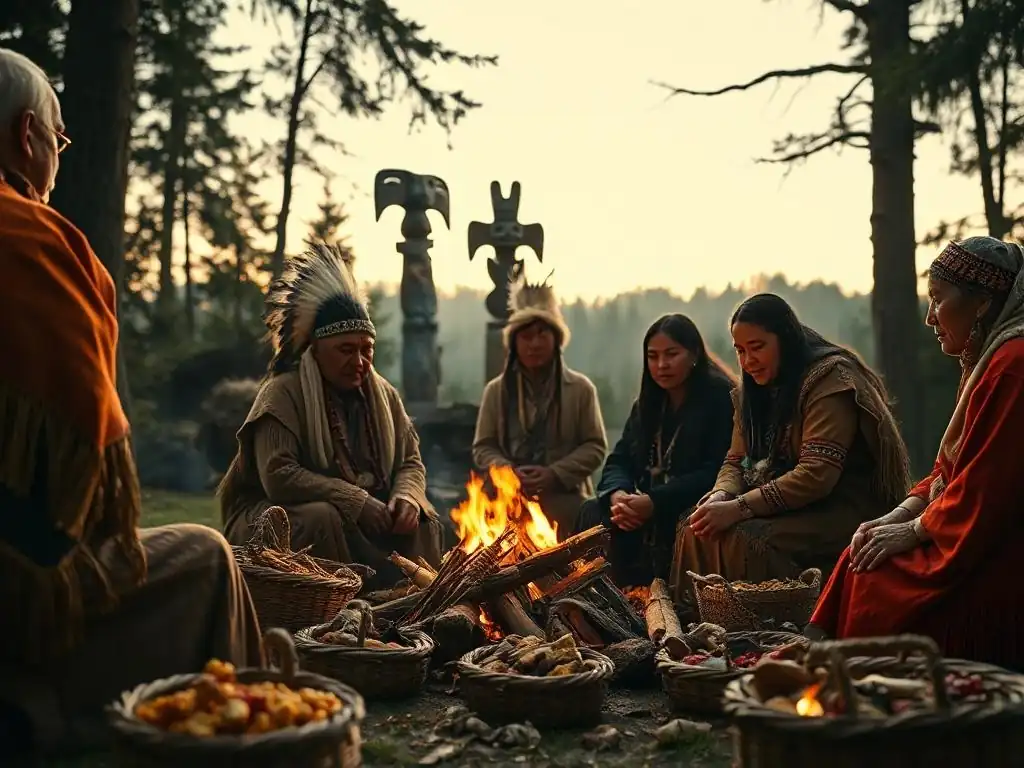
Ancestral worship in North America continues to thrive in contemporary indigenous cultures, reflecting a deep-seated reverence for the spirits of ancestors. This practice, rooted in traditions that predate European contact, manifests in various ways, including ceremonies, art, and community gatherings. As indigenous peoples reclaim and revitalize their cultural practices, ancestral worship has evolved to address modern challenges while maintaining its core values.
Modern Revival of Ancestral Traditions
In recent decades, there has been a significant resurgence in the practice of ancestral worship among many Native American communities. This revival is often intertwined with broader movements to reclaim indigenous identities and resist cultural assimilation. Modern ceremonies frequently draw upon traditional rituals, adapting them to contemporary contexts. For instance:
- Ceremonial Gatherings: Many tribes organize events that honor ancestors, such as potlatches or healing ceremonies. These gatherings serve not only to pay homage to the spirits of the past but also to strengthen community bonds and cultural identity.
- Artistic Expressions: Artists often incorporate themes of ancestry into their work, using traditional methods to create contemporary pieces that reflect the ongoing relationship with their forebears. This can include everything from beadwork and textiles to modern installations and performances.
- Storytelling: Oral traditions remain vital in conveying ancestral teachings. Contemporary storytelling often features both traditional narratives and new stories that reflect current experiences, bridging the past with the present.
The revival of these traditions is supported by organizations dedicated to preserving indigenous culture, which host workshops, provide resources, and facilitate intergenerational dialogue.
Intergenerational Transmission of Spiritual Knowledge
An essential aspect of ancestral worship in North America is the intergenerational transmission of spiritual knowledge. Elders play a critical role in this process, serving as custodians of tradition and guides for younger generations. Key elements of this transmission include:
- Mentorship: Elders often mentor youth in the spiritual practices associated with ancestral worship. This mentorship can take place through formal programs or informal settings, emphasizing the importance of personal relationships and shared experiences.
- Cultural Camps: Many communities organize cultural camps where youth participate in traditional activities, such as crafting, dancing, and storytelling. These camps not only teach skills but also embed spiritual values associated with ancestral reverence.
- Integration into Daily Life: Ancestral teachings are often integrated into daily practices, from the way people interact with nature to how they conduct themselves within their communities. This holistic approach ensures that the values of respect and honor for ancestors are woven into the fabric of daily life.
As younger generations engage with these teachings, they adapt them to their contemporary realities, ensuring that ancestral worship remains a dynamic and living practice. This ongoing relationship with ancestors fosters resilience and a profound sense of belonging, crucial for the survival and flourishing of indigenous cultures in North America.
Conclusion: The Enduring Importance of Ancestral Worship
Ancestral worship in North America is not merely a set of rituals; it embodies a profound connection between the living and the spirit world. This practice reinforces the values, traditions, and cultural identities of Indigenous peoples, serving as a cornerstone for communal life. The reverence for ancestors fosters a sense of belonging and continuity, ensuring that the wisdom of the past is not only remembered but actively integrated into everyday life.
The significance of ancestral worship extends beyond personal spirituality. It plays a crucial role in the collective identity of Indigenous communities, reinforcing social cohesion and cultural resilience. Families and clans gather to honor their ancestors, sharing stories and teachings that have been passed down through generations. This transmission of knowledge is vital for maintaining cultural heritage and instilling a sense of responsibility in younger generations to uphold these traditions.
Moreover, ancestral worship often involves the veneration of specific sites, such as burial grounds and sacred landscapes. These locations are imbued with cultural and spiritual meaning, serving as a tangible link to the ancestors. The protection and preservation of these sites are paramount, as they are seen as the lifeblood of the community's identity and history.
Reflection on the Significance of Ancestral Worship in North American Indigenous Spirituality
Ancestral worship in North America serves as a conduit through which Indigenous peoples connect with their histories, cultures, and identities. This practice is rooted in the understanding that ancestors continue to exist as guiding spirits, influencing the lives of their descendants. For many tribes, the act of honoring ancestors is intertwined with everyday activities, from agricultural practices to communal gatherings, showcasing the integral role of spirituality in daily life.
In many Indigenous cultures, the relationship with ancestors is reciprocal. While the living honor and remember their ancestors, it is believed that these spirits provide protection, guidance, and blessings in return. This reciprocal relationship fosters a sense of responsibility among community members to live in a manner that honors their heritage and respects the teachings of those who came before them.
Additionally, the significance of ancestral worship is reflected in various ceremonies and rituals, such as the Powwow and the Day of the Dead. These events are not only occasions for celebration but also serve as opportunities for reflection and collective remembrance. Through these practices, communities reaffirm their identities and establish continuity with their past.
Call to Respect and Understand Indigenous Spiritual Practices
Understanding and respecting ancestral worship in North America requires a commitment to recognizing the diversity of Indigenous spiritual practices. Each tribe has its own unique traditions, beliefs, and expressions of ancestral veneration. It is essential for non-Indigenous individuals to approach these practices with an open mind and a willingness to learn.
Engagement with Indigenous spirituality should be done respectfully and ethically, avoiding cultural appropriation while promoting genuine appreciation. This means listening to Indigenous voices, understanding the context of their practices, and supporting communities in their efforts to preserve and promote their spiritual heritage.
Moreover, fostering an environment of respect can lead to meaningful dialogue and collaboration between Indigenous and non-Indigenous communities. By honoring the significance of ancestral worship and its role in Indigenous cultures, society can take steps toward reconciliation and mutual understanding.
Ancestral worship in North America is a vital aspect of Indigenous spirituality, providing a framework for understanding identity, history, and community. As we reflect on its significance, let us commit to respecting and valuing these rich traditions, paving the way for a more inclusive and respectful society.
Frequently Asked Questions
What is ancestral worship in North America?
Ancestral worship refers to the practice of honoring and revering ancestors, which is a central aspect of many indigenous spiritual traditions in North America, emphasizing respect for lineage and heritage.
How did ancestral worship influence indigenous societies?
Ancestral worship played a significant role in shaping the social structures and cultural practices, fostering a sense of identity and continuity among communities, and reinforcing values of respect and responsibility.
What are some common practices associated with ancestral worship?
Common practices include rituals, offerings, and storytelling that celebrate ancestors and their wisdom, as well as ceremonies during significant events to invoke their guidance and blessings.
How does ancestral worship relate to modern indigenous identity?
Today, ancestral worship continues to be a vital link to heritage, helping to maintain a sense of community and cultural pride among indigenous peoples, while also addressing contemporary challenges.
Can you find resources on ancestral worship in North America?
Yes, various resources, including books, academic articles, and websites, provide insights into the significance of ancestral worship in indigenous cultures, offering rich narratives and historical contexts.
Final Reflection: Embracing Ancestral Wisdom in Modern Spirituality
Ancestral worship in North America is not merely a relic of the past; it is a living, breathing practice that continues to resonate deeply within contemporary Indigenous communities. As we navigate an increasingly disconnected world, the reverence for our ancestors serves as a powerful reminder of our roots and the wisdom they impart. In recognizing the significance of our ancestors, we find a profound connection to our identity and purpose.
The influence of ancestral worship extends far beyond individual practices; it shapes the cultural and social landscapes of Indigenous North America. This connection to the past fosters a sense of belonging and continuity, bridging generations and nurturing communal ties. As we honor the spirits of those who came before us, we also cultivate a deeper understanding of our place in the world. We are all connected to our ancestors, and through them, we find the strength to face the challenges of today.
This ongoing dialogue with our ancestors enriches our lives, providing guidance and resilience in times of uncertainty.
As we reflect on the importance of ancestral worship, I invite you to explore your own connections to the past. Consider how the lessons of your ancestors can shape your present and future. Embrace the wisdom that flows through your lineage and let it inspire you to cultivate a deeper sense of purpose and community. By honoring those who came before us, we not only pay tribute to their sacrifices but also empower ourselves to create a more meaningful existence in the world today.
Embrace Your Heritage: Connect with Your Ancestors Today!
Thank you for exploring the profound significance of ancestral worship in Indigenous North American spirituality. You've gained valuable insights into how remembering and honoring our ancestors enriches our lives and strengthens our connections to cultural identity. Now, it's time to take actionable steps to deepen this connection!
Here are some meaningful ways you can engage with your heritage:
- Create a dedicated space for your ancestors: Design a small altar or memory corner in your home where you can display photos, heirlooms, or other tokens of your lineage that inspire reflection and gratitude.
- Initiate a story-sharing session: Gather family members to share tales and traditions passed down through generations, fostering a living connection with your ancestors and enriching your family history.
- Join a local Indigenous community group: Get involved with cultural organizations or events in your area to connect with others who share similar interests and values regarding ancestral heritage and spirituality.
Are you ready to start honoring your ancestors in a way that resonates with your personal journey? What will be the first step you take to integrate ancestral worship into your life?