
The Power of Land: Spiritual Connections Between Indigenous Peoples and Their Territories

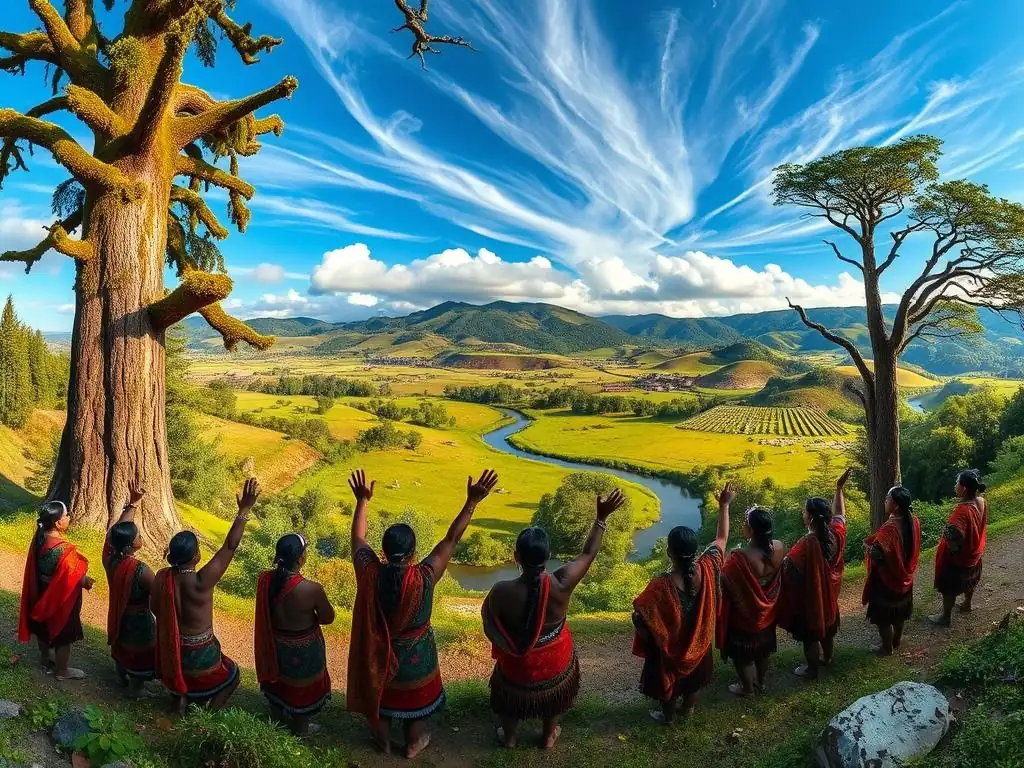
Welcome to Indigenous Civilizations of the Americas, where we invite you to embark on a journey through time to uncover the rich tapestry of diverse cultures that flourished long before European colonization. Here, we delve into the profound connections between indigenous peoples and their lands, revealing how these relationships shaped their identities, societies, and spiritual beliefs.
As you explore our featured article, "The Power of Land: Spiritual Connections Between Indigenous Peoples and Their Territories," prepare to discover the intricate bond that has endured through generations, inviting you to reflect on its significance today. Join us in celebrating the legacy of these remarkable civilizations and their enduring impact on the world.
Introduction to Indigenous Peoples and Land Connections
The intricate relationship between indigenous peoples and their lands is fundamental to understanding the rich tapestry of their cultures, beliefs, and identities. For countless generations, indigenous communities across the Americas have formed profound spiritual connections with their territories, viewing the land not merely as a physical space, but as a living entity imbued with significance.
This article delves into the spiritual dimensions of these connections, highlighting how the land serves as a source of sustenance, identity, and cultural heritage. By exploring the historical, spiritual, and societal aspects of this relationship, we aim to illuminate the enduring impact of indigenous land connections and underscore the importance of preserving these vital relationships in contemporary discussions about land rights and environmental stewardship.
Understanding Indigenous Spirituality and Land
Indigenous spirituality is deeply intertwined with the natural world, and land is often regarded as sacred. This connection manifests in various ways, including rituals, storytelling, and community practices. Many indigenous cultures view themselves as stewards of the land, emphasizing a reciprocal relationship where the well-being of the community is linked to the health of the environment.
- Key Aspects of Indigenous Spirituality:
- Holistic View: Indigenous belief systems often emphasize a holistic understanding of existence, where humans, animals, plants, and the earth are interconnected.
- Rituals and Ceremonies: Spiritual practices frequently involve ceremonies that honor the land, such as planting and harvesting rituals, which reinforce the community’s bond with their territory.
- Ancestral Wisdom: Knowledge passed down through generations plays a crucial role in understanding land use, conservation, and the spiritual significance of natural elements.
Importance of Land in Indigenous Cultures
Land is not only a physical resource but also a cornerstone of identity and community for indigenous peoples. It serves as a repository of history, tradition, and spirituality, shaping the way communities perceive themselves and their place in the world.
- Cultural Identity: The land is often a central aspect of a community's identity, influencing language, art, and social structures.
- Economic Sustenance: Traditional practices, such as hunting, fishing, and agriculture, are deeply rooted in the landscape, providing food and resources essential for survival.
- Spiritual Practices: Many indigenous cultures engage in spiritual practices that celebrate and honor the land, integrating it into their daily lives and community gatherings.
Historical Context of Indigenous Land Connections
To fully appreciate the depth of indigenous land connections, it is essential to consider the historical context in which these relationships developed. Indigenous peoples have occupied and interacted with their territories for thousands of years, shaping and being shaped by the lands they inhabit.
Traditional Practices and Spiritual Beliefs
Indigenous communities have developed a myriad of traditional practices that reflect their spiritual beliefs regarding the land. These practices often involve rituals that honor the earth and its resources, reinforcing their commitment to sustainable living.
- Seasonal Cycles: Many communities have ceremonies aligned with seasonal changes, recognizing the importance of the land's cycles in their spiritual and agricultural practices.
- Sacred Sites: Certain locations are deemed sacred and are often central to spiritual rituals, serving as gathering places for ceremonies and community events.
Historical Relationships Between Indigenous Peoples and Their Territories
The historical relationship between indigenous peoples and their territories is marked by a profound sense of belonging and stewardship. This connection has been challenged by external forces, including colonization and land dispossession, which have disrupted traditional practices and spiritual beliefs.
- Colonization Impact: The arrival of European settlers resulted in significant disruption to indigenous ways of life, including forced removal from ancestral lands and the imposition of foreign governance systems.
- Resilience and Adaptation: Despite these challenges, many indigenous communities have demonstrated remarkable resilience, adapting their spiritual practices and land connections to survive and thrive in a changing world.
Through this exploration, we seek to honor the spiritual connections that indigenous peoples maintain with their lands, recognizing their importance in fostering cultural identity and environmental stewardship.
The Role of Land in Indigenous Identity
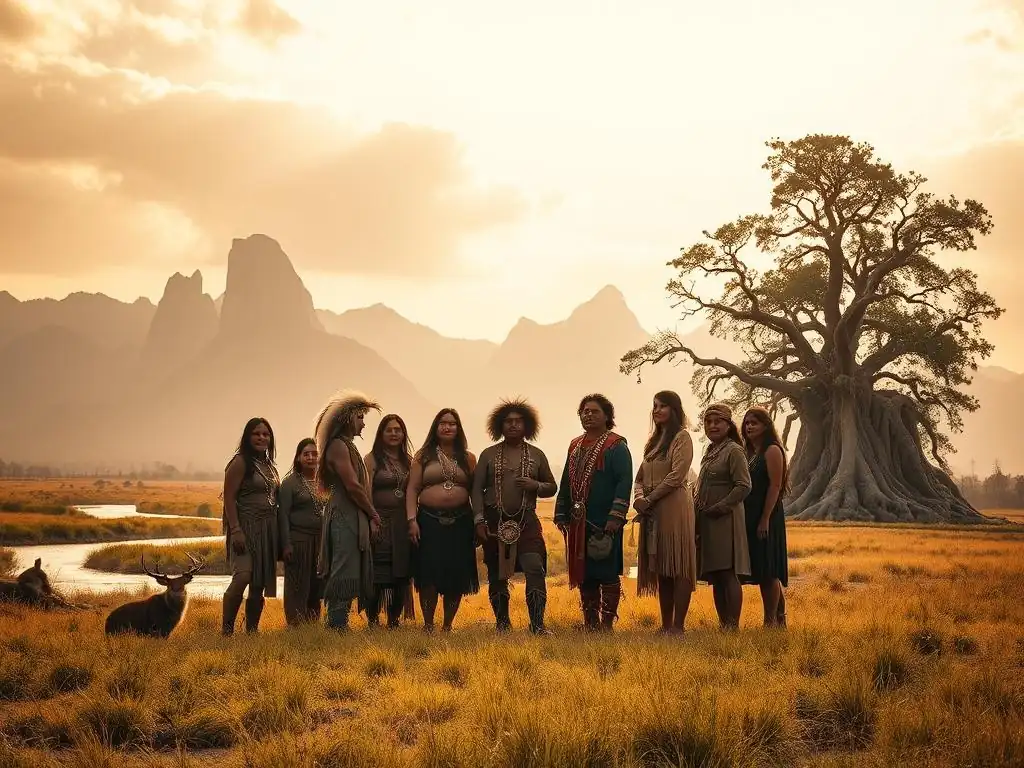
Land is often viewed as more than just a physical space for Indigenous peoples; it forms the foundation of their identity, culture, and spirituality. The relationship between Indigenous peoples and their territories is deeply intertwined, where land serves as a source of sustenance, a repository of traditional knowledge, and a canvas for cultural expression. Each tribe or nation has its own unique connection to the land, shaped by their history, traditions, and the specific ecological characteristics of their territory.
This connection manifests in various ways, from stewardship practices that maintain ecological balance to narratives passed down through generations that honor their ancestors and the sacredness of the land. For many Indigenous groups, land is not just a backdrop for human activity; it is an integral part of their identity that informs their worldview, governance, and social structures.
Land as a Source of Spiritual Heritage
The spiritual heritage of Indigenous peoples is often anchored in their connection to the land. This relationship is expressed through cosmologies that view the earth as a living entity, imbued with spirit and consciousness. Many Indigenous cultures hold beliefs that the land is sacred, and its elements—such as mountains, rivers, and forests—are seen as relatives or ancestors.
Ceremonies, songs, and oral traditions frequently reflect this spiritual bond, with particular places being revered as sites of healing, learning, and connection to the divine. For instance, various Indigenous groups engage in rituals that honor the earth during planting seasons or harvests, acknowledging the land's role in sustaining life. This reverence for the land is not merely a cultural practice; it is a spiritual obligation that reinforces their identity and collective memory.
Connection Between Land and Indigenous Languages
Indigenous languages are often intricately linked to the land, providing insights into the ecological knowledge and cultural practices of the people. Many terms in Indigenous languages describe specific geographical features, flora, and fauna, reflecting a deep understanding of the local environment. This linguistic connection illustrates how language encapsulates the relationship between people and their territories.
Furthermore, the loss of land often correlates with the decline of Indigenous languages, emphasizing the importance of preserving both linguistic and territorial heritage. Language revitalization efforts frequently include teachings about land, thereby reinforcing the connection between the two. Through storytelling and traditional ecological knowledge, Indigenous peoples pass down their understanding of the land, highlighting the interconnectedness of language, identity, and place.
Spiritual Practices Linked to Land
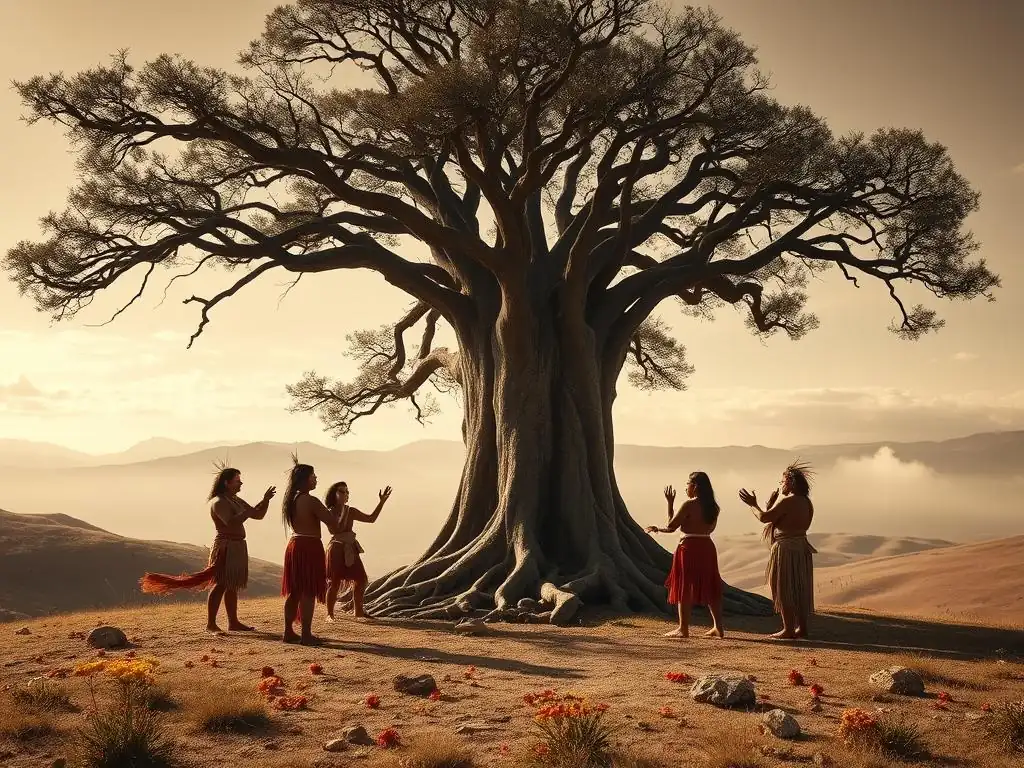
Indigenous spiritual practices are often deeply rooted in the landscapes they inhabit. These practices not only reflect their reverence for the earth but also serve as a means of connecting with their ancestors and the spiritual world. The relationship with the land informs various aspects of spiritual life, including rituals, ceremonies, and community gatherings that celebrate the cycles of nature and the teachings that arise from them.
Ceremonies and Rituals Rooted in the Earth
Ceremonies and rituals are vital expressions of spiritual connection to the land. They often mark significant life events, seasonal changes, or communal gatherings, reinforcing the bond between the community and their territory. For example, the Sun Dance among Plains tribes is a ceremony that honors the sun and the land, emphasizing the interconnectedness of life and the importance of renewal.
Additionally, many Indigenous ceremonies involve offerings to the land, such as tobacco or food, as a way to express gratitude and seek blessings. These rituals are not only significant for spiritual health but also serve as a way to educate younger generations about their responsibilities to the land and their cultural heritage.
Sacred Sites and Their Significance
Sacred sites hold immense significance for Indigenous peoples, as they are often seen as places where the spiritual and physical worlds intersect. These locations may include mountains, rivers, or ancient structures that have been deemed sacred through historical events or cultural narratives. Sacred sites serve as focal points for ceremonies, teachings, and spiritual practices, offering a direct link to their ancestors and the cosmos.
For many Indigenous communities, protecting these sacred sites is crucial for maintaining their spiritual integrity and cultural identity. The loss or desecration of these areas can have profound impacts on their spiritual practices and community cohesion. Thus, the ongoing efforts to preserve sacred lands reflect not only a fight for rights but also a commitment to keep their cultural heritage alive and thriving.
Contemporary Issues Affecting Indigenous Land Connections
The relationship between indigenous peoples and their lands has been profoundly affected by historical and ongoing issues. Contemporary challenges often stem from colonial legacies, legal disputes, and socio-political dynamics that threaten the spiritual and cultural connections indigenous communities hold with their territories. Understanding these issues is crucial to appreciating the enduring bond between indigenous peoples and their ancestral lands.
Land Rights and Legal Challenges
Land rights remain a contentious issue for many indigenous communities across North America. Legal battles for recognition of land ownership often highlight the complexities of treaties, sovereignty, and historical grievances. Many treaties signed with indigenous groups have been ignored or misinterpreted, leading to significant loss of land and resources.
In recent years, indigenous peoples have sought to reclaim their rights through various legal avenues, including:
- Litigation: Many tribes have taken legal action against governments and corporations to assert their land rights. Notable cases include the landmark decision in Montana v. United States that reaffirmed tribal sovereignty.
- Land Trusts: Some communities have established land trusts to protect sacred sites and traditional hunting grounds from development and exploitation.
- Advocacy: Indigenous organizations actively lobby for legislative reforms that recognize and protect land rights, aiming to ensure that indigenous voices are heard in policy-making processes.
Despite these efforts, the path to securing land rights is fraught with challenges, including the need for substantial legal resources and the often slow-moving nature of judicial systems.
Impact of Colonization on Spiritual Connections
Colonization has had a profound impact on the spiritual connections indigenous peoples have with their lands. The disruption of traditional practices, loss of sacred sites, and forced displacement have severed many communities from their ancestral territories. This disconnection has not only affected cultural identity but has also led to a decline in spiritual practices tied to the land.
The consequences of colonization include:
- Cultural Erasure: Many indigenous languages and traditions linked to land stewardship have diminished, as colonization disrupted the transmission of knowledge from generation to generation.
- Environmental Degradation: Industrialization and resource extraction have led to environmental changes that undermine traditional ecological practices, making it challenging for communities to maintain their spiritual and cultural connections to the land.
- Mental Health Challenges: The disconnection from land has been linked to various mental health issues within indigenous populations, as the land is often viewed as a source of identity, belonging, and healing.
Understanding these impacts is vital to recognizing the resilience of indigenous communities as they work to restore their spiritual connections with the land.
Revitalization of Indigenous Land Connections
In response to the historical and contemporary challenges faced by indigenous peoples, there has been a significant movement towards revitalizing their connections to the land. This revitalization encompasses both cultural and spiritual dimensions, emphasizing the importance of land in indigenous identity and community well-being.
Modern Movements for Land Restoration
Modern movements advocating for land restoration have gained momentum in recent years, focusing on reclaiming ancestral territories and promoting sustainable land practices. These movements often encompass a variety of strategies, including:
- Land Back Initiatives: Numerous indigenous groups are advocating for the return of land to their communities, which is viewed as a crucial step towards healing and restoring cultural practices.
- Environmental Stewardship: Many indigenous communities are leading efforts to revive traditional ecological knowledge, promoting land management practices that are sustainable and respectful of the environment.
- Collaborative Partnerships: Some tribes are forming partnerships with governmental and non-governmental organizations to collaboratively manage land and resources, recognizing the importance of combining traditional knowledge with contemporary conservation efforts.
These movements not only seek to reclaim land but also to restore the spiritual and cultural connections that are integral to indigenous identities.
Integration of Traditional Knowledge in Contemporary Practices
The integration of traditional ecological knowledge (TEK) into modern practices is a vital aspect of revitalizing indigenous land connections. TEK encompasses the understanding and insights gained over generations regarding local ecosystems, biodiversity, and sustainable resource management.
Key aspects of this integration include:
- Educational Programs: Many indigenous communities are developing educational initiatives that teach both indigenous and non-indigenous peoples about traditional land practices and the significance of maintaining a harmonious relationship with the environment.
- Cultural Revitalization Efforts: Initiatives focused on language preservation, storytelling, and traditional ceremonies are reinforcing the spiritual connections to the land, ensuring that future generations remain connected to their heritage.
- Policy Development: Indigenous leaders are increasingly involved in environmental policy-making, advocating for the inclusion of traditional knowledge in conservation strategies and land management decisions.
Through these efforts, indigenous peoples are not only reclaiming their land but also revitalizing their cultural identities and reinforcing the spiritual significance of their territories.
Case Studies of Indigenous Land Connections
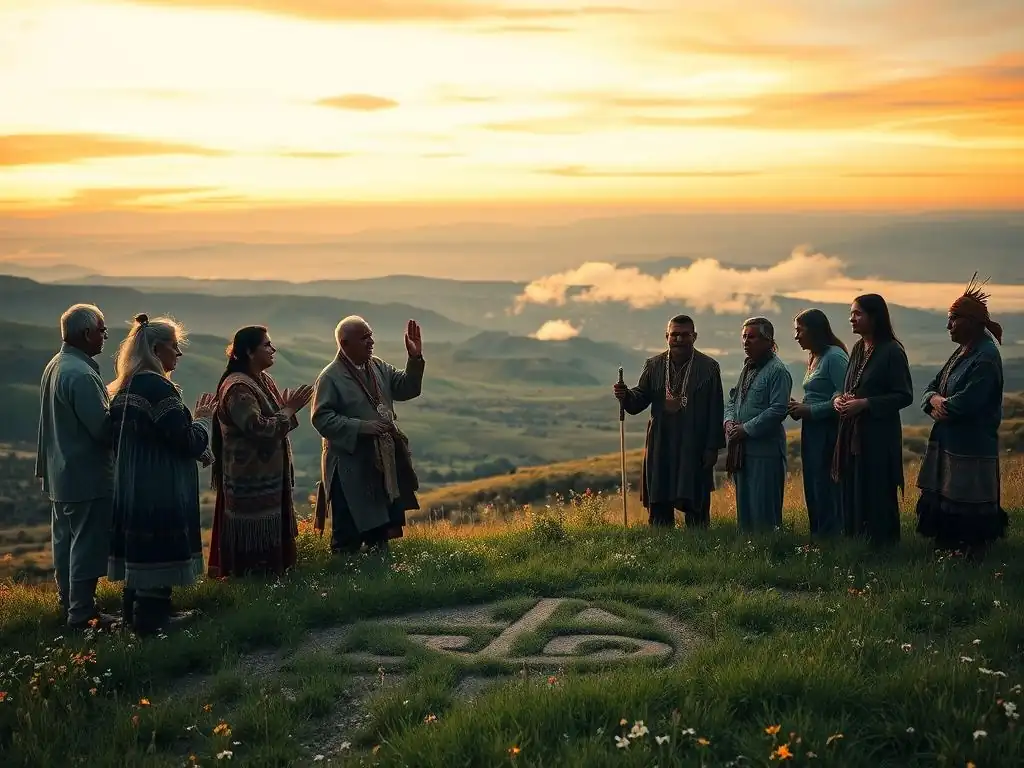
Indigenous peoples around the world have maintained profound spiritual connections to their lands, often manifesting in movements that advocate for land rights and environmental stewardship. This section explores notable case studies that illustrate these connections and their significance.
The Zapatista Movement and Land Rights in Chiapas, Mexico
The Zapatista movement, which emerged in 1994 in Chiapas, Mexico, is a significant example of indigenous land rights activism. The Zapatistas, primarily composed of the Tzotzil and Tzeltal Maya, rose in response to the Mexican government's neoliberal policies that threatened their lands and livelihoods. At the heart of their struggle is a deep spiritual connection to the land, which they view as sacred and integral to their identity.
The Zapatistas advocate for autonomy and the right to self-determination, emphasizing the importance of land as not merely a resource but as a source of life and culture. They have established autonomous municipalities where traditional practices and governance are revived. This movement has not only brought attention to the rights of indigenous peoples in Mexico but has also inspired similar movements worldwide, emphasizing the need for respect for indigenous land connections and practices.
The Restoration of Traditional Ecological Practices by the Haudenosaunee Confederacy
The Haudenosaunee Confederacy, composed of the Mohawk, Oneida, Onondaga, Cayuga, Seneca, and Tuscarora nations, exemplifies the restoration of traditional ecological practices rooted in their spiritual relationship with the land. The Haudenosaunee worldview emphasizes "Gayanashagowa," or the Great Law of Peace, which underscores the interconnectedness of all beings and the necessity of maintaining balance with nature.
In recent years, the Confederacy has actively engaged in revitalizing traditional agricultural practices, such as the Three Sisters farming method, which involves growing corn, beans, and squash together. This method not only enhances biodiversity but also reflects their belief in the land's sacredness and the importance of sustainable stewardship. By restoring these practices, the Haudenosaunee not only reconnect with their cultural heritage but also demonstrate the efficacy of indigenous knowledge systems in contemporary environmental management.
Conclusion: The Enduring Power of Land in Indigenous Spirituality
The deep spiritual connections that indigenous peoples maintain with their lands are critical to their identities, cultures, and ways of life. These connections are not just historical; they shape the present and future of indigenous communities and their relationships with the environment.
Reflection on the Importance of Land Connections for Future Generations
As we reflect on the importance of land connections, it becomes evident that these relationships are vital for the sustainability of both indigenous cultures and the ecosystems they inhabit. Future generations must understand and honor these connections, recognizing that land is more than a physical space; it is a living entity that nurtures and sustains life. By fostering respect for indigenous land rights and practices, we can help ensure that these spiritual connections endure, allowing for a richer, more diverse world.
Call to Action for Supporting Indigenous Land Rights
It is essential for individuals, communities, and governments to actively support indigenous land rights. This can take many forms, including advocacy for policy changes, participating in movements that uphold indigenous sovereignty, and educating others about the significance of these connections. By joining together to protect indigenous lands, we can honor the spiritual relationships that are foundational to indigenous peoples and contribute to a more just and equitable society for all.
References and Further Reading
Understanding the spiritual connections between indigenous peoples and their territories is essential in appreciating the depth of their cultures and the significance of land in their belief systems. Below is a compilation of suggested literature and resources that provide further insights into these connections, illustrating the profound ties that exist between indigenous communities and their ancestral lands.
Suggested Literature on Indigenous Peoples and Land Connections
-
"Braiding Sweetgrass: Indigenous Wisdom, Scientific Knowledge, and the Teachings of Plants" by Robin Wall Kimmerer
This book beautifully intertwines indigenous wisdom with scientific understanding, emphasizing the respect and reciprocity that indigenous peoples maintain with the land. Kimmerer, a member of the Citizen Potawatomi Nation, shares stories that highlight the intricate relationships between plants, people, and the Earth.
-
"Land, Water, and Climate Change in the Americas: Indigenous Perspectives" by John Borrows
This work offers a critical examination of how climate change affects indigenous lands and the spiritual connections that indigenous peoples have with their environments. Borrows presents indigenous perspectives that advocate for a more sustainable relationship with nature.
-
"The Sacred Hoop: Recovering the Feminine in American Indian Traditions" by Paula Gunn Allen
Allen explores the spiritual traditions of Native American women and their unique relationships with land. This book delves into the significance of land as a source of strength and sustenance in indigenous cultures.
-
"Indigenous Knowledge and Education: Sites of Struggle, Resistance, and Hope" by T. M. M. McCarthy
This text discusses the role of indigenous knowledge systems in education, especially how land connections influence learning and cultural transmission. It showcases the importance of integrating indigenous perspectives in educational frameworks.
-
"Decolonizing Methodologies: Research and Indigenous Peoples" by Linda Tuhiwai Smith
Smith's pivotal work challenges Western research methodologies and emphasizes the importance of indigenous perspectives in understanding land connections. It serves as a guide for researchers seeking to engage respectfully with indigenous communities.
Resources for Learning More About Indigenous Spirituality
- Native American Rights Fund (NARF): This organization provides extensive resources on indigenous rights, including land and spiritual connections. Their publications and reports highlight ongoing issues faced by indigenous communities related to land use and spiritual practices.
- The National Museum of the American Indian (NMAI): The NMAI offers a wealth of information about indigenous cultures, including exhibitions and educational resources that focus on spiritual connections to land. Their online collections and research guides are valuable resources for anyone interested in indigenous spirituality.
- Cultural Survival: This nonprofit organization advocates for the rights of indigenous peoples globally. Their website features articles, videos, and reports that explore how cultural practices and spiritual beliefs are intertwined with land and environmental stewardship.
- The Indigenous Environmental Network (IEN): IEN focuses on environmental justice issues affecting indigenous communities. Their resources include documents and reports that articulate the spiritual significance of land and water to indigenous peoples.
- Indigenous Peoples’ Literature: This resource offers a collection of oral histories, stories, and poetry from various indigenous cultures, emphasizing how land and spirituality are deeply woven into their narratives.
By exploring these texts and resources, readers can gain a deeper appreciation of the spiritual connections that indigenous peoples maintain with their lands, understanding how these relationships inform their identities, traditions, and worldviews.
- Introduction to Indigenous Peoples and Land Connections
- Understanding Indigenous Spirituality and Land
- Importance of Land in Indigenous Cultures
- Historical Context of Indigenous Land Connections
- The Role of Land in Indigenous Identity
- Land as a Source of Spiritual Heritage
- Connection Between Land and Indigenous Languages
- Spiritual Practices Linked to Land
- Contemporary Issues Affecting Indigenous Land Connections
- Revitalization of Indigenous Land Connections
- Case Studies of Indigenous Land Connections
- Conclusion: The Enduring Power of Land in Indigenous Spirituality
- References and Further Reading
- What are the main themes explored in the article about indigenous peoples and land connections?
- How did indigenous peoples view their relationship with the land?
- What impact did European colonization have on indigenous land connections?
- Why is the understanding of land connections important today?
- How can we support indigenous peoples in maintaining their land connections?
Frequently Asked Questions
What are the main themes explored in the article about indigenous peoples and land connections?
The article delves into the spiritual connections that indigenous peoples have with their territories, emphasizing the cultural significance of land in their societies.
How did indigenous peoples view their relationship with the land?
Indigenous peoples viewed their relationship with the land as a sacred bond, where the land provided not only resources but also a sense of identity and belonging.
What impact did European colonization have on indigenous land connections?
European colonization led to displacement and the disruption of traditional land ties, affecting both the spiritual and cultural practices of indigenous communities.
Why is the understanding of land connections important today?
Understanding these land connections is crucial for recognizing the rights of indigenous peoples and promoting their cultural preservation and environmental stewardship.
How can we support indigenous peoples in maintaining their land connections?
Supporting indigenous peoples involves respecting their land rights, advocating for sustainable practices, and acknowledging their traditional knowledge systems related to land management.
Final Reflection: The Enduring Bond Between Indigenous Peoples and Their Lands
The intricate relationship between indigenous peoples and their territories is not merely a historical narrative; it is a vital, living connection that resonates profoundly in today's world. As we face pressing environmental challenges and a growing need for sustainable practices, understanding and honoring these connections becomes increasingly crucial. The wisdom embedded in indigenous land stewardship offers invaluable lessons for fostering a more harmonious relationship with our planet.
The cultural and spiritual significance of land for indigenous communities continues to shape our collective consciousness and social movements today. This connection transcends mere ownership; it embodies a deep-seated respect for nature and a commitment to preserving the earth for future generations. As we witness a resurgence of indigenous voices advocating for their rights, we are reminded of the words of Chief Seattle: We do not inherit the earth from our ancestors; we borrow it from our children.
This perspective invites us to reconsider our own relationship with the land and the legacy we wish to leave behind.
As you reflect on the themes presented in this article, I encourage you to explore your own connections to the land around you. Consider how you can honor and support indigenous peoples in their fight for recognition and rights over their territories.
Whether through advocacy, education, or simply by fostering a deeper appreciation for the natural world, each of us has the power to contribute to a more equitable and sustainable future. Let this be a call to action, inspiring you to engage with the land in a way that respects its history and the cultures that have thrived upon it for generations.
Embrace the Spirit of the Land: Take Action Today!
Thank you for taking the time to explore the powerful connection between Indigenous peoples and their territories. By understanding this relationship, you've uncovered the deep spiritual bonds that shape cultures and communities. Now, it's time to channel that knowledge into meaningful action.
Here are a few ways you can honor and support these vital relationships:
- Engage with Local Indigenous Communities: Reach out to local Indigenous organizations or participate in events that celebrate their traditions and connection to the land.
- Educate Yourself and Others: Share what you've learned by hosting discussions or creating a book club focused on Indigenous history and culture.
- Support Indigenous-Led Environmental Initiatives: Look for opportunities to contribute to projects driven by Indigenous peoples, such as reforestation and land restoration efforts.
Consider how your understanding of these spiritual connections can influence your approach to conservation and land stewardship in your own life.