
Ancestral Knowledge: Indigenous Methods of Soil Conservation and Fertility

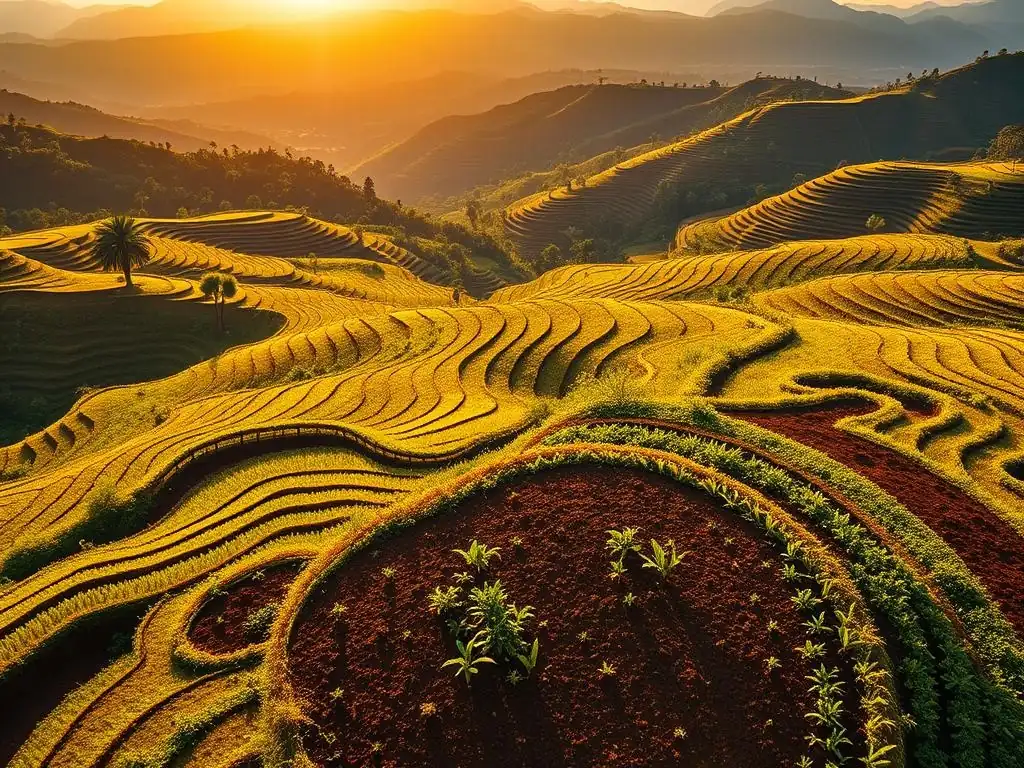
Welcome to Indigenous Civilizations of the Americas, where we invite you to journey through the rich tapestry of indigenous cultures that flourished long before European contact. In our featured article, "Ancestral Knowledge: Indigenous Methods of Soil Conservation and Fertility," we delve into the remarkable indigenous soil conservation techniques that not only sustained their communities but also fostered a deep respect for the land.
Discover how these time-honored practices continue to inspire modern ecological efforts, and ignite your curiosity about the profound wisdom embedded in these ancient societies. Join us as we explore the legacies that shape our understanding of sustainability today!
- Introduction to Indigenous Soil Conservation Techniques
- Historical Context of Indigenous Soil Conservation Methods
- Key Indigenous Soil Conservation Techniques
- Regional Variations in Indigenous Soil Conservation Practices
- The Role of Ancestral Wisdom in Modern Agriculture
- Challenges Facing Indigenous Soil Conservation Practices Today
- Conclusion: Reviving Indigenous Soil Conservation Techniques
- References
- Frequently Asked Questions
- Final Reflection: Embracing Ancestral Wisdom for Sustainable Soil Conservation
- Unleash the Power of Ancestral Wisdom Today!
Introduction to Indigenous Soil Conservation Techniques
Indigenous cultures across the Americas have long demonstrated a profound understanding of their environments, particularly in the realm of soil conservation and fertility. With a deep-rooted connection to the land, these communities developed innovative methods to maintain soil health, ensuring sustainable agricultural practices that have endured through generations.
This article explores the rich tapestry of indigenous soil conservation techniques, shedding light on the wisdom and practices that not only supported their societies but also provide valuable insights for contemporary resource management. As we delve into these ancestral methods, we will uncover the importance of soil conservation in indigenous cultures and the lasting impact of their ecological knowledge.
Importance of Soil Conservation in Indigenous Cultures
Soil conservation is not merely a practice; it is a philosophy embedded within many indigenous cultures. For these communities, maintaining the integrity of the land is essential for survival, cultural identity, and community well-being. Here are several key points highlighting the significance of soil conservation in indigenous societies:
- Sustainable Practices: Indigenous peoples have employed sustainable agriculture techniques, which minimize soil erosion and maintain soil fertility. These practices ensure that the land remains productive for future generations.
- Cultural Heritage: Many indigenous groups view the land as sacred, fostering a deep respect for the earth. This cultural perspective is a driving force behind their conservation efforts, as they believe that caring for the land is integral to their identity.
- Biodiversity: Indigenous methods often promote biodiversity, which is crucial for maintaining soil health. By cultivating a variety of crops and employing companion planting, these communities enhance soil structure and nutrient availability.
- Adaptation to Climate: Traditional knowledge has equipped indigenous peoples with the skills to adapt to changing environmental conditions, ensuring that their agricultural practices remain viable in the face of climate change.
Overview of Ancestral Knowledge in Resource Management
Indigenous resource management practices are a testament to the ingenuity and adaptability of these cultures. Through generations of observation and experimentation, they have developed a comprehensive understanding of their ecosystems. Below are some notable aspects of their ancestral knowledge related to soil conservation:
- Agroecology: Indigenous farmers often utilize agroecological methods, which integrate principles of ecology into agricultural practices. This includes crop rotation, polyculture, and the use of organic fertilizers, all aimed at enhancing soil health.
- Terracing and Raised Beds: Many indigenous cultures, such as the Inca, employed terracing techniques to reduce soil erosion on sloped terrains. Raised beds were also utilized to improve drainage and soil temperature, promoting better crop yields.
- Natural Fertilizers: The use of natural fertilizers, including compost and animal manure, is widespread among indigenous communities. These practices enrich the soil without the harmful effects of synthetic fertilizers.
- Water Management: Indigenous techniques often include innovative water management systems, such as rainwater harvesting and irrigation methods that minimize water loss, ensuring that soil remains moist and fertile.
Through these practices, indigenous cultures have exemplified sustainable stewardship of the land, offering modern societies valuable lessons in resource management and environmental conservation. The knowledge of indigenous soil conservation techniques not only serves as a testament to their resilience but also highlights the importance of integrating traditional wisdom into contemporary agricultural practices.
Historical Context of Indigenous Soil Conservation Methods
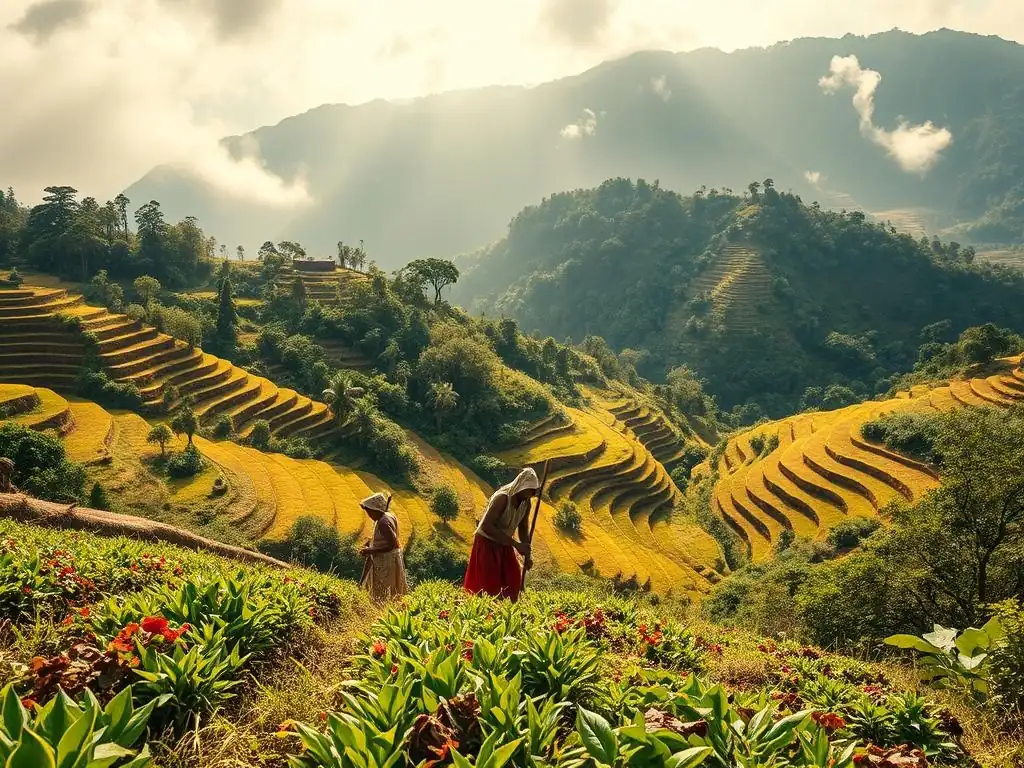
Indigenous soil conservation techniques have played a crucial role in the sustainability of agricultural practices across the Americas for thousands of years. These methods, deeply rooted in the cultural and spiritual beliefs of indigenous communities, reflect a profound understanding of the environment and the cyclical nature of life. As societies developed unique agricultural practices, they also cultivated a set of techniques aimed at conserving soil and maintaining its fertility, ensuring that their lands could support generations.
Indigenous Societies and Their Relationship with the Land
Indigenous peoples across the Americas have historically viewed the land not merely as a resource but as a sacred entity intertwined with their identity and culture. This relationship fostered a sense of stewardship, leading to the development of sophisticated agricultural practices. For example, the Inca civilization implemented extensive terracing in the Andes, which helped prevent soil erosion while maximizing arable land. This method allowed them to adapt to the challenging mountainous terrain, showcasing their ingenuity in resource management.
Similarly, the Maya civilization employed slash-and-burn agriculture combined with fallow periods to allow the soil to regenerate. This practice, known as milpa, emphasized the importance of crop rotation and biodiversity. The Maya's understanding of their environment enabled them to cultivate a wide variety of crops, thus enhancing soil fertility and resilience.
Indigenous peoples also incorporated traditional ecological knowledge (TEK) into their farming practices, which included observing natural patterns in the environment. For instance, Native American tribes in the Great Plains utilized controlled burns to maintain grasslands and promote the growth of desirable plant species. This technique not only improved soil health but also supported the diverse ecosystems that sustained wildlife.
Evolution of Soil Fertility Practices Among Indigenous Communities
The evolution of soil fertility practices among indigenous communities reflects their adaptive responses to changing environmental conditions and agricultural needs. Over centuries, various techniques emerged, showcasing a deep connection to the land and an understanding of sustainable practices.
- Crop Diversity and Companion Planting: Indigenous farmers often cultivated multiple crops simultaneously. For instance, the Three Sisters technique utilized maize, beans, and squash, which complemented each other in growth. The maize provided structure for beans to climb, while beans added nitrogen to the soil, and squash spread across the ground to retain moisture and suppress weeds. This practice illustrates the principles of biodiversity and interdependence, crucial for maintaining soil health.
- Soil Enrichment through Organic Matter: Many indigenous communities recognized the importance of enriching soil with organic matter. Techniques such as composting and the use of cover crops helped improve soil structure and fertility. For instance, the Ancestral Puebloans used old plant materials and animal dung to enhance soil quality, demonstrating an early understanding of nutrient cycling.
- Water Management Techniques: Indigenous soil conservation techniques also encompassed innovative water management practices. The Hohokam people in the Southwest United States developed extensive irrigation systems, using canals to divert water from rivers to their fields. This approach not only supported agriculture in arid regions but also minimized soil salinization, a common issue in irrigated lands.
- Agroforestry Practices: Many indigenous cultures integrated trees into their agricultural systems, a practice known as agroforestry. This method not only provided shade and habitat for wildlife but also contributed to soil conservation by reducing erosion and enhancing soil fertility through leaf litter decomposition.
Indigenous soil conservation techniques evolved through a combination of ecological knowledge, cultural practices, and an intrinsic respect for the land. These methods not only sustained their communities but also laid the groundwork for modern sustainable agriculture practices. Understanding and appreciating these ancestral techniques can offer valuable insights into contemporary soil conservation efforts, emphasizing the importance of integrating traditional knowledge with modern science.
Key Indigenous Soil Conservation Techniques
Indigenous societies across the Americas developed a remarkable array of soil conservation techniques that not only maintained the health of their environment but also maximized agricultural productivity. These practices were deeply rooted in their understanding of local ecosystems and the sustainable use of resources. The following sections delve into the specific methods that these cultures employed to ensure soil fertility and conservation.
Agroecological Practices: Combining Tradition and Sustainability
Agroecology represents a holistic approach to farming that integrates indigenous knowledge with sustainable practices. Many indigenous communities utilized agroecological techniques that emphasized biodiversity, the use of native species, and ecological balance. Here are some key aspects of these practices:
- Polyculture Systems: Instead of monoculture, indigenous farmers often cultivated multiple species in the same area. This method not only improved biodiversity but also reduced pest outbreaks and diseases, promoting healthier soil. For example, the "Three Sisters" planting method—utilizing corn, beans, and squash—demonstrates how different crops can synergistically support each other.
- Natural Fertilizers: Indigenous cultures frequently employed organic matter such as compost, animal manure, and plant residues to enrich the soil. This practice not only enhanced soil fertility but also helped maintain microbial diversity, essential for soil health.
- Terracing and Contour Farming: In hilly terrains, indigenous communities constructed terraces to reduce soil erosion and manage water runoff. This technique allowed for more efficient water use and minimized soil loss, enabling the cultivation of crops on otherwise difficult landscapes.
Crop Rotation: Enhancing Soil Fertility
Crop rotation is a time-tested agricultural practice that involves alternating the types of crops grown on the same land over successive seasons. Indigenous peoples utilized this technique to enhance soil fertility, manage pests, and break disease cycles. Key points include:
- Nutrient Management: Different crops have varying nutrient requirements and contributions to the soil. For instance, legumes like beans are known for their ability to fix nitrogen, enriching the soil for subsequent crops. By rotating crops, indigenous farmers ensured that soil nutrients remained balanced.
- Pest Control: Rotating crops can disrupt pest life cycles, reducing reliance on chemical controls. This natural method of pest management is a hallmark of indigenous practices, allowing for healthier ecosystems and crop yields.
- Soil Structure Improvement: Different root structures can enhance soil aeration and water infiltration. For example, deep-rooted crops can help break up compacted soil layers, improving overall soil health and structure over time.
Use of Cover Crops: Protecting and Nourishing the Soil
Cover crops are an essential component of indigenous soil conservation techniques, serving multiple purposes that benefit both the soil and the surrounding environment. Here’s how these crops were utilized:
- Erosion Control: By planting cover crops during off-seasons, indigenous farmers prevented soil erosion caused by wind and water. The roots of these plants helped anchor the soil, reducing loss and maintaining fertility.
- Soil Moisture Retention: Cover crops can improve soil structure and increase organic matter, which enhances the soil's ability to retain moisture. This was particularly important in regions prone to drought, as it ensured consistent water availability for food crops.
- Nutrient Cycling: Many cover crops, particularly legumes, contribute to nutrient cycling by fixing nitrogen and improving soil organic matter. This process not only nourishes the soil but also supports subsequent crops’ growth, creating a self-sustaining agricultural system.
The indigenous soil conservation techniques exemplify a deep understanding of sustainable resource management and environmental stewardship. By integrating these traditional methods into modern agricultural practices, we can enhance soil health and ensure food security for future generations.
Terracing: Maximizing Land Use and Preventing Erosion
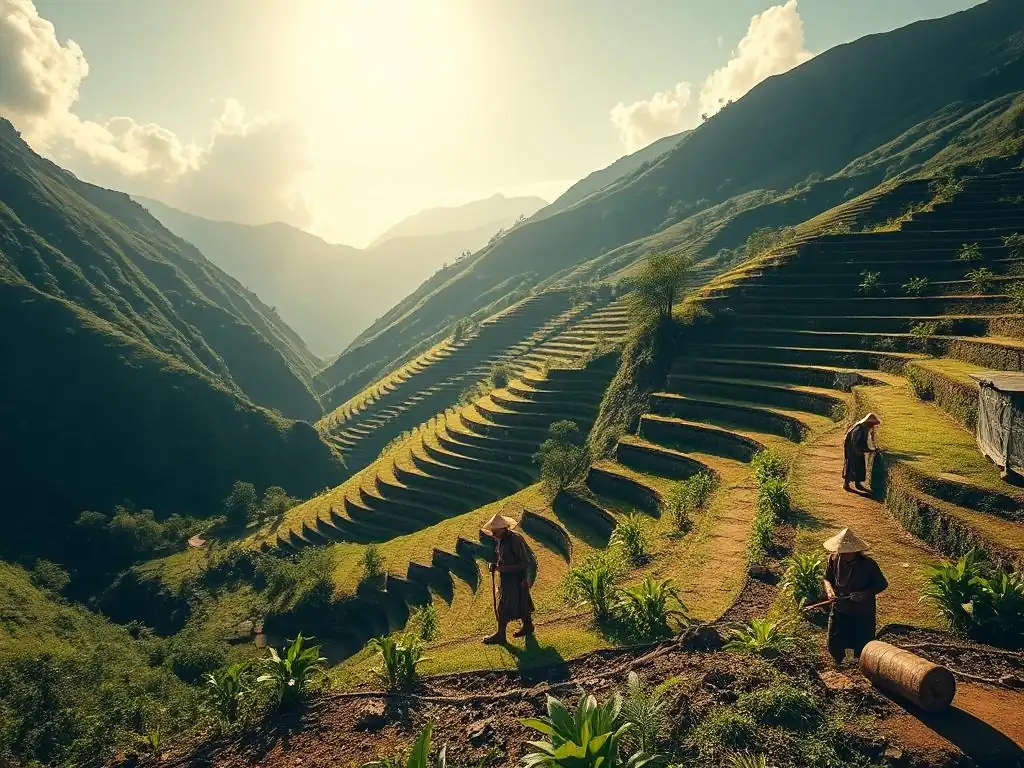
Terracing is an ingenious agricultural method employed by various indigenous cultures, particularly in mountainous regions. This technique involves creating flat platforms on steep slopes, which helps to reduce soil erosion and manage water runoff. By transforming a sloped landscape into a series of steps, indigenous farmers were able to maximize arable land while minimizing the loss of valuable topsoil.
The use of terraces can be traced back to civilizations such as the Inca in the Andes Mountains. They constructed extensive terraced fields that allowed them to cultivate crops at different elevations, making the most of varying climatic conditions. These terraces not only enhanced agricultural productivity but also played a crucial role in water management. The design allowed for the collection and retention of rainwater, which was essential in arid regions.
Furthermore, terracing contributes to biodiversity. By creating microclimates on different levels, indigenous farmers could cultivate a variety of plants that thrived in specific conditions. This crop diversity is essential for maintaining ecosystem resilience and supporting local wildlife. Overall, the practice of terracing exemplifies the sophisticated understanding indigenous peoples had of their environment and sustainable resource management.
Composting and Organic Matter: Enhancing Soil Health
Composting and the incorporation of organic matter into soil is another vital indigenous soil conservation technique that has been practiced for centuries. Indigenous peoples recognized the importance of maintaining soil fertility through natural means rather than relying on synthetic fertilizers. By utilizing plant residues, animal manure, and other organic materials, they created nutrient-rich compost that improved soil structure and health.
For instance, the Maya civilization utilized a method known as "milpa," where they would rotate crops and incorporate organic waste back into the soil. This practice not only enriched the soil but also helped to control pests and diseases. By maintaining a healthy balance of nutrients, the Maya could sustain their agricultural systems for generations.
Moreover, the practice of adding organic matter helps to improve soil moisture retention, which is particularly beneficial in drought-prone areas. Indigenous techniques often included planting cover crops during fallow periods, which would naturally decompose and enrich the soil. This approach not only enhanced soil fertility but also supported the overall health of the ecosystem.
Composting and the use of organic matter reflect the indigenous understanding of sustainable agriculture. These practices not only promote soil health but also embody a holistic approach to resource management that is essential for the resilience of ecosystems and farming communities.
Regional Variations in Indigenous Soil Conservation Practices
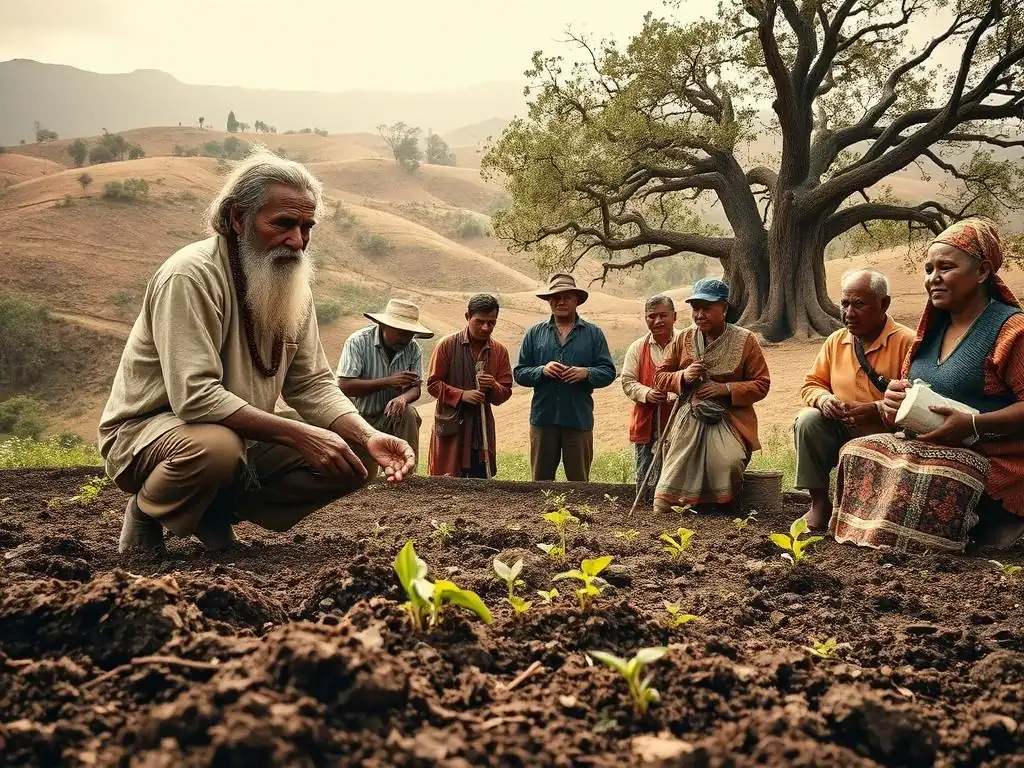
Indigenous cultures across the Americas developed a rich array of soil conservation techniques that were closely tied to their environments, agricultural needs, and cultural practices. These methods were not only effective in maintaining soil fertility but also demonstrated a deep understanding of ecological balance and sustainability. Here, we explore the distinctive practices from different regions, highlighting the ingenuity of indigenous peoples in managing their natural resources.
North American Indigenous Techniques
In North America, various indigenous groups employed unique soil conservation techniques adapted to their specific climates and ecosystems. Some notable practices include:
- The Three Sisters Method:
- This technique involved intercropping corn, beans, and squash. The corn provided a vertical structure for the beans to climb, while the beans enriched the soil with nitrogen. The squash spread across the ground, suppressing weeds and retaining moisture.
- Controlled Burning:
- Many tribes practiced controlled burns to clear underbrush and return nutrients to the soil. This method increased soil fertility and encouraged the growth of desirable plant species.
- Terracing:
- Indigenous peoples in mountainous regions, such as the Puebloans, constructed terraces to manage water runoff and soil erosion. This method allowed them to cultivate crops on steep slopes without losing valuable topsoil.
- Mulching:
- Mulching with organic materials helped retain soil moisture and suppress weeds. Indigenous farmers often used leaves, straw, or other plant materials to cover the soil.
Mesoamerican Approaches to Soil Fertility
Mesoamerican civilizations, particularly the Maya and the Aztecs, developed sophisticated agricultural practices that emphasized soil conservation and fertility. Key techniques included:
- Chinampas:
- Known as "floating gardens," chinampas were artificial islands created in shallow lake areas. This innovative system allowed for year-round farming and sustained high yields by utilizing nutrient-rich silt from the lakebed.
- Crop Rotation and Companion Planting:
- Mesoamerican farmers rotated crops to prevent soil depletion and manage pests. Companion planting, similar to the Three Sisters method, was employed to enhance soil health and improve crop resilience.
- Agroforestry:
- Integrating trees and shrubs with crops facilitated nutrient cycling and provided shade, reducing soil erosion. The use of diverse plant species helped maintain soil fertility and fostered biodiversity.
- Soil Enrichment Techniques:
- Indigenous Mesoamericans used organic matter, such as compost and animal manure, to enrich their soils. This practice not only improved fertility but also enhanced soil structure.
Andean Civilizations and Their Soil Management Strategies
The Andean civilizations, including the Inca, developed advanced agricultural techniques suited to their high-altitude environments. Their approaches to soil conservation and fertility management included:
- Terracing:
- The Inca built extensive terraced fields on steep slopes, which prevented soil erosion and maximized arable land. These terraces enabled them to cultivate a variety of crops in diverse microclimates.
- Soil Fertility Management:
- The Andean peoples practiced crop rotation and incorporated organic materials into the soil, such as llama dung, to enhance fertility. They understood the importance of maintaining soil health over time.
- Water Management:
- The Incas developed sophisticated irrigation systems to manage water efficiently. This included the construction of canals and aqueducts that directed water to their fields, thereby maximizing crop yields and minimizing erosion.
- Use of Native Plants:
- Indigenous Andean farmers cultivated native plants that were well adapted to local conditions, such as quinoa and potatoes. These crops not only provided sustenance but also contributed to soil health through their unique growth patterns.
The indigenous soil conservation techniques developed across North America, Mesoamerica, and the Andes showcase a profound understanding of ecological principles and sustainable agricultural practices. These methods not only ensured food security but also preserved the health of the land for generations to come. By studying these practices, we can gain valuable insights into sustainable resource management today.
The Role of Ancestral Wisdom in Modern Agriculture
The role of ancestral wisdom in modern agriculture is increasingly recognized as vital to developing sustainable practices that respect the environment and enhance food security. Indigenous cultures across the Americas have cultivated a profound understanding of their local ecosystems, which has informed their agricultural practices for millennia. This knowledge, often termed "ancestral knowledge," encompasses a range of techniques for maintaining soil health, conserving water, and promoting biodiversity.
Lessons from Indigenous Soil Conservation for Contemporary Practices
Indigenous soil conservation techniques offer invaluable lessons for contemporary agricultural practices. These techniques stem from a deep-rooted understanding of the land and its cycles, resulting in methods that are both sustainable and effective. Key lessons include:
- Agroecological Approaches: Many indigenous cultures utilize agroecological methods, such as intercropping and crop rotation, to enhance soil fertility. For example, the "Three Sisters" planting method—where maize, beans, and squash are grown together—works synergistically to improve soil health and yield.
- Soil Enrichment Techniques: Indigenous peoples have long employed organic matter, such as compost and animal manure, to enrich the soil. This practice not only enhances soil fertility but also improves water retention, crucial in arid regions.
- Terracing and Contour Farming: In hilly terrains, indigenous communities developed terracing and contour farming techniques to reduce soil erosion and maximize water retention. These methods can be adapted to modern farming to combat land degradation.
- Mulching: Utilizing organic materials as mulch helps protect the soil from erosion, retains moisture, and suppresses weeds. Indigenous groups have historically used local plant materials for this purpose, fostering a healthy soil ecosystem.
- Understanding of Local Ecologies: Indigenous farmers possess an intimate knowledge of local flora and fauna, allowing them to select crops that thrive in specific conditions. This biodiversity not only supports ecosystem resilience but also provides a varied diet.
By integrating these lessons, modern agriculture can address the challenges of soil degradation and climate change, fostering a more sustainable future.
Integrating Indigenous Techniques into Sustainable Agriculture
Integrating indigenous soil conservation techniques into sustainable agriculture involves recognizing the value of traditional ecological knowledge and creating frameworks for collaboration between indigenous communities and modern agricultural practitioners. Successful integration can be achieved through several strategies:
- Community Engagement: Involve indigenous communities in agricultural planning and decision-making. Their insights can guide sustainable practices that are culturally relevant and ecologically sound.
- Education and Training: Implement educational programs that teach modern farmers about indigenous techniques. Workshops and field days can showcase successful practices, promoting their adoption.
- Research Collaboration: Partner with indigenous knowledge holders to conduct research on soil conservation techniques. This collaboration can lead to innovative solutions that benefit both traditional and modern agricultural systems.
- Policy Advocacy: Advocate for policies that support the recognition and implementation of indigenous agricultural practices. This can include legal protections for traditional knowledge and funding for sustainable agriculture initiatives.
- Cultural Sensitivity: Promote an understanding of the cultural significance of indigenous agricultural practices. This not only honors the traditions of indigenous peoples but also enhances the acceptance of their techniques within wider agricultural communities.
By embracing and integrating indigenous soil conservation techniques, modern agriculture can develop a more resilient and sustainable approach that honors the past while addressing the challenges of the present and future.
Challenges Facing Indigenous Soil Conservation Practices Today
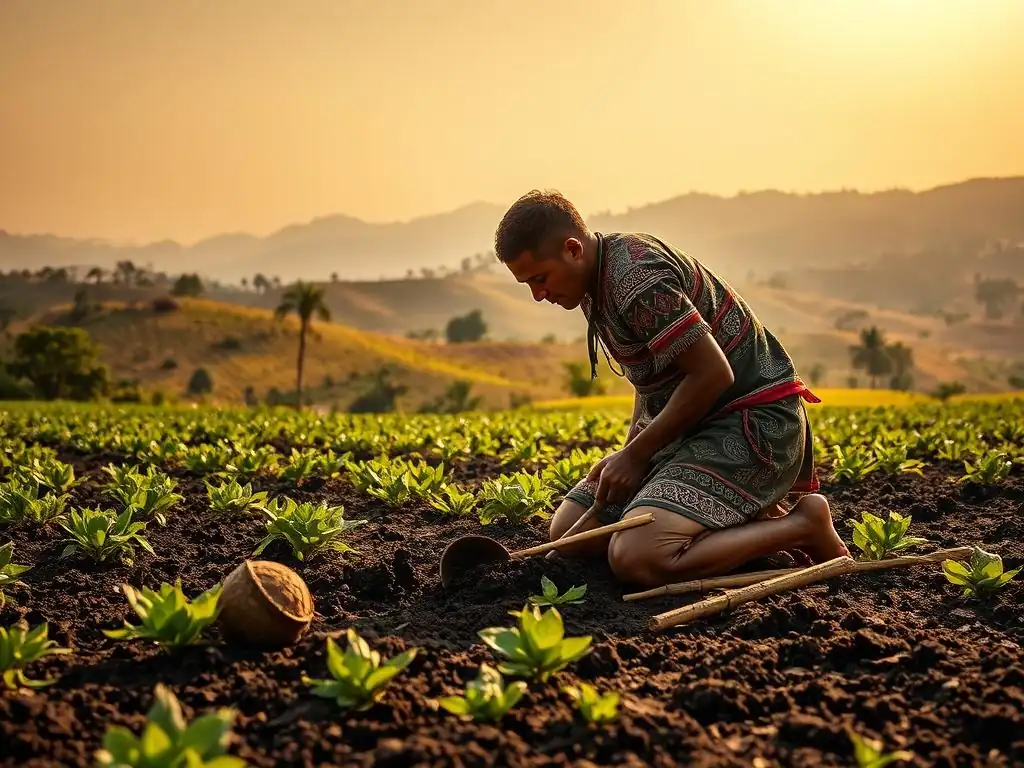
Indigenous soil conservation techniques have been honed over centuries, reflecting a deep understanding of local ecosystems and sustainable agricultural practices. However, these methods are increasingly challenged by various modern factors that threaten their efficacy and survival. Understanding these challenges is crucial for appreciating the resilience and adaptability of indigenous communities.
Impact of Climate Change on Traditional Methods
Climate change poses a significant threat to indigenous soil conservation practices. As weather patterns become increasingly erratic, traditional agricultural calendars and methods are disrupted. For instance:
- Altered Rainfall Patterns: Many indigenous communities rely on predictable rainfall to guide their planting and harvesting. Changes in precipitation can lead to droughts or floods, impacting soil health and crop yields.
- Temperature Fluctuations: Rising temperatures can exacerbate soil erosion and degrade nutrient content, making it difficult to sustain traditional farming practices.
The introduction of new pests and diseases, often linked to changing climates, further complicates the ability of indigenous farmers to maintain soil fertility. For example, the spread of pests that thrive in warmer conditions can decimate crops, forcing communities to adapt their methods rapidly.
Loss of Ancestral Knowledge and Its Consequences
The erosion of traditional knowledge surrounding indigenous soil conservation techniques is another pressing challenge. Several factors contribute to this loss:
- Cultural Displacement: Many indigenous communities face displacement due to urbanization, industrial agriculture, and land development projects. This displacement disrupts the transmission of knowledge from elders to younger generations.
- Globalization: The influence of global agricultural practices often overshadows traditional methods. As communities adopt commercial farming techniques, valuable ancestral practices may be abandoned or forgotten.
The consequences of losing this knowledge are profound. Not only does it threaten food sovereignty, but it also diminishes the biodiversity that indigenous practices have historically protected. The rich understanding of local ecosystems, built over generations, is crucial for sustainable land management.
The challenges facing indigenous soil conservation practices today are multifaceted, involving environmental changes and cultural shifts. Addressing these issues is essential for preserving the invaluable knowledge that indigenous communities have developed in harmony with their environments.
Conclusion: Reviving Indigenous Soil Conservation Techniques
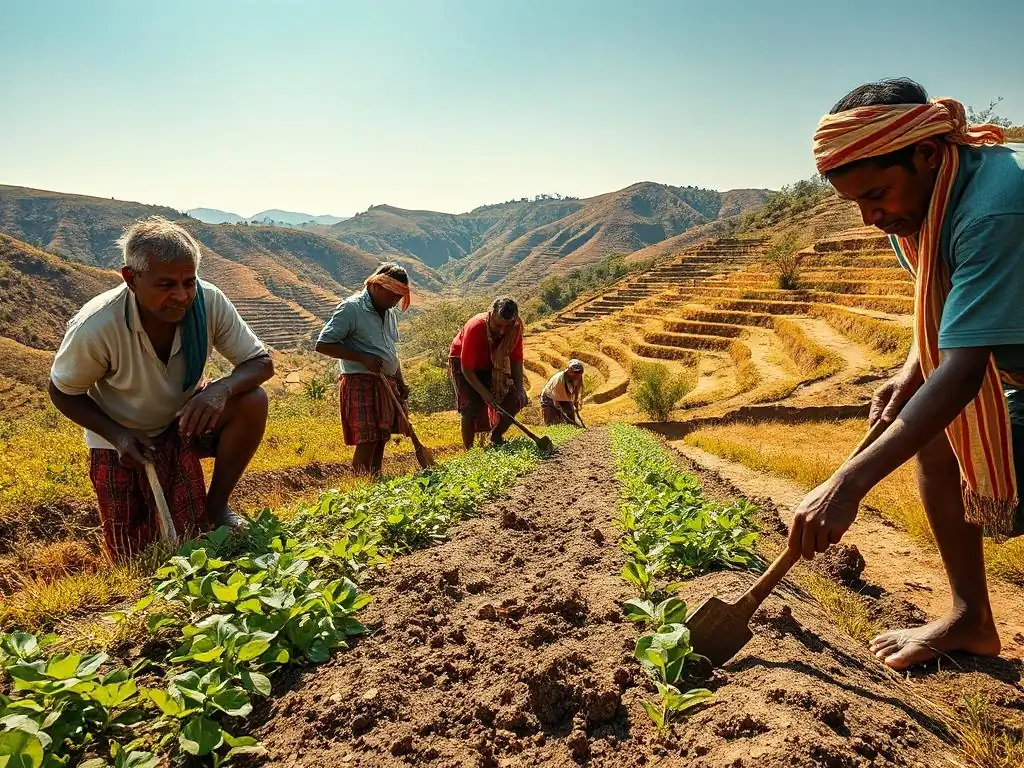
The exploration of indigenous soil conservation techniques highlights the profound knowledge and practices that have been cultivated over centuries. These techniques, developed in harmony with the environment, not only ensure agricultural productivity but also promote ecological balance. By reviving and integrating these ancestral methods into modern practices, we can address pressing issues like soil degradation, climate change, and food security.
The Importance of Preserving Ancestral Knowledge
Preserving ancestral knowledge is crucial for several reasons:
- Biodiversity Conservation: Indigenous practices often involve polyculture and crop rotation, supporting biodiversity and enhancing ecosystem resilience.
- Soil Health: Techniques such as agrobiodiversity, cover cropping, and the use of organic fertilizers contribute to improving soil structure and fertility. For instance, the use of biochar, a method utilized by various indigenous cultures, has been shown to enhance soil nutrients and retain moisture.
- Cultural Heritage: Indigenous knowledge systems are integral to the cultural identity of many communities. Preserving these practices not only honors their history but also reinforces their community bonds.
In understanding indigenous soil conservation techniques, we find solutions to modern agricultural challenges. It is a testament to resilience and adaptation.
Call to Action for Sustainable Resource Management
To foster sustainable resource management practices rooted in indigenous wisdom, consider the following actions:
- Education and Awareness: Promote educational programs that highlight indigenous practices and encourage the exchange of knowledge between indigenous communities and modern agriculturalists.
- Policy Integration: Advocate for the inclusion of indigenous soil conservation techniques in agricultural policies and practices. This could involve supporting legislation that recognizes the rights of indigenous peoples to manage their lands.
- Community Engagement: Collaborate with local indigenous communities to develop sustainable farming initiatives that respect traditional practices.
Task List for Implementing Indigenous Techniques:
- [ ] Research local indigenous practices related to soil conservation.
- [ ] Organize workshops to educate farmers and land managers on these techniques.
- [ ] Collaborate with indigenous leaders to document and preserve traditional knowledge.
- [ ] Advocate for policies that support indigenous land management practices.
By taking these steps, we can not only enhance soil health and productivity but also honor and sustain the rich heritage of indigenous cultures across the Americas. It is a shared responsibility to ensure that this valuable knowledge is not lost but rather integrated into our collective approach to resource management.
References
Suggested Reading on Indigenous Soil Conservation
-
"The Hidden Life of Trees" by Peter Wohlleben
This book provides insights into the interconnectedness of forest ecosystems, including how indigenous practices contribute to soil health and conservation.
-
"Braiding Sweetgrass: Indigenous Wisdom, Scientific Knowledge, and the Teachings of Plants" by Robin Wall Kimmerer
Kimmerer, a botanist and member of the Citizen Potawatomi Nation, discusses indigenous perspectives on plant-life and soil management, highlighting traditional agricultural methods.
-
"Indigenous Agriculture and a Sustainable Future"
This publication explores various indigenous methods of agriculture, including soil conservation techniques, and emphasizes their relevance to modern sustainable practices.
-
"Earth Democracy: Justice, Sustainability, and Peace" by Vandana Shiva
Shiva examines the role of indigenous knowledge in sustainable agriculture and soil management, advocating for the integration of traditional practices in contemporary farming.
-
"The Last Forest: The Story of the Amazon Rainforest" by Rachael O'Connor
This book delves into the indigenous tactics employed in managing the Amazon rainforest, including their sophisticated approaches to soil fertility and conservation.
Resources for Further Exploration of Indigenous Agricultural Practices
-
Cultural Survival
An organization dedicated to advancing the rights of indigenous peoples. Their website features various articles and resources on indigenous agricultural practices, including soil conservation techniques.
-
Native Seeds/SEARCH
A nonprofit organization that focuses on the conservation of traditional seeds and agricultural practices. Their resources provide insights into indigenous farming methods that promote soil health.
-
The Indigenous Food Systems Network
This network provides information on how indigenous communities are revitalizing traditional food systems, including sustainable soil management techniques.
-
UNESCO’s World Heritage Sites
Many sites highlight indigenous agricultural practices, showcasing how these cultures have maintained soil fertility and conservation over centuries.
-
The Indigenous Environmental Network
This organization offers resources and advocacy related to indigenous environmental issues, including sustainable land and soil management practices.
By exploring these suggested readings and resources, individuals can gain a deeper understanding of indigenous soil conservation techniques and the vital role these practices play in sustainable agriculture.
Frequently Asked Questions
What are Indigenous soil conservation techniques?
Indigenous soil conservation techniques refer to the traditional practices developed by indigenous cultures to maintain soil fertility and prevent erosion. These methods are often sustainable and deeply connected to the local ecosystem.
How did indigenous cultures contribute to soil fertility?
Indigenous cultures contributed to soil fertility through methods like crop rotation, intercropping, and the use of organic materials such as compost. These practices promoted biodiversity and enhanced the health of the soil.
Why are these techniques important today?
These techniques are important today as they offer insights into sustainable agriculture, helping to address modern challenges like soil degradation and climate change. They provide eco-friendly alternatives to industrial farming practices.
Can these methods be applied in modern agriculture?
Yes, many indigenous soil conservation techniques can be adapted for modern agriculture, promoting sustainability and resilience. Farmers can integrate these practices to improve soil health and increase crop yields.
Where can I learn more about these practices?
You can learn more about these practices through the "Indigenous Civilizations of the Americas" website, which offers a comprehensive exploration of indigenous cultures and their agricultural innovations.
Final Reflection: Embracing Ancestral Wisdom for Sustainable Soil Conservation
The relevance of ancestral knowledge in today's environmental challenges cannot be overstated; as we face the growing threats of climate change and soil degradation, the indigenous soil conservation techniques that have stood the test of time offer invaluable insights. These methods, rooted in centuries of experience and a deep understanding of local ecosystems, remind us that sustainability is not a modern invention but a practice honed by those who lived in harmony with the land long before us.
The influence of indigenous practices on contemporary agriculture and environmental stewardship is profound and ongoing. By integrating these time-tested techniques into modern farming, we not only enhance soil fertility but also foster biodiversity and resilience in our ecosystems. As noted by environmentalist Vandana Shiva, The future of humanity depends on the wisdom of indigenous cultures and their ability to teach us how to live sustainably.
This highlights the critical role that ancestral knowledge plays in shaping a sustainable future, urging us to listen and learn from those who have cared for the earth for generations.
As we reflect on the lessons of this article, I invite you to consider how you can incorporate these ancestral practices into your own life or community. Embrace the wisdom of indigenous soil conservation techniques and advocate for their recognition and integration in modern agricultural practices. Together, we can honor the past while nurturing the future, ensuring that our relationship with the land is one of respect, sustainability, and reciprocity.
Unleash the Power of Ancestral Wisdom Today!
Thank you for exploring the rich insights of indigenous methods for soil conservation and fertility. You’ve gained valuable knowledge that not only honors our ancestors but also empowers us to take action in restoring our planet. Now, let’s make a difference!
- Embrace Indigenous Practices: Implement these time-tested techniques in your gardening or farming efforts—consider starting with a community garden or your own backyard!
- Join a Local Workshop: Look for workshops or programs that focus on sustainable agriculture where you can learn directly from experts in your community.
- Share the Knowledge: Spread the word! Engage in discussions about these methods with friends and family, and utilize social media to raise awareness about sustainable practices.
What unique soil conservation methods from your culture could inspire others on their journey towards sustainability?