
Indigenous Trade Networks: The Exchange of Resources Among Civilizations

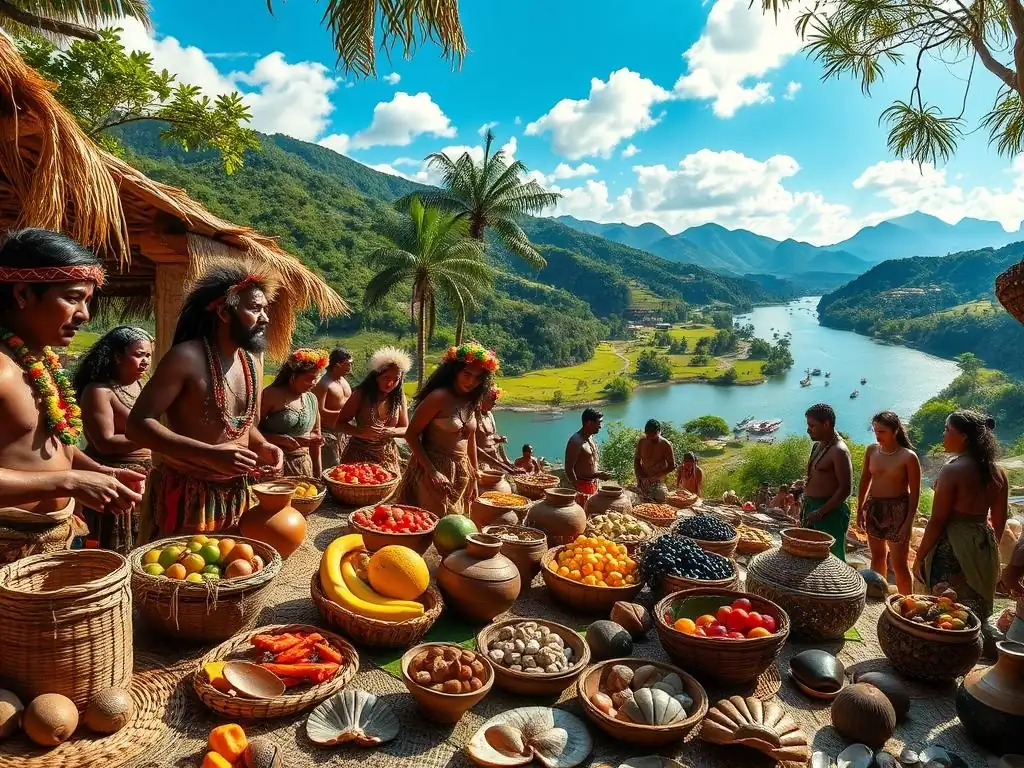
Welcome to Indigenous Civilizations of the Americas, where we invite you to embark on an enlightening journey through the rich tapestry of pre-Columbian indigenous trade networks. This captivating exploration reveals how various civilizations exchanged resources, ideas, and culture long before European contact, showcasing their remarkable achievements and societal structures. Are you ready to uncover the intricate web of connections that defined these vibrant cultures? Join us as we delve deeper into the fascinating dynamics of indigenous societies and their enduring legacy.
Introduction to Pre-Columbian Indigenous Trade Networks
The exploration of Pre-Columbian indigenous trade networks unveils a complex web of interactions among the diverse civilizations that flourished across the Americas long before the arrival of European colonizers. These trade networks were not merely conduits for goods; they served as vital arteries that facilitated the exchange of ideas, cultural practices, and technologies.
Understanding these intricate systems provides valuable insights into the social structures, economies, and relationships that characterized indigenous societies. From the arid deserts of the Southwest to the lush rainforests of the Amazon, indigenous peoples established extensive trade routes that not only connected their communities but also shaped their identities and livelihoods.
Definition of Pre-Columbian Indigenous Trade Networks
Pre-Columbian indigenous trade networks refer to the intricate systems of commerce that existed among the various indigenous cultures in the Americas prior to European contact. These networks encompassed the exchange of a wide array of goods, including foodstuffs, textiles, tools, and ceremonial items, and they were often facilitated by established routes that spanned vast distances.
Key characteristics of these trade networks include:
- Diversity of Goods: Varieties of products were exchanged, ranging from agricultural produce to crafted goods.
- Cultural Exchange: Trade often led to the sharing of cultural practices, languages, and technologies among different groups.
- Interconnected Societies: Trade routes fostered relationships among different civilizations, creating a sense of interconnectedness.
Importance of Trade in Indigenous Civilizations
Trade played a crucial role in the development and sustainability of indigenous civilizations. It not only provided access to resources that were scarce in certain regions but also promoted social cohesion and interdependence among communities.
The significance of trade can be summarized as follows:
- Economic Stability: Trade networks helped ensure a steady supply of essential resources, contributing to economic resilience.
- Cultural Exchange: Through trade, cultures learned from one another, leading to innovation and the enrichment of traditions.
- Political Alliances: Trade often facilitated political relationships, with alliances forming between groups that engaged in mutual commerce.
Historical Context of Indigenous Trade Networks
Overview of Indigenous Societies Before European Colonization
Before European colonization, the Americas were home to a multitude of complex societies, each with its own unique cultural practices, governance structures, and economic systems. From the monumental architecture of the Maya to the intricate mound-building of the Mississippian cultures, these societies demonstrated advanced knowledge in agriculture, craftsmanship, and social organization.
Notable features of these societies include:
- Agricultural Innovations: Many indigenous groups developed sophisticated farming techniques, including crop rotation and irrigation, which supported larger populations.
- Urban Centers: Civilizations such as the Aztec and Inca established sprawling urban centers that served as hubs for trade and governance.
- Social Hierarchies: Trade often reinforced social structures, with certain groups taking on roles as traders or intermediaries.
Development of Trade Routes Among Civilizations
The establishment of trade routes among indigenous civilizations was a gradual process influenced by geography, resource availability, and social dynamics. These routes often followed natural landscapes, such as rivers and mountain ranges, which facilitated movement and communication.
Factors that influenced trade route development include:
- Geographical Features: Rivers, lakes, and mountain passes served as natural highways for trade.
- Resource Distribution: Availability of resources such as minerals, shells, and agricultural products dictated trade patterns.
- Cultural Exchange: Interactions among diverse cultures led to the creation of new trade routes as goods and ideas were shared.
Key Civilizations Involved in Trade Networks
Several key civilizations played significant roles in the pre-Columbian trade networks, each contributing unique goods and cultural influences.
Prominent civilizations include:
- The Maya: Known for their advanced agricultural techniques and trade in cacao, textiles, and pottery.
- The Aztec: Established extensive trade routes across Mesoamerica, exchanging goods such as obsidian, gold, and textiles.
- The Inca: Developed a vast network of roads and trade routes in the Andes, facilitating the exchange of agricultural products, textiles, and ceramics.
By examining the dynamics of these trade networks, we gain a deeper appreciation for the interconnectedness and resourcefulness of indigenous civilizations that thrived in the Americas before European intervention.
Types of Resources Exchanged in Indigenous Trade Networks
Indigenous trade networks in the Americas were vast and intricate, facilitating the exchange of a variety of resources that were crucial for the development and sustenance of different civilizations. These networks allowed for the movement of goods across long distances, connecting diverse cultures and fostering relationships among them. The types of resources exchanged can generally be categorized into three main groups: agricultural products, artisan goods, and natural resources.
Agricultural Products and Their Regional Significance
Agricultural products formed the backbone of many pre-Columbian trade networks. Different regions cultivated distinct crops, which were integral not only for sustenance but also for trade.
- Maize was one of the most significant crops traded, particularly in Mesoamerica. Cultivated extensively by civilizations like the Maya and Aztecs, it served as a staple food source and was often exchanged for other goods.
- Quinoa, primarily grown in the Andean regions, was another vital agricultural product. Its nutritional value made it a prized item in trade.
- Potatoes were essential to the Andean civilizations and became a key trade item as they spread northward.
The exchange of these agricultural products allowed different civilizations to complement their diets, thus promoting agricultural diversity and enhancing food security across regions.
Artisan Goods and Craftsmanship
Artisan goods were highly valued in indigenous trade networks, showcasing the remarkable craftsmanship of various civilizations. These goods included:
- Textiles woven from cotton and wool, often dyed with natural pigments, were traded extensively. The intricate designs reflected cultural identities and were sought after for their quality and beauty.
- Pottery was another significant trade item. Different regions developed unique styles and techniques, making certain pottery highly coveted across vast distances.
- Jewelry and ornaments made from shells, stones, and metals displayed the artistic skills of indigenous peoples and were often used in trade as symbols of status.
The exchange of artisan goods not only fostered economic relationships but also allowed for cultural exchange, as techniques and styles influenced neighboring civilizations.
Natural Resources: Minerals, Timber, and More
Natural resources played a crucial role in the trade networks of pre-Columbian indigenous civilizations. Key resources included:
- Minerals, such as gold, silver, and copper, were extensively mined and traded. The Aztecs, for example, valued gold for its beauty and as a medium of exchange.
- Timber from the vast forests of North America was essential for construction and tool-making, making it a vital trade commodity.
- Shells from coastal regions were used for decorative purposes and as currency, facilitating trade with inland communities.
These natural resources not only supported local economies but also established trade links between regions with varying geographical advantages.
Major Trade Routes of Pre-Columbian Indigenous Civilizations
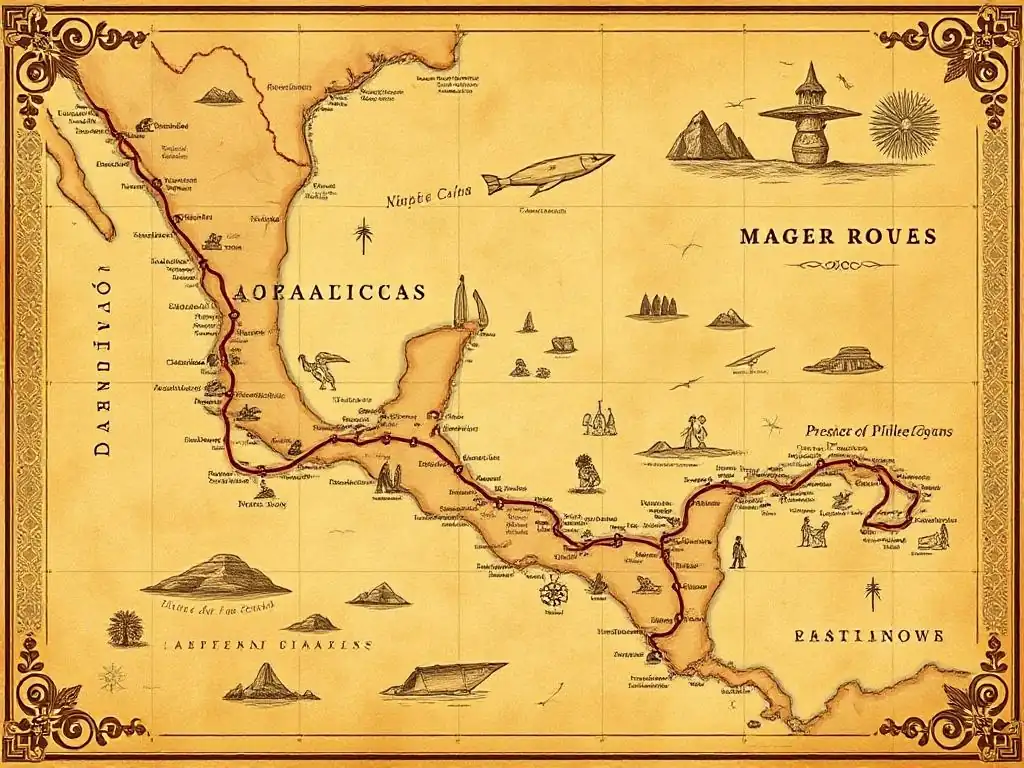
The major trade routes of pre-Columbian indigenous civilizations were extensive and complex, reflecting the interconnectedness of diverse cultures. These routes facilitated the exchange of goods, ideas, and technologies, shaping the societies that participated in these networks.
The Mesoamerican Trade Network
The Mesoamerican trade network was one of the most sophisticated in the Americas, characterized by a dense web of routes connecting various cultural hubs. Key features included:
- Marketplaces in cities such as Tenochtitlan and Teotihuacan facilitated trade among different groups, allowing for the exchange of agricultural products, textiles, and luxury goods.
- Long-distance trade routes extended to the Gulf Coast and the Pacific, enabling the transport of goods like cacao, obsidian, and jade.
- Cultural exchanges occurred along these trade routes, influencing art, religion, and social structures across civilizations.
These networks not only supported economic prosperity but also fostered cultural interconnections that defined Mesoamerican societies.
The North American Trade Routes
In North America, trade routes varied widely among different indigenous groups. Key characteristics included:
- River systems served as major trade highways. For example, the Mississippi River facilitated trade between communities in the Great Plains and the southeastern woodlands.
- Regional trade networks connected tribes such as the Sioux, Iroquois, and Cherokee, allowing the exchange of furs, food, and crafted goods.
- Seasonal migrations of tribes in search of resources also shaped trade patterns, with goods being exchanged during gatherings or at strategic locations.
The North American trade routes exemplified the adaptability and resourcefulness of indigenous peoples in utilizing their environment for trade.
The Andean Trade Systems
The Andean region had complex trade systems that capitalized on the diverse ecological zones of the mountains and valleys. Notable features included:
- The Inca Empire established an extensive road network that facilitated trade across vast distances, linking coastal, highland, and jungle communities.
- Vertical trade allowed communities at different altitudes to exchange goods unique to their environments, such as highland potatoes for coastal fish.
- Religious and ceremonial goods like textiles and ceremonial paraphernalia were often traded, reflecting the cultural significance of these items.
The Andean trade systems not only supported economic interdependence but also reinforced social and cultural ties among the diverse peoples of the region.
Cultural Impact of Indigenous Trade Networks
Indigenous trade networks played a vital role in shaping the cultural landscape of pre-Columbian civilizations across the Americas. These networks facilitated not just the exchange of goods but also the flow of ideas, beliefs, and traditions among diverse groups. As trade routes expanded, they connected different cultures, enabling them to share their unique customs and practices, which enriched their societies. The interactions fostered through trade networks contributed to the development of shared cultural elements, such as art styles, religious practices, and agricultural techniques, fostering a sense of interconnectedness among distant civilizations.
The influence of trade networks is evident in the archaeological record, where the presence of goods from various regions suggests extensive exchange. Items such as pottery, textiles, and ornaments have been found far from their origins, indicating that trade was not merely a means of economic exchange but also a conduit for cultural diffusion. Furthermore, the establishment of trade hubs often became centers of cultural expression, where artistic styles flourished due to the confluence of ideas from different peoples.
Exchange of Ideas and Cultural Practices
The exchange of goods through indigenous trade networks was intrinsically linked to the transfer of ideas and cultural practices. As traders moved between regions, they not only carried physical items but also stories, beliefs, and technologies that influenced the communities involved. For instance, the introduction of new agricultural practices, such as the three sisters farming method (corn, beans, and squash), revolutionized food production and sustainability among various tribes.
Moreover, trade networks enabled the sharing of spiritual beliefs and ceremonial practices. Ritual items, such as pottery and textiles, which held cultural significance, were exchanged, leading to the assimilation and adaptation of spiritual traditions. This cultural intermingling allowed for the enrichment of local customs and the emergence of hybrid cultural expressions that reflected the diverse influences of neighboring societies.
Language and Communication in Trade
Language played a crucial role in facilitating communication within pre-Columbian indigenous trade networks. Different tribes often spoke distinct languages, necessitating the development of trade languages or pidgins that allowed for effective dialogue among diverse groups. These simplified languages emerged to enable trade negotiations and foster mutual understanding, highlighting the adaptability of indigenous peoples in navigating linguistic barriers.
Additionally, non-verbal communication, such as gestures and symbols, was essential in trade interactions. The use of sign language and visual aids, like totems and carvings, helped convey messages and meanings that transcended language differences. This linguistic and communicative adaptability not only enhanced trade efficiency but also fostered relationships based on trust and reciprocity among trading partners.
Influence on Social Structures and Hierarchies
The dynamics of indigenous trade networks significantly influenced social structures and hierarchies within pre-Columbian societies. As trade flourished, certain individuals and families emerged as key traders or merchants, often gaining considerable wealth and status within their communities. This rise of merchant classes led to the establishment of social stratifications that recognized economic prowess and influence.
Moreover, trade networks facilitated the emergence of alliances and political relationships among tribes. By engaging in reciprocal trade agreements, groups could strengthen their positions against rivals and enhance their overall security. In some cases, these alliances resulted in the formation of larger confederations, as seen with the Iroquois Confederacy, which utilized trade as a means of fostering unity and cooperation among member tribes.
Case Studies of Successful Indigenous Trade Networks
Indigenous trade networks varied significantly across the Americas, with each region developing unique systems that reflected their specific environmental and cultural contexts. Analyzing successful case studies reveals the complexity and effectiveness of these networks, highlighting their economic and cultural significance.
The Role of the Aztec Trade System
The Aztec civilization established one of the most sophisticated trade systems in Mesoamerica, characterized by an extensive network of markets and trade routes. The capital city, Tenochtitlán, served as the epicenter of commerce, where goods from far and wide were exchanged. The Aztecs utilized a system of tribute that required conquered territories to provide resources, which further enriched their economy and cultural landscape.
Merchants known as pochteca played a crucial role in the Aztec trade system, traveling long distances to acquire luxury goods, such as cacao, textiles, and obsidian. This trade not only generated wealth for the Aztec Empire but also facilitated cultural exchange, as the pochteca brought back innovations and ideas from other civilizations. The Aztec trade system exemplified how commerce could intertwine with political power and cultural identity.
The Inca Road System and Its Economic Impact
The Inca Empire is renowned for its remarkable road system, which spanned over 25,000 miles across rugged terrain. This extensive network of roads facilitated trade, communication, and troop movement, effectively integrating the vast empire. The Incas implemented a system of state-controlled trade that regulated the flow of goods and resources.
By employing a system of runners known as chasquis, the Incas ensured the rapid transmission of information and goods across their territory. The economic impact of this trade system was profound, as it allowed for the redistribution of resources, including agricultural products and textiles, to meet the needs of different regions. The Inca road system not only bolstered economic stability but also reinforced social cohesion by connecting diverse communities through shared trade practices.
Trade Among the Great Lakes Tribes
The Great Lakes region was home to a diverse array of indigenous tribes, including the Ojibwe, Ottawa, and Huron. These tribes developed intricate trade networks that allowed them to exchange valuable resources such as furs, fish, and agricultural products. The strategic location of the Great Lakes facilitated trade both within the region and with distant groups, including those from the Mississippi River Valley.
Trade among the Great Lakes tribes was characterized by the use of canoes for transportation, enabling efficient movement of goods across waterways. The exchange of furs, particularly beaver pelts, became a significant economic driver, leading to the establishment of trade relationships with European explorers and traders in the 17th century. This interaction not only transformed local economies but also had lasting effects on indigenous societies, as they navigated the complexities of European trade dynamics while maintaining their cultural identities.
Challenges Faced by Indigenous Trade Networks
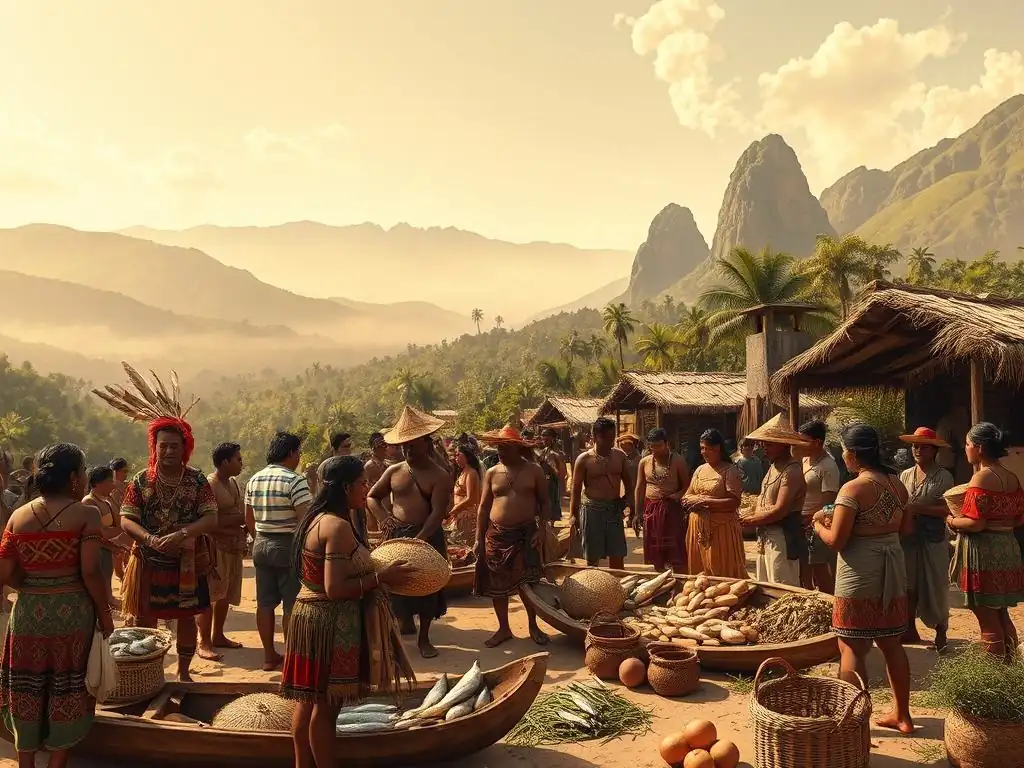
Indigenous trade networks in the Americas were sophisticated systems that facilitated the exchange of goods, ideas, and cultural practices among diverse civilizations. However, these networks were not without their challenges. Understanding these challenges is crucial for appreciating how indigenous societies navigated their relationships and maintained their trade routes.
Environmental Factors Affecting Trade
Environmental factors played a significant role in shaping the dynamics of pre-Columbian indigenous trade networks. Geographic diversity, including mountains, rivers, and deserts, posed both obstacles and opportunities. For instance:
- Natural Barriers: Mountain ranges like the Andes created challenges for overland trade, limiting the routes available for the exchange of goods.
- Seasonal Variability: Weather conditions, such as monsoons and droughts, could disrupt trade routes and affect the availability of resources, making certain goods more scarce and expensive.
- Resource Distribution: The availability of certain resources, like salt or obsidian, was unevenly distributed across the continent. This necessitated the establishment of long-distance trade networks to facilitate access to these essential materials.
Indigenous traders developed strategies to adapt to these environmental challenges, such as seasonal migration patterns and the establishment of trade fairs during favorable weather conditions.
Conflicts and Competition Among Civilizations
The interactions among various indigenous civilizations were not always peaceful. Conflicts and competition for resources often arose, impacting trade networks significantly. Key aspects include:
- Territorial Disputes: Competing claims over land and resources frequently led to conflict, which could disrupt established trade routes and relationships.
- Alliances and Rivalries: While some civilizations formed alliances to strengthen their trading power, others engaged in rivalry, often leading to warfare that could halt trade flow.
- Resource Scarcity: In times of drought or famine, competition intensified as groups sought to secure access to dwindling resources, further straining trade relationships.
Despite these challenges, many indigenous societies were able to negotiate conflicts and adapt their trading practices to maintain their networks.
Impact of European Colonization on Indigenous Trade
The arrival of Europeans dramatically transformed indigenous trade networks across the Americas. The effects were profound and often devastating:
- Disruption of Existing Trade Routes: European colonization led to the destruction of established trade routes and the imposition of new trade practices that marginalized indigenous systems.
- Introduction of New Goods: While European goods like metal tools and livestock were integrated into some indigenous economies, the sudden influx of these items often disrupted traditional production and trade practices.
- Economic Exploitation: Colonizers exploited indigenous trade networks for their own gain, often prioritizing European interests over those of indigenous people, leading to economic marginalization.
The impact of colonization on indigenous trade networks resulted in profound changes in the social, economic, and cultural landscapes of the Americas, many of which are still felt today.
Conclusion: The Legacy of Pre-Columbian Indigenous Trade Networks
The legacy of pre-Columbian indigenous trade networks is far-reaching, influencing not only the societies that existed before European contact but also contemporary economic systems and cultural practices.
Lasting Influence on Modern Economic Systems
The principles of resource exchange, cooperation, and trade evident in indigenous networks have laid foundational concepts that persist in modern economic systems. Key influences include:
- Sustainable Practices: Many indigenous trading practices were rooted in sustainability and reciprocity, principles that are increasingly recognized in contemporary economic discussions.
- Cultural Exchange: The foundational role of trade in facilitating cultural exchange among different indigenous groups set a precedent for modern globalization, emphasizing interconnectedness and diversity in trade practices.
Incorporating these principles into modern systems can help address current economic challenges, such as resource management and environmental sustainability.
Recognition and Preservation of Indigenous Trading Practices
Efforts to recognize and preserve the trading practices of indigenous civilizations are crucial for maintaining cultural heritage and promoting respect for indigenous knowledge systems. Important aspects include:
- Cultural Revitalization: Many indigenous communities are actively working to revive and promote traditional trading practices, which can foster community cohesion and cultural pride.
- Education and Awareness: Increasing awareness of the historical significance and complexity of indigenous trade networks can help combat stereotypes and promote a more nuanced understanding of indigenous contributions to history.
Recognition of these practices not only honors the ingenuity of indigenous civilizations but also encourages the preservation of their unique cultural identities in a rapidly changing world.
Further Reading and Resources on Indigenous Trade Networks
Indigenous trade networks are a fascinating aspect of pre-Columbian civilizations, showcasing the interconnectedness of various cultures across the Americas. To delve deeper into this topic, here are several recommended resources that provide valuable insights into indigenous trade practices, their significance, and their impact on society and culture.
Recommended Books and Articles
-
"Trade and Exchange in Pre-Columbian America" by David E. Wilcox
This comprehensive book examines the various trade networks that existed among indigenous cultures, highlighting the goods exchanged, the routes taken, and the cultural implications of these interactions. Wilcox’s detailed analysis provides a solid foundation for understanding the complexity of pre-Columbian trade.
-
"The Columbian Exchange: Biological and Cultural Consequences of 1492" by Alfred W. Crosby
Although focusing on the period following European contact, this book offers critical context on how indigenous trade networks transformed as a result of new influences. Crosby explores the exchanges of materials, ideas, and practices that shaped the Americas.
-
"The Great Law of Peace: The Iroquois and the Foundation of the American Political Tradition" by Donald A. Grinde Jr. and Bruce E. Johansen
This work discusses the political structures of the Iroquois Confederacy and touches on their extensive trade networks. The authors argue that these networks were not only economic but also political, facilitating alliances and cooperation among tribes.
-
"Inca Economic Policy and the Development of the Inca Empire" by John H. Rowe
Rowe’s article focuses on the economic strategies employed by the Inca Empire, emphasizing the role of trade in expanding and maintaining their vast territory. The analysis includes discussions on resource distribution and the management of trade routes.
-
"Mesoamerican Trade: The Role of Exchange in Pre-Columbian Economies" by Julie A. Adair
This article provides an overview of the trade systems in Mesoamerica, illustrating the significance of goods such as cacao, textiles, and obsidian. Adair discusses how these trade networks fostered cultural exchanges and economic prosperity among different civilizations.
Online Resources for Exploration of Indigenous Cultures
-
National Museum of the American Indian (NMAI)
The NMAI offers a variety of online exhibits and educational resources focusing on indigenous cultures, including their trade practices. Visitors can explore artifacts, virtual tours, and articles that highlight the significance of trade in shaping cultural identities.
-
Smithsonian Institution's Human Origins Program
This resource includes information about the social structures and trade networks of indigenous peoples in the Americas. It features interactive tools and educational materials aimed at enhancing understanding of human history and culture.
-
The Native American Heritage Association (NAHA)
NAHA provides resources about the history and culture of Native Americans, including aspects of economic exchange and trade networks. Their website features articles, videos, and links to further reading on indigenous resource management.
-
Cultural Survival
This organization works to support indigenous communities worldwide. Their website features a wealth of resources, including articles and reports on indigenous rights, cultural preservation, and the significance of trade in sustaining indigenous economies.
-
The Indigenous History Project
This online platform offers a collection of narratives and resources about the history of indigenous peoples in North America. It includes sections dedicated to trade networks, providing insights into how these interactions influenced social and cultural development.
By exploring these recommended books and online resources, readers can gain a deeper understanding of pre-Columbian indigenous trade networks and their enduring impact on the societies of the Americas.
- Introduction to Pre-Columbian Indigenous Trade Networks
- Historical Context of Indigenous Trade Networks
- Types of Resources Exchanged in Indigenous Trade Networks
- Major Trade Routes of Pre-Columbian Indigenous Civilizations
- Cultural Impact of Indigenous Trade Networks
- Case Studies of Successful Indigenous Trade Networks
- Challenges Faced by Indigenous Trade Networks
- Conclusion: The Legacy of Pre-Columbian Indigenous Trade Networks
- Further Reading and Resources on Indigenous Trade Networks
Frequently Asked Questions
What are Pre-Columbian indigenous trade networks?
Pre-Columbian indigenous trade networks refer to the extensive systems of trade and exchange that existed among various indigenous civilizations in the Americas before European contact, facilitating the movement of goods and resources.
How did these trade networks influence indigenous societies?
These networks played a crucial role in shaping social structures and economies by promoting cultural exchange, enhancing political alliances, and enabling the distribution of goods like food, materials, and artifacts.
What types of resources were commonly exchanged in these networks?
Indigenous trade networks facilitated the exchange of a wide variety of resources, including agricultural products, textiles, metals, and ceramics, which were essential for sustaining and enriching the lives of different civilizations.
How did geography impact these trade networks?
Geography greatly influenced the development and reach of trade networks, as natural resources, terrain, and climate determined what goods were available for trade and how far they could be transported.
What is the significance of studying these trade networks today?
Studying Pre-Columbian indigenous trade networks helps us understand the complexity and sophistication of indigenous cultures, revealing their economic interdependence and how these networks laid the groundwork for future interactions in the Americas.
Final Reflection: The Enduring Legacy of Pre-Columbian Indigenous Trade Networks
The intricate web of Pre-Columbian indigenous trade networks not only shaped the civilizations of the past but continues to resonate in our modern understanding of cultural exchange and resource management. These networks exemplified the profound interconnectedness of diverse societies, highlighting how collaboration and mutual benefit were foundational to their success. Today, as we navigate a globalized world, the lessons learned from these ancient systems remind us of the importance of cooperation and respect for diverse cultures in fostering sustainable development.
The influence of these trade networks extends far beyond mere economic transactions; they have woven a rich tapestry of cultural exchange that still impacts our social landscape. From the sharing of agricultural techniques to the spread of artistic traditions, the legacy of these interactions is evident in contemporary practices and beliefs. As historian Charles C. Mann eloquently stated, The Americas were not a pristine wilderness before the arrival of Europeans; they were a complex mosaic of cultures and economies.
This observation underscores the importance of recognizing and valuing the contributions of indigenous peoples to our collective history and identity.
As we reflect on the significance of Pre-Columbian indigenous trade networks, let us take this opportunity to honor the wisdom of the past and apply it to our present and future. Consider how you can foster connections in your own life, whether through supporting local artisans, engaging with diverse communities, or advocating for sustainable practices. By embracing the spirit of collaboration and respect that characterized these ancient networks, we can create a more inclusive and harmonious world for generations to come.
Unveil the Power of Indigenous Trade Today!
Thank you for diving into the rich world of Indigenous trade networks! Your exploration has revealed how interconnected civilizations shared resources, knowledge, and culture long before modern economies formed. Now, it's time to take inspiration from these ancient practices and connect with the wisdom of the past.
Here’s how you can act:
- Dive deeper: Explore local Indigenous history by visiting a nearby museum or cultural site to understand the significance of traditional trade practices.
- Connect with communities: Attend workshops or events that celebrate Indigenous crafts and trade skills, and support local artisans who preserve these valuable traditions.
- Share the knowledge: Discuss this fascinating topic with friends or engage in online communities—your insights can inspire others to appreciate and understand the richness of Indigenous cultures!
What resource or practice from Indigenous trade networks do you think could benefit our modern society? Let's share ideas and spark a thoughtful discussion!