
Cultural Identity and Political Unity: How Indigenous Groups Maintained Sovereignty

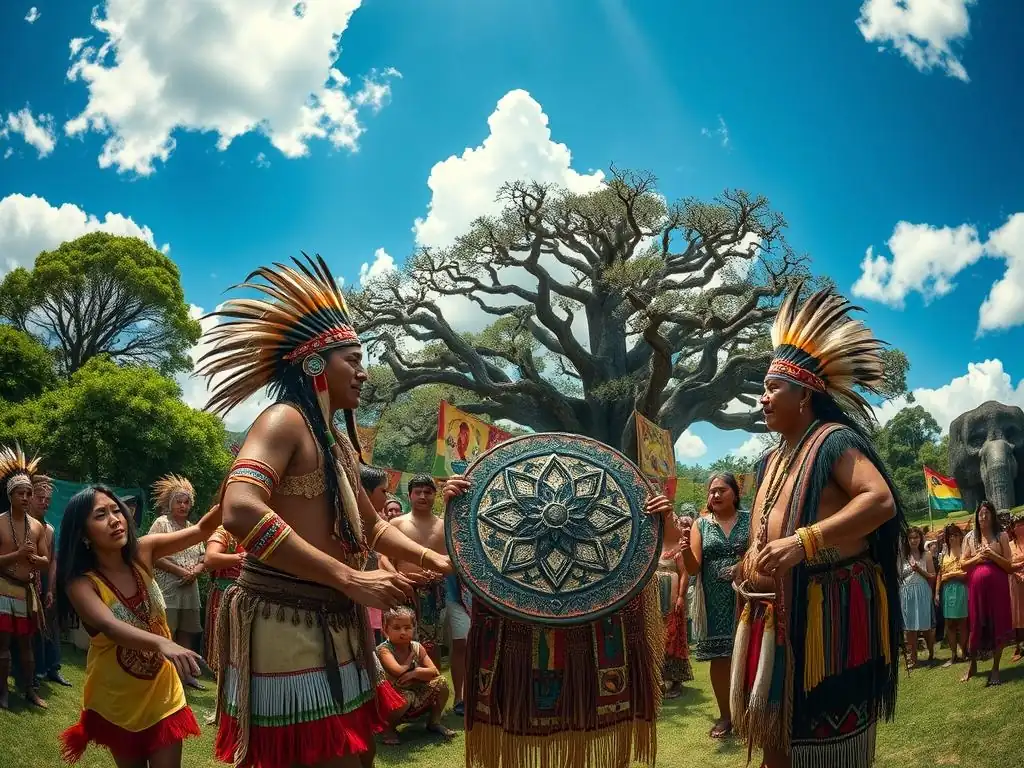
Welcome to Indigenous Civilizations of the Americas, where we invite you to journey through the rich tapestry of indigenous cultures that flourished long before European contact. Delve into our featured article on Indigenous sovereignty in the Americas—a pivotal exploration of how these remarkable societies preserved their cultural identities and political unity amidst challenges. Unravel the stories of resilience, innovation, and enduring legacies that continue to shape our world today.
Join us as we uncover the profound impact of these civilizations, and discover what sovereignty truly means in a historical context. Your adventure into the heart of America's indigenous heritage starts here!
- Introduction to Indigenous Sovereignty in the Americas
- Historical Context of Indigenous Sovereignty
- Cultural Identity as a Foundation for Sovereignty
- Case Studies of Indigenous Groups Maintaining Sovereignty
- Comparative Analysis of Indigenous Sovereignty
- Challenges to Indigenous Sovereignty Today
- Conclusion: The Future of Indigenous Sovereignty in the Americas
-
Frequently Asked Questions
- What does indigenous sovereignty mean in the context of the Americas?
- How did indigenous groups in the Americas maintain their cultural identity?
- What role did political unity play in indigenous resistance?
- How have the achievements of indigenous civilizations impacted modern society?
- Why is understanding indigenous sovereignty important today?
- Final Reflection: Embracing Indigenous Sovereignty in the Americas
- Embrace Cultural Sovereignty Today!
Introduction to Indigenous Sovereignty in the Americas
The concept of Indigenous sovereignty in the Americas encompasses the rights and autonomy of Indigenous groups to govern themselves, maintain their cultural identities, and control their lands and resources. Before the arrival of European colonizers, diverse Indigenous civilizations thrived across the continent, each with its unique social structures, governance systems, and cultural practices. This article delves into the intricate ways these groups preserved their sovereignty through cultural unity and political structures, which not only enabled them to resist external pressures but also fostered a rich tapestry of traditions and identities that continue to influence contemporary society.
Overview of Indigenous Sovereignty
Indigenous sovereignty refers to the inherent authority of Indigenous peoples to self-govern and manage their affairs without external interference. This sovereignty is deeply rooted in the historical contexts of various Indigenous nations across the Americas, each with its own treaties, histories, and relationships with colonial powers.
The principles of Indigenous sovereignty often include:
- Self-Governance: The capacity of Indigenous nations to create their own laws and govern their communities according to their traditions and values.
- Cultural Preservation: Efforts to maintain and celebrate languages, traditions, and customs that define Indigenous identity.
- Land Rights: The recognition of Indigenous peoples' rights to their ancestral lands, which are often central to their cultural and spiritual identities.
The struggle for sovereignty continues to be a significant aspect of Indigenous activism today, showcasing the resilience and determination of these communities to uphold their rights against historical and ongoing injustices.
Importance of Cultural Identity in Political Unity
Cultural identity plays a crucial role in fostering political unity among Indigenous groups. The shared beliefs, languages, and practices create a strong sense of belonging that transcends individual communities, promoting collective action and resistance.
Key factors that highlight the importance of cultural identity in political unity include:
- Shared Narratives: Common historical experiences and narratives enhance solidarity among different Indigenous groups, reinforcing their collective identity.
- Cultural Revitalization: Movements aimed at revitalizing Indigenous languages and traditions serve not only to strengthen cultural identity but also to unify groups in their political struggles.
- Coalition Building: The recognition of shared goals fosters alliances among various Indigenous nations, which can lead to more robust political representation and advocacy.
The interplay between cultural identity and political unity is fundamental to understanding how Indigenous groups in the Americas have maintained their sovereignty throughout history. By emphasizing their unique cultural heritage, these communities continue to assert their rights and influence in contemporary political landscapes.
Historical Context of Indigenous Sovereignty
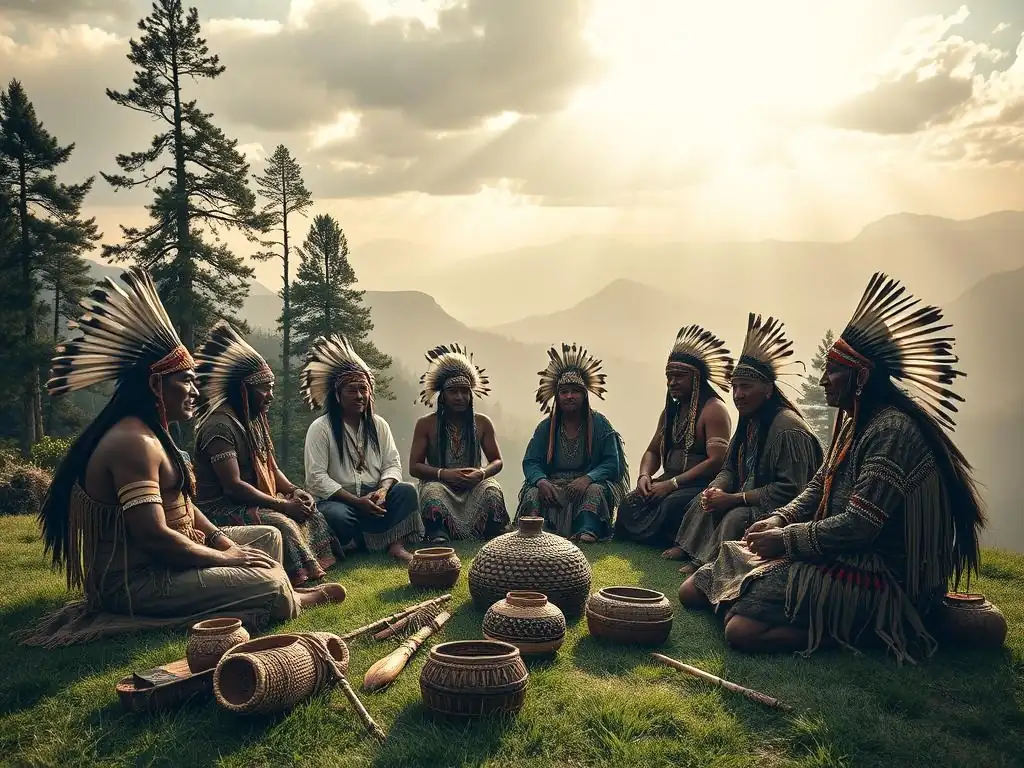
Pre-Colonial Political Structures of Indigenous Groups
Indigenous sovereignty in the Americas was deeply rooted in complex political structures that varied significantly among different cultures. Before European contact, numerous indigenous groups established sophisticated governance systems, often characterized by a strong sense of community, kinship ties, and respect for the land.
- Tribal Confederacies: Many groups formed alliances that enhanced their political power and facilitated cooperative decision-making. For instance, the Iroquois Confederacy, also known as the Haudenosaunee, consisted of five (later six) nations who united for mutual defense and collective governance. This confederacy was a remarkable example of political sophistication, with a constitution that emphasized consensus and shared governance.
- Matriarchal Societies: Some indigenous cultures, such as the Cherokee and the Hopi, exhibited matriarchal traits where women held significant power in decision-making processes. This structure promoted a unique form of governance that emphasized balance and harmony within the community.
- Decentralized Systems: Other tribes, like the Plains Indians, operated under decentralized systems, where leadership roles were often fluid and based on merit rather than hereditary privilege. This adaptability allowed for dynamic responses to environmental changes and external threats.
The political frameworks of these groups not only facilitated governance but also reinforced their cultural identity, which was intrinsically linked to their land and resources.
The Impact of European Colonization on Indigenous Cultures
The arrival of European colonizers dramatically altered the landscape of indigenous sovereignty in the Americas. Colonization introduced a series of challenges that threatened the existence and governance of indigenous groups.
- Land Dispossession: One of the most significant impacts was the systematic dispossession of land. European settlers frequently disregarded indigenous land rights, leading to the forced removal of tribes from their ancestral territories. This loss not only disrupted traditional governance but also severed the spiritual and cultural connections to the land.
- Cultural Assimilation Efforts: Colonizers often employed strategies aimed at erasing indigenous cultures. Missionary activities sought to convert indigenous peoples to Christianity, which undermined traditional beliefs and practices. Educational systems were also established to promote European values, further marginalizing indigenous identities.
- Political Fragmentation: The imposition of European legal and political systems led to the fragmentation of indigenous governance structures. Tribes were often pitted against one another through treaties that favored colonial interests, creating divisions that weakened collective sovereignty.
Despite these challenges, many indigenous communities demonstrated remarkable resilience in maintaining aspects of their cultural identity and political structures.
Resilience of Indigenous Sovereignty Through Adversity
Indigenous groups across the Americas have shown extraordinary resilience in defending their sovereignty and cultural identities, even in the face of colonial oppression.
- Cultural Revival Movements: Throughout history, many tribes have engaged in cultural revival movements aimed at reclaiming traditional practices, languages, and governance systems. These movements have played a vital role in fostering a renewed sense of identity and community cohesion, often leading to the revitalization of indigenous political structures.
- Legal Battles for Sovereignty: In contemporary times, indigenous groups have turned to legal avenues to assert their sovereignty. Numerous landmark cases in the United States and Canada have upheld indigenous rights to land, governance, and self-determination. These legal victories have reinforced the concept of indigenous sovereignty in the Americas, providing a framework for ongoing advocacy.
- Pan-Indigenous Alliances: The formation of pan-indigenous alliances and organizations has enabled diverse groups to unite in their struggle for rights. Movements such as the American Indian Movement (AIM) and the Assembly of First Nations have facilitated collective action, emphasizing shared experiences and goals in the fight for sovereignty and recognition.
The historical context of indigenous sovereignty in the Americas reveals a rich tapestry of political structures that have evolved over time. Despite the profound disruptions caused by European colonization, indigenous groups have demonstrated a remarkable capacity for resilience, preserving their cultural identities and asserting their sovereignty in contemporary society.
Cultural Identity as a Foundation for Sovereignty
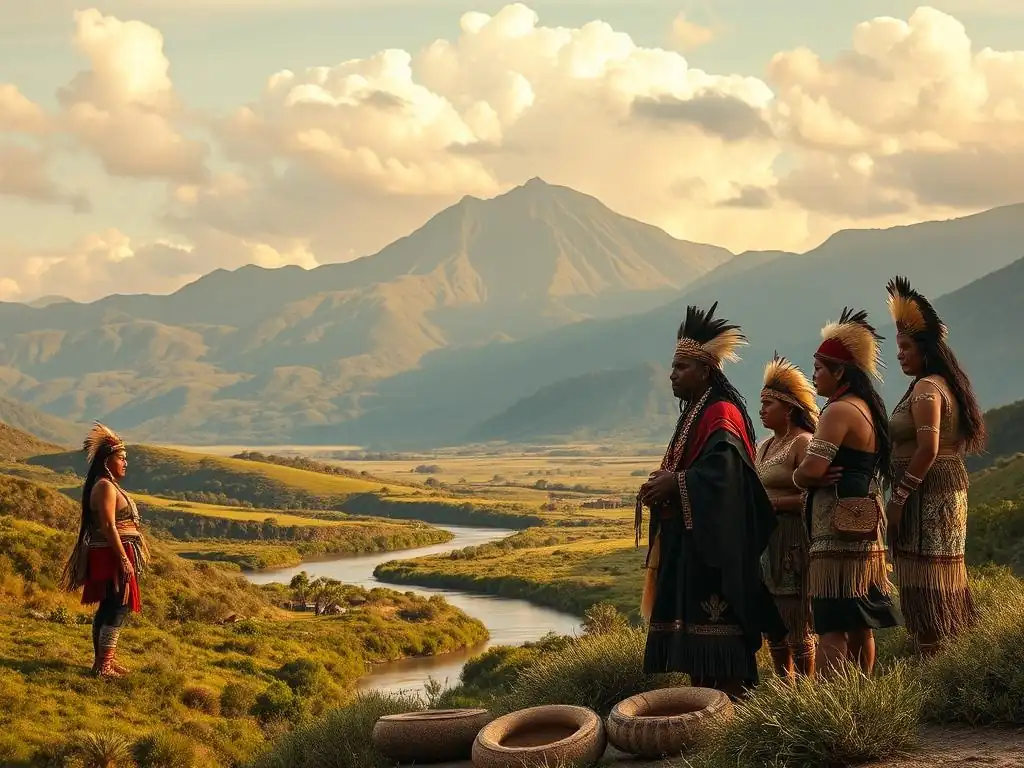
Cultural identity plays a crucial role in the maintenance of indigenous sovereignty in the Americas. It acts as a cornerstone that not only unites various groups but also empowers them to assert their rights and autonomy. This identity encompasses a rich tapestry of languages, traditions, spiritual beliefs, and communal practices that have been passed down through generations. By fostering a strong cultural identity, indigenous groups have been able to resist external pressures and assert their sovereignty, ensuring that their voices and values remain relevant in contemporary society.
Indigenous sovereignty in the Americas is not merely a political stance; it is deeply intertwined with the cultural identity of each group. This identity serves as a source of pride and resilience, enabling communities to navigate the challenges posed by colonization and globalization. As a result, cultural identity acts as a catalyst for unity, further solidifying the political structures that have evolved within these societies.
Role of Language and Traditions in Indigenous Identity
Language is one of the most significant elements of cultural identity among indigenous peoples. Each language carries unique worldviews, histories, and philosophies that are integral to the community's identity. Many indigenous languages are rich in vocabulary that expresses concepts and relationships fundamental to their cultures, such as kinship, nature, and spirituality. The loss of language often equates to a loss of identity, making revitalization efforts critical for maintaining cultural heritage.
- Traditional Practices: Alongside language, traditional practices such as storytelling, music, dance, and art play vital roles in shaping cultural identity. These practices not only preserve historical narratives but also serve as methods of education and socialization, helping younger generations understand their heritage.
- Cultural Revitalization: Many indigenous groups actively engage in cultural revitalization efforts, which include language immersion programs, traditional crafts workshops, and community festivals. These initiatives strengthen communal ties and enhance the collective identity, reinforcing the political unity necessary for asserting sovereignty.
Spiritual Beliefs and Their Influence on Political Unity
Spiritual beliefs among indigenous groups are often closely linked to their understanding of identity and governance. Many indigenous cosmologies emphasize the interconnectedness of all beings and the importance of harmony with nature. This worldview informs their political structures and governance systems, promoting a holistic approach to leadership.
- Sacred Sites and Practices: Sacred sites hold significant spiritual and cultural value for many indigenous communities. They serve as places of worship, reflection, and community gathering, reinforcing the collective identity and resilience of the group. The protection of these sites is often a key aspect of sovereignty struggles, as they symbolize the enduring connection between the people and their land.
- Community Decision-Making: Many indigenous governance systems prioritize consensus-based decision-making, reflecting their spiritual beliefs in collective well-being. This approach fosters unity within the community and has been shown to be effective in addressing issues related to land rights, resource management, and social cohesion.
Community Structures and Governance in Indigenous Societies
Indigenous communities in the Americas have developed diverse governance structures that reflect their unique cultural identities and social needs. These structures often emphasize communal participation and collective responsibility, contrasting sharply with Western individualistic models.
- Tribal Councils and Assemblies: Many indigenous groups utilize tribal councils or assemblies to facilitate governance. These bodies are typically composed of elders or representatives from various clans or families, ensuring that all voices within the community are heard. The emphasis on inclusivity fosters a strong sense of belonging and shared responsibility.
- Customary Law: Indigenous governance frequently incorporates customary laws that have evolved over centuries. These laws are rooted in cultural traditions and values, guiding community behavior and conflict resolution. By adhering to these systems, indigenous groups reinforce their sovereignty and maintain their unique identities.
| Aspect | Indigenous Governance | Western Governance |
|---|---|---|
| Decision-Making | Consensus-based | Majority rule |
| Community Involvement | High participation | Variable participation |
| Legal Framework | Customary laws | Codified laws |
| Leadership | Elders and representatives | Elected officials |
The distinctive community structures and governance systems among indigenous peoples are vital for maintaining their sovereignty in the face of external pressures. By prioritizing cultural identity and political unity, these groups continue to assert their rights and influence in the Americas today.
Case Studies of Indigenous Groups Maintaining Sovereignty
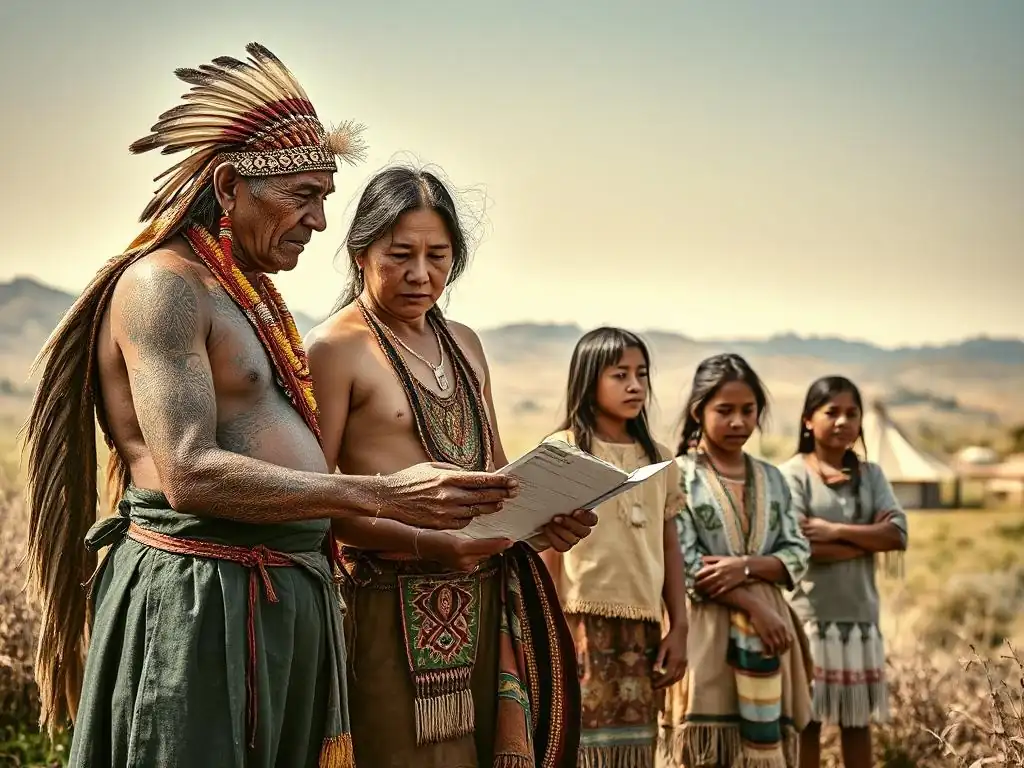
The Haudenosaunee Confederacy
Historical Background and Governance
The Haudenosaunee, also known as the Iroquois Confederacy, is one of the most significant examples of indigenous sovereignty in the Americas. Formed in the late 16th century, this political alliance originally consisted of five nations: the Mohawk, Oneida, Onondaga, Cayuga, and Seneca. A sixth nation, the Tuscarora, joined in the early 18th century. The Confederacy is renowned for its sophisticated system of governance, which operates through a council of representatives from each nation. This council exemplifies a form of participatory democracy that has influenced various political systems, including the United States Constitution.
The governance structure is based on the Great Law of Peace, which emphasizes consensus decision-making, respect for individual rights, and the importance of collective welfare. This framework has enabled the Haudenosaunee to maintain internal sovereignty and manage their affairs independently of colonial powers. The council's decisions are rooted in traditional values, ensuring that cultural practices remain integral to governance.
Cultural Practices Supporting Sovereignty
The Haudenosaunee Confederacy's cultural practices are instrumental in reinforcing their political unity and sovereignty. One of the most prominent elements is the annual Green Corn Ceremony, which celebrates the harvest and serves as a reminder of the community's interconnectedness with nature. This ceremony not only fosters a sense of identity but also strengthens communal bonds, allowing the Confederacy to collectively reaffirm its sovereignty.
Moreover, the use of the Gayanashagowa, or the Great Law of Peace, is pivotal. This document encapsulates the Confederacy's values, laws, and principles, serving as a guiding force for the nations. The emphasis on oral traditions, storytelling, and rituals reinforces cultural identity and provides a framework for resistance against external pressures. The Haudenosaunee's ability to adapt their cultural practices while maintaining core values exemplifies their resilience and commitment to sovereignty.
The Zapatista Movement in Chiapas, Mexico
Historical Context and Political Goals
The Zapatista movement, which emerged in the late 20th century, represents a powerful instance of indigenous sovereignty in Mexico. The movement is rooted in the struggles of the indigenous Maya communities in Chiapas, who have faced marginalization and economic exploitation. The Zapatista Army of National Liberation (EZLN) declared war on the Mexican government on January 1, 1994, coinciding with the implementation of the North American Free Trade Agreement (NAFTA). Their uprising highlighted the systemic injustices faced by indigenous peoples and called for autonomy, land rights, and social justice.
The Zapatistas advocate for a form of governance that is decentralized and community-oriented, emphasizing participatory democracy. They have established autonomous municipalities where local governance reflects indigenous traditions and priorities, allowing communities to exercise self-determination. This political structure not only addresses immediate concerns but also serves as a model for broader social change within Mexico.
Cultural Identity as a Tool for Sovereignty
Cultural identity plays a crucial role in the Zapatista movement's assertion of sovereignty. The Zapatistas have embraced their indigenous heritage as a source of strength and unity. Symbols such as the Zapatista flag and the use of indigenous languages in their communications underscore the importance of cultural pride in their political struggle.
Through cultural events, such as traditional ceremonies and festivals, the Zapatistas reinforce their identity while fostering solidarity among various indigenous groups. This cultural revival serves to counteract the effects of colonization and globalization. Additionally, the movement's emphasis on education and literacy programs in indigenous languages ensures that cultural knowledge is preserved and passed on to future generations.
The Haudenosaunee Confederacy and the Zapatista movement exemplify how indigenous groups in the Americas have maintained sovereignty through a combination of political structures, cultural practices, and a resilient sense of identity. Their experiences illustrate the vital connection between cultural identity and political unity in the pursuit of indigenous sovereignty in the Americas.
Comparative Analysis of Indigenous Sovereignty
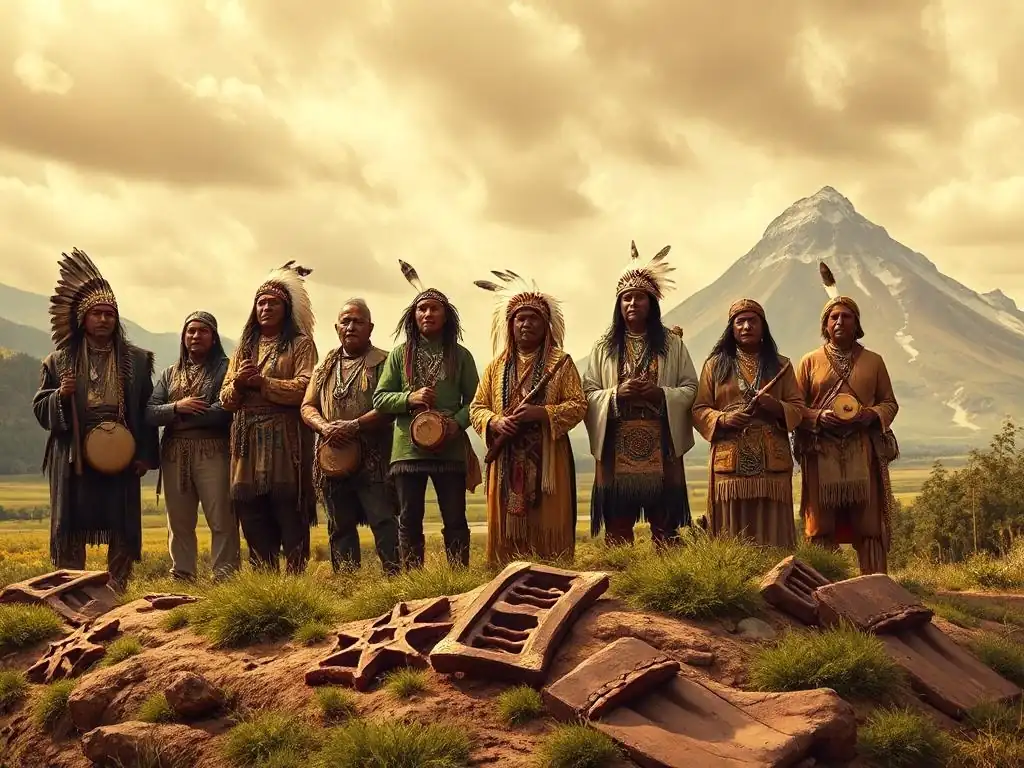
Differences in Approaches to Sovereignty Among Indigenous Groups
Indigenous sovereignty in the Americas encompasses a myriad of governance systems and cultural practices that demonstrate the diverse ways in which different groups maintained their political autonomy and cultural identity.
Matriarchal vs. Patriarchal Governance Structures
The governance structures of Indigenous societies significantly influenced their approaches to sovereignty. In many matriarchal societies, such as the Haudenosaunee (Iroquois Confederacy), women held considerable power, particularly in decision-making processes and leadership roles. This structure not only reinforced community bonds but also ensured the preservation of cultural practices that emphasized the importance of cooperation and consensus.
On the other hand, patriarchal governance systems, found in groups like the Plains tribes, often centralized power in male leadership. Despite this, these societies also fostered a sense of community and collective decision-making, albeit through different mechanisms. The contrasting governance structures illustrate that regardless of gender roles, Indigenous groups were adept at creating frameworks that upheld their sovereignty by prioritizing collective welfare and cultural preservation.
Influence of Geography on Political Unity
Geographical factors played a crucial role in shaping the political unity of Indigenous groups. For instance, tribes located in the dense forests of the Northeast developed complex confederacies, such as the Iroquois Confederacy, to navigate the challenges posed by both the environment and inter-tribal relations. In contrast, the nomadic tribes of the Great Plains, such as the Lakota, adapted to their geography by forming flexible alliances based on seasonal migrations and resource availability.
Furthermore, geographic isolation often led to the development of unique cultural identities, which in turn influenced political structures. Coastal tribes, like the Tlingit, relied on their maritime resources and established trade networks that reinforced their sovereignty through economic independence. These geographical distinctions underscore the importance of the environment in shaping the political strategies employed by Indigenous groups in maintaining their autonomy.
Similarities in Cultural Practices Supporting Sovereignty
Despite the differences in governance and geography, many Indigenous groups shared cultural practices that supported their sovereignty and political unity.
Shared Traditions and Symbols
Cultural symbols, ceremonies, and traditions served as powerful tools for reinforcing group identity and sovereignty among Indigenous peoples. For instance, the use of totem poles in the Pacific Northwest conveys clan lineage and territorial claims, while the sun dance among Plains tribes symbolizes renewal and community strength.
These shared traditions not only fostered a sense of belonging but also communicated the values and rights of Indigenous groups to both internal and external audiences. By cultivating these cultural practices, Indigenous communities maintained their unique identities and asserted their political sovereignty in the face of external pressures.
Collaborative Political Movements
Throughout history, various Indigenous groups have engaged in collaborative political movements to advocate for their rights and sovereignty. The formation of coalitions, such as the American Indian Movement (AIM) in the 1960s, exemplifies how diverse Indigenous communities united to address shared concerns regarding land rights, cultural preservation, and self-determination.
These collaborative efforts highlight the importance of solidarity among Indigenous peoples, transcending geographical and cultural boundaries to create a unified front. By combining their resources and voices, Indigenous groups were able to challenge colonial narratives and assert their sovereignty, making significant strides toward political recognition and self-governance.
The exploration of Indigenous sovereignty in the Americas reveals a rich tapestry of governance structures, cultural practices, and collaborative efforts that underscore the resilience and adaptability of Indigenous groups. Through both their unique approaches and shared experiences, these communities have successfully maintained their sovereignty, contributing to the ongoing dialogue surrounding Indigenous rights and identity today.
Challenges to Indigenous Sovereignty Today
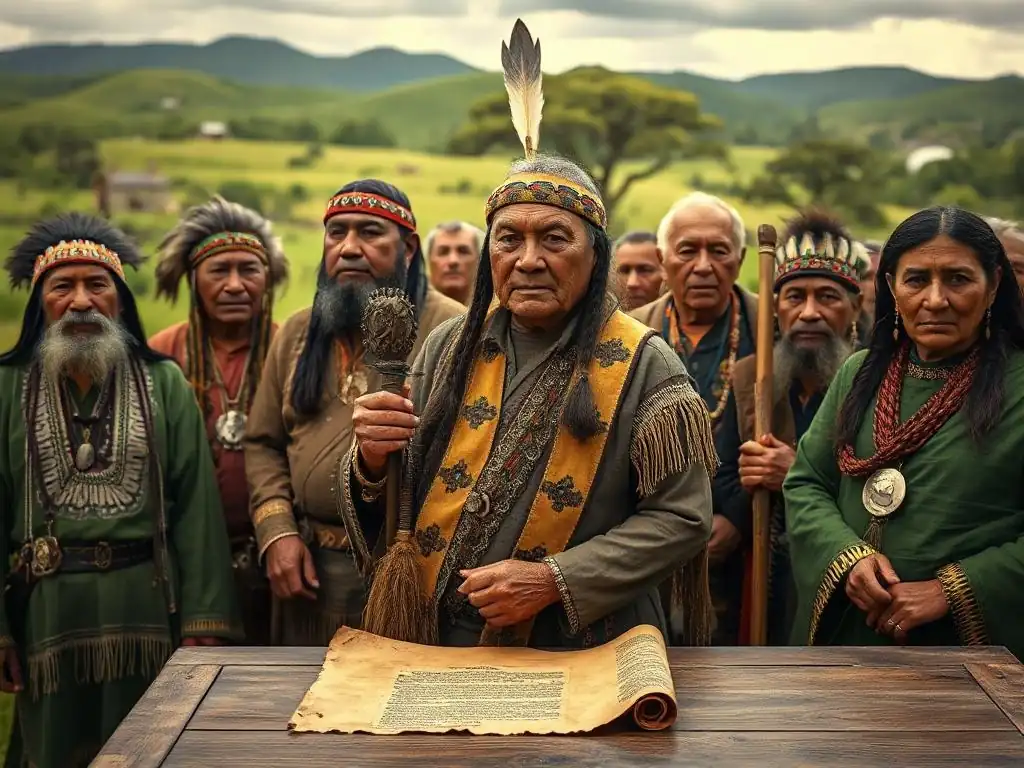
Modern-Day Threats to Cultural Identity
Indigenous sovereignty in the Americas faces numerous modern-day threats that jeopardize not only the political autonomy of these groups but also their cultural identity. One significant challenge is the ongoing encroachment of industrialization and urban development on traditional lands. This encroachment disrupts the connection between indigenous peoples and their ancestral territories, which are vital to their cultural practices and spiritual beliefs.
Key factors contributing to cultural erosion include:
- Resource Exploitation: Mining, logging, and oil extraction often lead to environmental degradation, directly impacting the natural resources that indigenous communities rely on for their sustenance and cultural practices.
- Assimilation Policies: Various governments continue to promote policies aimed at assimilating indigenous populations into mainstream society, which can dilute traditional languages, customs, and social structures.
- Media Representation: The portrayal of indigenous cultures in mainstream media often lacks nuance and can perpetuate stereotypes, further alienating indigenous communities from their cultural identity.
The cumulative effect of these threats is a weakening of the cultural fabric that binds indigenous groups, making it increasingly difficult for future generations to maintain their heritage.
Legal and Political Obstacles Faced by Indigenous Groups
Indigenous sovereignty in the Americas is not only challenged by cultural threats but also by systemic legal and political obstacles. Many indigenous groups find themselves navigating complex legal frameworks that often do not recognize their rights or traditional governance structures.
Main legal and political issues include:
- Land Rights Disputes: Many indigenous communities are in a constant battle to reclaim their ancestral lands, which have often been claimed by states or private entities without consent. This leads to protracted legal battles that can last for decades.
- Limited Political Representation: Indigenous voices are frequently underrepresented in political arenas, limiting their ability to influence policies that affect their communities. This lack of representation hampers efforts to advocate for rights and sovereignty.
- Bureaucratic Barriers: Indigenous groups often face bureaucratic hurdles when attempting to secure recognition or funding for cultural initiatives. The complexity of governmental processes can discourage participation and hinder progress.
These obstacles highlight the need for comprehensive legal reforms that recognize and respect indigenous sovereignty and rights.
Efforts to Reclaim Sovereignty and Cultural Heritage
Despite the myriad challenges, indigenous groups across the Americas are actively engaged in efforts to reclaim their sovereignty and cultural heritage. These initiatives are crucial for the survival and revitalization of indigenous identities.
Notable efforts include:
- Cultural Revitalization Programs: Many communities are implementing programs aimed at teaching traditional languages, crafts, and practices to younger generations, ensuring that cultural knowledge is passed down.
- Legal Advocacy: Indigenous organizations are increasingly collaborating with legal experts to challenge unjust laws and advocate for policy changes that honor indigenous rights and sovereignty.
- Economic Development Initiatives: Some groups are exploring sustainable economic practices that respect their cultural values while providing financial independence. This includes eco-tourism and community-run enterprises that prioritize environmental stewardship.
Through these efforts, indigenous communities are not only fighting for their rights but are also fostering a renewed sense of identity and unity, reinforcing their sovereignty in the modern world.
Conclusion: The Future of Indigenous Sovereignty in the Americas
The future of Indigenous sovereignty in the Americas hinges on a complex interplay between cultural identity, political structures, and global awareness. As Indigenous groups continue to navigate the challenges posed by modern nation-states, their ability to reclaim and assert sovereignty is increasingly dependent on a strong cultural identity that resonates with both Indigenous communities and the wider public.
The Role of Cultural Identity in Ongoing Struggles for Sovereignty
Cultural identity serves as a cornerstone for Indigenous sovereignty movements across the Americas. It is through the preservation and revitalization of languages, traditions, and customs that Indigenous groups assert their distinctiveness and claim their place in the modern world. This cultural resurgence not only fosters a sense of belonging and pride within Indigenous communities but also strengthens their political voice.
- Cultural Resilience: Many Indigenous groups have employed cultural practices as tools for political activism. For instance, the revival of traditional ceremonies and languages has been pivotal in uniting communities and reinforcing their claims to ancestral lands. These practices emphasize the intrinsic connection between cultural identity and sovereignty.
- Advocacy and Representation: Cultural identity is often leveraged in advocacy efforts aimed at influencing policy. Indigenous leaders frequently emphasize their unique histories and rights in negotiations with governments, thereby seeking to reshape political discussions around land, resources, and self-governance.
- Intergenerational Knowledge: The transmission of cultural knowledge from elders to youth plays a critical role in sustaining Indigenous identity. This intergenerational approach ensures that cultural practices remain relevant and are integrated into contemporary political struggles. For example, many youth-led movements draw on traditional teachings to guide their activism, highlighting the importance of culture in their fight for sovereignty.
In this context, the embrace of cultural identity not only strengthens the resolve of Indigenous groups but also challenges dominant narratives that often marginalize their histories and rights.
Importance of Global Awareness and Support for Indigenous Rights
Global awareness of Indigenous rights is crucial for the advancement of sovereignty movements across the Americas. As the world becomes increasingly interconnected, the visibility of Indigenous issues can catalyze international support that enhances local efforts for sovereignty.
- International Treaties and Frameworks: Awareness of international agreements, such as the United Nations Declaration on the Rights of Indigenous Peoples (UNDRIP), has bolstered the legitimacy of Indigenous claims. These frameworks provide a platform for Indigenous voices in global forums, encouraging solidarity and collaborative approaches among diverse Indigenous groups.
- Solidarity Movements: Global support for Indigenous rights often manifests through solidarity movements that amplify Indigenous voices. These movements can mobilize resources, raise awareness, and exert pressure on governments to respect Indigenous sovereignty. For example, the #LandBack movement has gained traction internationally, emphasizing the need for restitution of Indigenous lands.
- Cultural Exchange and Education: Promoting awareness of Indigenous cultures and histories fosters appreciation and respect, which are vital for political advocacy. Educational initiatives that highlight Indigenous perspectives can empower allies and create a broader understanding of the complexities surrounding Indigenous sovereignty.
The future of Indigenous sovereignty in the Americas is intricately linked to cultural identity and global advocacy. By harnessing their rich cultural heritage and seeking international support, Indigenous groups can continue to assert their sovereignty, challenge systemic injustices, and pave the way for a more equitable future.
Frequently Asked Questions
What does indigenous sovereignty mean in the context of the Americas?
Indigenous sovereignty refers to the right of indigenous peoples to govern themselves and maintain their cultural identity and political unity, distinct from external authorities.
How did indigenous groups in the Americas maintain their cultural identity?
Indigenous groups maintained their cultural identity through traditions, languages, and spiritual practices that were passed down through generations, despite external pressures and colonization.
What role did political unity play in indigenous resistance?
Political unity among indigenous groups was crucial for resisting colonization, as it allowed for collective action and strengthened their ability to negotiate and defend their rights.
How have the achievements of indigenous civilizations impacted modern society?
The achievements of indigenous civilizations have significantly influenced modern society through agriculture, governance, and cultural practices, contributing to a rich tapestry of diverse heritage.
Why is understanding indigenous sovereignty important today?
Understanding indigenous sovereignty is essential for recognizing the rights and self-determination of indigenous peoples, fostering respect, and promoting social justice in contemporary discussions.
Final Reflection: Embracing Indigenous Sovereignty in the Americas
Cultural identity and political unity are not just historical concepts; they are vital forces that shape contemporary society. Today, the resilience of Indigenous groups in maintaining their sovereignty serves as a powerful reminder of the importance of cultural heritage in the face of adversity. As we navigate a world increasingly defined by globalization and homogenization, the stories of Indigenous peoples remind us that the preservation of cultural identity is essential for political empowerment.
The ongoing struggle for Indigenous sovereignty in the Americas continues to influence social movements and cultural narratives across the continent. The fight for recognition and rights is not merely a relic of the past; it is a vibrant and ongoing dialogue that shapes our understanding of justice and equality. As we witness the resurgence of Indigenous voices in political arenas, we are reminded of the words of activist Winona LaDuke: The land is our home, and we are its caretakers.
This perspective emphasizes the deep connection between cultural identity and the stewardship of the land, reinforcing the idea that sovereignty is intertwined with the very essence of who Indigenous peoples are.
As we reflect on the lessons of Indigenous sovereignty, let us commit to honoring and amplifying these voices in our own lives. Consider how you can support Indigenous rights and cultural preservation in your community. Whether through education, advocacy, or simply listening to Indigenous narratives, each of us has a role to play in fostering a more inclusive and equitable society. Together, we can ensure that the legacy of Indigenous sovereignty not only endures but thrives, enriching our collective future.
Embrace Cultural Sovereignty Today!
Thank you for taking the time to explore the vital relationship between cultural identity and political unity among Indigenous communities. Your interest is a step towards greater awareness and respect for the rich histories and legacies that shape our world today. Now, it’s time to transform your understanding into action!
Here are some powerful ways you can engage with and honor Indigenous sovereignty:
- Become an Advocate: Support Indigenous rights by reaching out to your local representatives to express your support for laws and policies that uphold the sovereignty of Indigenous peoples.
- Engage with Local Indigenous Communities: Attend cultural events, workshops, or discussions in your area to learn directly from Indigenous voices and perspectives.
- Share Your Insights: Start a conversation on social media about Indigenous sovereignty, encouraging your friends to join in discussing the importance of preserving cultural identities.
How can you take a stand for cultural identity in your community or online today? **Your voice matters! **