
The Evolution of Indigenous Governance: Comparing PreColonial and PostColonial Structures

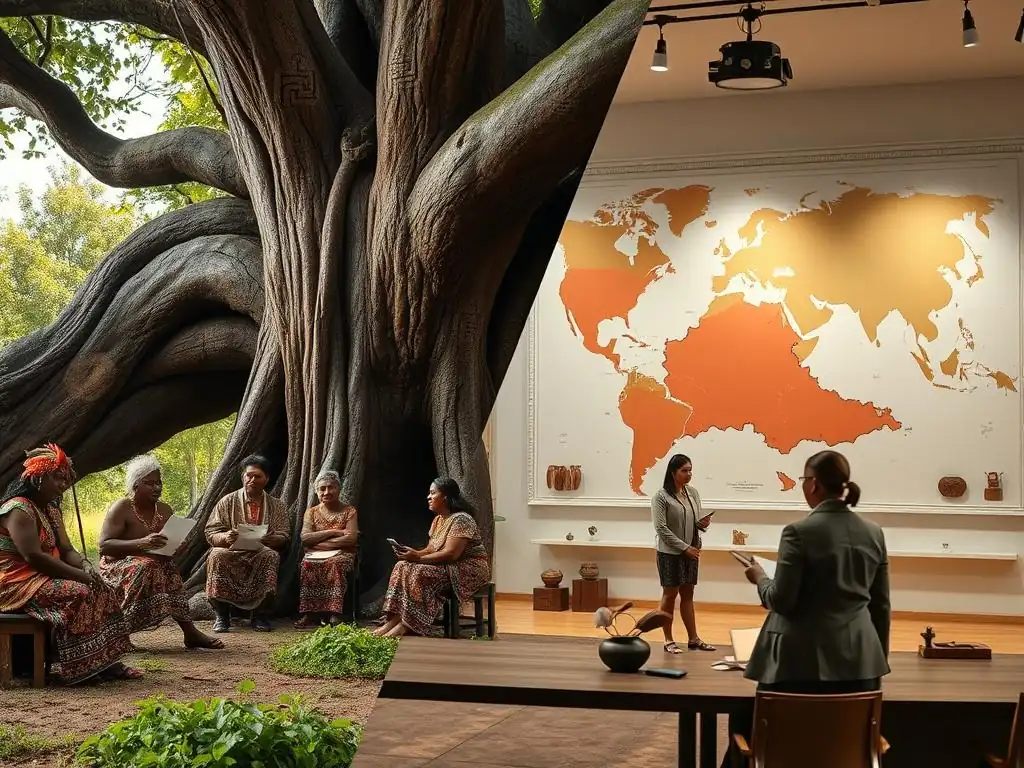
Welcome to Indigenous Civilizations of the Americas, where we invite you to embark on a journey through the rich tapestry of indigenous cultures that flourished long before European contact. Our featured article, “The Evolution of Indigenous Governance: Comparing PreColonial and PostColonial Structures,” delves into the intricate systems of governance that shaped these societies. Discover how these remarkable frameworks not only defined their communities but continue to influence contemporary discussions on governance today. Are you ready to explore the profound legacies of indigenous governance structures and their impact on modern society? Dive in and let your curiosity lead the way!
Introduction to Indigenous Governance Structures
Indigenous governance structures are the frameworks through which Indigenous peoples organize themselves, make decisions, and interact with their environments and each other. This article delves into a comparative analysis of these governance frameworks before and after European colonization, highlighting their transformations and the implications for Indigenous communities today. By examining the indigenous governance structures comparison, we can gain insight into the resilience and adaptability of these societies, as well as their enduring legacies that continue to influence contemporary governance systems.
Definition of Indigenous Governance
Indigenous governance refers to the unique systems of leadership, decision-making, and social organization that are formed and practiced by Indigenous communities. These systems are often based on traditional knowledge, cultural values, and an intrinsic connection to the land. Governance structures can vary significantly among different Indigenous groups, but they typically encompass:
- Leadership roles: Elders, chiefs, councils, and other figures of authority who guide the community.
- Decision-making processes: Consensus-building practices that prioritize community involvement.
- Cultural norms: Traditions and customs that inform laws and regulations within the community.
Importance of Indigenous Governance in the Americas
The significance of Indigenous governance in the Americas cannot be overstated. These structures are not only essential for the self-determination of Indigenous peoples but also serve as a means of preserving cultural heritage and identity. The key reasons for the importance of Indigenous governance include:
- Cultural Preservation: Maintaining traditional practices and languages that define community identity.
- Sovereignty and Autonomy: Upholding the right to self-govern and make decisions that affect the community.
- Resource Management: Effective stewardship of land and resources based on ancestral knowledge and sustainable practices.
Overview of PreColonial Indigenous Governance Structures
The precolonial era marked a time when Indigenous communities across the Americas developed intricate governance systems that were deeply rooted in their cultural and social contexts. These structures were dynamic and diverse, reflecting the unique needs and values of each community.
Characteristics of PreColonial Governance
Precolonial Indigenous governance systems were characterized by:
- Decentralization: Many Indigenous societies operated on a decentralized model, where local leaders held authority, and decision-making was often community-based.
- Consensus-Based Decision Making: Emphasis on collective agreement rather than majority rule, ensuring that all voices were heard.
- Spiritual and Cultural Integration: Governance was closely tied to spiritual beliefs, with leaders often seen as custodians of both the land and the community’s cultural practices.
Key Examples of PreColonial Governance Systems
Several prominent Indigenous governance systems exemplified these characteristics:
- The Iroquois Confederacy: Comprised of several tribes, this alliance used a sophisticated council system to make decisions on war, peace, and trade, emphasizing consensus among its members.
- The Inca Empire: Known for its hierarchical governance, the Inca implemented an extensive administrative system that managed resources and infrastructure across vast territories.
- The Pueblo Peoples: In the Southwest, Pueblo communities operated under a council of elders, incorporating spiritual leaders in governance to guide communal decisions.
These examples illustrate the rich tapestry of governance structures that existed prior to European contact, showcasing their adaptability and relevance to the social fabric of Indigenous life.
Overview of PostColonial Indigenous Governance Structures
Postcolonial indigenous governance structures emerged in response to the significant changes brought about by European colonization. These structures were influenced by the need to reclaim sovereignty, restore cultural practices, and adapt to the new socio-political realities imposed by colonial powers. As indigenous communities navigated the complexities of postcolonial identity, their governance systems evolved to incorporate both traditional practices and contemporary political frameworks.
The resurgence of tribal sovereignty movements and self-determination efforts has shaped postcolonial governance. Many indigenous groups sought recognition of their rights, land claims, and cultural heritage within the legal frameworks of their respective nation-states. This resulted in a hybrid governance structure that often blends traditional leadership roles with modern political processes, such as elections and constitutional rights, aiming to empower indigenous voices in decision-making.
Moreover, postcolonial governance structures vary significantly across communities, influenced by historical contexts, regional dynamics, and cultural practices. This diversity reflects the resilience and adaptability of indigenous peoples in preserving their identity while engaging with broader political landscapes.
Characteristics of PostColonial Governance
Postcolonial indigenous governance structures exhibit several distinctive characteristics:
- Sovereignty and Self-Determination: Many indigenous communities prioritize reclaiming their sovereignty and exercising self-determination, often advocating for legal recognition of their rights and autonomy.
- Hybrid Systems: Governance often merges traditional practices with modern political frameworks, allowing for the integration of elders and community leaders alongside elected representatives.
- Cultural Revitalization: A focus on cultural preservation informs governance decisions, with many communities implementing practices that reflect their heritage, values, and customs.
- Community Engagement: Postcolonial governance emphasizes participatory decision-making processes, where community members are actively involved in discussions and resolutions.
- Adaptability: These structures are often flexible, adapting to changing circumstances and external pressures, ensuring that governance remains relevant to community needs.
Key Examples of PostColonial Governance Systems
Several indigenous groups have developed unique postcolonial governance systems that reflect their specific historical and cultural contexts:
- Navajo Nation: The Navajo Nation operates under a government that combines elements of traditional governance with a constitutionally defined system, allowing for representation and self-governance.
- Haudenosaunee Confederacy: This confederacy exemplifies a traditional governance model that has persisted postcolonization, emphasizing consensus decision-making and the involvement of clan leaders.
- First Nations in Canada: Various First Nations have negotiated self-government agreements with the Canadian government, allowing them to create their own political systems while adhering to indigenous laws and customs.
- Mapuche Communities in Chile and Argentina: The Mapuche have established a governance framework that incorporates traditional authority and communal land ownership, reflecting their resistance against colonization and ongoing cultural revival.
Comparative Analysis of PreColonial and PostColonial Indigenous Governance Structures
The comparison between precolonial and postcolonial indigenous governance structures reveals both continuities and changes that have shaped the political landscape for indigenous communities.
Similarities Between PreColonial and PostColonial Governance
Despite the profound impacts of colonization, some similarities persist between precolonial and postcolonial governance structures:
- Community-Centric Focus: Both governance systems prioritize community well-being and collective decision-making, reflecting the importance of group cohesion.
- Elder Leadership: Traditional roles of elders and respected leaders continue to influence governance, ensuring that wisdom and cultural knowledge remain integral to decision-making processes.
- Cultural Values: Indigenous values and cultural practices are foundational in both governance structures, fostering a sense of identity and continuity.
- Adaptation to Circumstances: Both precolonial and postcolonial systems demonstrate adaptability, evolving in response to internal and external challenges while striving to maintain cultural integrity.
Differences Between PreColonial and PostColonial Governance
Key differences between precolonial and postcolonial governance structures highlight the transformative effects of colonization:
- Legal Frameworks: Postcolonial governance often operates within the context of national legal systems, whereas precolonial governance relied on customary laws and practices unique to each community.
- Representation: Postcolonial structures may include elected officials and formal political processes, contrasting with the more organic leadership roles seen in precolonial times, where leadership was often based on consensus and respect.
- Influence of External Forces: Postcolonial governance is shaped by negotiations with state authorities and international bodies, while precolonial governance was primarily self-contained and less influenced by external political pressures.
- Resource Management: Postcolonial governance structures often address land rights and resource management in ways that reflect contemporary legal and economic contexts, diverging from traditional practices that emphasized communal stewardship.
This comparative analysis underscores the resilience of indigenous governance systems, illustrating how they adapt and evolve while striving to maintain their cultural essence amidst postcolonial realities.
Case Studies in Indigenous Governance Structures Comparison
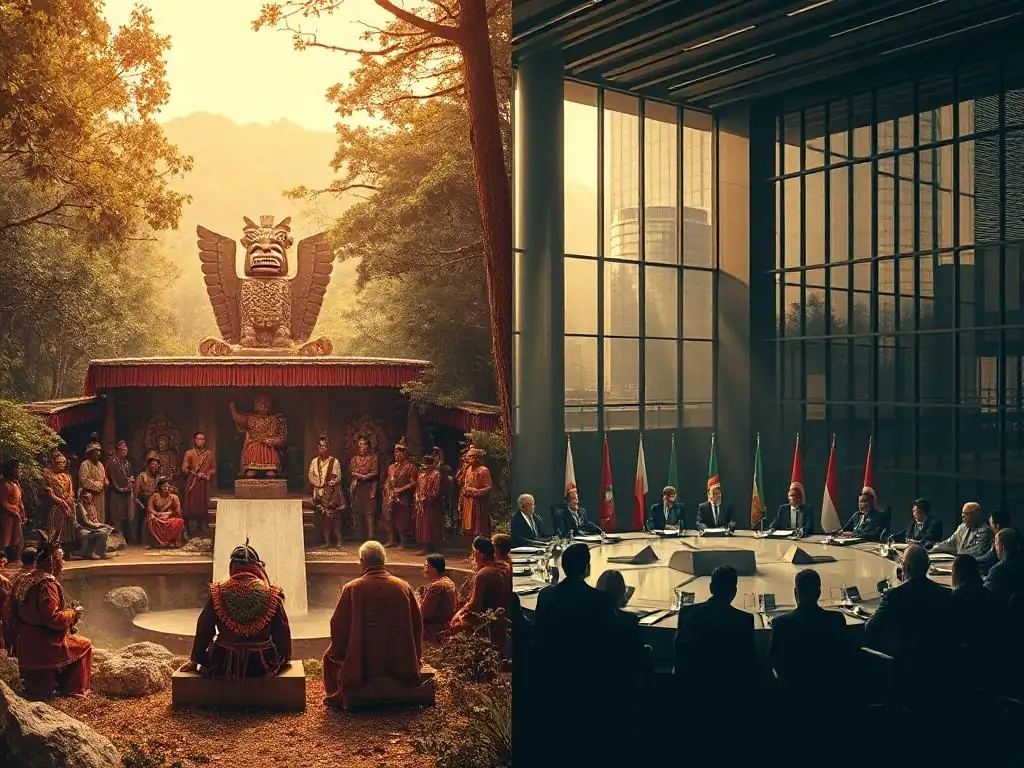
Examining specific case studies can illuminate the significant differences and similarities between precolonial and postcolonial indigenous governance structures. This exploration not only highlights the resilience of indigenous communities but also emphasizes how their governance practices have evolved or been challenged over time.
Case Study 1: The Iroquois Confederacy vs. Modern Native American Tribes
The Iroquois Confederacy, established in the 15th century, is a prime example of sophisticated governance among indigenous peoples. Comprising the Mohawk, Oneida, Onondaga, Cayuga, Seneca, and later the Tuscarora nations, this confederacy operated through a council of chiefs representing each nation. Decisions were made collectively, emphasizing consensus and mutual agreement, which fostered a strong sense of unity and cooperation among the member tribes.
In contrast, modern Native American tribes often navigate a complex landscape shaped by federal and state laws. While many tribes have adopted constitutions reflecting elements of Western governance, they also strive to integrate traditional practices into their political systems. For instance, tribes such as the Navajo Nation and the Cherokee Nation blend traditional councils with elected governance, ensuring that cultural values remain integral to their political identity.
The comparison between the Iroquois Confederacy and contemporary tribes reveals a profound resilience in indigenous governance, as many tribes work to maintain their cultural heritage while adapting to modern political realities.
Case Study 2: The Inca Empire vs. Contemporary Andean Indigenous Groups
The Inca Empire, which thrived from the early 15th century until the Spanish conquest in the 16th century, showcased a highly organized governance structure. The Incas employed a centralized authority with the Sapa Inca at the helm, supported by a bureaucracy that managed resources, labor, and territorial administration. This system facilitated extensive infrastructure development, including road networks and agricultural innovations that were crucial for sustaining the empire.
Today, contemporary Andean indigenous groups, such as the Quechua and Aymara peoples, often find themselves navigating a dual governance system. While some communities continue to rely on traditional forms of governance, such as assemblies or councils that reflect local customs, they also engage with national governments that may not fully recognize or respect their rights. This tension illustrates the ongoing struggle for autonomy and recognition, as these groups advocate for the inclusion of traditional governance within the broader political landscape.
The contrast between the Inca Empire's centralized governance and the decentralized, community-based structures of modern Andean groups underscores the evolution of indigenous governance in response to historical and contemporary challenges.
Challenges Facing Indigenous Governance Structures Today
Indigenous governance structures face numerous challenges in the modern era, stemming from historical injustices and ongoing socio-political dynamics. Understanding these challenges is crucial for appreciating the resilience and adaptability of indigenous governance practices.
Impact of Colonization on Governance
Colonization significantly disrupted indigenous governance systems, imposing foreign legal and political structures that undermined traditional authority. The introduction of European legal frameworks often disregarded indigenous laws and customs, leading to a loss of sovereignty and self-determination. As a result, many indigenous communities struggle to reclaim their governance rights and restore traditional practices that were suppressed during colonization.
This legacy of colonization continues to impact contemporary governance, as many indigenous groups fight for recognition and rights within a system that often marginalizes them. The struggle for land rights, resource management, and cultural preservation remains a central challenge for many indigenous communities.
Modern Legal and Political Challenges
In addition to the historical impacts of colonization, modern legal and political challenges further complicate indigenous governance. Many indigenous nations face difficulties in navigating bureaucratic systems that often lack cultural sensitivity or recognition of traditional governance structures. This can lead to conflicts over land use, resource allocation, and political representation.
Furthermore, the fragmentation of indigenous communities due to historical displacement often results in divisions that can weaken collective governance efforts. Some groups may lack the resources or political support needed to effectively advocate for their rights, diminishing their influence in negotiations with national governments.
Revitalization of Traditional Governance Practices
Despite these challenges, there is a growing movement among indigenous communities to revitalize traditional governance practices. Many tribes are actively seeking to reclaim their cultural heritage, integrating traditional decision-making processes into contemporary governance frameworks. This revitalization often includes community assemblies, elder councils, and the inclusion of spiritual and cultural leaders in decision-making.
Moreover, the emphasis on traditional governance not only fosters community cohesion but also strengthens the cultural identity of indigenous peoples. By blending traditional practices with modern governance, indigenous communities can create a more inclusive and representative political landscape that honors their heritage while addressing contemporary issues.
Through these efforts, indigenous governance structures demonstrate resilience and adaptability, highlighting their vital role in the ongoing struggle for self-determination and cultural preservation.
Conclusion: The Future of Indigenous Governance Structures
The evolution of indigenous governance structures presents a compelling narrative that reflects resilience and adaptability in the face of changing socio-political landscapes. As indigenous communities continue to navigate the complexities of modern society, their governance frameworks must evolve while remaining rooted in their cultural heritage. The future of these structures will likely be characterized by a blend of traditional practices and contemporary political engagement, promoting self-determination and sovereignty.
In numerous regions, indigenous governance systems are being reasserted as legitimate forms of authority, with legal recognition increasingly supporting their rights. This trend not only reinforces community identity but also contributes to environmental stewardship and sustainable development, as many indigenous practices are inherently aligned with ecological balance. The integration of traditional governance with modern political frameworks offers a pathway for collaboration, fostering mutual respect and understanding between indigenous communities and external governmental structures.
The Role of Indigenous Governance in Contemporary Society
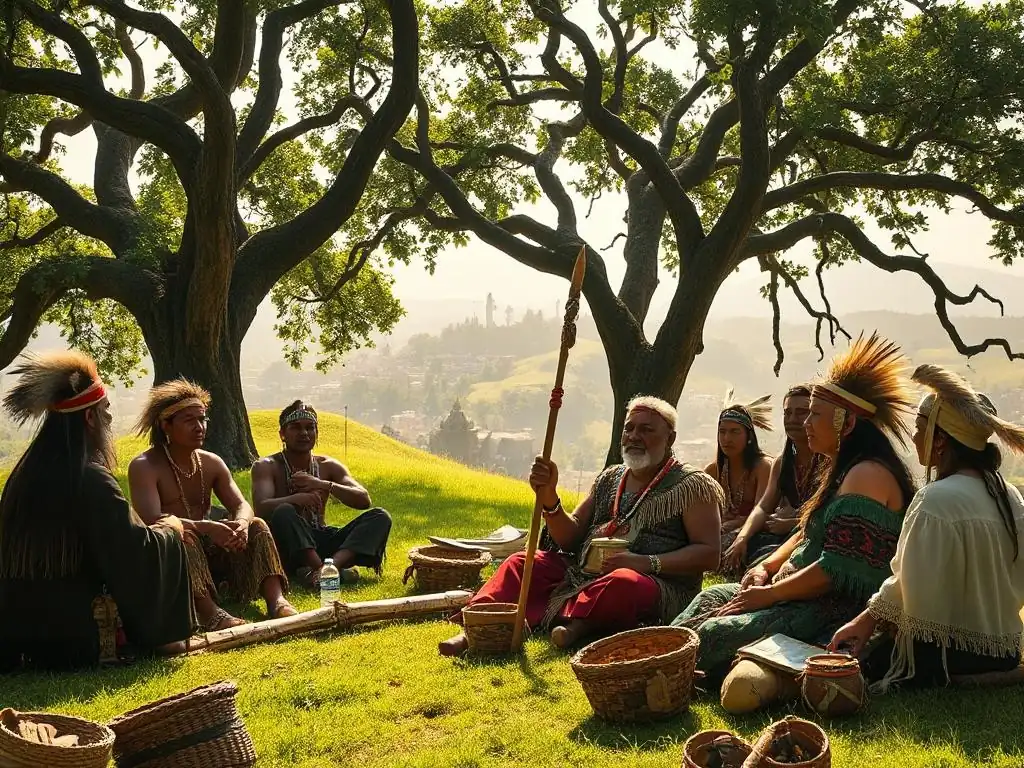
Indigenous governance plays a crucial role in contemporary society by providing a framework for self-governance that reflects the unique values and traditions of indigenous peoples. This governance not only addresses the needs of the community but also acts as a bridge between indigenous and non-indigenous populations. The resurgence of indigenous governance structures has led to greater political representation and advocacy for indigenous rights, influencing policy-making at local, national, and international levels.
Moreover, these governance systems are pivotal in addressing contemporary challenges such as land rights, climate change, and cultural preservation. By employing traditional ecological knowledge and practices, indigenous governance frameworks contribute to sustainable environmental management, showcasing effective strategies that can inform broader ecological policies. The recognition and support of these systems are essential for fostering social justice and equality, affirming the importance of indigenous voices in the governance discourse.
Importance of Preserving Indigenous Governance Traditions
Preserving indigenous governance traditions is vital for maintaining cultural identity and social cohesion within indigenous communities. These traditions encapsulate centuries of knowledge, practices, and philosophies that are integral to community life. The erosion of these governance structures can lead to a loss of identity and cultural heritage, as well as diminished community resilience.
The preservation efforts not only protect indigenous rights but also educate broader society about the value of diverse governance systems. By highlighting the effectiveness of traditional practices, indigenous communities can advocate for their inclusion in contemporary governance discussions, paving the way for collaborative approaches that respect and honor indigenous knowledge. This preservation ultimately strengthens the social fabric of both indigenous and non-indigenous societies, fostering a more inclusive future.
References
- Alfred, T. (2009). Peace, Power, Righteousness: An Indigenous Manifesto. Oxford University Press.
- Anderson, K. (2000). A Recognition of Being: Reconstructing Native Womanhood. Second Story Press.
- Borrows, J. (2010). Canada's Indigenous Constitution. University of Toronto Press.
- Ranco, D. J., & Faulks, K. (2016). Indigenous Governance: A Global Perspective. Routledge.
- Simpson, L. B. (2017). As We Have Always Done: Indigenous Freedom through Radical Resistance. University of Minnesota Press.
Suggested Readings on Indigenous Governance Structures
- "Indigenous Governance in Canada": A comprehensive analysis of the development and implementation of indigenous governance systems across Canada.
- "The Power of Indigenous Governance": This book explores successful indigenous governance models and their impact on community well-being and sustainability.
- "Cultural Survival: Indigenous Peoples’ Governance Systems": A collection of case studies showcasing various indigenous governance structures and their roles in contemporary society.
- "Self-Determination: The Future of Indigenous Governance": An insightful examination of self-determination and its implications for indigenous governance in the modern world.
- "Elders’ Wisdom: The Role of Traditional Knowledge in Governance": This work highlights the critical role of elders and traditional knowledge in shaping governance practices within indigenous communities.
- Introduction to Indigenous Governance Structures
- Overview of PreColonial Indigenous Governance Structures
- Overview of PostColonial Indigenous Governance Structures
- Comparative Analysis of PreColonial and PostColonial Indigenous Governance Structures
- Case Studies in Indigenous Governance Structures Comparison
- Challenges Facing Indigenous Governance Structures Today
- Conclusion: The Future of Indigenous Governance Structures
- The Role of Indigenous Governance in Contemporary Society
- Importance of Preserving Indigenous Governance Traditions
- References
Frequently Asked Questions
What are indigenous governance structures?
Indigenous governance structures refer to the systems and practices utilized by indigenous communities to manage their affairs, including decision-making, resource management, and social organization.
How do pre-colonial and post-colonial governance structures differ?
Pre-colonial governance was often community-based and relied on traditional customs, while post-colonial structures were influenced by European models, leading to a blend of indigenous and colonial practices.
What are some key achievements of indigenous governance?
Indigenous governance structures facilitated sustainable resource management, conflict resolution, and the preservation of cultural identity, showcasing their effectiveness long before European contact.
How did European colonization impact indigenous governance?
European colonization disrupted traditional governance, imposing foreign systems and often leading to the dismantling of indigenous political structures, which had profound effects on community cohesion.
Why is it important to study the comparison of governance structures?
Studying the comparison of governance structures helps us understand the resilience of indigenous communities, their adaptation strategies, and the ongoing influence of these structures in contemporary societies.
Final Reflection: Understanding Indigenous Governance Through Time
The evolution of indigenous governance structures is not just a historical account; it is a vital lens through which we can understand the resilience and adaptability of indigenous communities today. As we navigate an increasingly complex world, the comparison between pre-colonial and post-colonial governance structures reveals critical insights into how traditional practices can inform contemporary governance and community resilience. The lessons learned from these historical frameworks are more relevant than ever, as they challenge us to rethink our approaches to governance and community engagement.
Cultural identity and self-determination are at the heart of indigenous governance, shaping not only the past but also the present and future of indigenous communities. The ongoing influence of these governance structures can be seen in movements advocating for indigenous rights and sovereignty worldwide. As noted by indigenous scholar Linda Tuhiwai Smith, The past is not dead; it is not even past.
This quote encapsulates the idea that understanding indigenous governance is essential for fostering respect and collaboration in today's society. By recognizing the strengths of these systems, we can appreciate their role in promoting social justice and cultural preservation.
As we reflect on the evolution of indigenous governance, I invite you to consider how these insights can inspire your own actions and beliefs. What can we learn from the resilience and adaptability of these governance structures? Let this be a call to engage with indigenous communities, support their sovereignty, and advocate for systems that honor their traditions and knowledge. By doing so, we not only enrich our understanding of governance but also contribute to a more equitable and inclusive future for all.
Embrace the Legacy of Indigenous Governance!
Thank you for taking the time to explore the profound evolution of Indigenous governance with us! By understanding the contrasts between pre-colonial and post-colonial structures, you have gained crucial insights into the resilience and adaptability of Indigenous communities. Now, it's time to take action and continue this important conversation.
- Dive deeper into your local Indigenous history—visit a museum or attend a community event to learn more about the governance structures that existed long before colonization.
- Share your knowledge with friends and family! Discuss how Indigenous peoples have shaped their governance and the valuable lessons that can be applied to modern society.
- Join online forums or local initiatives that support Indigenous rights and governance—your voice is important!
How do you envision the principles of pre-colonial governance influencing contemporary society today?