
Environmental Stewardship and Political Authority: The Interconnection in Indigenous Governance

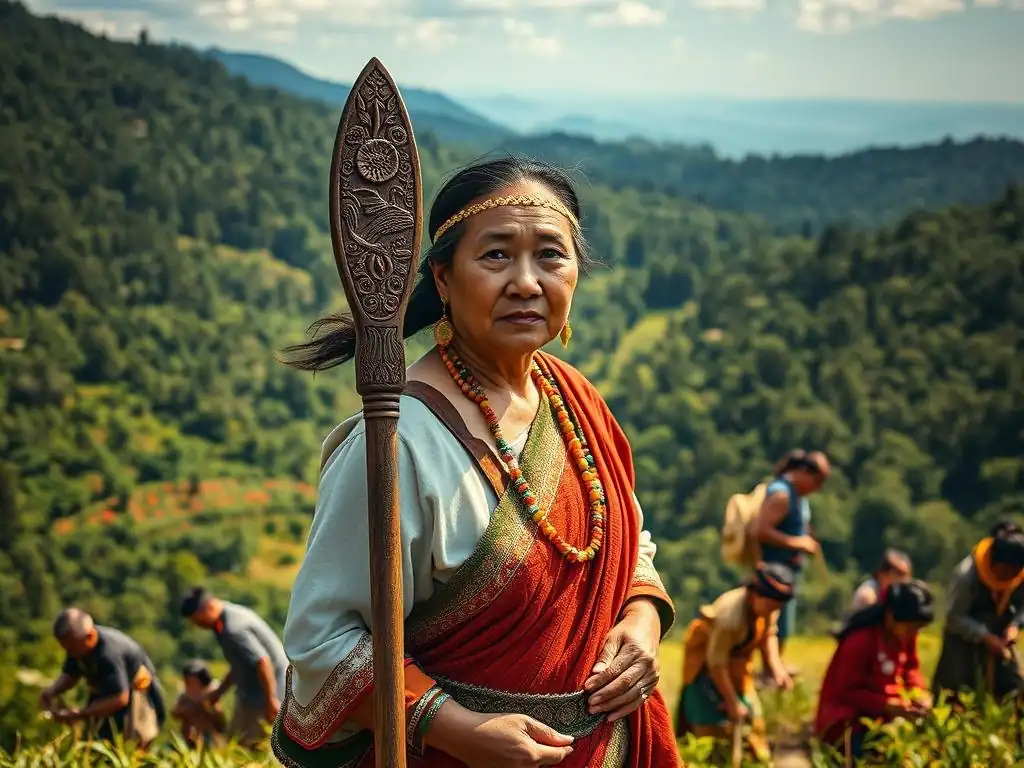
Welcome to Indigenous Civilizations of the Americas, where we invite you to journey through the rich tapestry of indigenous cultures that flourished long before European colonization. Delve into our featured article, "Environmental Stewardship and Political Authority: The Interconnection in Indigenous Governance," to uncover the profound ways in which indigenous governance and environmental stewardship intertwine. This exploration sheds light on how these societies not only shaped their environments but also established systems of political authority that resonate through history. Join us as we unravel the wisdom of the past and inspire a deeper understanding of their enduring legacy.
- Introduction to Indigenous Governance and Environmental Stewardship
- Historical Context of Indigenous Governance
- The Interconnection of Governance and Environmental Stewardship
- Case Studies of Indigenous Governance and Environmental Stewardship
- Challenges Faced by Indigenous Governance in Environmental Stewardship
- Modern Implications of Indigenous Governance and Environmental Stewardship
- The Future of Indigenous Governance and Environmental Stewardship
- Conclusion: The Significance of Indigenous Governance in Promoting Environmental Stewardship
-
Frequently Asked Questions
- What is the main focus of the article "Environmental Stewardship and Political Authority: The Interconnection in Indigenous Governance"?
- How did indigenous governance influence environmental practices?
- What are some examples of indigenous environmental stewardship?
- Why is studying indigenous governance important today?
- How can indigenous knowledge contribute to modern environmental policies?
- Final Reflection: The Vital Interconnection of Indigenous Governance and Environmental Stewardship
- Embrace Change: Champion Indigenous Governance Today!
Introduction to Indigenous Governance and Environmental Stewardship
Indigenous governance and environmental stewardship are intrinsically linked concepts that have shaped the societies of Indigenous peoples across the Americas for centuries. Before the arrival of European colonizers, Indigenous nations developed complex political systems intertwined with sustainable practices that honored their relationship with the land.
This article delves into the multifaceted nature of Indigenous governance, exploring how these systems not only established political authority but also laid the groundwork for environmental stewardship. By examining the principles underlying these governance structures, we can gain insight into the profound ways in which Indigenous cultures have historically managed resources, maintained ecological balance, and upheld cultural values that continue to resonate in contemporary discussions about sustainability and environmental justice.
Understanding Indigenous Governance
Indigenous governance refers to the systems and practices that Indigenous communities have developed to manage their affairs, make decisions, and uphold their cultural identities. Unlike many Western political systems, which often prioritize individualism and hierarchical structures, Indigenous governance is characterized by a deep-rooted sense of community, collective responsibility, and respect for the natural world.
Key elements of Indigenous governance include:
- Consensus Decision-Making: Many Indigenous nations employ consensus-based approaches, where decisions are made collectively, ensuring that all voices are heard and considered. This process fosters unity and reflects the community's values and needs.
- Cultural Protocols: Indigenous governance is often guided by cultural protocols and traditional laws that have been passed down through generations. These protocols dictate how resources are used and shared, emphasizing sustainability and respect for the land.
- Elders and Leadership: Elders hold a crucial role in Indigenous governance, serving as knowledge keepers and advisors. Their wisdom and experience are invaluable in guiding the community's decisions, particularly regarding environmental practices and resource management.
- Connection to Land: The governance systems of Indigenous peoples are deeply intertwined with their relationship to the land. Land is not merely a resource to be exploited; it is considered a living entity that sustains the community and must be treated with care and respect.
The Role of Environmental Stewardship in Indigenous Cultures
Environmental stewardship in Indigenous cultures is a holistic approach that encompasses the responsible management of natural resources, recognizing the interconnectedness of all life forms. This stewardship is rooted in cultural beliefs and practices that prioritize the health of ecosystems and biodiversity.
Key aspects of environmental stewardship in Indigenous cultures include:
- Sustainable Practices: Indigenous peoples have long practiced sustainable agriculture, hunting, and fishing methods that minimize environmental impact and ensure the availability of resources for future generations. Techniques such as crop rotation, controlled burns, and seasonal harvesting reflect a deep understanding of ecological systems.
- Spiritual Connection to Nature: For many Indigenous cultures, the environment is viewed as sacred. This spiritual connection fosters a sense of duty to protect and preserve the land, as it is seen as a source of life and cultural identity.
- Traditional Ecological Knowledge (TEK): Indigenous communities possess unique knowledge about their local ecosystems, developed through centuries of observation and interaction with the land. TEK informs sustainable practices and contributes to biodiversity conservation efforts.
- Advocacy for Environmental Rights: In contemporary contexts, Indigenous groups are increasingly advocating for their rights to land and resources, emphasizing the importance of environmental stewardship in addressing climate change and ecological degradation.
Through the lens of Indigenous governance and environmental stewardship, we can better appreciate the profound wisdom and practices that Indigenous peoples have cultivated over millennia. Their systems of governance not only promote political authority but also serve as a vital framework for sustainable living and ecological resilience.
Historical Context of Indigenous Governance

Indigenous governance in North America has deep historical roots, reflecting the complex social, political, and environmental relationships that existed among indigenous communities long before European contact. These governance systems were not only structured around maintaining social order but also emphasized the importance of environmental stewardship, which was integral to the survival and prosperity of indigenous societies.
Pre-Colonial Political Structures
Indigenous governance in North America varied significantly among tribes and nations, shaped by their unique cultural, geographical, and historical contexts. Political structures ranged from decentralized systems to more centralized governments, often characterized by councils and consensus-based decision-making.
- Tribal Councils: Most indigenous groups operated through councils composed of elders and representatives from various clans or families. Decisions were typically made through consensus, ensuring that all voices were heard. This system promoted unity and collective responsibility.
- Matriarchal Systems: Many indigenous societies, such as the Iroquois Confederacy, featured matriarchal structures where women held significant power in decision-making processes. Women were often responsible for selecting leaders, underscoring the importance of gender roles in governance.
- The Confederacy Model: The Iroquois Confederacy is a prime example of a sophisticated political structure that emphasized cooperation among different tribes. This model of governance influenced democratic practices in the United States, showcasing the importance of diplomacy and collective governance.
- Leadership Roles: Leadership within these systems was often fluid, with roles based on merit, experience, and community respect rather than hereditary privilege. Leaders were expected to serve the community's interests, fostering an environment where environmental stewardship was paramount.
The interplay between political authority and environmental stewardship was evident in these governance systems. Indigenous leaders were tasked with protecting not only their people but also the land that sustained them, reflecting a holistic view of governance.
Traditional Environmental Practices Among Indigenous Peoples
Indigenous peoples of North America have long practiced sustainable environmental stewardship, rooted in their spiritual beliefs and cultural traditions. These practices illustrate their deep connection to the land and the ecosystems they inhabit.
- Land Management Techniques: Indigenous groups employed various land management techniques, such as controlled burns, to maintain healthy ecosystems. For instance, tribes in the Great Plains used fire as a tool to promote the growth of certain grasses, ensuring a sustainable habitat for game and other wildlife.
- Agriculture and Crop Diversity: The agricultural practices of indigenous peoples were diverse and adaptive. The Three Sisters planting method—corn, beans, and squash—demonstrates a sophisticated understanding of intercropping that maximizes yield while maintaining soil health. This technique reflects a deep awareness of ecological balance.
- Water Conservation Practices: Indigenous governance included the management of water resources, crucial for both agriculture and community health. Traditional practices often involved the construction of irrigation systems and the careful monitoring of water sources to prevent overuse and pollution.
- Cultural Traditions and Environmental Ethics: Spiritual beliefs played a significant role in shaping environmental ethics among indigenous peoples. Many tribes viewed themselves as stewards of the land, with a responsibility to protect it for future generations. This perspective is evident in oral traditions, ceremonies, and practices that honor the natural world.
The interconnection between indigenous governance and environmental stewardship is vital to understanding how these communities have navigated challenges over centuries. Their adaptive strategies and deep-rooted traditions serve as a testament to their resilience and commitment to sustainability. By examining these practices, we can gain insights into effective governance models that prioritize ecological health alongside social well-being.
The Interconnection of Governance and Environmental Stewardship

Indigenous governance and environmental stewardship are deeply intertwined concepts that reflect the holistic relationship many Indigenous cultures maintain with their land and resources. This connection is not merely functional; it is a core aspect of their identity, culture, and political systems. Indigenous governance structures often emerge from a profound understanding of the environment, shaping practices that ensure sustainability and respect for natural resources.
The governance systems across various Indigenous communities in North America are characterized by collective decision-making and an emphasis on community welfare. These systems are not only responsible for managing resources but also for fostering a cultural ethos that prioritizes environmental stewardship. This dynamic creates a feedback loop where governance practices reinforce ecological conservation, which in turn bolsters the legitimacy and authority of Indigenous leaders.
How Indigenous Governance Shapes Environmental Practices
Indigenous governance frameworks often incorporate traditional ecological knowledge (TEK), which encompasses generations of observations and interactions with the environment. This knowledge is critical in shaping environmental practices that promote sustainability. For example, many Indigenous groups utilize rotational farming techniques, selective hunting, and controlled burns to manage their lands effectively. These practices are not merely economic strategies but are also embedded within a broader cultural and spiritual framework that promotes respect for nature.
- Collective Decision-Making: Many Indigenous communities operate through councils or assemblies that prioritize consensus. This process encourages participation from various community members, ensuring that decisions reflect a deep understanding of local ecosystems.
- Cultural Rituals and Practices: Environmental practices are often accompanied by rituals that honor the land. For instance, ceremonies related to planting and harvesting reinforce community ties and respect for the environment.
- Sustainable Resource Management: Indigenous governance systems emphasize the sustainable use of resources, ensuring that practices such as fishing, hunting, and agriculture do not deplete the environment. This is often codified in customary laws that are respected by the community.
The integration of TEK into governance enhances the capacity of Indigenous leaders to advocate for environmental justice, influencing broader political discussions around land rights and conservation efforts.
The practice of environmental stewardship significantly influences the political authority of Indigenous leaders and communities. Leaders who prioritize sustainable practices are often viewed as legitimate representatives of their people, reinforcing their authority. This authority is grounded in the community’s collective identity and responsibility towards the land.
- Legitimacy through Stewardship: Leaders who demonstrate a commitment to environmental stewardship can gain greater trust and respect from their communities. This legitimacy is vital for effective governance, as it fosters cooperation and collective action.
- Intercommunity Relations: Environmental stewardship can also enhance relationships between different Indigenous groups and with external stakeholders, including government entities. Collaborative stewardship initiatives can lead to stronger alliances and advocacy for land rights, resulting in increased political power.
- Cultural Resilience: By maintaining a focus on environmental stewardship, Indigenous communities can ensure the survival of their cultural practices and languages. This resilience further solidifies their political authority, as it demonstrates the community’s commitment to its heritage and future generations.
The interplay between Indigenous governance and environmental stewardship is a dynamic and essential aspect of North American Indigenous political systems. By embedding ecological consciousness within their governance structures, Indigenous communities not only sustain their environments but also reinforce their political authority, showcasing a profound understanding of the interdependence between culture, governance, and the natural world.
Case Studies of Indigenous Governance and Environmental Stewardship
Example 1: The Haida Nation
Governance Structure
The Haida Nation, located in the Pacific Northwest of North America, exemplifies an intricate governance system that intertwines traditional practices with contemporary political frameworks. The governance structure is based on a council of elders known as the Haida Gwaii Council, which emphasizes consensus-building and collective decision-making. This council is comprised of representatives from various clans, ensuring that diverse voices within the community are heard. The Haida Nation also practices a form of participatory democracy, where community members actively engage in discussions about policies, especially those related to land and resource management.
In recent years, the Haida Nation has asserted its sovereignty and jurisdiction over its ancestral lands, engaging in negotiations with the Canadian government to reclaim rights and responsibilities regarding land use and environmental protection. This governance model not only reflects the Haida’s cultural values but also strengthens their political authority in matters concerning environmental stewardship.
Environmental Stewardship Practices
The Haida Nation is renowned for its commitment to environmental stewardship, which is deeply rooted in its cultural beliefs and practices. Central to their stewardship approach is the concept of "K'odiak," which emphasizes the interconnectedness of all living beings and the responsibility to protect the environment for future generations. The Haida people have implemented several sustainable practices, such as:
- Sustainable Forestry: The Haida Nation manages its forests through careful planning and traditional ecological knowledge, employing selective logging practices that maintain biodiversity while meeting economic needs.
- Marine Conservation: The Haida have established marine protected areas to safeguard critical habitats and fish populations. Their innovative approach includes a combination of traditional fishing methods and modern conservation science.
- Cultural Revitalization: Efforts to revitalize traditional practices, such as the harvesting of cedar and salmon, not only preserve cultural identity but also promote sustainable use of natural resources.
Through these practices, the Haida Nation demonstrates how indigenous governance can effectively integrate environmental stewardship into its political framework, emphasizing the importance of maintaining a healthy ecosystem.
Governance Structure
The Navajo Nation, one of the largest indigenous nations in the United States, has a complex governance structure that reflects both traditional and modern political systems. The Navajo Nation Council, composed of elected representatives from various chapters (local communities), plays a significant role in legislative matters. This council operates under a constitution that was established in 1989, blending traditional governance principles with contemporary democratic processes.
The Navajo Nation emphasizes community involvement in governance, where local chapter houses serve as hubs for political engagement. Decisions related to environmental stewardship are often made at the grassroots level, ensuring that community members have a say in the management of natural resources. This decentralized approach not only strengthens local authority but also fosters a sense of responsibility towards the land.
Environmental Stewardship Practices
Environmental stewardship within the Navajo Nation is guided by the principle of "Navajo sovereignty," which underscores the need to protect the land, water, and resources for future generations. This stewardship is manifested in several practices:
- Land Management: The Navajo Nation implements sustainable land management practices that include rotational grazing, reforestation, and erosion control to preserve the integrity of the land.
- Water Conservation: Given the challenges of water scarcity in the arid Southwest, the Navajo Nation employs various strategies for water conservation, including the construction of water catchment systems and the promotion of drought-resistant crops.
- Renewable Energy Initiatives: In recent years, the Navajo Nation has invested in renewable energy projects, such as solar and wind farms, to reduce reliance on fossil fuels and promote sustainable economic development.
These practices illustrate the Navajo Nation’s commitment to environmental stewardship, reinforcing the connection between indigenous governance and the protection of natural resources. Through their governance structure and environmental initiatives, the Navajo Nation exemplifies how indigenous communities can effectively manage their resources while maintaining cultural integrity.
Challenges Faced by Indigenous Governance in Environmental Stewardship
External Political Pressures
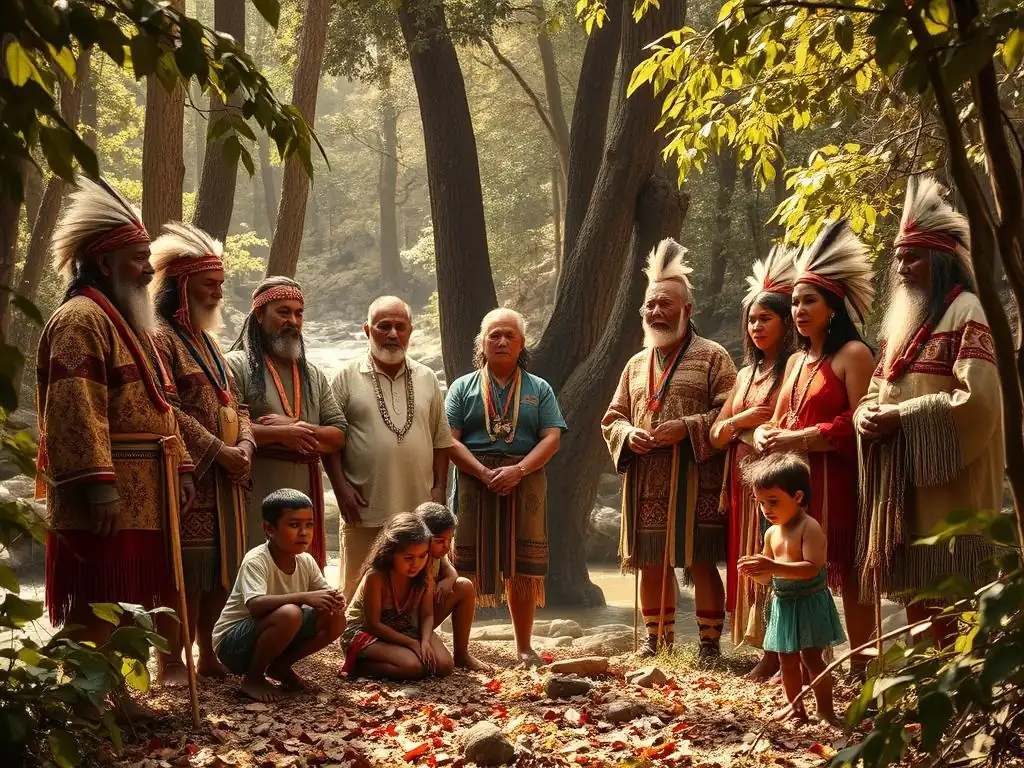
Indigenous governance often operates within a framework heavily influenced by external political pressures. These can include state and federal regulations, international treaties, and the priorities of non-Indigenous political entities. As Indigenous communities strive to manage their lands and resources, they frequently face challenges from governmental policies that prioritize industrial development over environmental sustainability. The following points outline the key factors affecting Indigenous governance:
- Legal Constraints: Many Indigenous communities are bound by treaties that may limit their autonomy in decision-making about land use. For instance, treaties often include stipulations that grant the government authority over resource extraction, which can undermine Indigenous governance.
- Economic Pressures: The push for economic development can lead to conflicts between Indigenous environmental stewardship practices and external interests, such as mining or logging companies. These economic pressures can force Indigenous leaders to compromise their traditional ecological knowledge for short-term financial gain.
- Cultural Misunderstandings: Non-Indigenous policymakers may lack an understanding of Indigenous governance systems, which often prioritize communal well-being and environmental sustainability. This misunderstanding can lead to policies that do not align with Indigenous values or practices, further complicating governance efforts.
- Social Disruption: Political pressures can also exacerbate social issues within Indigenous communities, such as poverty and inequality. These issues can distract from environmental stewardship efforts, making it difficult for communities to prioritize sustainable practices.
External political pressures present significant challenges to Indigenous governance in environmental stewardship by complicating decision-making processes and undermining traditional practices.
Climate Change and Its Impact on Indigenous Lands
Climate change poses a profound threat to the environmental stewardship efforts of Indigenous communities across North America. The impacts are multifaceted and require adaptive governance strategies that honor traditional ecological knowledge. Here are some key aspects to consider:
- Altered Ecosystems: Climate change is leading to shifts in weather patterns, which can disrupt the natural balance of ecosystems. Indigenous communities that rely on specific plants or animals for sustenance and cultural practices face significant challenges as these species migrate or decline. For example, the changing migration patterns of fish species can affect fishing rights and practices.
- Increased Natural Disasters: Many Indigenous lands are experiencing a rise in natural disasters, such as wildfires, floods, and hurricanes. These events not only threaten the physical integrity of the land but also disrupt the cultural practices tied to the environment. For instance, increased flooding can damage sacred sites and disrupt traditional ceremonies.
- Food Security Challenges: Climate change affects agricultural practices, leading to food insecurity among Indigenous populations. Traditional food sources may become scarce, forcing communities to adapt their diets and lifestyles away from their cultural heritage.
- Resilience through Traditional Knowledge: Indigenous governance systems often incorporate centuries of ecological knowledge that can aid in climate resilience. By emphasizing sustainable practices and community-led initiatives, Indigenous communities can mitigate some impacts of climate change. Examples include controlled burns to manage wildfires and the restoration of native plant species to support biodiversity.
Climate change significantly impacts Indigenous lands and necessitates a reevaluation of governance strategies. By integrating traditional ecological knowledge with contemporary practices, Indigenous communities can enhance their resilience and continue their stewardship of the environment.
Modern Implications of Indigenous Governance and Environmental Stewardship

Legal Recognition of Indigenous Rights
The legal recognition of Indigenous rights is crucial in the context of Indigenous governance and environmental stewardship. This recognition often manifests through treaties, land claims, and legislative frameworks that affirm the rights of Indigenous communities to self-govern and manage their lands and resources. In North America, various laws have been enacted to acknowledge these rights, including:
- Federal Indian Law: This legal framework establishes the relationship between the federal government and Native American tribes, recognizing their sovereignty and rights to self-determination.
- Treaties: Many Indigenous nations entered into treaties with colonial governments, which established their rights to land, resources, and governance. These treaties remain legally binding and are often referenced in contemporary legal disputes.
- Land Claims Agreements: Various Indigenous groups have negotiated land claims agreements with governments, resulting in formal recognition of land rights that enhance their capacity for environmental stewardship.
The United Nations Declaration on the Rights of Indigenous Peoples (UNDRIP) serves as a global framework, promoting the rights of Indigenous peoples to participate in decision-making processes regarding their lands and resources. Adoption of UNDRIP by various countries, including Canada and the United States, reinforces the need for Indigenous perspectives in environmental governance.
In practice, when Indigenous rights are legally recognized, communities are better equipped to implement sustainable practices that align with their traditional ecological knowledge. This connection between legal recognition and effective environmental stewardship is illustrated by numerous case studies where Indigenous-led initiatives have successfully restored ecosystems and preserved biodiversity.
Collaborative Approaches to Environmental Management
Indigenous governance and environmental stewardship often thrive in collaborative frameworks that involve partnerships between Indigenous communities, government agencies, and non-governmental organizations. These collaborative approaches are pivotal in addressing contemporary environmental challenges, such as climate change, habitat degradation, and resource depletion.
Key elements of these collaborative approaches include:
- Co-Management Agreements: Many Indigenous nations have entered into co-management agreements with federal and state agencies, allowing for shared responsibility in managing natural resources. This partnership ensures that Indigenous knowledge and practices inform environmental policies and management strategies.
- Community-Based Participatory Research (CBPR): This approach encourages collaboration between Indigenous communities and researchers, facilitating the integration of traditional knowledge with scientific research. Such partnerships have proven invaluable in studying environmental changes and developing adaptive management strategies.
- Ecosystem-Based Management (EBM): EBM frameworks recognize the interconnectedness of ecosystems and promote holistic management practices. Indigenous governance systems often align with EBM, as they emphasize the importance of maintaining ecological balance and sustainability.
- Multistakeholder Dialogues: Engaging various stakeholders, including Indigenous leaders, government officials, and environmental organizations, in dialogue fosters mutual understanding and cooperation. These dialogues can lead to innovative solutions that respect Indigenous rights while addressing pressing environmental issues.
The success of these collaborative approaches is evident in initiatives such as the Great Bear Rainforest agreement in British Columbia, where Indigenous groups played a central role in protecting one of the largest temperate rainforests in the world. This partnership not only safeguarded the environment but also honored Indigenous governance and stewardship practices.
The interplay between Indigenous governance and environmental stewardship is increasingly recognized as essential for sustainable management of natural resources. Legal recognition of Indigenous rights and collaborative approaches to environmental management are critical in promoting these interconnections and ensuring a sustainable future for both Indigenous communities and the wider environment.
The Future of Indigenous Governance and Environmental Stewardship

As we move into an era increasingly defined by climate change and environmental challenges, the interconnection between indigenous governance and environmental stewardship is becoming more significant. Indigenous communities across the Americas are harnessing traditional knowledge and contemporary strategies to enhance their roles as stewards of the land. This section explores emerging trends in indigenous leadership and the impact of technology on environmental stewardship practices.
Emerging Trends in Indigenous Leadership
Indigenous governance structures are evolving to meet the challenges of the modern world while retaining their deep-rooted cultural identities. Some notable trends include:
- Collaborative Governance: Many indigenous leaders are forming alliances with other stakeholders, including governmental bodies and non-profit organizations. This collaborative approach fosters shared decision-making and promotes sustainable practices that reflect both indigenous values and broader environmental goals.
- Revitalization of Traditional Knowledge: There is a growing emphasis on integrating traditional ecological knowledge (TEK) into contemporary governance frameworks. TEK provides valuable insights into sustainable resource management, conservation practices, and biodiversity preservation, drawing from centuries of experience and understanding of local ecosystems.
- Youth Engagement: Indigenous youth are increasingly taking on leadership roles within their communities. They are advocating for environmental justice, climate action, and the revitalization of cultural practices. This trend not only empowers the younger generation but also ensures the continuation of indigenous governance traditions.
- Legal Recognition and Rights: Movements for legal recognition of indigenous land rights are gaining momentum. Communities are asserting their authority over ancestral lands, leading to more effective stewardship practices that align with their cultural and environmental priorities.
- Focus on Resilience: Indigenous governance is shifting towards resilience-building, which includes preparing for and adapting to environmental changes. This approach encompasses not only ecological resilience but also social and economic dimensions, ensuring that communities thrive in the face of adversity.
The Role of Technology in Enhancing Stewardship Practices
Modern technology plays a crucial role in supporting indigenous governance and environmental stewardship. Here are several ways in which technology is being utilized:
- Data Collection and Monitoring: Indigenous communities are employing geographic information systems (GIS) and remote sensing technologies to monitor environmental changes. These tools help track biodiversity, water quality, and land use, allowing for informed decision-making.
- Mobile Applications: Many indigenous organizations are developing mobile apps that facilitate community engagement and knowledge sharing. These applications can provide resources, educational materials, and platforms for reporting environmental issues, thus empowering community members to act.
- Social Media Advocacy: Social media platforms allow indigenous leaders to raise awareness about environmental issues, share success stories, and mobilize support for their initiatives. This digital presence enhances visibility and fosters connections with allies and supporters worldwide.
- Renewable Energy Solutions: Indigenous communities are increasingly adopting renewable energy technologies, such as solar and wind power, to reduce their environmental footprint. These initiatives not only promote sustainability but also provide economic opportunities and increase energy independence.
- Cultural Heritage Preservation: Technologies like 3D modeling and virtual reality are being used to preserve and share indigenous cultural heritage. This not only serves educational purposes but also strengthens the connection between cultural practices and environmental stewardship.
The future of indigenous governance and environmental stewardship is one of collaboration, innovation, and resilience. By leveraging both traditional knowledge and modern technology, indigenous communities are not only addressing current environmental challenges but are also paving the way for sustainable futures that honor their cultural heritage.
Conclusion: The Significance of Indigenous Governance in Promoting Environmental Stewardship
Summary of Key Points
Indigenous governance plays a crucial role in environmental stewardship, emphasizing a holistic relationship between communities and their ecosystems. Key points include:
- Traditional Ecological Knowledge (TEK): Indigenous communities possess a wealth of knowledge regarding local ecosystems, which has been developed over centuries. TEK informs sustainable practices that not only conserve biodiversity but also promote resilience against climate change.
- Collective Land Management: Many Indigenous societies operate under collective land management systems, where resources are viewed as communal rather than individual property. This perspective fosters sustainable use, ensuring that future generations can benefit from natural resources.
- Cultural and Spiritual Connections: Indigenous governance incorporates cultural and spiritual dimensions that recognize the intrinsic value of nature. These beliefs often guide practices that prioritize the health of the environment, highlighting the interdependence between humans and nature.
- Political Authority and Advocacy: Indigenous leaders often serve as advocates for environmental protection, using their political authority to influence policy decisions that affect their lands. This advocacy is vital in the context of contemporary environmental challenges, as Indigenous voices push for sustainable practices and respect for traditional territories.
- Collaborative Governance: Increasingly, Indigenous governance frameworks are being integrated into broader environmental governance systems, promoting collaboration between Indigenous and non-Indigenous entities. This collaborative approach can lead to more effective stewardship strategies that respect Indigenous rights and knowledge.
Call to Action for Recognizing Indigenous Leadership in Environmental Issues
It is imperative for society to acknowledge and support Indigenous leadership in environmental stewardship. Here are several actions that can be taken:
- Support Indigenous Land Rights: Advocate for the recognition of Indigenous land rights, ensuring that communities have authority over their traditional territories. This is essential for fostering effective stewardship practices.
- Incorporate TEK in Environmental Policies: Encourage policymakers to integrate Traditional Ecological Knowledge into environmental planning and conservation efforts. This integration can provide valuable insights and enhance the effectiveness of these initiatives.
- Engage in Partnerships: Collaborate with Indigenous organizations and communities in environmental projects. Partnerships can help leverage resources and expertise, leading to more sustainable outcomes.
- Educate the Public: Raise awareness about the importance of Indigenous governance in environmental issues through educational programs and community outreach. Understanding the role of Indigenous peoples can foster respect and support for their leadership.
By recognizing and supporting Indigenous governance as a model for environmental stewardship, society can work towards a more sustainable and equitable future for all. The wisdom and practices of Indigenous leaders are invaluable assets in addressing the environmental challenges we face today.
Frequently Asked Questions
The article explores the interconnection between indigenous governance and environmental stewardship, emphasizing how political authority in indigenous cultures has historically prioritized sustainable practices.
How did indigenous governance influence environmental practices?
Indigenous governance systems often integrated environmental stewardship into their decision-making processes, ensuring that community needs were met while protecting natural resources for future generations.
What are some examples of indigenous environmental stewardship?
Indigenous cultures employed various sustainable methods, such as crop rotation, water management, and resource conservation, which showcased their deep understanding of local ecosystems and biodiversity.
Why is studying indigenous governance important today?
Understanding indigenous governance is crucial for recognizing alternative models of leadership and environmental management, which can offer valuable insights into addressing contemporary ecological challenges.
How can indigenous knowledge contribute to modern environmental policies?
Incorporating indigenous knowledge into modern policies can enhance sustainability efforts and promote a holistic approach to environmental stewardship, benefiting both communities and the ecosystem.
Final Reflection: The Vital Interconnection of Indigenous Governance and Environmental Stewardship
The relationship between Indigenous governance and environmental stewardship is more relevant today than ever before. As we face escalating climate crises and environmental degradation, the wisdom embedded in Indigenous practices offers a crucial path forward. The recognition of Indigenous rights and governance is not merely a matter of justice; it is a necessary step toward sustainable environmental stewardship that respects both the land and its original caretakers.
The influence of Indigenous governance on environmental stewardship resonates deeply within our cultural and social landscapes. Indigenous communities have long understood the intricate balance between human activity and the natural world, and their governance systems reflect this understanding. As we witness a growing movement towards recognizing Indigenous sovereignty, we are reminded of the words of Chief Seattle: We do not inherit the earth from our ancestors; we borrow it from our children.
This quote encapsulates the urgency of integrating Indigenous knowledge into our environmental policies, emphasizing that stewardship is not just a responsibility but a sacred trust.
As we reflect on the lessons of Indigenous governance and environmental stewardship, I invite you to consider your own role in this interconnection. How can you incorporate these principles into your daily life and advocate for policies that honor Indigenous wisdom?
The future of our planet may very well depend on our collective ability to listen, learn, and act in harmony with the teachings of those who have cared for the land for generations. Let this be a call to action, urging you to engage with and support Indigenous communities in their fight for environmental justice, ensuring a sustainable legacy for future generations.
Embrace Change: Champion Indigenous Governance Today!
Thank you for exploring the vital connections between environmental stewardship and political authority in Indigenous governance. Your engagement with this topic is crucial for fostering sustainable practices and empowering communities.
Now, let’s take the next step together! Here are a few actions you can take to champion Indigenous governance and sustainability:
- Dive Deeper: Research the governance practices of a specific Indigenous nation and how these practices influence environmental outcomes. Sharing your findings can help raise awareness!
- Connect and Share: Engage with Indigenous-led organizations that focus on environmental issues through social media. Interacting with their content and sharing it with your network can amplify their message.
- Get Involved Locally: Participate in or volunteer for local events that advocate for Indigenous rights and ecological preservation. Discover ways to support their initiatives within your community.
How will you incorporate the lessons learned from Indigenous governance into your own life to promote a more sustainable future?