
Matriarchal Societies: The Unique Political Systems of Native American Women

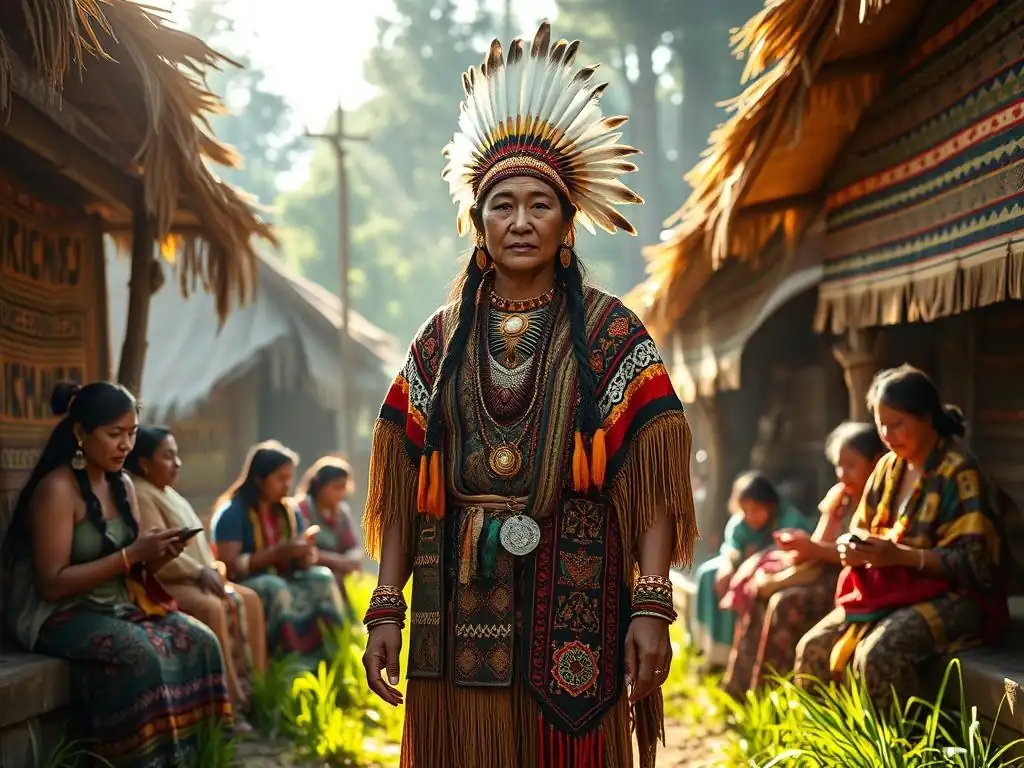
Welcome to Indigenous Civilizations of the Americas, where we invite you to embark on a captivating journey through the rich tapestry of indigenous cultures that flourished long before European contact. Our focus today is on the remarkable Native American matriarchal societies, which offer a unique lens into the political systems led by women.
As you delve into our featured article, you'll uncover the profound influence of these societies on community structures and governance, challenging conventional narratives and inviting you to rethink the roles of women in history. Get ready to explore the empowering legacies that continue to shape identities and cultures today!
- Introduction to Native American Matriarchal Societies
- Historical Context of Native American Matriarchal Societies
- Key Characteristics of Native American Matriarchal Societies
- Examples of Prominent Native American Matriarchal Societies
- The Impact of European Colonization on Matriarchal Societies
- Contemporary Relevance of Native American Matriarchal Societies
- Conclusion: The Legacy of Native American Matriarchal Societies
-
Frequently Asked Questions
- What are matriarchal societies in the context of Native American cultures?
- How did Native American women influence political systems?
- Can you name some tribes known for their matriarchal structures?
- What were the benefits of matriarchal societies for Native American communities?
- How did European colonization affect these matriarchal systems?
- Final Reflection: Embracing the Wisdom of Native American Matriarchal Societies
- Explore and Celebrate the Strength of Matriarchal Societies!
Introduction to Native American Matriarchal Societies
The exploration of Native American matriarchal societies reveals intricate political systems that challenge conventional understandings of governance and social structure. In these unique cultures, women often held significant power, shaping the political landscape and influencing societal norms. Before European colonization, various Indigenous groups across North America exhibited matriarchal characteristics, where lineage and inheritance were traced through the female line. This article delves into the definition and importance of these societies, shedding light on their rich histories and contributions to the broader narrative of Indigenous cultures in the Americas.
Definition of Matriarchal Societies
Matriarchal societies are defined by a social structure where women, typically mothers or maternal figures, hold primary power and authority, particularly in political leadership, moral authority, social privilege, and control of property. In these societies, women often make critical decisions regarding community welfare, resource management, and familial lineage.
Key features of matriarchal societies include:
- Female Leadership: Women often occupy leadership roles, sometimes as chiefs or council members, guiding community decisions.
- Inheritance and Lineage: Inheritance is usually passed down through the mother's line, ensuring that property and status remain within the maternal family.
- Community Influence: Women’s voices are central in cultural and social matters, fostering a sense of collective responsibility and insight into community needs.
Notable examples of Native American matriarchal societies include the Iroquois Confederacy, where women played a vital role in selecting leaders, and the Hopi, who structure their clans through matrilineal descent.
Importance of Native American Matriarchal Systems
The significance of Native American matriarchal systems extends beyond mere governance; it reflects a profound understanding of community dynamics and socio-political harmony. These societies emphasize cooperation, kinship, and the essential roles women play in sustaining cultural traditions and social resilience.
The importance can be summarized as follows:
- Cultural Preservation: Matriarchal systems often prioritize the passing down of cultural knowledge, ensuring that traditions and languages are preserved through generations.
- Social Stability: By placing women at the center of decision-making, these societies foster stability and inclusive governance, which can lead to more equitable outcomes for all members.
- Resistance and Resilience: The matriarchal structures have historically allowed Indigenous communities to adapt and resist external pressures, maintaining their identities and cultural integrity despite colonization and marginalization.
Understanding these systems offers valuable insights into the diverse political landscapes of Native American cultures and highlights the critical role women have played in shaping their societies.
Historical Context of Native American Matriarchal Societies
Pre-Colonial Political Structures
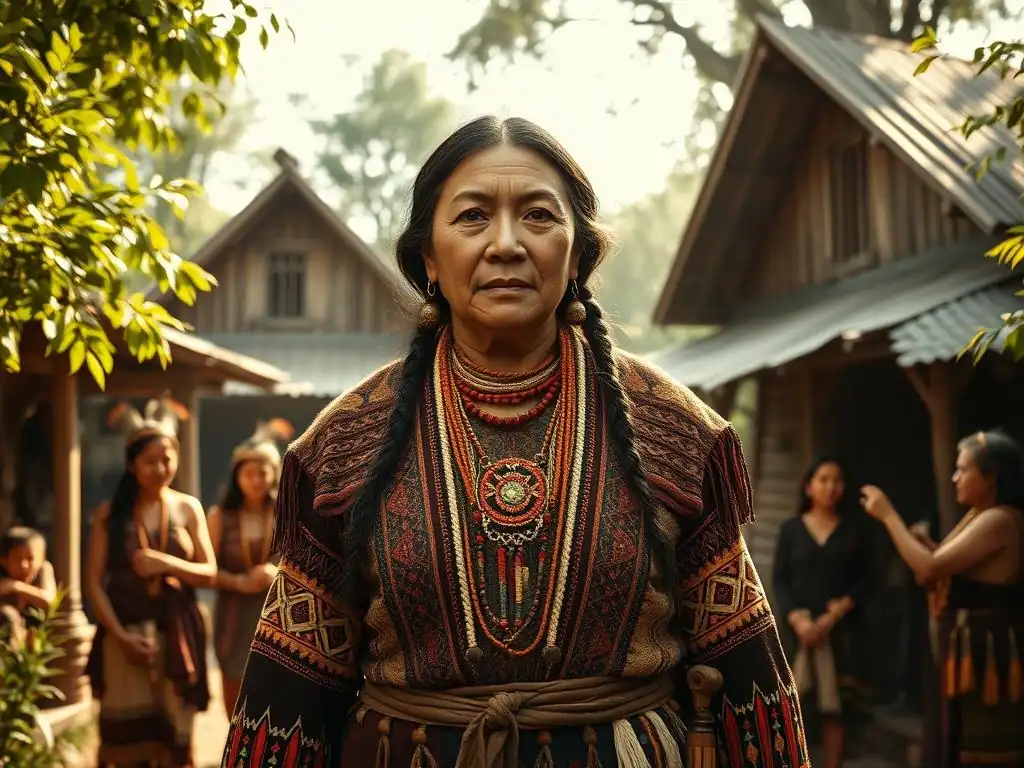
Before European contact, many Native American societies operated under complex political systems that diverged significantly from European models. Among these, matriarchal societies stood out, where lineage and inheritance were traced through women rather than men. This structure not only influenced leadership roles but also shaped social dynamics within these communities.
In matriarchal societies, women often held pivotal positions in both governance and decision-making. For instance, among the Iroquois Confederacy, women were responsible for selecting the chiefs (sachems) who represented their clans. This practice exemplifies the critical role women played in political affairs, ensuring that their voices were heard and considered in the governance process.
Moreover, the Haudenosaunee (Iroquois) demonstrated a sophisticated political framework that integrated women's authority into the larger political structure. The Grand Council, which included male chiefs, was informed and influenced by the Clan Mothers, who had the power to advise and even remove chiefs if they acted against the community’s interests. This balance of power illustrates the collaborative nature of governance in these societies.
In contrast to European patriarchal norms, the matriarchal systems of Native American societies fostered a sense of community and collective responsibility. Decisions were often made through consensus, emphasizing the importance of each member's input, particularly that of women, who were seen as the keepers of culture and tradition.
The environment played a crucial role in shaping the political structures of Native American matriarchal societies. Geographic location, climate, and available resources significantly influenced social organization and the corresponding roles of men and women within these communities.
In regions where agriculture thrived, such as the Eastern Woodlands, women often took on the primary responsibility for farming, which led to increased status within the social hierarchy. Crops such as corn, beans, and squash (often referred to as the Three Sisters) were cultivated by women, and this agricultural expertise translated into significant influence in community decision-making. The success of these crops not only provided sustenance but also strengthened economic foundations, allowing women to command respect and authority.
Conversely, in nomadic societies, such as those of the Great Plains, gender roles were more fluid due to the necessity of adapting to changing environments. Here, women often participated in hunting and gathering alongside men, leading to a more egalitarian approach to social organization. The necessity of collaboration in these harsh landscapes fostered a culture where women’s contributions were vital for survival and community cohesion.
The intricate relationship between environment and social structure highlights the adaptability and resilience of Native American matriarchal societies. These systems were not static; they evolved in response to changing environmental conditions, demonstrating the intelligence and flexibility of indigenous governance models.
The historical context and environmental influences shaped the unique political systems of Native American matriarchal societies, providing a rich tapestry of governance that valued women's roles and contributions. Understanding this context is essential for recognizing the complexity and significance of indigenous political structures before European colonization.
Key Characteristics of Native American Matriarchal Societies
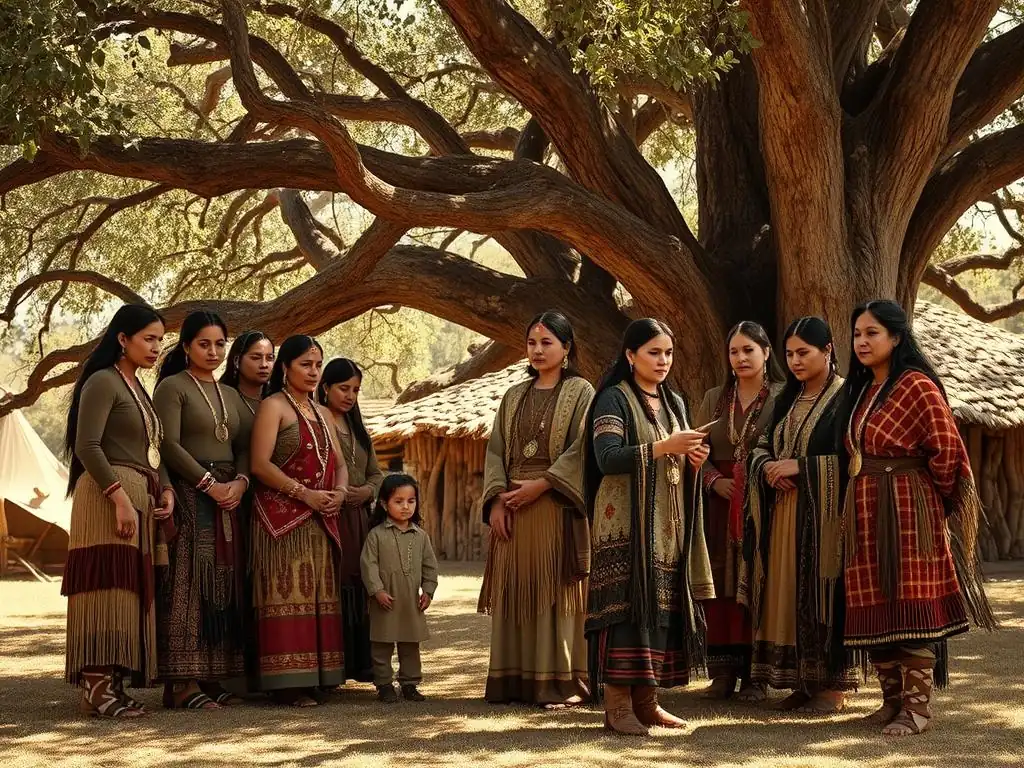
Native American matriarchal societies are characterized by unique social structures that empower women in various spheres of life, particularly in governance and family lineage. These societies often challenge traditional patriarchal norms found in many cultures worldwide, showcasing a different approach to leadership, inheritance, and communal decision-making. Below are some key characteristics that define these societies:
Role of Women in Governance
In many Native American matriarchal societies, women play a crucial role in governance and leadership. They often hold positions of significant influence, such as clan mothers or council members, and are responsible for making critical decisions that affect their communities. This leadership is typically based on respect and recognition of women's wisdom and experience rather than formal titles.
- Clan Mothers: In tribes such as the Haudenosaunee (Iroquois), clan mothers are appointed by their clans and have the authority to nominate and depose male leaders. Their influence ensures that the needs and perspectives of women are represented in governance.
- Decision-Making: Women often have a say in community matters, from resource allocation to conflict resolution. Their involvement encourages a more holistic approach to governance, emphasizing consensus and collaboration.
Matrilineal Kinship and Inheritance
Matrilineal kinship systems are a defining feature of many Native American matriarchal societies. In these societies, lineage and inheritance are traced through the mother rather than the father, which profoundly influences family structures and property rights.
- Inheritance Rights: Property and resources are typically passed down through the female line, ensuring that women maintain control over family resources. This system provides women with economic stability and security.
- Family Structure: Children belong to their mother’s clan, creating strong maternal bonds and support networks. This matrilineal system not only empowers women but also fosters community solidarity.
Decision-Making Processes in Matriarchal Communities
Decision-making in Native American matriarchal societies often involves a collective process where voices from various community members, particularly women, are heard. This contrasts sharply with hierarchical decision-making models prevalent in many patriarchal societies.
- Consensus Building: Decisions are typically made through dialogue and consensus rather than majority rule. This approach fosters inclusiveness and ensures that all perspectives are considered.
- Cultural Practices: Rituals and ceremonies often play a role in the decision-making process, allowing for spiritual guidance and collective reflection on important community issues.
Native American matriarchal societies exemplify a profound respect for women's roles in governance, kinship, and communal decision-making. Their unique structures not only empower women but also contribute to the rich tapestry of indigenous cultures in the Americas, illustrating a different paradigm of societal organization.
Examples of Prominent Native American Matriarchal Societies
The Iroquois Confederacy
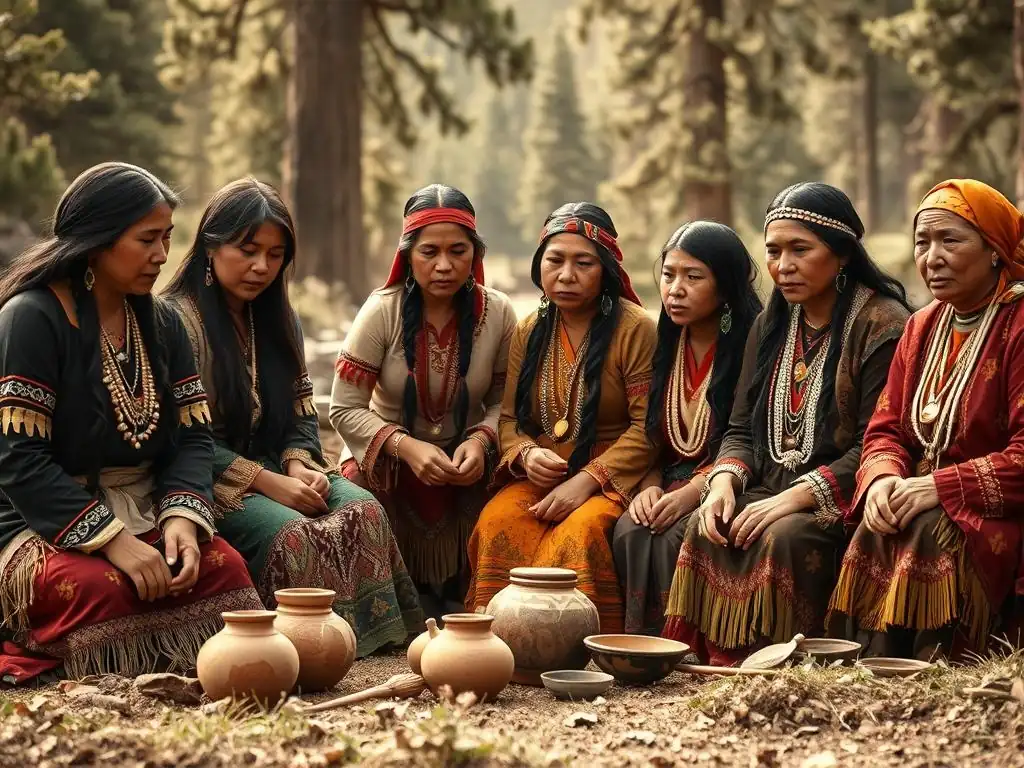
The Iroquois Confederacy, also known as the Haudenosaunee, is one of the most notable examples of a Native American matriarchal society. Composed of six nations—the Mohawk, Oneida, Onondaga, Cayuga, Seneca, and Tuscarora—the Confederacy had a sophisticated political structure that emphasized the role of women, particularly in leadership and decision-making processes.
Women's Influence in the Iroquois Political System
In the Iroquois political system, women held significant power, particularly through their roles as clan mothers. Clan mothers were responsible for selecting the male leaders, known as sachems, who would represent their clans in the Grand Council. This council was the governing body of the Confederacy, and the decisions made there affected all member nations.
The power of clan mothers extended beyond merely selecting leaders; they also had the authority to remove sachems from their positions if they were deemed unfit for leadership. This system ensured that the interests of women and families were prioritized in political discussions. Additionally, women were involved in agricultural practices, which provided the community with sustenance and stability, further enhancing their influence in society.
The matriarchal structure of the Iroquois Confederacy exemplified a unique approach to governance, where women's voices were integral to maintaining social order and political balance. This system fostered a culture of respect and collaboration, often contrasting sharply with the patriarchal systems introduced by European settlers.
The Cherokee Nation
The Cherokee Nation also demonstrated a matriarchal framework within its society prior to European contact. The Cherokee people had a rich cultural heritage that valued women's contributions to both family and community life. Women were central figures in the domestic sphere and played vital roles in decision-making processes.
Matriarchal Practices in Cherokee Governance
In Cherokee society, lineage was traced through the maternal line, meaning that children belonged to their mother's clan. This matrilineal system granted women substantial authority concerning property and family matters. Women had the right to own and inherit land, which was a significant source of power in the community.
In governance, women participated actively in community discussions and decision-making. Though men typically held formal leadership roles, women’s opinions and advice were highly valued. The Council of Women, composed of influential female leaders, served as a platform for discussing important issues affecting the tribe. Their input was crucial in guiding the decisions made by male leaders, ensuring that women's perspectives were considered in matters of governance.
Furthermore, the matriarchal practices of the Cherokee Nation were reflected in their social structure, where women were often the primary caretakers of children and the keepers of cultural knowledge, passing down traditions and stories through generations. This emphasis on female leadership and responsibility contributed to a resilient and thriving society that adapted to the challenges posed by external forces, showcasing the enduring legacy of Native American matriarchal societies.
The Hopi Tribe
The Hopi Tribe, residing in northeastern Arizona, is renowned for its rich cultural heritage and unique social structure. This Native American community thrives in a semi-arid region characterized by mesas and canyons, where they have cultivated a deep connection to their land and traditions. The Hopi people are part of the larger Puebloan group, which includes various tribes known for their adobe dwellings and intricate pottery.
One of the distinguishing features of Hopi society is its matriarchal structure. In Hopi culture, women hold significant power and influence, particularly in familial and community decision-making processes. This societal organization reflects a broader understanding of gender roles, where women are not only caretakers but also key figures in governance and spiritual life. The Hopi Tribe’s matriarchal system emphasizes the importance of women in maintaining cultural continuity and community cohesion.
The role of women extends beyond domestic responsibilities; they are integral in the preservation of traditions, languages, and agricultural practices. Hopi women are often the custodians of cultural knowledge, passing down rituals, songs, and stories that shape the identity of the tribe. Their contributions are vital to the sustenance of Hopi culture and the promotion of social harmony within the community.
Spiritual and Political Roles of Hopi Women
Hopi women play a multifaceted role that intertwines spirituality and governance, illustrating the tribe's commitment to a matriarchal society. In the spiritual realm, women are primarily responsible for the maintenance of sacred rituals and ceremonies that are pivotal to Hopi cosmology. They oversee the preparation and execution of various ceremonies, such as the Kachina dances, which are performed to honor ancestral spirits and ensure harmony in the community.
Politically, Hopi women possess considerable authority, particularly in matters relating to land use and resource management. The matrilineal system of inheritance means that property and titles are often passed down through the female line, giving women substantial control over communal assets. This unique political structure allows women to have a voice in tribal council meetings and decision-making processes, advocating for the needs and welfare of their families and community.
Moreover, the role of women in leadership positions, such as clan mothers, is particularly significant. Clan mothers are responsible for selecting male leaders, thereby ensuring that those in power are aligned with the community's values and interests. Their influence extends to the broader political landscape, as they hold the responsibility to guide and advise male leaders on issues affecting the tribe.
The Hopi Tribe exemplifies the importance of matriarchal societies in Native American cultures. The spiritual and political roles of Hopi women not only reflect their status within the community but also highlight their essential contributions to the preservation and advancement of their society's rich cultural legacy.
The Impact of European Colonization on Matriarchal Societies
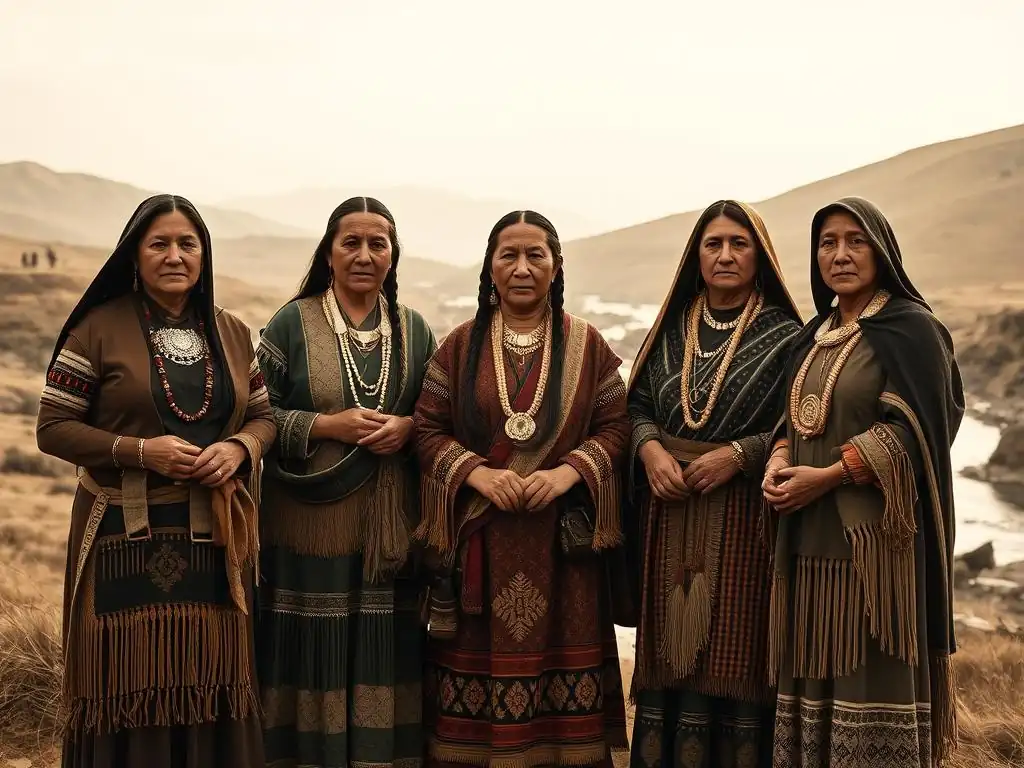
The arrival of European colonizers in the Americas had profound and often devastating effects on indigenous cultures, particularly those with matriarchal structures. These societies, which honored women as leaders, caretakers, and decision-makers, faced significant challenges as European norms and policies clashed with their traditional practices. This section explores how colonization disrupted these systems and examines the resilience of matriarchal values in the face of such profound change.
Disruption of Traditional Roles
European colonization introduced a patriarchal framework that undermined the established roles of women in Native American matriarchal societies. Many indigenous cultures valued women's contributions equally to men’s, with women often holding significant authority in community decisions, land ownership, and familial structures.
- Imposition of European Gender Norms:
- European settlers brought with them rigid gender roles that prioritized male authority and diminished the status of women. This shift was not merely cultural; it was often enforced through legal systems that recognized only male landowners, thereby stripping women of their traditional rights and roles.
- Disruption of Social Structures:
- Colonization led to the dismantling of matriarchal social networks. As men were often forced into labor or military service, women found themselves in precarious positions, both socially and economically. The introduction of European economic systems further marginalized women's roles, as traditional trade practices were disrupted.
- Violence and Coercion:
- The violence associated with colonization also had a disproportionate effect on women. Many indigenous women faced increased vulnerability to sexual violence, which was often unpunished by colonial authorities. This assault on their autonomy and safety was a direct attack on the matriarchal values that had defined their societies.
The arrival of Europeans marked a turning point for Native American women, as their roles were increasingly defined through the lens of colonial patriarchal norms.
— Indigenous Studies Scholar
Survival and Adaptation of Matriarchal Values
Despite the profound disruptions caused by colonization, many Native American matriarchal societies displayed remarkable resilience. This survival can be attributed to several factors that allowed these cultures to adapt while preserving core values.
- Cultural Preservation:
- Many indigenous communities actively worked to preserve their cultural practices, including those that honored matriarchal values. Storytelling, rituals, and community gatherings served as vital means of passing down knowledge and reinforcing the importance of women in their societies.
- Adaptation in Leadership:
- In some cases, women adapted their leadership roles to fit the new political landscape created by colonization. They often took on new responsibilities, such as negotiating with colonial powers or organizing resistance efforts, thereby finding ways to maintain influence in a changing world.
- Revitalization Movements:
- The late 20th and early 21st centuries have seen a resurgence of interest in indigenous matriarchal traditions. Many contemporary Native American communities are reclaiming and revitalizing their historical practices, emphasizing the importance of women in leadership roles and community governance.
- Intergenerational Knowledge Transfer:
- Women play a crucial role in the transfer of knowledge, values, and traditions to future generations. This continuity helps to fortify the matriarchal foundations within their societies, ensuring that the essence of their cultural identity persists even in the face of ongoing challenges.
While European colonization severely disrupted Native American matriarchal societies, the resilience and adaptability of these cultures have enabled them to survive and even thrive in modern contexts. The revival of matriarchal values and practices demonstrates the enduring strength of these societies and their commitment to honoring the roles of women.
Contemporary Relevance of Native American Matriarchal Societies
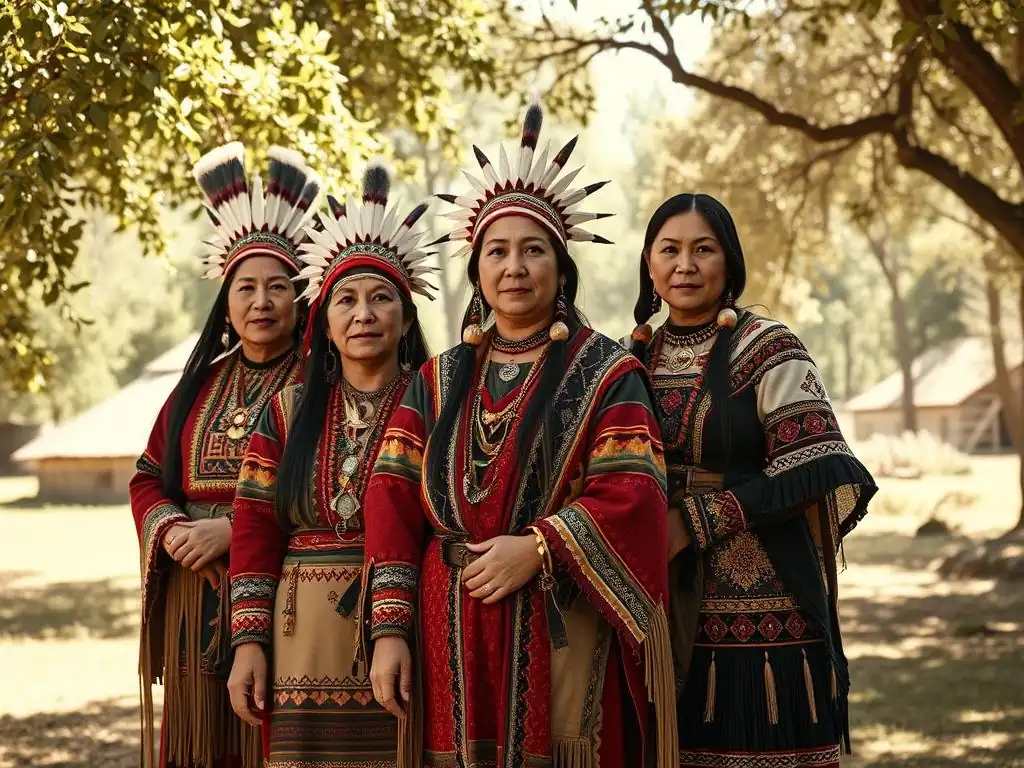
Reviving Matriarchal Traditions in Modern Times
The resurgence of interest in Native American matriarchal societies is evident in contemporary movements aimed at preserving and revitalizing traditional practices. Many Indigenous communities are actively working to restore matrilineal customs that place women in positions of authority and influence. This revival is driven by a recognition of the stability and resilience that these systems provided historically.
For instance, the Haudenosaunee Confederacy demonstrates how matriarchal structures can be reinvigorated. The clan mothers, who are central figures in decision-making processes, are reclaiming their roles as leaders in both community and political spheres. Their influence extends to the governance of the confederacy, where they have the power to select and remove chiefs, ensuring that the needs of the community are prioritized.
Moreover, cultural initiatives such as traditional storytelling, ceremonies, and educational programs are being implemented to pass down matrilineal knowledge to younger generations. These efforts are crucial in fostering a sense of identity and belonging while reinforcing the values that underpin matriarchal traditions.
The Role of Women in Current Indigenous Political Movements
In recent years, Native American women have taken on increasingly prominent roles within political movements, reflecting the foundational principles of their matriarchal societies. These women are not only advocating for Indigenous rights but are also emphasizing the importance of matriarchal governance as a means to address contemporary issues, such as land rights, environmental protection, and social justice.
For example, the Women’s Earth and Climate Action Network has seen significant participation from Indigenous women leaders who draw upon their cultural heritage to inform their activism. They emphasize the interconnectedness of environmental stewardship and matriarchal values, arguing that women’s leadership is essential for sustainable practices that honor the land and community.
Furthermore, organizations like the National Indigenous Women’s Resource Center are pivotal in training and empowering women to take on leadership roles within their communities. They provide resources and support for women to engage in local and national politics, ensuring that Indigenous voices are heard and respected in decision-making processes.
The integration of traditional matriarchal principles into modern political frameworks not only elevates the status of women but also challenges patriarchal structures that have historically marginalized Indigenous voices. As these movements gain momentum, they highlight the enduring relevance and strength of Native American matriarchal societies in shaping contemporary political landscapes.
Through a combination of cultural revival, education, and political activism, Indigenous women are redefining leadership and asserting their vital role in the ongoing struggle for rights and recognition within broader society.
Conclusion: The Legacy of Native American Matriarchal Societies
The exploration of Native American matriarchal societies reveals a rich tapestry of political systems that not only empowered women but also fostered communal collaboration and sustainable governance. These societies, which thrived long before European colonization, have left a lasting legacy that continues to influence contemporary indigenous cultures and their social structures.
Lasting Impact on Indigenous Cultures
The impact of Native American matriarchal societies can be observed through various cultural practices, social norms, and governance structures that prioritize female leadership and decision-making. Many tribes, such as the Iroquois Confederacy, operated under systems where women held significant power in political processes, including the selection of chiefs and the management of resources. This not only reflects a deep respect for women's roles but also underscores the importance of balance within community governance.
Some key aspects of the lasting impact include:
- Cultural Traditions: Many indigenous practices, rituals, and storytelling traditions emphasize the role of women as central figures within their communities. This cultural reverence has been passed down through generations, maintaining the visibility and importance of female leadership.
- Social Structures: The matrilineal systems prevalent in several Native American societies, where lineage and inheritance are traced through the mother, have contributed to the stability and continuity of these communities. Such structures allow women to maintain their roles as guardians of cultural heritage and knowledge.
- Political Influence: The systems established by matriarchal societies have influenced modern indigenous governance models, encouraging a return to traditional practices that recognize the significance of women in leadership roles. This has empowered contemporary movements advocating for indigenous rights and representation.
Lessons from Matriarchal Political Systems for Future Generations
The study of Native American matriarchal societies offers valuable lessons for modern political systems and gender equality efforts. By examining the successes and frameworks of these societies, future generations can draw inspiration and insights into creating more equitable systems. Key lessons include:
- Empowerment of Women: The political structures of matriarchal societies demonstrate the effectiveness of empowering women in decision-making roles. This can lead to more inclusive policies that reflect the needs of the entire community.
- Collaborative Governance: The emphasis on consensus-building and communal decision-making in these societies can serve as a model for modern governance. Encouraging dialogue and cooperation can lead to more sustainable and harmonious outcomes.
- Cultural Preservation: Recognizing and valuing indigenous knowledge and traditions, particularly those led by women, can enhance cultural preservation and resilience. Future generations can learn to appreciate diverse perspectives and incorporate them into contemporary practices.
The examination of Native American matriarchal societies not only highlights their historical significance but also provides a roadmap for fostering more inclusive and equitable political systems today. The legacy of these societies continues to inspire and inform the ongoing quest for gender equality and cultural recognition in indigenous contexts.
Frequently Asked Questions
What are matriarchal societies in the context of Native American cultures?
Matriarchal societies are social structures where women hold primary power, particularly in political leadership and family lineage. Many Native American cultures exemplified these systems before European colonization.
How did Native American women influence political systems?
In several Native American matriarchal societies, women played a crucial role in decision-making, land ownership, and community governance, showcasing their significant influence on tribal politics.
Can you name some tribes known for their matriarchal structures?
Tribes such as the Iroquois, Cherokee, and Navajo are often cited for their matriarchal traditions, where women enjoyed higher social status and were pivotal in maintaining cultural practices.
What were the benefits of matriarchal societies for Native American communities?
Matriarchal societies often led to more egalitarian structures, promoting cooperation, resource sharing, and stability within communities, which contributed to their resilience against external pressures.
How did European colonization affect these matriarchal systems?
European colonization often disrupted indigenous governance and gender roles, imposing patriarchal values that diminished the power and status of women in many Native American societies.
Final Reflection: Embracing the Wisdom of Native American Matriarchal Societies
The exploration of Native American matriarchal societies reveals a profound connection between gender, power, and community that remains incredibly relevant today. As we navigate a world increasingly aware of gender dynamics and the importance of diverse leadership, the lessons from these societies challenge us to rethink traditional power structures and embrace a more inclusive approach to governance.
The influence of Native American matriarchal societies extends far beyond their historical context; they serve as a beacon of resilience and empowerment in our contemporary cultural landscape. The recognition of women's roles as leaders and decision-makers in these communities not only highlights the importance of female perspectives but also underscores the value of collective well-being over individual ambition. In a matriarchal society, the focus is on nurturing relationships and community, which fosters a more harmonious existence.
This observation reminds us that the principles of cooperation and respect for nature, as practiced by these societies, are crucial in addressing today's pressing social and environmental challenges.
As we reflect on the teachings of Native American matriarchal societies, I invite you to consider how these principles can be integrated into your own life and community. What steps can you take to uplift the voices of women and promote inclusive leadership in your environment? By embracing the wisdom of these unique political systems, we can cultivate a more equitable future that honors the contributions of all individuals, fostering a society where every voice is valued and heard.
Explore and Celebrate the Strength of Matriarchal Societies!
Thank you for diving into the fascinating world of matriarchal societies and the vital role of Native American women in shaping their political systems. We hope you feel inspired by their resilience, leadership, and unique perspectives. Now, it's time to take this knowledge further and make a difference!
Here are some actionable steps you can take today:
- Engage with a Local Community: Connect with Indigenous groups in your area. Attend events or workshops to learn more about their culture and contributions.
- Share Your Knowledge: Discuss what you've learned about matriarchal societies with friends and family. Start a dialogue that promotes understanding and appreciation for these unique systems.
- Explore Further: Read additional literature or watch documentaries on Native American history and matriarchal practices to deepen your understanding.
What aspect of matriarchal societies resonates with you the most, and how do you think they relate to modern political systems? Let's discuss!