
Festivals as Resistance: How Indigenous Cultures Preserve Their Heritage

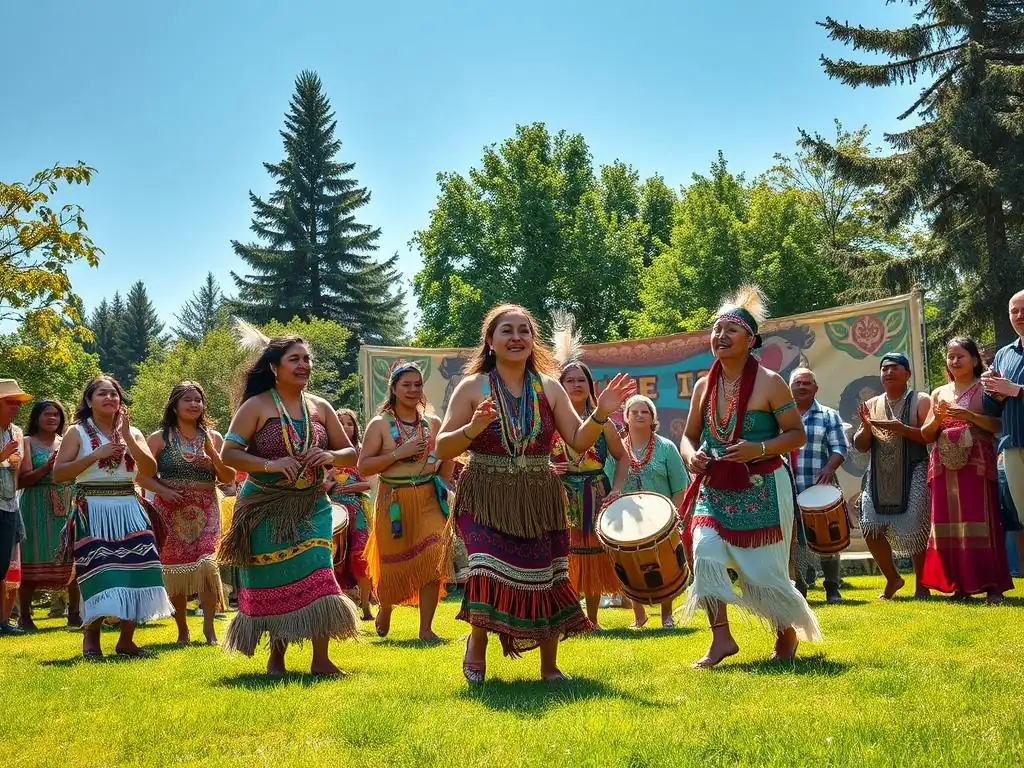
Welcome to Indigenous Civilizations of the Americas, where we invite you to embark on a journey through the rich tapestry of indigenous cultures that flourished across the Americas long before European contact. In our featured article, "Festivals as Resistance: How Indigenous Cultures Preserve Their Heritage," we delve into the vibrant indigenous cultural festivals heritage that serve not only as celebrations but as powerful acts of resilience and identity. Discover how these festivals encapsulate ancient traditions, showcase artistic expression, and connect communities to their past, all while preserving their unique legacies for future generations.
Curious to learn how these dynamic celebrations play a crucial role in cultural preservation? Dive deeper and explore the profound impact of these vibrant traditions!
- Introduction to Indigenous Cultural Festivals and Heritage
- Historical Context of Indigenous Cultural Festivals
- Types of Indigenous Cultural Festivals
- Festivals as a Form of Resistance
- Modern Indigenous Cultural Festivals
- Community Involvement in Indigenous Cultural Festivals
- Challenges Facing Indigenous Cultural Festivals
- Conclusion: The Future of Indigenous Cultural Festivals and Heritage
- Frequently Asked Questions
- Final Reflection: Indigenous Cultural Festivals as Pillars of Heritage and Resistance
- Embrace and Celebrate Indigenous Heritage Today!
Introduction to Indigenous Cultural Festivals and Heritage
Indigenous cultural festivals serve as vibrant expressions of identity, tradition, and resilience within the diverse societies that thrived across the Americas long before European colonization. These events not only celebrate the rich tapestry of indigenous heritage but also play a crucial role in the preservation of cultural narratives, languages, and practices that have faced the threat of erasure.
As platforms for communal gathering and expression, festivals embody the spirit of resistance against historical injustices and foster a sense of belonging among indigenous peoples. This article delves into the significance of these festivals, exploring how they contribute to the ongoing preservation of indigenous cultural heritage.
Importance of Festivals in Indigenous Cultures
Festivals are a cornerstone of indigenous cultural expression, serving multiple purposes that extend beyond mere celebration. Here are some key aspects of their importance:
- Cultural Identity: Festivals affirm and rejuvenate cultural identities, providing a space for individuals to connect with their heritage and community.
- Transmission of Knowledge: Through songs, dances, and storytelling, festivals facilitate the intergenerational transfer of knowledge, ensuring that traditions and languages are passed down.
- Social Cohesion: These events foster social bonds and strengthen community ties, as individuals come together to celebrate shared values and histories.
- Resistance and Resilience: Festivals often serve as acts of resistance against colonial narratives and oppression, showcasing the enduring strength and resilience of indigenous cultures.
The celebration of indigenous festivals is thus not just a momentary event; it is a profound statement of cultural survival and pride.
Overview of Heritage Preservation through Festivals
Indigenous cultural festivals are pivotal in preserving heritage, as they create an environment where traditions can thrive. Below are several ways in which festivals contribute to this preservation:
- Revitalization of Traditions:
- Many festivals incorporate traditional practices that may have been marginalized or lost. By bringing back these customs, communities reinforce their cultural history.
- Economic Empowerment:
- Festivals often boost local economies, providing opportunities for artisans and performers to showcase their crafts and talents, thus sustaining traditional livelihoods.
- Cultural Education:
- These events serve as educational platforms, inviting non-indigenous audiences to learn about and appreciate indigenous cultures, which can foster mutual respect and understanding.
- Documenting History:
- Festivals often include elements that document the history and experiences of indigenous peoples, ensuring that their stories are remembered and honored.
Indigenous cultural festivals are much more than celebrations; they are vital acts of cultural preservation and resistance, ensuring that the rich heritage of indigenous peoples continues to thrive in the face of modern challenges. By fostering community, transmitting knowledge, and showcasing resilience, these festivals play an essential role in maintaining the legacy of indigenous cultures across the Americas.
Historical Context of Indigenous Cultural Festivals
Pre-Colonial Festivals and Their Significance
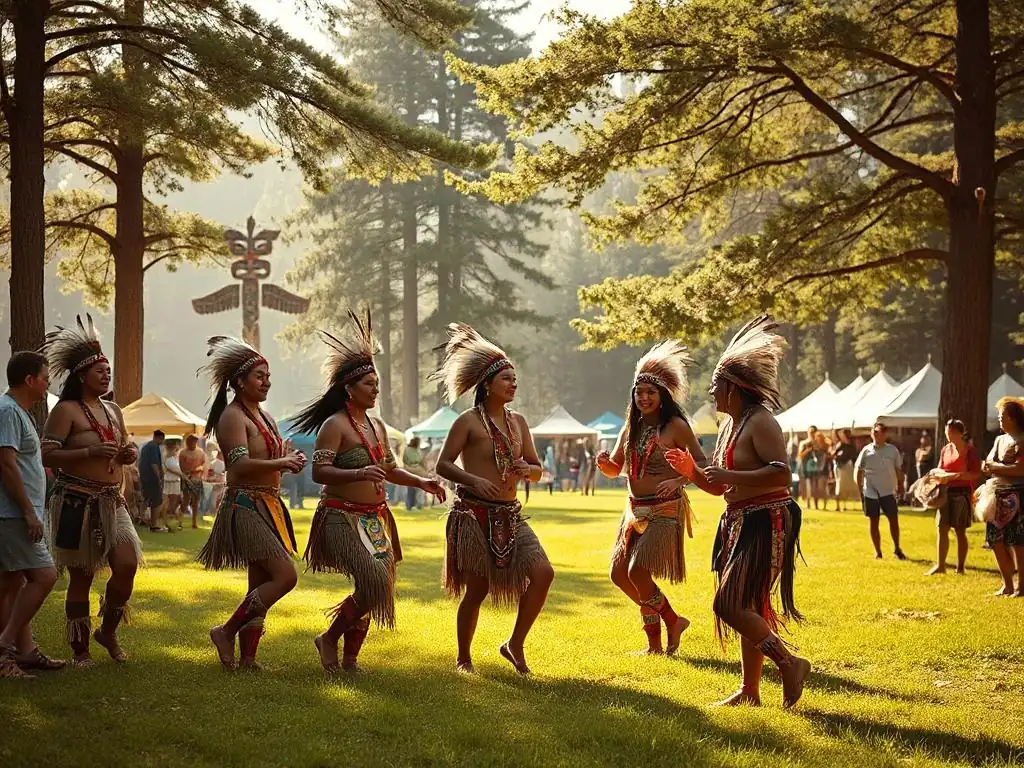
Indigenous cultural festivals have deep roots in the pre-colonial era, serving as vital expressions of identity, community, and spirituality. These festivals were often tied to the agricultural calendar, marking the rhythms of nature and the passage of seasons. For example, the Maya civilization celebrated the Festival of the New Fire, which symbolized renewal and the importance of fire in their cosmology. This event featured rituals, music, and dance, showcasing the community's collective identity and reverence for their deities.
Another notable example is the Potlatch among the Pacific Northwest tribes, which was not merely a feast but a sophisticated socio-economic system. Through this ceremonial gift-giving, leaders would redistribute wealth to affirm status and strengthen community bonds. Such festivals were crucial for social cohesion and maintaining ancestral traditions, illustrating the intricate relationship between culture and environment.
These gatherings were also opportunities for storytelling, where oral traditions were passed down, ensuring that cultural heritage was preserved and honored. They provided a platform for celebrating milestones, such as births, marriages, and funerals, reinforcing the community's values and beliefs.
Impact of Colonization on Indigenous Celebrations
The arrival of European colonizers significantly disrupted Indigenous cultural festivals. Many traditional celebrations were suppressed or outright banned as colonizers sought to impose their own religious and cultural norms. For instance, the Spanish colonization of the Aztec Empire led to the outlawing of traditional ceremonies, which were deemed pagan. Instead, colonial authorities tried to replace these with Christian holidays, often blending elements of Indigenous practices with European ones, resulting in syncretic celebrations that still exist today, like Día de los Muertos in Mexico.
Moreover, the forced assimilation policies implemented by colonial governments aimed to erase Indigenous identities, further threatening the continuity of cultural festivals. Many communities were displaced, leading to a loss of traditional lands that were integral to their celebrations.
However, despite these challenges, Indigenous peoples have demonstrated remarkable resilience. Many festivals have been revitalized as acts of resistance, reclaiming cultural spaces and asserting identity. For example, the annual Gathering of Nations Powwow in the United States serves not only as a celebration of Native American culture but also as a platform for political activism and cultural preservation.
In contemporary times, these festivals have become vital for intergenerational transmission of knowledge and cultural practices. They provide a means for healing and community building, allowing Indigenous peoples to reconnect with their heritage and assert their presence in a modern context.
The historical trajectory of Indigenous cultural festivals illustrates a profound struggle against colonization, showcasing both the endurance of these traditions and their role in preserving Indigenous cultural heritage. By participating in these celebrations, Indigenous communities continue to assert their identities and resist cultural erasure, ensuring that their rich heritage remains vibrant and relevant.
Types of Indigenous Cultural Festivals
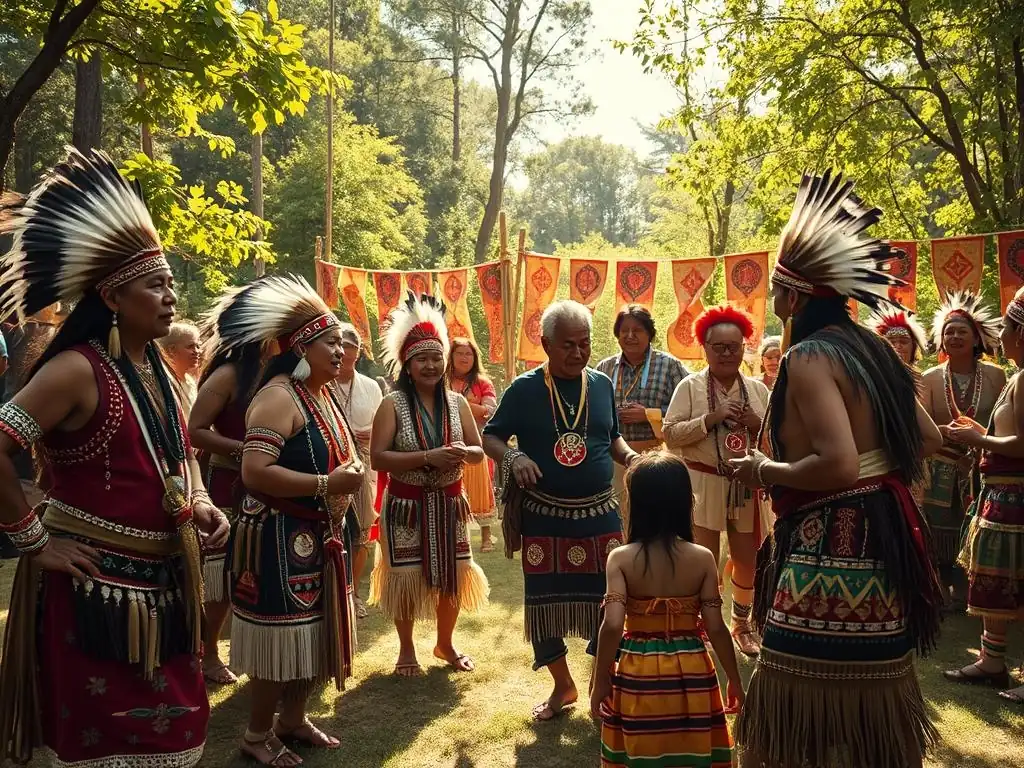
Indigenous cultural festivals serve as vibrant expressions of heritage, community, and resilience. They encompass a variety of forms, each reflecting unique aspects of the cultures they represent. Below are the main types of indigenous cultural festivals:
Ritual Festivals: Spiritual Connections and Heritage
Ritual festivals are deeply embedded in the spiritual beliefs and practices of indigenous communities. These festivals often feature sacred ceremonies that honor deities, spirits, and the natural world.
- Purpose and Significance: Ritual festivals aim to strengthen communal bonds and reaffirm spiritual beliefs. They are often tied to seasonal changes, agricultural cycles, or significant life events, serving as a reminder of the community's connection to their ancestors and land.
- Examples:
- The Day of the Dead in Mexico is a prime example, where families honor deceased loved ones through altars, offerings, and vibrant celebrations, showcasing a blend of pre-Columbian and colonial traditions.
- The Kachina Festival of the Hopi people involves dance performances that represent various aspects of life and spirituality, emphasizing the importance of the Kachina spirits in their belief system.
- Cultural Practices: These festivals often incorporate traditional music, dance, and art, where community members participate in rituals that have been passed down through generations. The use of symbols, such as masks or costumes, plays a crucial role in connecting the present with the past.
Agricultural Festivals: Celebrating the Cycle of Life
Agricultural festivals are crucial for indigenous communities, as they celebrate the harvest and the relationship with the earth. These festivals highlight the importance of agriculture in sustaining communities and preserving their way of life.
- Purpose and Significance: These celebrations mark the changing seasons, the planting and harvesting of crops, and the gratitude for the earth's bounty. They serve not only as a means of celebration but also as an opportunity to pass down agricultural knowledge and practices.
- Examples:
- The Green Corn Festival among various Native American tribes, such as the Cherokee and Creek, celebrates the first harvest of corn. It includes ceremonies, feasting, and traditional games, emphasizing the significance of corn in their culture.
- The Inti Raymi, or Festival of the Sun, celebrated by the Inca descendants in Peru, honors the sun god Inti, marking the winter solstice and the agricultural year, featuring elaborate ceremonies and traditional dances.
- Cultural Practices: During these festivals, indigenous communities engage in traditional farming practices, share stories related to agriculture, and perform rituals that express gratitude to the earth. The use of local foods in communal feasts is a vital aspect that reinforces cultural identity.
Ceremonial Festivals: Honoring Ancestors and Traditions
Ceremonial festivals focus on honoring ancestors and preserving cultural traditions. These events are vital for maintaining the collective memory of a community and celebrating its history.
- Purpose and Significance: Ceremonial festivals provide an opportunity for communities to gather, remember their history, and educate younger generations about their cultural heritage. They often involve storytelling, music, and dance that reflect the values and beliefs of the community.
- Examples:
- The Powwow, celebrated by various Native American tribes, is a gathering that includes dance competitions, drumming, and traditional foods, emphasizing the importance of community and cultural pride.
- The Spring Equinox Ceremony of the Maya people involves rituals that celebrate the return of life to the earth, honoring both ancestors and the natural world.
- Cultural Practices: These festivals often feature elements such as traditional clothing, storytelling, and performances that convey historical narratives and cultural teachings. They serve as a living testament to the resilience and continuity of indigenous cultures.
Indigenous cultural festivals play a critical role in preserving heritage and identity. Through ritual, agricultural, and ceremonial festivals, these communities not only celebrate their past but also adapt and thrive in the contemporary world, ensuring that their cultural legacy endures.
Festivals as a Form of Resistance
Festivals serve as vital expressions of identity and community for Indigenous peoples, often acting as a form of resistance against cultural erasure and marginalization. These celebrations are not merely social gatherings; they are powerful affirmations of heritage, resilience, and continuity in the face of historical injustices. Through vibrant rituals, traditional music, dance, and storytelling, Indigenous cultural festivals become a means to reclaim narratives, foster unity, and celebrate the richness of their traditions.
Reclaiming Identity through Cultural Celebrations
Indigenous cultural festivals provide a platform for communities to reclaim and express their identities, which have been threatened by colonization and assimilation policies. These events often revolve around traditional practices that embody the values, beliefs, and histories of Indigenous peoples. For instance, the Day of the Dead celebrations among the Aztec descendants in Mexico serve not only as a remembrance of ancestors but also as a reaffirmation of their cultural identity and connection to their roots.
By engaging in these cultural celebrations, Indigenous individuals actively resist the dominant narratives imposed upon them. Festivals often showcase traditional attire, foods, and art forms, which serve as visual and sensory reminders of a rich heritage. The act of gathering in these spaces reinforces community bonds and fosters pride in cultural identity, countering attempts at cultural homogenization.
The Role of Festivals in Combating Marginalization
Indigenous cultural festivals play a crucial role in combating marginalization by fostering visibility and understanding within broader society. These events often attract attendees from various backgrounds, providing an opportunity for cross-cultural exchange and education. For example, the Gathering of Nations in Albuquerque, New Mexico, is one of the largest powwows in the United States and serves to educate the public about Indigenous cultures while providing a platform for Indigenous artists and performers.
Furthermore, festivals can catalyze social and political movements. When communities come together to celebrate their heritage, they create a united front that can advocate for rights, recognition, and reparations. The Indigenous Peoples' Day celebrations across the United States exemplify this phenomenon, where communities transform a day of mourning into a celebration of resilience and strength, drawing attention to the ongoing struggles faced by Indigenous populations.
Case Studies of Resistance Through Festivals
Several case studies illustrate how Indigenous cultural festivals serve as powerful tools for resistance and heritage preservation:
-
Inti Raymi (Festival of the Sun) - Peru
This ancient Incan festival celebrates the winter solstice and honors the sun god, Inti. Revived in the 20th century, Inti Raymi has become a significant event that attracts thousands of visitors, showcasing Quechua traditions and reaffirming Indigenous identity in a contemporary context.
-
Powwows - North America
Powwows are social gatherings that celebrate Native American culture through dance, music, and art. They serve as platforms for cultural expression and solidarity, reinforcing community ties and creating spaces for dialogue about Indigenous rights and issues.
-
Nuu-chah-nulth Whaling Festivals - British Columbia
These festivals celebrate the traditional practice of whaling, which has deep cultural significance for the Nuu-chah-nulth peoples. By revitalizing these practices and sharing them with the public, they assert their rights to their ancestral traditions and challenge ongoing colonial narratives.
Indigenous cultural festivals not only preserve heritage but also act as acts of resistance against cultural marginalization. Through these vibrant celebrations, Indigenous peoples assert their identities, educate others, and foster resilience within their communities, ensuring that their rich histories and traditions continue to thrive.
Modern Indigenous Cultural Festivals
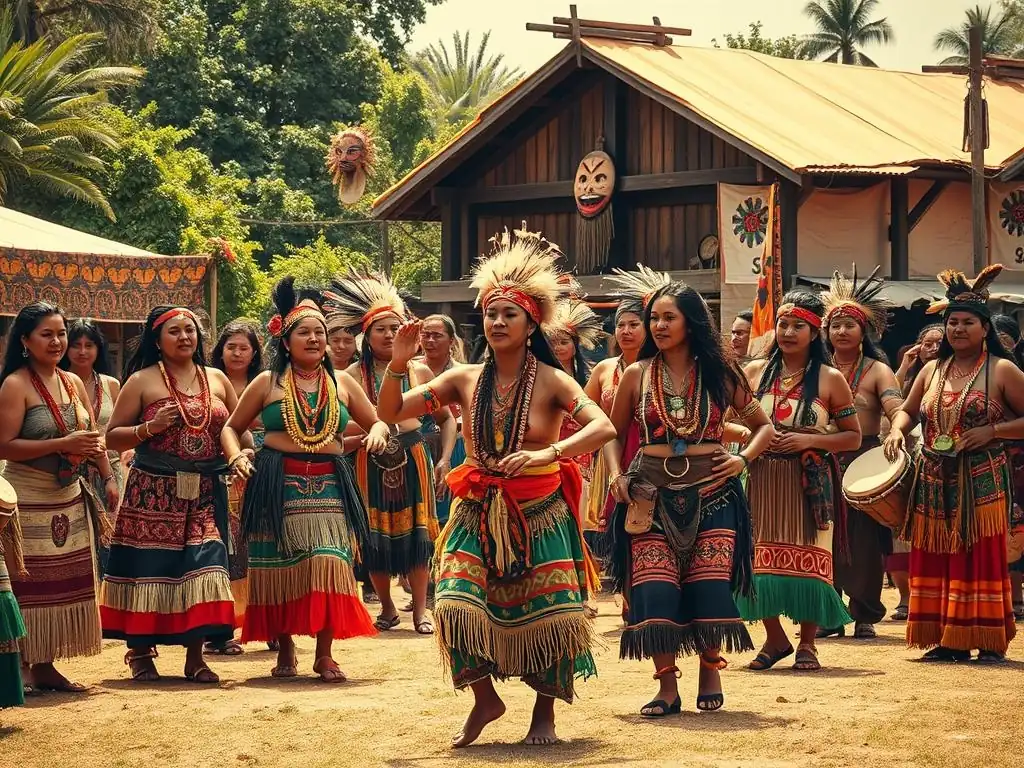
Modern Indigenous cultural festivals serve as vibrant expressions of heritage, identity, and resilience. These festivals not only celebrate traditional practices but also adapt to contemporary contexts, ensuring that Indigenous cultural expressions remain relevant in today's society. By integrating elements of modernity while honoring ancestral traditions, these festivals play a crucial role in preserving Indigenous cultural heritage.
Examples of Contemporary Festivals Celebrating Heritage
Across the Americas, a variety of contemporary Indigenous festivals highlight the rich tapestry of cultural traditions. Here are some notable examples:
-
The Gathering of Nations (USA)
Held annually in Albuquerque, New Mexico, this festival is one of the largest powwows in North America, attracting thousands of participants and visitors. It showcases Indigenous dance, music, art, and crafts, providing a platform for artists and performers to share their heritage.
-
Pahoa Cultural Festival (Hawaii)
This festival celebrates Hawaiian culture through traditional hula performances, music, and workshops on native practices. The event emphasizes the importance of land, language, and cultural traditions, encouraging community engagement and education.
-
Inter-Tribal Powwow (Canada)
Various powwows across Canada, such as the one held at the University of Alberta, bring together different Indigenous nations to celebrate their cultures through dance, song, and storytelling. These events foster unity among diverse Indigenous groups and promote cultural exchange.
-
Maya Cultural Festival (Mexico)
In the Yucatán Peninsula, this festival honors the Maya heritage with traditional music, dance, and cuisine. It serves as a reminder of the resilience of the Maya people and their continuing connection to their ancestral lands.
-
Tehuelche Festival (Argentina)
This festival celebrates the culture of the Tehuelche people, featuring traditional crafts, food, and music. It aims to educate the public about the history and contributions of the Tehuelche community.
These festivals not only showcase the diversity of Indigenous cultures but also promote awareness and appreciation among wider audiences, reinforcing the significance of Indigenous heritage in contemporary society.
The Role of Technology in Promoting Indigenous Festivals
In recent years, technology has emerged as a powerful tool in promoting Indigenous cultural festivals, creating new opportunities for visibility and engagement. Here are several ways technology facilitates this process:
-
Social Media Platforms
Platforms like Facebook, Instagram, and Twitter allow festival organizers to reach broader audiences, share event details, and engage with participants and supporters. Posts featuring vibrant imagery and video clips can generate interest and excitement, drawing in attendees from various backgrounds.
-
Live Streaming
Many festivals have adopted live streaming technology to broadcast performances and events to audiences unable to attend in person. This not only broadens the reach of these cultural displays but also allows for real-time interaction with viewers, fostering a sense of community across distances.
-
Digital Storytelling
Utilizing digital media, Indigenous communities are able to share their stories and traditions through engaging formats such as podcasts, videos, and interactive websites. This mode of storytelling enhances cultural transmission, allowing younger generations to connect with their heritage in innovative ways.
-
Online Workshops and Panels
Virtual workshops and discussions provide opportunities for Indigenous leaders and artists to educate others about their cultures. These platforms can address crucial topics such as traditional crafts, languages, and cultural practices, promoting deeper understanding and appreciation.
-
Crowdfunding and Financial Support
Technology enables festival organizers to use crowdfunding platforms to raise money for events. This can help sustain festivals that may otherwise struggle financially, ensuring that Indigenous cultures continue to thrive and be celebrated.
By harnessing technology, Indigenous cultural festivals can enhance their impact and reach, ensuring that the rich heritage of Indigenous peoples continues to be celebrated and preserved for future generations.
Community Involvement in Indigenous Cultural Festivals
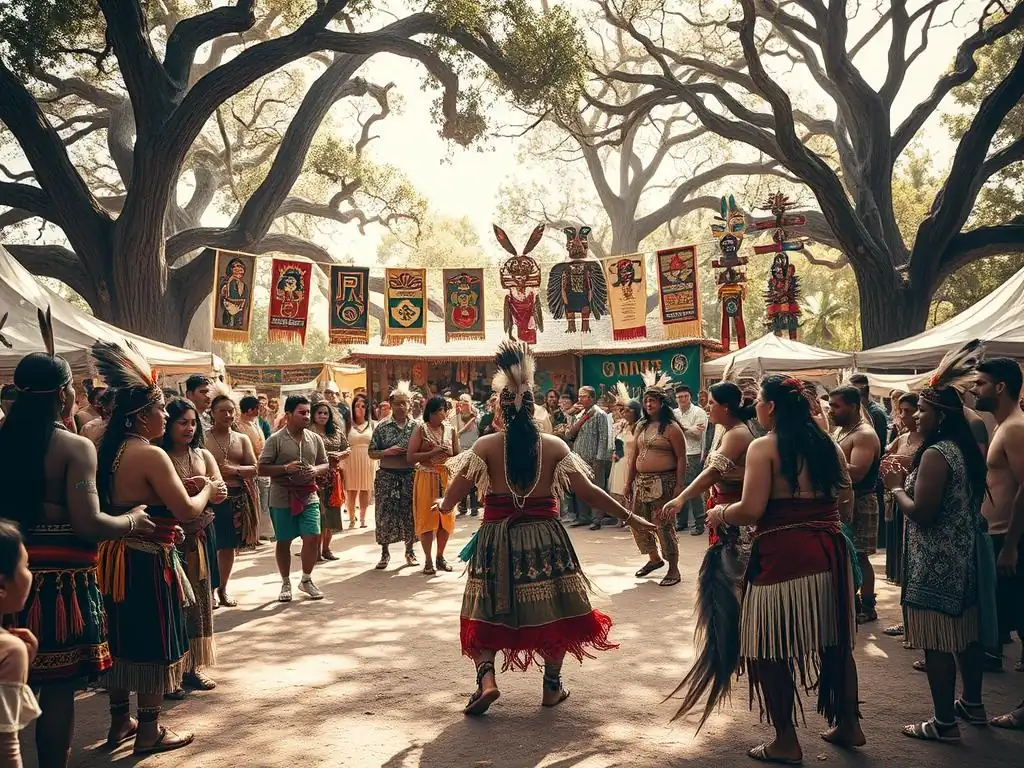
Indigenous cultural festivals serve as a vital expression of heritage, fostering community involvement that is essential for the preservation and revitalization of traditions. These festivals are not merely celebrations; they are pivotal moments where cultural narratives are shared, histories are honored, and identities are reinforced. Community involvement is crucial to the success and sustainability of these events, ensuring that they remain authentic and representative of the indigenous experiences.
Engaging Youth in Heritage Preservation
One of the most significant aspects of community involvement in indigenous cultural festivals is the active engagement of youth. By incorporating young individuals into the planning and execution of these festivals, communities aim to instill a sense of pride and responsibility toward their heritage.
- Educational Workshops: Many festivals include workshops where elders and cultural leaders teach traditional skills such as weaving, drumming, and storytelling. This transfer of knowledge not only empowers youth but also helps to keep these vital practices alive.
- Youth Leadership Programs: Some festivals have established youth councils, allowing young people to take leadership roles in organizing events. This not only gives them a voice but also fosters a deep connection to their culture.
- Cultural Performances: Engaging youth in performances that showcase traditional dances and songs is a common practice. These performances often draw on themes of resistance and resilience, reinforcing the importance of cultural identity.
By actively involving youth, indigenous communities ensure that their cultural festivals are not just events of the present but are also foundational for future generations. This engagement is crucial in fostering a deep-rooted appreciation for heritage, helping to combat the erasure of indigenous identities in modern society.
Collaborations with Non-Indigenous Communities
In recent years, many indigenous cultural festivals have sought to expand their reach through collaborations with non-indigenous communities. Such partnerships can enhance the visibility and understanding of indigenous cultures, fostering mutual respect and learning.
- Cultural Exchange Programs: Festivals often include cultural exchange initiatives where non-indigenous participants are invited to experience and learn about indigenous traditions. This can take the form of joint workshops, where both communities share their knowledge and practices.
- Joint Sponsorships: Collaborations with local businesses and organizations can provide essential funding and resources for festivals. By working together, indigenous and non-indigenous groups can create a more inclusive event that benefits all parties involved.
- Awareness Campaigns: Festivals also serve as a platform for raising awareness about indigenous issues among non-indigenous audiences. Through art exhibits, discussions, and performances, these events highlight the ongoing struggles of indigenous peoples, fostering a greater understanding of their heritage and contemporary challenges.
These collaborations can lead to greater appreciation and respect for indigenous cultural practices, as well as a broader audience for festivals, ensuring that indigenous voices are heard and celebrated. By bridging the gap between communities, festivals not only preserve heritage but also promote a spirit of unity and reconciliation.
Challenges Facing Indigenous Cultural Festivals
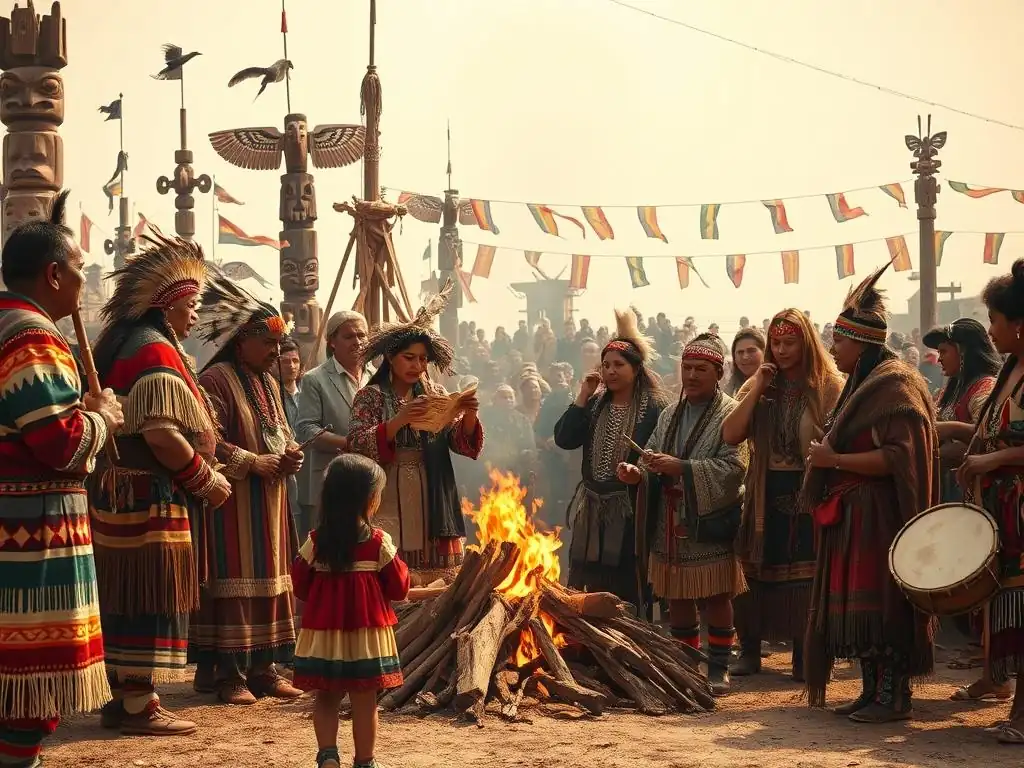
Indigenous cultural festivals serve as vital expressions of heritage, community, and resistance against the ongoing impacts of colonization and cultural erasure. However, these festivals face numerous challenges that threaten their sustainability and authenticity. Addressing these challenges is crucial for the preservation of Indigenous cultural festivals and the heritage they embody.
One of the most significant challenges confronting Indigenous cultural festivals is the economic and social barriers to their organization. Funding is often limited, as many Indigenous communities operate on tight budgets with minimal financial support from external sources. This can hinder the ability to plan, promote, and execute festivals effectively.
- Lack of Resources: Many Indigenous communities lack access to necessary resources, including venues, materials, and technical support. This scarcity can lead to smaller-scale events that may not attract large audiences, undermining the festival's potential impact.
- Volunteer Reliance: Festivals often rely heavily on volunteers, which can strain community members who may already be juggling multiple responsibilities. The time commitment required for planning and executing a festival can deter participation, leading to diminished festival quality.
- Social Fragmentation: Economic disparities within Indigenous communities can result in social fragmentation, where varying levels of participation and support affect the unity needed for cohesive festival planning. This fragmentation can diminish the sense of community that festivals are meant to promote.
- Health and Safety Concerns: Particularly in the wake of the COVID-19 pandemic, health and safety concerns have emerged as new barriers. Many communities face challenges in ensuring safe environments for festival-goers, which can lead to reduced attendance and participation.
The Threat of Cultural Appropriation
Cultural appropriation remains a pressing issue for Indigenous cultural festivals, as the sharing and presentation of Indigenous traditions can be misappropriated by non-Indigenous individuals and organizations. This phenomenon can lead to several adverse effects:
- Misrepresentation of Culture: Festivals that fail to respect the context and significance of Indigenous traditions can lead to misrepresentation, diluting the cultural meanings and values inherent in these practices. This not only disrespects the original culture but also perpetuates stereotypes.
- Commercialization: The commercialization of Indigenous cultural festivals can undermine their authenticity. When festivals are marketed primarily for profit rather than cultural preservation, the focus shifts away from community engagement and heritage celebration toward consumerism.
- Exploitation of Traditions: Many non-Indigenous individuals and businesses exploit Indigenous symbols, art, and practices without proper acknowledgment or compensation. This exploitation can diminish the unique cultural significance of these elements and contribute to their commodification.
- Community Response: Indigenous communities often respond to cultural appropriation by reclaiming their narratives and fostering educational initiatives during festivals. These efforts aim to educate attendees about the cultural significance of practices and combat stereotypes, reinforcing the importance of respecting Indigenous heritage.
While Indigenous cultural festivals play a crucial role in preserving heritage and fostering community identity, they are continually challenged by economic, social, and cultural factors. Addressing these challenges is essential for ensuring that Indigenous cultural festivals remain vibrant and authentic expressions of the heritage they celebrate.
Conclusion: The Future of Indigenous Cultural Festivals and Heritage
As we reflect on the enduring significance of indigenous cultural festivals, it is essential to recognize their role not only as celebrations but as vital expressions of identity and resistance. These festivals are more than mere events; they are living embodiments of history, traditions, and community ties. They serve to educate both indigenous peoples and outsiders about the rich tapestry of indigenous cultural heritage, which has often been marginalized or overlooked.
The Ongoing Importance of Festivals in Cultural Identity
Indigenous cultural festivals are crucial in maintaining and promoting cultural identity. They provide a platform for communities to showcase their traditional practices, languages, and artistic expressions. Festivals serve various purposes, including:
- Cultural Transmission: Through storytelling, music, dance, and crafts, festivals allow younger generations to learn and appreciate their heritage. For example, the Powwow tradition in North America emphasizes the importance of oral history and dance, passing down stories and cultural values through generations.
- Community Cohesion: Festivals foster a sense of belonging and unity among community members. They act as a gathering point where individuals come together to celebrate their shared identity and collective history. This communal experience strengthens social bonds and reinforces cultural pride.
- Political Awareness: Many indigenous festivals carry a message of resistance against colonial narratives and systemic oppression. They often include elements that highlight historical injustices and advocate for the rights of indigenous peoples. For instance, events like the Day of the Dead in Mexico not only honor ancestors but also assert the value of indigenous spirituality in the face of colonization.
- Tourism and Economic Empowerment: Festivals attract visitors, providing economic opportunities for indigenous communities. This influx can help fund cultural preservation efforts and support local artisans. However, it is crucial that such initiatives prioritize community needs and respect cultural integrity.
Call to Action for Supporting Indigenous Heritage Preservation
To ensure the continued vitality of indigenous cultural festivals and the heritage they represent, it is imperative that we take proactive steps in their support. Here are some actions individuals and organizations can consider:
- Participate and Engage: Attend indigenous festivals and events, actively engaging with the community and learning about their culture. This participation helps validate and uplift indigenous voices.
- Support Indigenous Artisans: Purchase crafts and goods from indigenous artisans, ensuring that the economic benefits of cultural festivals remain within the community. This fosters sustainable practices and encourages the continuation of traditional arts.
- Advocate for Policy Changes: Support policies that protect indigenous rights and cultural sites. Engagement in advocacy efforts can amplify the voices of indigenous communities and promote their interests.
- Educate Others: Share knowledge about indigenous cultures and festivals within your networks. Raising awareness helps combat stereotypes and promotes respect for indigenous heritage.
By embracing and supporting indigenous cultural festivals, we contribute to a more equitable and inclusive society, recognizing the invaluable contributions of indigenous peoples to the cultural mosaic of the Americas. The preservation of their heritage is not just a responsibility; it is a vital necessity that enriches us all.
Frequently Asked Questions
What are indigenous cultural festivals?
Indigenous cultural festivals are celebrations that showcase the traditions, art, music, and spirituality of indigenous communities. They serve as a way to preserve and promote their unique heritage.
How do festivals act as a form of resistance?
Festivals act as a form of resistance by allowing indigenous peoples to assert their identity and cultural practices in the face of colonization and assimilation, thus maintaining their heritage.
What is the significance of heritage preservation in these festivals?
Heritage preservation during festivals is crucial as it helps to pass down traditions and languages to future generations, ensuring that their cultural identity remains vibrant and relevant.
Can you give examples of notable indigenous cultural festivals?
Some notable indigenous cultural festivals include the Powwow in North America, the Inti Raymi in Peru, and the Day of the Dead celebrations in Mexico. These events highlight the rich diversity of indigenous cultures.
How can people support indigenous cultural festivals?
People can support indigenous cultural festivals by attending events, volunteering, promoting awareness, and purchasing goods from indigenous artisans, thereby contributing to the sustainability of these important cultural expressions.
Final Reflection: Indigenous Cultural Festivals as Pillars of Heritage and Resistance
The exploration of Indigenous cultural festivals as a means of preserving heritage reveals a profound truth about the resilience of these communities in the face of modern challenges. Today, as globalization threatens to homogenize cultures, these festivals stand as vibrant reminders of identity, history, and resistance. They not only celebrate traditions but also serve as powerful statements against cultural erasure, emphasizing the need for recognition and respect for Indigenous peoples and their rich legacies.
Cultural festivals are not merely events; they are living expressions of identity that continue to shape our social landscape. The influence of these festivals extends beyond the communities that host them, fostering a greater understanding and appreciation of Indigenous cultures among broader audiences. As we witness a resurgence in interest towards these traditions, we are reminded of the words of Vine Deloria Jr.: The past is not dead; it is not even past.
This sentiment underscores the importance of these festivals in keeping history alive and relevant, allowing future generations to connect with their roots and assert their place in the world.
As we reflect on the significance of Indigenous cultural festivals, I invite you to consider how you can engage with and support these vibrant expressions of heritage. Whether by attending a festival, learning about the stories behind them, or advocating for the rights of Indigenous communities, your actions can contribute to the preservation of these invaluable traditions. Let us celebrate and honor the resilience of Indigenous cultures, ensuring that their heritage continues to thrive for generations to come.
Embrace and Celebrate Indigenous Heritage Today!
Thank you for taking the time to explore how Indigenous festivals serve as powerful acts of resistance and cultural preservation. Your interest in this critical subject is a stepping stone toward fostering respect and appreciation for Indigenous cultures.
Now, let's put this newfound knowledge into action! Here are some immediate steps you can take to support and celebrate Indigenous heritage:
- Attend a Local Indigenous Festival: Seek out nearby celebrations to immerse yourself in the vibrant traditions and stories of Indigenous peoples. Experience the music, dance, and art firsthand!
- Share This Article: Help spread awareness about the importance of Indigenous festivals by sharing this article on social media or with friends who are passionate about cultural preservation.
- Engage with Local Indigenous Communities: Look for opportunities to volunteer, participate in workshops, or collaborate with Indigenous organizations. Building relationships is essential to understanding and supporting their cultures.
Consider how you can integrate the lessons learned from Indigenous festivals into your daily life to foster greater cultural appreciation and awareness.