
Pulse of the Community: The Role of Festivals in Indigenous Social Structures

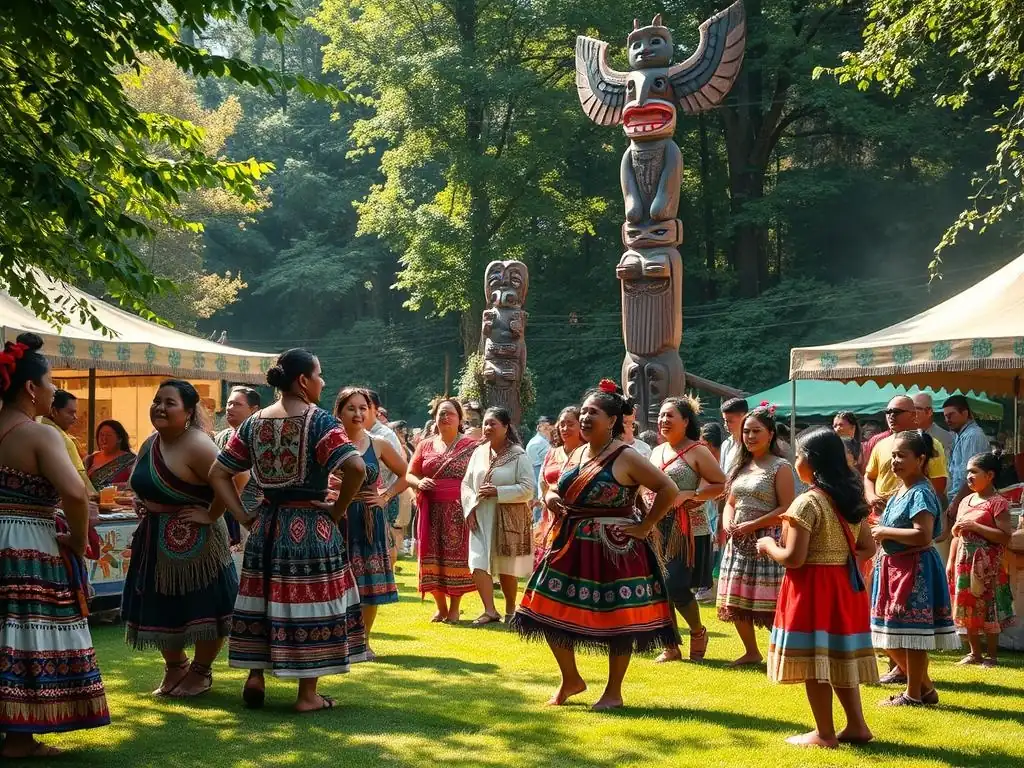
Welcome to Indigenous Civilizations of the Americas, where we embark on a fascinating journey through the rich tapestry of indigenous cultures that flourished long before European contact. Here, we delve into the profound significance of indigenous festivals and social structures, exploring how these vibrant celebrations serve as the heartbeat of communities, weaving together history, identity, and resilience. Prepare to uncover the intricate connections that bind these societies, and discover how their legacies continue to resonate today.
Join us as we unveil the pulse of the community in our featured article, "Pulse of the Community: The Role of Festivals in Indigenous Social Structures." Your exploration begins now!
- Introduction to Indigenous Festivals and Social Structures
- The Role of Festivals in Indigenous Social Structures
- Types of Indigenous Festivals and Their Functions
- Case Studies of Prominent Indigenous Festivals
- The Evolution of Indigenous Festivals in Modern Contexts
- Challenges Facing Indigenous Festivals Today
- Conclusion: The Enduring Legacy of Indigenous Festivals in Social Structures
-
Frequently Asked Questions
- What is the significance of indigenous festivals in social structures?
- How do festivals reflect the values of indigenous communities?
- What role do festivals play in the transmission of knowledge?
- How do indigenous festivals contribute to community resilience?
- Can participation in indigenous festivals impact community members' well-being?
- Final Reflection: Celebrating Heritage Through Indigenous Festivals
- Embrace and Celebrate Indigenous Culture Today!
Indigenous festivals hold a significant place in the tapestry of social structures within various indigenous cultures across the Americas. These celebrations are not merely events for entertainment; they embody the values, beliefs, and communal ties that define these societies. By exploring the intricate relationship between indigenous festivals and social structures, we gain insight into how these vibrant gatherings reinforce community bonds, transmit cultural knowledge, and celebrate identity.
Festivals serve as a pulse of the community, marking the rhythm of life and fostering a sense of belonging among participants. In this article, we will delve into the role these festivals play in shaping social dynamics, understanding their importance within indigenous cultures, and examining the overarching social structures that support them.
Understanding the Importance of Festivals in Indigenous Cultures
Festivals in indigenous cultures are multifaceted events that serve a variety of purposes:
- Cultural Preservation: Festivals provide a platform for the transmission of traditional knowledge, storytelling, and rituals that are essential for cultural identity. They ensure that younger generations learn about their heritage and maintain a connection to their ancestors.
- Community Cohesion: These gatherings foster unity among community members, reinforcing social ties. They often involve communal activities that require cooperation, thereby strengthening relationships and enhancing social capital.
- Spiritual Significance: Many festivals are tied to spiritual beliefs and practices. They often coincide with agricultural cycles, seasonal changes, or significant historical events, serving as a time for gratitude, reflection, and renewal.
- Economic Impact: Festivals can also have economic benefits for indigenous communities, as they often attract visitors and promote local crafts, food, and traditions, thereby supporting local economies.
In essence, indigenous festivals are a celebration of life, serving as a vital mechanism for social interaction, cultural expression, and community resilience.
Indigenous societies in the Americas exhibit a rich diversity of social structures, each shaped by their unique histories, environments, and cultural practices. Common elements include:
- Kinship Systems: Many indigenous cultures emphasize kinship as a foundational aspect of social organization. Relationships among family members and clans play a crucial role in governance, resource sharing, and social responsibilities.
- Leadership Roles: Leadership within indigenous communities often differs from Western models. Leaders may be chosen based on wisdom, experience, or consensus rather than through hierarchical systems. Elders frequently hold significant authority and respect, guiding the community based on collective traditions.
- Collective Decision-Making: Indigenous social structures typically prioritize collective decision-making processes, ensuring that all voices are heard. This democratic approach fosters inclusivity and communal responsibility.
- Cultural Diversity: The vast range of indigenous cultures across the Americas results in various social structures, each with unique customs, governance systems, and roles. Understanding these differences is essential to appreciate the complexities of indigenous societies.
Together, festivals and social structures form a dynamic interplay that sustains indigenous communities, reflecting their values and ensuring the continuity of their cultural heritage.
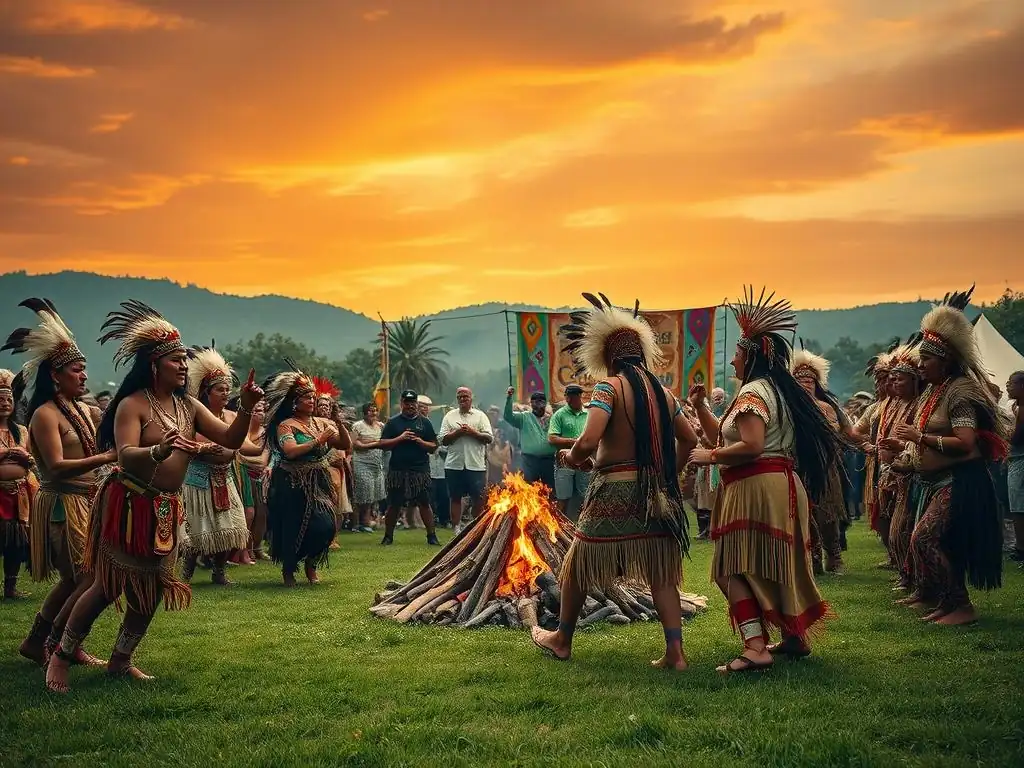
Festivals serve as pivotal moments in the social structures of indigenous communities, acting as vibrant expressions of cultural identity and collective memory. They are not merely events of celebration but are deeply woven into the fabric of community life, reflecting the distinct values, beliefs, and traditions that define each group.
Festivals as a Reflection of Community Identity
Indigenous festivals often encapsulate the unique identity of a community, showcasing its history, language, and spiritual beliefs. These events allow members to reconnect with their ancestral roots and reaffirm their cultural heritage. For instance, the Day of the Dead celebrated by the Mexican indigenous cultures, is a profound example where families honor their deceased ancestors, maintaining a continuous relationship with their past.
Festivals typically involve various elements that highlight community identity, including:
- Traditional Music and Dance: These performances often tell stories of the community's origins, struggles, and victories, reinforcing a sense of belonging.
- Art and Craft Exhibitions: Local artisans display their skills, fostering pride in traditional craftsmanship and ensuring the transmission of these skills to younger generations.
- Rituals and Ceremonies: Many festivals are rooted in spiritual practices that express the community’s relationship with nature and the cosmos, thus reinforcing communal bonds.
In many cultures, the participation in festivals is not limited to the festivities alone; it involves preparation, collaboration, and shared responsibilities, further solidifying the social fabric of the community.
Celebrating Cultural Heritage through Festivals
Cultural heritage is celebrated through various festivals, which serve as vehicles for passing down traditions, languages, and customs. They often include:
- Storytelling and Oral Traditions: Elders recount historical events and myths, ensuring that the community's narratives are preserved and appreciated by younger generations.
- Food and Culinary Traditions: Festivals frequently feature traditional dishes unique to the community, fostering a sense of pride and identity through shared culinary practices.
- Clothing and Attire: Traditional garments worn during festivals embody cultural significance, often adorned with symbols that represent the community's values and beliefs.
These celebrations not only honor the past but also promote cultural resilience in the face of external pressures. For example, the Powwow gatherings among Native American tribes emphasize unity and cultural pride, allowing participants to showcase their unique identities while fostering inter-tribal connections.
Festivals play a crucial role in enhancing social cohesion within indigenous communities. They serve as opportunities for:
- Community Engagement: Festivals bring together individuals from various segments of the community, fostering connections and strengthening relationships. This engagement is essential for maintaining a sense of belonging and solidarity.
- Conflict Resolution: In many cases, festivals act as neutral grounds where past grievances can be addressed in a spirit of reconciliation. The collective atmosphere encourages forgiveness and healing, promoting social harmony.
- Collective Identity Formation: Participating in festivals reinforces a shared identity among community members, enhancing their sense of purpose and belonging. This collective identity is vital for the survival of indigenous cultures in modern society.
Moreover, the social networks established during these events often extend beyond the festival itself, leading to collaborative efforts in areas such as education, economic development, and environmental stewardship. Thus, indigenous festivals are not just celebrations; they are critical components of the social structures that sustain these communities, ensuring the continuity of their rich heritage in an ever-changing world.
Types of Indigenous Festivals and Their Functions
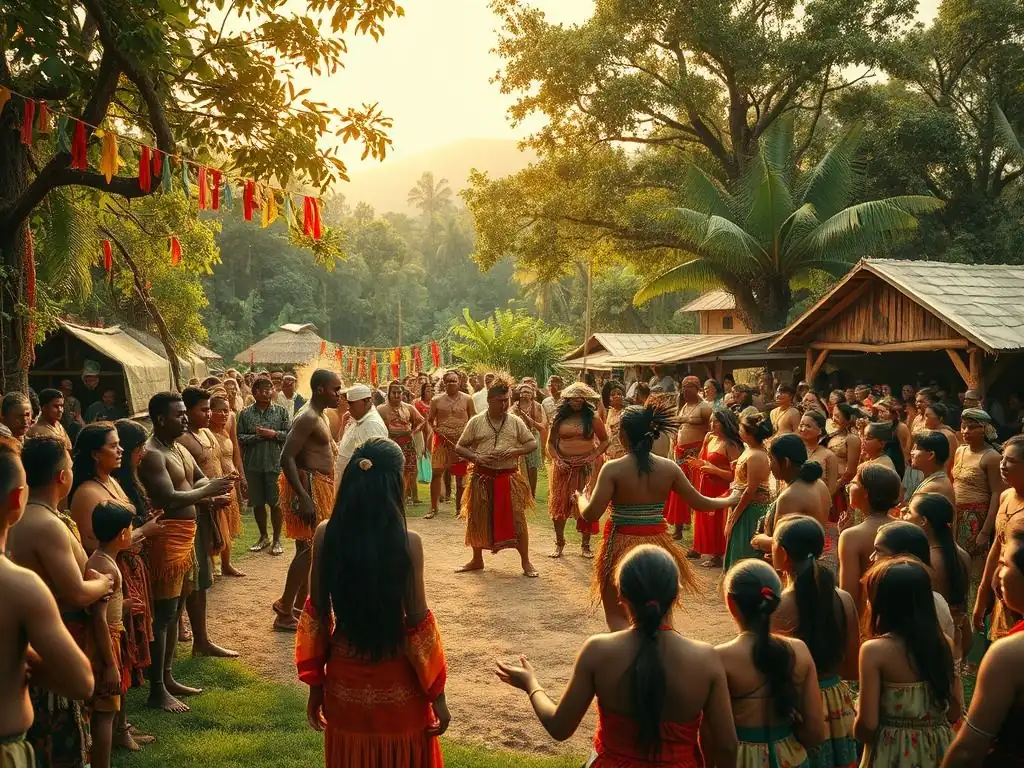
Seasonal Festivals and Agricultural Cycles
Seasonal festivals play a crucial role in the social structures of indigenous communities, often aligning closely with agricultural cycles. These festivals are typically celebrated at key moments in the farming calendar, such as planting, harvesting, and the changing of seasons. For instance, many indigenous cultures in North America, such as the Haudenosaunee, celebrate the Green Corn Festival to give thanks for the growing season and to mark the beginning of the harvest.
These festivals serve multiple functions:
- Cultural Preservation: They are vital for passing down agricultural knowledge and traditional practices to younger generations, ensuring that these vital skills are not lost.
- Community Cohesion: By gathering community members, these festivals reinforce social bonds and collective identity.
- Ritual and Ceremony: They often incorporate rituals that honor deities or spirits associated with agriculture, reflecting the spiritual connection indigenous peoples have with the land.
Through these events, communities reinforce their shared values and beliefs, fostering a sense of belonging and purpose.
Ceremonial Festivals and Spiritual Practices
Ceremonial festivals are deeply intertwined with the spiritual practices of indigenous cultures, serving as significant events that connect the community with their spirituality and cosmology. These festivals often include rituals such as dances, prayers, and offerings, which are intended to honor ancestors, natural elements, and deities.
A notable example is the Peyote Ceremony among the Native American Church, which involves the consumption of peyote as a sacrament in spiritual healing and community prayer. The social functions of these ceremonial festivals include:
- Spiritual Connection: They provide a platform for individuals to connect with the spiritual world, seeking guidance and support.
- Ritualistic Healing: Many festivals include elements of healing, where community members come together to support each other physically and spiritually.
- Cultural Identity: These events reinforce cultural identity by celebrating shared beliefs and practices, which are crucial for the community's continuity.
Ceremonial festivals underscore the importance of spirituality in the social fabric of indigenous life, acting as a conduit for collective memory and identity.
Social festivals are instrumental in fostering community bonding among indigenous groups. These gatherings often celebrate life milestones, such as births, marriages, and coming-of-age ceremonies. They serve as opportunities for community members to reaffirm their relationships, strengthen ties, and create networks of support.
One such festival is the ** powwow**, which is celebrated by various Native American tribes across the United States and Canada. Powwows typically feature dance competitions, music, and communal meals, bringing together tribes and families. The social functions of these festivals include:
- Strengthening Relationships: By participating in shared celebrations, community members solidify their social ties and build new connections.
- Cultural Exchange: These festivals often attract attendees from different communities, facilitating cultural exchange and mutual understanding among diverse groups.
- Celebration of Identity: Social festivals allow indigenous peoples to express and celebrate their cultural identity, reinforcing pride in their heritage.
Through social festivals, indigenous communities cultivate a sense of belonging and resilience, ensuring their traditions and social structures endure through generations.
Case Studies of Prominent Indigenous Festivals
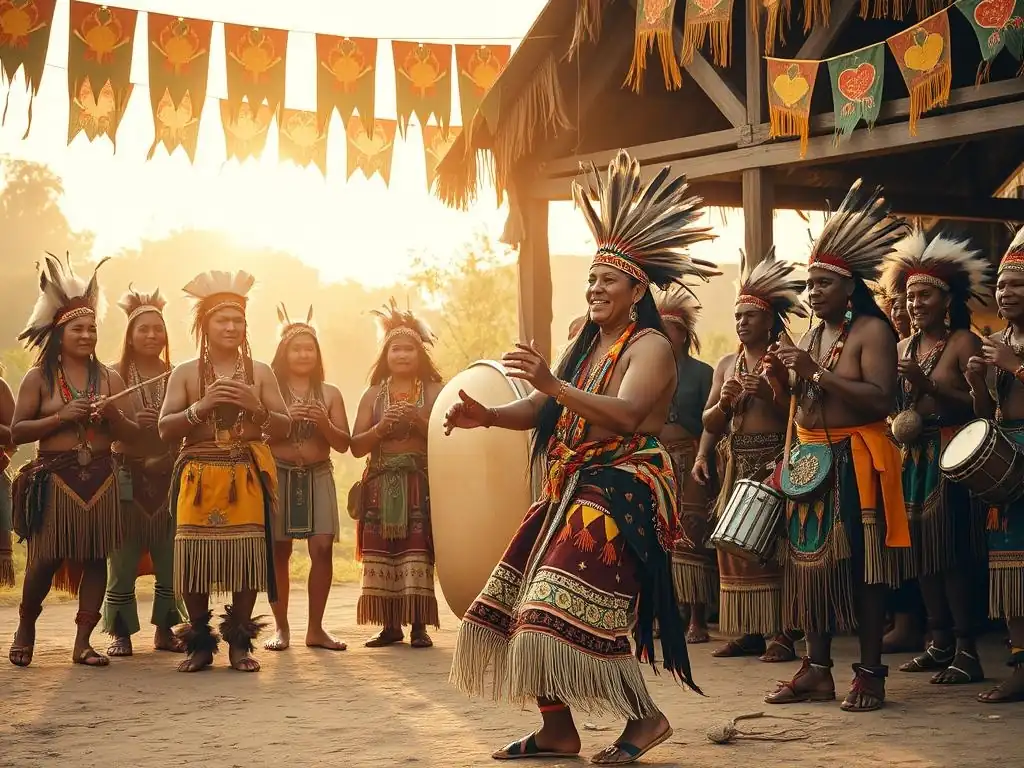
Exploring the various indigenous festivals across the Americas provides crucial insights into the intricate social structures that define these cultures. Each festival not only serves as a celebration but also reinforces communal ties, cultural identity, and the transmission of traditional knowledge. Here, we delve into specific examples, highlighting their social significance and the roles they play within their respective communities.
The Naadam Festival, primarily celebrated by the Mongolian people, is an emblematic representation of indigenous celebrations that emphasize community cohesion and identity. Traditionally held in July, this festival is famous for its "Three Manly Games": wrestling, horse racing, and archery.
- Cultural Heritage: The Naadam Festival is a showcase of Mongolia's rich heritage. It is not merely a series of competitions; it reflects the values of bravery, strength, and skill that are central to Mongolian identity.
- Community Involvement: The festival fosters participation across all age groups. Children learn about their cultural heritage through games and activities, while adults engage in competitions that highlight their physical prowess.
- Social Structures: The Naadam Festival reinforces social hierarchies and roles within the community. Elders often serve as judges and mentors, while the youth are encouraged to participate actively, thus bridging generational gaps and ensuring the transmission of cultural knowledge.
- Economic Impact: Beyond its cultural significance, the festival also has economic implications as it attracts tourists, thereby providing a boost to local businesses and craftsmen.
Powwow: Community Roles and Participation
The Powwow is a vibrant gathering of Native American communities across North America, characterized by dancing, singing, and drumming. These events serve as a crucial platform for cultural expression and community building.
- Social Unity: Powwows are significant social gatherings that bring together various tribes and clans, fostering unity and collaboration among diverse groups. This intertribal engagement helps to strengthen social networks and family ties.
- Roles and Responsibilities: Within the Powwow, each participant has a specific role, whether as a dancer, drummer, or organizer. These roles are often passed down through generations, emphasizing the importance of tradition and continuity.
- Cultural Education: The Powwow serves as an educational experience for younger generations, providing them with opportunities to learn about their cultural practices, language, and history.
- Healing and Resilience: In addition to celebration, Powwows often function as spaces for healing and resilience, allowing communities to come together to address shared challenges and celebrate their cultural survival.
Lessons Learned from Indigenous Festival Practices
The study of indigenous festivals offers valuable lessons that extend beyond cultural appreciation. These festivals encapsulate the essence of community and social structures, providing insights that can be applied to contemporary society.
- Community Engagement: Indigenous festivals highlight the importance of collective participation. Engaging community members in planning and execution fosters a sense of belonging and ownership, which is vital for social cohesion.
- Cultural Preservation: Festivals play a critical role in preserving cultural heritage. By actively participating in these events, younger generations are more likely to engage with and retain their cultural practices, thereby ensuring their continuity.
- Resilience and Adaptation: The ability of indigenous communities to adapt their festivals in response to changing social conditions demonstrates resilience. This adaptability can serve as a model for other communities facing challenges in preserving their cultural identities.
- Interconnectedness: The interconnectedness of cultural practices observed during festivals reinforces the idea that social structures are not static. Instead, they evolve with the community's needs and experiences, reflecting a dynamic relationship between tradition and contemporary life.
The exploration of indigenous festivals reveals the profound role they play in shaping social structures and cultural identities. By examining these practices, we can gain a deeper understanding of the values, beliefs, and histories that continue to influence indigenous communities today.
The Evolution of Indigenous Festivals in Modern Contexts
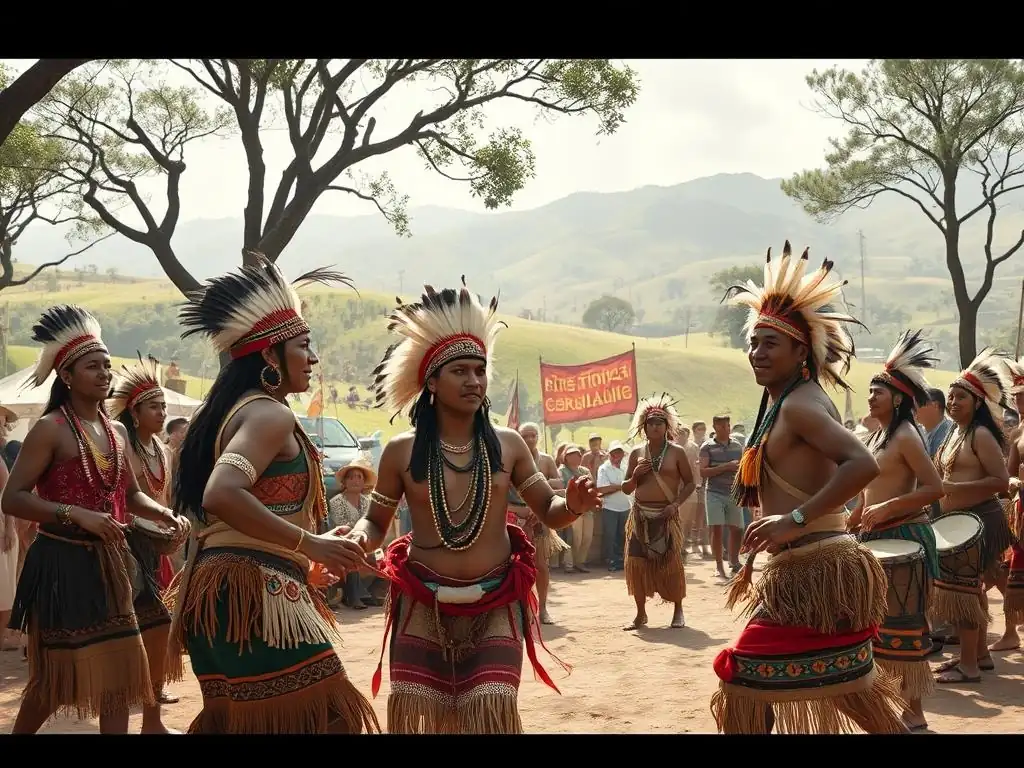
Indigenous festivals have deep roots in the cultural heritage of various communities across the Americas. These celebrations not only serve as a means of expressing identity and tradition but also play a crucial role in the social structures of indigenous peoples. As societies evolve, so too do their festivals, adapting to contemporary realities while striving to preserve their traditional essence.
Maintaining Tradition in a Changing World
The preservation of traditional practices within indigenous festivals is a testament to the resilience of these communities. Many indigenous groups actively engage in cultural preservation efforts that emphasize the importance of festivals in maintaining social cohesion and cultural identity. For instance, the Inti Raymi festival of the Quechua people in Peru, which honors the Sun God, has been celebrated for centuries. In modern contexts, it not only attracts tourists but also reinforces community bonds and educates younger generations about their heritage.
- Key Elements of Tradition:
- Ceremonial Practices: Rituals often incorporate ancient songs, dances, and storytelling that are essential to the festival's authenticity.
- Traditional Attire: Participants often wear indigenous clothing, which reflects their heritage and connects them to their ancestors.
- Community Roles: Elders typically play significant roles in guiding ceremonies, ensuring that cultural knowledge is passed down.
These elements help maintain a sense of belonging and identity, even as external influences pervade daily life.
The Influence of Globalization on Indigenous Festivals
Globalization has brought about significant changes in indigenous festivals, introducing both challenges and opportunities. On one hand, increased interaction with global cultures can lead to the commercialization of traditional practices, often diluting their original meanings. On the other hand, globalization can also provide platforms for indigenous communities to share their cultures with wider audiences, fostering greater understanding and appreciation.
- Challenges:
- Commercialization: Festivals may become commodified, prioritizing profit over cultural significance.
- Cultural Appropriation: There's a risk of traditional practices being misrepresented or exploited by outsiders.
- Opportunities:
- Awareness and Advocacy: Global visibility can lead to advocacy for indigenous rights and preservation efforts.
- Cultural Exchange: Interactions with other cultures can enrich indigenous practices, allowing for new forms of expression and collaboration.
For example, the Day of the Dead celebrations in Mexico have gained global recognition, prompting a blend of traditional and modern elements that cater to both local and international audiences.
Revitalization Efforts and Community Involvement
In response to the challenges posed by modernization and globalization, many indigenous communities are engaging in revitalization efforts to ensure that their festivals remain meaningful and relevant. These initiatives often involve collaboration among various community members, emphasizing grassroots participation.
- Revitalization Strategies:
- Intergenerational Workshops: These workshops encourage elders to share traditional knowledge with younger generations, fostering a sense of pride and continuity.
- Community Planning: Local councils often involve community members in the planning and execution of festivals, ensuring that the events reflect their collective values and aspirations.
- Cultural Education Programs: Schools and community organizations may offer programs that highlight the significance of festivals, instilling a sense of identity among youth.
Moreover, many indigenous festivals now incorporate themes of environmental sustainability and social justice, reflecting contemporary issues while drawing upon traditional teachings. This dual focus not only enhances community engagement but also strengthens the social fabric of indigenous societies.
The evolution of indigenous festivals within modern contexts illustrates the dynamic nature of cultural expression. By balancing tradition with contemporary relevance, these celebrations continue to play a vital role in the social structures of indigenous communities, fostering resilience, identity, and communal ties amidst a changing world.
Challenges Facing Indigenous Festivals Today
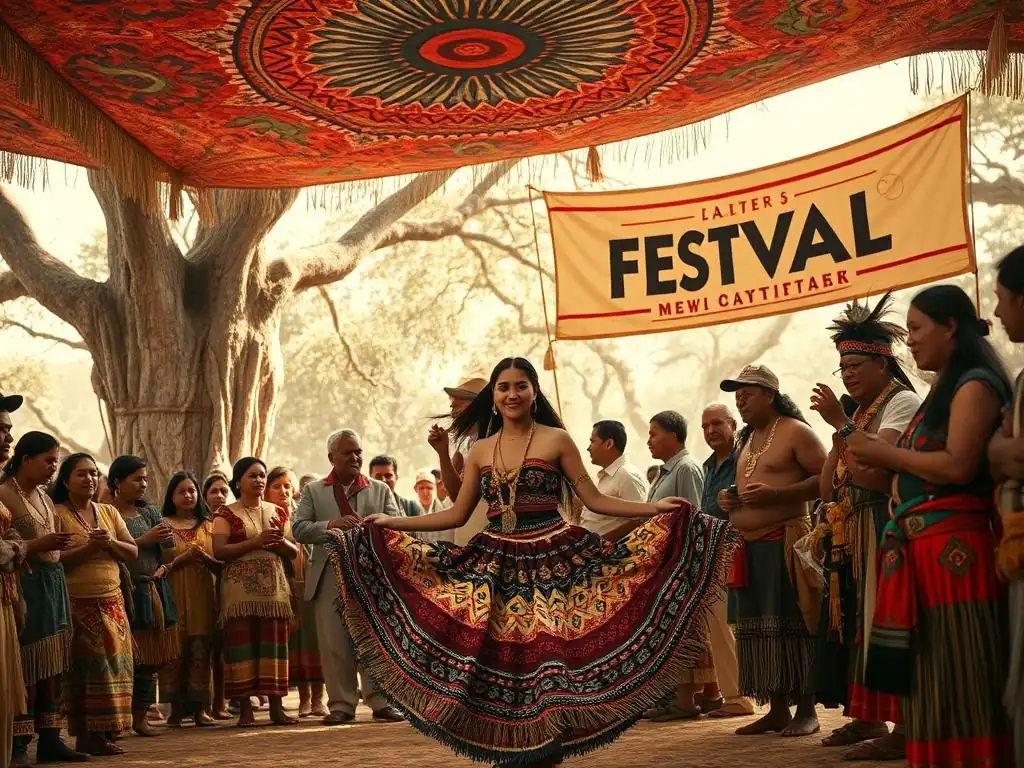
Preservation of Cultural Practices
Indigenous festivals play a crucial role in preserving cultural practices that have been passed down through generations. However, the challenge of maintaining these traditions in the face of modernization and globalization cannot be overlooked. Many indigenous communities face pressure to adapt their festivals to appeal to broader audiences, often leading to the dilution of cultural authenticity.
The preservation of traditional knowledge is vital, as many of these festivals are not just celebrations but are deeply rooted in historical narratives, spiritual beliefs, and social values. For example, the Powwow ceremonies among many Native American tribes serve as a platform for showcasing traditional dances, songs, and crafts. Yet, the increasing influence of commercial interests threatens to overshadow these authentic expressions with more marketable and simplified versions.
To combat this, many communities are actively engaging in cultural revitalization efforts, which include:
- Documentation of rituals and practices: Recording oral histories and traditional knowledge to ensure they are not lost.
- Intergenerational transmission: Involving youth in festival planning and participation to instill a sense of pride and cultural responsibility.
- Community-led initiatives: Empowering local leaders to guide the direction of festivals, ensuring they reflect the true essence of the culture.
Economic and Environmental Factors
Indigenous festivals often rely on a complex interplay of economic and environmental factors that can significantly impact their sustainability. Economic limitations can restrict the ability of communities to organize and participate in these events. Funding for indigenous festivals may come from a variety of sources including grants, donations, and local business sponsorships, but the availability of these resources can be inconsistent.
Moreover, environmental issues such as climate change pose an additional threat. Many festivals are linked to specific seasons and natural cycles, such as harvest festivals or ceremonies celebrating the solstice. Changes in weather patterns can disrupt these cycles, leading to the rescheduling or even cancellation of traditional events. The decline in biodiversity can also affect the availability of materials used in traditional crafts and rituals.
To address these challenges, indigenous communities are:
- Developing sustainable practices: Integrating eco-friendly approaches to festival planning and resource management.
- Building partnerships: Collaborating with environmental organizations to promote awareness about the importance of preserving natural habitats.
- Diversifying funding sources: Exploring new avenues for financial support, including tourism and cultural exchanges, while ensuring that these initiatives align with community values.
The Role of Education in Sustaining Festivals
Education plays a pivotal role in sustaining indigenous festivals and ensuring their relevance for future generations. By incorporating cultural education into school curricula and community programs, younger generations can develop a deeper understanding of their heritage and the significance of these festivals.
Key educational strategies include:
- Cultural workshops: Offering hands-on experiences where participants learn traditional crafts, dances, and storytelling techniques. This not only fosters pride but also helps preserve skills that may otherwise fade.
- Intercommunity exchanges: Facilitating collaborations between different indigenous groups to share knowledge and practices related to festivals. Such exchanges can enrich the cultural tapestry and strengthen communal bonds.
- Promoting awareness: Educating the broader public about the importance of indigenous festivals can help garner support and participation, fostering a sense of respect and appreciation for these rich cultural events.
The challenges facing indigenous festivals today are multifaceted and require a concerted effort from communities, educators, and supporters alike. By focusing on preservation, economic sustainability, and education, indigenous festivals can continue to thrive as vital expressions of cultural identity within their social structures.
Indigenous festivals represent more than mere celebrations; they are profound manifestations of community identity and social cohesion. These events play a crucial role in reinforcing the social structures within indigenous societies, acting as a nexus where traditions are preserved, relationships are strengthened, and cultural knowledge is transmitted across generations.
The legacy of indigenous festivals can be seen in their ability to foster a sense of belonging among community members. By participating in these festivals, individuals not only celebrate their heritage but also affirm their place within the social fabric of their community. This ongoing practice helps to ensure the survival of cultural identities, particularly in a modern world that often seeks to homogenize diverse cultures.
Moreover, these festivals serve as platforms for storytelling, where oral histories and ancestral teachings are shared. This exchange of knowledge is vital for maintaining the cultural continuity that is central to indigenous social structures. Festivals often incorporate traditional music, dance, and art, all of which reflect the unique narratives and values of each community.
The economic impact of indigenous festivals also cannot be overlooked. They attract visitors and promote local artisans, creating opportunities for economic sustainability while simultaneously honoring cultural traditions. This dual role of economic and social enrichment highlights the festivals' importance in contemporary indigenous life.
The Future of Indigenous Festivals and Community Identity
Looking ahead, the future of indigenous festivals is intertwined with the resilience of community identity. As globalization continues to influence cultural practices, indigenous communities are actively working to adapt and innovate their festivals to reflect contemporary realities while maintaining their core values.
- Revitalization of Traditional Practices: Many communities are reviving traditional festivals that may have diminished over time. This revitalization not only honors their ancestors but also attracts younger generations to participate and learn about their heritage.
- Incorporation of Modern Elements: While rooted in tradition, festivals are increasingly incorporating modern elements to resonate with today’s audiences. This can include contemporary music genres, digital storytelling, and social media engagement, which help to broaden their reach and relevance.
- Collaborations and Partnerships: Building partnerships with non-indigenous organizations can enhance the visibility and impact of indigenous festivals. Such collaborations may provide additional resources and platforms for sharing indigenous cultures with a wider audience.
- Focus on Sustainability: Indigenous festivals are also adopting sustainable practices to minimize their environmental impact, ensuring that future generations can continue to celebrate their cultural heritage in a healthy ecosystem.
The intersection of these elements will shape the future of indigenous festivals, reinforcing their role as vital components of community identity and social structure.
Call to Action for Supporting Indigenous Cultural Practices
As we reflect on the importance of indigenous festivals in shaping social structures, it is crucial to recognize the need for support in preserving these cultural practices. Here are some ways individuals and communities can contribute:
- Participate in Festivals: Attend local indigenous festivals to show solidarity and appreciation for the culture. Your presence helps validate the significance of these events and supports the community economically.
- Support Indigenous Artisans: Purchase handmade crafts, foods, and artworks from indigenous creators. This not only provides financial support but also helps to sustain traditional crafts and skills.
- Educate Yourself and Others: Take the time to learn about the history and significance of indigenous festivals. Share this knowledge with friends, family, and your wider community to foster understanding and respect.
- Advocate for Indigenous Rights: Support policies and initiatives that protect indigenous rights and cultural practices. Raising awareness about the challenges faced by indigenous communities can lead to meaningful change.
By engaging with and supporting indigenous cultural practices, we can help ensure that these vibrant traditions continue to thrive and evolve, enriching the social structures and identities of future generations.
Frequently Asked Questions
Indigenous festivals serve as a crucial link between community members, reinforcing cultural identity and collective values while promoting social cohesion.
How do festivals reflect the values of indigenous communities?
Festivals often showcase traditions, rituals, and artistic expressions that embody the beliefs and history of a community, highlighting their unique cultural heritage.
What role do festivals play in the transmission of knowledge?
Through storytelling, music, and dance during festivals, wisdom and traditions are passed down from generation to generation, ensuring the continuity of cultural practices.
How do indigenous festivals contribute to community resilience?
Festivals build social networks and promote collaboration among community members, enhancing their ability to respond to challenges and maintain cultural vitality.
Can participation in indigenous festivals impact community members' well-being?
Yes, engaging in festivals can improve mental health and social connections, fostering a sense of belonging and enhancing overall community well-being.
Final Reflection: Celebrating Heritage Through Indigenous Festivals
Indigenous festivals serve as vital threads in the intricate tapestry of social structures, reminding us that culture is not merely a relic of the past but a living, breathing entity that shapes our present and future. Today, as we navigate a world increasingly disconnected from its roots, the significance of these festivals resonates more than ever, illuminating pathways to understanding and unity within diverse communities.
The impact of indigenous festivals transcends mere celebration; they are powerful expressions of identity, resilience, and continuity. These gatherings foster a sense of belonging and reinforce communal bonds, ensuring that traditions are not lost to time. As we witness a resurgence of interest in indigenous cultures, it becomes clear that these festivals are not just events but essential gatherings that nurture social cohesion. > “Cultural festivals are a reminder of who we are and where we come from, a celebration of our shared humanity.”
As you reflect on the themes presented in this article, consider how you can engage with and support indigenous festivals in your own community. Embrace the opportunity to learn, participate, and celebrate the rich cultural heritage that these events represent. By doing so, you contribute to the preservation of invaluable traditions and help foster a deeper understanding of the diverse social structures that enrich our world. Let us honor the pulse of the community and keep the spirit of these festivals alive for generations to come.
Embrace and Celebrate Indigenous Culture Today!
Thank you for exploring the vital role of festivals in Indigenous social structures. Your engagement with this topic not only deepens your understanding but also honors the rich traditions and connections of Indigenous communities. Now, let’s take meaningful steps to support and celebrate this heritage!
Here are a few actions you can take right away:
- Attend a local Indigenous festival to experience the culture firsthand and connect with community members.
- Share your newfound knowledge with friends and family to spread awareness about the significance of these social gatherings.
- Explore regional traditions by following Indigenous artists and leaders on social media, allowing you to learn about their events and initiatives.
Which festival or tradition are you most eager to learn more about, and in what ways will you share this experience with others?