
The Influence of Geography on Ceremonial Practices in Indigenous Cultures

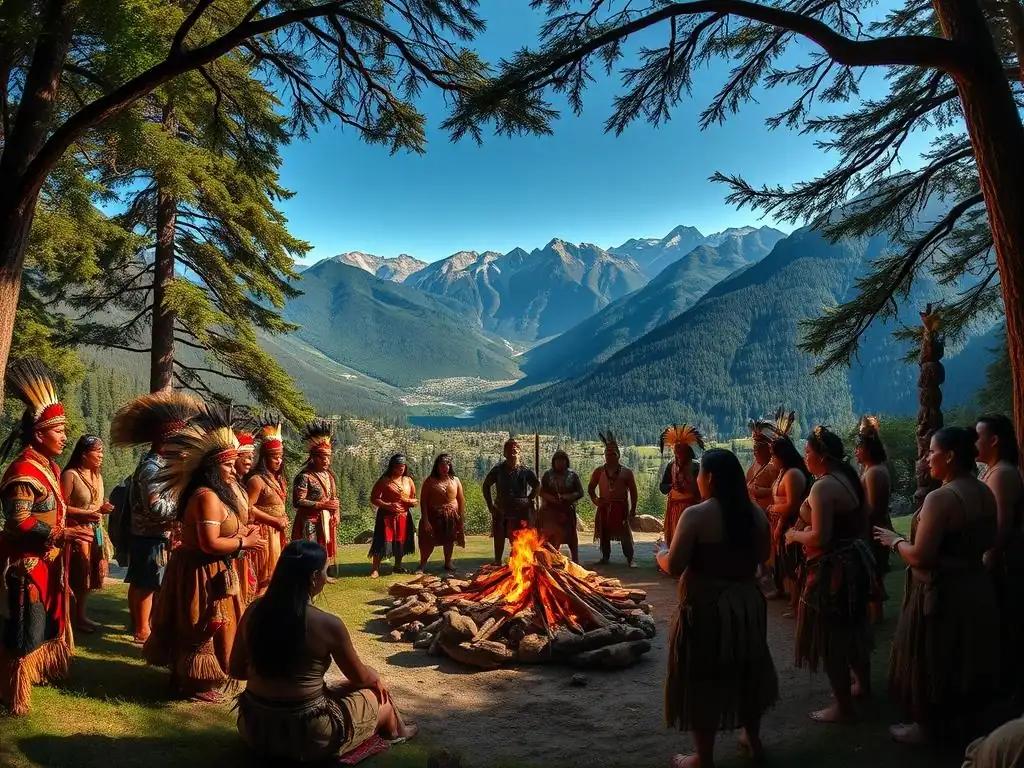
Welcome to Indigenous Civilizations of the Americas, where we invite you to journey through the vibrant tapestry of cultures that flourished long before European contact. In our featured article, "The Influence of Geography on Ceremonial Practices in Indigenous Cultures," we delve into how the diverse landscapes of the Americas shaped the rich ceremonial traditions of indigenous societies. Discover the profound connections between geography and cultural expression, and prepare to be captivated by the legacies that continue to resonate today. Explore with us and unlock the stories of resilience and ingenuity that define these remarkable civilizations!
Introduction to Geography and Indigenous Ceremonial Practices
The intricate relationship between geography and indigenous ceremonial practices is a fascinating area of study that reveals how the environment shapes cultural expressions. Indigenous cultures across the Americas developed unique ceremonial practices deeply rooted in their geographic contexts, reflecting the landscapes, resources, and climates of their regions. This article explores how geography influences these practices, examining the diverse rituals and ceremonies that emerged among various indigenous groups before European colonization. By understanding the role of geography, we can appreciate the complexity and richness of indigenous societies and the lasting impact of their cultural heritage.
Definition of Ceremonial Practices in Indigenous Cultures
Ceremonial practices in indigenous cultures encompass a wide range of rituals and activities that hold spiritual, social, and cultural significance. These practices can include:
- Ritual ceremonies: Events that mark important life stages, such as birth, marriage, and death.
- Seasonal festivals: Celebrations tied to agricultural cycles, seasonal changes, or natural phenomena.
- Religious rites: Activities performed to honor deities, spirits, or ancestors.
- Healing rituals: Practices aimed at restoring health and balance within individuals and communities.
These ceremonies serve as a means of connecting with the spiritual world, reinforcing communal bonds, and passing down traditions through generations.
Importance of Geography in Shaping Cultural Rituals
Geography plays a critical role in shaping ceremonial practices among indigenous cultures. The following factors illustrate this influence:
- Natural resources: The availability of materials such as plants, animals, and minerals often dictates the tools and offerings used in rituals.
- Climate: Seasonal changes impact the timing and nature of ceremonies, influencing agricultural practices and food sources.
- Landscape: Geographic features like mountains, rivers, and forests can hold spiritual significance, often serving as sacred spaces where rituals are performed.
Understanding these geographic influences allows us to see how indigenous peoples adapted their ceremonies to their environments, creating a rich tapestry of cultural practices that reflect their connection to the land.
Geographic Diversity of Indigenous Cultures
Overview of Indigenous Cultures Across the Americas
Indigenous cultures across the Americas are incredibly diverse, with hundreds of distinct groups each possessing unique languages, traditions, and ceremonial practices. From the Arctic regions to the southern tip of South America, these cultures have developed in response to their specific geographic contexts. Here’s a brief overview of some prominent indigenous cultures:
- Northeast Woodlands: Tribes such as the Iroquois and Algonquin thrived in forested regions, using wood for tools and ceremonial objects.
- Great Plains: The Lakota and Cheyenne relied on the bison for sustenance and spiritual rituals, often emphasizing the connection to the vast grasslands.
- Southwest: The Pueblo peoples built adobe dwellings and performed rituals centered around agriculture and water conservation in arid landscapes.
Each of these cultures illustrates the profound influence of geography on their ceremonial practices.
Regional Differences in Geography and Their Cultural Impacts
The geographic diversity of the Americas has led to significant regional differences in ceremonial practices. Some key points to consider include:
- Coastal vs. Inland: Coastal tribes, such as the Tlingit and Haida, often incorporated marine resources and seafaring themes into their rituals, while inland tribes focused on terrestrial resources and land-based ceremonies.
- Climate Variations: In the arctic regions, indigenous groups like the Inuit developed ceremonies that reflect their reliance on hunting and ice, contrasting with the agricultural festivals of Mesoamerican cultures, such as the Maya and Aztecs, which revolve around the harvest cycle.
- Sacred Landscapes: Certain geographic features, like the Black Hills for the Lakota or the Sacred Lake of Tenochtitlan for the Aztecs, are integral to the spiritual beliefs and practices of these cultures, shaping the way ceremonies are designed and conducted.
By examining these regional differences, we gain insight into how geography not only shapes but also enriches the ceremonial practices of indigenous cultures across the Americas.
Relationship Between Geography and Ceremonial Practices
Geography plays a pivotal role in shaping the ceremonial practices of indigenous cultures across the Americas. The environment influences not only the materials available for rituals but also the themes and narratives embedded within them. Ceremonies often reflect a community's relationship with their land, resources, and climate. For instance, agricultural societies may hold ceremonies related to planting and harvest cycles, while nomadic groups might celebrate seasonal migrations. The diverse landscapes—from mountains and forests to deserts and coastlines—have led to a rich tapestry of rituals that are deeply interconnected with the geographical context of each culture.
In many indigenous belief systems, the land is considered sacred, and elements of nature are personified or revered. This spiritual connection often manifests in ceremonial practices that honor the earth, water, and sky. As such, geography is not merely a backdrop; it is a dynamic participant in the cultural expressions of indigenous peoples. Understanding this relationship offers insights into the broader social structures, values, and worldviews of various communities.
How Natural Features Influence Ceremonial Rituals
Natural features, such as rivers, mountains, and forests, directly influence the content and execution of ceremonial rituals in indigenous cultures. For instance, water bodies are often viewed as sources of life and purification, leading to ceremonies that involve baptism or offerings to water spirits. Similarly, mountains may be seen as sacred places that provide spiritual connection and guidance, prompting rituals that include ascents or offerings at mountain peaks.
The flora and fauna of an area also contribute to the symbolic elements of rituals. For example, specific plants might be used in smoke ceremonies for purification or healing, while animals may be central to hunting rituals or depicted in art associated with spiritual practices. Furthermore, seasonal changes dictated by geographical location often dictate the timing and nature of ceremonies, such as solstice celebrations or harvest festivals, which are critical for maintaining community cohesion and cultural continuity.
Case Studies of Indigenous Ceremonial Practices Influenced by Geography
The Role of Geography in the Ceremonies of the Plains Indigenous Peoples
The expansive grasslands of the Great Plains have profoundly shaped the ceremonial practices of indigenous tribes such as the Lakota and Cheyenne. These communities often conducted rituals centered around the buffalo, which was not only a vital source of sustenance but also held spiritual significance. The annual buffalo hunt was accompanied by elaborate ceremonies designed to honor the animal and ensure a successful hunt.
The geography of the plains, with its open spaces and migratory patterns, also facilitated communal gatherings, such as powwows, where various tribes would come together to celebrate their cultures through dance, music, and storytelling. The connection to the land is evident in the songs and dances that reflect the rhythms of the seasons and the movement of the buffalo herds, illustrating a harmonious relationship between people and their environment.
Coastal Indigenous Cultures and Their Maritime Ceremonies
Coastal indigenous cultures, such as the Haida and Tlingit, have developed rich ceremonial practices deeply tied to the ocean and marine resources. The geography of the Pacific Northwest, with its abundant fish, shellfish, and other marine life, has influenced rituals that celebrate the bounty of the sea. Ceremonies often include the construction of totem poles, which serve not only as artistic expressions but also as symbols of clan lineage and stories related to the ocean.
Maritime ceremonies may involve offerings to the spirits of the sea, songs to invoke favorable weather for fishing, and rituals marking significant events like the first catch of the season. The geographic features of coastlines, such as tides and currents, also dictate the timing and nature of these ceremonies, emphasizing the intimate relationship between coastal peoples and their maritime environment.
Desert Indigenous Groups and Unique Rituals Shaped by Arid Landscapes
In the arid landscapes of the American Southwest, indigenous groups such as the Navajo and Hopi have developed unique ceremonial practices that reflect their environment. The scarcity of water and harsh climate conditions have led to rituals centered around rain, fertility, and agricultural cycles. For example, the Navajo hold various ceremonies to invoke rain, essential for sustaining their crops and livestock.
The geography of the desert also influences the materials used in rituals; clay, sand, and stone are common elements in ceremonial art and practices. The Hopi, known for their kachina dances, integrate the symbolism of the desert into their ceremonies, with kachinas representing various natural elements and ancestral spirits. Through these rituals, desert indigenous groups express their resilience and deep connection to their challenging yet beautiful environment, showcasing the profound impact of geography on their cultural practices.
The Impact of Climate on Ceremonial Practices
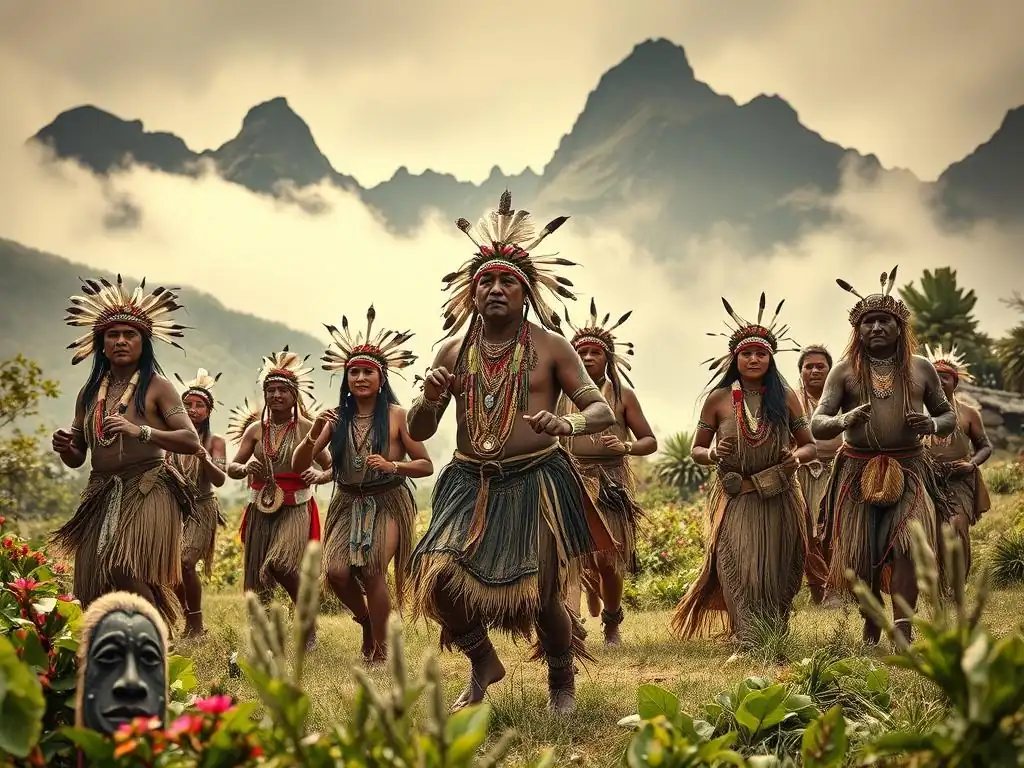
The relationship between climate and ceremonial practices in Indigenous cultures is profound and multifaceted. Indigenous groups across the Americas have developed unique ceremonial traditions that are deeply intertwined with their specific environmental contexts. Climate influences not only the timing and nature of rituals but also the materials and resources available for ceremonial activities. For instance, in regions with distinct seasonal variations, ceremonies often align with agricultural cycles, such as planting and harvesting, reflecting the community's reliance on the land for sustenance.
Seasonal Changes and Their Influence on Ritual Timing
Seasonal changes play a critical role in determining when and how rituals are performed. For many Indigenous cultures, certain times of the year are designated for specific ceremonies that correspond to agricultural events, weather patterns, or phases of natural life.
For example, the Pueblo peoples of the Southwestern United States conduct ceremonies like the Soyal during the winter solstice to invoke the return of the sun, while the Kachina ceremonies occur in the spring to celebrate the rain and fertility of the earth. These rituals not only honor the cycles of nature but also serve to strengthen community bonds as members come together in shared purpose and intent.
Adaptation of Ceremonial Practices to Local Climate Conditions
Indigenous groups have adapted their ceremonial practices to align with local climate conditions, reflecting their intimate knowledge of the environment. For instance, coastal Indigenous cultures often incorporate elements of the sea and marine life into their ceremonies, while those in arid regions may focus on drought resilience and water conservation in their rituals. The materials used in ceremonies—such as plants, animals, and minerals—are often sourced from the immediate environment, making the practices highly specific to the local geography. This adaptation not only maintains the relevance of the rituals but also reinforces the connection between the community and its land.
Preservation of Ceremonial Practices in Relation to Geography
The preservation of ceremonial practices is closely linked to geographic factors, including the availability of traditional lands and resources. As Indigenous communities navigate the complex interplay of modernity and tradition, the geographical context remains a central element in how these practices are maintained and adapted over time.
The Role of Geography in the Continuation of Ceremonial Traditions
Geography plays a vital role in the continuation of ceremonial traditions among Indigenous cultures. Communities that maintain access to their ancestral lands often have a stronger foundation for preserving their cultural practices. The landscapes that hold significant spiritual meaning, such as sacred mountains, rivers, and forests, are integral to the ceremonies performed there.
For example, the Maasai people of East Africa conduct rituals in relation to their cattle, which are central to their identity and livelihood, while the Ojibwe of the Great Lakes region engage in seasonal ceremonies linked to fishing, which is a key resource for their sustenance. Geographic continuity ensures that these practices remain vibrant and relevant within the community.
Modern Challenges to Indigenous Ceremonial Practices Due to Geographic Changes
Despite the resilience of Indigenous ceremonial practices, modern geographic changes pose significant challenges. Urbanization, climate change, and land displacement have disrupted access to traditional lands and resources, which in turn affects the ability to perform ceremonies. Additionally, environmental degradation can lead to the loss of culturally significant flora and fauna that are essential for rituals.
For instance, rising temperatures and altered precipitation patterns may affect agricultural cycles, leading to a misalignment between ceremonial timing and seasonal changes. Indigenous communities are increasingly finding ways to adapt to these challenges, often through advocacy and collaboration aimed at safeguarding their cultural heritage while addressing the impacts of geographic change.
Conclusion: The Interconnection of Geography and Indigenous Ceremonial Practices
The relationship between geography and indigenous ceremonial practices is profound and multifaceted. Throughout history, the diverse landscapes of the Americas have shaped the spiritual and cultural expressions of various indigenous communities.
From the sacred mountains of the Andes to the lush forests of the Pacific Northwest, geography has not only influenced the materials and resources available for rituals but has also played a pivotal role in shaping the beliefs, values, and social structures of these cultures. As we conclude this exploration, it becomes evident that understanding the intricate connections between geography and ceremonial practices is essential for appreciating the depth and richness of indigenous cultures.
Summary of Key Points on Geography and Its Influence
- Resource Availability: The geographical features of a region dictate the types of materials available for ceremonial use, such as plants, stones, and animal remains. For example, communities in arid regions may rely on cacti and desert flora, while those near rivers might utilize aquatic resources.
- Cultural Symbolism: Natural landscapes often hold symbolic significance in indigenous beliefs. Mountains, rivers, and forests can represent deities, ancestors, or the interconnectedness of life, guiding the themes and purposes of various ceremonies.
- Environmental Challenges: Geography also influences the ceremonies that emerge in response to environmental conditions. For instance, communities in areas prone to drought may engage in specific rituals to invoke rain, highlighting their dependence on the climate.
- Social Structure and Mobility: The geographical layout of a region affects the social organization of indigenous peoples, including their mobility and settlement patterns. This, in turn, influences how and where ceremonial practices develop, often leading to the establishment of significant ceremonial sites.
- Cultural Exchange: Geography facilitates or hinders interactions between different ethnic groups. Trade routes and natural barriers have historically impacted the diffusion of ceremonial practices, leading to a rich tapestry of shared and unique traditions across regions.
The Importance of Understanding Geographic Context in Indigenous Ceremonies
Grasping the geographic context of indigenous ceremonial practices is crucial for several reasons. Firstly, it fosters a deeper appreciation of the cultural significance behind rituals. By recognizing how the environment shapes spiritual beliefs and practices, one can better understand the values and traditions that define these communities.
Secondly, this awareness helps to highlight the resilience of indigenous cultures in adapting their ceremonial practices to changing environments. As climate change and modernization challenge traditional ways of life, understanding the historical interplay of geography and culture can provide insights into the adaptive strategies these communities employ.
Lastly, acknowledging the geographic influences on indigenous ceremonies promotes respect and recognition of indigenous knowledge systems. It encourages a more nuanced dialogue about the importance of preserving cultural heritage and protecting the natural environments that sustain these practices. By embracing this understanding, we honor the complex legacy of indigenous civilizations and their enduring connection to the land.
- Introduction to Geography and Indigenous Ceremonial Practices
- Geographic Diversity of Indigenous Cultures
- Relationship Between Geography and Ceremonial Practices
- Case Studies of Indigenous Ceremonial Practices Influenced by Geography
- The Impact of Climate on Ceremonial Practices
- Preservation of Ceremonial Practices in Relation to Geography
- Conclusion: The Interconnection of Geography and Indigenous Ceremonial Practices
- What role does geography play in indigenous ceremonial practices?
- How did environmental factors affect indigenous ceremonies?
- Can you give examples of ceremonial practices tied to specific geographies?
- How did these practices evolve after European colonization?
- Why is it important to study the connection between geography and indigenous cultures?
Frequently Asked Questions
What role does geography play in indigenous ceremonial practices?
Geography significantly shapes ceremonial practices by influencing resource availability, spiritual beliefs, and cultural expressions unique to each region.
How did environmental factors affect indigenous ceremonies?
Environmental factors such as climate, topography, and natural resources directly impacted the timing, location, and rituals of ceremonies, reflecting the relationship between people and their land.
Can you give examples of ceremonial practices tied to specific geographies?
Yes, for instance, the Pueblo peoples of the Southwest conduct rain dances to invoke moisture in arid regions, while the Inca celebrated harvest festivals in the fertile highlands of the Andes.
How did these practices evolve after European colonization?
After European colonization, many indigenous ceremonial practices adapted or were suppressed, but efforts to revitalize and preserve these traditions continue as part of cultural rejuvenation.
Why is it important to study the connection between geography and indigenous cultures?
Understanding the connection between geography and ceremonial practices helps us appreciate the diversity and resilience of indigenous cultures, highlighting their profound link to the land and environment.
Final Reflection: The Interwoven Tapestry of Geography and Indigenous Ceremonial Practices
The intricate relationship between geography and indigenous ceremonial practices is more relevant today than ever, as we navigate a world increasingly disconnected from its natural roots. The ways in which the land shapes cultural expressions, rituals, and community bonds remind us of the profound impact our environment has on our identities. In a time when globalization threatens to homogenize diverse cultures, understanding these connections becomes crucial in preserving the rich tapestry of indigenous traditions.
The influence of geography on ceremonial practices is not merely a historical observation; it continues to resonate in contemporary society. As we witness the resurgence of indigenous voices and the reclamation of cultural practices, we recognize the importance of place in these expressions. The land is not just a backdrop but a living entity that informs and enriches these ceremonies. To know the land is to know ourselves,
a sentiment echoed by many indigenous leaders, emphasizes the deep bond between people and their environment, reminding us that our cultural heritage is rooted in the very soil we tread upon.
As you reflect on the insights shared in this article, consider how you can honor and engage with the geography around you in your own life. Take a moment to explore the traditions of your local indigenous communities, learn about their ceremonial practices, and recognize the significance of the land in shaping their stories. By fostering a deeper connection with the environment and the cultures that thrive within it, we can contribute to a more inclusive and respectful understanding of the diverse narratives that enrich our shared human experience.
Embrace the Richness of Indigenous Practices!
Thank you for exploring the profound influence of geography on the ceremonial practices of indigenous cultures! You've gained valuable insights into how the land shapes traditions and beliefs. Now, it's time to take those insights and put them into action.
Here are some simple ways you can connect with and honor these incredible cultures:
- Engage with your local community: Reach out to indigenous groups in your area and participate in cultural events or workshops to experience these traditions firsthand.
- Share your knowledge: Discuss this article with friends and family to spread awareness about the importance of geography in shaping ceremonial practices.
- Explore indigenous literature: Discover and read works by indigenous authors that offer deeper insights into their cultural practices, encouraging a broader understanding.
How can you integrate the lessons learned from these geographical influences into your own understanding of cultural traditions? Let's start the conversation!