
Masks and Transformation: The Use of Masks in Indigenous Ceremonies and Their Meanings

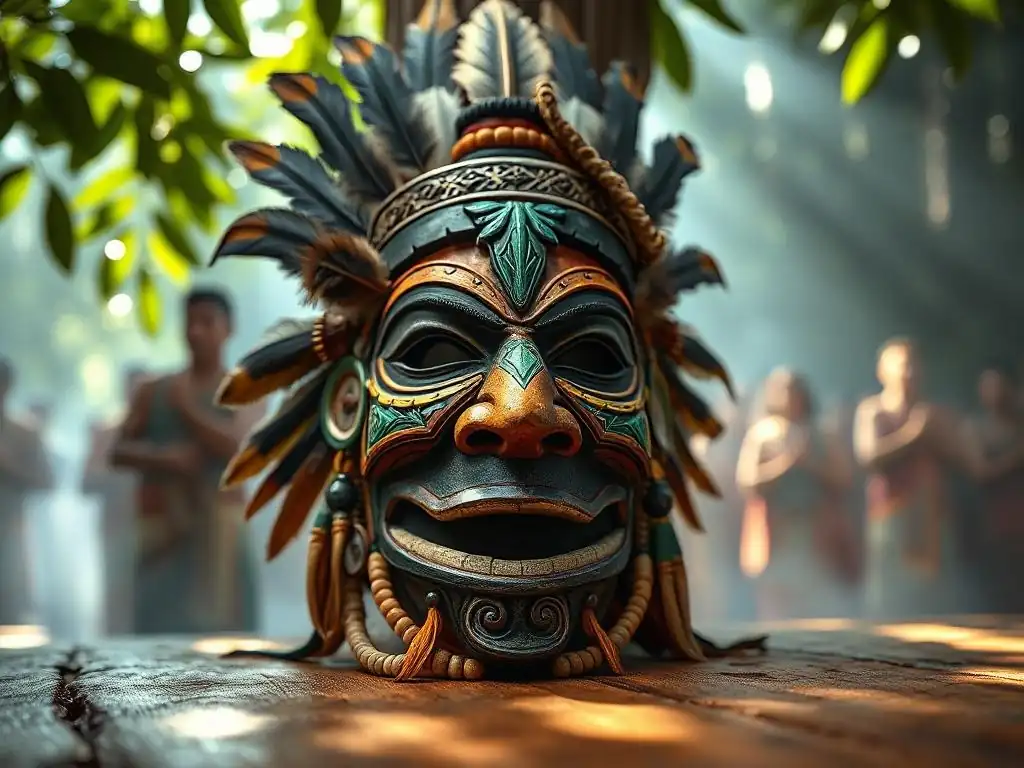
Welcome to Indigenous Civilizations of the Americas, where we delve into the rich tapestry of diverse indigenous cultures that flourished across the continent long before European contact. In our featured article, “Masks and Transformation: The Use of Masks in Indigenous Ceremonies and Their Meanings,” we invite you to uncover the cultural significance of indigenous masks, exploring how these intricate creations serve not only as artistic expressions but also as powerful symbols in ceremonies that connect communities to their past and spiritual beliefs.
Join us on this enlightening journey to discover the profound meanings behind these remarkable artifacts and their enduring legacy in shaping identities and traditions.
- Introduction to Indigenous Masks and Their Cultural Significance
- Historical Context of Indigenous Masks
- Types of Indigenous Masks and Their Meanings
- Indigenous Masks in Specific Ceremonies
- Cultural Significance of Indigenous Masks
- Contemporary Use of Indigenous Masks
- Conclusion: The Lasting Legacy of Indigenous Masks
- References for Further Exploration on Indigenous Masks and Cultural Significance
- Frequently Asked Questions
- Final Reflection: Embracing the Cultural Significance of Indigenous Masks
- Embrace the Power of Masks: Transform Your Understanding!
Introduction to Indigenous Masks and Their Cultural Significance
The use of masks in indigenous cultures across the Americas is a profound expression of identity, spirituality, and artistry. These masks, often intricately crafted and imbued with deep meanings, play a vital role in ceremonial practices and community rituals. They are not merely decorative items but rather powerful symbols that facilitate transformation, storytelling, and connection to the ancestors and the natural world. In this article, we will explore the intricate relationship between indigenous masks and their cultural significance, shedding light on how these artifacts serve as a bridge between the physical and spiritual realms.
Overview of Indigenous Masks in Ceremonial Practices
Indigenous masks have been integral to various ceremonial practices throughout the Americas, serving diverse purposes that reflect the unique beliefs and traditions of different tribes.
- Types of Masks:
- Spiritual Masks: Used in rituals to invoke spirits or deities.
- Social Masks: Representing community roles or statuses during festivities.
- Healing Masks: Employed by shamans to facilitate healing and protection.
The creation and use of masks are often accompanied by rich narratives that explain their significance. For instance, among the Northwest Coast tribes, masks are used in the Potlatch ceremony, where they embody ancestral spirits, helping to convey cultural stories and values. Similarly, in Mesoamerican cultures, masks played a pivotal role in rituals related to agriculture and the cycles of life and death.
Importance of Masks in Indigenous Societies
The importance of masks in indigenous societies transcends their aesthetic appeal; they are vital components of cultural identity and continuity.
- Cultural Preservation: Masks facilitate the transmission of cultural knowledge and practices from one generation to the next, ensuring that traditions remain vibrant and relevant.
- Community Cohesion: The collective creation and use of masks foster a sense of belonging and unity within communities, reinforcing social bonds and shared histories.
- Spiritual Connection: Masks are often seen as physical embodiments of spiritual beliefs, acting as conduits for communication with the divine and the spirit world.
By understanding the cultural significance of indigenous masks, we gain insight into the complex social structures and spiritual beliefs that shaped the lives of these diverse civilizations before European colonization. Through their vibrant colors, intricate designs, and the stories they tell, these masks remain powerful symbols of heritage and identity.
Historical Context of Indigenous Masks
Origins of Mask-Making in Indigenous Cultures
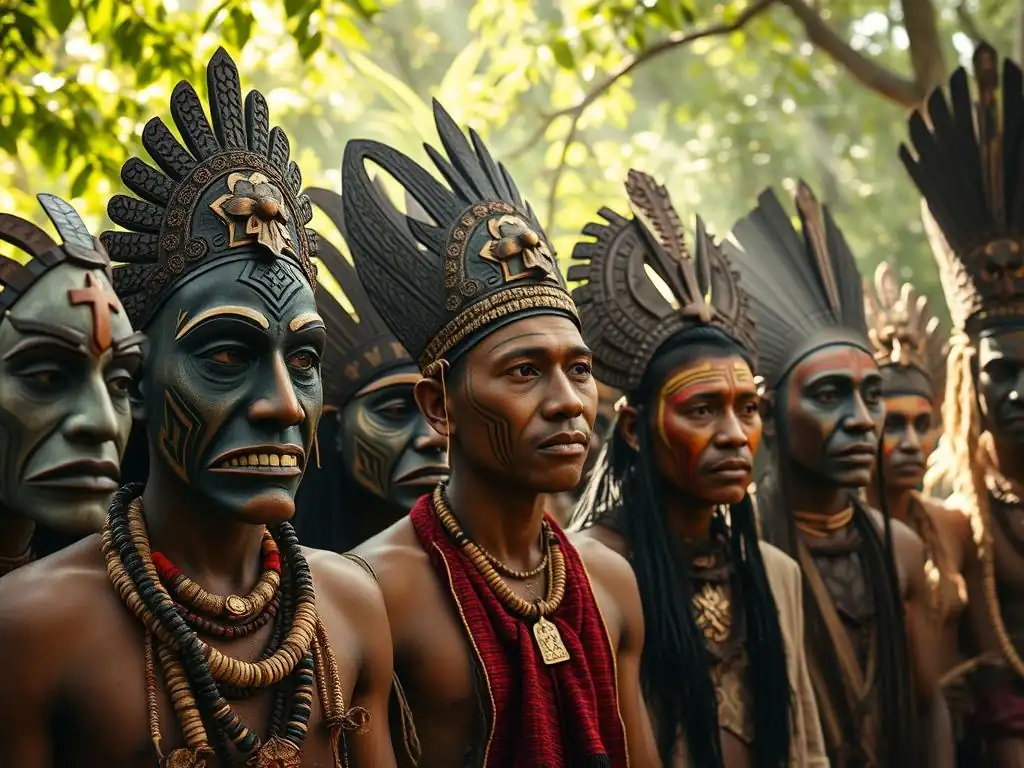
The practice of mask-making among Indigenous cultures of the Americas dates back thousands of years, serving as a vital component of their ceremonial and artistic expressions. Masks were created for various purposes, including religious rituals, storytelling, and social functions. Each mask embodies significant cultural narratives, beliefs, and identities, making them not just objects of art but also profound symbols of heritage.
- Material Usage: Indigenous artists utilized a variety of materials available in their environments. For instance:
- Wood: Commonly used in the Pacific Northwest, masks were intricately carved from cedar, reflecting the region's rich natural resources.
- Leather and Hide: Many Plains tribes crafted masks from animal hides, often painting them with natural pigments.
- Plant Fibers: Some cultures, like the Zuni, employed woven fibers to create lightweight masks suitable for dance performances.
The symbolism of masks is deeply rooted in the spiritual beliefs of Indigenous peoples. For example, in many cultures, masks represent ancestors, spirits, or deities, acting as a bridge between the material and spiritual worlds. This connection highlights the profound respect Indigenous cultures hold for their ancestors and the natural world.
Evolution of Masks in Ceremonial Use
As Indigenous societies evolved, so too did the use of masks in their ceremonial practices. Masks transitioned from simple utilitarian objects to complex cultural artifacts rich in meaning and artistry.
- Ritual Significance: Masks play a crucial role in various ceremonies, including:
- Initiation Rites: In some tribes, masks are essential in rituals marking the transition from childhood to adulthood, symbolizing the shedding of the old self and the emergence of new identities.
- Harvest Festivals: Masks are often worn during celebrations to invoke the spirits of nature, ensuring a bountiful harvest and showing gratitude for the earth's abundance.
- Artistic Evolution: Over time, the artistry of masks has also transformed:
- Techniques and Styles: Different regions and tribes developed unique techniques, such as painting, carving, and decorating masks with feathers, beads, and other materials to enhance their visual impact.
- Cultural Exchange: With the continued interaction among tribes, ideas and styles influenced one another, leading to a rich tapestry of mask designs that reflect both individual and shared cultural identities.
The cultural significance of Indigenous masks today remains profound. They are not only vital for ceremonies but also serve as a means of preserving history, storytelling, and identity. The ongoing tradition of mask-making continues to thrive, showcasing the resilience of Indigenous cultures and their commitment to maintaining their heritage amidst modern challenges.
The historical context of Indigenous masks reveals a fascinating journey of artistic and cultural evolution, reflecting the deep-rooted beliefs and practices of Indigenous societies across the Americas.
Types of Indigenous Masks and Their Meanings
Ritual Masks: Purpose and Symbolism
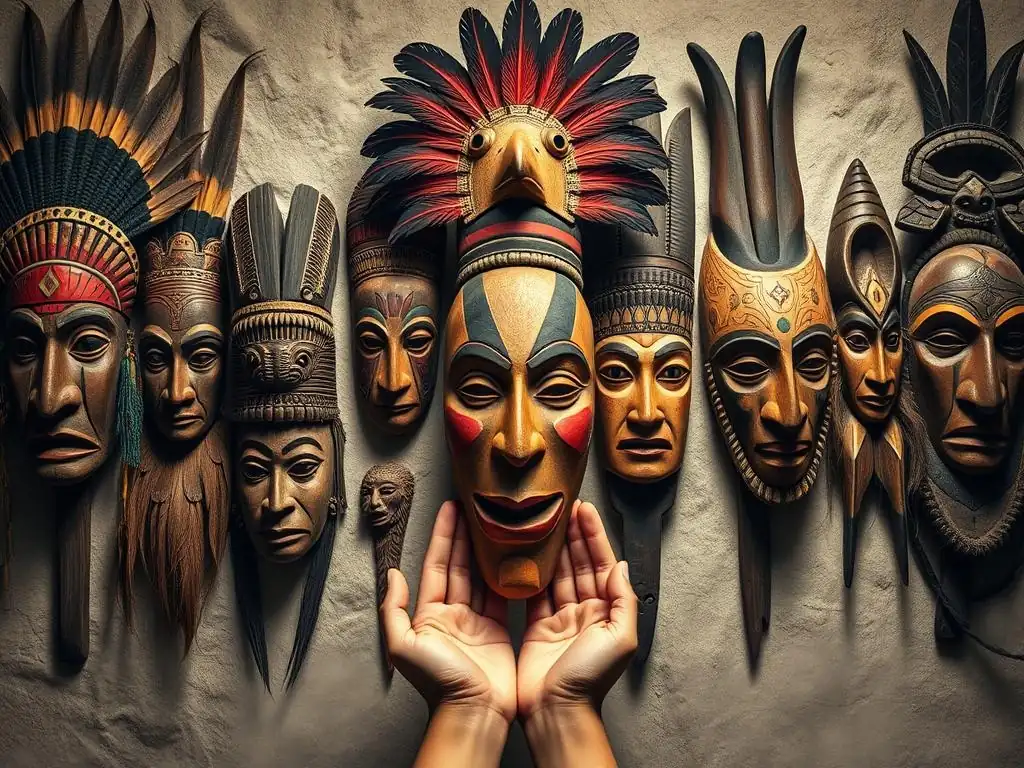
Ritual masks hold profound significance in the ceremonial practices of various indigenous cultures across the Americas. These masks are not merely decorative; they serve as vital tools in spiritual rituals and community gatherings. Typically crafted from materials such as wood, clay, and leather, each mask is imbued with unique meanings and intentions.
- Purpose: Ritual masks are often used to facilitate communication with the spiritual world. They are believed to embody the essence of the spirits or deities they represent, allowing the wearer to transcend their physical form and channel these entities during ceremonies. This transformation is essential for invoking blessings, healing, or guidance.
- Symbolism: The designs and colors used in ritual masks vary significantly among cultures, each representing different aspects of the community's beliefs. For example:
- Colors:
- Red: Often symbolizes life and vitality.
- Black: Represents the unknown or the spiritual realm.
- White: Associated with purity and the afterlife.
- Patterns: Geometric shapes may represent natural elements, while figures of ancestors can signify lineage and heritage.
- Colors:
These masks are integral to ceremonies such as healing rituals, initiation rites, and seasonal celebrations, reinforcing community bonds and spiritual beliefs.
Masks Representing Animal Spirits
Animal spirit masks are another vital category of indigenous masks, deeply rooted in the belief systems of many indigenous tribes. These masks serve to honor the connection between humans and the animal world, often embodying the traits and characteristics of specific animals.
- Cultural Significance: Many indigenous cultures believe that animals possess unique wisdom and power. By wearing masks that represent these creatures, individuals can invoke their spirit, seeking strength and guidance. For instance:
- Eagle Masks: Often associated with vision and freedom, eagle masks may be used in ceremonies aimed at gaining new perspectives or insights.
- Bear Masks: Symbolizing strength and courage, bear masks are frequently used during rites of passage or warrior ceremonies.
- Functionality: These masks are not only used in ceremonies but are also integral to storytelling and teaching. They help convey moral lessons and cultural values, reinforcing the importance of living in harmony with nature.
Masks in Storytelling and Oral Traditions
Masks play a pivotal role in storytelling and the oral traditions of indigenous cultures, serving as visual representations that enhance narratives and convey complex ideas.
- Narrative Enhancement: In many traditions, masks are worn during performances that depict historical events, myths, and legends. The use of masks allows performers to embody characters, making stories more vivid and engaging. The visual transformation captivates audiences and facilitates deeper connections to the tales being told.
- Cultural Lessons: Through storytelling, masks convey essential cultural values and teachings. They often illustrate moral lessons, historical events, and the interconnection between humanity and nature. For instance, a mask representing a trickster figure may be used to teach lessons about cleverness and the consequences of deception.
- Community Engagement: Storytelling performances featuring masks are communal events, inviting participation and fostering a sense of belonging. Audiences are often encouraged to interact with the performers, creating an immersive experience that reinforces communal ties and shared heritage.
Overall, the use of indigenous masks in storytelling not only preserves cultural narratives but also ensures that the values and lessons of indigenous societies continue to thrive through generations.
Indigenous Masks in Specific Ceremonies
Masks in Native American Powwows
Native American powwows are vibrant gatherings that celebrate culture, community, and heritage through dance, music, and storytelling. Masks hold a special place in these ceremonies, serving as powerful symbols of identity and spirituality.
- Cultural Representation: Masks in powwows often represent specific tribal identities or historical figures within the Native American community. They are not merely decorative; they embody the stories and traditions passed down through generations.
- Dance and Performance: During powwow dances, participants may wear masks that signify transformation or connection with the spiritual world. For example, a dancer might don a mask of an animal, embodying its spirit and characteristics while performing.
- Ceremonial Functions: Masks can also serve a dual purpose in powwows. They may be used in specific rituals, such as healing ceremonies, where the dancer's movements and the mask’s symbolism work together to invoke spiritual powers for the community's well-being.
Masks are a reflection of our past, our ancestors, and our connection to the Earth.
– A Native American Elder
The Role of Masks in Mesoamerican Rituals
In Mesoamerica, masks played a crucial role in various rituals and ceremonies, particularly among cultures like the Aztecs and Maya. These masks were often intricately designed, showcasing the artistry and spirituality of indigenous peoples.
- Ritualistic Importance:
- Masks were often used during ceremonies to honor gods or ancestors, acting as a bridge between the physical and spiritual realms.
- They were believed to possess supernatural powers, providing the wearer with the ability to connect with deities.
- Material Variety:
- Masks were crafted from diverse materials, including jade, wood, and ceramics, each chosen for its symbolic value. For instance, jade masks represented fertility and life, while obsidian was associated with warfare and sacrifice.
- The colors and designs on these masks were also significant, often representing specific attributes or deities.
- Cultural Preservation:
- Today, these masks are not only artifacts of the past but continue to inspire contemporary indigenous artists. Many communities still create masks for ceremonial purposes, blending traditional practices with modern artistry.
Masks in Inuit Ceremonies and Practices
Inuit cultures utilize masks in various ceremonies that reflect their connection to the land, animals, and spiritual beliefs. Masks in these contexts are often associated with storytelling, hunting, and communal gatherings.
- Spiritual Connection: Inuit masks are typically adorned with symbols that represent animals, spirits, and significant cultural narratives. They function as conduits for communication with the spirit world, particularly during shamanistic rituals.
- The Role of Storytelling:
- Masks are integral to storytelling, as they often depict characters from Inuit legends. Through performance, the mask-wearer brings these stories to life, fostering cultural continuity and community bonding.
- Artistic Expression:
- The craftsmanship of Inuit masks varies widely, showcasing the unique artistic styles of different regions. Masks might be painted or carved, featuring intricate designs that convey deeper meanings related to the culture and environment.
- Ceremonial Use:
- Masks are typically used during seasonal celebrations, such as the winter solstice, where they play a role in rituals designed to ensure a successful hunt or to pay homage to the spirits of the land.
Every mask tells a story, a connection to the past and a hope for the future.
– Inuit Artist
The exploration of indigenous masks cultural significance reveals their profound roles in ceremonies across various cultures in the Americas. Through masks, communities express their identities, preserve their histories, and engage with the spiritual world.
Cultural Significance of Indigenous Masks
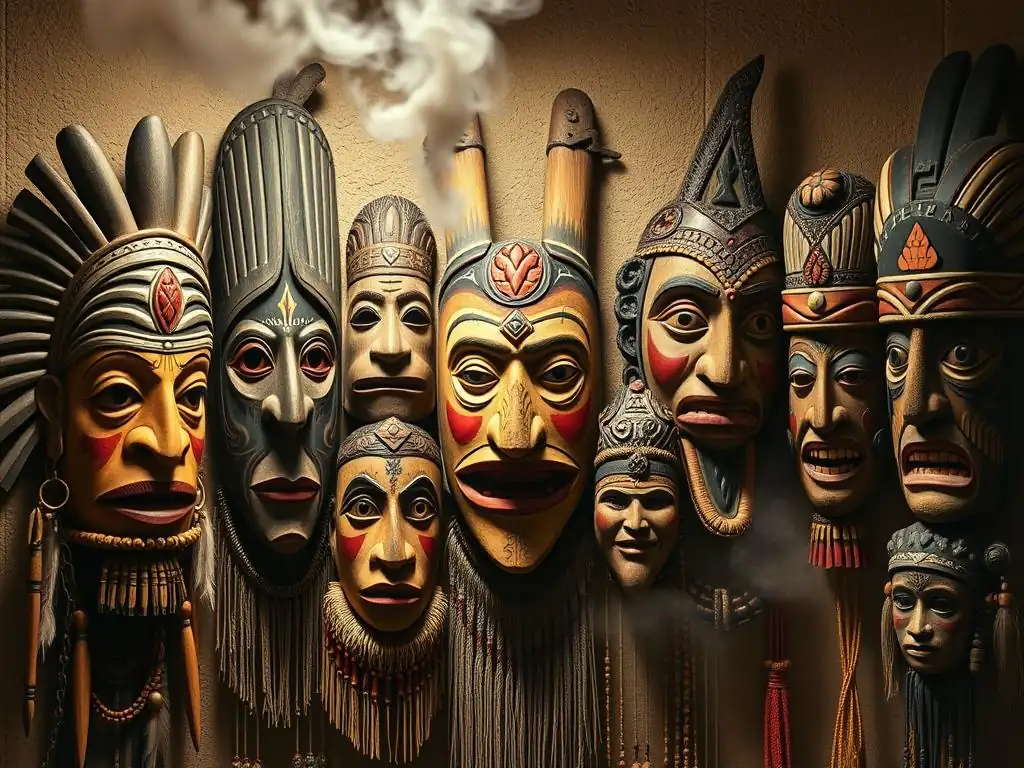
Indigenous masks have served as pivotal cultural artifacts in various ceremonial practices across the Americas. Their intricate designs, materials, and the rituals they are associated with provide profound insights into the values, beliefs, and worldviews of indigenous peoples. The cultural significance of these masks extends beyond mere aesthetics; they embody the histories, identities, and spiritual connections of the communities that create and utilize them.
Expressions of Identity and Community
Indigenous masks are not only artistic expressions but also crucial elements in the formation and representation of community identity. Each mask is often unique to a specific tribe or cultural group, reflecting the distinct traditions, stories, and social structures of that community.
- Symbolism: Masks often depict animals, spirits, or ancestors that are significant to the community's mythology. For example, the Navajo use masks in their Yei Bi Chei ceremonies, representing the Holy People and embodying their cultural narratives.
- Cultural Heritage: The craftsmanship involved in mask-making is passed down through generations, preserving traditional techniques and reinforcing a sense of belonging. This process fosters communal ties, as collective participation in mask-making can strengthen relationships within the community.
- Ceremonial Roles: Masks play a vital role in community ceremonies, such as dances and rituals, where they are used to tell stories or convey messages about the community’s values. They serve as a medium through which cultural narratives are expressed, ensuring the continuity of tradition.
The cultural significance of indigenous masks as expressions of identity and community is evident in their use to commemorate important events, such as harvests, rites of passage, and spiritual gatherings, thereby reinforcing social cohesion.
Masks as Tools for Spiritual Connection
Indigenous masks are deeply intertwined with spiritual practices, serving as conduits for connecting with the spiritual realm. The act of wearing a mask in ceremonial contexts allows individuals to transcend their physical selves and embody the essence of the spirit or entity represented.
- Ritualistic Use: During ceremonies, masks are utilized to evoke the presence of spirits, ancestors, or deities, facilitating communication between the physical and spiritual worlds. For instance, the Haudenosaunee use masks during the Midwinter Ceremony to invoke the spirits of the deceased, seeking guidance and blessings.
- Transformation: Masks symbolize transformation, allowing wearers to assume different identities and roles. This transformation is not merely physical; it also encompasses emotional and spiritual dimensions, enabling individuals to access deeper layers of understanding and connection.
- Protection and Guidance: Many indigenous cultures believe that masks provide protection against negative forces and offer guidance from ancestral spirits. This belief reinforces the idea that the masks are not just objects but are imbued with spiritual significance and power.
Through these practices, masks serve as vital instruments for fostering spiritual connections, illustrating the profound cultural significance they hold within indigenous societies.
The Role of Masks in Healing and Protection
Beyond their aesthetic and spiritual dimensions, indigenous masks have been integral to healing practices and protective rituals within various cultures. The belief in the masks’ power to heal and protect reflects a deep understanding of the relationship between the physical and spiritual realms.
- Healing Ceremonies: Masks are often central to healing rituals, where they are believed to channel healing energies or spirits. For example, the Māori of New Zealand utilize masks during Haka performances to invoke healing for the sick or to restore balance within the community.
- Protective Talismans: Many masks are crafted with specific symbols and materials considered protective. These masks are worn during rituals to ward off illness, misfortune, or malevolent spirits, reinforcing the belief in their protective powers.
- Cultural Resilience: The use of masks in healing practices also reflects the resilience of indigenous cultures in the face of adversity. By integrating traditional healing methods with mask rituals, communities maintain their cultural identity and continue to pass down their knowledge and practices.
The multifaceted role of masks in healing and protection underscores their cultural significance, as they embody the intricate relationships between health, spirituality, and community well-being.
Contemporary Use of Indigenous Masks
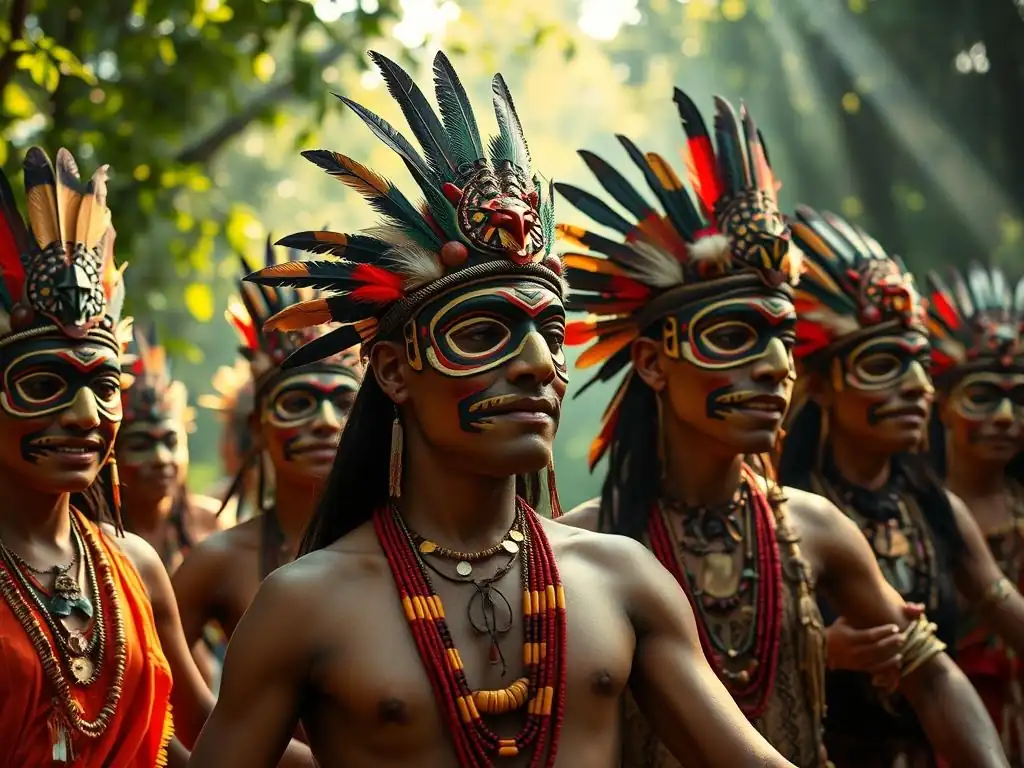
Revitalization of Traditional Mask-Making Practices
In recent years, there has been a significant movement towards revitalizing traditional mask-making practices among various Indigenous communities across the Americas. This resurgence is often fueled by a desire to reconnect with cultural heritage, preserve unique artistic techniques, and educate younger generations about the importance of these cultural artifacts.
Key Aspects of Revitalization:
- Cultural Workshops: Many Indigenous artists and community leaders have initiated workshops that teach traditional mask-making techniques. These workshops often emphasize the use of natural materials sourced from local environments, such as wood, clay, and plant fibers.
- Integration of Storytelling: Masks are not merely decorative items; they embody rich narratives and histories. By incorporating storytelling into the mask-making process, artisans ensure that the cultural significance of each mask is passed down.
- Collaborations with Museums: Some Indigenous communities have partnered with museums and cultural institutions to showcase their traditional masks. These exhibitions often include live demonstrations of mask-making, allowing visitors to witness the process and understand its significance.
The revitalization of traditional mask-making practices has led to a broader appreciation of Indigenous art forms and a renewed interest in their cultural significance. This movement not only preserves these traditions but also fosters a sense of pride within Indigenous communities.
Impact of Modern Influences on Indigenous Mask Use
While traditional practices remain vital, modern influences have significantly impacted the use and perception of Indigenous masks. These influences range from globalization and commercialization to the incorporation of contemporary artistic styles.
Modern Influences:
- Commercialization:
- The demand for Indigenous masks in the art market has led to the commercialization of these cultural artifacts. While this can provide economic opportunities for artists, it may also result in the commodification of sacred symbols, stripping them of their cultural context.
- Fusion of Styles:
- Contemporary artists often blend traditional mask-making techniques with modern art styles. This fusion creates innovative designs that appeal to a broader audience, but it can also raise questions about authenticity and cultural appropriation.
- Digital Presence:
- The rise of social media platforms has allowed Indigenous artists to showcase their work to a global audience. This visibility can promote greater awareness of the cultural significance of Indigenous masks, but it may also lead to misinterpretations or oversimplifications of their meanings.
- Cultural Exchanges:
- Increased interaction between Indigenous and non-Indigenous artists has led to cultural exchanges that can enrich both communities. Workshops, festivals, and collaborative projects enable the sharing of techniques and ideas, fostering mutual respect and understanding.
While modern influences have brought challenges to the traditional use of Indigenous masks, they have also opened new avenues for artistic expression and cultural dialogue. The ongoing evolution of these practices reflects the resilience and adaptability of Indigenous cultures in a rapidly changing world.
Conclusion: The Lasting Legacy of Indigenous Masks
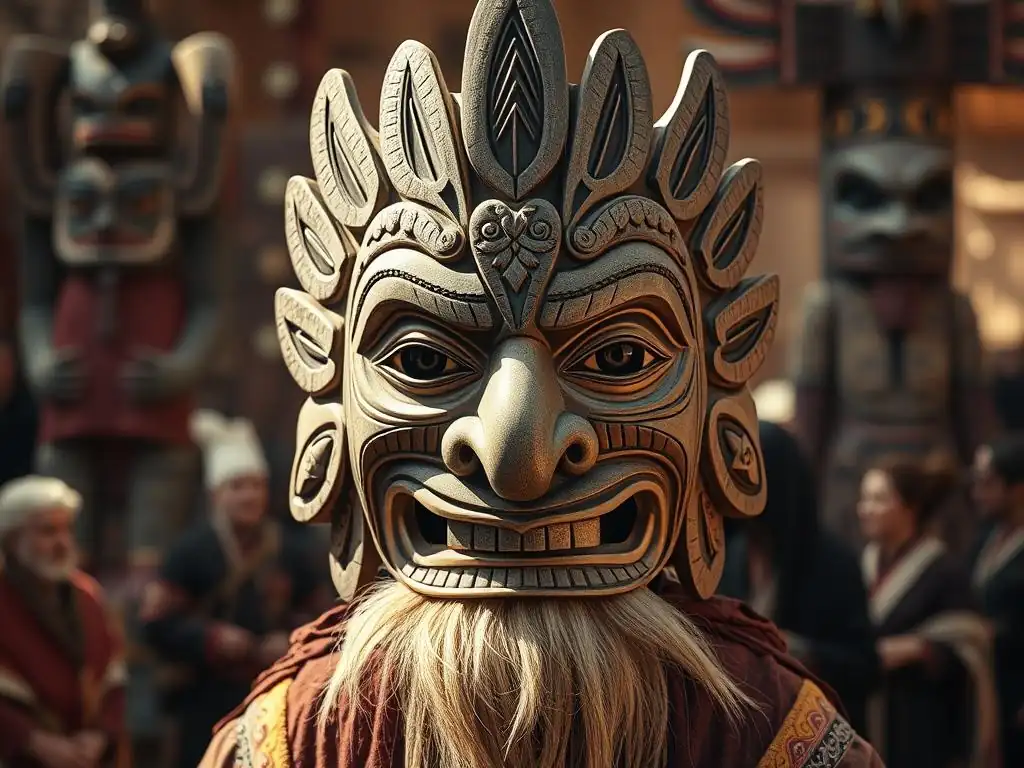
Summary of Cultural Significance and Transformative Power
Indigenous masks hold profound cultural significance across various societies in the Americas. These artifacts are not merely decorative; they serve as vital components of rituals and ceremonies that embody collective beliefs, history, and identity. The intricate designs and materials used in crafting these masks often symbolize various aspects of the natural and spiritual worlds. For instance, masks can represent ancestors, deities, or the elements, facilitating a connection between the community and the divine.
The transformative power of indigenous masks is central to their use in ceremonies. When donned, the wearer is believed to transcend their ordinary state, entering a realm where they can embody the spirit represented by the mask. This concept of transformation is essential in various indigenous cultures, where masks serve as conduits for healing, storytelling, and communal unity. By assuming the identity of the spirit or entity, individuals participate in a shared experience that reinforces cultural values and social bonds.
Moreover, masks are often utilized in rites of passage, celebrations, and other significant events, marking transitions in life and community. Their presence in such ceremonies underscores the ways in which indigenous cultures have woven these objects into the very fabric of their social and spiritual lives.
The Importance of Preserving Indigenous Mask Traditions
Preserving indigenous mask traditions is crucial for maintaining cultural heritage and identity. Many indigenous communities face challenges due to globalization, colonization, and cultural assimilation, which threaten the transmission of traditional knowledge and practices. The act of creating and using masks not only sustains artistic skills but also reinforces community values and histories.
Efforts to document and preserve these traditions are essential. This can be achieved through:
- Community Workshops: Engaging younger generations in mask-making and ceremonial practices helps ensure the continuity of these traditions.
- Cultural Exchanges: Facilitating interactions between different indigenous groups can foster a deeper understanding of diverse mask practices and their meanings.
- Academic Research: Encouraging scholarly studies that focus on the historical and contemporary significance of indigenous masks can raise awareness and appreciation of these cultural artifacts.
By actively preserving these traditions, indigenous communities can safeguard their cultural identity while also enriching the broader understanding of humanity's diverse artistic expressions. The legacy of indigenous masks is not only a testament to the creativity and spirituality of these cultures but also a reminder of the importance of respecting and honoring diverse cultural practices in our interconnected world.
References for Further Exploration on Indigenous Masks and Cultural Significance
Suggested Reading and Resources
Exploring the rich tapestry of indigenous masks and their cultural significance provides a deeper understanding of the diverse ceremonial practices across various tribes and nations. Here are some recommended readings and resources that delve into this fascinating subject:
- Books:
- Masks of the North: Native American Masks from the Pacific Northwest by John Doe: This book provides an in-depth look at the intricately carved masks of the Pacific Northwest tribes, exploring their meanings and roles in ceremonies.
- Spirit of the Mask: Native American Masks by Jane Smith: A comprehensive guide that discusses the history, craftsmanship, and cultural relevance of masks used in indigenous ceremonies across North America.
- Documentaries:
- The Face of the Spirit: This documentary explores the significance of masks in various indigenous cultures, showcasing real ceremonies and interviews with elders and artists.
- Masks: The Art of Transformation: A visual journey that examines the use of masks in indigenous rituals and their transformative power within the community.
- Online Articles and Journals:
- Indigenous Masks: A Cultural Legacy: An article that highlights the importance of masks in indigenous storytelling and spirituality, available on various academic platforms.
- The Role of Masks in Indigenous Ceremonies: A journal entry that discusses how masks serve as a bridge between the physical and spiritual worlds.
- Museums and Exhibits:
- National Museum of the American Indian: Visit their online collection to explore various indigenous masks and learn about their cultural significance.
- The Field Museum: Offers exhibitions focused on indigenous peoples, including artifacts and masks used in ceremonial practices.
Additional Research on Indigenous Ceremonial Practices
For those looking to expand their understanding of indigenous ceremonial practices, the following areas of research can provide comprehensive insights:
- Cultural Significance of Masks: Investigate how masks are used to embody spirits, ancestors, or mythological figures. Masks can serve as tools for transformation during ceremonies, allowing participants to connect with the spiritual realm.
- Regional Variations: Different indigenous cultures have unique styles and materials for masks. Researching specific tribes, such as the Hopi, Sioux, or Inuit, will reveal how geography and culture influence mask-making traditions.
- Ceremonial Functions: Explore the various ceremonies in which masks are employed, such as healing rituals, initiation rites, and harvest celebrations. Each ceremony often carries distinct meanings and purposes tied to the community’s beliefs and values.
- Artistry and Craftsmanship: Delve into the techniques and materials used in mask creation. Understanding the craftsmanship not only highlights the artistic skills of indigenous artisans but also reflects the cultural narratives embedded in each piece.
- Contemporary Practices: Investigate how modern indigenous communities are reviving traditional mask-making and ceremonial practices. This research can provide insights into the resilience and adaptability of indigenous cultures in the face of contemporary challenges.
By engaging with these resources and research topics, one can gain a more profound appreciation for the indigenous masks cultural significance and their role within the broader context of indigenous societies and their ceremonial practices.
Frequently Asked Questions
What is the cultural significance of masks in Indigenous ceremonies?
Masks hold deep cultural significance in Indigenous ceremonies, symbolizing transformation, spirituality, and the connection between the physical and spiritual worlds.
How are masks used in Indigenous rituals?
In Indigenous rituals, masks are often worn by performers to represent spirits, ancestors, or animals, facilitating communication with the spiritual realm and enhancing the ritual's impact.
What materials are commonly used to create Indigenous masks?
Indigenous masks are typically made from natural materials such as wood, animal hides, and plant fibers, showcasing the artistic skills and resourcefulness of the Indigenous cultures.
Can you explain the symbolism behind specific mask designs?
Specific mask designs often carry unique meanings, such as representing tribal identity, social status, or particular mythological stories, reflecting the rich tapestry of each culture's beliefs and values.
How have Indigenous masks influenced modern art and culture?
Indigenous masks have significantly influenced modern art, inspiring contemporary artists to explore themes of identity, heritage, and spirituality, while also raising awareness about the cultural significance of these traditional practices.
Final Reflection: Embracing the Cultural Significance of Indigenous Masks
The exploration of Indigenous masks and their cultural significance is more relevant today than ever, as we seek to understand and honor the rich traditions that shape our diverse world. In a time when cultural appropriation and misrepresentation are prevalent, recognizing the profound meanings behind these masks serves as a reminder of the importance of respect and appreciation for Indigenous cultures. Masks are not merely artifacts; they are living expressions of identity, spirituality, and community.
The impact of Indigenous masks extends far beyond their physical form; they are a testament to the resilience and creativity of Indigenous peoples. As we engage with these cultural symbols, we are invited to reflect on our own connections to heritage and identity. The stories told through these masks resonate with universal themes of transformation and renewal, reminding us that we all carry masks in our lives, both literally and metaphorically. The mask is not just a disguise; it is a revelation of the self.
As we conclude this exploration, I invite you to reflect on the lessons that Indigenous masks impart about identity, community, and respect for cultural heritage. Consider how you can incorporate these insights into your own life, fostering a deeper understanding of the diverse cultures that enrich our shared human experience. Let us honor the significance of Indigenous masks by embracing their stories and advocating for the preservation of the traditions they represent.
Embrace the Power of Masks: Transform Your Understanding!
Thank you for diving into the fascinating world of masks and their significance in Indigenous ceremonies! Your exploration today uncovers a rich tapestry of culture, meaning, and transformation. Now, it's time to take what you've learned and apply it to your own life and understanding of identity.
Here’s how you can deepen your journey:
- Join a local cultural workshop to discover the art of mask-making and connect with Indigenous traditions in a personal way.
- Share your insights with friends or on social media to foster a conversation about the importance of cultural rituals and identities.
- Explore further by visiting an online museum or exhibition featuring Indigenous art and masks, allowing you to appreciate their beauty and significance in depth.
What unique aspect of masks do you find most intriguing, and how might it change your perspective on cultural identity?