
Musical Traditions of the Inca: What Ancient Instruments Reveal

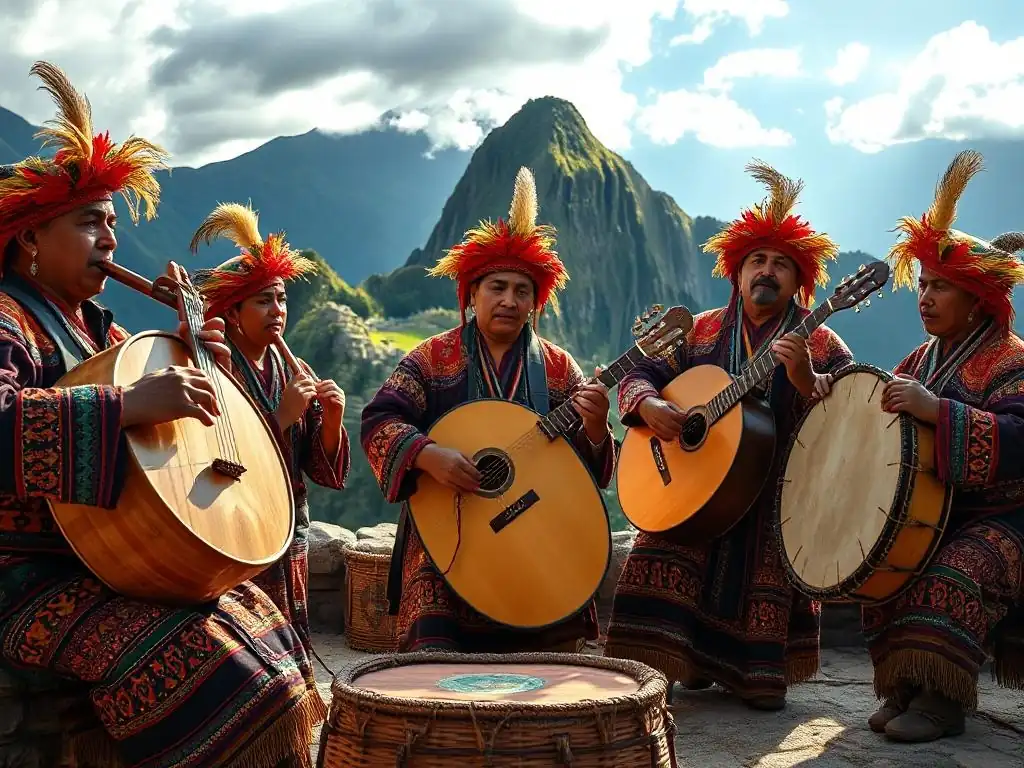
Welcome to Indigenous Civilizations of the Americas, where we invite you to embark on a fascinating journey through the rich tapestry of indigenous cultures that flourished long before European contact. In our latest article, "Musical Traditions of the Inca: What Ancient Instruments Reveal," we delve into the enchanting world of Inca musical traditions and instruments.
Discover how these melodies not only shaped their society but also left an indelible mark on the cultural landscape of the Americas. Join us as we unravel the stories behind the sounds, and prepare to be captivated by the legacies that continue to resonate today!
- Introduction to Inca Musical Traditions and Instruments
- Historical Background of Inca Musical Traditions
- Key Instruments in Inca Musical Traditions
- The Role of Music in Inca Daily Life
- Preservation of Inca Musical Traditions
- Conclusion: The Enduring Legacy of Inca Musical Traditions and Instruments
- Frequently Asked Questions
- Final Reflection: The Resonance of Inca Musical Traditions
- Unveil the Rich Tapestry of Inca Music!
Introduction to Inca Musical Traditions and Instruments
The Inca civilization, flourishing in the highlands of Peru from the early 15th century until the Spanish conquest in the 16th century, is renowned not only for its impressive architectural achievements and sophisticated agricultural techniques but also for its rich musical traditions. Understanding Inca musical traditions and instruments is crucial to appreciating the broader cultural landscape of this remarkable society.
Music was interwoven with daily life, rituals, and ceremonies, serving as a powerful medium for communication, storytelling, and spiritual expression. This article delves into the diverse musical traditions of the Inca, exploring the instruments they used and the cultural significance of music within their society.
Overview of Inca Civilization and Its Cultural Context
The Inca Empire, known as Tawantinsuyu, was an extensive network of communities stretching across modern-day Peru, Ecuador, Bolivia, and parts of Chile and Argentina. At its height, it was the largest empire in pre-Columbian America, characterized by advanced agricultural practices, an extensive road system, and remarkable architectural feats like Machu Picchu. The Inca society was highly organized, with a clear social hierarchy and a rich tapestry of religious and cultural practices.
Inca music was influenced by the diverse ethnic groups within the empire, each contributing unique sounds and traditions. The Incas utilized various musical instruments made from materials readily available in their environment, such as wood, bone, and ceramics. Some notable instruments included:
- Pan flutes (siku): Made from reeds, these instruments produced harmonious melodies essential for celebrations and rituals.
- Drums (bombo): Crafted from animal skins, drums played a pivotal role in ceremonial music and dances.
- Wind instruments (pututu): Often used in military contexts, these conch shell trumpets signaled important events and announcements.
This rich musical heritage was a vital aspect of Inca identity and cohesion, reflecting the values and beliefs of their society.
Importance of Music in Inca Society
Music held a significant place in Inca society, serving multiple purposes that extended beyond mere entertainment. It was integral to various aspects of life, including:
- Rituals and Ceremonies: Music accompanied religious ceremonies and festivals, reinforcing community bonds and spiritual connections. Instruments played during these events were believed to invoke the presence of deities.
- Cultural Transmission: Through songs and music, the Incas passed down oral histories, traditions, and values from one generation to the next, preserving their cultural identity in an ever-changing world.
- Social Cohesion: Music fostered a sense of belonging among community members, as collective participation in musical activities strengthened social ties and reinforced shared identities.
The Inca musical traditions and instruments thus served as a vital expression of their culture, facilitating spiritual, social, and historical connections that continue to resonate in Andean communities today.
Historical Background of Inca Musical Traditions
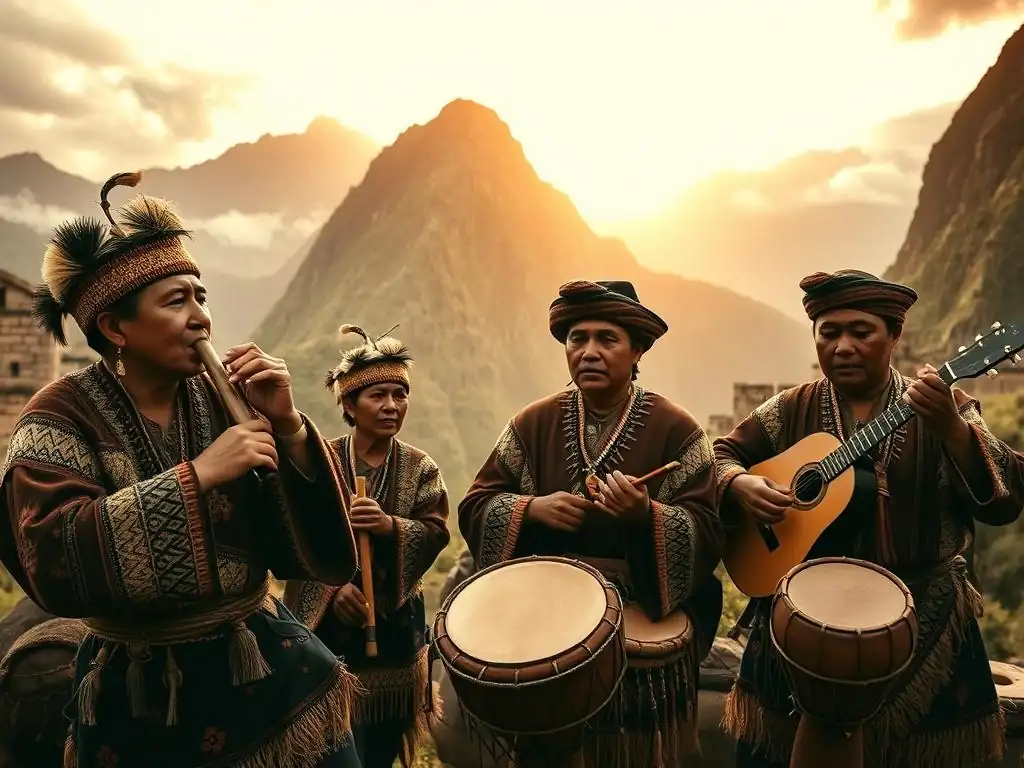
Origins of Inca Music and Instruments
The origins of Inca musical traditions are deeply rooted in the rich cultural tapestry of the Andean region. The Inca civilization, which flourished from the early 15th century until the Spanish conquest in the 16th century, developed a sophisticated musical system that integrated indigenous elements and local instruments.
The Inca musical heritage can be traced back to earlier Andean cultures, such as the Moche and Nazca, who utilized music in various aspects of daily life, including agricultural rituals, social gatherings, and religious ceremonies. As the Inca Empire expanded, they assimilated these diverse musical influences, enriching their own traditions and creating a complex soundscape characterized by a variety of instruments.
Key instruments used by the Incas included:
- Pan flutes (siku): Made from bamboo, these flutes were often used in ensembles and played a central role in traditional Andean music.
- Drums (bombo): Typically made from animal skins, drums were essential in both ceremonial and social contexts.
- String instruments (charango): A small guitar-like instrument that became popular in the Andean region, highlighting the blend of indigenous and Spanish influences post-conquest.
Through the use of these instruments, the Incas created music that was not only enjoyable but also served practical purposes in their society.
Influence of Other Andean Cultures on Inca Music
The Inca musical traditions were significantly shaped by the contributions of various neighboring civilizations. The Tiwanaku and Wari cultures, for instance, played a pivotal role in establishing musical forms and practices that the Incas would later adopt and adapt. These cultures had developed their own instruments and musical styles, which influenced Inca music in the following ways:
- Instrumentation: The use of pan flutes and drums can be traced back to these earlier cultures, which laid the groundwork for the Inca's more elaborate musical ensembles.
- Rhythmic Patterns: The rhythmic complexities found in Tiwanaku and Wari music were integrated into Inca compositions, resulting in a rich tapestry of sound that reflected the diverse cultural influences of the region.
- Song Themes: Many of the themes in Inca music—such as nature, agriculture, and mythology—were inherited or inspired by earlier Andean traditions, showcasing a continuum of cultural expression.
Through this cultural exchange, Inca music became a dynamic and evolving art form, reflecting the empire's vastness and diversity.
Role of Music in Inca Religious and Ceremonial Practices
Inca musical traditions were deeply intertwined with their religious beliefs and ceremonial practices. Music was considered a powerful tool to communicate with the divine and played a central role in various rituals, including:
- Worship of deities: Incas believed that music could invoke the favor of gods. Instruments were often played during offerings and ceremonies dedicated to deities like Inti (the Sun God) and Pachamama (Mother Earth).
- Festivals and Celebrations: Events such as Inti Raymi (the Festival of the Sun) featured elaborate musical performances that included singing, dancing, and instrumental music, reinforcing community bonds and cultural identity.
- Rituals for Agriculture: Music was integral to agricultural practices, with specific songs and rhythms performed during planting and harvest seasons to ensure favorable conditions and bountiful yields.
The Inca musical traditions and instruments thus served not only as a means of entertainment but also as a vital component of their spiritual life, reflecting an intricate relationship between music, culture, and society in the Andes.
Key Instruments in Inca Musical Traditions
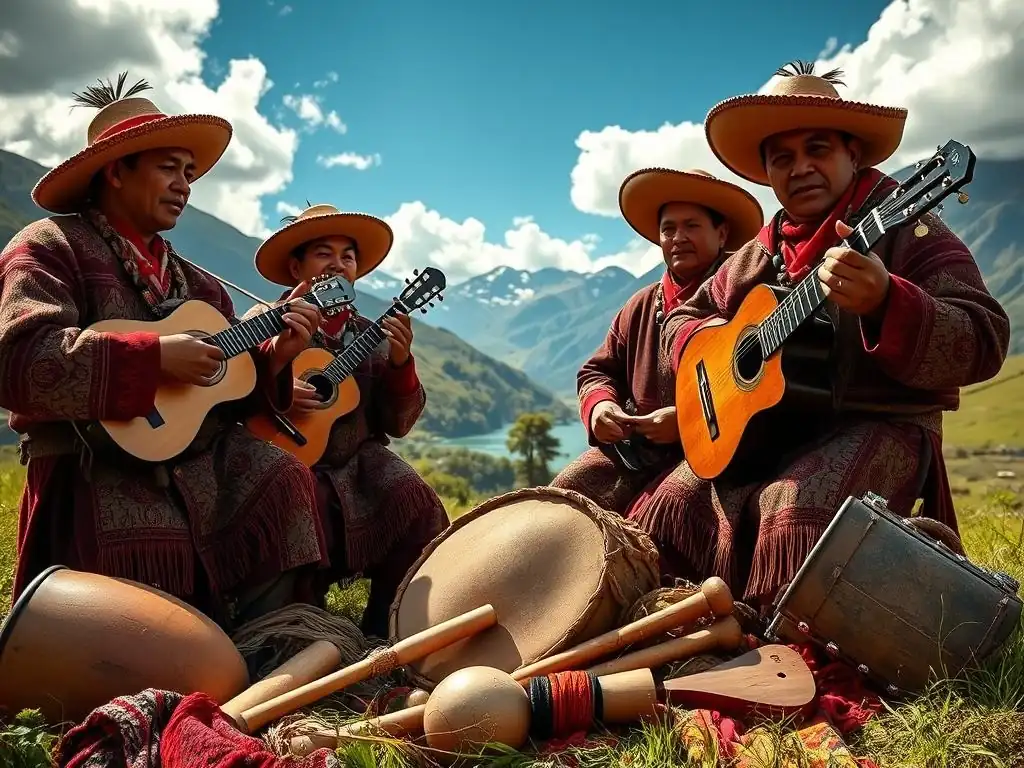
The Siku: The Andean Pan Flute
The Siku, also known as the pan flute, is one of the most iconic instruments associated with Inca musical traditions. This traditional wind instrument is made up of a series of tubes of varying lengths, which are typically arranged in a row and played by blowing across the top.
Construction and Materials Used
The construction of the Siku often involves materials such as bamboo, wood, or reeds, chosen for their natural resonance and availability in the Andean region. The size and diameter of each tube directly affect the pitch, allowing skilled artisans to create instruments that produce a wide range of musical notes.
- Materials:
- Bamboo: Lightweight and resonant, commonly used for traditional Sikus.
- Wood: Used for more durable and ornate versions, often intricately carved.
- Reeds: Provide a softer, mellower sound, used in specific regional variants.
The process of crafting a Siku requires not only technical skill but also a deep understanding of acoustics and the cultural significance of music within Inca society. Each instrument is often hand-made, reflecting the unique style and tradition of the community.
Unique Sound and Cultural Significance
The Siku produces a distinctive sound that resonates with the Andean landscape, often described as haunting and ethereal. This sound is attributed to the way air flows through the tubes, creating harmonies that are both soothing and evocative.
The cultural significance of the Siku extends beyond mere musical performance; it plays a vital role in community rituals, celebrations, and storytelling. In Inca society, music was integral to cultural identity and spirituality. The Siku is often used in ceremonies, signifying seasonal changes, agricultural cycles, and communal gatherings.
The Charango: The Andean String Instrument
The Charango, a small string instrument reminiscent of a lute, holds a special place in the heart of Inca musical traditions. With its bright, cheerful sound, the Charango complements the ethereal tones of the Siku, creating a rich tapestry of Andean music.
Design and Craftsmanship
Traditionally, the Charango is constructed with a rounded back, often made from the shell of an armadillo, which is prized for its unique sound qualities. The front is usually crafted from wood, providing a robust surface for strumming and plucking.
- Design Features:
- Size: Typically about 60 cm long, making it easy to handle and play.
- Strings: Most Charangos have ten strings arranged in five courses, allowing for multiple tonalities.
- Decoration: Often adorned with intricate carvings and colorful designs, reflecting the artisan's cultural background.
The craftsmanship involved in creating a Charango is not just about function; it embodies the artistic expression of the Andes, blending music with visual artistry.
Role in Inca Music and Storytelling
The Charango serves not only as a musical instrument but also as a storytelling device. Its melodies are commonly used to accompany folk tales, historical narratives, and cultural legends, preserving the rich oral traditions of the Inca people.
Its role in Inca music is multifaceted, serving as:
- A solo instrument: Showcasing the musician's skill and creativity.
- A companion to singing: Enhancing the emotional depth of songs.
- A community gathering tool: Bringing people together during festivals and celebrations.
The Charango's lively sound captures the essence of Inca culture, allowing generations to connect through shared stories and experiences, ensuring the continuity of their rich heritage.
The Siku and Charango are not only vital components of Inca musical traditions but also serve as cultural symbols that reflect the values, beliefs, and artistic expressions of the Andean civilization.
The Bombo: The Inca Drum
The bombo, a large drum traditionally made from a hollowed-out tree trunk, is one of the most significant instruments in Inca musical traditions. Its deep, resonant sound has made it a central feature in various ceremonial and social settings. The bombo serves not only as a musical instrument but also as a means of communication and expression within Inca society.
The construction of the bombo typically involves natural materials, emphasizing the connection between the Inca people and their environment. Its size can vary, with larger drums producing lower pitches and smaller ones yielding higher tones. The drum is often played with mallets, allowing for a range of rhythms that accompany dances, rituals, and other communal activities.
Inca music was integral to their culture, providing a soundtrack for both everyday life and significant events. The bombo, with its powerful and vibrant sound, played a key role in reinforcing social bonds and cultural identity among the Inca people.
Types and Variations of Inca Drums
Within the realm of Inca drumming, various types and styles of drums existed, each with specific functions and social significance. Here are some notable variations:
- Bombo Grande: The larger version of the bombo, known for its booming sound, often used in major festivals and public ceremonies.
- Bombo Chico: A smaller drum that produces a higher pitch, typically played in more intimate gatherings or rituals.
- Tinya: A drum that is slightly different in construction, often used alongside the bombo in traditional music ensembles. It is made from animal skin, which gives it a distinct sound.
- Kena: While technically a flute, the kena often accompanies drum performances, creating a harmonious blend of melodies and rhythms.
Each type of drum reflects the diverse musical practices of the Inca civilization, illustrating their rich cultural heritage. The variations also highlight the adaptability of Inca music to different contexts, whether celebratory or spiritual.
Importance in Festivals and Rituals
The bombo held a pivotal role in Inca festivals and rituals, emphasizing the connection between music, spirituality, and community. During significant events such as religious ceremonies, agricultural celebrations, and social gatherings, the booming rhythms of the bombo would resonate, creating an atmosphere of unity and reverence.
- Religious Ceremonies: The bombo was often played during rituals to honor deities and ancestors, serving as a conduit for spiritual expression. The rhythms were believed to invoke the presence of the gods, facilitating communication between the earthly and celestial realms.
- Agricultural Festivals: Inca agricultural practices were deeply intertwined with music. The bombo's rhythmic patterns were used to accompany dances that celebrated the harvest, reinforcing the community’s bond with nature and each other.
- Social Gatherings: The presence of the bombo in social events fostered a sense of belonging and identity among the Inca people. Its powerful sound encouraged communal participation, inviting everyone to join in the celebration through dance and song.
The bombo is not merely an instrument but a vital element of Inca culture, symbolizing the importance of music in fostering community, spirituality, and cultural identity within the ancient civilization.
The Role of Music in Inca Daily Life
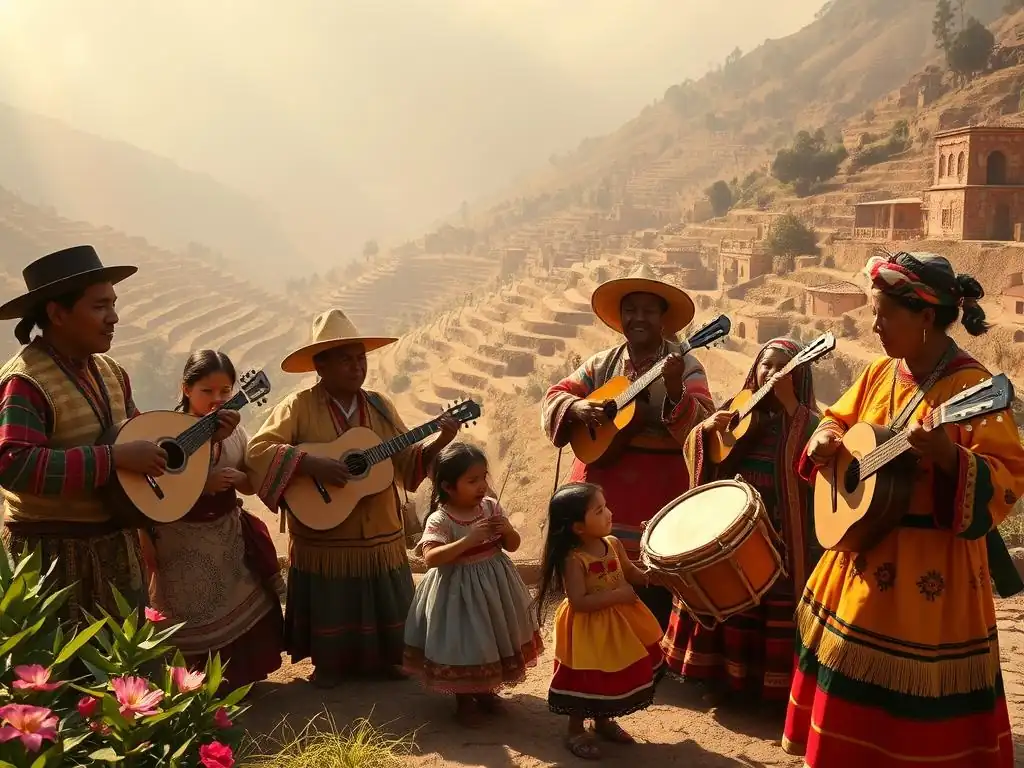
Music was an integral part of daily life for the Inca civilization, influencing various aspects of their culture, rituals, and social interactions. It served not only as a form of entertainment but also as a means of communication, education, and expression of identity within the Inca society. The Inca people believed that music had the power to connect them with their deities and the natural world, making it a sacred element of their culture.
Music as a Form of Communication
Inca musical traditions and instruments were utilized as a powerful medium for communication. Different types of music conveyed specific messages or emotions, often reflecting the sentiments of the community. The Inca utilized music in various contexts, including:
- Ceremonial Music: This was performed during religious ceremonies and festivals, often invoking the presence of gods or ancestral spirits.
- Work Songs: These were sung during communal labor, such as farming or construction, helping to synchronize efforts and boost morale among workers.
- Storytelling: Music was often combined with narratives, where songs carried historical or mythological tales vital for passing down knowledge and cultural heritage.
The Inca also utilized specific instruments, such as the charango (a small stringed instrument) and pan flutes, which were employed to create distinct sounds that communicated different messages, emotions, or intentions. Through these musical forms, the Inca could express the complexities of their society, from joy to sorrow, and document their history.
Inca Songs and Their Themes
Inca songs encompassed a wide range of themes, reflecting the diversity of their life experiences and cultural practices. Some prevalent themes included:
- Nature and Agriculture: Many songs celebrated the natural world, especially the mountains, rivers, and agricultural cycles. These songs often expressed gratitude to Pachamama (Mother Earth) for the harvest and the sustenance she provided.
- Religious and Spiritual Themes: Music played a pivotal role in religious practices, with songs dedicated to the worship of the sun god Inti and other deities. These songs often included prayers and invocations, forging a spiritual connection between the people and their gods.
- Social and Political Commentary: Some songs served as a form of social critique, addressing issues such as leadership, community, and the struggles of the common people. These pieces were often used to unite the community in times of hardship or to celebrate victories.
The content and themes of Inca music were not static; they evolved with societal changes, reflecting the dynamic nature of Inca civilization. The lyrics and melodies often varied by region, showcasing the rich diversity of Inca musical traditions.
Music served multiple social functions within Inca communities, reinforcing social bonds and cultural identity. Key social functions included:
- Community Cohesion: Music facilitated communal gatherings, strengthening relationships among members of the community. Group performances of traditional songs and dances became a way to celebrate shared identities and heritage.
- Ritual and Ceremony: Inca rituals were often accompanied by music, marking important life events such as births, weddings, and funerals. These ceremonial functions underscored the significance of music in the spiritual and communal life of the Inca people.
- Education and Oral Tradition: Songs were an essential tool for education, particularly for the transmission of cultural values, history, and moral lessons. Elders utilized music to teach younger generations about their ancestry, traditions, and the importance of their cultural heritage.
- Entertainment and Leisure: Beyond its functional roles, music served as a source of entertainment. People gathered to enjoy performances, enhancing social interactions and providing a means of relaxation and joy in their daily lives.
Inca musical traditions and instruments were not merely artistic expressions; they played a fundamental role in shaping the social fabric of Inca civilization. Through music, the Inca communicated, celebrated, educated, and connected with their spirituality, leaving a lasting legacy that continues to influence Andean cultures today.
Preservation of Inca Musical Traditions
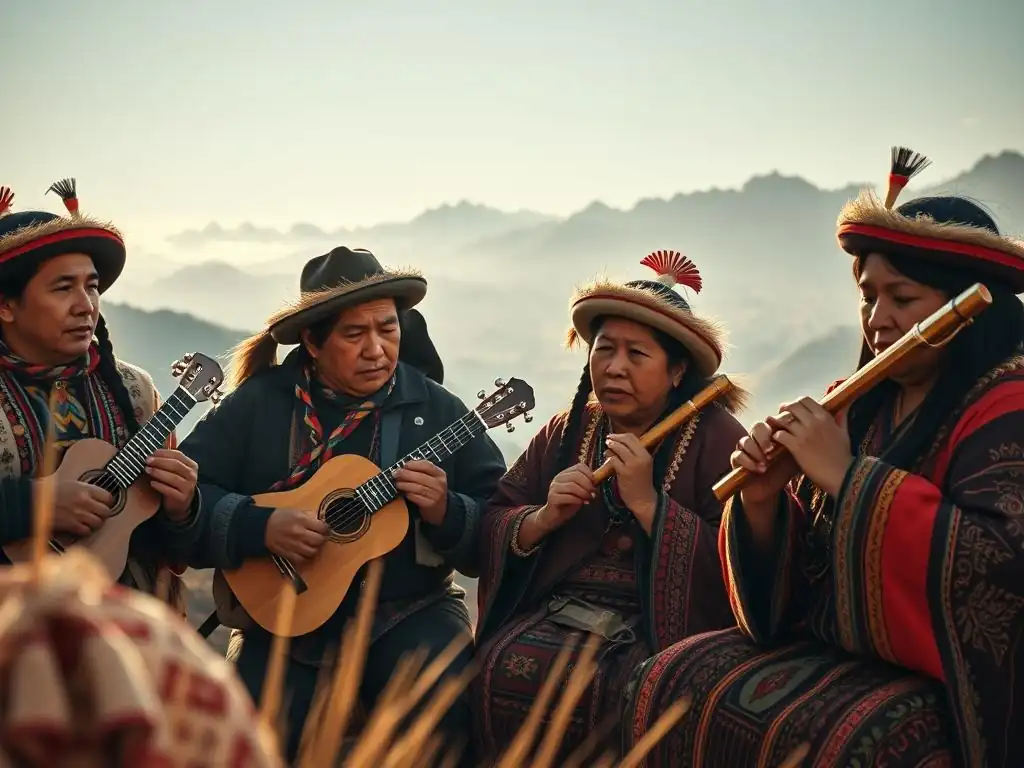
Continuation of Inca Instruments in Modern Andean Music
The musical instruments of the Inca civilization have not only survived the passage of time but have also been adapted and integrated into modern Andean music. Traditional instruments such as the charango, a small stringed instrument originally made from the shell of an armadillo, and the bombo, a large drum, remain integral to contemporary performances.
- Charango:
- Construction: Modern charangos are often crafted from wood, with variations in sound depending on the materials used (e.g., wood types or synthetic materials).
- Usage: The charango is frequently used in folk music, representing a cultural bridge between the past and present.
- Bombo:
- Role: This drum serves not just as a rhythmic foundation but also as a symbol of community gatherings and celebrations.
- Evolution: While traditionally made from animal skins, contemporary versions may use synthetic materials for durability.
These instruments are performed in various genres, such as folklore, nuevo Andean, and even fusion music, showcasing their versatility and the ongoing relevance of Inca musical traditions in today's cultural landscape.
Influence of Inca Music on Contemporary Indigenous Cultures
Inca musical traditions have profoundly influenced contemporary indigenous cultures across the Andes. The rhythmic structures, melodies, and instrumentation styles that originated during the Inca Empire continue to resonate within various indigenous communities today.
- Cultural Festivals: Many communities celebrate traditional festivals where Inca music plays a central role, reinforcing cultural identity and continuity. Instruments like pan flutes and drums are commonly featured.
- Musical Styles: The siku (pan flute) and quena (a wooden flute) are notable examples of instruments that have been preserved and adapted. Their scales and playing techniques often echo ancient Inca styles, demonstrating a direct lineage.
- Storytelling Through Music: Songs that narrate historical events, legends, and daily life utilize traditional melodies, ensuring that the knowledge and experiences of the Inca people are transmitted through generations.
This transmission of musical heritage not only preserves the soundscapes of the Inca civilization but also fosters pride and a sense of belonging among contemporary indigenous peoples.
Efforts to Preserve and Revive Inca Musical Heritage
Recognizing the importance of preserving Inca musical traditions, various initiatives have been launched to sustain and revive these cultural practices. These efforts often involve collaboration among musicians, educators, and cultural organizations.
- Community Workshops: Many programs focus on teaching traditional Inca instruments and music to younger generations. These workshops often include:
- Instrument Building: Participants learn to create traditional instruments, fostering a deeper connection to their cultural heritage.
- Performance Training: Instructors teach traditional songs and dances, encouraging youth participation in cultural events.
- Academic Research: Scholars are actively studying ancient Inca music through archaeological findings and historical texts, providing insights into the musical practices of the time. This research helps to contextualize and validate modern interpretations of Inca music.
- Cultural Festivals: Events that celebrate Andean music often feature performances of traditional Inca music, providing a platform for artists to showcase their skills and for audiences to engage with their heritage.
Through these collective efforts, the rich tapestry of Inca musical traditions is not only preserved but also revitalized, ensuring that they continue to thrive in the fabric of Andean culture today.
Conclusion: The Enduring Legacy of Inca Musical Traditions and Instruments
The musical traditions of the Inca civilization represent a rich tapestry woven into the cultural fabric of the Andean region. Their use of instruments such as the charango, panpipes, and drums not only provided entertainment but also served as vital tools for communication, ritual, and celebration. These instruments were crafted with skill and reverence, utilizing locally available materials such as wood, animal skins, and metal, reflecting both the environmental influences and the ingenuity of the Inca people.
The integration of music into daily life, ceremonies, and agricultural practices illustrates how deeply embedded these traditions were in the societal framework of the Inca. The rhythms and melodies of Inca music were not mere art forms; they were essential expressions of identity, spirituality, and community cohesion. Today, this legacy endures through contemporary Andean music, which continues to be influenced by these ancient traditions.
Reflection on the Impact of Inca Music on Andean Culture
Inca musical traditions have significantly shaped the cultural landscape of the Andes, influencing modern folk music and traditional practices across the region. The rhythms and songs that originated within the Inca Empire can still be heard in various forms today, from local festivals to international music scenes. Instruments like the quena and zampoña remain popular, serving as symbols of Andean identity and heritage.
The themes of Inca music often revolve around nature, spirituality, and community life, resonating with the contemporary values of Andean societies. Traditional songs often recount historical events, myths, and the daily lives of the people, creating a link between the past and present. As indigenous communities continue to navigate the challenges of modernization, the preservation and revitalization of these musical traditions play a critical role in maintaining cultural identity and pride.
Furthermore, the influence of Inca music has transcended geographical boundaries, inspiring musicians worldwide. Collaborations between traditional Andean musicians and contemporary artists have resulted in innovative fusions, showcasing the versatility of Inca instruments and melodies. This cross-pollination enriches global music while honoring the origins from which these sounds emerged.
Future of Inca Musical Traditions in a Globalized World
As the world becomes increasingly interconnected, the fate of Inca musical traditions lies at a crossroads. On one hand, globalization poses challenges, as traditional practices risk dilution or overshadowing by dominant musical genres. The younger generations, often drawn to popular music, may drift away from their ancestral roots. However, this same globalization also offers unprecedented opportunities for the revival and dissemination of Inca musical traditions.
Digital platforms allow Andean musicians to reach broader audiences, sharing their heritage with people who may never have encountered it otherwise. Online streaming services, social media, and music festivals provide venues for traditional music to thrive, drawing interest from both local and international listeners. This exposure can help foster appreciation for the intricacies of Inca instruments and the cultural narratives embedded within their music.
Moreover, educational initiatives aimed at teaching traditional music and instrument-making can empower youth to embrace their heritage. Workshops, cultural exchanges, and community events play a crucial role in ensuring that Inca musical knowledge is passed on and adapted for future generations. By blending traditional elements with contemporary styles, artists can create a dynamic dialogue between the past and present, ensuring that Inca musical traditions remain vibrant in an ever-evolving world.
The legacy of Inca musical traditions and instruments is not only a testament to the ingenuity of the ancient civilization but also a living, breathing expression of cultural identity that continues to resonate through the ages. As communities and artists navigate the complexities of globalization, the challenge will be to honor and preserve this rich heritage while allowing it to adapt and thrive in new contexts.
Frequently Asked Questions
What were the primary musical traditions of the Inca civilization?
The Inca musical traditions were characterized by a diverse range of styles, often linked to ceremonial events and daily life, showcasing the cultural significance of music in their society.
What types of instruments did the Incas use?
The Incas utilized various instruments, including the charango (a small stringed instrument), pan flutes, and drums, each contributing to their rich musical heritage and communal gatherings.
How did the Inca view music in their society?
Music was an integral part of Inca life, believed to be a way to connect with the divine and enhance social cohesion among their people during rituals and festivities.
Are there any modern influences from Inca musical traditions today?
Yes, many contemporary Andean musicians draw inspiration from Inca musical traditions, incorporating traditional instruments and styles into their work, thus preserving and celebrating their cultural heritage.
What role did music play in Inca ceremonies?
Music played a vital role in Inca ceremonies, often used to accompany rituals, celebrations, and religious events, enhancing the overall spiritual experience for participants.
Final Reflection: The Resonance of Inca Musical Traditions
Inca musical traditions and instruments serve as a profound testament to the cultural richness and ingenuity of the ancient Andean civilization. Today, as we navigate a world increasingly disconnected from its roots, the melodies and rhythms of the Inca remind us of the power of music to unite, heal, and tell stories that transcend time. The echoes of their instruments not only enrich our understanding of history but also invite us to explore the deeper connections between music and identity in our contemporary lives.
The influence of Inca musical traditions continues to resonate in modern society, shaping cultural expressions and inspiring new generations of musicians. The revival of interest in traditional instruments, such as the charango and pan flute, highlights a growing appreciation for indigenous heritage and the stories embedded within these sounds. Music is the shorthand of emotion,
said Leo Tolstoy, and indeed, the emotional depth of Inca music speaks to the universal human experience, bridging gaps between past and present.
As you reflect on the insights shared in this article, consider how the lessons of Inca musical traditions can inspire your own journey. Embrace the power of music in your life, whether through learning an instrument, exploring new genres, or simply allowing the melodies of the past to enrich your present. Let the spirit of the Inca guide you in celebrating the cultural tapestries that shape our world, reminding us that every note carries a story waiting to be heard.
Unveil the Rich Tapestry of Inca Music!
Thank you for diving into the fascinating world of Inca musical traditions with us! Your curiosity about ancient instruments sheds light on a vibrant culture that continues to inspire today. Now, let’s keep the rhythm going with some actionable steps that will deepen your understanding and appreciation of this unique heritage.
- Explore traditional Inca music: Take a moment to find and listen to authentic recordings of Inca music online. Platforms like YouTube offer a treasure trove of performances that can transport you back in time.
- Join a local workshop or class: Look for opportunities that focus on Andean instruments or music traditions in your area. Engaging in hands-on experiences will enrich your understanding and connect you with others who share your passion.
- Share your newfound knowledge: Start a conversation with friends about what you've learned! Share intriguing facts or even your favorite Inca song on social media to inspire others to discover this incredible tradition.
What aspect of Inca music resonates with you most, and how do you see it influencing modern music today? We’d love to hear your thoughts!