
The Soulful Sounds of the Andes: Exploring Traditional Music Genres

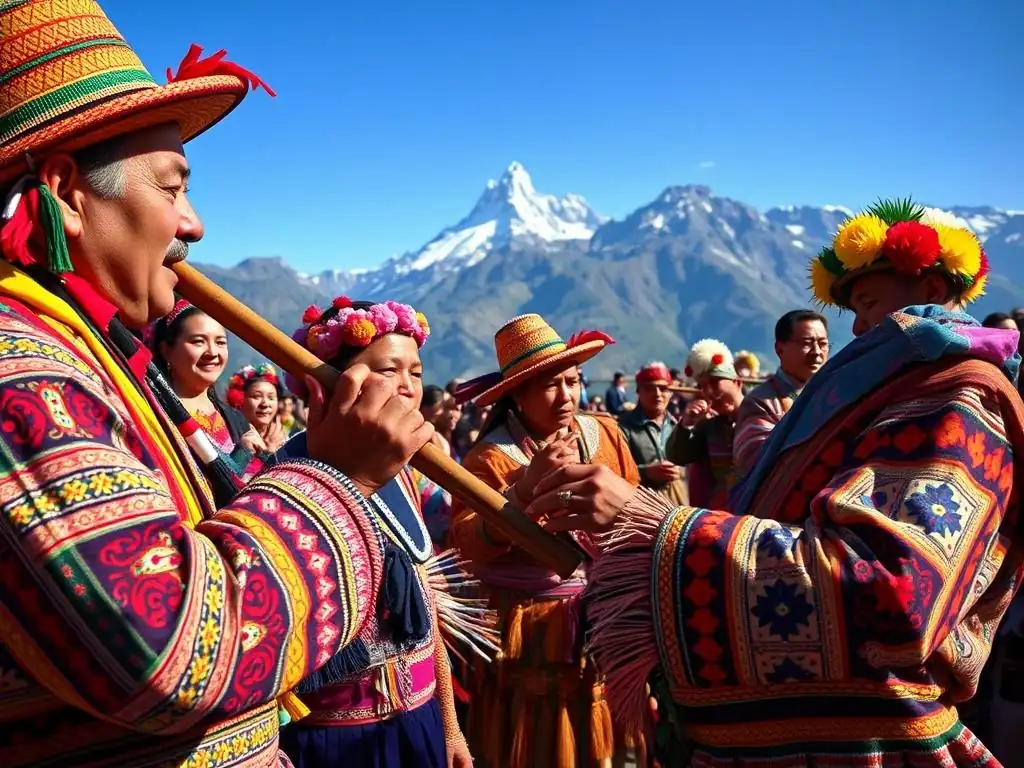
Welcome to Indigenous Civilizations of the Americas, where we invite you to embark on a captivating journey through the rich tapestry of cultures that flourished long before European contact. In our featured article, "The Soulful Sounds of the Andes: Exploring Traditional Music Genres," discover how the vibrant melodies and rhythms of Andean traditional music genres reflect the profound connection between the people and their land. Join us as we delve into the heart of these remarkable societies and uncover the enduring legacy that continues to resonate today. Your exploration begins here—are you ready to listen closely?
- Introduction to Andean Traditional Music Genres
- The Roots of Andean Traditional Music
- Key Andean Traditional Music Genres
- The Role of Andean Traditional Music in Community Life
- Contemporary Influences on Andean Traditional Music Genres
- Conclusion: The Enduring Legacy of Andean Traditional Music
- Frequently Asked Questions
- Final Reflection: The Enduring Legacy of Andean Traditional Music Genres
- Immerse Yourself in the Heartbeat of the Andes!
Introduction to Andean Traditional Music Genres
The Andean region, encompassing the majestic peaks of the Andes Mountains across several South American countries, is a vibrant tapestry of cultural heritage, particularly renowned for its rich musical traditions. Andean traditional music genres not only reflect the diverse histories and identities of the indigenous peoples but also serve as a vital means of expression and connection to their ancestral roots.
This article delves into the soulful sounds of the Andes, exploring the various genres that have evolved over centuries, and examining the profound impact of music within these communities. As we journey through this musical landscape, we will uncover the intricate relationships between melodies, instruments, and the cultural practices that define the Andean societies.
Overview of Andean Music and Culture
Andean music is characterized by its unique instruments, rhythms, and styles, which have developed within distinct cultural contexts across the Andes. Key elements include:
- Instruments: Traditional Andean instruments such as the charango, pan flute (siku), and bombo drum are integral to the music, each contributing to the distinct sound and feel of the genres.
- Genres: The music encompasses a variety of genres, from the joyous huayno, with its upbeat tempos, to the hauntingly beautiful melancholic tunes of the yaravi.
- Cultural Significance: Music plays a crucial role in Andean life, serving various functions from ceremonial to recreational, while also providing a means to preserve and transmit cultural knowledge.
These characteristics not only reveal the diversity of Andean music but also highlight its fundamental role in the social fabric of indigenous communities.
Importance of Music in Indigenous Andean Societies
In indigenous Andean societies, music is more than just a form of entertainment; it is a profound expression of identity, spirituality, and community.
- Cultural Preservation: Traditional music genres act as vessels for the transmission of history, mythology, and communal values, ensuring that the wisdom of ancestors is passed down through generations.
- Ritual and Ceremony: Music is often intertwined with rituals and ceremonies, marking important life events such as births, marriages, and harvest festivals. These musical expressions foster a sense of belonging and collective identity among community members.
- Social Cohesion: Through group performances and communal gatherings, music strengthens social bonds, promotes unity, and encourages collaboration among diverse groups within the Andean region.
As we explore the various traditional music genres of the Andes, we will gain insight into how these rich musical traditions continue to shape the identities and lives of indigenous peoples today.
The Roots of Andean Traditional Music
Historical Context of Andean Music Genres
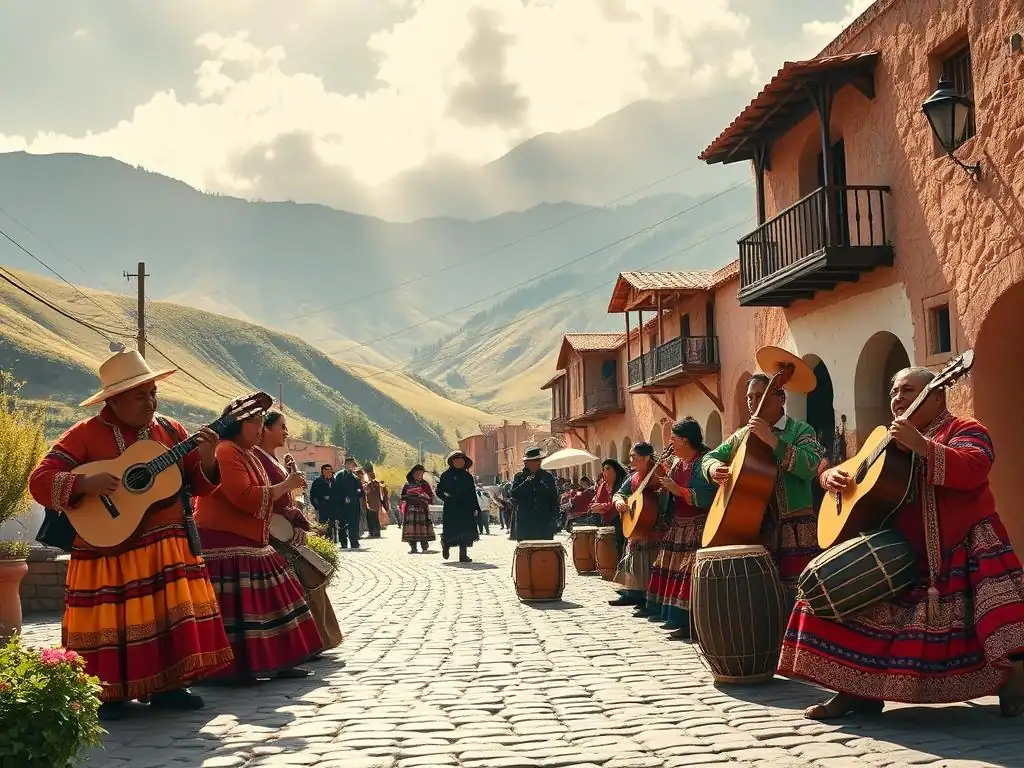
Andean traditional music genres are deeply rooted in the rich history of the indigenous peoples of the Andes, encompassing a variety of cultures, languages, and traditions. This vibrant musical landscape has evolved over centuries, influenced by both pre-Columbian traditions and later interactions with European settlers.
Pre-Columbian Foundations
Before the arrival of Europeans, the Andean region was home to advanced civilizations such as the Incas, who developed complex social structures and cultural practices. Music played a vital role in religious ceremonies, agricultural rituals, and community celebrations. Instruments like the pan flutes (known as sikus or zampoñas) and drums (such as the bombo) were integral to these traditions, facilitating communication with the divine and fostering community bonds.
Colonial Influences
The Spanish colonization in the 16th century introduced new musical forms and instruments to the Andes, creating a unique blend of indigenous and European styles. This period saw the incorporation of string instruments like the guitar and violins, which were adapted to fit local musical expressions. The fusion of Spanish melodies with Andean rhythms gave rise to new genres, such as huayno and carnavalito, which preserved indigenous elements while embracing European harmonies.
Contemporary Developments
In the modern era, Andean traditional music genres continue to thrive and evolve. Artists have embraced both traditional and contemporary styles, leading to the emergence of folkloric music groups that perform for audiences worldwide. The revival of traditional practices and instruments has sparked interest in cultural preservation, making Andean music a living expression of identity and heritage.
Influence of Indigenous Instruments on Andean Music
Indigenous instruments are at the heart of Andean traditional music, embodying the sounds and rhythms that define its character. Each instrument carries historical significance and cultural meaning, contributing to the diverse tapestry of Andean soundscapes.
Key Instruments in Andean Music
- Siku (Pan Flute): This wind instrument is made from bamboo or reeds, featuring tubes of varying lengths. The siku is often played in ensembles, creating harmonious melodies that resonate with the Andean landscape.
- Charango: A small stringed instrument traditionally made from the shell of an armadillo, the charango produces a bright, cheerful sound. It is commonly used to accompany singing and is emblematic of Andean music.
- Bombo: The bombo is a large drum that provides the rhythmic foundation for many traditional songs. Its deep, resonant tones are essential during festivals and communal gatherings.
- Erke (Trumpet): Made from a hollowed-out animal horn, the erke is used in various ceremonies. It produces a powerful sound that can be heard over long distances, often signaling important events.
Cultural Significance
The use of these instruments goes beyond mere musicality; they are symbols of identity and cultural pride. For example, the siku is often associated with the Aymara and Quechua peoples, serving as a means of storytelling and preserving oral traditions. Similarly, the charango is a representation of resilience, as it has been adapted and embraced by various communities across the Andes.
As Andean traditional music genres continue to gain recognition globally, the significance of these instruments remains paramount. They not only preserve the past but also inspire new generations of musicians to explore their cultural roots and innovate within their musical expressions.
Key Andean Traditional Music Genres
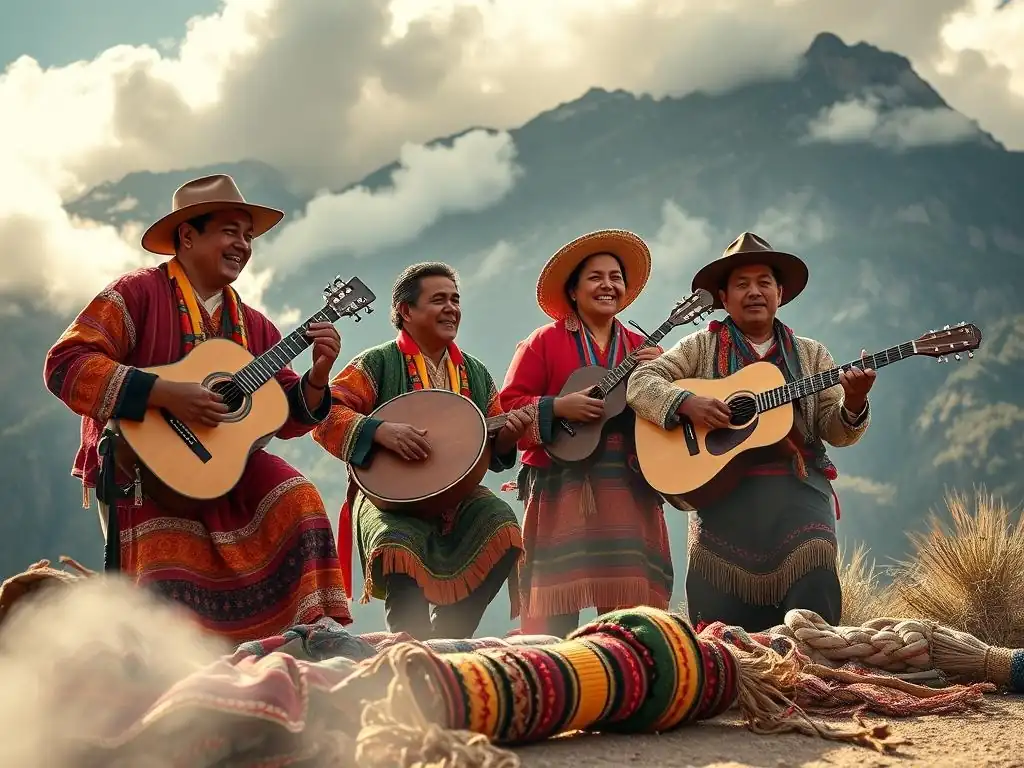
The Andes region is rich in musical diversity, with traditional music genres that reflect the cultural heritage and social practices of indigenous communities. Each genre carries its own unique characteristics, instruments, and traditions, offering a glimpse into the soul of the Andean peoples. Two prominent genres that embody the essence of Andean music are Huayno and Marinera.
Huayno: The Heartbeat of the Andes
Huayno is perhaps the most recognized traditional music genre of the Andean region, characterized by its vibrant rhythms and emotional lyrics. It serves not only as entertainment but also as a means of storytelling and cultural expression among Andean communities.
Characteristics of Huayno Music
- Rhythm and Tempo: Huayno music typically features a lively 2/4 or 4/4 time signature, creating a danceable rhythm that captures the spirit of celebration. The tempo can vary, often speeding up during dance performances.
- Themes: The lyrics of Huayno songs often reflect themes of love, nature, and daily life, with a strong connection to indigenous beliefs and experiences.
- Vocal Style: Huayno is known for its distinctive vocal style, where singers often employ a call-and-response format. This communal aspect invites participation and connection within the community.
Instruments Used in Huayno
Huayno music employs a variety of traditional instruments that enhance its rich sound. Key instruments include:
- Charango: A small string instrument made from the shell of an armadillo, providing a bright and cheerful sound.
- Quena: A traditional Andean flute made from bamboo or wood, known for its expressive melodies.
- Bombo: A large drum that provides the rhythmic foundation of Huayno music, often played in a lively manner.
Marinera: A Dance of Love and Pride
Marinera is another significant genre that showcases the cultural identity of the Andean people, particularly in coastal regions such as Peru. This genre is characterized by its graceful movements and romantic themes.
Origins and Evolution of Marinera
- Historical Roots: Marinera's origins trace back to the fusion of various musical influences, including Spanish, African, and indigenous traditions. This blend reflects the diverse cultural history of Peru.
- Evolution: Over time, Marinera has evolved into several regional styles, each with its unique flair. The most recognized form is Marinera Norteña, known for its lively tempo and intricate footwork.
Marinera's Musical Elements and Instruments
Marinera features a combination of melodic and rhythmic elements that contribute to its distinctive sound. Key components include:
- Melody: The melodies in Marinera are typically played using the piano or guitar, creating a romantic ambiance that complements the dance.
- Instruments: Alongside the piano and guitar, Marinera often incorporates instruments such as:
- Cajón: A box-shaped percussion instrument that adds depth to the rhythm.
- Violin: Played to enhance emotional expression and add melodic layers.
Through genres like Huayno and Marinera, Andean traditional music genres continue to thrive, preserving the cultural identity and artistic legacy of indigenous civilizations in the Americas.
Sikuri: The Sounds of the Pan Flute
The Sikuri is a traditional Andean music genre that prominently features the pan flute, known as the siku or zampoña. Originating from the highlands of Peru and Bolivia, this genre captures the spirit of the Andes through its haunting melodies and communal performances. The Sikuri is not merely a musical style but a vital expression of cultural identity, embodying the rituals, celebrations, and social life of indigenous communities.
Understanding the Sikuri Tradition
The Sikuri tradition is deeply rooted in the indigenous cultures of the Andes, particularly among the Aymara and Quechua peoples. The pan flute itself is made up of multiple tubes of varying lengths, producing a rich tapestry of sound that is both melodic and rhythmic. Performers typically play in groups, creating a sense of harmony that resonates with the communal spirit of Andean society.
This genre often accompanies dances and ceremonies, making it integral to cultural celebrations. The music of the Sikuri reflects the natural environment, with melodies inspired by the rhythms of nature and the changing seasons. As such, it serves as a bridge between the physical and spiritual realms, connecting the community with their ancestors and the earth.
Role of the Sikuri in Andean Festivals
Sikuri music plays a crucial role in various Andean festivals, acting as both a celebratory and ceremonial soundtrack. Events such as the Fiesta de la Candelaria and Inti Raymi witness vibrant performances where musicians and dancers come together to honor their cultural heritage. The Sikuri is performed in processions, often featuring elaborate costumes and synchronized movements that enhance the visual and auditory experience.
The music serves as a medium of storytelling, passing down traditions, history, and values from one generation to the next. Through the Sikuri, communities express their identity, celebrate their agricultural cycles, and pay homage to deities, creating a cohesive cultural narrative that binds them together.
Chicha: The Fusion of Tradition and Modernity
Chicha is a vibrant genre that emerged in the late 20th century, blending traditional Andean sounds with modern influences, particularly rock and cumbia. This fusion reflects the dynamic nature of Andean culture, showcasing how traditional music can evolve while retaining its roots. Chicha music often features electric instruments, catchy rhythms, and lyrics that resonate with contemporary social themes, making it accessible to a broader audience.
The Rise of Chicha Music
Chicha music originated in urban areas, particularly among immigrant communities in cities like Lima, Peru. It gained popularity in the 1970s and 1980s, as musicians began experimenting with traditional Andean instruments such as the charango and accordion, alongside electric guitars and synthesizers. This innovative approach attracted a diverse audience, transcending class and cultural boundaries.
The genre's rise was also fueled by socio-political changes, as it expressed the struggles and aspirations of marginalized communities. Chicha became a voice for the urban indigenous population, addressing issues such as identity, migration, and social justice. As a result, it has garnered recognition both in Peru and internationally, influencing various musical styles and artists around the world.
Characteristics of Chicha and Its Cultural Impact
Chicha is characterized by its infectious rhythms, catchy melodies, and eclectic instrumentation. The fusion of traditional Andean music with contemporary elements creates a unique sound that is both danceable and engaging. Lyrics often incorporate themes of love, social commentary, and nostalgia, reflecting the realities of life in urban settings.
The cultural impact of Chicha is significant, as it has revitalized interest in Andean music and traditions among younger generations. It has fostered a sense of pride in indigenous heritage while simultaneously embracing modernity. Chicha festivals and concerts serve as platforms for cultural expression, bringing together diverse communities to celebrate their shared identity.
In essence, Chicha represents a dynamic dialogue between the past and present, embodying the resilience and creativity of Andean culture in a rapidly changing world.
The Role of Andean Traditional Music in Community Life
Music as a Tool for Cultural Preservation
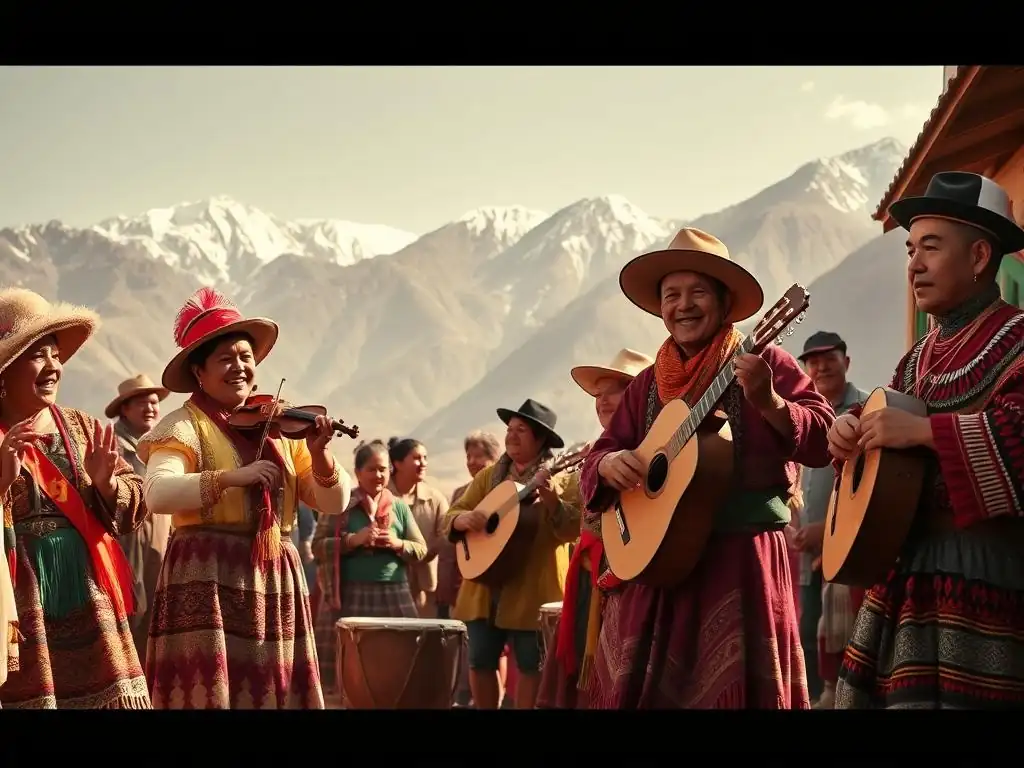
Andean traditional music genres play a vital role in preserving the rich cultural heritage of the indigenous communities in the Andes. Through song and performance, these musical expressions are not merely forms of entertainment; they serve as powerful vehicles for transmitting history, values, and beliefs across generations.
- Oral Tradition: Many Andean songs are rooted in oral traditions, where stories of ancestors, legends, and historical events are conveyed through lyrics. This method of storytelling is essential for keeping the community's collective memory alive.
- Language Preservation: The use of indigenous languages in music, such as Quechua and Aymara, helps in the preservation of these languages, which are often endangered due to globalization. Singing in native tongues ensures that the cultural nuances and meanings are retained.
- Rituals and Ceremonies: Traditional music is integral to various rituals and ceremonies, ranging from agricultural festivals to religious events. Instruments like the charango, pan flute (sikus), and bombo drum are often played to accompany these significant moments, reinforcing cultural identity.
Festivals and Celebrations Featuring Andean Music
Festivals and celebrations in the Andean regions are vibrant displays of cultural identity, with music serving as a central element in these communal gatherings. These events not only celebrate traditional music genres but also foster a sense of belonging and unity within the community.
- Inti Raymi: Celebrated in June, Inti Raymi, or the Festival of the Sun, honors the Inca sun god. Traditional music is performed using various Andean instruments, creating a festive atmosphere that highlights the agricultural calendar.
- Carnaval de Oruro: This renowned festival in Bolivia features a stunning array of traditional music and dance. The local communities participate in parades with colorful costumes, where musical genres like Morenada and Diablada are performed, showcasing the region's cultural richness.
- Fiesta de la Candelaria: In Puno, Peru, this festival is dedicated to the Virgin of Candelaria and includes a vibrant display of Andean music. The event attracts thousands of participants who engage in traditional music, dance, and rituals, emphasizing the community's spiritual and cultural ties.
- Sikuri Festival: This festival focuses on the siku, a traditional pan flute, where musicians gather to compete and perform. The festival highlights the importance of Andean music in fostering social cohesion and cultural pride.
Through these festivals and community events, Andean traditional music genres not only celebrate the past but also adapt to contemporary contexts, ensuring that these cultural expressions continue to thrive in the modern world. The vibrant sounds of the Andes resonate deeply, reminding communities of their identity and collective heritage.
Contemporary Influences on Andean Traditional Music Genres
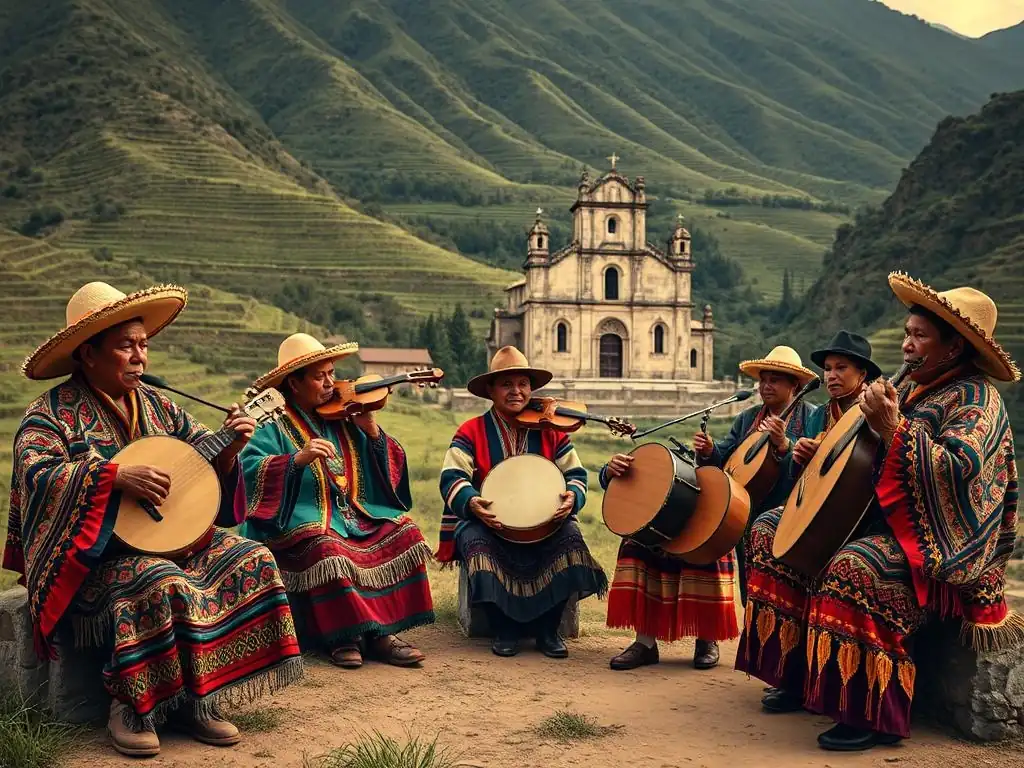
Blending Tradition with Modern Genres
Andean traditional music genres have stood the test of time, but their evolution has been significantly influenced by contemporary music trends. This blending of old and new is particularly evident in the fusion of traditional Andean sounds with genres such as rock, pop, and jazz. Artists like Los Kjarkas and Inti-Illimani have been at the forefront of this movement, incorporating electric instruments and modern rhythms while retaining the essence of Andean music.
- Instruments: Traditional instruments such as the charango and pan flutes are often accompanied by electric guitars and synthesizers, creating a rich tapestry of sound.
- Themes: Modern lyrics may address contemporary issues, such as environmental concerns or social justice, resonating with younger audiences while preserving cultural narratives.
- Collaborations: The collaboration between Andean musicians and artists from other genres has led to innovative projects, such as Andean fusion bands that tour internationally, exposing global audiences to these unique sounds.
The Global Reach of Andean Music Today
The globalization of music has allowed Andean traditional music genres to reach beyond the borders of their native regions. Festivals dedicated to Andean music, such as the Festival Internacional de Música Andina in Bolivia, attract international audiences and performers. This global platform has facilitated cross-cultural exchanges, enriching both Andean music and the genres it interacts with.
- Digital Platforms: Streaming services like Spotify and YouTube have made it easier for Andean musicians to share their work with a global audience. This accessibility has led to an increased appreciation for Andean music genres worldwide.
- Cultural Festivals: Events such as the Andes Music Festival in Peru showcase traditional music, drawing attention to the cultural heritage of the Andes while also introducing modern interpretations.
- Educational Programs: Institutions and workshops promoting Andean music have emerged globally, allowing individuals to learn about and play traditional instruments and styles. This educational push helps sustain the interest in Andean music, ensuring its survival for future generations.
The interplay between traditional and contemporary influences demonstrates the resilience and adaptability of Andean music genres, allowing them to thrive in an ever-changing musical landscape.
Conclusion: The Enduring Legacy of Andean Traditional Music
The rich tapestry of Andean traditional music genres is not merely a collection of sounds; it is a profound expression of cultural identity, spirituality, and history. This music has evolved over centuries, reflecting the diverse influences of indigenous peoples, colonial histories, and modern innovations. As we conclude our exploration, it is crucial to recognize the enduring legacy of these musical traditions and their significance in contemporary society.
Reflection on the Importance of Preserving Andean Music Genres
Preserving Andean traditional music is vital for several reasons:
- Cultural Identity: Music serves as a cornerstone of cultural identity for Andean communities. It encapsulates their histories, languages, and worldviews. By maintaining these genres, communities can strengthen their cultural roots and pass on their heritage to future generations.
- Societal Cohesion: Traditional music often plays a central role in community gatherings, rituals, and celebrations. It fosters a sense of belonging and connection among individuals, reinforcing social bonds and collective memory.
- Environmental Connection: Many Andean music genres are closely tied to the natural environment. Instruments made from local materials and the themes of the songs reflect the landscapes and ecosystems of the Andes. Preserving this music helps to sustain the cultural practices that honor and protect these environments.
- Educational Value: Andean traditional music is an invaluable educational resource, offering insights into the history, philosophy, and artistry of indigenous cultures. Through workshops, performances, and recordings, younger generations can learn about their heritage and the significance of their musical traditions.
In light of these factors, efforts to preserve Andean music must be prioritized. Initiatives can include recording projects, community workshops, and collaborations with educators to integrate these genres into school curricula.
Future of Andean Traditional Music in a Global Context
The future of Andean traditional music genres is a blend of preservation and innovation. As globalization continues to influence cultural expressions, several trends are emerging:
- Cross-Cultural Collaborations: Many Andean musicians are embracing fusion styles, collaborating with artists from various genres and cultures. This exchange enriches the music while introducing it to wider audiences. For instance, the integration of Andean instruments like the charango and pan flute with jazz or electronic music creates a unique sound that resonates globally.
- Digital Platforms: The rise of digital media has provided a platform for Andean traditional music to reach international audiences. Streaming services and social media allow artists to share their work beyond geographical boundaries, fostering appreciation and interest in these music genres.
- Revitalization Movements: There is a growing movement among younger Andean musicians to revive and reinterpret traditional genres. By blending traditional sounds with contemporary influences, these artists not only preserve their heritage but also make it relevant in today's music scene.
- Cultural Tourism: As interest in Andean culture increases, cultural tourism can play a significant role in the sustainability of traditional music. Festivals, workshops, and performances attract visitors, providing economic support to local artists and communities.
The future of Andean traditional music is bright, characterized by resilience and adaptability. By embracing both tradition and innovation, these genres can continue to thrive, ensuring that the soulful sounds of the Andes echo through generations to come.
Frequently Asked Questions
What are the main traditional music genres of the Andes?
The Andean traditional music genres include folkloric styles such as Huayno, Saya, and Carnavalito, each reflecting the unique cultural heritage of the Andean peoples.
How do Andean music genres influence modern music?
Many Andean traditional music genres have been incorporated into contemporary music, blending traditional instruments and rhythms with modern styles, thus enriching the global music landscape.
What instruments are commonly used in Andean music?
Typical instruments include the pan flute (siku), charango, and bombo. These instruments are essential for creating the distinctive sounds characteristic of Andean traditional music.
How do Andean music genres vary across regions?
While many Andean traditional music genres share common elements, they can vary significantly in style, rhythm, and instrumentation based on local customs and cultural influences.
What role does traditional music play in Andean culture today?
Traditional music remains a vital part of Andean cultural identity, serving as a means of expression, community bonding, and the preservation of historical narratives among indigenous populations.
Final Reflection: The Enduring Legacy of Andean Traditional Music Genres
The exploration of Andean traditional music genres is not merely a journey through sound; it is a profound connection to cultural identity and heritage. Today, as globalization continues to shape our world, the rich tapestry of Andean music serves as a reminder of the importance of preserving cultural diversity. The melodies and rhythms that echo through the Andes are not just echoes of the past; they resonate with the present and inspire future generations to embrace their roots.
The influence of Andean traditional music genres extends far beyond the mountains, shaping the cultural landscape of communities worldwide. From festivals celebrating indigenous heritage to contemporary artists incorporating traditional sounds into modern compositions, the spirit of the Andes thrives in myriad forms. As renowned musician Susana Baca once said, Music is the voice of the people, and it carries the stories of our ancestors.
This sentiment underscores the vital role that these genres play in fostering a sense of belonging and continuity in an ever-changing world.
As you reflect on the soulful sounds of the Andes, consider how you can engage with and support the preservation of these musical traditions. Take a moment to listen to an Andean song, attend a local performance, or even learn to play an instrument associated with this rich heritage. By doing so, you not only honor the legacy of the Andes but also contribute to the ongoing narrative of cultural resilience and creativity. Embrace the opportunity to connect with the past while shaping a future that celebrates diversity and unity through music.
Immerse Yourself in the Heartbeat of the Andes!
Thank you for diving into the rich tapestry of traditional Andean music with us! We hope you’ve uncovered the soulful rhythms and profound connections to the indigenous cultures of the Americas. Now it's time to take your experience to the next level. Here’s how you can further engage with this vibrant musical world:
- Discover local Andean music events or performances in your area to see and hear this culture come to life in person.
- Share your favorite tracks or artists from the Andes on your social media to spread the beauty of these sounds with your friends.
- Consider learning a traditional Andean instrument, such as the charango or pan flute; you may be surprised by how much joy it brings to your life!
What aspect of Andean music resonates with you the most, and how do you plan to explore it further?