
The Shaman's Influence: Spiritual Leaders in Indigenous Societies

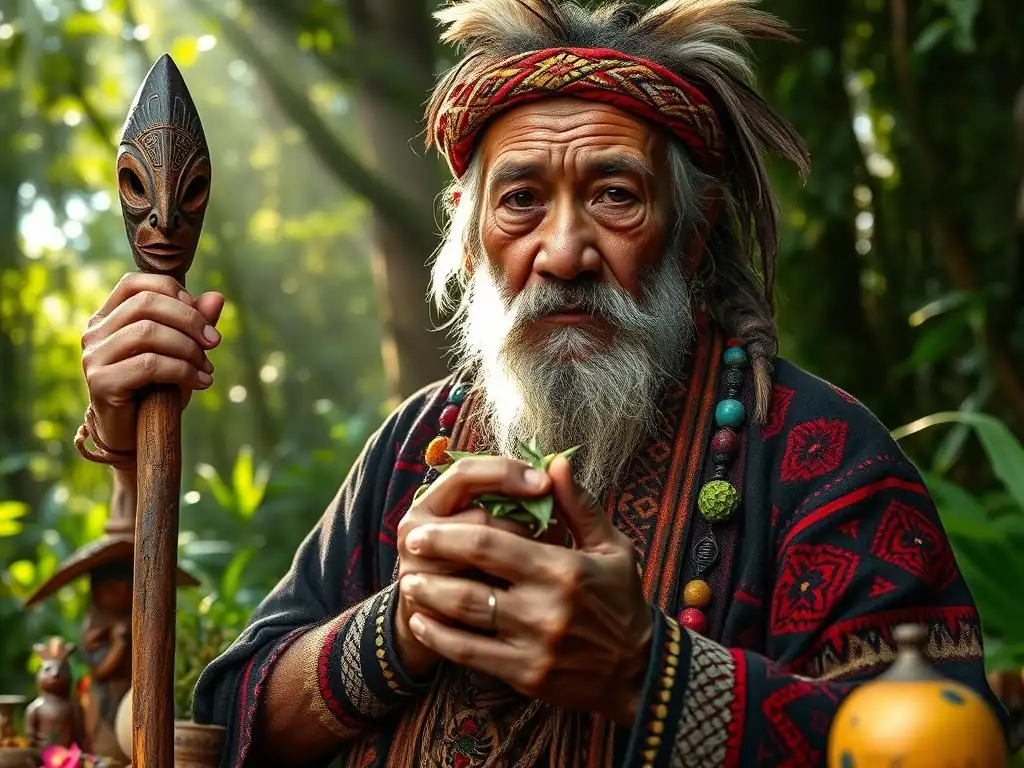
Welcome to Indigenous Civilizations of the Americas, where we invite you to embark on a captivating journey through the rich tapestry of indigenous cultures that flourished long before European contact. Here, we delve into the profound role of spiritual leaders in indigenous cultures, exploring how these influential figures shaped societies and guided their communities through the complexities of life.
In our featured article, "The Shaman's Influence: Spiritual Leaders in Indigenous Societies," you'll uncover the wisdom and traditions that have resonated through generations, igniting a deeper understanding of their enduring legacy. Join us as we unveil the stories that await and inspire your exploration of these remarkable civilizations!
Introduction to Spiritual Leaders in Indigenous Cultures
In the rich tapestry of indigenous cultures throughout the Americas, spiritual leaders have played a pivotal role in shaping societal norms, guiding community practices, and preserving cultural heritage. These figures, often referred to as shamans, medicine people, or spiritual guides, serve as intermediaries between the physical and spiritual realms, providing insight, healing, and wisdom to their communities.
Understanding the role and influence of these spiritual leaders in indigenous cultures not only enriches our knowledge of their societies but also highlights the profound connections between spirituality, identity, and community well-being. This article delves into the multifaceted role of spiritual leaders in indigenous societies, exploring their definitions, historical contexts, and the evolution of their practices across various cultures.
Definition of Spiritual Leaders in Indigenous Societies
Spiritual leaders in indigenous societies encompass a broad range of roles that are integral to the cultural and spiritual fabric of their communities. Typically, these leaders serve as:
- Healers: Utilizing traditional medicine and spiritual practices to restore health.
- Counselors: Offering guidance and wisdom during personal or communal crises.
- Ceremonial Leaders: Conducting rituals and ceremonies that are vital for cultural continuity.
- Storytellers: Preserving and transmitting oral histories and spiritual teachings.
These leaders are often revered for their deep connection to the natural world and their ability to interpret signs and messages from the spirit realm. Their authority and influence stem not only from their knowledge but also from the respect they command within their communities, often being seen as vital for maintaining harmony and balance.
Importance of Spirituality in Indigenous Cultures
Spirituality is a cornerstone of indigenous cultures, deeply woven into the daily lives and practices of their communities. The significance of spirituality can be understood through several key aspects:
- Cultural Identity: Spiritual beliefs and practices shape the identity of indigenous peoples, providing a sense of belonging and continuity with their ancestors.
- Community Cohesion: Rituals and ceremonies foster communal bonds, reinforcing social structures and collective responsibility.
- Connection to Nature: Spirituality often emphasizes a profound relationship with the environment, viewing nature as sacred and integral to cultural practices.
- Healing and Well-being: Spiritual leaders play a critical role in holistic healing approaches that consider physical, emotional, and spiritual health.
The intertwining of spirituality and daily life in indigenous cultures not only influences individual well-being but also strengthens the community's resilience and adaptability.
Historical Context of Spiritual Leadership
Origins of Shamanism in Indigenous Societies
The roots of shamanism can be traced back to ancient practices that predate recorded history, emerging independently in various indigenous cultures around the world. In the Americas, shamanism has diverse origins, often linked to:
- Animistic Beliefs: Many indigenous cultures believe that all elements of nature possess spirits, leading to practices aimed at communicating and negotiating with these entities.
- Ritualistic Practices: The use of rituals, including drumming, dancing, and chanting, has been vital for inducing altered states of consciousness, allowing shamans to connect with the spiritual world.
- Cultural Transmission: Knowledge of shamanic practices has traditionally been passed down through generations, adapting to changing cultural landscapes while maintaining core beliefs.
These origins illustrate how shamanism has not only been a means of spiritual exploration but also a vital component of communal identity and continuity.
Evolution of Spiritual Leaders Across Different Cultures
As indigenous societies evolved over time, so too did the roles and practices of spiritual leaders. The evolution can be characterized by:
- Adaptation to Change: Spiritual leaders have often adapted their practices to align with social changes, external influences, and environmental shifts, ensuring their relevance within the community.
- Integration of New Beliefs: Encountering other cultures, spiritual leaders have sometimes integrated new beliefs and practices, creating syncretic systems that enrich their spiritual traditions.
- Resilience Against Colonization: Despite the pressures of colonization and cultural erasure, many indigenous spiritual leaders have worked to preserve their traditions, leading movements that reclaim and revitalize indigenous spirituality.
This evolution reflects the dynamic nature of spiritual leadership in indigenous cultures, showcasing their resilience and adaptability in the face of challenges while continuing to serve as vital sources of wisdom and guidance.
Roles and Responsibilities of Spiritual Leaders
Spiritual leaders in indigenous cultures play a multifaceted role, serving as the bridge between the physical and spiritual worlds. Their influence permeates various aspects of community life, encompassing healing, guidance, and leadership. These leaders are often entrusted with the sacred knowledge of their people, which includes traditional practices, spiritual beliefs, and the lore of the land.
One of the primary responsibilities of spiritual leaders is to maintain the spiritual well-being of their community. This involves performing rituals, mediating between the community and the spiritual realm, and ensuring that the ancestral traditions are upheld. Spiritual leaders often serve as advisors, providing counsel based on their deep understanding of the community's customs and beliefs. Their roles can vary significantly across different cultures, reflecting the diversity of spiritual practices among indigenous societies.
Healing Practices and Medicinal Knowledge
Healing is one of the most prominent roles of spiritual leaders in indigenous cultures. They are often seen as the primary healers, utilizing a combination of herbal medicine, rituals, and spiritual practices to treat physical and emotional ailments. This medicinal knowledge is typically passed down through generations and is deeply intertwined with the cultural identity of the community.
Spiritual leaders possess an extensive understanding of local flora and fauna, knowing which plants can be used for specific ailments. They often conduct healing ceremonies that may involve chanting, drumming, and the use of sacred objects. The effectiveness of these practices is not solely attributed to the physical properties of the herbs used but also to the spiritual energy and the community's belief in the healer's powers. This holistic approach to healing emphasizes the interconnectedness of body, mind, and spirit.
Guidance in Rituals and Ceremonies
Spiritual leaders hold a vital role in guiding rituals and ceremonies that mark significant events within the community, such as births, marriages, and rites of passage. These rituals are essential for reinforcing social bonds and cultural identity. Spiritual leaders often design and facilitate these ceremonies, ensuring that they are conducted according to tradition and that they resonate spiritually with the participants.
During these events, spiritual leaders may invoke the spirits of ancestors or nature, seeking their blessings and guidance. Their presence helps to create a sacred atmosphere, allowing participants to connect deeply with their heritage and with one another. Furthermore, they educate the community about the meanings behind these rituals, fostering a sense of belonging and continuity within the cultural landscape.
Community Leadership and Conflict Resolution
Beyond their spiritual duties, many spiritual leaders also take on roles as community leaders and mediators. Their deep understanding of cultural values and ethics positions them as trusted figures in resolving conflicts and making decisions that affect the community. They often serve to unite individuals and groups, promoting harmony and understanding.
In conflict resolution, spiritual leaders may conduct ceremonies aimed at healing rifts between individuals or factions within the community. These processes often involve dialogue, prayer, and collective reflection, encouraging participants to empathize and find common ground. By addressing conflicts through a spiritual lens, they foster reconciliation and restore balance within the community.
Types of Spiritual Leaders in Indigenous Cultures
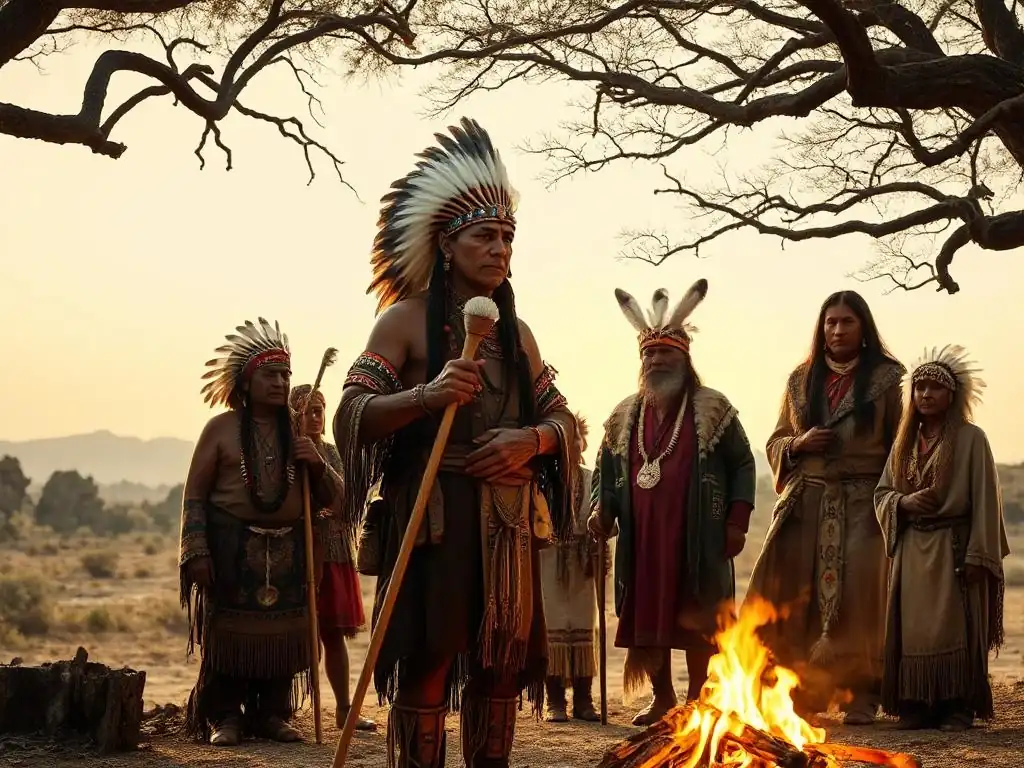
The diversity of spiritual leaders in indigenous cultures reflects the rich tapestry of beliefs and practices across different societies. Each type of leader carries unique responsibilities and embodies specific aspects of spiritual and cultural life.
Shamans: The Mediators Between Worlds
Shamans are perhaps the most recognized type of spiritual leader in indigenous cultures, known for their ability to traverse the spiritual realm. They act as intermediaries between the physical world and the spirit world, often engaging in trance states to communicate with spirits, ancestors, and otherworldly beings.
Shamans are revered for their skills in healing, divination, and guidance. Their training often involves rigorous apprenticeship and personal spiritual journeys, equipping them with the necessary knowledge and experiences to perform their roles. In many cultures, shamans are believed to possess innate gifts, which they refine through practice and dedication to their spiritual path.
Priests and Priestesses: Religious Authority Figures
In various indigenous societies, priests and priestesses occupy positions of religious authority, often overseeing rituals and maintaining the sacred sites of their culture. They may be responsible for interpreting sacred texts, conducting ceremonies, and ensuring that religious practices align with community values and beliefs.
These leaders are often seen as custodians of ancient traditions, safeguarding the spiritual heritage of their people. Their authority is typically recognized by the community, and they may have specific roles depending on the nature of the rituals they oversee, such as fertility rites, harvest celebrations, or seasonal festivals.
Elders: Wisdom Keepers and Cultural Stewards
Elders hold a unique and respected position within indigenous cultures as wisdom keepers and cultural stewards. They are often seen as the repositories of knowledge, possessing a deep understanding of history, traditions, and moral values. Elders play a crucial role in mentoring younger generations, passing on cultural traditions, stories, and practices that are vital for the community's identity.
In addition to their role in education, elders often participate in decision-making processes, providing guidance on community matters and conflict resolution. Their life experiences and insights are invaluable, helping to navigate the complexities of contemporary challenges while maintaining a connection to traditional values. Elders embody the continuity of culture, linking the past, present, and future of their communities.
The Influence of Spiritual Leaders on Community Life
Spiritual leaders, particularly shamans, hold a pivotal role in indigenous cultures, serving as intermediaries between the spiritual realm and the community. Their influence permeates various aspects of daily life, including health, governance, and social cohesion. As custodians of knowledge and tradition, shamans guide their communities through rituals, healing practices, and moral teachings, reinforcing the cultural identity and values essential to the group's survival and cohesion. Their presence not only promotes spiritual well-being but also fosters a sense of belonging and unity among community members.
Impact on Social Structure and Organization
The structure of many indigenous communities is intricately linked to the roles spiritual leaders play. Shamans often occupy a respected position within the social hierarchy, acting as advisors in matters of governance and conflict resolution. Their authority is derived from their perceived connection to the spiritual world, which grants them insights that are crucial for decision-making processes.
This influence can manifest in various forms, such as directing rituals that reinforce community bonds or mediating disputes to maintain harmony. In many cases, the shaman's role is essential in maintaining the balance between the individual and the collective, ensuring that the needs of the community are prioritized.
Role in Preserving Cultural Traditions and Practices
One of the primary responsibilities of spiritual leaders is the preservation of cultural traditions and practices. Through oral histories, storytelling, and rituals, shamans transmit valuable knowledge about ancestral customs, beliefs, and practices. They serve as the link between the past and present, ensuring that younger generations understand and appreciate their heritage.
By conducting ceremonies and teaching traditional skills, spiritual leaders reinforce the significance of cultural practices, helping to maintain the community's identity in the face of external pressures. This role is particularly vital in times of change, as shamans help navigate the community's response to new challenges while fostering resilience through cultural continuity.
Contributions to Ecological Knowledge and Sustainability
Shamans often possess profound knowledge of their local ecosystems, developed over generations through observation and interaction with nature. This ecological wisdom informs sustainable practices that are crucial for the community's survival. Spiritual leaders teach their communities about the interconnectedness of all living beings and the importance of respecting natural resources.
They guide traditional ecological practices, such as sustainable hunting and gathering, crop rotation, and land stewardship, which are essential for maintaining ecological balance. In this way, spiritual leaders not only contribute to the physical well-being of their communities but also advocate for a holistic understanding of environmental sustainability that integrates spiritual beliefs with ecological practices.
Challenges Faced by Spiritual Leaders
The role of spiritual leaders is fraught with challenges, particularly as indigenous communities navigate the complexities of modernity and external influences. These challenges can undermine their authority and the relevance of their teachings, posing threats to the continuity of cultural practices.
Encroachment of Modernity and External Influences
As globalization and modernization advance, many indigenous communities face pressures that can diminish the role of spiritual leaders. The influx of Western values, technologies, and lifestyles can lead to a decline in traditional practices and beliefs. Younger generations may gravitate towards contemporary ways of life, often viewing the teachings of spiritual leaders as outdated or irrelevant. This shift can result in a reduced participation in rituals and ceremonies, placing the continuity of cultural traditions at risk. Spiritual leaders must navigate this complex landscape, finding ways to adapt their teachings to remain relevant while preserving core cultural values.
Loss of Traditional Knowledge and Practices
The erosion of traditional knowledge poses a significant challenge for spiritual leaders. As globalization continues to influence indigenous societies, there is a risk that unique cultural practices and languages may be lost. This loss not only affects spiritual leaders' ability to pass on their teachings but also diminishes the cultural richness of their communities. Efforts to document and revitalize traditional practices are essential for safeguarding this knowledge, but they often require collaboration between spiritual leaders, community members, and external organizations. Addressing this challenge necessitates a commitment to cultural preservation and the recognition of the value of indigenous knowledge systems.
The Role of Spiritual Leaders in Social Justice Movements
In addition to their spiritual responsibilities, many shamans have emerged as advocates for social justice within their communities. They often address issues such as land rights, environmental protection, and cultural recognition, using their influence to mobilize community action. By leveraging their respected status, spiritual leaders can inspire collective efforts to resist external pressures and advocate for the rights of their people.
Their involvement in social justice movements highlights the interconnectedness of spirituality and activism, demonstrating that the role of spiritual leaders extends beyond traditional boundaries and into the realm of societal change. This dual role is crucial in empowering communities to assert their rights and protect their cultural heritage in a rapidly changing world.
Case Studies of Influential Spiritual Leaders
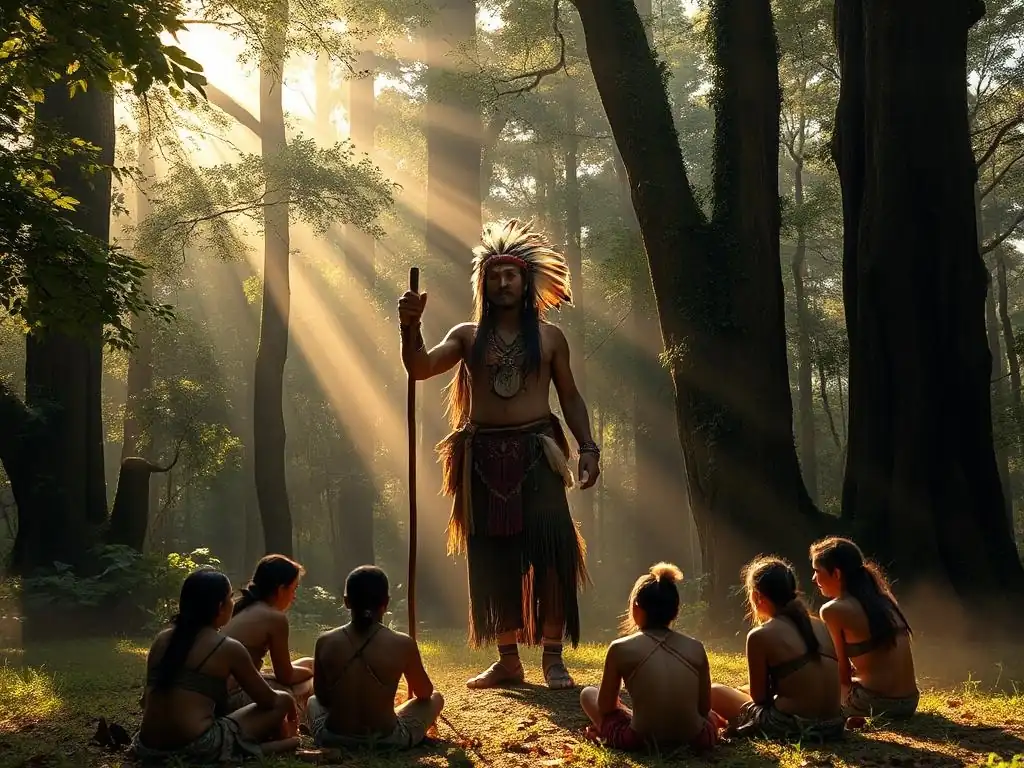
Examining the lives and contributions of specific spiritual leaders in indigenous cultures provides a deeper understanding of their roles and impacts. These leaders not only guided their communities in spiritual matters but also shaped cultural identity and social cohesion. Below are three significant case studies that illustrate the diverse expressions of spiritual leadership among indigenous peoples.
Case Study 1: Black Elk and the Lakota Spirituality
Black Elk, born in 1863, was a revered Lakota spiritual leader and healer whose vision and teachings have profoundly influenced Lakota spirituality and culture. His life was marked by significant historical events, including the Wounded Knee Massacre, which shaped his worldview and spiritual insights. Black Elk is perhaps best known for his work, Black Elk Speaks, where he recounts his spiritual experiences and the importance of the Lakota vision quest.
His teachings emphasized the interconnectedness of all life and the importance of harmony with nature. Black Elk's vision of a united Lakota nation and his advocacy for the preservation of Lakota traditions resonate strongly in the community today. He inspired many to embrace their cultural heritage, and his legacy continues to influence contemporary Lakota spirituality and practices.
Case Study 2: Maria Sabina and the Mazatec Mushroom Tradition
Maria Sabina, a Mazatec curandera (healer) born in 1894 in Oaxaca, Mexico, is best known for her profound connection to the sacred mushrooms (psilocybin mushrooms) used in Mazatec spiritual practices. Through her ceremonies, she guided individuals in their spiritual journeys, helping them to connect with the divine and seek healing.
Her work gained international attention in the 1950s when Western researchers and artists sought her out for the transformative experiences facilitated by the mushrooms. Maria Sabina's influence extended beyond her community, as she became a symbol of indigenous knowledge and spirituality. Her teachings on the use of sacred plants for healing and spiritual exploration have inspired a renewed interest in indigenous healing practices, emphasizing respect for nature and traditional wisdom.
Case Study 3: Chief Dan George and Indigenous Advocacy
Chief Dan George, a prominent figure among the Coast Salish people, was not only a spiritual leader but also an actor and activist who advocated for indigenous rights throughout the 20th century. Born in 1899, he became known for his poignant speeches and writings that highlighted the struggles of indigenous peoples in Canada.
As a spiritual leader, Chief Dan George emphasized the importance of cultural preservation and the spiritual connection to the land. His involvement in the film industry allowed him to reach a broader audience, raising awareness about the injustices faced by indigenous communities. His legacy as a mediator between cultures and a proponent of indigenous rights continues to inspire activism and dialogue in contemporary indigenous societies.
The Legacy of Spiritual Leaders in Indigenous Cultures
The influence of spiritual leaders extends far beyond their immediate communities, shaping cultural narratives and practices that endure to this day. Their teachings and legacies have left a lasting imprint on the spiritual landscape of indigenous cultures.
Lasting Impact on Contemporary Indigenous Societies
Spiritual leaders have played a crucial role in maintaining cultural identity and resilience among indigenous communities. Their teachings often emphasize the importance of community, the spiritual connection to the land, and the preservation of traditional practices. This has fostered a sense of pride and belonging among indigenous peoples in contemporary society.
Moreover, many indigenous communities actively engage with the teachings of historical leaders like Black Elk and Maria Sabina, integrating their wisdom into modern spiritual practices. This continuity helps to bridge the past with the present, ensuring that indigenous knowledge and spirituality remain vibrant and relevant.
Revitalization of Spiritual Practices in Modern Times
In recent years, there has been a significant revitalization of indigenous spiritual practices, driven in part by a growing recognition of their importance in addressing contemporary issues. Many indigenous peoples are reclaiming their spiritual heritage, often blending traditional practices with modern contexts to foster healing and community bonding.
This resurgence includes the revival of traditional ceremonies, rituals, and the use of sacred plants, as seen in the work of contemporary spiritual leaders who draw inspiration from figures like Maria Sabina. As indigenous communities work to heal from the traumas of colonization, the teachings and legacies of past spiritual leaders serve as powerful tools for empowerment and cultural renewal, ensuring that indigenous spirituality continues to thrive in today's world.
Conclusion: The Enduring Role of Spiritual Leaders in Indigenous Cultures
The role of spiritual leaders, particularly shamans, has profoundly shaped the cultural fabric of indigenous societies across the Americas. These leaders have served not only as mediators between the physical and spiritual worlds but also as custodians of knowledge, tradition, and community cohesion. Their influence extends beyond mere religious practices; shamans have historically played crucial roles in healing, social governance, education, and the preservation of cultural identity. As societies evolve and face modern challenges, the enduring legacy of spiritual leaders continues to resonate, reminding us of their foundational importance in indigenous cultures.
Reflection on the Importance of Spiritual Leadership
Spiritual leadership in indigenous cultures is essential for maintaining the community's connection to its heritage and values. Shamans often act as the bridge between generations, passing down wisdom and cultural practices that are vital for the community's identity. They provide guidance during significant life events, such as births, marriages, and deaths, reinforcing a sense of belonging and continuity.
This leadership fosters a collective identity, allowing members of the community to understand their place within the larger tapestry of life. Furthermore, spiritual leaders often play a critical role in environmental stewardship, advocating for the sustainable use of natural resources, which is integral to many indigenous belief systems. Their teachings emphasize the interconnection between humanity and the natural world, promoting harmony and respect for all living beings.
The Future of Spiritual Leaders in Indigenous Communities
As indigenous communities navigate the complexities of contemporary life, the future of spiritual leaders remains a topic of both challenge and hope. The pressures of globalization, climate change, and cultural assimilation present significant obstacles to the practice of traditional spiritual leadership. However, there is a growing recognition of the importance of these roles, prompting efforts to revitalize and adapt spiritual practices in a modern context. Young members of indigenous communities are increasingly seeking to learn from their elders, ensuring that the teachings of spiritual leaders are preserved and adapted for future generations.
In many areas, spiritual leaders are also becoming advocates for indigenous rights and environmental issues, integrating their traditional knowledge with contemporary activism. This evolution illustrates that while the context may change, the core principles of spiritual leadership—community, healing, and connection to the earth—remain vital. The resilience of spiritual leaders in indigenous cultures promises a continued influence, shaping not only the spiritual lives of their communities but also their social and environmental futures.
- Introduction to Spiritual Leaders in Indigenous Cultures
- Historical Context of Spiritual Leadership
- Roles and Responsibilities of Spiritual Leaders
- Types of Spiritual Leaders in Indigenous Cultures
- The Influence of Spiritual Leaders on Community Life
- Challenges Faced by Spiritual Leaders
- Case Studies of Influential Spiritual Leaders
- The Legacy of Spiritual Leaders in Indigenous Cultures
- Conclusion: The Enduring Role of Spiritual Leaders in Indigenous Cultures
- What role do spiritual leaders play in indigenous cultures?
- How do shamans influence community well-being?
- What are some common practices of spiritual leaders in these cultures?
- How are shamans chosen in indigenous communities?
- What is the lasting impact of spiritual leaders in indigenous societies?
Frequently Asked Questions
What role do spiritual leaders play in indigenous cultures?
Spiritual leaders, often referred to as shamans, are crucial in guiding communities through spiritual practices, healing, and maintaining cultural traditions.
How do shamans influence community well-being?
Shamans provide emotional support and healing, helping individuals and communities navigate challenges, thus fostering a sense of unity and resilience within the society.
What are some common practices of spiritual leaders in these cultures?
Common practices include rituals, ceremonies, and meditations that connect the community to their ancestors and the natural world, reinforcing cultural beliefs and values.
How are shamans chosen in indigenous communities?
Shamans are often identified through spiritual calling, familial ties, or apprenticeships, where individuals learn from established leaders about their roles and responsibilities.
What is the lasting impact of spiritual leaders in indigenous societies?
The influence of spiritual leaders persists in the cultural identity of indigenous peoples, shaping their traditions, belief systems, and relationship with nature even today.
Final Reflection: The Enduring Legacy of Spiritual Leaders in Indigenous Cultures
The role of spiritual leaders in indigenous cultures is more relevant today than ever, as we navigate a world increasingly disconnected from nature and community. The wisdom and practices of shamans and other spiritual guides offer profound insights into holistic living, emphasizing the interconnectedness of all life. In a time marked by environmental crises and social fragmentation, the teachings of these leaders remind us of the importance of balance, respect, and harmony with the world around us.
The influence of spiritual leaders extends far beyond their communities, shaping cultural narratives and fostering resilience in the face of adversity. Their practices serve as a bridge between the past and the present, instilling a sense of identity and continuity. As noted by anthropologist David Korten, Indigenous wisdom is not just about the past; it is a guide for the future.
This ongoing relevance highlights the necessity of honoring and learning from these traditions, as they hold keys to sustainable living and community cohesion in our modern society.
As you reflect on the insights shared in this article, consider how you can incorporate the values and teachings of spiritual leaders into your own life. Embrace the wisdom of indigenous cultures by fostering a deeper connection to nature, community, and your own spiritual journey. Let this be a call to action: seek out opportunities to learn from these traditions, advocate for their preservation, and recognize the vital role they play in shaping a more harmonious world. Together, we can honor the legacy of spiritual leaders and ensure their teachings continue to inspire future generations.
Embrace the Spirit: Connect with Indigenous Wisdom!
Thank you for exploring the profound impact of shamanic traditions in Indigenous societies. You have discovered the transformative role these spiritual leaders play in preserving culture and guiding their communities. Now, it's time to take that newfound understanding and elevate your own journey!
Here are some empowering actions you can take:
- Join a local workshop: Seek out events or classes focused on Indigenous spirituality or practices to deepen your connection and learn directly from experienced instructors.
- Share your insights: Discuss what you've learned with friends and family to foster awareness and appreciation for Indigenous cultures.
- Explore diverse resources: Discover informative books, documentaries, or podcasts that delve into shamanic practices and the rich heritage of Indigenous peoples for a more enriching experience.
How will you incorporate the wisdom of these spiritual leaders into your life? Share your thoughts and inspire others!