
Storytellers and Historians: Preserving Culture Through Oral Traditions

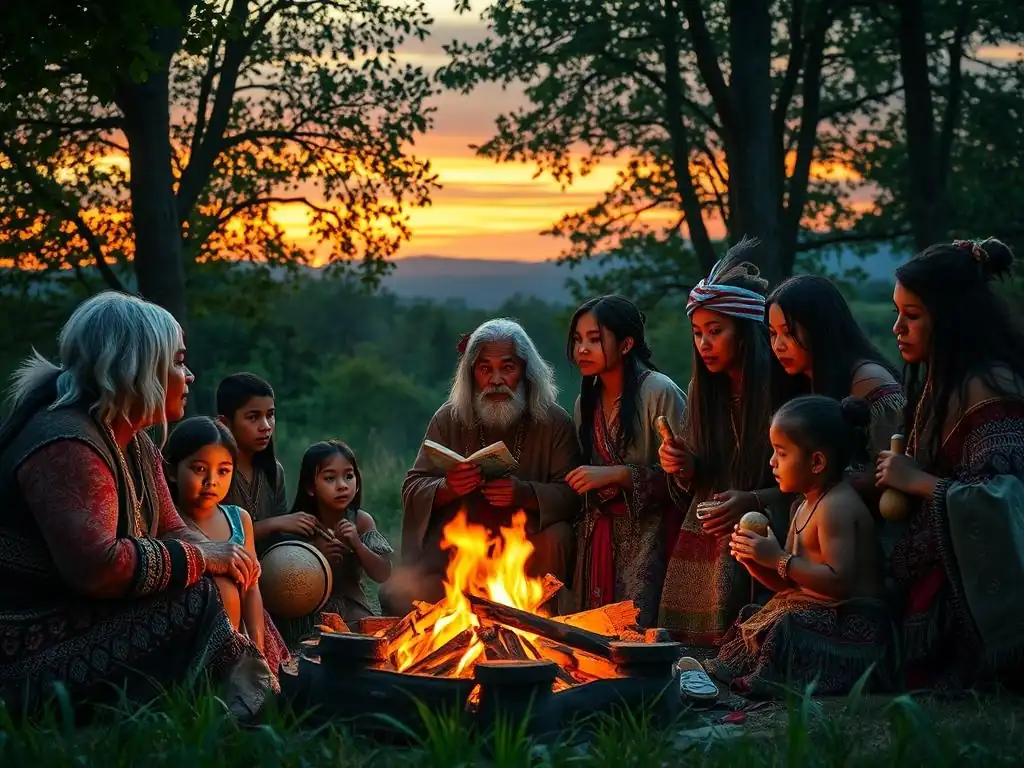
Welcome to Indigenous Civilizations of the Americas, where we invite you to embark on a journey through the rich tapestry of indigenous cultures that flourished long before European contact. Here, you'll discover the profound significance of indigenous oral traditions preservation, a vital thread that weaves together the stories, histories, and wisdom of these remarkable societies.
In our featured article, "Storytellers and Historians: Preserving Culture Through Oral Traditions," we delve into the art of storytelling that has safeguarded ancestral knowledge for generations. Prepare to be captivated as you explore the powerful legacy of these traditions and their enduring impact on contemporary culture—your adventure into the past begins now!
- Introduction to Indigenous Oral Traditions Preservation
- The Role of Storytellers in Preserving Culture
- The Role of Historians in Indigenous Societies
- The Interplay Between Storytelling and Historical Documentation
- Challenges to Indigenous Oral Traditions Preservation
- The Future of Indigenous Oral Traditions
- Conclusion: The Enduring Legacy of Indigenous Oral Traditions
-
Frequently Asked Questions
- What are indigenous oral traditions?
- Why is the preservation of oral traditions important?
- How do storytelling practices vary among different indigenous cultures?
- What challenges do indigenous communities face in preserving their oral traditions?
- How can modern technology aid in the preservation of oral traditions?
- Final Reflection: The Vital Role of Indigenous Oral Traditions in Cultural Preservation
- Unleash the Power of Oral Traditions!
Introduction to Indigenous Oral Traditions Preservation
Indigenous oral traditions are more than just stories; they are the lifeblood of many cultures that flourished across the Americas long before European colonization. These traditions serve as a vital means of preserving knowledge, history, and identity, passed down through generations in a rich tapestry of narratives, songs, and rituals. The preservation of these oral traditions is crucial, particularly in the face of globalization and cultural assimilation that threaten the unique identities of indigenous peoples.
By focusing on the roles of storytellers and historians, we can appreciate how these cultural bearers contribute to the continuity of their communities and the resilience of their heritage. This article delves into the significance of indigenous oral traditions and the pivotal roles played by individuals who safeguard these invaluable cultural expressions.
Importance of Oral Traditions in Indigenous Cultures
Oral traditions hold immense significance in indigenous cultures, acting as a primary method for transmitting knowledge and cultural values. These traditions encompass a variety of forms, including myths, legends, songs, and proverbs, which collectively serve several essential purposes:
- Cultural Identity: Oral traditions reinforce a sense of belonging and identity among community members, linking them to their ancestors and shared history. They provide a framework for understanding the world and the place of individuals within it.
- Knowledge Transmission: Vital information about the environment, survival skills, and social norms is conveyed through storytelling. Elders often share lessons about the land, medicinal plants, and seasonal changes, ensuring that younger generations are equipped with the knowledge needed to thrive.
- Moral and Ethical Guidance: Many stories contain moral lessons, teaching community values such as respect, generosity, and responsibility. These narratives often illustrate the consequences of actions, guiding individuals in their interactions both within their community and with the natural world.
- Historical Record: Oral traditions serve as living history, documenting significant events, migrations, and cultural changes. They provide a perspective often absent from written records, allowing for a more nuanced understanding of indigenous experiences.
- Social Cohesion: Storytelling fosters connections among community members, creating shared experiences that strengthen ties between individuals and generations. Community gatherings centered around storytelling promote unity and collective identity.
Overview of Storytellers and Historians in Society
In indigenous societies, storytellers and historians play a crucial role in the preservation and dissemination of oral traditions. Their responsibilities extend beyond mere narration; they are cultural custodians who actively engage in the maintenance of their people's history and identity. Here are some key aspects of their roles:
- Cultural Bearers: Storytellers are often revered as keepers of knowledge, entrusted with the responsibility of passing down stories that encapsulate their culture's beliefs and values. Their performances are not only entertaining but also educational, serving as a means for cultural transmission.
- Interpreters of History: Historians within indigenous communities interpret and contextualize past events, ensuring that the lessons learned from history are understood and remembered. They may use oral traditions to challenge dominant narratives imposed by external forces, reclaiming their history on their own terms.
- Community Engagement: Both storytellers and historians foster community engagement through their craft. They often hold gatherings, ceremonies, or workshops that invite participation and encourage the sharing of stories, thus reinforcing the importance of collective memory.
- Adaptation and Resilience: In a rapidly changing world, these cultural figures adapt oral traditions to new contexts while remaining rooted in their origins. This flexibility allows for the preservation of cultural integrity while also addressing contemporary issues faced by their communities.
Through their dedication and expertise, storytellers and historians ensure that indigenous oral traditions remain vibrant and relevant, safeguarding the rich cultural heritage of indigenous peoples for future generations.
The Role of Storytellers in Preserving Culture
Definition of Storytellers in Indigenous Context
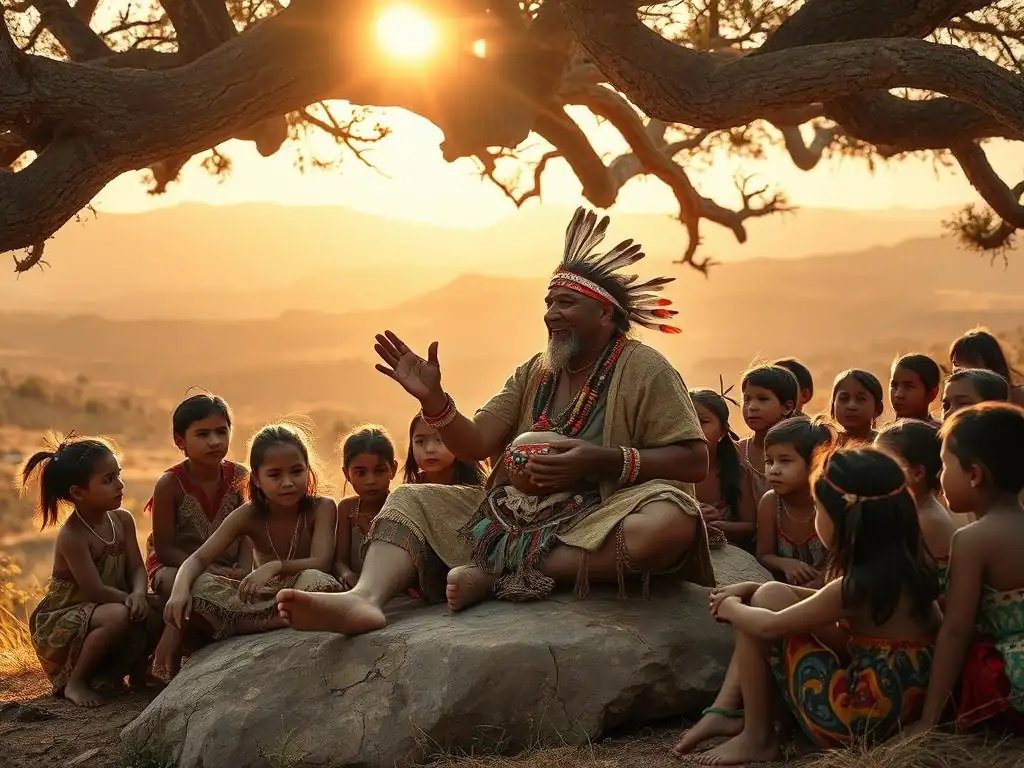
In the context of indigenous cultures, storytellers are revered figures responsible for the oral transmission of history, culture, and values. They serve as custodians of knowledge, bridging generations by recounting tales that embody the collective experiences and wisdom of their communities.
Storytellers often hold a unique position within their societies, acting as both educators and entertainers. Their narratives encapsulate the essence of indigenous identities, highlighting important events, moral lessons, and ancestral teachings. In many cultures, storytelling is not merely a form of entertainment; it is a vital tradition that reinforces communal bonds and cultural continuity.
For many indigenous groups, the role of the storyteller is often inherited, passed down through familial lines, or designated through community recognition. This role may involve specialized training, where aspiring storytellers learn the intricacies of their culture's myths, legends, and historical accounts. The rich tapestry of narratives shared by storytellers serves to validate and affirm the cultural heritage of indigenous peoples, ensuring that their unique perspectives and histories are preserved for future generations.
Techniques Used by Storytellers
Indigenous storytellers employ a variety of techniques to engage their audiences and effectively convey their narratives. These methods are not only artistic but also serve practical purposes in the preservation of oral traditions. Some prominent techniques include:
- Use of Symbolism: Storytellers often incorporate symbols that resonate with the community’s beliefs and values, allowing listeners to connect personally with the narrative.
- Repetition and Rhythm: Repetitive phrases and rhythmic patterns help embed stories in memory, making it easier for audiences to recall and share them later.
- Audience Participation: Storytellers frequently invite audience interaction, prompting listeners to respond or contribute, which fosters a communal experience and enhances engagement.
- Imagery and Descriptive Language: Vivid descriptions and evocative imagery create mental pictures that transport audiences into the world of the story, deepening their emotional connection to the narrative.
- Performance Elements: Many storytellers integrate gestures, facial expressions, and vocal variations to bring their stories to life, making the experience dynamic and captivating.
These techniques are tailored to the cultural context of the storyteller's community and are essential for maintaining the authenticity and effectiveness of oral traditions. Through these methods, storytellers not only preserve narratives but also reinforce the values and teachings embedded within them.
Impact of Storytelling on Community Identity
Storytelling plays a crucial role in shaping and reinforcing community identity among indigenous peoples. The narratives shared by storytellers serve to establish a sense of belonging and continuity, enabling individuals to connect with their heritage and each other. Here are several ways storytelling impacts community identity:
- Cultural Preservation: By passing down stories, communities safeguard their languages, traditions, and historical narratives from being lost or forgotten. This preservation is vital for maintaining a distinct cultural identity in a rapidly changing world.
- Shared Values and Morals: The stories often convey moral lessons that reflect the community's values and beliefs. As members of the community engage with these teachings, they internalize shared principles that unify them.
- Strengthening Bonds: Storytelling fosters communal ties, as it brings people together for shared experiences. These gatherings create an environment where individuals can reflect collectively on their identity and history.
- Resistance and Resilience: Many indigenous stories recount struggles, resilience, and survival in the face of adversity. These narratives empower communities to confront contemporary challenges by reinforcing their strength and unity.
- Intergenerational Connections: Storytelling facilitates connections between generations, allowing elders to impart wisdom to younger members, thus ensuring that cultural knowledge and identity are transmitted effectively.
In essence, storytelling is a foundational practice that nurtures and sustains the cultural identity of indigenous communities. As they navigate the complexities of modern society, the preservation of oral traditions remains a powerful means of asserting their identity and heritage.
The Role of Historians in Indigenous Societies
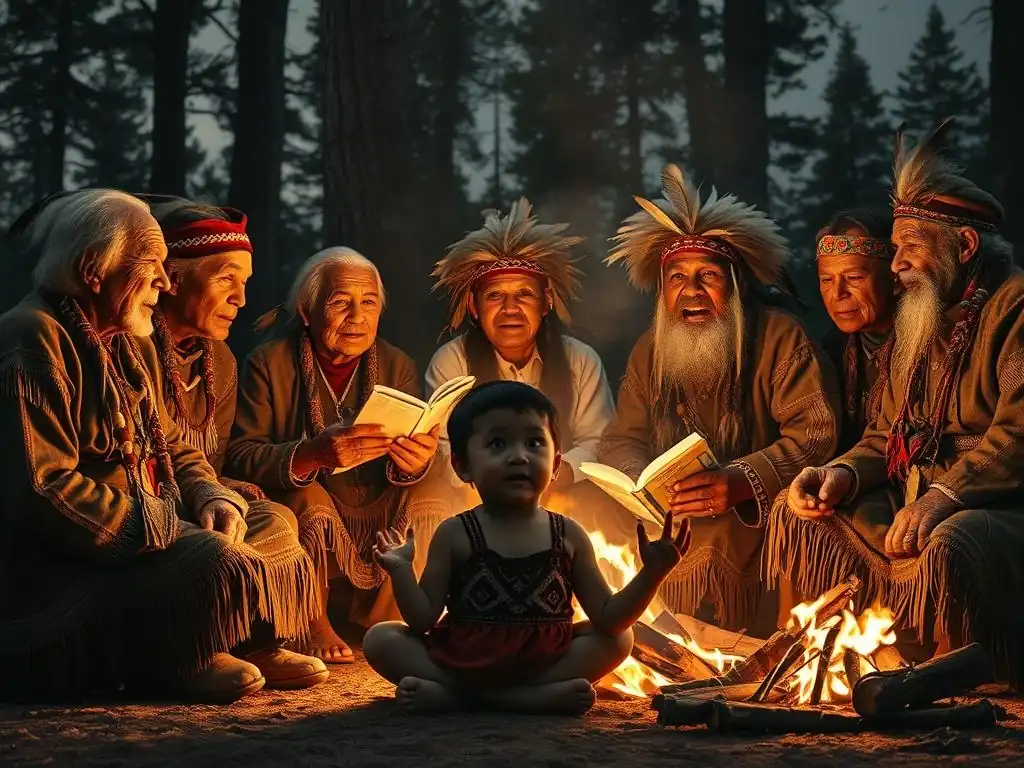
Indigenous historians play a crucial role in the preservation and transmission of cultural knowledge within their communities. Their responsibilities extend beyond mere record-keeping; they are the guardians of history, identity, and traditions, bridging the past with the present. The impact of their work is profound, as it helps to safeguard indigenous oral traditions preservation and ensures that future generations inherit a rich legacy of their ancestors.
Definition and Responsibilities of Indigenous Historians
Indigenous historians are individuals who focus on the documentation and interpretation of their community's history, customs, and beliefs. Unlike conventional historians, whose work often relies on written texts, indigenous historians primarily utilize oral traditions as their source material. Their responsibilities can be categorized into several key areas:
- Cultural Preservation: Historians ensure that stories, myths, and teachings are accurately recorded and passed down, maintaining the integrity of their culture.
- Education: They serve as educators within their communities, sharing knowledge about historical events, ancestral practices, and the importance of cultural identity.
- Advocacy: Indigenous historians often advocate for the recognition of their peoples' histories and rights, challenging dominant narratives that may marginalize or misrepresent them.
- Research and Documentation: They conduct research to gather oral histories, interviews, and community stories, creating a comprehensive record of their culture's history.
The work of indigenous historians is integral to the ongoing process of indigenous oral traditions preservation, ensuring that the richness of their heritage is maintained for generations to come.
Methods of Recording History and Culture
The methods employed by indigenous historians to record history and culture are diverse and deeply rooted in their traditions. These methods often include:
- Oral Narratives: Stories passed down through generations are carefully collected and documented. Each narrative serves not only as a historical account but also as a lesson in morality, identity, and community values.
- Interviews and Testimonies: Engaging with elders and community members allows historians to compile firsthand accounts of significant events and practices. This method emphasizes the importance of personal experience in understanding history.
- Ceremonial Practices: Many indigenous cultures incorporate history into ceremonies. Historians may use these events as opportunities to gather insights while respecting the sacredness of these practices.
- Art and Symbolism: Art forms such as painting, carving, and weaving contain historical significance. Historians analyze these artworks to extract cultural meanings and historical context.
- Community Workshops: Collaborative workshops involving community members help in the collective retelling of stories and events, fostering a sense of unity and shared history.
By utilizing these varied methods, indigenous historians contribute significantly to indigenous oral traditions preservation, offering a multi-dimensional view of their cultures.
The Connection Between Historians and Storytellers
The relationship between historians and storytellers in indigenous societies is both collaborative and symbiotic. While historians focus on preserving history, storytellers enrich these narratives through artistic expression. This connection can be explored through several aspects:
- Cultural Transmission: Storytellers are vital in conveying historical events and cultural values through engaging narratives. Historians often rely on the stories told by these individuals to ensure that history is not only preserved but also vibrantly shared within the community.
- Preserving Language: Both historians and storytellers play a crucial role in sustaining indigenous languages. Many oral traditions are embedded in the language itself, and by working together, they ensure that language and culture remain intertwined.
- Community Engagement: Storytelling events often become communal gatherings that foster social cohesion. Historians can enhance these events by providing historical context, making the stories more meaningful.
- Adaptation and Evolution: As societies change, so do their stories. Historians work alongside storytellers to adapt narratives to contemporary contexts while maintaining their core messages, ensuring relevance in a modern world.
The interplay between historians and storytellers is pivotal for indigenous oral traditions preservation. Together, they create a rich tapestry of history and culture that informs and strengthens the identity of indigenous communities.
The Interplay Between Storytelling and Historical Documentation
How Oral Traditions Complement Written Histories
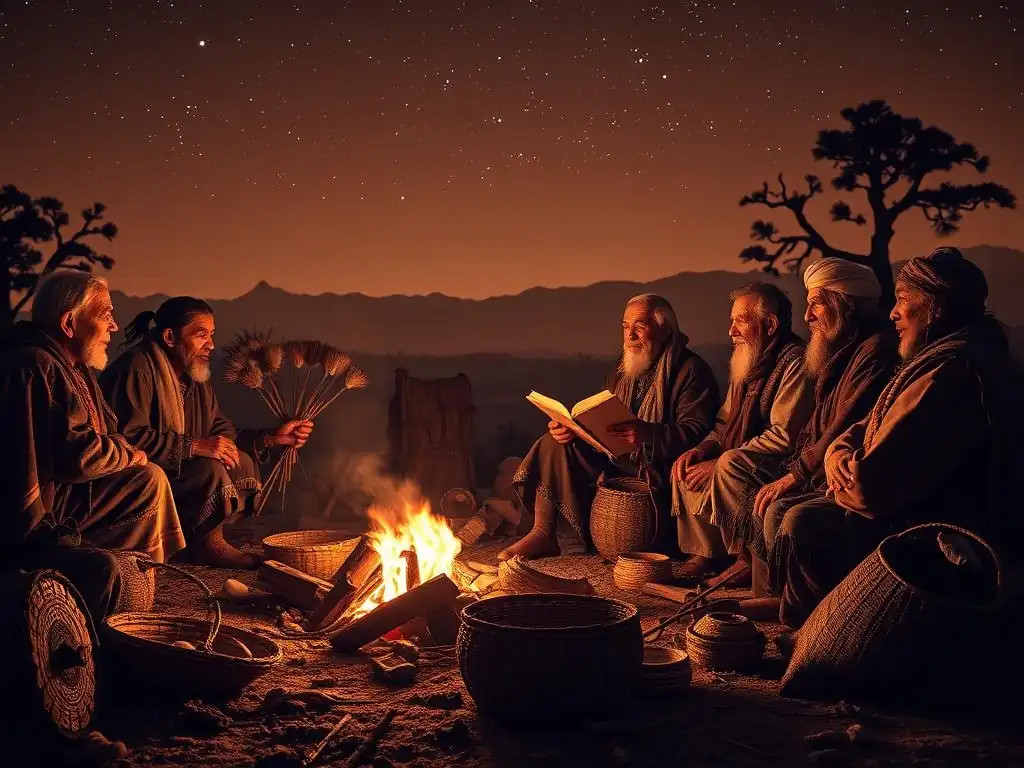
Oral traditions serve as a vital complement to written histories, particularly within indigenous cultures of the Americas. Unlike written records, which often focus on political events and dates, oral narratives provide rich, nuanced accounts of daily life, spiritual beliefs, and cultural practices. These stories are passed down through generations, allowing communities to maintain their identity, values, and historical consciousness.
Key Aspects of Oral Histories:
- Cultural Context: Oral traditions are embedded within the cultural context of the storytellers, incorporating local dialects, idioms, and references that may not translate well into written form.
- Dynamic Nature: Oral storytelling is inherently dynamic; the stories may evolve with each retelling, reflecting contemporary issues while preserving ancestral wisdom.
- Community Engagement: These narratives often require the participation of the community for their performance, fostering a sense of belonging and shared identity among listeners.
The interplay between storytelling and historical documentation is significant. While written histories can sometimes marginalize indigenous perspectives, oral traditions ensure that the voices and experiences of these communities are heard and preserved. They serve as living records of history, allowing for an inclusive understanding of the past.
Case Studies of Successful Oral Tradition Preservation
Several indigenous cultures across the Americas have successfully preserved their oral traditions, showcasing the resilience and adaptability of these practices. Here are a few notable case studies:
-
The Navajo Nation:
The Navajo people have maintained their oral traditions through ceremonies and storytelling that convey their history, teachings, and cosmology. The "Blessingway" ceremony, for instance, integrates storytelling with rituals to ensure cultural continuity and community cohesion.
-
The Haudenosaunee (Iroquois Confederacy):
The Haudenosaunee have a rich tradition of oral history that emphasizes the importance of the "Great Law of Peace," which governs their society. Elders play a crucial role in recounting these stories, which are integral to their governance and social structure.
-
The Maya Civilization:
In contemporary Maya communities, oral traditions are preserved through the use of the "Popol Vuh," a sacred text that recounts their creation myths and historical narratives. This text, while written, is often recited in ceremonial contexts, reinforcing the oral aspect of their traditions.
These case studies illustrate how indigenous communities are actively engaged in the preservation of their oral traditions, ensuring that their cultural legacies endure despite external pressures.
The Role of Memory in Cultural Continuity
Memory plays a pivotal role in the preservation of indigenous oral traditions. It serves not only as a repository of knowledge but also as a mechanism for cultural transmission. The ways in which memory is utilized can vary significantly among different indigenous cultures:
- Collective Memory: Many indigenous societies emphasize collective memory, where the community shares and reinforces their history through storytelling. This communal aspect fosters unity and a shared sense of identity.
- Elders as Guardians: Elders are often viewed as the custodians of memory, responsible for passing down knowledge and stories to younger generations. Their role is critical in ensuring that cultural practices and histories are not lost.
- Mnemonic Techniques: Indigenous storytellers frequently employ mnemonic devices—such as rhythm, repetition, and imagery—to aid in the transmission of stories. These techniques enhance the retention of cultural narratives and make them more engaging for listeners.
By understanding the significance of memory in cultural continuity, we can appreciate how indigenous oral traditions not only preserve history but also reinforce identity, values, and community cohesion. Through storytelling, these cultures continue to thrive and adapt in a changing world, ensuring their voices and legacies endure for generations to come.
Challenges to Indigenous Oral Traditions Preservation
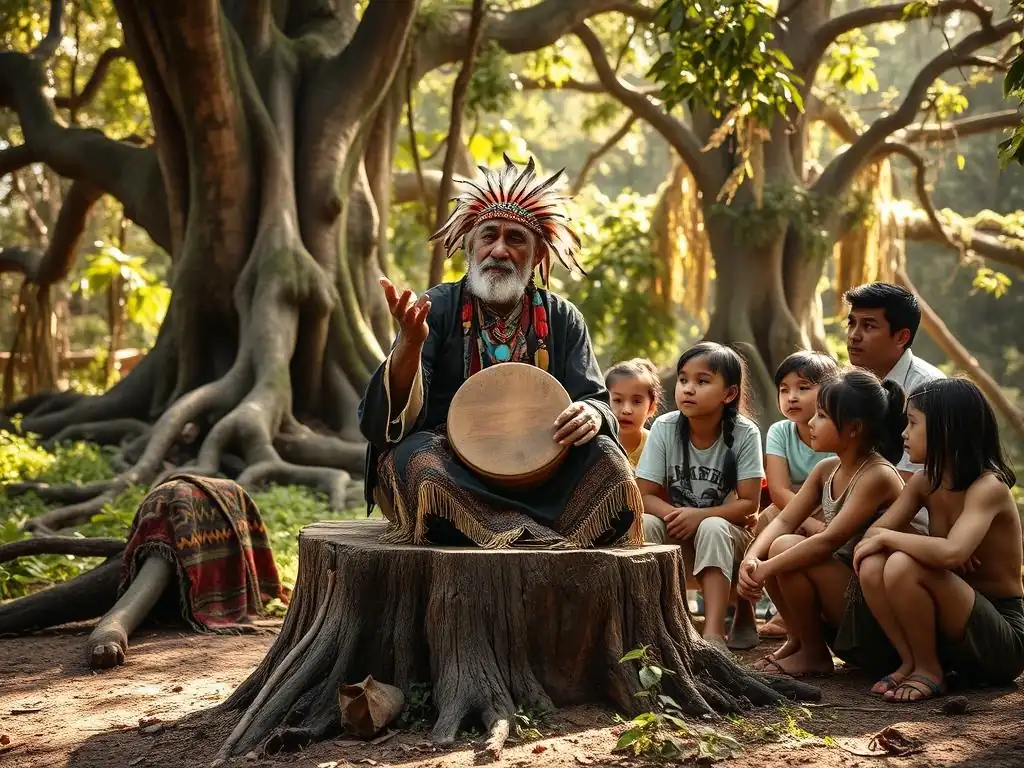
Indigenous oral traditions are vital for the preservation of culture, history, and identity among indigenous peoples of the Americas. However, these traditions face numerous challenges that threaten their survival. Understanding these challenges is crucial to developing effective strategies for their preservation.
External Threats: Colonization and Modernization
The impact of colonization on indigenous oral traditions has been profound and multifaceted. Colonizers often dismissed indigenous cultures as primitive, leading to a systematic erasure of their histories and practices. This process was not only cultural but also physical, as many indigenous communities were decimated, and their social structures disrupted.
- Loss of Elders: The elders, who are the primary bearers of oral traditions, often faced violence, displacement, or death during colonization, leaving a significant gap in the transmission of knowledge.
- Cultural Assimilation: Modernization has led to forced assimilation policies, whereby indigenous peoples were encouraged or mandated to adopt the languages, religions, and customs of colonizers. This often resulted in the decline of indigenous languages, which are closely tied to oral traditions.
- Technological Influence: The rise of digital media has altered how stories are told and shared. While it offers opportunities for dissemination, it can dilute the authenticity of traditional narratives, as they may be modified to fit contemporary formats.
Internal Challenges: Generational Gaps and Language Loss
Within indigenous communities, internal challenges also threaten the preservation of oral traditions.
- Generational Gaps: There is often a disconnect between older and younger generations. Younger individuals may prioritize modern education and lifestyles over traditional practices, leading to a decrease in interest in learning oral histories.
- Language Loss: Many indigenous languages are endangered, with only a few speakers left. Language is a crucial element of oral traditions; when a language dies, the associated stories, meanings, and cultural nuances often vanish as well. For instance, the loss of the Cherokee language has significantly impacted the preservation of their oral narratives.
Strategies for Overcoming Challenges in Preservation
Despite these challenges, various strategies can be employed to ensure the preservation of indigenous oral traditions.
- Community Engagement: Encouraging active participation from all community members, especially the youth, can strengthen cultural ties. Programs that integrate traditional storytelling into school curricula can foster interest and appreciation among younger generations.
- Documentation and Archiving: Utilizing audio and video recordings to document oral traditions can serve as a valuable resource for future generations. This method allows for the preservation of the original narratives while providing a reference for language and cultural nuances.
- Revitalization Programs: Initiatives aimed at teaching indigenous languages can significantly contribute to the preservation of oral traditions. Language revitalization programs that promote fluency can help bridge the generational gap, empowering young people to engage with their cultural heritage.
- Collaboration with Scholars: Working with anthropologists, linguists, and historians can help document and analyze oral traditions, ensuring they gain the recognition and respect they deserve within academic and public spheres.
By addressing these challenges with targeted strategies, indigenous communities can take significant steps toward preserving their invaluable oral traditions for future generations.
The Future of Indigenous Oral Traditions
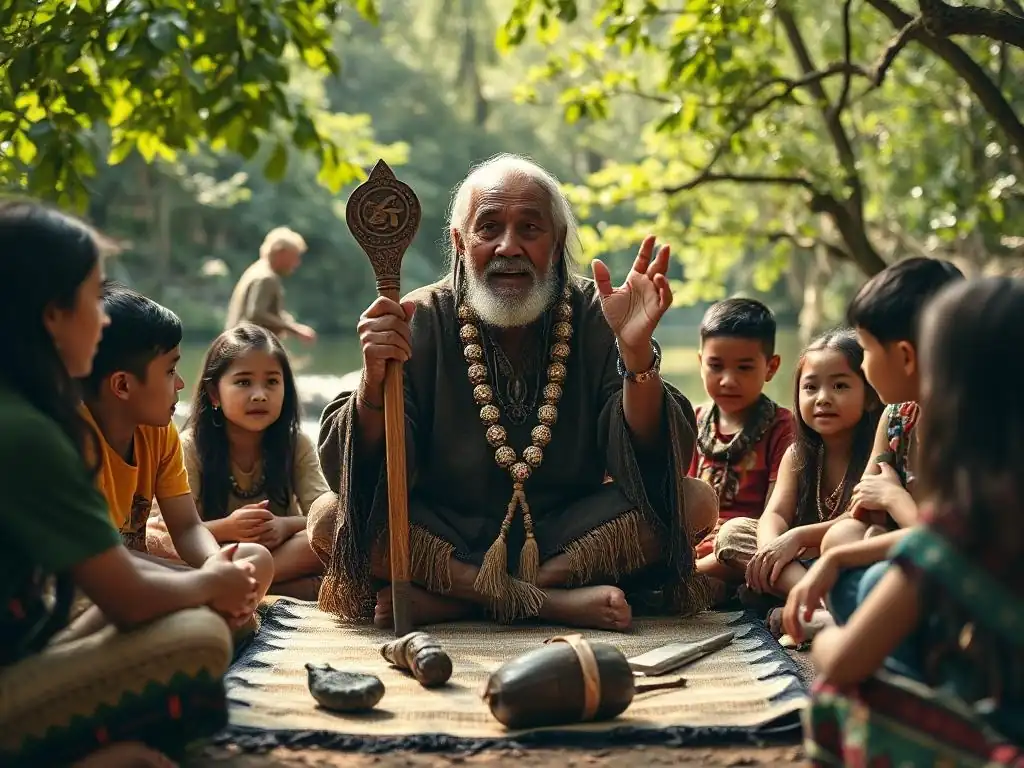
As the world continues to evolve, the preservation of indigenous oral traditions remains a pivotal concern for maintaining cultural identity and heritage. These traditions are not merely historical artifacts; they are living expressions of a community's values, knowledge, and experiences. The future of indigenous oral traditions is intricately tied to revitalization efforts, technological advancements, and the engagement of younger generations, ensuring that these rich narratives continue to thrive.
Revitalization Efforts in Indigenous Communities
In various indigenous communities, revitalization efforts are underway to strengthen and sustain oral traditions. These initiatives often stem from a collective recognition of the importance of oral storytelling as a means of cultural transmission. Some notable efforts include:
- Community Workshops: Many indigenous groups organize storytelling workshops where elders share their narratives with younger members. These workshops not only facilitate knowledge transfer but also reinforce community bonds.
- Cultural Festivals: Events dedicated to celebrating indigenous culture often feature storytelling as a central element. During these festivals, stories are shared publicly, showcasing the richness of oral traditions and attracting greater interest from both community members and outsiders.
- Partnerships with Educational Institutions: Collaborations between indigenous communities and schools or universities have emerged, focusing on integrating oral traditions into curricula. This approach not only educates younger generations but also fosters an appreciation for their heritage.
These revitalization efforts are crucial for ensuring that indigenous oral traditions remain vibrant and relevant in contemporary society.
The Role of Technology in Oral Tradition Preservation
Technology has become an invaluable ally in the preservation of indigenous oral traditions. Various tools and platforms are being leveraged to document, share, and revitalize these narratives:
- Digital Recording: Audio and video recording technologies facilitate the documentation of oral stories, capturing the nuances of delivery and emotion. This ensures that the stories can be preserved for future generations in their authentic form.
- Social Media and Online Platforms: Indigenous storytellers are increasingly using social media to reach wider audiences. Platforms such as YouTube and Instagram serve as venues for sharing stories, allowing for greater visibility and engagement.
- Mobile Applications: Some communities have developed mobile apps that feature recorded stories, songs, and other cultural materials. These apps serve as educational tools that can be accessed by both community members and those interested in learning about indigenous cultures.
The integration of technology not only aids in preservation but also invites new forms of storytelling that resonate with modern audiences.
How Younger Generations are Engaging with Oral Traditions
The involvement of younger generations is essential for the continuation of indigenous oral traditions. Their engagement can take various forms, illustrating a dynamic interplay between tradition and contemporary life:
- Storytelling Competitions: Many communities host competitions that encourage youth to tell stories. These events foster creativity and confidence while reinforcing the importance of oral traditions.
- Social Initiatives: Young indigenous activists are utilizing oral storytelling as a means of advocacy. By sharing personal narratives related to social justice, environmental issues, and cultural identity, they bring traditional stories into contemporary discourse.
- Interactive Workshops: Younger individuals are not only passive recipients of stories but are also becoming storytellers themselves. Workshops that focus on creative storytelling techniques empower them to reinterpret and share traditional narratives in innovative ways.
The active participation of younger generations ensures that indigenous oral traditions evolve while still honoring their roots, making them relevant in today's world.
The future of indigenous oral traditions hinges on revitalization efforts, the application of technology, and the enthusiasm of younger generations. By embracing these elements, communities can continue to preserve their rich cultural legacies for generations to come.
Conclusion: The Enduring Legacy of Indigenous Oral Traditions
Indigenous oral traditions serve as a living testament to the rich tapestry of culture, history, and identity of Native American societies. These narratives not only recount the tales of ancestors but also encapsulate vital knowledge about the environment, spirituality, and social structures. The legacy of these traditions is profound, influencing contemporary Indigenous communities and offering insights into their resilience and adaptability throughout history.
The preservation of these oral traditions is paramount, as they foster a sense of belonging and continuity among Indigenous peoples. By passing down stories, songs, and rituals from one generation to the next, these cultures maintain their unique identities in the face of globalization and cultural homogenization. This process of storytelling is not merely an act of remembrance; it is a dynamic practice that evolves with time, allowing Indigenous communities to reinterpret their experiences while honoring their ancestors.
Moreover, the significance of preserving these cultural expressions extends beyond Indigenous communities. They provide valuable lessons in sustainability, community cohesion, and the human experience that can benefit society as a whole. By understanding and appreciating these traditions, non-Indigenous people can also learn about the importance of diversity and the need to protect cultural heritage in an increasingly interconnected world.
The Significance of Preserving Cultural Heritage
Preserving cultural heritage through oral traditions is essential for several reasons:
- Cultural Identity: Oral traditions play a critical role in shaping and maintaining cultural identity. They reinforce community bonds and instill a sense of pride and belonging.
- Historical Knowledge: These narratives serve as primary sources of historical knowledge, providing insights into Indigenous peoples' pasts that are often absent from written records. They convey historical events, migrations, and significant cultural practices.
- Environmental Wisdom: Many Indigenous stories encompass ecological knowledge, offering instructions on sustainable living practices that are crucial in today’s context of environmental degradation.
- Language Preservation: Oral traditions often rely on Indigenous languages, which are at risk of extinction. By engaging in storytelling, communities can revitalize their languages and ensure their survival.
- Educational Value: Oral traditions serve as educational tools that impart values, ethics, and knowledge systems to younger generations, fostering a sense of responsibility toward their culture and environment.
Call to Action for Supporting Oral Tradition Preservation
To ensure the survival of Indigenous oral traditions, active support and engagement from both Indigenous and non-Indigenous communities are necessary. Here are some ways to contribute:
- Participate in Cultural Events: Attend storytelling events, workshops, and festivals that celebrate Indigenous oral traditions. This not only supports the artists but also fosters community engagement.
- Advocate for Education: Encourage educational institutions to incorporate Indigenous perspectives and oral histories into their curricula. This can help promote understanding and respect for diverse cultures.
- Support Indigenous Artists and Storytellers: Purchase works from Indigenous creators, whether they are books, recordings, or art, to help sustain their livelihoods and promote their cultural expressions.
- Donate to Preservation Initiatives: Contribute to organizations that focus on the preservation of Indigenous cultures and oral traditions. Your support can help fund projects that document and revitalize these essential narratives.
- Engage in Dialogue: Open conversations about Indigenous cultures and the importance of preserving oral traditions in your community, fostering awareness and respect for these invaluable heritage practices.
By taking these steps, we can collectively honor and preserve the rich oral traditions of Indigenous peoples, ensuring that their stories continue to resonate for generations to come.
Frequently Asked Questions
What are indigenous oral traditions?
Indigenous oral traditions are cultural narratives passed down verbally through generations, encompassing myths, legends, and historical accounts that reflect the heritage and values of a community.
Why is the preservation of oral traditions important?
The preservation of oral traditions is crucial for maintaining the identity, history, and cultural practices of indigenous peoples, ensuring that their unique perspectives and knowledge are not lost over time.
How do storytelling practices vary among different indigenous cultures?
Storytelling practices can vary significantly, with each culture having its own unique styles, themes, and rituals associated with storytelling, highlighting the diversity of indigenous experiences across the Americas.
What challenges do indigenous communities face in preserving their oral traditions?
Indigenous communities often face challenges such as colonization, cultural assimilation, and language loss, which threaten their ability to transmit oral traditions to future generations.
How can modern technology aid in the preservation of oral traditions?
Modern technology, such as digital recording and social media, can help document and share indigenous oral traditions, making them accessible to a wider audience and supporting efforts in cultural preservation.
Final Reflection: The Vital Role of Indigenous Oral Traditions in Cultural Preservation
The preservation of indigenous oral traditions is not just a matter of cultural heritage; it is a crucial lifeline connecting generations and communities. In today's rapidly changing world, where globalization often threatens local identities, the importance of these traditions has never been more pronounced. They serve as vessels of wisdom, history, and identity, reminding us that storytelling is a powerful tool for understanding our past and shaping our future.
Cultural narratives passed down through generations have a profound impact on our social landscape, fostering a sense of belonging and continuity. The stories told by indigenous communities resonate far beyond their origins, influencing art, literature, and social movements across the globe. As we navigate the complexities of modern life, we must remember the words of author and activist Leslie Marmon Silko: I will tell you something about stories, they can either be a blessing or a curse.
This duality underscores the responsibility we have in honoring and preserving these narratives, ensuring they remain a source of strength and resilience for future generations.
As you reflect on the themes presented in this article, consider how you can contribute to the preservation of indigenous oral traditions in your own life. Engage with these stories, share them, and advocate for their recognition and respect. By doing so, you not only honor the voices of the past but also empower the storytellers of today and tomorrow. Let us all take action to ensure that these invaluable traditions continue to thrive, enriching our collective human experience.
Unleash the Power of Oral Traditions!
Thank you for exploring the rich world of oral traditions and their vital role in preserving culture. Your engagement with this article is an essential step towards honoring these invaluable practices. Now, let’s take actionable steps to celebrate and support this heritage!
- Dive deeper: Research a local oral storyteller or tradition in your community and attend a performance or workshop to experience the art firsthand.
- Share the knowledge: Discuss this article with friends and family and encourage them to appreciate the significance of preserving cultural narratives.
- Join the conversation: Follow cultural organizations online that celebrate oral histories and participate in their events or forums.
How can you contribute to preserving and sharing the oral traditions of your culture or community?