
The Language and Communication of Tiahuanaco: Understanding Their Linguistic Heritage

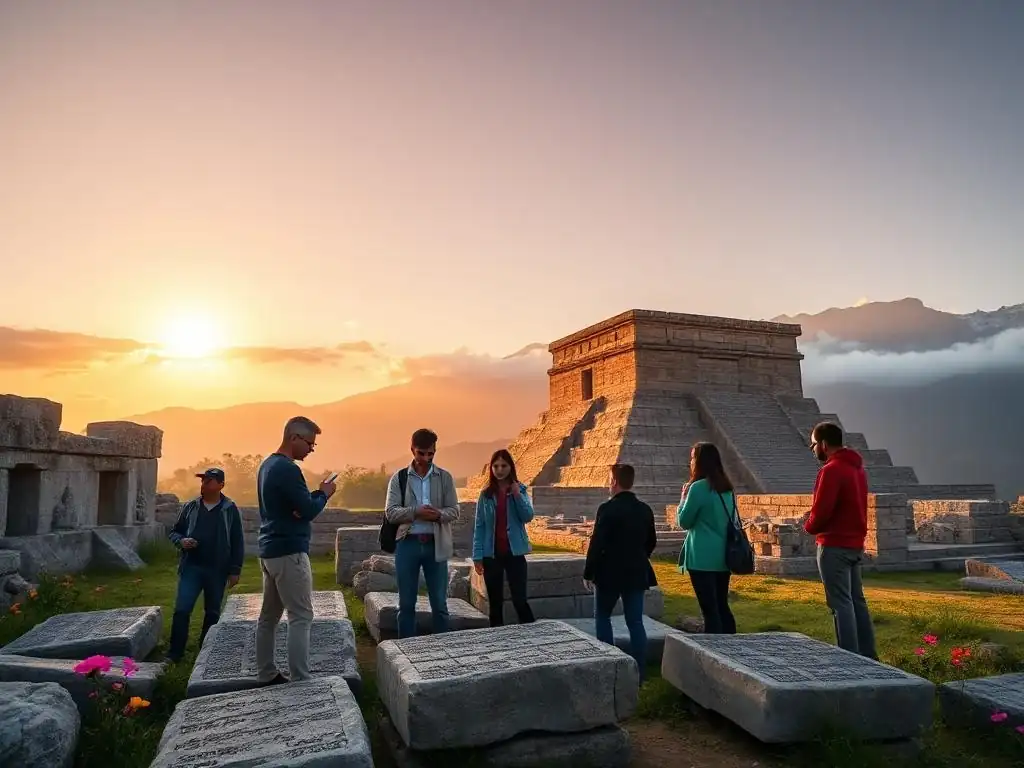
Welcome to Indigenous Civilizations of the Americas, where we embark on a remarkable journey through the vibrant tapestry of indigenous cultures that flourished long before European contact. Here, we delve into the Tiahuanaco linguistic heritage exploration, uncovering the intricate ways in which language and communication shaped the lives of this extraordinary civilization. From their sophisticated societal structures to their profound achievements, the legacy of Tiahuanaco invites you to explore the depths of their cultural contributions.
Join us as we unravel the mysteries of their linguistic heritage and its enduring impact on the Americas. Prepare to be captivated and inspired—your adventure begins now!
Introduction to Tiahuanaco Linguistic Heritage Exploration
The exploration of Tiahuanaco's linguistic heritage offers a profound insight into the rich tapestry of communication and expression that characterized one of the most significant ancient civilizations of the Andes. Nestled near the shores of Lake Titicaca in present-day Bolivia, Tiahuanaco flourished between 400 and 1000 AD, leaving behind a legacy that resonates through the languages and cultures of its descendants. This article aims to delve into the intricate aspects of Tiahuanaco’s linguistic heritage, examining the languages spoken by its people, the communication methods they employed, and the profound impact of these elements on their society.
The significance of understanding Tiahuanaco's linguistic heritage extends beyond mere historical inquiry; it embodies the essence of their identity, social organization, and cultural achievements. By analyzing the languages and communication practices of the Tiahuanaco civilization, we can better appreciate their contributions to the broader narrative of indigenous cultures in the Americas, as well as their lasting influence on contemporary Andean societies.
Overview of Tiahuanaco Culture
Tiahuanaco is renowned for its monumental architecture, intricate art, and advanced agricultural practices. The civilization demonstrated remarkable achievements in various fields, including astronomy, engineering, and social organization. Central to Tiahuanaco culture was its rich spiritual life, which was reflected in their rituals, cosmology, and the significance they placed on the natural world.
- Key Features of Tiahuanaco Culture:
- Architectural Marvels: The site features impressive structures, such as the Akapana Pyramid and the Gateway of the Sun, showcasing advanced engineering techniques.
- Artistic Expression: The civilization produced intricate pottery, textiles, and stone carvings that conveyed their beliefs and societal values.
- Agricultural Innovations: Techniques like raised field agriculture allowed them to thrive in the challenging high-altitude environment of the Andes.
Importance of Language in Indigenous Cultures
Language serves as a fundamental pillar of indigenous cultures, acting as a vessel for tradition, knowledge, and communal identity. In the case of Tiahuanaco, language was not just a means of communication but a crucial element that facilitated the transmission of cultural practices, religious beliefs, and social norms.
- Functions of Language in Indigenous Societies:
- Cultural Preservation: Language carries oral histories and traditions, ensuring that the knowledge of ancestors is passed down through generations.
- Social Cohesion: Shared language fosters a sense of belonging and unity within communities, reinforcing social bonds.
- Expression of Identity: Language reflects the unique worldview and values of a culture, allowing for the articulation of beliefs and experiences.
Historical Context of Tiahuanaco Language
Understanding the historical context of Tiahuanaco's language involves examining its origins and the evolution of linguistic practices within the Andean region. This context provides critical insights into how language shaped and was shaped by the civilization's experiences.
Origins of the Tiahuanaco Civilization
The Tiahuanaco civilization emerged as one of the earliest complex societies in the Andes, with its roots tracing back to around 2000 BC. The interplay between environmental factors and human innovation led to the development of a sophisticated society that utilized the resources of the highland region effectively.
- Key Aspects of Tiahuanaco's Origins:
- Geographical Advantages: Proximity to Lake Titicaca facilitated trade, agriculture, and the development of a diverse economy.
- Cultural Interactions: The civilization was influenced by earlier cultures, such as the Pucara and Wari, which contributed to its linguistic and cultural development.
Evolution of Language in the Andean Region
The linguistic landscape of the Andean region has undergone significant transformations over centuries, influenced by various factors such as migration, trade, and cultural exchange. The languages spoken in Tiahuanaco likely evolved from earlier linguistic traditions, reflecting the dynamic nature of communication in the Andes.
- Evolutionary Factors:
- Multilingualism: The coexistence of multiple languages and dialects fostered a rich linguistic environment that enabled cultural exchange.
- Colonial Impact: The arrival of European colonizers drastically altered indigenous languages, leading to the decline of many native tongues and the emergence of new hybrid forms of communication.
In the following sections, we will explore these themes in greater depth, shedding light on the complexities of Tiahuanaco's linguistic heritage and its enduring significance in the context of indigenous cultures across the Americas.
Linguistic Features of Tiahuanaco Communication
The Tiahuanaco civilization, which flourished in the Andean highlands of present-day Bolivia from around 400 AD to 1000 AD, exhibited a rich linguistic culture that reflects its complex societal structure. The language used by the Tiahuanaco people, often referred to as part of the Aymara language family, is characterized by unique phonetic elements, grammatical structures, and vocabulary that provide insights into their way of life.
Tiahuanaco communication encompassed not just spoken language but also non-verbal forms, including the use of symbols and iconography found in their art and architecture. These features facilitated not only everyday communication but also the expression of social and spiritual values. The linguistic heritage of Tiahuanaco remains a topic of interest among linguists and anthropologists, particularly in understanding how language served as a medium for cultural identity and continuity.
Analysis of Tiahuanaco Language Structures
The structural analysis of the Tiahuanaco language reveals a sophisticated system of syntax and morphology. It is believed that the language utilized agglutinative forms, where various affixes are added to root words to convey different meanings, tenses, or grammatical nuances. This allowed for precise expression of ideas and sentiments, enabling speakers to articulate complex social relations and environmental interactions.
Additionally, the language likely featured a rich set of suffixes and prefixes that modified meanings, which could be indicative of the Tiahuanaco's extensive knowledge of their surroundings. The use of metaphors and expressions related to agriculture, water, and the highland environment supports the idea that their language was deeply intertwined with their daily lives and cosmology.
Sounds and Phonetics in Tiahuanaco Language
Phonetic studies suggest that the Tiahuanaco language possessed a distinct set of sounds, including a range of vowels and consonants that may have differed from those in contemporary Andean languages. The presence of nasalized vowels and certain fricative sounds indicates a complex phonetic inventory that would have contributed to the richness of the spoken language.
Moreover, the intonation and rhythm of Tiahuanaco speech patterns might have played a critical role in communication, particularly in ritualistic contexts where emphasis and emotion were paramount. Understanding these phonetic features helps linguists reconstruct the soundscape of Tiahuanaco communication and appreciate its aesthetic qualities.
The Role of Language in Tiahuanaco Society
Language in Tiahuanaco society was not merely a means of communication; it was a fundamental component of social organization and cultural expression. Through language, the Tiahuanaco people were able to establish their communal identity and transmit knowledge across generations.
The interplay between language, social hierarchy, and cultural practices reveals how the Tiahuanaco civilization utilized linguistic tools to reinforce social bonds and collective memory. The preservation of their linguistic heritage allows for a deeper understanding of their societal structures and values.
Language as a Tool for Social Organization
In Tiahuanaco society, language served as a vital instrument for structuring social relations. It played a key role in governance, with specific terms and phrases likely used to denote authority, roles, and responsibilities within the community. This linguistic framework supported the organization of labor, trade, and communal activities, thereby fostering cooperation among community members.
Moreover, the oral traditions and storytelling practices inherent in Tiahuanaco culture facilitated the transmission of laws, customs, and history, ensuring that crucial information was preserved and communicated effectively. These narratives were not only educational but also served to strengthen group identity and continuity.
Rituals and Ceremonial Language in Tiahuanaco
Rituals and ceremonies in Tiahuanaco were integral to their spiritual life, and language played a central role in these practices. The Tiahuanaco people likely utilized specific ceremonial vocabulary and chants during religious events, which were believed to invoke the presence of deities and ancestors. These rituals often involved elaborate storytelling, music, and dance, where language heightened the spiritual experience.
The ceremonial language may have included archaic or specialized terms that were not commonly used in everyday conversation, thereby enhancing the sacred nature of the rituals. This distinction in language use underscores the importance of linguistic heritage in reinforcing cultural beliefs and practices within the Tiahuanaco civilization.
Through these distinct roles, language not only facilitated communication but also acted as a unifying force, helping to maintain the cultural and spiritual integrity of the Tiahuanaco people throughout their history.
Linguistic Heritage and Its Impact on Modern Indigenous Languages
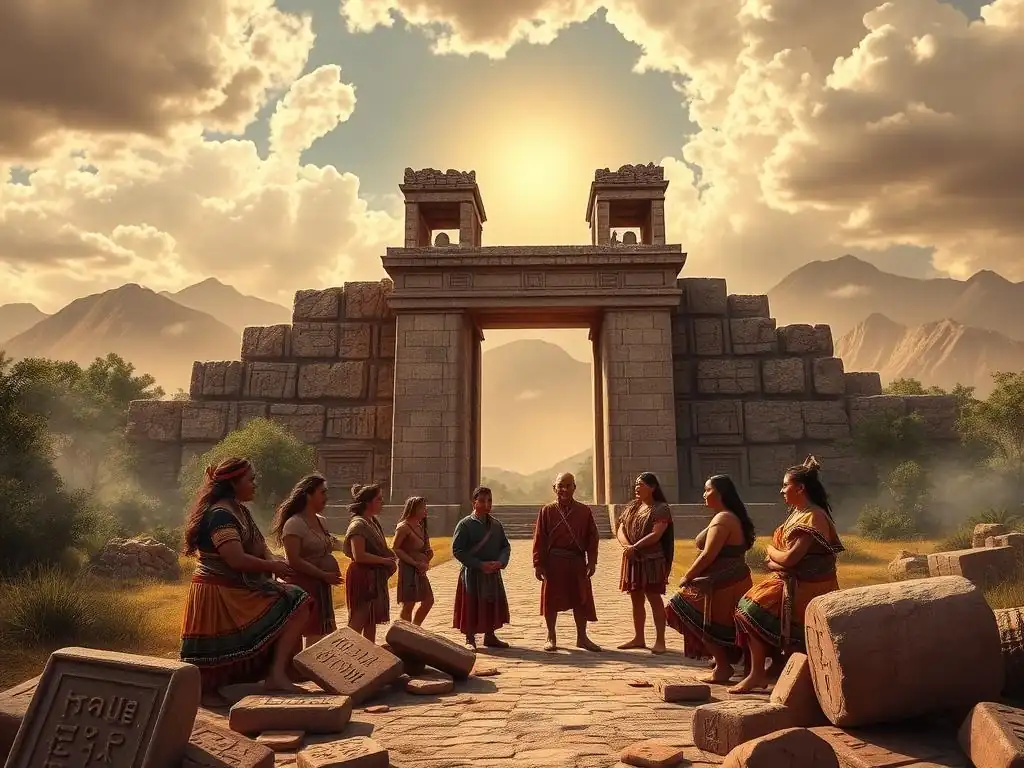
The linguistic heritage of Tiahuanaco, an ancient civilization situated in the Andean region, is a significant aspect of its cultural legacy. This heritage not only reflects the complexities of Tiahuanaco society but also lays foundational elements that can be traced in numerous modern indigenous languages across the Andes. The languages spoken during the height of Tiahuanaco, chiefly believed to be related to Aymaran and Quechuan linguistic groups, have contributed vocabulary and grammatical structures that still resonate in contemporary Andean languages.
The influence of Tiahuanaco's linguistic heritage is particularly evident in the way certain terms and phrases have permeated the languages of surrounding indigenous groups. This impact underscores the importance of Tiahuanaco as a cultural and linguistic hub, suggesting that the communication systems established there facilitated trade, cultural exchange, and social organization, which in turn helped shape the linguistic landscape of the region. Furthermore, the ongoing study of Tiahuanaco’s linguistic patterns offers insights into the broader narrative of indigenous resilience and adaptation in the face of colonization and cultural shifts.
Influence of Tiahuanaco Language on Contemporary Languages
The languages of the Tiahuanaco civilization have left an indelible mark on several contemporary indigenous languages, particularly Aymara and Quechua. Many words related to agriculture, architecture, and social organization have origins that can be traced back to Tiahuanaco linguistic practices. For instance, terms associated with farming techniques and tools, which were critical to the sustenance of Tiahuanaco society, are still used today, reflecting the agricultural innovations of the time.
Moreover, linguistic studies have shown that certain phonetic and syntactic features in modern Aymara and Quechua reveal historical ties to the Tiahuanaco language. This continuity highlights not only the preservation of words but also the underlying cultural concepts and practices that have endured through generations. The exploration of these influences demonstrates how the linguistic heritage of Tiahuanaco continues to shape identity and cultural expression among contemporary indigenous peoples in the Andes.
Preservation Efforts for Tiahuanaco Linguistic Heritage
Preserving the linguistic heritage of Tiahuanaco involves a multifaceted approach that includes academic research, community engagement, and cultural revitalization initiatives. Scholars and linguists are increasingly collaborating with indigenous communities to document and promote the languages that have evolved from Tiahuanaco roots. These efforts are crucial in ensuring that the linguistic knowledge and cultural practices associated with these languages are not lost to time.
One significant aspect of preservation is the establishment of educational programs that teach Aymara and Quechua languages, integrating historical context and cultural significance. Additionally, digital platforms have emerged to archive linguistic resources, oral histories, and traditional narratives, making this heritage accessible to a broader audience. Community-driven initiatives, such as storytelling festivals and language workshops, also play a vital role in revitalizing interest in Tiahuanaco linguistic heritage, fostering pride and continuity among younger generations.
Challenges in Understanding Tiahuanaco Language
Understanding the language of Tiahuanaco presents several challenges, primarily due to the limited availability of written records and artifacts. Scholars rely heavily on archaeological findings, such as inscriptions and iconographic evidence, to reconstruct aspects of the Tiahuanaco language. However, the lack of extensive written documentation makes it difficult to form a complete picture of the language's structure and vocabulary.
Lack of Written Records and Artifacts
One of the most significant obstacles in studying Tiahuanaco language is the scarcity of written records. Unlike other ancient civilizations that left behind extensive texts, Tiahuanaco’s linguistic output is minimal, mainly found in the form of short inscriptions or symbolic representations on pottery and stone monuments. This limited corpus poses a challenge for linguists attempting to decode the language and understand its grammar, syntax, and phonetic elements.
Moreover, many artifacts that might have contained linguistic information have been lost or remain unexcavated. As a result, the understanding of Tiahuanaco language relies on indirect evidence and comparative linguistic analysis with other indigenous languages. This situation necessitates a cautious approach to interpretations, often leading to gaps in knowledge regarding specific linguistic features.
Modern Interpretations and Misconceptions
Modern interpretations of Tiahuanaco language often come with misconceptions that can hinder a clear understanding of its true nature. Due to the influence of colonial narratives and the dominance of Spanish in the region, there is a tendency to oversimplify or misrepresent the complexity of Tiahuanaco linguistic heritage. Such interpretations can lead to the erroneous belief that contemporary indigenous languages are merely derivative of Spanish or that they lack their own historical depth.
Furthermore, the romanticization of Tiahuanaco as an "exotic" civilization can overshadow the realities of its linguistic practices. Misconceptions surrounding the language's development and usage may arise from a lack of familiarity with the region's linguistic diversity. Consequently, it is crucial for researchers and educators to approach Tiahuanaco language with a nuanced understanding that respects its historical significance and recognizes the ongoing evolution of its linguistic descendants.
Conclusion: The Importance of Tiahuanaco Linguistic Heritage Exploration
The linguistic heritage of Tiahuanaco is a vital aspect of understanding the broader cultural and historical context of the Andean region. The exploration of Tiahuanaco's language not only sheds light on the communication methods of this ancient civilization but also reveals the intricate social structures and belief systems that were fundamental to their communities. Linguistic studies contribute to our appreciation of indigenous knowledge systems and their unique ways of interpreting the world, which continue to influence contemporary societies.
Exploring Tiahuanaco's linguistic heritage is essential for acknowledging the contributions of indigenous cultures to the global narrative. It serves as a reminder of the resilience and adaptability of these societies in the face of external pressures and changes. By valuing and preserving this heritage, we can foster a greater respect for cultural diversity and promote the revitalization of indigenous languages and traditions that may otherwise be lost.
Summary of Key Insights
- Language as a Cultural Reflection: Tiahuanaco’s language encapsulated the civilization's values, beliefs, and knowledge, serving as a mirror to their societal structure.
- Interconnectedness of Languages: The linguistic heritage of Tiahuanaco is intricately linked with other Andean languages, highlighting the rich tapestry of communication and exchange among ancient civilizations.
- Preservation Efforts: Ongoing research and documentation of Tiahuanaco's linguistic features are crucial for preserving its legacy and ensuring that future generations can engage with this important aspect of their heritage.
The Future of Tiahuanaco Language Studies
The future of Tiahuanaco language studies is promising, as increasing interest in indigenous cultures drives further research. Scholars are utilizing modern methodologies, including comparative linguistics and interdisciplinary approaches, to deepen our understanding of Tiahuanaco's linguistic heritage. Collaborative efforts between linguists, historians, and indigenous communities are essential to ensure that the exploration of this heritage is conducted respectfully and accurately.
Emerging technologies, such as digital archiving and language revitalization programs, offer new avenues for documenting and disseminating knowledge about Tiahuanaco's language. As more resources become available, there is potential for greater engagement with the community, allowing for a more inclusive exploration of Tiahuanaco's linguistic past.
Further Reading and Resources on Tiahuanaco Linguistic Heritage
To broaden your understanding of Tiahuanaco's linguistic heritage, numerous resources are available for further exploration. These materials provide valuable insights into the language, culture, and historical significance of this remarkable civilization.
Recommended Books and Articles
- "The Tiahuanaco Culture: A Study of the Language and Society": by [Author Name] - This book delves into the linguistic aspects of Tiahuanaco and their cultural implications.
- "Andean Linguistics: The Language of Tiahuanaco": by [Author Name] - A comprehensive analysis of Tiahuanaco's language within the context of Andean linguistic traditions.
- Journal Articles: Various academic journals publish studies focused on Tiahuanaco language and culture, providing peer-reviewed insights into current research.
Online Resources for Tiahuanaco Studies
- Tiahuanaco Research Center: An online platform dedicated to the study and preservation of Tiahuanaco heritage, featuring articles, research papers, and community events.
- Digital Archives of Andean Languages: A collection of resources that includes linguistic data, historical documents, and multimedia presentations on Tiahuanaco and neighboring cultures.
- Social Media Groups: Various online communities and forums where enthusiasts and scholars share research, resources, and discussions related to Tiahuanaco and its linguistic heritage.
Engaging with these resources will deepen your appreciation for the linguistic heritage of Tiahuanaco and its enduring impact on the cultural landscape of the Americas.
- Introduction to Tiahuanaco Linguistic Heritage Exploration
- Historical Context of Tiahuanaco Language
- Linguistic Features of Tiahuanaco Communication
- The Role of Language in Tiahuanaco Society
- Linguistic Heritage and Its Impact on Modern Indigenous Languages
- Challenges in Understanding Tiahuanaco Language
- Conclusion: The Importance of Tiahuanaco Linguistic Heritage Exploration
- Further Reading and Resources on Tiahuanaco Linguistic Heritage
- What is the focus of the article on Tiahuanaco's linguistic heritage?
- Why is Tiahuanaco significant in terms of linguistic heritage?
- How did Tiahuanaco influence other indigenous cultures?
- What methodologies were used in the exploration of Tiahuanaco's language?
- How does the linguistic heritage of Tiahuanaco affect modern understanding of indigenous cultures?
Frequently Asked Questions
What is the focus of the article on Tiahuanaco's linguistic heritage?
The article provides a comprehensive exploration of the linguistic heritage of Tiahuanaco, highlighting how their language and communication shaped their society and culture.
Why is Tiahuanaco significant in terms of linguistic heritage?
Tiahuanaco is significant because it represents a crucial link in understanding the diverse indigenous languages of the Americas and contributes to the broader narrative of pre-colonization cultures.
How did Tiahuanaco influence other indigenous cultures?
The linguistic and cultural practices of Tiahuanaco influenced neighboring societies through trade, interactions, and the sharing of knowledge, impacting their communication and social structures.
What methodologies were used in the exploration of Tiahuanaco's language?
The article discusses various methodologies, including archaeological evidence, linguistic analysis, and ethnographic studies to understand the complexities of Tiahuanaco's communication systems.
How does the linguistic heritage of Tiahuanaco affect modern understanding of indigenous cultures?
The examination of Tiahuanaco's linguistic heritage enriches our understanding of the diversity and complexity of indigenous cultures in the Americas, revealing their historical significance and cultural continuity.
Final Reflection: Exploring the Linguistic Heritage of Tiahuanaco and Its Timeless Relevance
The exploration of Tiahuanaco's linguistic heritage is not just an academic pursuit; it is a vital connection to our shared human history. As we delve into the intricate tapestry of languages and communication that flourished in this ancient civilization, we uncover insights that resonate with our contemporary world. The significance of understanding these linguistic roots cannot be overstated; they offer a lens through which we can appreciate the complexities of cultural identity and expression that continue to shape societies today.
The influence of Tiahuanaco's linguistic heritage extends far beyond its geographical boundaries, impacting the cultural and social landscape of the Andean region and beyond. This exploration invites us to reflect on how language serves as a vessel for cultural continuity and transformation. As we engage with the echoes of Tiahuanaco's past, we are reminded of the words of the renowned linguist Edward Sapir: Language is the most massive and inclusive art we know, a mountainous and anonymous work of unconscious generations.
This quote encapsulates the essence of how language not only preserves history but also fosters connections among diverse communities, urging us to recognize the importance of linguistic diversity in our globalized world.
As we conclude this exploration, I invite you to reflect on the lessons embedded within Tiahuanaco's linguistic heritage. Consider how language shapes your own identity and the ways in which communication can bridge divides in our increasingly interconnected lives. Let this understanding inspire you to embrace and celebrate the rich tapestry of languages that surround you, fostering a deeper appreciation for the narratives that define us as individuals and as a collective. Together, let us honor the legacy of Tiahuanaco by committing to the preservation and exploration of linguistic heritage in our own communities.
Unveil the Secrets of Tiahuanaco's Linguistic Heritage!
Thank you for joining us on this fascinating journey into the language and communication of Tiahuanaco! We hope you've gained valuable insights into their rich linguistic heritage and its significance in understanding Indigenous cultures. Now, it's time to take action and continue this exploration.
Here’s how you can dive deeper into this incredible subject:
- Explore further: Check out additional articles on our website to broaden your understanding of Indigenous civilizations and their languages.
- Engage with your community: Share your newfound knowledge about Tiahuanaco's linguistic heritage with friends or on social media to spark discussions and promote awareness.
- Join a local or online linguistic group: Connect with others who are passionate about Indigenous languages to share resources, knowledge, and stories.
What new perspectives have you discovered about the significance of language in shaping cultural identity? We invite you to share your thoughts in the comments!