
Discovering Toltec Music and Dance: Cultural Expressions of the Past

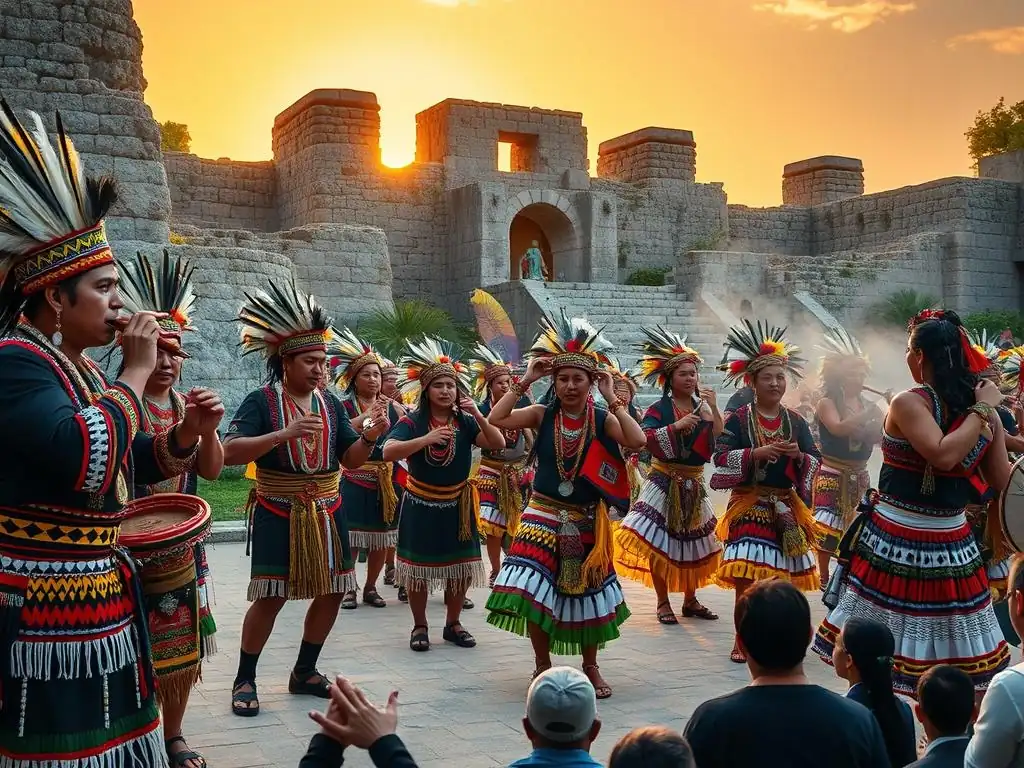
Welcome to Indigenous Civilizations of the Americas, where we invite you to journey into the rich tapestry of cultures that flourished long before European contact. Here, you’ll uncover the fascinating history of Toltec music and dance, a vibrant expression of the Toltec civilization that offers a glimpse into their artistic achievements and societal values. As you delve deeper, prepare to be captivated by the rhythms and movements that not only entertained but also conveyed profound cultural narratives. Join us as we explore these enduring legacies and discover how they continue to resonate today!
The Toltec civilization, flourishing in central Mexico from approximately the 10th to the 12th centuries, is renowned for its significant contributions to art, architecture, and culture. Among these contributions, Toltec music and dance stand out as vital expressions of their rich cultural heritage. These art forms were not merely entertainment; they played a crucial role in religious ceremonies, social gatherings, and daily life, reflecting the values and beliefs of the Toltec people.
As we explore the history of Toltec music and dance, we uncover the intricate rhythms and movements that tell stories of their past, contribute to their identity, and reveal their understanding of the world. This article aims to provide an in-depth look at the history of Toltec music and dance, examining their origins, development, and the instruments that brought them to life.
Introduction to Toltec Music and Dance History
Toltec music and dance are important cultural expressions that served multiple purposes within their society. They were integral to rituals, celebrations, and even education, reinforcing social bonds and cultural identity. The rhythms and melodies of the Toltec musical tradition encapsulated the essence of their worldview and were often accompanied by elaborate dances that conveyed stories and meanings. Understanding the history of Toltec music and dance requires delving into their origins, the historical context in which they developed, and the musical instruments that characterized their performances.
The Origins of Toltec Music
The origins of Toltec music can be traced back to the earlier Mesoamerican cultures that preceded them. The Toltecs inherited a rich musical tradition, which they adapted and evolved into their unique style. This musical evolution was closely linked to their spiritual practices and societal structures, shaping how music was composed, performed, and appreciated.
Historical Context of Toltec Music Development
To fully appreciate Toltec music, it is essential to understand the historical context in which it developed. The Toltec civilization emerged during a period of significant cultural and political changes in Mesoamerica. Influences from earlier civilizations, such as the Olmecs and Maya, along with interactions with neighboring cultures, played a pivotal role in shaping Toltec musical traditions. The establishment of Tula, the Toltec capital, served as a cultural hub where music and dance flourished, often reflecting the civilization's cosmology and societal values.
Instruments Used in Toltec Music
The instruments used in Toltec music were diverse and integral to their performances. Some of the key instruments included:
- Drums: Used to create rhythmic foundations, essential for both music and dance.
- Flutes: Made from wood or bone, flutes added melodic elements to performances.
- Rasps and Rattles: These percussion instruments contributed to the overall sound and were often used in ceremonial contexts.
The combination of these instruments created a rich tapestry of sound that complemented the dynamic movements of Toltec dance, allowing performers to express their cultural narratives through music and rhythm.
The Role of Dance in Toltec Culture
Dance was a vital aspect of Toltec culture, serving as a medium for expression, storytelling, and spiritual connection. It played a crucial role in various ceremonies and communal activities, facilitating a shared experience among participants. The Toltecs believed that dance could connect them with their deities and ancestors, thus reinforcing their cultural identity and strengthening community bonds. The rhythmic movements and elaborate costumes were not just for entertainment; they were imbued with symbolism and meaning, reflecting the values and beliefs of the Toltec civilization.
Significance of Dance in Toltec Society
In Toltec society, dance was more than mere recreation; it was a profound expression of their worldview. It served important functions, such as:
- Ritualistic Purposes: Dances accompanied religious ceremonies, including agricultural festivals, which were crucial for the sustenance of their society. These dances often invoked the gods for favorable harvests and protection.
- Social Cohesion: Group dances fostered unity among the community, allowing individuals to participate collectively in cultural rituals, thus reinforcing social ties and shared identity.
- Cultural Transmission: Dance was a means of passing down stories, traditions, and history from one generation to the next. Through dance, younger members of the society learned about their heritage, myths, and the significance of their cultural practices.
These elements highlight why dance was regarded as an essential component of Toltec life, weaving together the spiritual, social, and educational aspects of their civilization.
Types of Traditional Toltec Dances
The Toltecs had various traditional dances, each with its own significance and context. Some notable types include:
- Ceremonial Dances: These dances were performed during religious ceremonies, often involving elaborate costumes and masks symbolizing deities, animals, or ancestors.
- War Dances: Celebrating bravery and strength, these dances often depicted battles or heroic deeds, serving both as a tribute to warriors and as a form of preparation for conflicts.
- Harvest Dances: Conducted during planting and harvest seasons, these dances expressed gratitude to the gods for their bountiful gifts and sought blessing for future crops.
Each dance was characterized by unique rhythms, costumes, and movements, reflecting the diverse aspects of Toltec life and their relationship with the natural and spiritual worlds.
The Connection Between Music and Dance in Toltec Traditions
Music and dance were intricately linked in Toltec traditions, with each enhancing the other to create a vibrant cultural expression. The rhythms of drums, flutes, and other instruments were essential in setting the pace for dance movements, allowing performers to fully immerse themselves in the experience. This connection highlighted the importance of both elements in conveying emotions, stories, and cultural values.
Interplay Between Music and Dance
The interplay between music and dance in Toltec culture was profound, as each art form complemented and amplified the other. Key aspects of this relationship include:
- Rhythmic Synchronization: The music provided by traditional instruments, such as drums and flutes, established a rhythm that dancers followed, creating a harmonious blend of sound and movement. This synchronization was critical in ceremonial contexts, where precision and timing were essential.
- Emotional Expression: Music set the emotional tone of the dance, allowing dancers to express a range of feelings—from joy to reverence—through their movements. The choice of music influenced the style and energy of the dance, making it a vital component of the overall performance.
- Cultural Symbolism: Both music and dance were laden with cultural significance, often depicting key historical narratives, cosmological beliefs, and social values. Together, they formed a cohesive narrative that celebrated the Toltec way of life and their connection to the universe.
This synergy between music and dance not only enriched Toltec cultural practices but also ensured that their traditions were preserved and passed down through generations, maintaining the essence of their civilization long after its decline.
Rituals and Celebrations Featuring Music and Dance
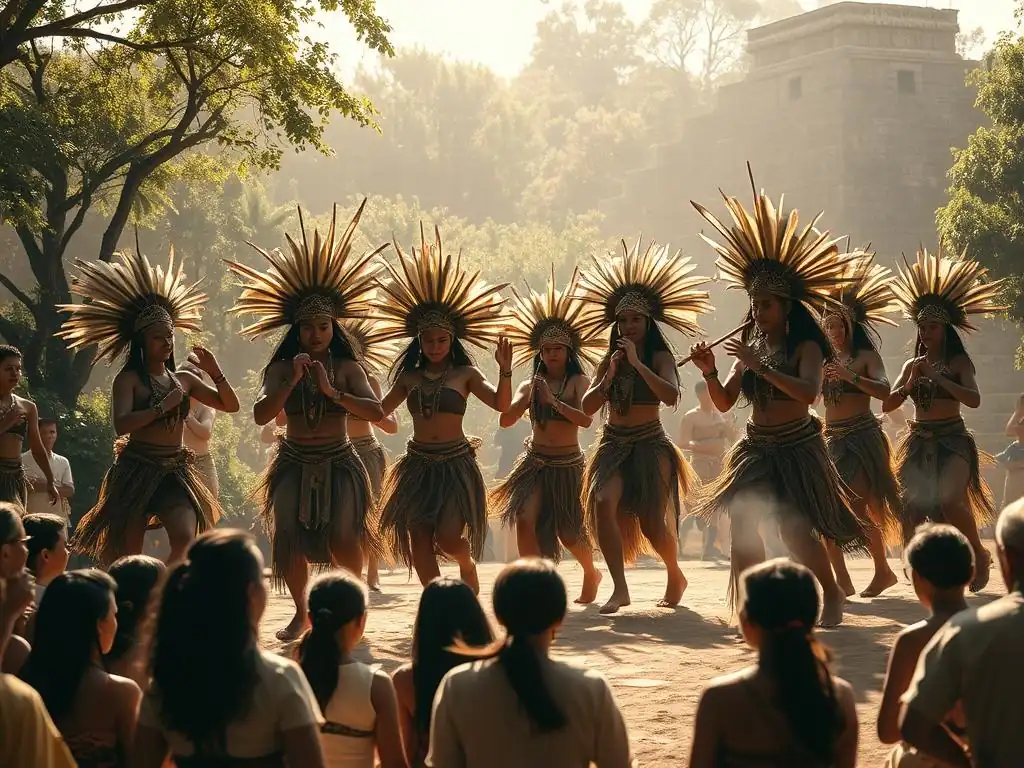
Toltec music and dance were integral to the social and spiritual life of the Toltec civilization, serving as vital expressions of their cultural identity. These artistic forms were not merely entertainment; they were deeply woven into the fabric of religious rituals, agricultural celebrations, and community gatherings. Music accompanied many significant events, including rites of passage, seasonal festivals, and ceremonies honoring deities. The rhythms and melodies played during these occasions were believed to connect the physical world with the spiritual realm, creating a bridge between the people and their gods.
Dance was equally important, often involving intricate choreography that symbolized various aspects of Toltec mythology and cosmology. Dancers adorned in vibrant costumes and masks would enact stories and traditions, invoking the spirits of ancestors and nature. The communal aspect of these performances fostered a sense of unity and shared identity among the participants, reinforcing cultural values and traditions that had been passed down through generations.
Major Toltec Festivals Celebrating Music and Dance
The Toltecs celebrated several major festivals that prominently featured music and dance, reflecting their agricultural cycles and spiritual beliefs. One of the most significant was the Festival of the Sun, which marked the winter solstice. During this festival, the Toltecs would engage in elaborate dance performances accompanied by traditional instruments such as flutes, drums, and rattles. The dances symbolized the rebirth of the sun, a critical aspect of their agricultural calendar.
Another notable celebration was the Festival of the Rain, which took place during the rainy season. This festival was dedicated to Tlaloc, the rain god, and involved rhythmic dances that imitated the movements of rain and water. Participants would sing songs that invoked rain, believing that their music and dance would ensure a bountiful harvest.
These festivals not only showcased the artistic talents of the Toltec people but also reinforced their connection to nature and the divine, highlighting the importance of music and dance in their cultural practices.
The Impact of Music and Dance on Toltec Spirituality
Music and dance played a pivotal role in shaping Toltec spirituality, serving as a means of communication with the divine. The melodies and rhythms were believed to carry prayers and offerings to the gods, facilitating a spiritual dialogue between the human and the divine realms. Each note and movement had symbolic significance, often conveying messages of gratitude, reverence, or requests for blessings.
The spiritual impact of these performances extended beyond the individual to the community as a whole. Participating in music and dance allowed the Toltecs to express their collective identity and shared beliefs, reinforcing social bonds and cultural continuity. Rituals involving music and dance were seen as essential for maintaining cosmic balance and harmony, with the belief that neglecting these practices could disrupt the spiritual order.
Preservation of Toltec Music and Dance Heritage
As the legacy of the Toltec civilization continues to be explored, there has been a growing interest in preserving their rich musical and dance traditions. This preservation effort is crucial not only for understanding the historical context of these art forms but also for maintaining the cultural identity of Indigenous peoples today.
Efforts to document traditional practices include recording oral histories, transcribing music, and collecting descriptions of dance movements. Activists and scholars are working to revive and sustain these traditions through educational programs and cultural workshops, fostering a deeper appreciation for Toltec heritage among younger generations.
Contemporary Practices and Revivals
In contemporary times, there has been a resurgence of interest in Toltec music and dance. Various Indigenous groups and cultural organizations are actively engaged in reviving these practices, adapting them to modern contexts while respecting their historical roots. Festivals celebrating Toltec culture are being organized, where traditional music and dance are performed alongside contemporary interpretations.
Through these revivals, artists and performers are not only honoring their ancestors but also using these expressions as a form of cultural resistance against the erasure of Indigenous identities. Workshops and community gatherings allow individuals to learn about the instruments, songs, and dances of their forebears, fostering a sense of belonging and pride in their heritage.
Challenges in Preserving Toltec Cultural Expressions
Despite the efforts to preserve Toltec music and dance, various challenges persist. One significant issue is the lack of resources and funding for cultural programs, which can limit access to training and materials needed to sustain these art forms. Additionally, the ongoing impact of globalization poses a threat to traditional practices, as contemporary influences can overshadow indigenous expressions.
Moreover, the generational gap in knowledge transmission can hinder the continuation of these traditions. Many elders who possess the knowledge and skills of Toltec music and dance are passing away, and without adequate measures to document and teach these art forms, there is a risk of cultural loss.
In response to these challenges, communities are increasingly advocating for the recognition of their cultural rights and the importance of preserving their artistic heritage. By prioritizing education and community engagement, there is hope for a vibrant future for Toltec music and dance, ensuring that these cultural expressions continue to thrive for generations to come.
Conclusion: The Lasting Legacy of Toltec Music and Dance
The legacy of Toltec music and dance is a profound testament to the rich cultural framework that existed in pre-colonial Mesoamerica. These artistic expressions were not merely forms of entertainment; they served vital roles in religious ceremonies, social gatherings, and community cohesion. The rhythmic beats of the drums and the vibrant movements of dancers encapsulated the spiritual connection the Toltecs had with their deities, nature, and the universe.
Today, the influence of Toltec music and dance continues to resonate within contemporary Mexican culture. Many traditional festivals and rituals, especially in central Mexico, echo the rhythms and themes of Toltec artistic expression. This continuity illustrates how the Toltec civilization's cultural practices have transcended time, adapting and evolving yet maintaining their core essence. Scholars and enthusiasts alike recognize the importance of preserving these traditions as a means of honoring the indigenous past and fostering a deeper understanding of cultural identity in modern society.
Moreover, the resurgence of interest in indigenous music and dance forms has sparked a movement aimed at revitalizing and sustaining Toltec heritage. Workshops, festivals, and academic research are increasingly focusing on the study and performance of Toltec-inspired music and dance, ensuring that these vibrant traditions are not lost to time. The enduring legacy of Toltec music and dance invites us to appreciate the artistry and complexity of indigenous cultures, reminding us of their significant contributions to the cultural tapestry of the Americas.
Additional Resources for Exploring Toltec Music and Dance
For those interested in delving deeper into the fascinating world of Toltec music and dance, numerous resources can enhance your understanding and appreciation. Here are some valuable materials to consider:
- Books and Literature:
- The Toltec Legacy by John Major Jenkins, which explores the cultural and spiritual practices of the Toltecs, including their music and dance.
- Mesoamerican Music and Dance: A Study of Ancient Practices by Julie A. Wiggins, providing insights into the broader context of music and dance in Mesoamerica.
- Documentaries and Films:
- Documentaries that focus on indigenous cultures, such as The Heart of the Jaguar, often feature segments on the Toltec civilization and its artistic expressions.
- Dancing Through Time: The Indigenous Cultures of Mexico highlights traditional dance forms, including those influenced by Toltec practices.
- Online Platforms and Courses:
- Websites dedicated to indigenous studies frequently offer articles, videos, and webinars on Toltec culture.
- Online courses in anthropology or cultural studies can provide structured learning about the significance of music and dance in Toltec society.
- Museums and Cultural Centers:
- Visiting museums with Mesoamerican exhibits, such as the National Museum of Anthropology in Mexico City, can provide firsthand experience of artifacts related to Toltec music and dance.
- Participating in workshops at cultural centers that focus on indigenous arts can offer practical insights into traditional practices.
By exploring these resources, you can gain a richer understanding of Toltec music and dance history, and appreciate the enduring impact of these cultural expressions on contemporary society.
- Introduction to Toltec Music and Dance History
- The Origins of Toltec Music
- The Role of Dance in Toltec Culture
- The Connection Between Music and Dance in Toltec Traditions
- Rituals and Celebrations Featuring Music and Dance
- Preservation of Toltec Music and Dance Heritage
- Conclusion: The Lasting Legacy of Toltec Music and Dance
- Additional Resources for Exploring Toltec Music and Dance
Frequently Asked Questions
What are the main characteristics of Toltec music?
Toltec music is known for its rhythmic complexity and use of traditional instruments, such as flutes and drums, which were integral to their ceremonies and social gatherings.
How did dance play a role in Toltec culture?
Dance was a vital aspect of Toltec society, serving as a means to express spiritual beliefs, celebrate harvests, and strengthen community bonds through shared cultural practices.
What instruments were commonly used in Toltec music?
Common instruments included flutes, drums, and rattles, each contributing to the unique sound that characterized Toltec musical performances, often accompanying rituals and celebrations.
How did the music and dance of the Toltecs influence later cultures?
The musical styles and dance forms of the Toltecs laid the groundwork for future Mesoamerican civilizations, influencing practices in the Aztec culture and beyond.
Can we still see influences of Toltec music and dance today?
Yes, many modern performances and cultural festivals in Mexico continue to draw from Toltec traditions, showcasing their enduring legacy in contemporary indigenous expressions.
Final Reflection: Embracing the Echoes of Toltec Music and Dance
The exploration of Toltec music and dance history reveals a profound connection to our present, reminding us that cultural expressions are not merely relics of the past but vibrant threads woven into the fabric of our identity. In a world increasingly dominated by rapid change and technological advancement, the rhythms and melodies of the Toltec civilization beckon us to pause and reflect on the significance of our cultural heritage. The power of these ancient art forms lies in their ability to transcend time, offering us insights into the values, beliefs, and emotions of a society that once thrived.
Cultural expressions like Toltec music and dance continue to shape our collective consciousness, influencing contemporary art, spirituality, and community bonding. The rhythms that once echoed through sacred spaces still resonate in modern performances, reminding us of the enduring legacy of our ancestors. As we engage with these traditions, we are not just passive observers; we become active participants in a dialogue that spans generations. Music and dance are the universal languages that connect us to our roots and to each other.
This quote encapsulates the essence of our shared human experience, illustrating how the past informs our present and shapes our future.
As you reflect on the insights gained from the rich tapestry of Toltec music and dance, I invite you to consider how these cultural expressions can inspire your own journey. Take a moment to explore your heritage, engage with art forms that speak to you, and allow the echoes of the past to guide your path forward.
By embracing these lessons, we can cultivate a deeper appreciation for our cultural roots and foster a sense of unity in a diverse world. Let us honor the Toltec legacy by keeping their music and dance alive in our hearts and communities, ensuring that their spirit continues to thrive for generations to come.
Unveil the Rhythm of the Toltec Spirit!
Thank you for exploring the enchanting world of Toltec music and dance with us! We hope you have gained insights into the rich cultural expressions that resonate through the ages. Now, it’s your turn to connect with this fascinating heritage—here's how you can embark on your journey of discovery:
- Dive Deeper: Start by listening to traditional Toltec music available online to experience the rhythms and melodies that shaped their culture.
- Try Your Hand at Dance: Join a local dance class that celebrates Indigenous dance forms, or gather friends for an enjoyable evening of learning these expressive movements together.
- Share the Knowledge: Promote Toltec culture on social media or within your community to inspire others to appreciate and respect these invaluable traditions.
What aspect of Toltec culture captivates you the most, and how do you think it influences today’s Indigenous arts?