
Toltec Architecture: The Secrets Behind the Pyramids of Tula

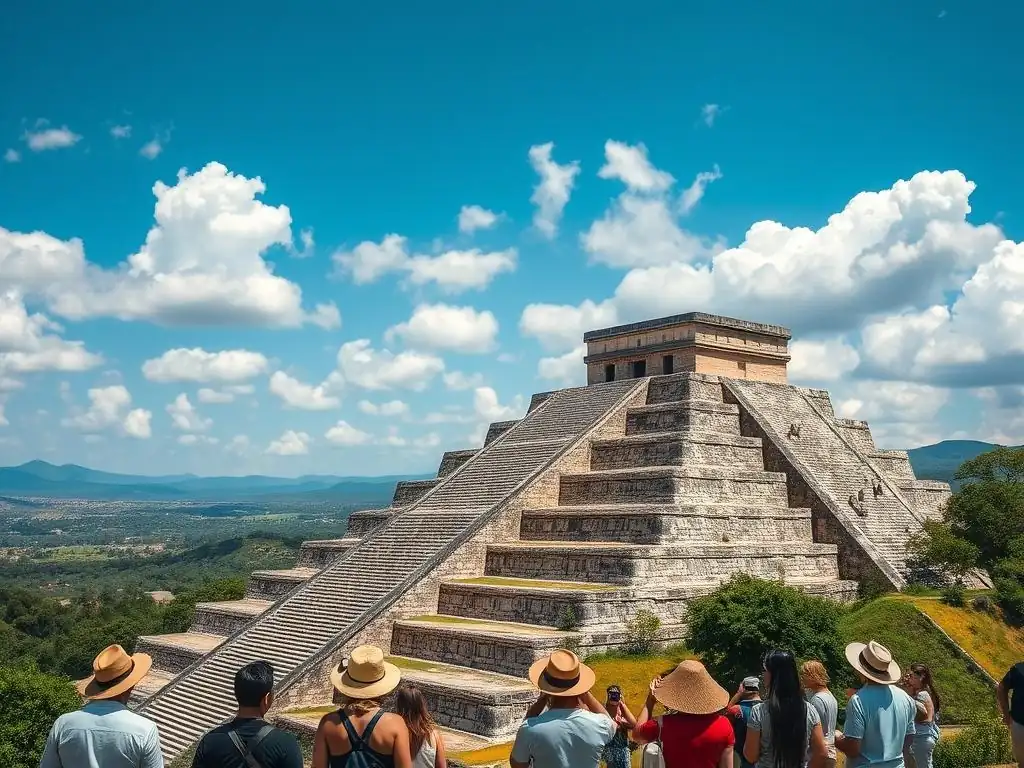
Welcome to Indigenous Civilizations of the Americas, where we unravel the rich tapestry of cultures that flourished long before European footprints marked the land. In our featured article, “Toltec Architecture: The Secrets Behind the Pyramids of Tula,” we delve into the stunning achievements of the Toltec civilization, exploring the intricate designs and monumental structures that tell the story of their ingenuity and societal complexities.
Prepare to embark on a journey that will not only illuminate the architectural marvels of the Toltecs but also invite you to discover the profound legacy they left behind. Join us as we explore the fascinating world of Toltec architecture and pyramids, and uncover the secrets that lie within these ancient stones.
Introduction to Toltec Architecture and Pyramids
The Toltec civilization, flourishing in central Mexico from approximately the 10th to the 12th centuries, is renowned for its remarkable architectural achievements, particularly the iconic pyramids of Tula. These structures not only exemplify the artistic and engineering prowess of the Toltecs but also serve as a testament to their rich cultural and religious practices.
In this article, we will delve into the secrets of Toltec architecture, exploring the significance of the pyramids of Tula, their distinctive features, and the materials and techniques that defined their construction. By understanding these elements, we can appreciate the lasting impact of Toltec civilization on the architectural landscape of the Americas.
Overview of Toltec Civilization
The Toltec civilization is often regarded as a precursor to the later Aztec Empire, influencing various aspects of Mesoamerican culture. Centered in the ancient city of Tula, this civilization was known for its advancements in art, religion, and governance. The Toltecs were skilled artisans and builders, creating intricate sculptures and monumental structures that reflected their beliefs and societal organization.
- Social Structure: The Toltec society was hierarchical, with a ruling elite that governed the common people. This structure allowed for the mobilization of resources and labor for large-scale construction projects.
- Religious Beliefs: Religion played a central role in Toltec life, with a pantheon of gods that were often depicted in their art and architecture. Rituals and ceremonies conducted at their pyramids were integral to their cultural identity.
Importance of Architecture in Toltec Culture
Architecture in Toltec culture was not merely utilitarian; it was deeply intertwined with their spiritual beliefs and social organization. The construction of temples and pyramids was a way to honor their deities and reinforce the power of the ruling class.
- Symbolism: Each architectural feature was imbued with symbolic meaning, reflecting the Toltecs' understanding of the cosmos and their place within it.
- Cultural Identity: The grand structures served as a focal point for communal gatherings, reinforcing a sense of unity and shared identity among the Toltecs.
Key Features of Toltec Architecture
Toltec architecture is characterized by several distinctive features that set it apart from other Mesoamerican styles. Understanding these elements is crucial for appreciating the ingenuity behind the pyramids of Tula.
Distinctive Elements of Toltec Pyramids
The pyramids of Tula are marked by their unique design and layout, which include:
- Platform Base: The pyramids typically feature a broad, flat base that elevates the temple structure above the surrounding landscape.
- Serpent Heads: Many Toltec pyramids are adorned with carved serpent heads, symbolizing the connection between the earth and the divine.
- Colossal Atlantean Figures: The presence of towering stone warriors, known as atlantes, at the pyramids’ summits exemplifies the sophistication of Toltec artistry.
Materials Used in Toltec Construction
The construction of Toltec pyramids involved the use of various materials which were locally sourced and expertly manipulated:
- Stone: Primarily volcanic rock, which was durable and abundant in the region, was used for the main structural components.
- Adobe: This mixture of clay and straw was employed for walls and other non-load-bearing structures, showcasing the versatility of Toltec building techniques.
Architectural Techniques Employed by the Toltecs
Innovative construction techniques contributed to the stability and grandeur of Toltec architecture:
- Corbel Arch: This technique allowed the Toltecs to create intricate doorways and openings, providing both structural support and aesthetic appeal.
- Drainage Systems: Ingenious drainage solutions were integrated into their structures to manage water flow, showcasing the advanced engineering skills of the Toltecs.
The architecture of the Toltecs, particularly as exemplified by the pyramids of Tula, reveals a civilization that was not only artistically gifted but also deeply connected to their cultural and spiritual roots. By exploring these elements, we can uncover the profound legacy of Toltec architecture in the broader context of Mesoamerican history.
The Pyramids of Tula: A Closer Look
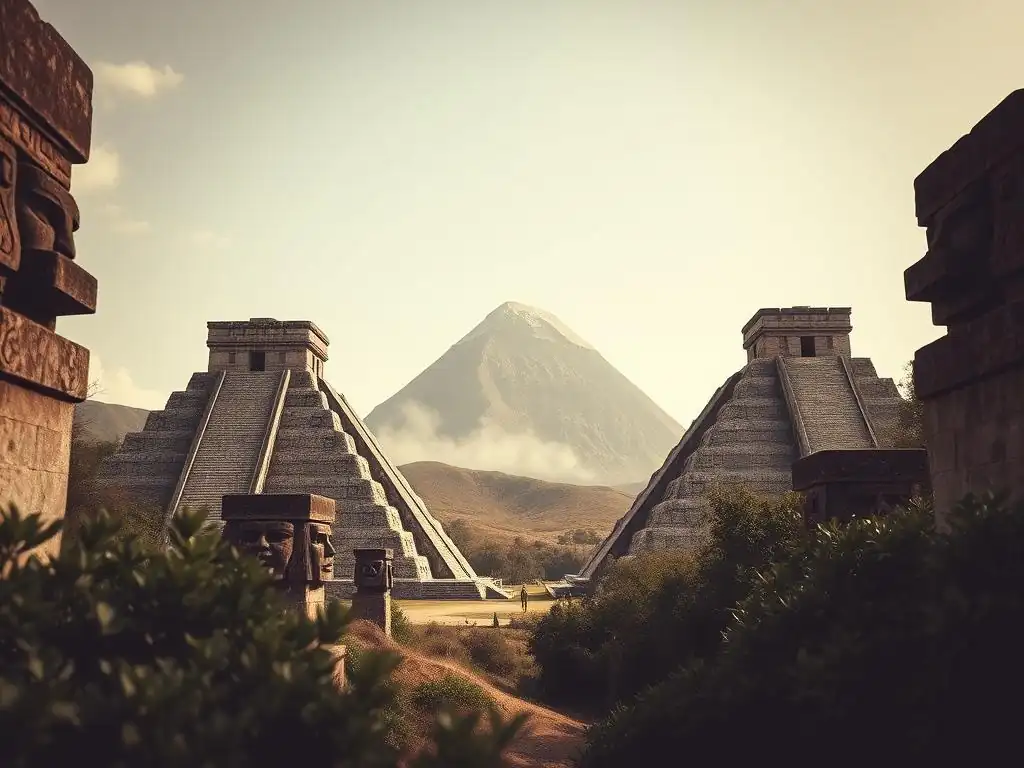
The Pyramids of Tula, located in the present-day state of Hidalgo, Mexico, are a remarkable example of Toltec architecture and an essential part of the region's rich historical tapestry. These monumental structures were built during the height of the Toltec civilization, around the 10th century CE. Tula, known as Tollan in Nahuatl, was not only a political and military center but also a hub of cultural and religious life. The pyramids, primarily the Pyramid of the Sun and the Pyramid of the Moon, serve as enduring symbols of the Toltecs' architectural and artistic prowess.
Historical Context of the Tula Pyramids
The construction of the Tula pyramids occurred during a pivotal period in Mesoamerican history when the Toltec civilization emerged as a dominant force after the decline of Teotihuacan. The Toltecs, believed to be descendants of the earlier cultures, adopted and adapted various architectural styles and techniques. The pyramids at Tula are emblematic of this cultural synthesis, incorporating elements from earlier civilizations while also establishing a distinct Toltec identity.
The rise of Tula as a powerful city-state coincided with significant political and social transformations in Mesoamerica. Scholars suggest that the Toltec civilization was marked by a stratified society with a ruling elite that engaged in expansive trade and military campaigns. The pyramids played a crucial role in the ceremonial and political life of Tula, serving as platforms for rituals and gatherings that reinforced the authority of the ruling class.
The Pyramid of the Sun: Structure and Significance
The Pyramid of the Sun is one of the most prominent structures in Tula, standing at an impressive height of approximately 50 meters (164 feet). Its base measures about 100 meters (328 feet) on each side, creating a massive footprint that dominates the landscape. The pyramid is constructed from a combination of stone and adobe, showcasing the Toltecs' advanced building techniques.
Symbolically, the Pyramid of the Sun is believed to represent the duality of life and death, echoing the Mesoamerican theme of regeneration. As a place of worship, it was likely dedicated to solar deities, reflecting the Toltecs' deep reverence for the sun as a life-giving force. The pyramid's orientation and alignment with celestial events further underline its significance in Toltec cosmology, serving as a monumental calendar that marked important seasonal changes.
The Pyramid of the Moon: Design and Purpose
Adjacent to the Pyramid of the Sun, the Pyramid of the Moon is another significant architectural achievement of the Toltec civilization. Smaller in scale than its counterpart, the Pyramid of the Moon stands about 35 meters (115 feet) high with a base measuring approximately 85 meters (279 feet) per side. Its design features a series of terraces and stairways that lead to a flat summit, which likely served as a ceremonial platform.
The Pyramid of the Moon is thought to be dedicated to the lunar goddess, reflecting the Toltecs' complex understanding of celestial bodies and their influence on earthly affairs. Rituals performed at this site may have included offerings and ceremonies aimed at ensuring agricultural fertility and societal harmony. The pyramid's placement within the Tula complex suggests a deliberate alignment with other important structures, reinforcing its role in the broader religious and cultural landscape of the Toltec civilization.
Symbolism in Toltec Architecture
Toltec architecture is rich in symbolism, with the pyramids of Tula serving as prime examples of how the Toltecs expressed their beliefs and values through built environments. Every aspect of the pyramids, from their orientation to their architectural elements, conveys deeper meanings that reflect the society’s worldview.
Religious and Ceremonial Significance of the Pyramids
The pyramids of Tula were not merely architectural feats but also served as vital centers for religious and ceremonial activities. They were designed to facilitate rituals that reinforced the social order and the connection between the divine and the earthly realms. The ceremonies held atop these pyramids often involved offerings to gods, including bloodletting and other sacrificial rites, which were integral to maintaining cosmic balance.
Additionally, the pyramids' imposing structures were a means of demonstrating the power and wealth of the Toltec elite. By integrating their religious practices with architectural grandeur, the Toltecs created spaces that were both awe-inspiring and spiritually significant, allowing participants to engage in a profound connection with their deities.
Representation of Toltec Cosmology in Architecture
Toltec architecture intricately reflects the civilization's cosmological beliefs, with the pyramids serving as physical manifestations of their understanding of the universe. The layout of the Tula site, with its pyramids and other structures, is often interpreted as a microcosm of the cosmos, representing the dualities of life, death, and the cyclical nature of existence.
The orientation of the pyramids aligns with celestial events such as solstices and equinoxes, further emphasizing their role as astronomical observatories. This alignment not only served practical purposes for agricultural cycles but also reinforced the Toltec belief in the interconnectedness of all things. Through their architectural choices, the Toltecs immortalized their cosmological narratives, ensuring that future generations would continue to honor and remember their rich cultural heritage.
The Influence of Toltec Architecture on Later Cultures
Toltec architecture, particularly exemplified by the pyramids of Tula, has left a profound mark on subsequent Mesoamerican civilizations. The architectural innovations and stylistic elements developed by the Toltecs significantly influenced the design principles of later cultures, particularly the Aztecs. Understanding this influence provides insight into the continuity and evolution of architectural practices in ancient Mesoamerica.
Impact on Aztec Architecture
The Aztecs, who rose to prominence around the 14th century, were heavily influenced by Toltec architectural styles. They adopted and adapted various elements, such as the use of monumental pyramids, which served not only as religious centers but also as symbols of power and prestige. The Templo Mayor in Tenochtitlan, for instance, reflects the design principles established by the Toltecs, featuring twin temples atop a large pyramid, reminiscent of the structures found in Tula.
Moreover, the Aztecs incorporated the distinctive Toltec motifs, such as the use of columns, which often depicted intricate carvings of deities and warriors. This stylistic borrowing illustrates how the Aztecs revered the Toltecs as cultural predecessors, integrating their architectural achievements into their own urban planning and monumental construction.
Legacy of Toltec Design in Mesoamerican Civilizations
The legacy of Toltec design is evident in various Mesoamerican cultures long after the decline of the Toltec civilization. Notably, regions such as the Mixtec and Zapotec societies echoed Toltec architectural features in their temples and civic structures. These cultures employed similar pyramid shapes and ceremonial layouts, suggesting a shared cultural ethos rooted in Toltec precedents.
The influence of Toltec architecture can also be seen in the intricate stonework and decorative motifs that adorned buildings across the region. Even as new civilizations emerged, the foundational elements established by the Toltecs continued to resonate, showcasing the enduring impact of their architectural innovations on Mesoamerican identity.
Modern Discoveries and Research on Toltec Pyramids
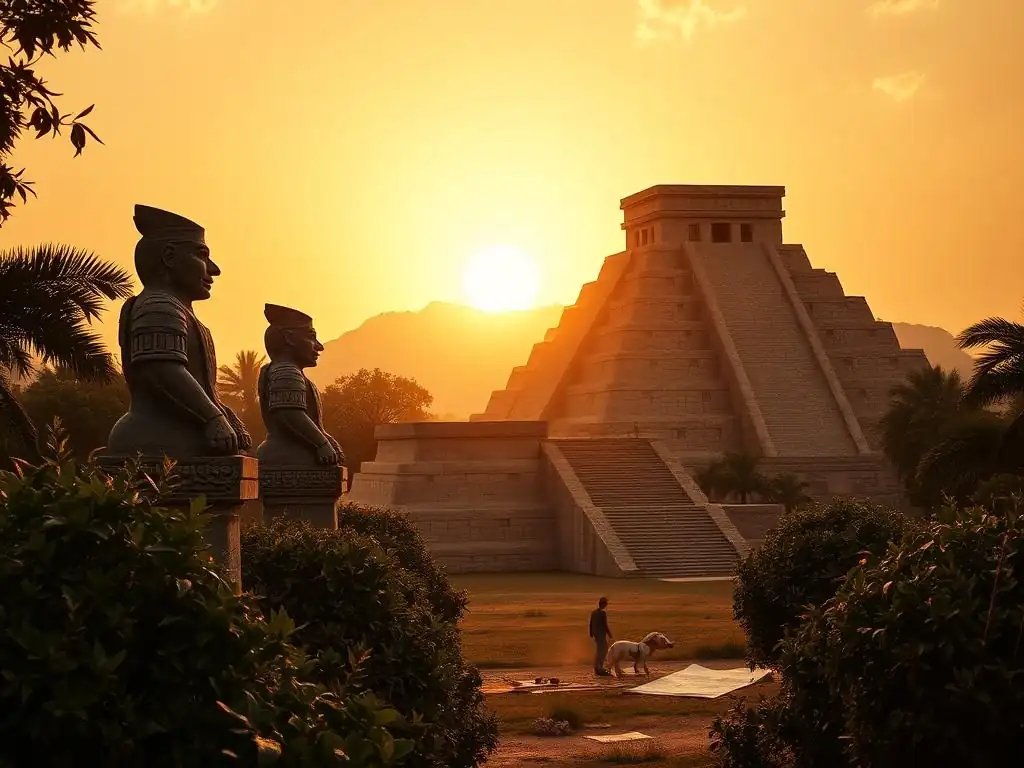
Recent advancements in archaeology and technology have shed new light on the Toltec pyramids at Tula, revealing the complexities of their design and construction. Ongoing research has not only enhanced our understanding of Toltec society but has also highlighted the architectural sophistication of their pyramids.
Archaeological Excavations at Tula
Archaeological excavations at Tula have uncovered significant findings that provide insight into the construction techniques and cultural practices of the Toltecs. Excavations have revealed a series of platforms, terraces, and the iconic Atlantean figures that once adorned the Pyramid of Quetzalcoatl. These discoveries indicate that the Toltecs employed advanced engineering methods, including the use of both local and imported materials, to create their monumental structures.
Furthermore, excavations have unearthed artifacts, such as pottery and tools, which offer glimpses into the daily lives of the Toltecs and their religious practices. The stratigraphy of the site has allowed researchers to establish a timeline of occupation and development, underscoring the pyramids' significance as centers of worship and governance.
Technological Advances in Studying Toltec Structures
The application of modern technology, such as ground-penetrating radar and 3D modeling, has revolutionized the study of Toltec architecture. These techniques enable archaeologists to map the subterranean features of the pyramids without disturbing the site, revealing hidden chambers and construction phases that were previously unknown.
Additionally, the use of drones for aerial surveys has facilitated a comprehensive understanding of Tula's layout, highlighting the alignment of the pyramids with celestial patterns and other landmarks. Such technological advancements not only enhance archaeological research but also contribute to the preservation efforts of these historical sites, ensuring that the secrets of Toltec architecture continue to be uncovered and appreciated.
Conclusion: The Enduring Mystique of Toltec Architecture
The architectural achievements of the Toltec civilization, particularly as exemplified by the pyramids of Tula, continue to captivate scholars and enthusiasts alike. These structures not only reflect the advanced engineering skills and artistic sensibilities of the Toltecs but also serve as a testament to their cultural and religious beliefs.
The pyramids, adorned with intricate carvings and symbolic motifs, tell stories of a society that revered deities and sought to connect with the cosmos through their monumental architecture. The enduring mystique surrounding Toltec architecture invites ongoing exploration and discovery, urging us to delve deeper into the significance of these ancient sites and their role in shaping the history of Mesoamerica.
Summary of Key Insights on Toltec Pyramids
- Architectural Innovation: The Toltec pyramids, particularly the Pyramid of Quetzalcoatl and the Pyramid B, showcase impressive engineering techniques, including the use of corbel arches and finely crafted stonework.
- Cultural Significance: These structures were not merely functional; they served as ceremonial centers that played a crucial role in the religious and social life of the Toltec people, reflecting their cosmology and societal hierarchy.
- Artistic Expression: The intricate carvings, especially the stone warriors and serpent motifs, highlight the Toltecs' artistic prowess and their deep connections to their spiritual beliefs and the natural world.
- Influence on Successor Cultures: The architectural styles and religious practices of the Toltecs had a profound impact on later Mesoamerican civilizations, including the Aztecs, who revered the Toltecs as cultural predecessors.
The Importance of Preserving Toltec Heritage
Preserving the heritage of the Toltec civilization is vital for several reasons. Firstly, it allows future generations to understand and appreciate the rich cultural history of the Americas. The pyramids of Tula, as tangible representations of Toltec ingenuity, are crucial for archaeological research and education. Furthermore, protecting these sites helps maintain the integrity of indigenous narratives and practices, fostering a sense of identity and continuity among contemporary indigenous peoples. Preservation efforts also contribute to the broader understanding of human history, showcasing the achievements of civilizations that thrived long before European contact.
Further Reading on Toltec Civilization and Architecture
For those interested in deepening their knowledge of Toltec architecture and the broader context of Toltec civilization, a variety of resources are available. These materials provide insight into the historical, cultural, and architectural significance of the Toltec pyramids and their legacy.
Suggested Books and Articles
- "The Toltec Heritage: From the Fall of Tula to the Rise of Tenochtitlán": by David Carrasco: This book explores the cultural continuity and transformation from the Toltec period to the Aztec era.
- "The Architecture of the Toltecs" by John Pohl: A comprehensive analysis of Toltec architectural styles, focusing on the pyramids and their ceremonial functions.
- "Mexican Architecture: The Pre-Columbian Period": by Manuel J. de la Torre: This article provides an overview of significant architectural developments in Mesoamerica, including Toltec contributions.
Online Resources for Exploring Toltec Architecture
- The Metropolitan Museum of Art: Offers an extensive collection of resources and articles related to Mesoamerican art and architecture, including the Toltecs.
- The Archaeological Institute of America: Features a section dedicated to Mesoamerican archaeology, highlighting the importance of sites like Tula in understanding ancient civilizations.
- National Park Service: Provides information on preservation efforts and the significance of archaeological sites in the Americas, including those related to the Toltec civilization.
These resources are invaluable for anyone seeking to explore the rich tapestry of Toltec architectural achievements and their enduring influence on the cultural landscape of the Americas.
- Introduction to Toltec Architecture and Pyramids
- Overview of Toltec Civilization
- Importance of Architecture in Toltec Culture
- Key Features of Toltec Architecture
- The Pyramids of Tula: A Closer Look
- Symbolism in Toltec Architecture
- The Influence of Toltec Architecture on Later Cultures
- Modern Discoveries and Research on Toltec Pyramids
- Conclusion: The Enduring Mystique of Toltec Architecture
- Further Reading on Toltec Civilization and Architecture
Frequently Asked Questions
What is Toltec architecture known for?
Toltec architecture is renowned for its monumental structures, particularly the pyramids of Tula, which showcase advanced engineering and decorative elements reflecting spiritual and cultural significance.
How did the Toltecs influence other civilizations?
The Toltecs set a foundation for later cultures, particularly the Aztecs, who adopted and adapted many architectural styles and religious practices, ensuring the legacy of Toltec culture continued.
What are some key features of the pyramids of Tula?
The pyramids of Tula are characterized by their stepped designs, large platforms, and distinctive Chac Mool statues, which illustrate the religious and ceremonial importance of these structures.
Why are the pyramids of Tula significant in Mesoamerican history?
The pyramids of Tula are considered significant as they represent the political and religious power of the Toltec civilization, serving as a cultural hub in Mesoamerica during their peak.
How can I learn more about Toltec architecture?
To delve deeper into Toltec architecture and its historical context, explore the comprehensive resources available on the Indigenous Civilizations of the Americas website, which offers insights into cultural achievements and societal structures.
Final Reflection: Unveiling the Timeless Legacy of Toltec Architecture
Toltec architecture and the pyramids of Tula stand as monumental testaments to the ingenuity and cultural depth of an ancient civilization. In today's fast-paced world, where modernity often overshadows historical significance, it is crucial to recognize how these architectural marvels continue to resonate with contemporary society. The intricate designs and purposeful layouts of the Toltec pyramids not only reflect the advanced engineering skills of their creators but also serve as a reminder of the rich cultural narratives that shaped their existence.
The influence of Toltec architecture extends far beyond its physical structures; it permeates our understanding of heritage and identity. The pyramids of Tula, with their imposing presence, invite us to reflect on the interconnectedness of past and present. They remind us that architecture is not merely about aesthetics but also about the stories and values embedded within each stone. As the historian Miguel León-Portilla once said, The past is not dead; it is not even past.
This sentiment underscores the importance of preserving and honoring the architectural legacies that define our cultural landscapes.
As we conclude this exploration of Toltec architecture, I invite you to reflect on the lessons these ancient structures impart. Consider how the principles of balance, harmony, and respect for nature can be integrated into your own life and surroundings. Whether through personal projects or community initiatives, let the wisdom of the Toltecs inspire you to create spaces that foster connection, understanding, and beauty. Embrace the call to action: honor the past while shaping a future that values the lessons of history, ensuring that the secrets behind the pyramids of Tula continue to inspire generations to come.
Unveil the Mysteries of Toltec Architecture!
Thank you for taking the time to explore the fascinating world of Toltec architecture with us! We hope you’ve uncovered valuable insights into the secrets behind the Pyramids of Tula. Now, it’s time to take your newfound knowledge to the next level!
Here’s how you can dive deeper and engage with this extraordinary topic:
- Explore nearby archaeological sites and immerse yourself in the ancient craftsmanship that shaped the Toltec legacy.
- Share your insights on social media or in community discussions—let's spread the knowledge!
- Connect with local museums or organizations focused on Indigenous history to participate in events or lectures.
What piece of Toltec architecture has intrigued you the most, and how do you believe it reflects the culture of its time? Let’s start a conversation!