
Exploring Toltec Farming Practices: From Terracing to Irrigation

Welcome to Indigenous Civilizations of the Americas, where we embark on a fascinating journey through the rich tapestry of indigenous cultures that flourished long before European contact. Here, we delve into the Toltec farming practices in history, uncovering the innovative techniques such as terracing and irrigation that not only sustained their communities but also shaped their legacies. As you explore this captivating topic, prepare to be intrigued by the profound achievements of the Toltecs and their enduring impact on agricultural practices. Join us as we unravel the stories of resilience and ingenuity that define these remarkable civilizations.
Exploring Toltec Farming Practices in History
Introduction to Toltec Farming Practices
The Toltec civilization, flourishing in central Mexico from approximately 900 to 1168 CE, is renowned for its remarkable contributions to agriculture, architecture, and culture. Among the myriad aspects of Toltec life, their innovative farming practices stand out as a testament to their adaptability and ingenuity in harnessing the environment for sustenance and economic stability.
The Toltec farming practices in history not only provided food for their communities but also shaped their social structures and influenced subsequent civilizations. This exploration delves into the intricate farming techniques employed by the Toltecs, highlighting their terracing methods, irrigation systems, and the vital role agriculture played in their society.
Overview of Toltec Civilization and Agriculture
The Toltecs are often celebrated as one of the foundational cultures in Mesoamerica, succeeding the earlier Teotihuacan and preceding the Aztecs. Their civilization was characterized by a centralized political structure, sophisticated artistic expression, and a deep understanding of agricultural practices. The Toltecs utilized a combination of techniques to optimize crop yields in the diverse and sometimes challenging terrains of their homeland.
- Key crops cultivated:
- Maize (corn)
- Beans
- Squash
- Chili peppers
The agricultural innovations of the Toltecs included advanced methods such as terracing, which transformed steep landscapes into arable land, and irrigation, which ensured consistent water supply for their crops, allowing them to thrive in both fertile valleys and arid regions.
Importance of Agriculture in Toltec Society
Agriculture was not merely a means of subsistence for the Toltecs; it was the backbone of their economy and social organization. The surplus generated from farming enabled the growth of cities and the flourishing of trade networks, connecting the Toltecs with neighboring cultures. Furthermore, agricultural practices were deeply intertwined with Toltec spirituality and rituals, as farming cycles often aligned with religious observances.
- Social implications:
- Development of social hierarchies based on land ownership
- Emergence of specialized roles within the community, including farmers, artisans, and traders
- Rituals and festivals celebrating agricultural cycles
The significance of agriculture can be seen as a driving force behind the Toltec's political power and cultural development, impacting their interactions with both contemporaneous and later civilizations.
Historical Context of Toltec Farming
To fully appreciate the sophistication of Toltec farming practices, it is essential to explore their historical context. This includes examining the agricultural techniques developed prior to their rise and the geographical factors that influenced their methods.
Pre-Columbian Agricultural Techniques
Long before the Toltecs, indigenous peoples in Mesoamerica were experimenting with various agricultural techniques that laid the groundwork for Toltec innovations. Techniques such as slash-and-burn agriculture and the development of chinampas (floating gardens) were pivotal in maximizing agricultural productivity. The Toltecs adopted and refined these methods, leading to more efficient farming systems that could support larger populations.
- Key techniques:
- Slash-and-burn: Clearing land for farming by cutting and burning vegetation
- Chinampas: A system of raised fields built in shallow lake beds
These ancestral practices provided the Toltecs with a robust foundation on which they built their unique agricultural identity.
Influence of Geography on Toltec Farming Practices
The diverse geography of central Mexico played a crucial role in shaping Toltec agricultural practices. The combination of mountainous terrains, fertile valleys, and varying climatic conditions necessitated innovative solutions to farming challenges. The Toltecs skillfully adapted their techniques to exploit the advantages of their environment.
- Geographical factors:
- Elevation: Farming at different elevations allowed for a variety of crops to be cultivated
- Climate: Seasonal rainfall patterns influenced irrigation strategies
Understanding the geographical context of Toltec farming practices reveals how the civilization thrived despite potential environmental hurdles, showcasing their resilience and ingenuity as agriculturalists.
Key Toltec Farming Techniques
The Toltec civilization, known for its advanced agricultural practices, developed several key techniques that allowed them to thrive in the challenging environments of central Mexico. These methods not only maximized their agricultural output but also reflected a deep understanding of their natural surroundings. The most notable techniques included terracing and sophisticated irrigation systems. Together, these practices facilitated the cultivation of a variety of crops and contributed to the sustainability of their agricultural economy.
Terracing: Enhancing Agricultural Efficiency
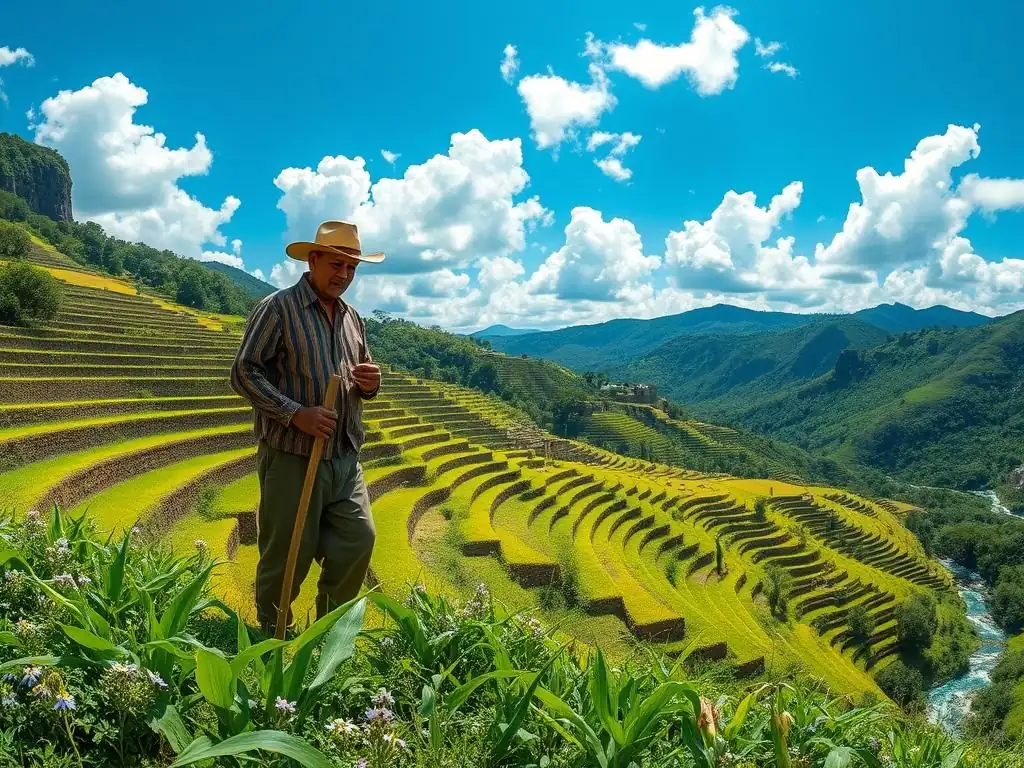
Terracing was a fundamental technique employed by the Toltecs to combat soil erosion and optimize the use of steep landscapes. By creating stepped plots along hillsides, the Toltecs were able to slow down water runoff, allowing for better moisture retention in the soil. This method not only increased the arable land available for farming but also enhanced the efficiency of their farming practices.
The construction of terraces involved significant labor and engineering skill. The Toltecs used locally available materials, such as stones and earth, to build retaining walls that supported the terraced fields. The terraces created microclimates, which helped to regulate temperature and moisture levels, making it possible to grow crops that might not have thrived in a flat landscape. This technique allowed the Toltecs to cultivate more land and improve yields, contributing significantly to their overall agricultural productivity.
Irrigation Systems: Managing Water Resources
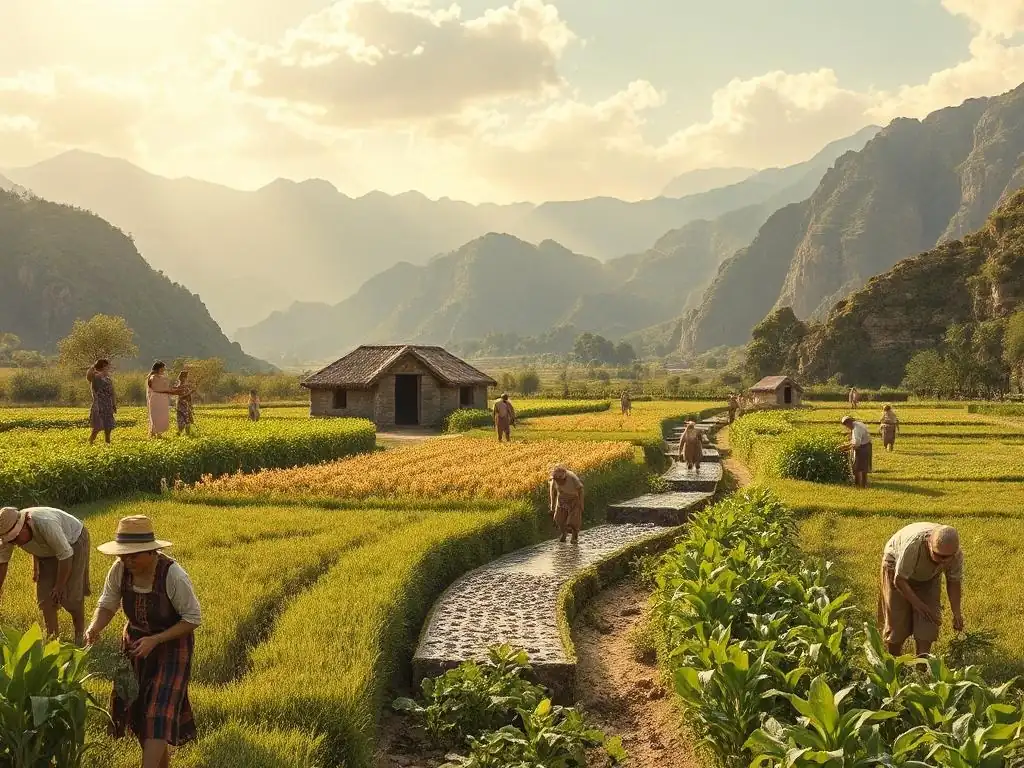
Irrigation played a crucial role in the success of Toltec agriculture, especially in regions where rainfall was inconsistent. The Toltecs developed an intricate network of canals, ditches, and reservoirs to manage water resources effectively. These irrigation systems enabled them to divert water from rivers and streams to their fields, ensuring a reliable water supply throughout the growing season.
The design of these irrigation systems demonstrated advanced engineering capabilities. Canals were often lined with stones to prevent erosion and maintain water flow. Additionally, the Toltecs employed techniques to control water distribution, allowing them to irrigate multiple fields from a single source. This not only increased crop yields but also minimized the risk of crop failure due to drought. The ability to manage water resources effectively was a testament to the Toltecs' ingenuity and their deep understanding of their environment.
Crops Cultivated by the Toltecs
The Toltecs cultivated a variety of crops that were essential to their diet and economy. Their agriculture focused on staple crops that provided the necessary nutrients for their society. The diversity in their crop production also allowed them to adapt to different environmental conditions and potential market demands.
Staple Crops in Toltec Agriculture
Maize (corn) was the cornerstone of Toltec agriculture, serving as a primary food source. The Toltecs cultivated several varieties of maize, which were used for tortillas, a staple of their diet. In addition to maize, they grew beans, squash, and chili peppers, creating a complementary trio often referred to as the "Mesoamerican triad." This combination of crops provided a balanced diet rich in essential proteins and vitamins.
Other important crops included amaranth, a nutritious grain, and various fruits such as tomatoes and avocados. These crops not only contributed to the diet of the Toltec people but also played a significant role in their trade networks. The ability to produce a wide range of crops allowed the Toltecs to sustain their population and engage in commerce with neighboring cultures.
Crop Rotation and Sustainability Practices
To maintain soil fertility and prevent crop depletion, the Toltecs practiced crop rotation and other sustainable agricultural methods. By alternating the types of crops planted in a particular field, they were able to replenish nutrients in the soil and reduce the risk of pests and diseases. This practice was essential for maintaining long-term agricultural productivity.
Additionally, the Toltecs utilized organic fertilizers, such as decomposed plant matter and animal waste, to enrich their soil. This approach not only enhanced crop yields but also contributed to the overall health of the ecosystem. The combination of crop rotation, organic fertilization, and careful land management showcased the Toltecs' commitment to sustainable farming practices, ensuring that their agricultural systems could support future generations.
The Toltec civilization, flourishing in central Mexico between the 10th and 12th centuries, demonstrated sophisticated farming practices that significantly influenced their social structure and economy. Farming was not merely a means of subsistence but a cornerstone of Toltec society that drove trade, social organization, and cultural identity. The agricultural methods they employed, particularly terracing and irrigation, allowed for the efficient use of land and water resources in the arid highlands, resulting in surplus production that could support larger populations and complex societal hierarchies.
The economic impact of Toltec farming practices extended beyond local consumption. The surplus crops enabled the Toltecs to engage in extensive trade networks with neighboring regions, exchanging agricultural products such as maize, beans, and chili peppers for goods like obsidian and textiles. This exchange fostered economic interdependence and cultural exchange, showcasing the Toltec’s role as a pivotal player in pre-colonial Mesoamerican commerce. Furthermore, the labor-intensive nature of agriculture led to the establishment of social classes, with farmers, laborers, and elites contributing to a structured society that valued agricultural productivity.
Role of Agriculture in Toltec Economy
Agriculture was the backbone of the Toltec economy, providing the necessary resources to sustain the population and fuel economic growth. The introduction of advanced farming techniques, such as crop rotation and companion planting, maximized yields and ensured food security. The primary crops cultivated included maize, beans, and squash, often referred to as the "Three Sisters," which were integral to the Toltec diet.
The Toltec’s economic framework relied heavily on agriculture, as it was intrinsically linked to their social organization. Farmers were vital to the community, and their ability to produce surplus food enabled the development of specialized crafts and trade. This specialization allowed for the emergence of artisans and merchants, creating a diversified economy that was less dependent on subsistence farming alone. The agricultural surplus also facilitated the construction of monumental architecture and the funding of religious and civic projects, further demonstrating agriculture's central role in economic development during the Toltec era.
Cultural Significance of Agriculture in Toltec Society
Agriculture held profound cultural significance for the Toltecs, shaping their worldview and social customs. The agricultural calendar dictated many religious and societal events, with rituals often aligned with planting and harvest seasons. The Toltecs revered maize, considering it a sacred crop, central to their mythology and identity. This reverence is reflected in their art and religious practices, where maize was often depicted in various forms, symbolizing life and sustenance.
Additionally, agricultural practices fostered community cohesion as farming was typically a communal effort. The shared labor in fields cultivated a sense of belonging and collective identity among the Toltecs. Festivals celebrating harvests brought people together, reinforcing social ties and cultural traditions. The integration of agriculture into their daily lives and spiritual beliefs underscores the significance of farming not just as a means of survival but as an essential part of the Toltec cultural fabric.
Conclusion: The Legacy of Toltec Farming Practices
The Toltec civilization's farming practices have left a lasting legacy that continues to resonate in contemporary agricultural techniques and cultural frameworks. Their innovative approaches to farming, such as terracing and irrigation, have influenced subsequent generations of agriculturalists in the region and beyond. By optimizing the use of land and water, the Toltecs set precedents that would be adapted and refined by future indigenous cultures.
Lasting Impact on Indigenous Agriculture in the Americas
The agricultural innovations of the Toltecs contributed significantly to the broader spectrum of indigenous farming practices across the Americas. Their use of terraced fields allowed for the cultivation of steep slopes, preserving soil and water while preventing erosion. These techniques were adopted and adapted by various cultures, illustrating the Toltec influence on agricultural sustainability and efficiency.
Moreover, the integration of diverse crop species into their farming systems laid the groundwork for agricultural biodiversity that many indigenous communities continue to practice today. The emphasis on sustainable methods, crop rotations, and intercropping has become a model for modern sustainable agriculture, reflecting the enduring impact of Toltec practices on indigenous farming throughout the Americas.
Lessons from Toltec Agricultural Techniques for Modern Practices
Modern agriculture can learn valuable lessons from the Toltec approach to farming, particularly in the face of contemporary challenges such as climate change and food insecurity. The principles of sustainable land management, efficient water use, and the promotion of biodiversity are as relevant today as they were in Toltec times.
By studying Toltec farming practices, modern agriculturalists can uncover strategies for enhancing resilience in food systems. For instance, the implementation of terracing could be revisited as a solution for managing water runoff and soil degradation in hilly terrains. Additionally, the emphasis on community-based agricultural practices can inspire cooperative models in contemporary farming, fostering collaboration and shared resources among farmers. Embracing these ancient techniques could pave the way for a more sustainable and equitable food future.
Frequently Asked Questions
What were the main farming practices of the Toltecs?
The Toltecs implemented advanced techniques such as terracing and irrigation to maximize agricultural output in their challenging environment.
How did terracing benefit Toltec agriculture?
Terracing allowed the Toltecs to cultivate on steep slopes, reducing soil erosion and improving water retention, which was crucial for their crops.
What role did irrigation play in Toltec farming?
Irrigation systems developed by the Toltecs helped to efficiently manage water supply for their crops, enabling them to thrive in arid regions.
How did Toltec farming practices influence other cultures?
Toltec agricultural techniques, especially in irrigation and land management, laid the groundwork for later civilizations, impacting their farming systems and agricultural productivity.
Are Toltec farming practices still relevant today?
Many Toltec farming practices are studied for their sustainability and efficiency, offering valuable lessons for modern agriculture in similar climates.
Final Reflection: The Enduring Legacy of Toltec Farming Practices
The exploration of Toltec farming practices in history reveals not only the ingenuity of ancient agricultural techniques but also their profound relevance in today's world. As we face pressing challenges such as climate change and food security, the sustainable methods employed by the Toltecs serve as a powerful reminder of how traditional wisdom can inform modern practices. The intricate terracing and innovative irrigation systems they developed were not just responses to their environment; they were a testament to their deep understanding of ecological balance and resource management.
The influence of Toltec farming practices extends beyond mere agricultural techniques; it resonates within our cultural and social frameworks. These practices remind us of the interconnectedness of humanity and nature, urging us to adopt a more holistic approach to farming and land stewardship. As we navigate the complexities of contemporary agriculture, we can draw inspiration from the past. > “To forget the past is to lose the future.” This quote encapsulates the importance of remembering and learning from the agricultural legacies of civilizations like the Toltecs, whose practices can guide us toward a sustainable future.
As we reflect on the lessons of Toltec farming, I invite you to consider how you can incorporate these principles into your own life. Whether through supporting local agriculture, practicing sustainable gardening, or advocating for ecological awareness, each action contributes to a larger movement towards sustainability. Let us honor the wisdom of the Toltecs by embracing their practices and ensuring that their legacy continues to inspire future generations in our quest for harmony with the earth.
Embrace Sustainable Farming: Join the Toltec Way!
Thank you for diving into the fascinating world of Toltec farming practices! You've uncovered valuable insights into innovative techniques like terracing and irrigation, which can inspire us in our contemporary quest for sustainable agriculture. Now, it’s time to put these learnings into action and honor the wisdom of ancient practices.
Here are a few steps you can take right now:
- Start your own garden using terracing techniques to enhance water retention and improve soil health in your area.
- Share your newfound knowledge with others by discussing traditional farming practices in community groups or on social media platforms.
- Explore local workshops that focus on sustainable farming methods to deepen your understanding and connect with like-minded individuals.
Which sustainable agricultural practice will you implement in your next gardening project? We invite you to share your thoughts and experiences in the comments below!